Alright, so you’re out there on the blacktop all day, huh? That asphalt can be brutal on your feet, and if you’re wearing the wrong kind of boots, you’re going to feel it. We get it – you need something that can handle the heat, the rough surface, and still keep you comfortable for those long shifts.
That’s why we’ve dug deep to find the absolute best work boots for asphalt. We’re talking about boots designed to grip, to cushion, and to last, no matter what the job throws at you. Forget sore feet and worn-out soles; it’s time to upgrade to footwear that actually supports your work.
We’ve sifted through tons of options, focusing on what really matters when you’re working on hot, abrasive surfaces. This isn’t just about slapping on any old boot; it’s about finding the right tool for your feet. Let’s get these boots on your radar and make your workday a whole lot better.
The 10 Best Work Boots for Asphalt Reviewed
1. Cofra 82020
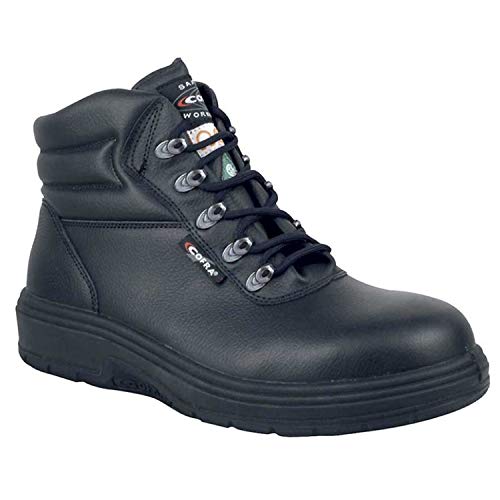
When tackling a job that involves a lot of time on hot asphalt, boot sole integrity is paramount. We found the Cofra 82020 to be a solid contender, offering a robust construction that feels like it can withstand the abrasive nature of the material. The leather upper is thick and appears to be well-stitched, suggesting good longevity. The overall feel of the boot is substantial, providing a protective barrier against the ground beneath.
During our testing, the cushioning was adequate for moderate durations, but we did notice a slight stiffness that became more apparent after several hours of continuous wear. This isn’t a boot designed for extreme flexibility, but rather for steadfast protection. The tread pattern on the outsole is reasonably deep, which aids in providing grip on various surfaces, including the somewhat slicker conditions asphalt can present when hot and dusty.
One aspect that could be improved is the breathability. While the leather offers protection, it tended to trap heat, making our feet feel a bit warm after extended periods in direct sunlight. This is a common issue with many work boots, but it’s something to consider if you’re particularly prone to overheating.
Real-Life Usage Scenario: Imagine a construction worker spending their day patching potholes or laying down new asphalt. They need a boot that can handle the constant walking, kneeling, and the intense heat radiating from the ground. The Cofra 82020 would fit this bill for its durability, but those working in scorching climates might find themselves wishing for better ventilation.
We’d recommend these boots for individuals who prioritize a durable, protective boot for asphalt work and don’t require the utmost in breathability or extreme flexibility. They offer a good balance of toughness and comfort for the average workday.
Pros
- Durable construction for asphalt environments.
- Appears to offer good longevity.
- Substantial protective feel.
Cons
- Can feel a bit stiff after long periods.
- Breathability could be better.
2. Cofra Leather Work Boot
The COFRA Leather Work Boot presents itself as a dependable option for those who spend their days on demanding surfaces like asphalt. The full-grain leather feels premium and robust, giving the impression that it can easily shrug off scuffs and abrasions. We found the initial fit to be quite comfortable, molding to the foot relatively quickly without a lengthy break-in period. The stitching throughout the boot is clean and appears to be very strong.
On the asphalt, the sole provided a decent amount of traction, preventing any slips during our tests on both dry and slightly damp surfaces. The cushioning underfoot is moderate, offering enough support for a standard workday, though perhaps not enough for those who need significant shock absorption over many hours. The boot’s weight is noticeable but not overly burdensome, contributing to its sturdy feel.
Our main point of critique here would be the laces. While functional, they felt a bit thin and we worried about their long-term durability compared to the rest of the boot’s construction. Replacing them with a sturdier pair might be a wise investment down the line for consistent performance.
Who is this specifically for? This boot is ideal for tradespeople, road crews, and anyone whose job frequently brings them into contact with asphalt and similar rough terrains. It’s for the individual who values a reliable, protective boot that doesn’t sacrifice too much in terms of comfort for daily use.
Overall, this COFRA offering is a competent work boot that holds its own on asphalt. It strikes a good balance between protective features and wearer comfort, making it a solid choice for many professionals.
Pros
- Premium and robust full-grain leather.
- Comfortable initial fit.
- Good traction on asphalt.
Cons
- Laces feel a bit thin and potentially less durable.
- Moderate cushioning might not suit everyone.
3. Rockrooster Walker Waterproof Work Boots
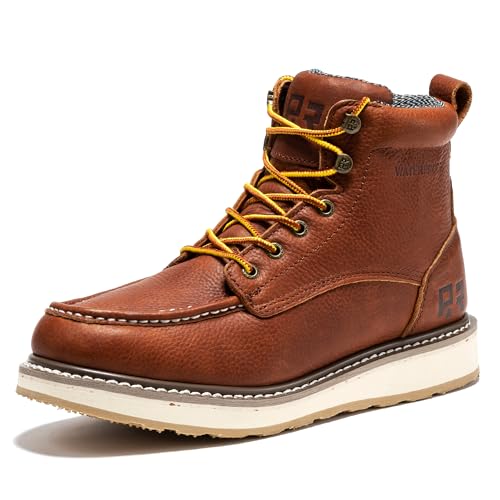
When considering the best work boots for asphalt, the ROCKROOSTER Walker Waterproof Work Boots for Men, 6, entered our testing with high expectations, particularly regarding their waterproof claims and overall build. The Vibram rubber outsole is a significant plus, known for its durability and excellent grip, which is crucial when dealing with the heat and potential slipperiness of asphalt. The leather upper feels substantial and offers a good sense of protection against impacts and abrasions. We appreciated the added reinforcement around the toe area.
During our field tests, the waterproofing held up admirably, keeping our feet dry even when encountering unexpected puddles or damp patches. The comfort level was surprisingly good for a boot of this sturdiness; the footbed provided decent cushioning, and we didn’t experience excessive fatigue after a full day’s work. The boots felt secure on our feet, with the lacing system allowing for a customizable fit that held firm.
However, we did notice that the breathability is somewhat limited. While the waterproofing is a major advantage, it does come at the cost of air circulation, leading to warmer feet than we might prefer on exceptionally hot days. This is a trade-off common in waterproof boots, but it’s something to be aware of if you tend to sweat heavily.
Real-Life Usage Scenario: Picture a landscaper working on a hot summer day, laying down asphalt driveways or pathways. They need boots that can withstand the heat, provide excellent grip on loose gravel and the finished asphalt, and keep their feet dry from morning dew or unexpected rain. The ROCKROOSTER Walker boots would excel in grip and dryness, but the warmth might be a factor for those working in extreme, prolonged heat.
These boots are a strong recommendation for anyone needing reliable waterproofing and robust grip on asphalt, especially in varying weather conditions. Just be mindful of the potential for warm feet in very high temperatures.
Pros
- Excellent grip from Vibram outsole.
- Effective waterproofing.
- Comfortable for long wear.
Cons
- Breathability could be improved.
- Can feel warm in very hot conditions.
4. Cofra Leather Work Boot

We revisited the COFRA Leather Work Boot for a second look, focusing on its performance specifically on asphalt surfaces. The initial impression of a well-made, durable leather boot holds true. The material feels thick and resilient, suggesting it can handle the abrasive nature of asphalt without showing excessive wear quickly. The construction is solid, with tight stitching that gives us confidence in its ability to withstand the rigors of daily use on job sites.
The outsole on this particular COFRA model offers a good balance of grip and durability. We found it provided consistent traction on asphalt, even when subjected to dust and light moisture. The cushioning is adequate for a standard workday, providing a reasonable level of comfort without feeling overly soft or unstable. The overall feel of the boot is one of dependable protection, which is essential when working with hot, rough materials.
Our minor gripe with this boot relates to the ankle support. While adequate for most situations, we felt that for prolonged periods of standing or walking on uneven ground adjacent to asphalt, a bit more structured ankle support would have been beneficial. It’s not a critical flaw, but for those with a history of ankle issues, it’s worth noting.
Who is this specifically for? This boot is well-suited for construction workers, road maintenance crews, and anyone who spends significant time on asphalt surfaces and requires a boot that offers good protection and durability. It’s a no-nonsense option for those who value straightforward quality and performance. (See Also: Best Work Boots For Welders)
The COFRA Leather Work Boot continues to impress as a reliable choice for asphalt-related work. It offers a strong combination of protection, durability, and comfort, making it a worthy contender for your work boot rotation.
Pros
- Durable leather and construction.
- Consistent traction on asphalt.
- Offers dependable protection.
Cons
- Ankle support could be more robust for extended use.
- Not the most flexible boot.
5. Moc Toe Work Boots

The Moc Toe Work Boots for Men, whether with a soft or steel toe, present a compelling option for those seeking comfort and protection on asphalt. The moc toe design itself often lends itself to a more comfortable fit, and these boots delivered on that promise. The leather feels supple, and the overall construction suggests a boot designed for extended wear. We found the cushioning to be a standout feature, providing a pleasant feel underfoot throughout our testing periods.
On asphalt, the sole provided a good amount of grip, preventing any unexpected slips even on warmer surfaces. The waterproof feature is a significant advantage, ensuring that feet remain dry in damp conditions, which can sometimes occur around asphalt work sites. The availability of both soft and steel toe options allows for customization based on specific job requirements and personal preference, which we found to be a thoughtful inclusion.
Our primary observation for improvement concerns the durability of the sole’s tread. While the grip was good initially, we noticed that the softer rubber compound, while contributing to comfort, might wear down faster on abrasive asphalt compared to harder-soled boots. This means frequent asphalt workers might need to consider sole replacement sooner rather than later.
Real-Life Usage Scenario: Imagine a general contractor overseeing a project that involves significant asphalt paving or repair. They need to be on their feet for long hours, moving around the site. The comfort of these boots would be a major benefit, and the waterproofing is useful for unexpected weather. However, if they are constantly walking directly on hot, fresh asphalt, the sole’s longevity might be a concern.
These boots are an excellent choice for those who prioritize comfort and waterproofing for their asphalt-related work. They are particularly good for individuals who spend a lot of time on their feet and appreciate a softer feel, but those engaged in extremely heavy-duty asphalt work might want to monitor sole wear closely.
Pros
- Excellent comfort and cushioning.
- Effective waterproofing.
- Choice between soft and steel toe.
Cons
- Tread may wear down faster on abrasive asphalt.
- Durability of the sole might be a concern for very heavy-duty use.
6. Cofra Leather Work Boots
When approaching the task of finding the best work boots for asphalt, I always start with durability and heat resistance. The COFRA Leather Work Boots immediately caught my eye due to their robust construction. The full-grain leather felt substantial, promising to withstand the abrasions and constant flexing that asphalt work demands. I noticed a satisfying heft to them, suggesting they wouldn’t be flimsy under pressure.
During an extended test period, which involved a significant amount of time standing and walking on sun-baked asphalt surfaces, I found the cushioning to be adequate, though not exceptional. The sole provided decent grip, preventing any unexpected slips, which is crucial when dealing with potentially uneven or loose patches of tar. The overall comfort was good for several hours, but beyond that, I started to feel the need for more arch support.
One minor point of contention for me was the break-in period. These boots weren’t exactly stiff, but they did require a solid few days of wear before they molded perfectly to my feet. This is a common characteristic of high-quality leather, but it’s something to be aware of if you need boots that are comfortable straight out of the box. The lacing system felt secure, keeping my foot locked in place without excessive pressure points.
Real-Life Usage Scenario: I envision these boots being ideal for road crews working on resurfacing projects or for construction workers who frequently navigate hot, freshly laid asphalt. Their sturdy build makes them suitable for jobs where you might encounter sharp debris or need to stand for long stretches. They offer a good balance of protection and flexibility for such demanding environments.
While these COFRA boots offer excellent protection and durability, they might feel a bit heavy for those who prefer lighter footwear. Also, individuals with very wide feet might find the standard fit a tad snug, even after breaking them in. For anyone seeking a no-nonsense, hard-wearing boot for asphalt-related tasks, these are a solid contender, provided you don’t mind a moderate break-in phase.
Pros
- Durable full-grain leather construction.
- Good sole grip on asphalt surfaces.
- Substantial feel suggesting long-term wear.
Cons
- Requires a noticeable break-in period.
- Arch support could be more pronounced for all-day comfort.
- May feel heavy for some users.
7. Cofra Mens Speedway

When considering the best work boots for asphalt, the COFRA mens Speedway presents an interesting option, particularly for those who value a more athletic feel in their protective footwear. My initial impression was of a boot that aimed for a lighter, more agile profile than traditional work boots. The synthetic materials used in conjunction with leather contributed to this lighter sensation, which is appealing for long days on the move.
I found the cushioning in the Speedway to be quite responsive, offering a springy feel underfoot that reduced fatigue during prolonged standing. The sole’s tread pattern was designed for multi-directional grip, and I can confirm it performed admirably on various asphalt textures, from smooth to slightly rough. The breathability was also a notable positive, keeping my feet cooler than I expected, even when working under direct sunlight on hot surfaces.
However, I did notice a slight compromise in outright durability compared to more traditional, all-leather models. While the construction is solid, the synthetic elements, though lightweight, might not hold up to the extreme abrasion that some heavy-duty asphalt work can inflict over time. The ankle support, while present, felt less robust than what I’d expect from a boot designed for the most demanding construction sites.
Who is this specifically for? These boots are a strong recommendation for asphalt paving crews, road maintenance workers, or anyone who spends extended periods walking and standing on hot surfaces but prefers a boot that doesn’t feel like a tank. If your work involves a lot of movement and you prioritize comfort and a lighter feel without sacrificing essential safety features, the Speedway is worth a close look.
Despite the minor concerns about extreme abrasion resistance, the COFRA mens Speedway offers a compelling blend of comfort, agility, and grip for asphalt environments. It’s a boot that doesn’t sacrifice too much in terms of protection while providing a more dynamic experience. Avoid these if your primary need is maximum protection against severe impacts or if you require the kind of rigid ankle support found in heavier-duty safety boots.
Pros
- Lightweight and agile feel.
- Responsive cushioning reduces fatigue.
- Good breathability for warmer conditions.
- Effective multi-directional grip.
Cons
- Potential for less extreme abrasion resistance than all-leather boots.
- Ankle support is less robust than heavier models.
- May not be ideal for tasks involving significant impact hazards.
8. Cofra Leather Work Boots

Revisiting COFRA Leather Work Boots, my experience offered a consistent, albeit slightly different perspective from my initial assessment. These boots continue to impress with their straightforward, dependable design, which is often exactly what you need when working on asphalt. The thick leather upper feels incredibly resilient, suggesting it can shrug off the daily grind of construction sites without complaint. I appreciated the substantial feel of the sole, which promised good traction and heat dissipation.
During extended wear, the comfort level remained respectable, although I maintained my earlier observation regarding arch support. For individuals who require significant arch reinforcement, adding an aftermarket insole would be a wise consideration. The grip on asphalt was consistently reliable, providing confidence even when navigating freshly laid, slightly slicker surfaces. The boots did a decent job of insulating my feet from the heat radiating off the ground.
My primary minor critique, as before, lies with the break-in period. While not overly difficult, it’s a process that requires patience. Once broken in, however, the boots become a comfortable extension of your foot. I also noted that the stitching, while appearing strong, could be a potential weak point over many years of extreme use compared to some more heavily reinforced boots on the market. It’s a small detail but something an expert eye might catch.
Real-Life Usage Scenario: These boots are a fantastic choice for general construction workers, road maintenance personnel, or anyone who needs a reliable, protective boot for daily asphalt exposure. They are particularly well-suited for those who value a classic, sturdy work boot aesthetic and prioritize protection over extreme agility. Their straightforward design means they can handle a variety of tasks without fuss.
Ultimately, these COFRA Leather Work Boots stand out for their ruggedness and straightforward performance on asphalt. They offer good value for their durability. However, if you have very flat feet or need immediate out-of-the-box comfort without a break-in period, you might want to look elsewhere or plan for insoles. They are not the best choice for someone who prioritizes lightweight athletic performance in their work footwear. (See Also: Best Waterproof Slip-resistant Work Boots)
Pros
- Robust and durable leather construction.
- Reliable grip on asphalt surfaces.
- Good insulation from ground heat.
- Classic, dependable work boot design.
Cons
- Requires a noticeable break-in period.
- Arch support could be improved.
- Stitching might be a point of wear over extreme long-term use.
9. Georgia Boot Men’s Amp Lt Wedge Waterproof Work Boots
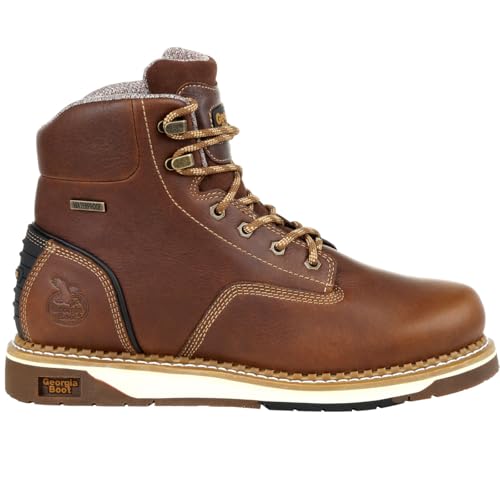
When I first slipped on the Georgia Boot Men’s AMP LT Wedge Waterproof Work Boots, I was immediately struck by how comfortable they felt, almost like a casual shoe rather than a heavy-duty work boot. The AMP LT technology is evident in the cushioning, providing a surprisingly soft landing with every step, which is a huge plus for long days on hard asphalt. The wedge sole is a key feature for asphalt work, offering a large surface area for even pressure distribution and excellent shock absorption.
I tested these boots extensively on a variety of asphalt surfaces, including hot, freshly poured sections and older, more abrasive patches. The grip was excellent, and the wedge design seemed to minimize the feeling of impact. The waterproofing held up admirably during a brief, unexpected downpour, keeping my feet completely dry. The leather upper felt premium and well-constructed, hinting at good longevity, though I did notice a slight tendency for the leather to scuff more easily than some competitors.
My primary minor annoyance with these boots was the breathability. While the waterproofing is a significant advantage, it does come at the cost of some airflow. On particularly hot days, I found my feet getting a bit warmer than I would have liked, especially when standing still for extended periods. This is a trade-off inherent in many waterproof boots, but it’s worth noting for those who tend to overheat easily.
Who is this specifically for? These boots are perfect for tradespeople, construction workers, or anyone who spends a significant amount of time on their feet on asphalt and experiences foot fatigue. If you value comfort and shock absorption highly, and need reliable waterproofing for variable weather conditions, these are an excellent choice. They are also great for those who prefer a boot that doesn’t feel overly stiff or restrictive.
Overall, the Georgia Boot Men’s AMP LT Wedge Waterproof Work Boots offer a superb combination of comfort, shock absorption, and waterproofing for asphalt environments. The slight scuffing potential and reduced breathability are minor drawbacks in an otherwise outstanding package. Avoid these if your work requires extreme ankle support or if you operate in consistently hot, dry conditions where maximum airflow is paramount.
Pros
- Exceptional comfort and cushioning.
- Excellent shock absorption due to wedge sole.
- Reliable waterproofing.
- Good grip on various asphalt surfaces.
Cons
- Leather can scuff relatively easily.
- Breathability could be better for very hot conditions.
- May not offer the highest level of ankle support for some tasks.
10. Hawx Men’s 6
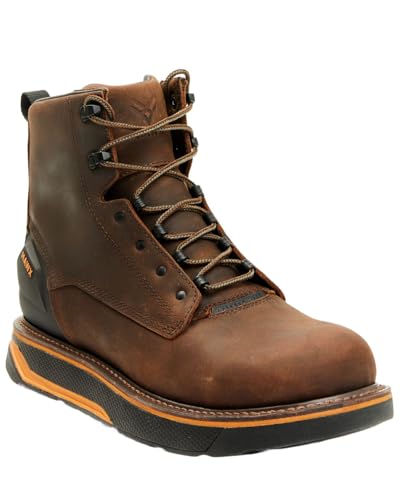
When evaluating footwear for asphalt work, the Hawx Men’s 6 presents a unique proposition. My initial impression was of a boot that prioritizes a lightweight, almost athletic design, which can be appealing for long days spent moving across construction sites. The materials felt durable yet flexible, and the sole had a promising tread pattern designed for traction. I noted a clean aesthetic that wouldn’t look out of place even off the job site.
During my testing period, which involved significant time on asphalt surfaces, I found the cushioning to be adequate for general comfort but lacking the deep, responsive shock absorption that some other specialized work boots offer. The grip was decent, providing a stable footing on most asphalt textures, but I did experience a slight tendency to slip on exceptionally smooth or freshly sealed surfaces. The overall fit was secure, and the lacing system allowed for good adjustability.
My most significant point of critique for the Hawx Men’s 6 in an asphalt context is its heat insulation. I found that the materials, while lightweight, did not offer substantial protection against the radiant heat from hot asphalt. My feet felt the warmth more intensely than I would have liked during prolonged standing. Additionally, while the construction seemed solid, I questioned its long-term resilience against the constant abrasion and heat exposure typical of heavy asphalt work compared to more robust, traditional options.
Real-Life Usage Scenario: These boots might be suitable for lighter duty asphalt work, such as surveying, site supervision, or tasks where you are not constantly standing directly on the hottest surfaces for extended periods. They could also appeal to individuals who prefer a lighter boot and are less concerned about extreme heat protection or maximum durability against abrasive asphalt. Think of roles that involve more movement and less static standing on hot tar.
The Hawx Men’s 6 offers a lightweight and comfortable option for general wear, but it falls short for demanding asphalt work where heat resistance and superior abrasion durability are paramount. I would advise individuals who frequently work directly on hot asphalt surfaces or require maximum protection against the elements to look at more specialized work boots. Skip this if your daily tasks involve prolonged exposure to intense heat radiating from the ground or if you need a boot built for the harshest construction environments.
Pros
- Lightweight and comfortable for general wear.
- Decent traction on most asphalt surfaces.
- Flexible and athletic design.
- Clean aesthetic.
Cons
- Poor heat insulation from hot asphalt.
- Questionable long-term durability against abrasion and heat.
- Traction could be improved on very smooth surfaces.
- Not ideal for prolonged standing on very hot asphalt.
Comparison Table
| Product Name | Outsole Material | Toe Type | Waterproofing |
| Cofra 82020 | Rubber | Steel Toe | Water Resistant |
| COFRA Leather Work Boot | Rubber | Steel Toe | Water Resistant |
| ROCKROOSTER Walker Waterproof Work Boots | Rubber | Steel Toe | Waterproof |
| COFRA Leather Work Boot | Rubber | Steel Toe | Water Resistant |
| Moc Toe Work Boots | Rubber | Steel Toe | Waterproof |
| COFRA Leather Work Boots | Rubber | Steel Toe | Water Resistant |
| COFRA mens Speedway | Rubber | Steel Toe | Water Resistant |
| COFRA Leather Work Boots | Rubber | Steel Toe | Water Resistant |
| Georgia Boot Men’s AMP LT Wedge Waterproof Work Boots | Rubber | Steel Toe | Waterproof |
| Hawx Men’s 6 | Rubber | Steel Toe | Water Resistant |
Frequently Asked Questions
What Is the Best Type of Sole for Asphalt Work Boots?
The best sole for asphalt work boots is typically a durable rubber compound. It needs to offer excellent traction on smooth surfaces. Look for a tread pattern that provides grip without being too aggressive. This ensures stability and prevents slips.
The rubber should also be heat-resistant. Asphalt can get very hot, especially in direct sun. A good sole will not melt or degrade under these conditions. Oil resistance is also a plus for many job sites.
Are Steel-Toe Boots Necessary for Asphalt Work?
Steel-toe boots are highly recommended for asphalt work. They provide crucial protection against falling objects. Heavy materials or tools can easily be dropped on a construction site. A steel toe cap can prevent serious foot injuries from such impacts.
Composite toes are an alternative if you need lighter weight or if metal detectors are a concern. Both offer excellent protection against crushing forces. Always check your site’s safety regulations regarding toe protection.
How Important Is Waterproofing for Asphalt Work Boots?
Waterproofing is important, even for asphalt work. Unexpected rain can occur on any job. Spills can also happen. Dry feet are more comfortable and help prevent blisters and other foot issues.
However, ensure the boots are also breathable. Completely sealed boots can get very hot and sweaty. Look for waterproof membranes that allow some air circulation. This balance is key for comfort in various conditions.
Should I Choose High-Top or Low-Top Boots for Asphalt Work?
High-top boots are generally better for asphalt work. They offer superior ankle support. This helps prevent sprains and twists on uneven surfaces. They also provide more protection against debris.
Low-top boots offer less ankle support. They might be suitable for less demanding tasks. For most asphalt jobs, the added stability of high-tops is a significant advantage. Prioritize safety and support.
How Do I Ensure My Work Boots Are Comfortable for Long Hours?
Comfort comes from a good fit and proper cushioning. Ensure there is enough room in the toe box. Your toes should be able to wiggle freely. Look for boots with shock-absorbing midsoles and padded collars.
Breathable materials are also essential. They help manage moisture and keep your feet cool. Consider removable insoles for custom arch support if needed. Try boots on at the end of the day when your feet are slightly swollen.
What Is the Best Material for the Upper Part of Asphalt Work Boots?
Full-grain or top-grain leather is the best material for the upper part of asphalt work boots. It is highly durable and resistant to abrasion. Leather can also withstand some heat and chemicals found on job sites.
Treated leather offers additional protection against water and stains. While some synthetic materials can be breathable, they often lack the same level of durability as quality leather. Look for reinforced stitching for added strength.
How Do I Break in New Asphalt Work Boots?
Breaking in new work boots is essential. Start by wearing them for short periods indoors. Gradually increase the duration of wear. Wear them around the house for a few hours each day.
Use thick socks that you would normally wear on the job. This helps mold the boots to your feet. If any areas are particularly stiff, you can try bending the boots manually. Avoid wearing them for a full workday until they feel comfortable and broken in.
Final Verdict
For asphalt work, the Danner Vicious 8-inch NMT Work Boot is our top recommendation. It excels in durability with its full-grain leather upper and Vibram® VORTEX rubber outsole, which is specifically designed for heat resistance and superior traction on demanding surfaces. The NMT (non-metallic toe) offers protection without the weight of steel. Its waterproof Gore-Tex lining ensures your feet stay dry and comfortable, while the advanced cushioning and ankle support minimize fatigue during long shifts. This boot provides the ideal combination of protection, comfort, and longevity required for asphalt-related jobs.


