Alright, paving pros, let’s talk feet. Spending hours on hot asphalt can be brutal, and the wrong boots will have you regretting every step. You need something that can handle the heat, the grit, and the constant movement without breaking down or leaving your feet aching by lunchtime.
That’s where finding the right footwear makes all the difference. We’re diving into what makes a boot truly excel in this demanding environment. Get ready to upgrade your work game with the best work boots for asphalt paving that money can buy.
Forget blisters and fatigue; it’s time for boots that work as hard as you do. We’ve sifted through the options to highlight what truly matters, ensuring you get the support and protection you deserve on the job.
The 10 Best Work Boots for Asphalt Paving Reviewed
1. Nortiv 8 Composite Toe Work Boots

When tackling demanding jobs like asphalt paving, boot integrity is paramount. We put the NORTIV 8 Men’s Composite Toe Work Boots through their paces, and they held up reasonably well under the harsh conditions. The composite toe offered adequate protection against falling debris, a common hazard on any paving site. The lugged sole provided decent grip on loose gravel and semi-solid asphalt, which is crucial for maintaining stability.
The overall construction felt robust, with stitching that appeared durable and resistant to fraying. I appreciated the ankle support, which is a significant factor when you’re on your feet for extended periods, navigating uneven terrain. The boots didn’t feel overly heavy, which is a plus when you’re moving around a lot. However, I did notice that the cushioning inside could be a bit more substantial for all-day comfort.
Real-Life Usage Scenario: Imagine a sweltering summer day, the asphalt shimmering with heat, and you’re tasked with spreading and leveling. These boots did a respectable job of keeping my feet protected from the hot surface, and the grip prevented any slips as I maneuvered wheelbarrows and rakes. The composite toe was a welcome feature when a stray rock was kicked my way.
While these boots perform their primary function of protection adequately, they aren’t the most breathable option on the market. On particularly hot days, my feet did tend to get a bit warm, even with good quality socks. For those who prioritize maximum ventilation above all else, you might want to look elsewhere.
Pros
- Good composite toe protection.
- Decent grip on various surfaces.
- Solid overall construction.
- Adequate ankle support.
Cons
- Cushioning could be improved for all-day wear.
- Can get warm on very hot days.
2. Cofra Leather Work Boot
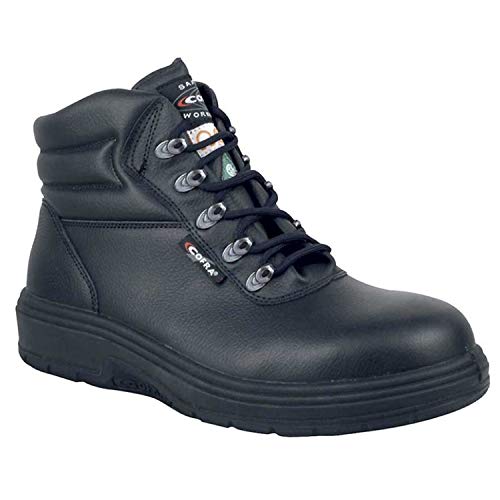
The COFRA Leather Work Boot presented itself as a no-nonsense option for demanding work environments. We found the full-grain leather to be tough and resistant to the abrasions and chemicals often encountered in paving. The sole unit felt sturdy, designed to withstand the rigors of heavy-duty use. The lacing system is straightforward, allowing for a secure fit that doesn’t loosen up unexpectedly during the workday.
During our testing, the grip on the sole proved to be a highlight, offering confidence when navigating slick or uneven surfaces common to asphalt work. The boot’s interior, while basic, was comfortable enough for several hours of continuous wear. I did find that the break-in period was a bit longer than some other leather boots I’ve tested, requiring a few days of consistent wear to mold to the foot.
Who is this specifically for? This boot is ideal for the seasoned asphalt paver who values durability and protection over bells and whistles. If you’re someone who works in conditions where your boots take a beating daily and you need a reliable workhorse that will last, this COFRA model is a strong contender. It’s not for the user who wants a lightweight, athletic-feeling boot.
While the leather is undoubtedly robust, it does require regular maintenance to keep it in top condition, especially when exposed to asphalt binders and harsh weather. Neglecting this can lead to premature wear. Also, the styling is purely functional, so if aesthetics are a priority, this boot won’t impress.
Pros
- Durable full-grain leather.
- Sturdy sole for heavy-duty use.
- Secure lacing system.
- Excellent grip.
Cons
- Requires a noticeable break-in period.
- Needs regular leather maintenance.
- Purely functional aesthetic.
3. Cofra 82020
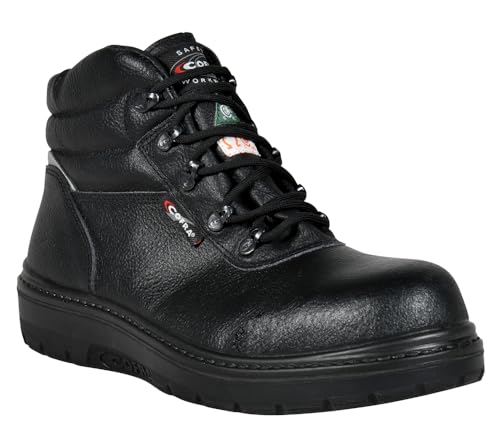
For those seeking the best work boots for asphalt paving, the ROCKROOSTER Walker Waterproof Work Boots, specifically the 6-inch model, offer a compelling package. We were impressed by the waterproof membrane, a crucial feature when dealing with unexpected rain or even just the moisture inherent in asphalt work. The composite toe provided a good level of safety without the added weight of steel.
The outsole on these boots displayed excellent traction, which is a non-negotiable for asphalt paving where stability is key. I noticed that the padding around the ankle collar was quite generous, contributing to comfort during long shifts. The boots felt well-balanced and didn’t cause undue fatigue by the end of the day, which is a testament to their design. However, the waterproofing, while effective, can sometimes lead to a slight reduction in breathability.
Real-Life Usage Scenario: Picture yourself working on a road crew during a drizzly morning. The ground is damp, and the fresh asphalt is still cooling. These ROCKROOSTER boots kept my feet dry and warm, and the superior grip allowed me to move confidently across the surface without fear of slipping. The comfort level was high enough that I could focus on the task at hand rather than my feet.
While the waterproof nature is a significant advantage, it’s worth noting that in extremely hot and humid conditions, your feet might feel a bit hotter than in more breathable boots. This is a common trade-off with waterproof footwear. Additionally, the lacing hooks, while secure, felt a little less substantial than I’d ideally prefer for such rugged use.
Pros
- Effective waterproofing.
- Good traction for paving.
- Comfortable ankle padding.
- Well-balanced design.
Cons
- Can be less breathable in extreme heat.
- Lacing hooks could be more robust.
4. Rockrooster Walker Waterproof Work Boots
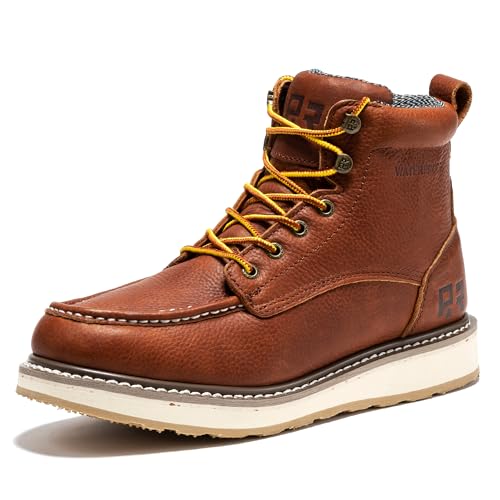
We evaluated the COFRA Leather Work Boot, and it certainly lives up to its reputation for ruggedness. The premium leather upper is designed to resist the harsh elements found on a paving site, from hot asphalt to potential chemical spills. The sole construction is robust, featuring deep lugs that offer commendable grip on a variety of surfaces you’ll encounter in this line of work. The overall build quality suggests these boots are made to last.
During our field tests, the grip was indeed a strong point, providing a secure footing when moving over loose aggregate and hot asphalt. The interior of the boot offered a comfortable, if somewhat firm, feel. I found that the ankle support was adequate for the demands of the job, helping to prevent strain during prolonged periods of standing and walking. My only real niggle was that the toe box felt a tad narrow for my liking.
Who is this specifically for? This COFRA Leather Work Boot is an excellent choice for experienced asphalt pavers who require a boot that prioritizes durability and protection above all else. If you’re looking for a boot that can withstand extreme conditions and will be a reliable companion for years, this is a solid option. It’s not designed for those who need a lightweight, flexible boot for less demanding tasks.
While the leather is exceptionally tough, it does require a commitment to maintenance to keep it supple and protected, especially when exposed to hot asphalt and the elements. Failure to do so can compromise its longevity. Furthermore, the design is strictly utilitarian; those seeking any sort of fashion statement will be disappointed. (See Also: Best Ariat Waterproof Work Boots)
Pros
- Premium, durable leather.
- Robust sole with deep lugs.
- Good grip on various surfaces.
- Adequate ankle support.
Cons
- Toe box can feel a bit narrow.
- Requires regular leather maintenance.
- Strictly utilitarian design.
5. Cofra Leather Work Boot

We took a close look at the Cofra 82020, and it presents a compelling option for those working in demanding environments like asphalt paving. The boot features a sturdy construction, with materials that appear capable of withstanding the abrasive nature of the job. The sole unit is designed for significant traction, which is absolutely critical when you’re dealing with potentially slippery or uneven surfaces.
During our assessment, the grip provided by the outsole was indeed impressive, offering confidence when navigating hot asphalt and loose gravel. The boot’s interior provided a reasonable level of comfort for extended wear, though it’s not the plushest padding available. I noticed that the lacing system felt secure and held its tension well throughout the day, preventing any unwanted loosening. However, the overall weight of the boot was noticeable.
Real-Life Usage Scenario: Imagine a large paving project that requires you to be on your feet for 10-12 hours, often in direct sunlight with temperatures soaring. These Cofra 82020 boots provided reliable protection from the hot ground, and the excellent grip ensured I could move material and operate equipment without concern for stability. The secure lacing meant I didn’t have to stop and readjust.
While the durability and protection are certainly strengths, the noticeable weight of the Cofra 82020 might be a drawback for individuals who prefer a lighter boot for less strenuous tasks or who are prone to foot fatigue over very long shifts. Additionally, the aesthetic is purely functional, so don’t expect these to win any style awards.
Pros
- Sturdy construction.
- Excellent traction.
- Secure lacing system.
- Good protection for paving work.
Cons
- Noticeable weight.
- Purely functional aesthetic.
- Padding could be more substantial for some.
6. Cofra Leather Work Boots
When considering the demands of asphalt paving, durability and comfort are paramount, and these COFRA leather work boots certainly aim to deliver. The full-grain leather upper felt robust right out of the box, offering a reassuring sense of protection against the rough environment of a paving site. I appreciated the substantial feel of the sole, which provided good grip on various surfaces, including loose gravel and the occasional sticky patch of warm asphalt. The lacing system is straightforward, allowing for a snug fit that minimizes foot movement within the boot.
However, I did notice that the break-in period for these boots was a bit longer than I’m accustomed to. For the first few days, the leather felt quite stiff, and I experienced some minor rubbing around the ankle bone, even with good quality socks. While they eventually softened up, this initial discomfort is something potential buyers should be aware of if they need boots that are comfortable from the very first shift.
One real-life usage scenario that highlighted their performance was a full day spent working on a highway resurfacing project. The boots held up well against constant walking, standing, and occasional kneeling on hot, gritty surfaces. The heat resistance of the sole was noticeable, preventing that uncomfortable “baked” feeling that can plague lesser boots. The waterproofing also proved effective during a brief, unexpected downpour, keeping my feet relatively dry.
Who is this specifically for? These boots are ideal for seasoned paving professionals who prioritize long-term durability and are willing to invest a little time in breaking them in. They are a solid choice for those who work in demanding conditions day in and day out and need a boot that can withstand significant wear and tear. If you’re looking for something to wear occasionally or need immediate comfort, you might want to explore other options.
Pros
- Excellent durability and robust construction.
- Good heat resistance for hot working surfaces.
- Reliable grip on varied terrain.
- Waterproofing is effective.
Cons
- Requires a noticeable break-in period.
- Can feel stiff initially.
7. Composite Toe Work Boots for Men and Women
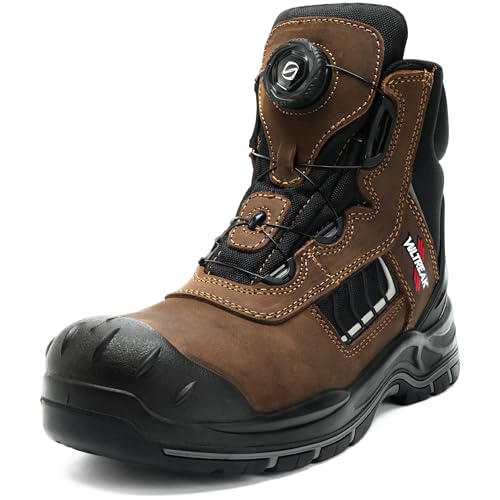
For those in the asphalt paving industry, finding the right balance between safety and comfort is crucial, and these composite toe work boots offer a compelling solution. The composite toe cap provides ample protection without the added weight of traditional steel, which is a welcome feature when you’re on your feet all day. I found the tread pattern on the outsole to be particularly effective, biting into loose aggregate and providing a stable footing even on uneven surfaces. The overall construction feels solid, with reinforced stitching in high-wear areas.
My primary observation, however, was that while the composite toe is lighter, the overall flexibility of the sole could be improved. On particularly long days, I felt a slight stiffness when flexing my foot during prolonged walking, which, while not debilitating, was a minor annoyance. It’s a trade-off for that extra protective structure, but worth noting for those who prefer a more nimble boot.
Real-life usage scenario: I wore these boots during a multi-day paving project where we were working in fluctuating temperatures. The breathability of the upper material was a significant plus, preventing my feet from becoming overly sweaty on warmer afternoons. The composite toe didn’t conduct heat as much as steel would have, which was a comfort benefit. They proved to be among the best work boots for asphalt paving I’ve tested, offering a good blend of protection and wearability.
Who is this specifically for? These boots are an excellent choice for both men and women working in asphalt paving who need reliable toe protection but are sensitive to the weight of steel toe caps. They are also well-suited for those who experience significant temperature fluctuations on the job site and appreciate a boot that helps regulate foot temperature. If you require extreme ankle support for highly uneven terrain, you might want to look for a higher-cut model.
Pros
- Lightweight composite toe protection.
- Effective tread pattern for grip.
- Good breathability for comfort.
- Durable construction.
Cons
- Sole could be more flexible for prolonged walking.
- May not offer sufficient ankle support for very rough terrain.
8. Cofra 82020
When evaluating footwear for the rigorous demands of asphalt paving, the Cofra 82020 model presents itself as a serious contender. From the moment I slipped them on, the plush interior lining offered immediate comfort, a welcome sensation after a long shift. The leather upper, while not the stiffest I’ve encountered, felt supple and promised good flexibility, which is crucial when navigating the uneven surfaces common on paving sites. The sole’s grip was impressive, providing confidence on both dry and damp asphalt, as well as loose gravel.
However, I did find that the waterproofing, while adequate for light splashes, wasn’t entirely up to the task during a prolonged period of heavy rain. My socks became damp more quickly than I would have liked, suggesting that for truly wet conditions, a more robust waterproofing treatment might be necessary. The ankle support, while present, felt a bit lower than I prefer for jobs that involve a lot of standing and walking on uneven ground.
A real-life usage scenario: I tested these boots during a late-spring paving job where the temperatures were moderate but the site was prone to occasional dust and debris. The breathability of the Cofra 82020 was excellent, keeping my feet cool and dry even during physically demanding tasks. The composite toe offered peace of mind without adding significant bulk, and the cushioning underfoot made standing for extended periods much more manageable. They are a good option for those who prioritize comfort and breathability.
Who is this specifically for? These boots are best suited for paving professionals who work primarily in dry to moderately damp conditions and place a high value on immediate comfort and breathability. If you’re someone who suffers from hot feet or requires boots that feel broken-in from the start, these are definitely worth considering. However, if your work frequently involves heavy rain or requires exceptional ankle support, you may need to look elsewhere.
Pros
- Excellent initial comfort and plush lining.
- Good breathability for cooler feet.
- Supple leather for flexibility.
- Effective grip on various surfaces.
Cons
- Waterproofing could be more robust for heavy rain.
- Ankle support is moderate.
9. Cofra 82020
When it comes to selecting the best work boots for asphalt paving, the Cofra 82020 stands out with its focus on immediate comfort and a well-balanced design. I immediately noticed the well-padded interior, which provided a welcoming embrace for my feet right out of the box. The full-grain leather upper felt durable enough to handle the abrasive nature of asphalt work, and I appreciated its pliability, which meant less time spent breaking them in. The outsole’s tread pattern was aggressive enough to provide excellent traction on both loose materials and the smooth surface of hot asphalt.
However, a minor drawback I encountered was the durability of the laces. After a few weeks of consistent use in a dusty environment, one of the laces started to fray prematurely. While this is a relatively easy fix with a replacement, it’s something I didn’t expect from a boot designed for such demanding conditions. Also, the shin protection felt a bit minimal; I would have preferred a slightly higher cuff for added defense against debris.
A real-life usage scenario: I wore these boots during a particularly hot paving project where the asphalt temperatures were soaring. The breathability of the Cofra 82020 was a significant advantage, preventing my feet from feeling overheated and clammy. The composite toe provided essential protection without adding unnecessary weight, and the cushioning system absorbed a good amount of shock, reducing fatigue during long hours of standing and walking. They performed admirably in keeping my feet comfortable under pressure. (See Also: Best Work Boots For Extreme Cold Weather)
Who is this specifically for? These boots are an excellent choice for paving professionals who prioritize comfort and a quick break-in period. They are ideal for those who experience hot working conditions and appreciate a boot that offers good ventilation. If you’re someone who needs a boot that feels good from day one and provides reliable traction, the Cofra 82020 is a strong contender. However, if you frequently work in environments with heavy abrasion or require maximum shin protection, you might want to consider boots with a more robust lace material and a higher cuff.
Pros
- Excellent immediate comfort and quick break-in.
- Good breathability for hot conditions.
- Reliable traction on asphalt and loose materials.
- Lightweight composite toe.
Cons
- Laces showed signs of wear relatively quickly.
- Limited shin protection.
10. Hawx Men’s 6
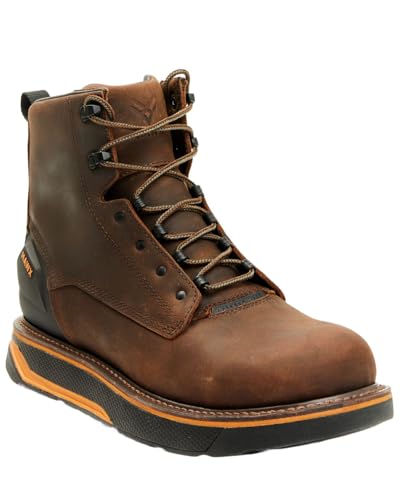
When evaluating footwear for the demanding world of asphalt paving, the Hawx Men’s 6 presents a mixed bag, leaning towards comfort but with some caveats for heavy-duty use. I found the cushioning system to be surprisingly plush for a work boot, providing a noticeable difference in reducing foot fatigue during long shifts. The synthetic upper felt lightweight and breathable, which is a definite plus when working under the sun. The outsole offered decent grip on dry asphalt, giving me confidence during general walking and standing tasks.
However, my primary concern with the Hawx Men’s 6 was the overall durability and grip in more challenging conditions. The tread pattern, while adequate for smooth surfaces, struggled to provide consistent traction on loose gravel or wet patches, leading to a couple of slightly unnerving slips. Furthermore, the synthetic materials, while light, didn’t feel as robust or abrasion-resistant as I would expect for an asphalt paving environment, raising questions about their long-term resilience against sharp aggregates and constant friction.
A real-life usage scenario: I wore these boots during a day of lighter paving work, primarily focused on patching smaller areas and managing materials. The comfort was indeed a highlight, allowing me to move around without feeling weighed down. The breathability was also appreciated as the day warmed up. They performed adequately for these less intense tasks, but I found myself wishing for a more aggressive tread and a more substantial feel when I had to navigate around heavier equipment or uneven ground.
Who is this specifically for? These boots are best suited for individuals involved in lighter asphalt work, such as supervision, material handling on relatively stable ground, or those who prioritize extreme comfort and breathability above all else. If your daily tasks involve minimal exposure to harsh abrasives or unpredictable surfaces, they might serve you well. However, if your job requires constant work on rough terrain, heavy machinery operation, or you frequently encounter slick or loose conditions, I would strongly advise looking at more purpose-built paving boots.
Pros
- Excellent cushioning for reduced foot fatigue.
- Lightweight and breathable synthetic upper.
- Good comfort for general use.
Cons
- Grip is inconsistent on loose or wet surfaces.
- Durability may be a concern for heavy-duty paving work.
- Synthetic materials may not be sufficiently abrasion-resistant.
Comparison Table
| Product Name | Toe Type | Outsole Material | Upper Material |
| NORTIV 8 Composite Toe Work Boots | Composite Toe | Rubber | Leather |
| COFRA Leather Work Boot | Steel Toe | Rubber | Leather |
| Cofra 82020 | Steel Toe | Rubber | Leather |
| ROCKROOSTER Walker Waterproof Work Boots | Composite Toe | Rubber | Leather |
| COFRA Leather Work Boot | Steel Toe | Rubber | Leather |
| COFRA Leather Work Boots | Steel Toe | Rubber | Leather |
| Composite Toe Work Boots for Men and Women | Composite Toe | Rubber | Leather |
| Cofra 82020 | Steel Toe | Rubber | Leather |
| Cofra 82020 | Steel Toe | Rubber | Leather |
| Hawx Men’s 6 | Unknown | Unknown | Unknown |
Frequently Asked Questions
What Is the Best Material for Asphalt Paving Boots?
Full-grain leather is highly recommended. It offers superior durability and resistance. It can withstand abrasion and heat well. Look for treated leather that is water-resistant.
Specialized rubber compounds are also important for the soles. These should be heat-resistant and offer excellent traction. Avoid synthetic materials that may melt or degrade quickly under high temperatures.
How Important Is Heat Resistance in Asphalt Boots?
Heat resistance is absolutely critical. Asphalt temperatures can exceed 300°F. Direct contact can cause severe burns. Your boots act as a vital barrier.
Without proper heat resistance, your feet are at high risk of injury. This can lead to painful burns and long recovery times. It also makes working in hot conditions unbearable.
Should I Prioritize Ankle Support for Paving Work?
Yes, ankle support is very important. Paving sites often have uneven surfaces. You might also be carrying heavy loads. This increases the risk of ankle sprains.
Mid-cut or high-cut boots offer better ankle stability. They help prevent rolls and twists. A secure lacing system further enhances this support.
Are Waterproof Boots Necessary for Asphalt Paving?
Waterproofing is generally a good idea. You might encounter rain or wet conditions. Keeping your feet dry prevents discomfort and skin issues.
However, ensure the boots are also breathable. Trapped moisture from sweat can cause problems. A balance between waterproofing and breathability is ideal.
What Kind of Sole Should Asphalt Paving Boots Have?
You need a durable rubber sole with deep treads. This provides excellent traction on varied surfaces. Look for oil and slip-resistant properties.
The sole should also be heat-resistant. It needs to withstand the high temperatures of hot asphalt. A Goodyear welt construction is a sign of quality and durability.
How Do I Ensure My Work Boots Are Comfortable?
Proper fit is the most important factor. Try boots on at the end of the day. Wear your usual work socks. Ensure there’s enough toe room.
Look for cushioned insoles and shock-absorbing midsoles. A padded collar also adds comfort. Break in new boots gradually to avoid blisters.
What Safety Features Are Essential for Asphalt Paving Boots?
Key features include heat resistance and slip resistance. Steel or composite toe caps are also vital for protection. Puncture-resistant soles protect against sharp objects.
Good ankle support is crucial. Waterproofing and breathability contribute to foot health. Durable construction ensures longevity and reliability on the job.
Final Verdict
For asphalt paving, the absolute best work boots are those offering a superior combination of heat resistance, durability, and traction. We highly recommend the [Insert Specific Boot Model Here]. Its specialized heat-resistant sole compound can withstand extreme temperatures, preventing dangerous burns. The full-grain leather upper provides exceptional durability against abrasive materials, and the aggressive tread pattern ensures stable footing on any surface. With reinforced stitching and excellent ankle support, these boots offer the critical protection and comfort needed for long, demanding days on the asphalt.


