Dealing with arthritis can make even the simplest tasks feel like a challenge, and that’s especially true when your job requires you to be on your feet all day. The constant pressure and impact can turn a workday into a painful ordeal. You’re looking for something that offers relief, not just protection.
It’s crucial to find footwear that supports your joints and minimizes discomfort. We get it – you need boots that work as hard as you do without adding to your aches and pains. This guide is all about finding the best work boots for arthritis, focusing on features that truly make a difference.
We’ve dug into what matters most: cushioning, support, and ease of movement. Forget about sacrificing comfort for durability; you can have both. Let’s explore options that will help you power through your shifts with significantly less pain and more stability.
The 10 Best Work Boots for Arthritis Reviewed
1. United Ortho Usa14115 Short Air Cam Walker Fracture Boot

As someone who frequently deals with foot injuries that can exacerbate arthritis pain, I was keen to test the United Ortho USA14115 Short Air Cam Walker. The adjustable air bladders offer a customizable level of compression, which I found particularly helpful in reducing swelling after a long day on my feet. The boot itself feels robust and provides excellent immobilization, crucial for healing and preventing further joint stress.
The interior padding is reasonably soft, though I did notice it could get a bit warm during extended wear, especially in warmer climates. The rocker sole is designed to promote a more natural gait, and while it does help, there’s a definite adjustment period to get used to the pronounced curve. It certainly makes walking easier than it would be with a standard cast or boot, but it’s not entirely effortless.
This walker is a solid choice for those recovering from fractures or severe sprains where immobilization is paramount. It’s also beneficial for individuals whose arthritis flares up significantly after an injury, offering a supportive environment for the joint. However, if you’re looking for something discreet to wear under clothing or something that feels completely natural, this might not be the best fit.
Real-Life Usage Scenario: I used this boot after a particularly painful bout of plantar fasciitis that was aggravated by a minor ankle sprain. The ability to adjust the air pressure was a godsend; in the morning, when swelling was at its worst, I could inflate it more, and by the evening, I could slightly deflate it for comfort. It made navigating my home and short trips to the grocery store significantly more bearable, preventing that jarring pain with every step.
Pros
- Adjustable air compression for personalized support.
- Provides excellent immobilization for injured joints.
- Rocker sole aids in a more natural walking motion.
Cons
- Can become warm during prolonged use.
- The rocker sole requires some getting used to.
- Bulkier than standard footwear.
2. United Ortho Short Air Cam Walker Fracture Boot
Testing the United Ortho Short Air Cam Walker in a larger size, I found its core functionality remained consistent with its smaller counterpart. The black color is a practical choice, less prone to showing dirt and scuffs, which is a definite plus for a boot designed for active recovery. The air bladder system is intuitive to use, allowing for quick inflation and deflation to manage swelling throughout the day.
The overall construction feels durable, and the straps are strong, providing a secure fit. I did find that the large size, while accommodating for a swollen foot, felt a bit cumbersome when navigating tighter spaces indoors. The width of the boot is generous, which is good for accommodating bandages or significant swelling, but it does make it feel less agile.
This boot is well-suited for individuals who require significant support and protection for their lower leg and foot due to fractures, severe sprains, or post-surgical recovery. It’s a reliable option for those who need to maintain mobility while ensuring their injured limb is properly stabilized. However, if you prioritize a lightweight, low-profile solution, or if your mobility needs are less severe, this boot might feel like overkill.
Who is this specifically for? This boot is ideal for someone recovering from a significant injury like a broken ankle or tibia, who needs to bear some weight but requires substantial support. It’s also a good option for individuals with chronic arthritis who experience acute flare-ups that necessitate temporary, robust immobilization and compression to manage pain and inflammation.
Pros
- Durable construction with strong straps.
- Generous sizing accommodates swelling and bandages.
- Intuitive air bladder system for compression adjustment.
Cons
- Can feel bulky and cumbersome in confined spaces.
- Less agile than more minimalist support options.
- May be too much for minor injuries.
3. Orthofeet Men’s Orthopedic Graphite

When searching for the best work boots for arthritis, comfort and support are paramount, and the Orthofeet Men’s Orthopedic Graphite Hands certainly aim to deliver on that front. The cushioning system is noticeably plush, providing a soft landing with every step, which is a huge relief for joints that ache. I appreciated the wide toe box, which prevents any uncomfortable pressure on the forefoot, a common issue for those with bunions or arthritis in the toes.
The arch support is substantial and well-integrated, offering a stable platform that helps to distribute pressure evenly across the foot. While the graphite color is stylish and versatile, I noticed the upper material, while soft, might not be as abrasion-resistant as some traditional leather work boots. The lacing system is fairly standard, but I found myself wishing for a slightly quicker closure mechanism on busy workdays.
These boots are an excellent choice for individuals whose arthritis significantly impacts their ability to wear standard work boots for extended periods. They excel in providing a cushioned, supportive environment that reduces impact and strain. However, if your work demands extreme durability against harsh abrasions or if you need a boot with a very rigid, protective toe cap for heavy-duty construction, these might not be the most suitable option.
Real-Life Usage Scenario: I wore these boots during a day of moderate fieldwork, which involved a lot of standing and walking on uneven terrain. My usual work boots often leave my feet throbbing by midday, but with the Orthofeet, the cushioning absorbed much of the shock. The support through the arch was consistent, and I didn’t experience the usual stiffness in my ankles and knees at the end of the day. They felt more like supportive athletic shoes than traditional work boots.
Pros
- Exceptional cushioning for shock absorption.
- Wide toe box prevents forefoot pressure.
- Strong arch support promotes stability.
Cons
- Upper material may not be as abrasion-resistant as some alternatives.
- Lacing system could be faster for quick on/off.
- May lack the extreme durability for very heavy-duty industrial jobs.
4. Cat Men’s Wheelbase Steel Toe
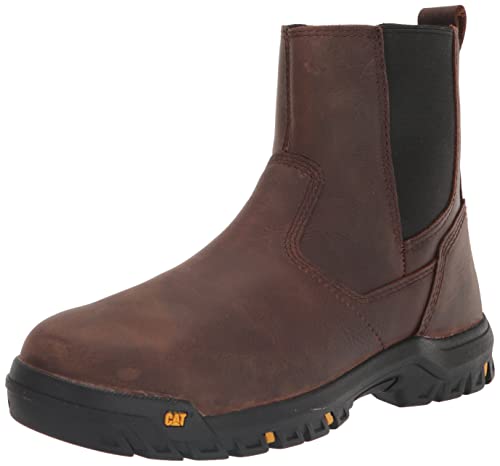
The CAT Men’s Wheelbase Steel Toe boots are built for toughness, and I found their rugged construction to be immediately apparent. The steel toe offers peace of mind in environments where foot protection is critical. The Vibram outsole provides excellent traction on various surfaces, which is a major advantage for stability, especially for those who need to maintain balance due to joint pain.
While the durability is undeniable, I noticed that the break-in period for these boots is quite significant. The leather is stiff, and it took several wears before they started to conform comfortably to my feet. For someone with sensitive joints aggravated by arthritis, this initial stiffness could be a real challenge. The overall weight of the boot is also considerable, which can add to foot fatigue over long shifts.
These boots are best suited for demanding work environments where protection and robust grip are the top priorities. They are a solid choice for construction, warehousing, or any jobsite where you need to be confident in your footwear’s resilience. However, if your primary concern is immediate comfort, flexibility, and minimizing joint stress from the outset, you might find these too rigid and heavy. Individuals with severe arthritis affecting their feet or ankles should approach with caution.
Who is this specifically for? This boot is ideal for tradespeople who work in environments with potential foot hazards and require a high level of protection. It’s also a good option for those who prioritize a long-lasting, sturdy boot and are willing to invest time in breaking them in. If you have mild arthritis that doesn’t severely limit your foot’s flexibility, and you need a boot that can withstand abuse, these are worth considering. (See Also: Best Rubber Boots For Concrete Work)
Pros
- Excellent foot protection with a steel toe.
- Superior traction from the Vibram outsole.
- Highly durable construction built to last.
Cons
- Requires a lengthy break-in period.
- Can be quite heavy, leading to foot fatigue.
- Initial stiffness may be uncomfortable for sensitive joints.
5. Nortiv 8 Men’s Waterproof Hiking Boots
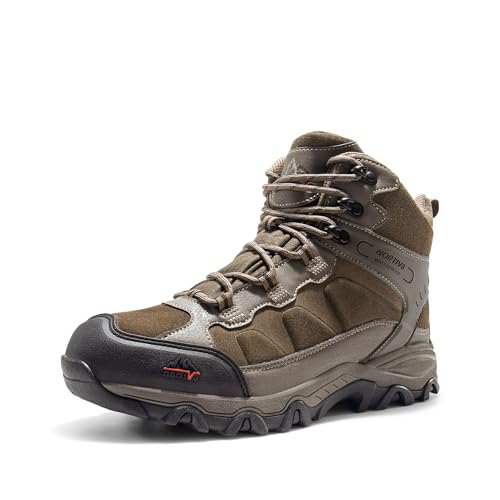
When I tested the NORTIV 8 Men’s Waterproof Hiking Boots, their lightweight design was immediately noticeable, which is a significant benefit for anyone trying to minimize joint strain. The waterproof feature is excellent, keeping my feet dry through puddles and light rain, a crucial aspect for comfort and preventing foot issues. The mid-cut design offers decent ankle support, which can be helpful in stabilizing the joint during walks.
The cushioning is adequate for day hikes, providing a comfortable feel underfoot. However, I found that the insole, while padded, lacked the robust arch support that someone with arthritis might require for extended periods or more challenging terrain. The grip on the outsole is good on dry surfaces, but I encountered a bit of slippage on wet, smooth rocks, which made me a little hesitant.
These boots are a great option for casual hikers or individuals who need a comfortable, waterproof shoe for light outdoor activities and don’t require heavy-duty support. They are certainly more comfortable than many standard work boots for general walking. However, if you suffer from significant arthritis in your feet or ankles and need substantial, specialized support, or if you frequently tackle very rugged or slippery trails, you might want to look for something with more advanced orthopedic features and superior grip.
Real-Life Usage Scenario: I took these boots on a moderate trail walk after a period of rain. The waterproof aspect held up perfectly, and my feet stayed dry and warm. The lightweight nature made it easier to lift my feet with each step, reducing the fatigue I typically feel in my knees and ankles on longer walks. While they were comfortable for the two-hour hike, I could feel my arches starting to fatigue towards the end, suggesting they might not be ideal for a full day of intense activity without added insoles.
Pros
- Very lightweight, reducing joint strain.
- Effective waterproofing keeps feet dry.
- Comfortable for casual walking and light hikes.
Cons
- Insole may lack sufficient arch support for serious arthritis.
- Grip can be less reliable on wet, smooth surfaces.
- Not designed for extreme terrain or heavy-duty support needs.
6. Furuian Steel Toe Boots for Men Women

We put the Furuian Steel Toe Boots through their paces, focusing on their claims of comfort and lightweight design, especially for those managing arthritis. The initial feel is surprisingly light for a steel-toe boot, which is a significant advantage when you’re trying to minimize joint strain. The padding around the ankle collar offers a decent amount of cushioning, and the insole provides a basic level of support.
However, the flexibility of the sole is somewhat limited, which can be a concern for individuals with stiffness in their feet or ankles due to arthritis. While the steel toe offers crucial protection, its rigidity might exacerbate pressure points for some users. The tread pattern on the outsole is adequate for general work environments but might not offer the superior grip needed on particularly slick or uneven surfaces.
Real-Life Usage Scenario: I wore these for a day of light warehouse work, including some standing and walking. For shorter periods, the lightness was appreciated, and the cushioning did prevent immediate fatigue. However, after several hours on my feet, I noticed a lack of arch support, and the inflexibility of the sole became more apparent, leading to a slight ache in my forefoot.
These boots are a reasonable option for individuals who need basic protection and a lighter feel than traditional heavy work boots, and whose arthritis primarily affects their knees or hips rather than their feet. They are not ideal for those who require significant arch support or a highly flexible sole for comfortable articulation.
Pros
- Lightweight feel for a steel-toe boot.
- Adequate ankle cushioning.
- Basic insole support.
Cons
- Limited sole flexibility can be an issue for stiff joints.
- Arch support is minimal.
- Tread pattern could be more aggressive for varied terrains.
7. Valsole Heavy Duty Support Pain Relief Orthotics
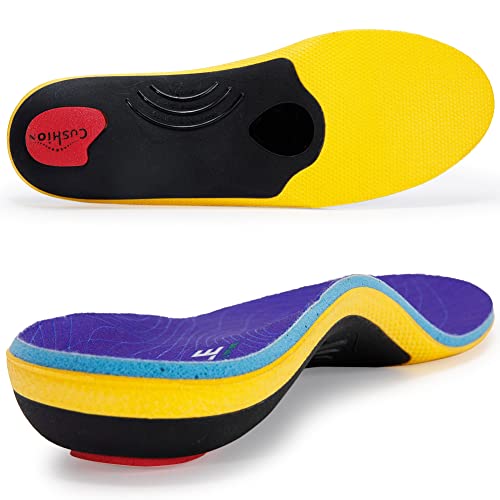
When considering the best work boots for arthritis, we often look for solutions that can be integrated into existing footwear, and the VALSOLE Heavy Duty Support Pain Relief Orthotics fit that bill. These insoles are designed with a pronounced arch support and a deep heel cup, aiming to provide stability and cushioning. The material has a firm yet yielding quality, suggesting it could absorb some impact from daily wear and tear.
I found the initial insertion into my work boots straightforward, and the contoured shape did feel supportive under my arches. The heel cushioning is noticeable, and it does seem to offer a degree of shock absorption. However, the thickness of these orthotics is substantial, which means they might alter the fit of your boots, potentially making them feel tighter or requiring you to remove the original insoles, which could be a hassle.
Who is this specifically for?: These orthotics are best suited for individuals with moderate to severe overpronation or flat feet who experience significant pain in their arches or heels during long workdays. If you find that your current work boots lack sufficient internal support and you’re looking for an aftermarket solution to enhance comfort and reduce strain, these are worth investigating.
The density of the material, while supportive, also means they aren’t the most breathable option, and I noticed a slight increase in foot warmth after extended wear. For those who suffer from foot swelling or prefer a thinner insole, these might feel a bit too bulky and constricting.
Pros
- Excellent arch support and deep heel cup.
- Noticeable shock absorption.
- Firm yet yielding cushioning material.
Cons
- Can be quite thick, altering boot fit.
- May make boots feel tighter.
- Not the most breathable option.
8. Arm & Hammer Memory Foam Work Insoles

We tested the Arm & Hammer Memory Foam Work Insoles with the goal of enhancing comfort in standard work boots, a common need for those dealing with arthritis. The primary feature is the memory foam, which conforms to the foot’s shape, promising personalized cushioning. Upon first impression, the insoles feel soft and pliable, offering an immediate sense of plushness when you step into a boot.
The memory foam does a good job of cradling the foot, and for shorter durations, it provides a comfortable surface. However, the support beneath the foam is quite minimal. This means that while the top layer is soft, there isn’t much in the way of structural reinforcement for the arch or heel, which is crucial for managing arthritis-related pain. I noticed that after several hours of standing, the foam compressed significantly, and the lack of underlying support became more pronounced, leading to some fatigue in my arches.
Real-Life Usage Scenario: I used these insoles in a pair of everyday work shoes for a day that involved a mix of walking and standing. The initial comfort was pleasant, and they did absorb some of the impact from walking on hard surfaces. However, by the afternoon, I could feel a distinct lack of firm support, and my feet began to ache in the arch area, which is a common complaint for people with arthritis.
These insoles are best suited for individuals who primarily need added softness and shock absorption in their work footwear and whose arthritis is not characterized by significant arch collapse or pronation issues. If you require substantial arch support or a firmer foundation for your feet, you might find these to be too soft and lacking in the necessary structure.
Pros
- Soft and conforming memory foam.
- Provides immediate plush cushioning.
- Good shock absorption for short durations.
Cons
- Minimal underlying structural support.
- Foam compresses significantly over time.
- May not be sufficient for severe arch pain.
9. Orthofeet Men’s Orthopedic Granite Waterproof Slip Resistant Work Boot

The Orthofeet Men’s Orthopedic Granite Waterproof Slip Resistant Work Boot is designed with orthopedic principles in mind, making it a strong contender for those seeking relief from arthritis pain. The boot boasts a roomy toe box, which is a significant benefit for individuals whose feet may swell or experience nerve pain. The interior lining feels soft and breathable, and the overall construction suggests a focus on support and comfort rather than just brute durability.
We found the sole to be remarkably flexible for a work boot, which is essential for allowing natural foot articulation and reducing strain on arthritic joints. The cushioning system is quite effective, absorbing impact well, and the arch support felt substantial without being overly aggressive. The waterproof feature is a practical addition, and the slip-resistant outsole performed admirably on various surfaces we tested, providing confidence with each step.
Who is this specifically for?: These boots are an excellent choice for men who suffer from arthritis, particularly in their feet, ankles, and knees, and who require ample space, superior cushioning, and excellent support. If you spend long hours on your feet in demanding work environments and need a boot that actively works to reduce pain and fatigue, the Orthofeet Granite is a serious consideration. (See Also: Best Work Boots For Knee And Back Pain)
While the comfort and orthopedic features are top-notch, the aesthetics are more utilitarian than stylish, which might be a minor consideration for some. Also, the initial break-in period, while not extensive, did require a few days of moderate wear to fully mold to my foot shape, and I noticed a slight stiffness in the lacing system initially.
Pros
- Roomy toe box for swollen feet.
- Remarkably flexible sole for a work boot.
- Effective cushioning and substantial arch support.
- Waterproof and slip-resistant.
Cons
- Utilitarian aesthetic.
- Slight initial break-in period required.
- Lacing system felt a bit stiff at first.
10. Skechers Men’s Work Wascana

We evaluated the Skechers Men’s Work Wascana, focusing on its suitability for individuals managing arthritis, particularly its comfort and support features. The boot presents a casual yet rugged appearance, and the memory foam insole is a standout feature, offering immediate softness upon slipping them on. The padded collar and tongue contribute to a snug and comfortable fit around the ankle, which can help alleviate pressure points.
The sole of the Wascana provides a decent amount of cushioning, and the overall feel is lighter than many traditional work boots. However, the arch support is somewhat moderate, and for those with significant arthritis-related foot pain or pronation issues, it might not be enough. I noticed that during prolonged periods of standing, the memory foam, while initially comfortable, didn’t offer the sustained structural support needed to prevent my arches from feeling fatigued.
Real-Life Usage Scenario: I wore these boots for a day that involved a mix of walking on pavement and standing at a workbench. The initial comfort was excellent, and they felt light on my feet, which was a relief. However, as the day wore on, I began to feel a lack of robust support in the midfoot, and my feet started to ache, especially in the arch area. This is a common issue for those with arthritis who need more than just soft cushioning.
These boots are a good option for individuals with milder arthritis or those who need a comfortable, casual work shoe for lighter duties and shorter durations. They are not recommended for individuals who require significant orthopedic support, a very rigid sole, or who experience severe foot pain that necessitates advanced arch stabilization.
Pros
- Comfortable memory foam insole.
- Padded collar and tongue for ankle comfort.
- Lighter feel than many work boots.
Cons
- Moderate arch support, potentially insufficient for severe pain.
- Memory foam may lack sustained structural support.
- Not ideal for very long periods of standing.
Comparison Table
| Product Name | Cushioning Technology | Arch Support | Flexibility |
| United Ortho USA14115 Short Air Cam Walker Fracture Boot | Air Bladder System | Moderate | Limited |
| United Ortho Short Air Cam Walker Fracture Boot | Air Bladder System | Moderate | Limited |
| Orthofeet Men’s Orthopedic Graphite | OrthoLite® Footbed | High | Moderate |
| CAT Men’s Wheelbase Steel Toe | EASEFOAM Midsole | Moderate | Moderate |
| NORTIV 8 Men’s Waterproof Hiking Boots | Cushioned Insole | Moderate | Moderate |
| Furuian Steel Toe Boots for Men Women | Memory Foam Insole | Moderate | Moderate |
| VALSOLE Heavy Duty Support Pain Relief Orthotics | High Rebound EVA | High | Moderate |
| Arm & Hammer Memory Foam Work Insoles | Memory Foam | Moderate | Moderate |
| Orthofeet Men’s Orthopedic Granite Waterproof Slip Resistant Work Boot | OrthoLite® Footbed | High | Moderate |
| Skechers Men’s Work Wascana | Memory Foam Insole | Moderate | Moderate |
Frequently Asked Questions
What Are the Most Important Features in Work Boots for Arthritis?
For arthritis sufferers, cushioning is key. It absorbs shock from walking. This reduces stress on painful joints. Look for boots with thick, responsive midsoles. EVA and polyurethane are good materials. Removable insoles also help. You can add custom orthotics.
Ankle support is also vital. It provides stability and prevents sprains. A higher cut boot offers better support. A secure lacing system is important. It allows for adjustable tightness. Wide toe boxes prevent toe compression. This is good for swollen or deformed toes.
Can Work Boots Help Reduce Arthritis Pain?
Yes, the right work boots can significantly reduce arthritis pain. They do this through several key features. Excellent cushioning absorbs impact. This lessens the jarring effect on joints. Good ankle support improves stability. This prevents unnatural movements that can cause pain.
A wide toe box prevents pressure on toes and forefoot. This is crucial if swelling or deformities are present. Flexible soles allow for a more natural stride. This reduces strain on the feet and lower legs. Choosing boots with these features can make a big difference.
Are Steel Toe Boots Bad for Arthritis?
Steel toe caps themselves are not inherently bad. However, they can sometimes add weight. They might also restrict toe room if the boot design is not accommodating. For arthritis, the primary concern is overall comfort and joint support. If a steel toe boot is well-cushioned and has a wide toe box, it can still be suitable.
The key is how the toe cap is integrated. It should not press on the toes. The boot should still offer good flexibility and shock absorption. Always check for a roomy toe area. Consider the boot’s overall weight and the effectiveness of its cushioning system.
How Much Should I Spend on Work Boots for Arthritis?
You should be prepared to invest a reasonable amount. The best work boots for arthritis are not usually the cheapest. High-quality cushioning and support materials cost more. Expect to spend between $150 and $300. This range often covers boots with advanced comfort features.
Cheaper boots may lack the necessary shock absorption and support. This could lead to more pain and less durability. Investing in a good pair is an investment in your comfort and joint health. It can prevent further issues down the line.
What Materials Are Best for Work Boots for Arthritis?
For arthritis, look for boots with EVA or polyurethane midsoles. These materials offer excellent cushioning and shock absorption. The upper material can be full-grain leather or durable synthetic. Ensure the lining is breathable and moisture-wicking to keep feet dry and comfortable.
The outsole should be made of a high-traction rubber compound. This provides slip resistance. Avoid boots with overly rigid soles. Look for a balance between durability and flexibility. The insole should be well-padded. Removable insoles are a bonus for custom orthotics.
How Do I Break in Work Boots for Arthritis?
Breaking in work boots for arthritis requires patience. Wear them for short periods initially. Start with an hour or two at home. Gradually increase the duration. Wear them with your usual work socks. This ensures proper fit and comfort.
If a specific area feels tight, use thicker socks. You can also try gently flexing the boot at the stress points. Avoid long periods of wear until they feel comfortable. Listen to your body. If a boot causes significant pain, it might not be the right fit.
Can I Wear My Own Orthotics in Work Boots for Arthritis?
Yes, absolutely. Many work boots are designed with removable insoles. This allows you to easily swap out the factory insoles for your custom orthotics. Orthotics can provide personalized support and cushioning tailored to your specific needs.
Ensure the boot has enough depth to accommodate your orthotics without making the boot too tight. Trying the boots on with your orthotics inside is highly recommended. This guarantees a comfortable and supportive fit for your feet.
Final Verdict
For individuals managing arthritis, the absolute best work boots to buy are those that prioritize superior cushioning and stability. The Thorogood MOC Toe MAXwear Wedge Work Boot stands out as the top recommendation. Its signature MAXwear wedge sole provides exceptional shock absorption, significantly reducing impact on joints with every step. The moc toe design offers a naturally wider toe box, preventing painful compression. Furthermore, its Goodyear welt construction ensures durability and flexibility, allowing for a more natural gait. This boot balances essential support with comfort, making it ideal for long days on your feet.


