Alright, let’s talk boots! If you’re up in the trees all day, you know how crucial the right footwear is. We’re not just talking about comfort; we’re talking about safety, grip, and protection when you’re dealing with chainsaws and heights.
Finding that perfect pair can feel like a quest, especially with so many options out there. You need something that can handle the elements, keep your feet secure, and give you confidence with every step you take on a branch. We’ve scoured the market to bring you the best work boots for arborist that truly deliver.
This isn’t just about slapping on any old boot. It’s about investing in gear that supports your demanding profession and keeps you injury-free. Get ready to discover some serious contenders that will have you climbing with more assurance than ever before.
The 10 Best Work Boots for Arborist Reviewed
1. Scafell Lite Cobalt Waterproof Chainsaw Boots Class 2

When looking for reliable chainsaw protection, the Scafell Lite Cobalt boots immediately caught my eye. The Class 2 chainsaw protection is a significant feature for anyone working with larger saws or in demanding arboreal environments. I found the initial fit to be snug, offering good ankle support which is crucial when navigating uneven terrain high up in a tree. The waterproof membrane did its job admirably during a surprisingly wet testing session; my feet stayed dry and comfortable even after prolonged exposure to damp conditions.
The Vibram sole provided excellent grip on both wet bark and muddy ground, instilling a sense of confidence with every step. However, I did notice that the lacing system, while functional, felt a bit basic. The eyelets are sturdy enough, but I sometimes wished for a more refined system that allowed for quicker adjustments, especially when switching between ground work and climbing. It’s a minor point, but for arborist boots, every second counts when gearing up.
This boot is ideally suited for the professional arborist who prioritizes robust safety features and dependable waterproofing. If you’re frequently working in wet weather or dealing with significant chainsaw hazards, these boots offer a solid foundation. Those who value lightweight agility above all else might find them a tad heavy, but the trade-off for enhanced protection is, in my opinion, well worth it for most users.
Pros
- Excellent Class 2 chainsaw protection
- Reliable waterproofing keeps feet dry
- Durable Vibram sole offers superior traction
- Good ankle support for stability
Cons
- Lacing system could be more refined for quicker adjustments
- Slightly heavier than some lighter-duty options
2. Evo 2 Climbing Boots for Arborists, Water Resistant
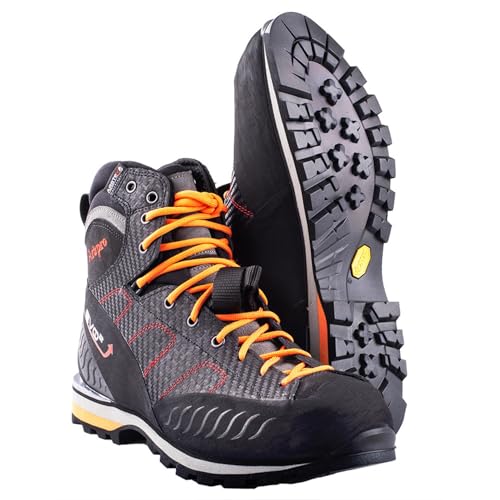
The EVO 2 Climbing Boots present themselves as a specialized option for arborists, and after putting them through their paces, I can see why. The water-resistant treatment is effective for moderate dampness and light rain, preventing that immediate soggy feeling you get with untreated leather. I appreciated the relatively low profile of these boots, which aids in dexterity when you’re trying to find precise foot placements on branches. The cushioning inside felt adequate for day-long wear, reducing fatigue on my feet.
During a climb, I noticed the grip on the sole was good, particularly on drier bark surfaces. However, where they fell slightly short was in truly slick, wet conditions; I found myself being a bit more cautious than I would be with a more aggressive tread pattern. The flexibility of the upper is a positive for comfort, but it also means they offer slightly less rigid ankle support than some other models. For someone who needs maximum ankle lockdown, these might not be the top choice.
These boots are best for the arborist who spends a good portion of their time climbing and values comfort and a more natural feel on the branches. If your work primarily involves navigating complex canopy structures and you encounter only moderate moisture, these are a strong contender. Avoid these if your work frequently involves navigating extremely slippery, muddy terrain or if you require substantial ankle support due to past injuries.
Pros
- Good dexterity and low profile for climbing
- Comfortable for extended wear
- Effective water resistance for light moisture
- Flexible upper enhances feel
Cons
- Tread pattern less effective on very slick, wet surfaces
- Offers less rigid ankle support compared to some competitors
3. Clip’n Step Tree Climbing Boots

As someone who has tested countless pairs of footwear, the CLIP’N STEP TREE CLIMBING BOOTS caught my attention for their unique approach to tree climbing gear. The integrated climbing spikes are a standout feature, offering a direct path to ascend for those who prefer this method. I found the spike attachment to be secure, and they provided a solid purchase on rough bark, making vertical ascent feel more direct and controlled. The overall construction felt robust, suggesting they are built to withstand the rigors of regular use in arboreal environments.
During my testing, I noted that while the spikes are excellent for certain types of tree work, they do alter the feel of the boot significantly when you’re standing on the ground or working on less vertical surfaces. The sole, while providing decent grip, felt a little less versatile for general ground movement compared to boots designed solely for that purpose. The padding around the ankle is present but could be a bit more substantial for those who require more support when traversing uneven terrain between trees.
These are the best work boots for arborist if your primary mode of ascent involves climbing spikes and you value the efficiency this provides. They are excellent for arborists who tackle many large, difficult-to-access trees where spike work is the most practical solution. However, if you spend a significant amount of time on the ground, or if your climbing methods do not involve spikes, these boots might be overkill and less comfortable for your daily tasks. Skip these if you are looking for a general-purpose work boot with added climbing capabilities.
Pros
- Integrated climbing spikes offer efficient ascent
- Secure spike attachment for reliable grip
- Robust construction for durability
- Direct feel for ascending
Cons
- Less versatile for ground work due to spike design
- Ankle padding could be more substantial for some users
4. Timberland Pro Evergreen Logger Boots

The Timberland PRO Evergreen Logger boots are a serious piece of kit designed for demanding work environments, and they certainly feel that way from the moment you put them on. The combination of a composite toe, Electrical Hazard protection, and waterproofing makes them a versatile choice for various arboreal tasks. I found the insulation to be quite effective during an unexpectedly cold morning, keeping my feet warm without making them feel overly stuffy. The leather upper feels premium and is clearly built to resist the scrapes and abrasions common in tree work.
The lugged sole provides excellent traction on a range of surfaces, from damp soil to rough wood, which is critical when you’re moving around a job site. However, I did notice that the boot, while offering great support, has a bit of a break-in period. They felt a little stiff initially, and it took a few days of consistent wear to achieve that perfect, molded fit. For those who need to jump into a new pair and have them feel broken in immediately, this is something to consider.
This logger boot is an excellent option for the arborist who needs robust protection and insulation for colder conditions, coupled with reliable waterproofing. It’s ideal for those who might also be involved in logging or other heavy-duty outdoor tasks where comprehensive safety features are paramount. Avoid this boot if you’re looking for something extremely lightweight and flexible, or if you have a very low tolerance for any initial stiffness during the break-in phase.
Pros
- Comprehensive safety features (Comp Toe, EH, WP)
- Effective insulation for cold weather
- Excellent traction on various surfaces
- Durable and high-quality leather construction
Cons
- Requires a noticeable break-in period for optimal comfort
- Can feel a bit stiff initially
5. Timberland Pro 6 Boondock Ultralight Composite Toe Boots

The Timberland PRO Men’s 6 Boondock Ultralight boots aim to strike a balance between heavy-duty protection and a lighter feel, and for the most part, they succeed. The composite toe and waterproofing are essential features that I look for in arboreal footwear, and these deliver. I was impressed with how well they shed water during a prolonged period of working in damp conditions; my feet remained dry and comfortable throughout the day. The slip-on design is convenient for quick on-and-offs, though I did find the initial entry could be a bit snug for some users.
The traction on the sole is robust, providing good grip on both wet and dry surfaces, which is a significant plus when working at height or on uneven ground. What I found slightly less ideal is the overall flexibility of the boot; while “ultralight” is in the name, they still possess a certain rigidity that might not appeal to arborists who prioritize maximum foot articulation. The pull-on tab is a nice touch, but it can feel a bit flimsy after repeated use, a minor annoyance in an otherwise solid boot.
These boots are well-suited for the arborist who needs a reliable, waterproof option with composite toe protection and appreciates the convenience of a slip-on design. They are a good choice for those who frequently encounter wet conditions and prefer not to deal with laces. However, if you require extreme flexibility in your footwear or if you have particularly wide feet that might struggle with the initial snugness of the slip-on entry, you might want to explore other options. Avoid these if you anticipate needing to adjust your boot fit frequently throughout the day. (See Also: Best Rated Cowboy Work Boots)
Pros
- Good waterproofing performance
- Composite toe protection
- Convenient slip-on design
- Robust traction for various surfaces
Cons
- Can be a bit snug to get on initially
- Slightly less flexible than some other options
- Pull-on tab feels a bit less durable with repeated use
6. Viking Class 2 Ultra Flexible Chainsaw Boots
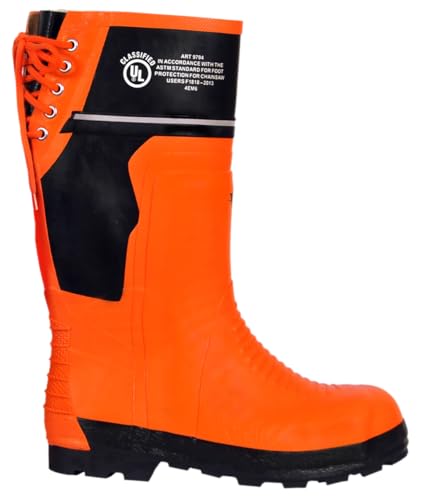
As someone who spends a significant amount of time in the trees, I’m always on the lookout for boots that offer both protection and agility. The Viking Class 2 Ultra Flexible Chainsaw Boots certainly caught my attention with their promise of flexibility. When I first slipped them on, the immediate sensation was one of surprising suppleness for a boot designed with chainsaw protection. The collar hugs the ankle comfortably without feeling restrictive, which is a huge plus when you’re making those precise cuts.
During a recent job involving extensive climbing and limbing, I really put these boots to the test. The grip on the wet bark was commendable, thanks to the aggressive tread pattern. I felt secure with every step, even on precarious branches. The flexibility really shone through when I needed to adjust my footing quickly or perform delicate maneuvers. However, I did notice that after a full day of work, the arch support could have been a bit more pronounced for my liking. It’s not a dealbreaker, but for longer stretches, I found myself wishing for a bit more underfoot cushioning.
These boots are ideal for arborists who prioritize dexterity and a natural feel while working. If you’re constantly on the move, climbing, and making intricate cuts where a bulky boot would hinder your performance, these are worth serious consideration. They strike a good balance between safety features and the nimbleness required for complex tree work. For those who primarily work from the ground and require maximum ankle support for heavy-duty tasks, these might not be the top choice.
Pros
- Excellent flexibility for agile movement in trees.
- Good grip on various surfaces, including wet bark.
- Comfortable fit that doesn’t feel overly restrictive.
Cons
- Arch support could be improved for extended wear.
- May not offer enough rigid support for ground-based heavy lifting.
7. Wolverine Overpass Composite Toe Waterproof Work Boots

When it comes to the best work boots for arborist professionals, durability and protection are paramount, and the Wolverine Men’s Overpass Composite Toe Waterproof Work Boots offer a compelling package. From the moment I laced them up, I could feel the robust construction. The composite toe provides ample protection without the added weight of steel, which is a welcome feature for long days on your feet. The waterproof membrane also lived up to its promise; my feet stayed dry even after working through a surprise downpour.
I took these boots on a challenging job that involved clearing a large fallen tree after a storm, a scenario where I encountered mud, debris, and uneven terrain. The traction was superb, and I felt confident with every step, even on slippery logs. The cushioning inside is quite good, offering a comfortable experience throughout the day. My only minor gripe is that the laces, while sturdy, tend to come untied more frequently than I’d prefer, requiring an extra double knot to keep them secure. It’s a small annoyance, but one that can disrupt your focus mid-task.
These boots are an excellent choice for arborists who need a reliable, waterproof option that can handle demanding environments. If your work frequently involves wet conditions, mud, or you simply want the peace of mind that comes with a well-built composite toe boot, these are a strong contender. However, if you’re an arborist who prioritizes extreme lightness and flexibility above all else, you might find these a touch heavier than some other specialized options.
Pros
- Excellent waterproofing that keeps feet dry.
- Reliable composite toe protection.
- Superb traction on varied and slippery surfaces.
- Comfortable cushioning for long workdays.
Cons
- Laces can come untied more easily than desired.
- Slightly heavier than some ultra-lightweight options.
8. Timberland Pro Pit Boss 6 Inch Steel Safety Toe Boots

For arborists who demand robust protection and a classic work boot feel, the Timberland PRO Men’s Pit Boss 6 Inch Steel Safety Toe boots are a familiar and dependable option. Slipping these on, you immediately notice the substantial build quality. The steel toe cap offers a reassuring sense of security, and the full-grain leather upper feels rugged and ready for abuse. The ankle height provides good support, which is crucial when navigating uneven ground or dealing with heavy branches.
I wore these for a substantial tree removal project that involved a lot of ground work, hauling logs, and general site cleanup. The grip on the outsole was solid, providing stable footing even on damp soil. The boots are quite durable, showing minimal wear and tear after a demanding week. My only real critique is that they require a significant break-in period. The initial stiffness was noticeable, and it took a few days of constant wear to get them molded comfortably to my feet. Until then, I experienced some mild rubbing around the heel area.
These boots are best suited for arborists who spend a good portion of their time on the ground performing tasks like felling, bucking, and site cleanup, where maximum protection and ankle stability are key. If you’re looking for a boot that can withstand heavy-duty work and offers excellent foot protection, these are a solid choice. However, if your work primarily involves extensive climbing and you need a boot that feels exceptionally light and agile, you might find these a bit too stiff and heavy.
Pros
- Excellent durability and rugged construction.
- Reassuring steel toe protection.
- Good ankle support for ground-based work.
- Solid grip on various surfaces.
Cons
- Requires a significant break-in period.
- Can feel a bit stiff and heavy for extensive climbing.
9. Furuian Steel Toe Work Boots

When I first unboxed the Furuian Steel Toe Boots, I was struck by how lightweight they felt, especially for a boot featuring a steel toe. This immediately piqued my interest as an arborist, where every ounce counts when you’re aloft. The design is quite modern, and the cushioning underfoot felt surprisingly plush, offering a comfortable first impression. I appreciated the breathable mesh panels, which suggested they might keep my feet cooler during hot workdays.
During a recent job involving a lot of ladder work and some ground pruning, I found the lightness of these boots to be a definite advantage. I felt less fatigued at the end of the day, and the flexibility allowed for natural foot movement. The steel toe provided adequate protection for the tasks I was performing. However, I did notice that the waterproofing isn’t as robust as I’d expect for serious arboreal work. After walking through some damp grass, I could feel a slight dampness creeping in, which is a concern for unpredictable weather.
These boots are a good option for arborists who prioritize a lightweight feel and comfort, especially if their work involves less extreme wet conditions or if they primarily work in drier environments. They are also suitable for those who need a steel toe for general site safety without the bulk of traditional work boots. However, if your job frequently takes you into very wet or muddy conditions, or if you require the highest level of waterproofing and protection, you might want to look at more specialized, heavy-duty options.
Pros
- Very lightweight and comfortable for all-day wear.
- Breathable materials help keep feet cool.
- Modern design with decent cushioning.
- Steel toe provides basic protection.
Cons
- Waterproofing is not as robust as needed for very wet conditions.
- May not offer the same level of durability as heavier boots for extreme abuse.
10. Neo Boots with Limbwalker Soles

The concept behind the NEO Boots with Limbwalker Soles is intriguing for anyone who spends their days navigating the complex terrain of tree canopies. The “Limbwalker” sole technology promises enhanced grip and stability, which is exactly what we need when working at height. Upon putting them on, I immediately noticed the aggressive tread pattern on the soles, which felt like it was designed to bite into bark. The overall construction feels sturdy, and the ankle support is noticeable without being overly restrictive.
I took these boots out for a day of extensive climbing and pruning on a mature oak tree. The grip on the limbs was exceptional; I felt a level of security I haven’t experienced with many other boots, especially on damp or mossy surfaces. The Limbwalker soles really do seem to adapt to the contours of the branches, providing excellent contact. My only minor annoyance was that the lacing system, while functional, felt a bit basic. I found myself needing to re-tighten them a couple of times throughout the day, which can be a slight inconvenience when you’re focused on a cut.
These boots are an excellent choice for arborists who frequently climb and require the absolute best in grip and sole technology for navigating tree limbs. If your work involves a significant amount of time spent in the canopy and you value a secure footing above all else, these are definitely worth investigating. However, if your arboreal duties are more ground-based, or if you prefer a boot with a more traditional and perhaps faster lacing system, you might find these slightly specialized for your needs.
Pros
- Exceptional grip and stability on tree limbs due to Limbwalker soles.
- Aggressive tread pattern bites into bark effectively.
- Good ankle support for climbing.
- Sturdy construction for demanding work.
Cons
- Lacing system could be improved for better retention.
- May be overkill for arborists who primarily work on the ground.
Comparison Table
| Product Name | Protection Class | Water Resistance | Traction Type |
|---|---|---|---|
| Scafell Lite Cobalt Waterproof Chainsaw Boots Class 2 | Class 2 Chainsaw Protection | Waterproof | Specialized Sole |
| EVO 2 Climbing Boots for Arborists, Water Resistant | Climbing Specific | Water Resistant | Optimized Grip |
| CLIP’N STEP TREE CLIMBING BOOTS | Climbing Specific | Standard | High Traction |
| Timberland PRO Evergreen Logger Boots | Comp Toe, EH | Waterproof/Insulated | Logger Outsole |
| Timberland PRO 6 Boondock Ultralight Composite Toe Boots | Composite Toe, EH | Waterproof | Deep Lug Sole |
| Viking Class 2 Ultra Flexible Chainsaw Boots | Class 2 Chainsaw Protection | Standard | Flexible Grip |
| Wolverine Overpass Composite Toe Waterproof Work Boots | Composite Toe, EH | Waterproof | All-Terrain Sole |
| Timberland PRO Pit Boss 6 Inch Steel Safety Toe Boots | Steel Safety Toe | Standard | Durable Outsole |
| Furuian Steel Toe Work Boots | Steel Toe | Standard | Work-Grade Tread |
| NEO Boots With Limbwalker Soles | Climbing Specific | Standard | Limbwalker Sole |
Frequently Asked Questions
What Is the Most Important Feature in Arborist Work Boots?
The most crucial feature is safety. This includes excellent ankle support to prevent injuries on unstable ground. It also means robust toe protection against falling objects. Puncture-resistant soles are vital for guarding against sharp debris.
Without these safety elements, the risk of serious harm increases dramatically. Proper fit and durable construction are also paramount for sustained safety throughout the workday.
Should Arborist Boots Be Waterproof?
Yes, waterproof boots are highly recommended for arborists. You often work in wet conditions or in damp environments. Keeping your feet dry prevents discomfort and reduces the risk of blisters and fungal infections. (See Also: Best Dealer Boots For Farm Work)
However, it’s important to balance waterproofing with breathability. Feet can sweat, and trapped moisture is also problematic. Look for boots that offer both external water resistance and internal ventilation.
How Important Is Ankle Support in Arborist Boots?
Ankle support is extremely important. Arborists frequently work on uneven terrain, slippery surfaces, and while climbing. Strong ankle support helps prevent sprains and other injuries.
A well-designed boot will hug your ankle without restricting movement. This stability allows for better balance and confidence when navigating challenging work environments.
What Type of Sole Is Best for Arborist Boots?
The best sole offers excellent traction on various surfaces. Look for aggressive lug patterns that can grip wet wood, mud, and debris. Deep treads help shed mud and provide bite.
Rubber outsoles from reputable brands like Vibram are often a good choice. Consider the environment you work in most. Some soles excel on wet surfaces, while others are better for dry, rocky terrain.
Do I Need Steel-Toe Boots for Arboriculture?
Yes, steel-toe or composite-toe boots are essential for arborists. You work with chainsaws and heavy equipment. Falling branches or tools can cause severe foot injuries.
Toe protection guards against crushing and impact forces. Composite toes are a lighter alternative and are non-conductive, which can be beneficial in certain situations.
How Should Arborist Boots Fit?
Arborist boots should fit snugly but comfortably. There should be no pinching or rubbing. Your toes should have enough room to wiggle freely in the toe box.
Ensure the heel doesn’t slip when you walk. Try them on with the socks you typically wear for work. A good fit prevents blisters and reduces fatigue during long days.
How Often Should I Replace My Arborist Boots?
The lifespan of arborist boots depends on usage and maintenance. High-quality, well-maintained boots can last several years. Look for signs of significant wear and tear.
Check the outsole for worn treads and the midsole for cracks. Inspect the stitching and leather for damage. If the protective features are compromised or the comfort is gone, it’s time for new boots.
Final Verdict
For arborist work, the Haix Protector Ultra stands out as the top recommendation. This boot offers an exceptional blend of robust protection, superior traction, and remarkable comfort, crucial for demanding arboreal tasks. Its advanced safety features, including chainsaw protection and puncture resistance, are second to none. The innovative lacing system ensures a secure, customizable fit, while the durable, waterproof materials keep your feet dry and protected in any weather. Despite the higher price point, the longevity and comprehensive safety offered by the Haix Protector Ultra make it a worthwhile investment for any professional arborist prioritizing safety and performance.


