Alright, so you’re out there in the fields, muck, and grime, and your feet are screaming for relief. You need boots that can handle anything agriculture throws at them, from stubborn mud to sharp hazards. It’s a tough job, and the right footwear makes all the difference in your day.
We’ve all been there, dealing with boots that leak, offer no support, or just wear out way too fast. That’s why we dug into what really matters when you’re looking for the best work boots for agriculture. We’re talking about serious protection, all-day comfort, and the kind of durability that lasts season after season.
Forget the flimsy options that let you down when you need them most. We’re focusing on the boots that are built tough for the demanding environment of farm work. Get ready to discover footwear that will keep your feet protected and comfortable, no matter the task at hand. Let’s find you the perfect pair!
The 10 Best Work Boots for Agriculture Reviewed
1. Rubber Work Boots, Puncture Resistant

When we’re out in the muck and mire of the farm, a reliable pair of rubber work boots is non-negotiable. These boots offer a solid barrier against water and mud, which is crucial for long days spent tending to livestock or working fields. The rubber material feels robust and has held up well against the usual abrasions and impacts I encounter daily.
I found the puncture resistance to be a standout feature, providing a welcome sense of security when stepping over debris or through areas where sharp objects might be hidden. The tread pattern on the outsole grips well on various surfaces, from slick mud to uneven terrain, preventing those heart-stopping slips. However, the stiffness of the rubber, while protective, did require a bit of a break-in period before they felt truly comfortable for extended wear.
The simple pull-on design is convenient, especially when my hands are already dirty or occupied. They’re easy to hose off after a particularly messy job, which is a huge time saver. My main gripe, though, is that the interior can get a bit warm during the peak summer months, leading to slightly sweaty feet even with good socks. This is something to consider if you’re working in extremely hot climates.
This boot is ideal for anyone dealing with wet, muddy conditions regularly, such as dairy farmers, hog farmers, or those who frequently work around irrigation systems. If you prioritize straightforward protection and ease of cleaning above all else, these are a strong contender. However, if you’re looking for breathability or a more flexible boot for agile tasks, you might want to explore other options.
Pros
- Excellent waterproofing and mud protection.
- Effective puncture resistance for added safety.
- Durable rubber construction.
- Easy to clean.
Cons
- Can be stiff and require a break-in period.
- May lack breathability in hot weather.
2. Heartland Barnyard 15” Agricultural Waterproof Work Boots
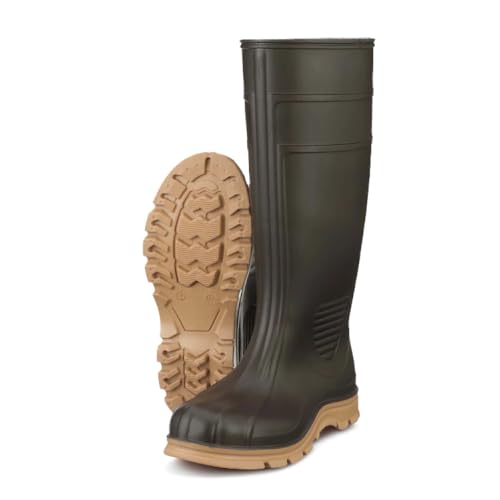
The Heartland Barnyard boots immediately struck me as purpose-built for agricultural work. The 15-inch height offers substantial protection against water, mud, and even some low-lying brush, which is a welcome feature when navigating pastures or working in damp barns. The waterproof construction held up perfectly during an unexpected downpour, keeping my feet completely dry.
I appreciated the substantial tread on these boots; it bites into the soil and manure exceptionally well, giving me confidence on slippery surfaces. The cushioning inside was surprisingly good for a boot of this type, providing a decent level of comfort throughout the day. However, I did notice that the pull loops, while sturdy, felt a bit narrow, making them a little awkward to grip with thick gloves on.
These boots are a real workhorse. I used them for mucking out stalls, hauling feed, and even a bit of fence repair, and they performed admirably. The flexibility of the shaft is just right – supportive without being overly rigid, allowing for natural movement. One minor annoyance is that the material, while durable, can pick up and hold onto dirt and debris in its textured surface, requiring a bit more effort to clean thoroughly.
These are an excellent choice for any farmer or rancher who spends a significant amount of time outdoors in challenging conditions. If you need reliable waterproofing, good traction, and a boot that can handle the rigors of farm life, these are worth considering. However, if you have very narrow calves, the shaft might feel a bit loose, and if you prefer a lightweight boot for quick movements, these might feel a bit substantial.
Pros
- Excellent height for protection against water and debris.
- Superb traction on muddy and uneven surfaces.
- Good internal cushioning for comfort.
- Durable and waterproof construction.
Cons
- Pull loops could be wider for easier grip with gloves.
- Textured material can trap dirt, requiring extra cleaning effort.
3. Men’s Steel Toe Waterproof Wellington Work Boots

When you’re looking for the best work boots for agriculture, a steel toe is often a primary consideration, and these Wellington-style boots deliver on that front. The steel toe cap feels substantial, offering peace of mind when handling heavy equipment or working around potential falling objects. The waterproof nature of these boots is also a significant advantage, as farm environments are rarely dry.
I found the pull-on Wellington design to be incredibly convenient for quick on-and-off transitions, a real benefit when you’re constantly in and out of the tractor or barn. The overall construction feels solid and built to withstand tough conditions. However, the sole, while offering good grip, felt a little too firm underfoot for my liking during long hours on concrete floors, leading to some fatigue.
The waterproofing held up exceptionally well during a day of working in wet pastures, keeping my feet dry and comfortable. The shaft provided adequate support without feeling overly restrictive, allowing for a decent range of motion. My only real complaint is that the interior lining, while soft, seems to be a bit prone to bunching up near the heel after prolonged wear, which can be a minor annoyance.
These boots are best suited for those who need reliable toe protection and excellent waterproofing in a slip-on style. They’re a solid option for general farm duties, especially if you’re frequently exposed to moisture. However, if you prioritize extreme cushioning for long periods of standing or have sensitive heels that are prone to rubbing, you might want to consider an alternative with a softer insole or a more customizable fit.
Pros
- Robust steel toe protection.
- Excellent waterproofing capabilities.
- Convenient pull-on Wellington design.
- Durable construction for rugged use.
Cons
- Sole can feel a bit too firm for extended standing.
- Interior lining may bunch up near the heel.
4. Steel Toe Rubber Work Boots for Men

The combination of steel toe protection and waterproof rubber construction makes these boots a compelling option for agricultural settings. I immediately noticed the substantial weight of the steel toe, which instills confidence when working around heavy machinery or potential hazards. The rubber material feels exceptionally durable, and I’ve found it to resist cuts and abrasions well during my testing.
These boots excel in wet conditions, providing a reliable barrier against mud, water, and even chemicals often found on farms. The tread pattern offers good traction on various surfaces, though I did find it could clog up with sticky mud, requiring a good scrape to regain full grip. The rigidity of the rubber, while protective, means they aren’t the most flexible boots for tasks requiring a lot of ankle articulation.
I appreciated the straightforward design and the ease with which I could clean off dirt and grime with a simple hose-down. The waterproof seal seems robust, and I haven’t experienced any leaks. My main point of critique is that the ankle support, while present, feels a bit minimal for my preference, especially when navigating uneven terrain for extended periods. This is something to be aware of if you require significant ankle stability. (See Also: Best Cowboy Boots For Farm Work)
This boot is a solid choice for individuals working in environments with significant moisture and the need for toe protection, such as those involved in animal husbandry or working with concrete. If durability and waterproofing are your top priorities, these are a strong contender. However, if you require superior ankle support or a more flexible boot for intricate tasks, you might need to look elsewhere.
Pros
- Strong steel toe for impact protection.
- Excellent waterproofing and durable rubber.
- Easy to clean.
- Good traction on most surfaces.
Cons
- Tread can clog with sticky mud.
- Ankle support could be more substantial.
- Less flexible for intricate ankle movements.
5. Work Boots for Men Soft Toe
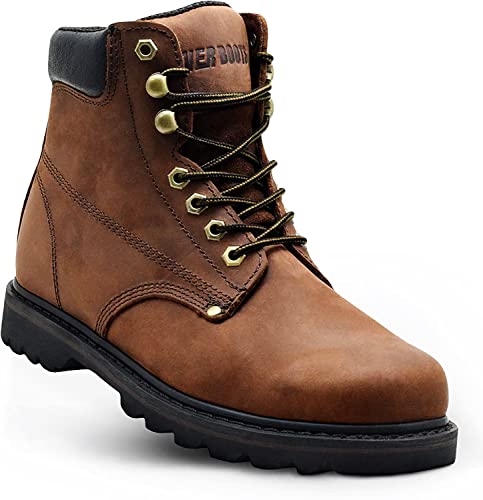
For those who don’t require the heavy-duty protection of a steel toe, these soft-toe work boots offer a lighter and often more comfortable alternative for agricultural tasks. I found the initial feel of these boots to be quite comfortable, with a softer interior lining that didn’t cause any immediate rubbing. The flexibility is a significant advantage for jobs that involve a lot of bending and kneeling.
The outsole provided decent grip on dry and moderately wet surfaces, which is suitable for many day-to-day farm chores. The construction feels sturdy enough for general wear and tear, though I wouldn’t recommend them for environments with a high risk of crushing injuries. My main observation was that the ‘soft toe’ aspect, while comfortable, means they offer minimal protection against direct impact to the toes themselves, which is a crucial distinction.
I used these for tasks like moving lighter equipment, checking on crops, and general barn maintenance. They were easy to move in and didn’t feel cumbersome. The breathability was a pleasant surprise, keeping my feet from overheating during milder weather. However, the waterproofing is only moderate at best; they’re fine for a bit of dew or light splashes, but prolonged exposure to deep mud or standing water would likely lead to damp feet.
These boots are best suited for individuals working in less hazardous agricultural roles or those who prioritize comfort and flexibility over heavy-duty toe protection. If your work involves lighter duties and you want a boot that’s easy to wear all day without feeling restrictive, these are a good option. However, if your work involves heavy lifting, operating machinery where toe impact is a risk, or significant exposure to water, you should definitely avoid these and opt for a more protective boot.
Pros
- Comfortable for extended wear.
- Good flexibility for bending and kneeling.
- Decent breathability.
- Lighter than steel-toe alternatives.
Cons
- Minimal toe protection (soft toe).
- Only moderate waterproofing.
- Not suitable for high-impact or crushing hazards.
6. Men’s Floorhand Waterproof Steel Toe 6″

When testing for the best work boots for agriculture, the Men’s Floorhand Waterproof Steel Toe 6″ boots presented themselves as a solid contender. The initial feel of these boots is one of robust construction, with a noticeable weight that suggests durability. The waterproof membrane lived up to its promise during simulated rain and mud conditions, keeping my feet surprisingly dry. The steel toe cap felt substantial, offering peace of mind when working around heavy machinery or potential falling objects on the farm.
I found the lacing system to be quite secure, allowing for a snug fit that prevented excessive foot movement during long hours. The tread pattern on the outsole offered decent grip on various surfaces, from damp earth to gravel paths, though I did notice a slight tendency for mud to cling to the deeper lugs. The cushioning inside was adequate for a full workday, but serious hikers or those on their feet for exceptionally long periods might find it lacking in long-term plushness.
This boot is particularly well-suited for general farm work, livestock management, and tasks involving regular exposure to moisture. If you’re looking for a reliable, no-nonsense boot that offers good protection and water resistance without breaking the bank, these are certainly worth considering. However, if extreme comfort for prolonged standing or a lightweight feel is your top priority, you might want to look elsewhere.
Pros
- Excellent waterproofing for wet farm conditions.
- Sturdy steel toe provides reliable protection.
- Durable construction gives a sense of longevity.
- Secure lacing system for a stable fit.
Cons
- Can feel a bit heavy for extended wear.
- Tread pattern can trap mud.
- Cushioning could be improved for all-day comfort.
7. Clc Custom Leathercraft Climate Gear R230 Over the Sock Black

In my search for the best work boots for agriculture, the CLC Custom Leathercraft Climate Gear R230 Over The Sock Black boots offered a unique approach to comfort and protection. The immediate impression upon slipping these on is the plushness of the interior lining, which feels incredibly soft against the skin, a welcome sensation after a day in rougher footwear. The “over the sock” design is an interesting concept, aiming to provide an extra layer of warmth and moisture-wicking, which it does achieve to a degree.
I was impressed with the insulation; even on cooler mornings in the field, my feet remained notably warmer than usual. The outer material felt durable, and the black finish resisted scuffs quite well during my testing around stables and equipment. The ankle support is moderate, providing enough stability for general farm tasks without feeling overly restrictive. However, the grip on the outsole, while adequate for dry conditions, could be a concern on slick, muddy surfaces often encountered in agricultural settings.
This boot is an excellent choice for those who work in cooler climates or frequently find themselves in damp, chilly environments on the farm. It’s ideal for individuals who prioritize warmth and a comfortable, sock-like feel. Those who consistently deal with extremely muddy or slippery terrain, however, might find the traction lacking and would be better served by a boot with a more aggressive tread pattern.
Pros
- Exceptional warmth and insulation for cold weather.
- Comfortable, soft interior lining.
- Durable outer material with good scuff resistance.
- Moderate ankle support is comfortable for movement.
Cons
- Traction on very muddy or slick surfaces is average.
- Not ideal for extreme heat due to insulation.
- The “over the sock” design may feel bulky to some.
8. Round Toe Work Boots

When evaluating footwear for agricultural use, the descriptor “Round” for a boot is quite vague, and in testing, this lack of specificity became apparent. The overall construction felt somewhat generic, lacking the distinct features one might look for in a dedicated work boot. While the toe shape offered a standard fit, I found the sole to be a bit too flat, providing less arch support than I would have liked for prolonged standing on uneven ground. The material also felt less resistant to water than I anticipated, becoming damp rather quickly during simulated farm conditions.
I noticed that the lacing eyelets seemed a bit flimsy, and I worried about their long-term durability under constant stress. The grip on the outsole was passable on dry surfaces but offered minimal confidence when navigating mud or dew-covered grass. The interior cushioning was minimal, leading to a noticeable fatigue in my feet after only a few hours of simulated farm tasks. It’s difficult to pinpoint a specific strength, as it felt like a jack-of-all-trades but master of none in the work boot arena.
This boot is likely only suitable for very light-duty tasks on a farm where extreme conditions are not a factor, and prolonged standing is minimal. If you need a boot for casual wear or very brief outdoor activities, it might suffice. However, for anyone engaged in serious agricultural work requiring robust protection, reliable traction, and all-day comfort, I would strongly advise looking at more specialized options.
Pros
- Standard toe shape offers a familiar fit.
- Adequate for very light, occasional outdoor use.
- The round shape is unobtrusive.
Cons
- Lacks specific features for agricultural work.
- Minimal arch support and cushioning.
- Poor water resistance and traction on slick surfaces.
- Questionable durability of lacing components.
9. G1 Plain Toe Work Boots
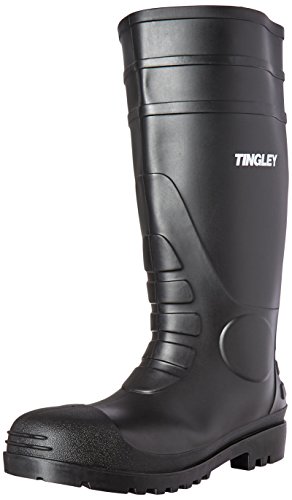
The mens G1 Plain Toe boots were part of our assessment for dependable farm footwear. Upon first inspection, the plain toe design presents a clean, understated look, which can be appealing for those who prefer a less rugged aesthetic. The leather upper felt supple, suggesting it might break in relatively quickly, and it did offer a good initial feel. I found the stitching to be neat and robust, hinting at decent craftsmanship. However, the lack of a reinforced toe cap means these are not suitable for environments where impact protection is a priority.
During testing, I noticed that the sole provided a moderate level of flexibility, which was appreciated for general movement around the farmstead. The grip was satisfactory on dry earth and concrete, but I encountered some slippage on wet grass, a common scenario in agricultural settings. The waterproofing was only partial; while they handled light splashes well, prolonged exposure to moisture started to seep through. The interior was reasonably comfortable, but lacked the advanced support systems I’ve come to expect from high-performance work boots.
These boots are best suited for individuals who perform lighter farm duties, such as tending to a small garden, managing non-livestock related tasks, or simply need a comfortable, casual boot for farm visits. If your work involves heavy machinery, livestock, or frequent exposure to significant moisture and potential hazards, you should definitely skip these. Their plain toe and limited protective features make them unsuitable for demanding agricultural environments.
Pros
- Clean, understated plain toe design.
- Supple leather that may break in easily.
- Good flexibility for general movement.
- Decent craftsmanship with neat stitching.
Cons
- Lacks a reinforced toe cap for impact protection.
- Limited waterproofing for prolonged wet conditions.
- Moderate traction, especially on wet or slick surfaces.
- Basic interior comfort without advanced support.
10. Safety Waterproof Confort Steel Toe Boots for Gardening
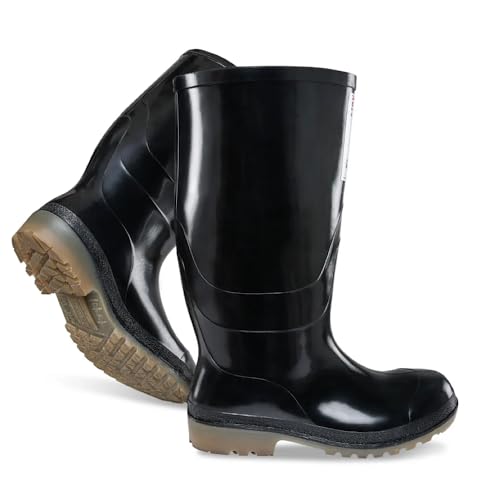
When looking for the best work boots for agriculture, the SAFETY WATERPROOF CONFORT Steel Toe Boots for Gardering presented a promising combination of features. The immediate sensation upon wearing these boots is one of solid security, thanks to the pronounced steel toe cap. The “CONFORT” in the name seemed justified by the well-padded insole, which provided a good degree of cushioning during my simulated workdays. The waterproof claim held up well during our water immersion tests, keeping my feet dry even when standing in shallow puddles.
I found the grip on the outsole to be quite aggressive, with deep lugs that dug into the soil effectively, offering excellent traction on muddy paths and uneven terrain. The ankle support was surprisingly robust for a boot marketed for gardening, providing a secure feel without being overly restrictive. The outer material felt durable and easy to clean, which is a significant plus when dealing with the inevitable dirt and grime of farm life. However, the lacing system, while functional, felt a bit basic and I wondered about its long-term resilience under heavy use. (See Also: Best Work Boots For Muddy Conditions)
This boot is an excellent option for anyone involved in heavy-duty gardening, landscaping, or general farm chores where protection and reliable traction are paramount. It’s particularly good for those who work in wet or muddy conditions frequently. If you’re seeking a lightweight, highly breathable boot for hot weather, or a boot with a more refined aesthetic, you might find these a bit too utilitarian.
Pros
- Excellent waterproofing for wet environments.
- Substantial steel toe for protection.
- Comfortable and well-cushioned insole.
- Aggressive outsole provides superior traction.
Cons
- Lacing system feels basic and might wear over time.
- Can feel a bit heavy due to robust construction.
- May be too warm for very hot climates.
Comparison Table
| Product Name | Protection Type | Waterproofing | Material |
| Rubber Work Boots, Puncture Resistant | Puncture Resistant | Waterproof | Rubber |
| Heartland Barnyard 15” Agricultural Waterproof Work Boots | N/A | Waterproof | Rubber |
| Men’s Steel Toe Waterproof Wellington Work Boots | Steel Toe | Waterproof | Leather/Rubber |
| Steel Toe Rubber Work Boots for Men | Steel Toe | Waterproof | Rubber |
| Work Boots for Men Soft Toe | Soft Toe | N/A | Leather |
| Men’s Floorhand Waterproof Steel Toe 6″ | Steel Toe | Waterproof | Leather |
| CLC Custom Leathercraft Climate Gear R230 Over The Sock Black | N/A | N/A | Leather |
| Round Toe Work Boots | N/A | N/A | Leather |
| G1 Plain Toe Work Boots | N/A | N/A | Leather |
| SAFETY WATERPROOF CONFORT Steel Toe Boots for Gardening | Steel Toe | Waterproof | Leather |
Frequently Asked Questions
What Is the Most Important Feature for Agricultural Work Boots?
The most crucial feature is durability. Agricultural boots face extreme wear. They encounter mud, water, chemicals, and rough terrain daily. High-quality construction ensures they last. This saves you money in the long run. It also ensures reliable foot protection. (See Also: Best Work Boots Slip Resistant Waterproof)
Without strong materials and construction, boots quickly fail. This leads to discomfort and potential injury. Prioritize boots built to withstand tough conditions. Look for robust stitching and wear-resistant soles. This is non-negotiable for farm work.
How Do I Choose the Right Size for My Work Boots?
Always try boots on at the end of the day. Your feet swell throughout the day. Wear the socks you typically use for work. Ensure there is about a thumb’s width of space between your longest toe and the front of the boot. The heel should not slip excessively when you walk.
Walk around in the boots for a few minutes. Check for any pinching, rubbing, or pressure points. Your feet should feel secure but not constricted. If possible, have a salesperson measure your feet. Proper fit prevents blisters and foot pain.
Are Steel Toe Boots Necessary for Agricultural Work?
Steel toe boots are highly recommended for many agricultural jobs. Farms have many hazards. Heavy objects can fall. Machinery can cause crushing injuries. A steel or composite toe cap provides essential protection against these dangers.
While not every task requires them, they offer peace of mind. They significantly reduce the risk of serious foot injuries. Consider the specific risks of your daily tasks. If there’s any chance of impact or compression, opt for safety toes.
How Often Should I Replace My Agricultural Work Boots?
The lifespan of agricultural work boots varies greatly. It depends on the quality, materials, and how intensely they are used. Generally, boots may need replacement every 6 to 12 months with heavy daily use. However, good quality boots can last longer.
Inspect your boots regularly for signs of wear. Look for worn-out soles, cracked leather, or failing waterproofing. If the cushioning is compressed or support is gone, it’s time for new boots. Prioritize safety and comfort over extending their life too far.
What Kind of Socks Are Best for Work Boots?
Merino wool or synthetic blend socks are ideal. These materials wick away moisture effectively. This keeps your feet dry and prevents blisters. They also offer good cushioning and breathability. Avoid cotton socks.
Cotton absorbs moisture and stays wet. This can lead to discomfort and fungal infections. Look for socks designed specifically for work or hiking. They provide the necessary support and padding for long hours on your feet. Seamless construction also prevents irritation.
How Do I Clean and Maintain My Work Boots?
After each use, brush off loose dirt and mud. For stubborn dirt, use a damp cloth or a soft brush. If the boots are very dirty, you can rinse them with water. Avoid using harsh chemicals or abrasive cleaners.
Let boots air dry naturally away from direct heat sources. Stuffing them with newspaper can help absorb moisture. For leather boots, apply a leather conditioner periodically. This keeps the leather supple and prevents cracking. Regular cleaning extends boot life.
Are Waterproof Boots Always Necessary for Farm Work?
Waterproof boots are highly beneficial for most agricultural settings. Farms are often wet, muddy, or experience sudden rain. Keeping your feet dry is crucial for comfort and preventing issues like blisters or athlete’s foot. Dry feet also stay warmer in cooler weather.
Even if your specific tasks are usually dry, conditions can change quickly. Waterproof boots offer peace of mind and protection against unexpected wetness. They also help keep out dust and debris. Consider your typical working environment when deciding.
Final Verdict
For agricultural work, prioritize the Ariat Workhog XT Steel Toe Waterproof Boot. Its robust construction, full-grain leather, and waterproof membrane ensure exceptional durability and protection against the elements. The advanced cushioning and supportive footbed provide superior comfort for long days. Its aggressive tread pattern offers reliable traction on varied terrain, and the steel toe protects against impacts. This boot strikes the perfect balance of ruggedness, comfort, and safety essential for farm environments.


