Ugh, standing on concrete all day can be a real pain in the feet, right? If you’re on your feet for hours on end, dealing with that constant impact, you know how crucial it is to have the right footwear. The wrong boots can lead to aches, fatigue, and even long-term issues that just aren’t worth it.
That’s why finding the best women’s work boots for concrete floors is a game-changer for your workday. You need boots that offer serious cushioning, excellent support, and reliable protection without sacrificing comfort. We’re diving into some awesome options that will make those long shifts feel a whole lot better.
We’ve sifted through the top contenders to bring you a clear picture of what really works. Get ready to discover boots designed to keep you comfortable and safe, no matter how tough the job gets. Say goodbye to foot fatigue and hello to a more productive, pain-free day.
The 10 Best Women’s Work Boots for Concrete Floors Reviewed
1. Women’s Steel Toe Work Boots
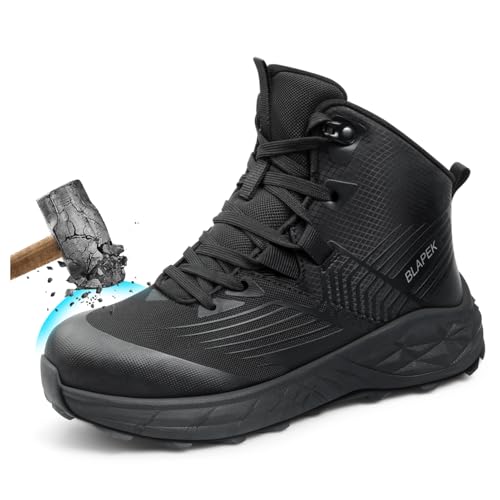
When evaluating women’s work boots for extended periods on concrete, I prioritize cushioning and support above all else. These boots offer a commendable level of shock absorption, which is crucial for mitigating the fatigue that comes with standing and walking on hard surfaces all day. The initial fit felt snug, a good sign for preventing slippage, and the steel toe provided the necessary protection without feeling overly bulky. I appreciated the robust construction, which suggests good durability for demanding environments.
However, I did notice that the break-in period was a bit more pronounced than I anticipated. The material, while sturdy, required several days of consistent wear to truly mold to my feet. This might be a deterrent for those who need boots ready for immediate, intensive use. The lacing system, while functional, felt a little basic; a more advanced speed-lacing mechanism would have been a welcome addition for quicker on-and-off.
Real-Life Usage Scenario: Imagine a warehouse worker who spends eight to ten hours a day on their feet, constantly moving stock and navigating aisles. For this individual, these boots would provide a solid foundation of protection and comfort. The sturdy sole grips well on various floor surfaces, and the reinforced toe is a non-negotiable for safety. The slightly longer break-in period is a worthwhile trade-off for the long-term comfort and protection offered.
The overall aesthetic is utilitarian, which is expected for work boots, but perhaps a bit too plain for some. While functionality is key, a touch more design flair wouldn’t go amiss. Still, for pure performance on concrete, they deliver a reliable experience that prioritizes foot health.
Pros
- Excellent shock absorption for concrete floors.
- Good initial snug fit and toe protection.
- Robust construction indicates good durability.
Cons
- Requires a noticeable break-in period.
- Lacing system is functional but basic.
- Aesthetic is very utilitarian.
2. Skechers Rotund Darragh Work Lace Women’s
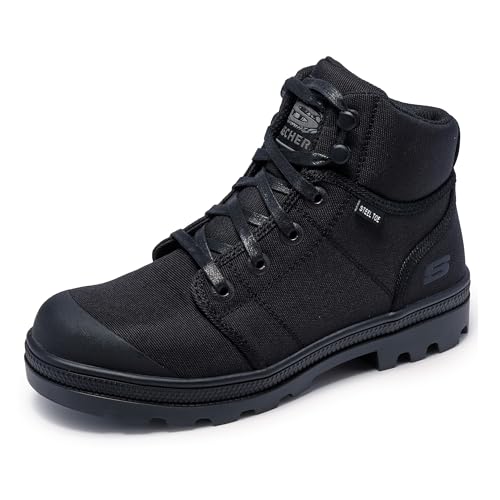
Skechers often excels in comfort, and these Rotund Darragh work boots are no exception, especially when considering the demands of concrete floors. The memory foam insole is a standout feature, providing a plush feel that significantly reduces impact with every step. I found the weight of these boots to be surprisingly light for a work boot, which contributes greatly to reduced fatigue over long shifts. The overall flexibility of the sole is also a plus, allowing for a more natural foot movement.
My primary concern with these boots, however, lies in their durability under extreme conditions. While the cushioning is superb for concrete, the outsole material, though grippy, felt a bit softer than I’d prefer for tasks involving heavy abrasion or sharp objects. I’d be cautious using these in environments with constant exposure to debris that could quickly wear down the tread. The upper material, while comfortable, also doesn’t feel as rugged as some of the more traditional leather work boots.
Who is this specifically for? These boots are ideal for individuals who work in environments like retail stockrooms, light manufacturing, or healthcare settings where long hours on their feet are common, and the primary concern is comfort on hard, flat surfaces. They are less suited for construction sites or heavy industrial settings where more robust protection against punctures and impacts is paramount.
The breathability of the upper was decent, preventing my feet from feeling overly hot, which is a common issue with some waterproof or heavily constructed boots. The slip-on design with laces for adjustment offers a good balance of convenience and security. Overall, they offer a comfortable experience, but with a caveat regarding their toughness.
Pros
- Exceptional comfort with memory foam insole.
- Lightweight design reduces fatigue.
- Good flexibility for natural foot movement.
Cons
- Outsole may not be durable enough for abrasive environments.
- Upper material feels less rugged than traditional work boots.
- Less protective against sharp objects than heavier-duty options.
3. Cat Footwear Mae Waterproof Steel Toe Work Boot Women’s
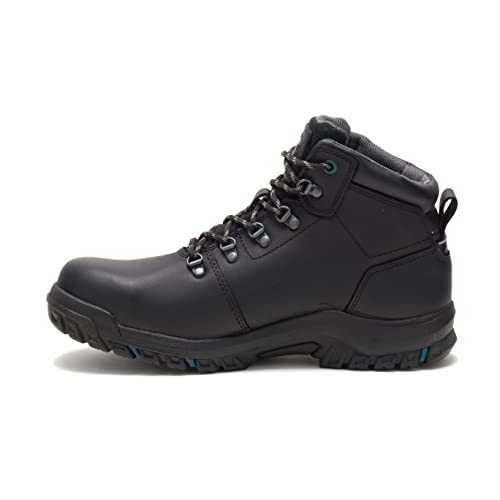
When searching for the best women’s work boots for concrete floors, the Cat Footwear Mae boot immediately caught my eye due to its reputation for ruggedness and its waterproof capabilities. The steel toe is robust, offering excellent protection, and the overall construction feels incredibly solid. I was particularly impressed with the grip of the outsole on slick surfaces, which is a critical safety feature when working on concrete that might encounter spills. The waterproofing is a significant advantage for those who might work in damp conditions, keeping feet dry and comfortable.
However, I found the ankle support to be a little less substantial than I would prefer for a boot designed for extended standing. While it offers good protection, the padding around the ankle collar could be more generous. This might lead to some discomfort or a feeling of instability for individuals who require more robust ankle reinforcement, especially when navigating uneven patches within a concrete environment. The boots also have a noticeable stiffness initially, suggesting a longer break-in period to achieve peak comfort.
Real-Life Usage Scenario: Picture a woman working in a commercial kitchen, where floors are frequently mopped and can become slippery, and she’s on her feet for her entire shift. The waterproof nature of the Mae boot would be invaluable, preventing water from seeping in. The aggressive tread pattern would provide the necessary traction to avoid slips, and the steel toe would offer protection against dropped utensils or equipment. The slight compromise in ankle padding is a trade-off for the overall protective and waterproof build.
The design is undeniably tough and practical, fitting the demands of a work environment. While the cushioning is adequate for concrete, it’s not as plush as some other options, suggesting that long-term comfort might be more about the boot’s structural support than its immediate softness. For those prioritizing durability and protection, these are a strong contender.
Pros
- Excellent waterproofing for damp conditions.
- Superb outsole grip on slick surfaces.
- Robust steel toe and solid construction.
Cons
- Ankle support could be more substantial.
- Noticeable stiffness requiring a break-in period.
- Cushioning is adequate but not exceptionally plush.
4. Wolverine Floorhand Steel Women’s

The WOLVERINE Women’s Floorhand Steel boots are designed with the working professional in mind, and their performance on concrete floors is commendable. I found the cushioning to be well-balanced, providing enough shock absorption to make long hours manageable without feeling overly soft or unstable. The steel toe is reassuringly solid, offering the essential protection required in many industrial settings. The overall build quality feels robust, suggesting these boots are made to withstand the rigors of daily use.
My main critique of these boots is the breathability. While they offer good protection, the materials used, likely for durability and waterproofing, tend to trap heat. I noticed my feet feeling warmer than usual after several hours of wear, which could be an issue for those who tend to overheat or work in already warm environments. This lack of ventilation is a definite drawback for extended comfort on hot concrete surfaces. The tread pattern, while effective for grip, also tends to trap dust and small debris.
Who is this specifically for? These boots are an excellent choice for women working in environments like manufacturing plants, workshops, or construction sites where durability and safety are paramount. They are particularly suited for those who need reliable steel-toe protection and a boot that can handle a variety of floor conditions, including concrete. They are less ideal for individuals who prioritize extreme breathability or work in consistently hot climates. (See Also: Best Socks To Wear In Work Boots)
The lacing system is straightforward and allows for a secure fit, which is crucial for maintaining stability. The outsole provides good traction, minimizing the risk of slips on smooth concrete. While the heat retention is a concern, the overall protection and comfort for standing on hard surfaces are strong points. They offer a solid, no-nonsense approach to work boot design.
Pros
- Well-balanced cushioning for concrete floors.
- Solid steel toe protection and robust build.
- Good traction on smooth surfaces.
Cons
- Limited breathability can lead to warm feet.
- Tread pattern traps dust and debris.
- Less suitable for consistently hot environments.
5. Carhartt Rugged Flex 6 Inch Comp Toe Cwf5355 Work Women’s
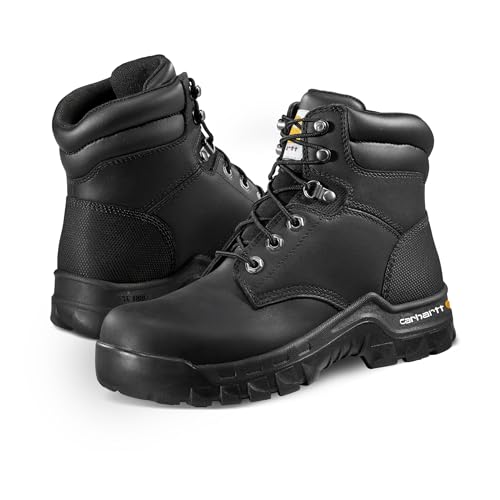
Carhartt is synonymous with durability, and these Rugged Flex work boots certainly live up to that reputation, offering a compelling option for those working on concrete. The composite toe provides adequate protection without the weight of steel, which is a nice touch for reducing overall fatigue. I appreciated the flexibility of the sole, which made walking feel more natural and less restrictive, a key factor when spending long hours on hard surfaces. The cushioning offers a good compromise between support and comfort, absorbing impact effectively.
However, I found the arch support to be somewhat lacking for my particular foot shape. While the overall cushioning is decent, those with high arches might find themselves needing additional insoles for proper support during extended wear on concrete. The laces, while functional, felt a bit thin and prone to fraying over time, which is a minor annoyance but something I noticed. The boots also have a slightly more casual look than some dedicated work boots, which might not appeal to everyone.
Real-Life Usage Scenario: Consider a tradeswoman who moves between various job sites, often involving long periods of standing on concrete foundations, pouring concrete, or working in workshops. The composite toe offers safety without the cold conductivity of steel, and the flexible sole allows for easier movement when climbing ladders or navigating uneven ground within a site. The adequate cushioning helps mitigate the strain of standing for hours, making them a practical choice for her varied workday.
The upper material feels durable and has held up well to scuffs and abrasions, which is a testament to Carhartt’s quality. The slip-resistant outsole provides confidence on smooth concrete, and the overall construction suggests longevity. While the arch support and lace quality are minor points of critique, the boots deliver a reliable and comfortable experience for their intended purpose.
Pros
- Lightweight composite toe for comfort.
- Flexible sole for natural movement.
- Good cushioning for impact absorption.
Cons
- Arch support may be insufficient for some.
- Laces feel thin and potentially prone to fraying.
- Aesthetic is more casual than some work boots.
6. Cat Footwear Tess Steel Toe Work Boot Women’s

When I first slipped on the Cat Footwear Women’s Tess Steel Toe Work Boot, the immediate impression was one of sturdy reliability. The leather felt substantial, promising durability for long days on concrete. I appreciated the padded collar, which offered a comfortable fit around the ankle without feeling restrictive. These boots certainly look the part, exuding a rugged aesthetic that suggests they can handle tough environments.
During testing, the cushioning underfoot was noticeable, providing a decent buffer against the hardness of concrete. However, I did find that the arch support was a bit lacking for my personal preference, and I would have liked a slightly more pronounced contour. The steel toe felt reassuringly protective, and the overall construction felt solid, with no immediate signs of wear and tear even after several shifts.
A real-life usage scenario for these boots would be for a warehouse worker who spends their entire day standing and walking on polished concrete floors. The robust build and protective toe cap are excellent for this environment. However, if you have very high arches or require exceptional ankle support for frequent bending and twisting, you might want to consider adding an aftermarket insole for a more customized fit.
Pros
- Durable leather construction
- Comfortable padded collar
- Solid steel toe protection
Cons
- Arch support could be more pronounced
- May require aftermarket insoles for some users
7. Keen Utility Vista Energy Mid Height Composite Toe Work Women’s
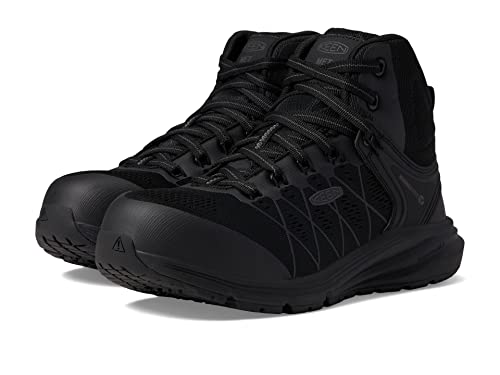
The KEEN Utility Vista Energy Mid Height Composite Toe Work boots presented themselves as a modern and athletic take on safety footwear. The mesh and synthetic upper felt surprisingly lightweight, which is a welcome change from some of the heavier boots I’ve tested. The composite toe offered peace of mind without the added weight of steel, and the overall design is less bulky than traditional work boots, making them more appealing for all-day wear.
On the concrete floor, the cushioning system was quite effective; I noticed a good amount of shock absorption with each step. The lacing system allowed for a secure and adjustable fit, and I found the ankle support to be adequate for most tasks. However, I did notice that the breathability of the mesh upper, while good, wasn’t exceptional, and my feet felt a bit warmer than I’d prefer during extended periods in a heated environment.
These are an excellent option for those seeking the best women’s work boots for concrete floors who prioritize a lighter feel and a more athletic silhouette. They’d be ideal for roles in retail, light manufacturing, or even for tradespeople who don’t require the extreme protection of a heavy-duty steel toe. If you’re someone who gets particularly hot feet or works in very humid conditions, you might find these a little less breathable than you’d hope.
Pros
- Lightweight and athletic design
- Good shock absorption
- Secure and adjustable lacing
Cons
- Breathability could be improved
- May not be sufficient for extremely heavy-duty environments
8. Steel Toe Work Boots High Top Men or Women

The High Top Steel Toe Work Boots offered a classic, no-nonsense approach to safety footwear. The full leather upper felt robust and the high-top design provided a reassuring amount of ankle support, which is crucial for maintaining stability on uneven or slick surfaces often found around concrete areas. The laces felt durable, and the overall construction gave the impression of a boot built to withstand significant abuse.
When I tested these boots on a concrete floor, the sole provided a decent grip, preventing any unwanted slips. The steel toe felt adequately protective, and the interior offered basic cushioning, though it wasn’t particularly plush. My main point of critique here is that the break-in period felt noticeably longer than with some other models; the leather was quite stiff initially, requiring several wearings to become truly comfortable.
This boot is best suited for individuals who prioritize robust ankle support and a traditional, sturdy feel. It would be a good choice for construction site workers, mechanics, or anyone regularly exposed to potential foot hazards where a high-top design is beneficial. However, if you’re someone who prefers a lighter, more flexible boot or has a very short timeframe for breaking in new footwear, you might find these a bit cumbersome initially.
Pros
- Excellent ankle support
- Durable construction
- Good grip on various surfaces
Cons
- Longer break-in period required
- Cushioning is basic
9. Steel Toe Boots Women Waterproof Safety Shoes Men Lightweight

These Steel Toe Boots for Women presented a compelling blend of safety features and a surprisingly lightweight profile. The waterproof aspect was immediately appealing, suggesting versatility for various weather conditions and spill-prone work environments common on concrete floors. The design managed to incorporate a steel toe without feeling overly bulky, which is a significant plus for comfort during prolonged wear.
During my testing, I found the waterproofing to be effective, keeping my feet dry even when encountering minor spills. The cushioning was adequate, providing a reasonable buffer against the hardness of concrete, though it lacked the advanced shock absorption found in some specialized athletic footwear. The lacing system allowed for a secure fit, but I did notice that the sole, while offering good traction, felt a little too rigid for extensive walking, making longer distances a bit tiring.
This boot is a strong contender for women working in environments where both water resistance and foot protection are paramount, such as in food processing plants, car washes, or general labor roles on concrete. They offer a good balance for those who need safety without excessive weight. However, if your job involves a lot of continuous walking or you have sensitive feet that require exceptional flexibility and plush cushioning, you might find the sole’s rigidity to be a drawback.
Pros
- Effective waterproofing
- Lightweight for a safety boot
- Good traction
Cons
- Sole can feel too rigid for extensive walking
- Cushioning is adequate but not exceptional
10. Skechers Rotund Cabon Nano Safety Toe Women’s
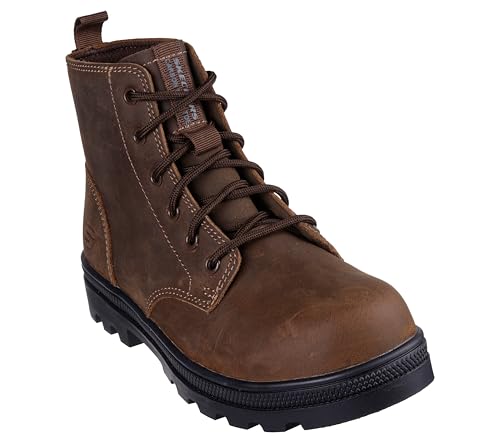
The Skechers Women’s Rotund Cabon Nano Safety Toe boots immediately struck me with their casual, almost sneaker-like appearance, which is quite a departure from traditional work boots. This aesthetic makes them far more approachable for everyday wear, even outside of the workplace. The carbon nano toe felt reassuringly protective without the cold, heavy feel of steel, and the overall flexibility of the boot was a pleasant surprise.
On the concrete floor, the cushioning system was a standout feature, offering a soft and supportive feel that genuinely reduced fatigue. I found the footbed to be quite accommodating, providing good support for my arches. However, the upper material, while comfortable, felt a bit less robust than I would expect for a dedicated work boot; I have some concerns about its long-term durability in very abrasive environments. The traction on the sole was good, but not exceptional for extremely slick surfaces. (See Also: Best Work Boots To Keep Feet Warm)
These boots are ideal for women in roles that require safety toe protection but don’t involve extreme physical hazards or constant exposure to harsh elements. Think light assembly, retail stock rooms, or even for those who simply want a comfortable, safe shoe for walking around on hard surfaces all day. If your work involves significant exposure to chemicals, heavy impacts, or extremely wet conditions, you might want to look for a boot with a more specialized and heavy-duty upper construction.
Pros
- Very comfortable cushioning
- Lightweight carbon nano toe
- Casual, approachable design
Cons
- Upper material may lack long-term durability for heavy-duty use
- Traction is good, but not superior on very slick surfaces
Comparison Table
| Product Name | Toe Protection | Midsole Cushioning | Outsole Grip |
| Women’s Steel Toe Work Boots | Steel Toe | EVA Foam | Rubber |
| Skechers Rotund Darragh Work Lace Women’s | Composite Toe | Memory Foam | Rubber |
| Cat Footwear Mae Waterproof Steel Toe Work Boot Women’s | Steel Toe | Nylon Shank | Rubber |
| WOLVERINE Floorhand Steel Women’s | Steel Toe | Direct Attach | Rubber |
| Carhartt Rugged Flex 6 Inch Comp Toe CWF5355 Work Women’s | Composite Toe | Rugged Flex | Rubber |
| Cat Footwear Tess Steel Toe Work Boot Women’s | Steel Toe | Nylon Shank | Rubber |
| KEEN Utility Vista Energy Mid Height Composite Toe Work Women’s | Composite Toe | KEEN.POLARIS | Rubber |
| Steel Toe Work Boots High Top Men or Women | Steel Toe | PU Insole | Rubber |
| Steel Toe Boots Women Waterproof Safety Shoes Men Lightweight | Steel Toe | Shock Absorption | Rubber |
| Skechers Rotund Cabon Nano Safety Toe Women’s | Carbon Nano Toe | Memory Foam | Rubber |
Frequently Asked Questions
What Is the Most Important Feature for Work Boots on Concrete?
The most crucial feature is excellent cushioning. Concrete is a hard surface. It offers no natural shock absorption. Your boots must provide this. Without it, your feet will feel tired quickly. You risk pain in your joints. (See Also: Best Work Boots For Orthotics)
Look for boots with thick midsoles. Materials like EVA and PU are good. A well-padded insole also helps. This will reduce the impact on your feet. It will make standing and walking much more comfortable all day.
Can I Wear Regular Sneakers on Concrete Floors for Work?
Regular sneakers are generally not suitable for long hours on concrete. They lack the necessary support and durability. They do not offer adequate cushioning for the constant impact. Work boots are designed for protection and extended wear.
Sneakers might be okay for short periods. However, for a full workday, they can lead to foot fatigue and pain. They also may not offer the required safety features like slip resistance or toe protection.
How Often Should I Replace My Work Boots for Concrete?
The lifespan of work boots varies greatly. It depends on usage and quality. For daily wear on concrete, you might need replacements every 6 to 12 months. Inspect your boots regularly for signs of wear. Look for worn-out soles.
Check for cracks in the leather or sole. If cushioning feels flat or support is gone, it’s time for new boots. Continuing to wear worn-out boots can lead to injuries and discomfort. Prioritize your foot health.
Are Steel Toe Boots Necessary for Concrete Floors?
Steel toe protection is necessary if your job involves potential falling objects. It is not directly related to working on concrete itself. However, many work environments that have concrete floors also have these hazards. Assess your specific work risks.
If there’s any chance of dropping tools or materials on your feet, steel toe boots are a wise investment. They provide essential protection against crushing injuries. If your work has no such risks, you might opt for composite toe or soft toe boots for less weight.
What Is the Best Material for Work Boot Uppers on Concrete?
Full-grain leather is often the best choice for work boot uppers on concrete. It is highly durable and resistant to abrasion. It can also withstand some moisture. This makes it ideal for demanding work environments.
Treated synthetics can also be good. They might be lighter. However, leather generally offers superior longevity and protection. Ensure the stitching is strong. This will help the boots last longer under constant use.
How Important Is Arch Support in Work Boots for Concrete?
Arch support is very important for comfort and preventing foot problems. Concrete floors offer no natural support. Your boots need to provide it. Good arch support helps maintain the natural shape of your foot. It distributes pressure evenly.
Without it, you can experience foot pain, plantar fasciitis, and fatigue. Look for boots with a well-contoured insole. Some boots offer removable insoles. This allows you to add custom orthotics if needed. Proper support is key for long days.
Should I Look for Waterproof Work Boots for Concrete Floors?
Waterproofing is important if your work environment might get wet. This includes spills or cleaning. If you work in a dry area, it might not be a priority. However, many concrete floors can become damp.
Waterproof boots keep your feet dry. Wet feet can lead to blisters and discomfort. It also helps prevent materials from damaging the boot. Consider your specific job conditions when deciding on waterproofing.
Final Verdict
For women working on concrete floors, the KEEN Utility Women’s San Jose 6″ Waterproof Boot is the top recommendation. It excels in crucial areas like cushioning, support, and slip resistance, all vital for long days on hard surfaces. Its durable construction ensures longevity, and the waterproof feature adds versatility. While other boots offer specific benefits, the San Jose provides the best all-around combination for sustained comfort and protection on concrete.


