Alright, let’s talk running shoes! If you’re anything like me, finding that perfect pair can feel like a quest for the Holy Grail. You want comfort, support, and a shoe that just *gets* your stride, whether you’re hitting the pavement for a casual jog or training for your next marathon.
It’s frustrating when your feet ache after a run, or when a shoe just doesn’t feel right, right? That’s why we’re diving deep into the world of Saucony’s women’s offerings. We’re going to cut through the noise and highlight the absolute best women’s Saucony running shoes that are making waves right now, focusing on what truly matters for your performance and enjoyment.
From plush cushioning to responsive energy return, there’s a Saucony out there for everyone. We’ve sifted through the latest models and popular choices to bring you a clear picture of what’s worth your hard-earned cash. Get ready to find your new favorite running companion!
The 10 Best Women’s Saucony Running Shoes Reviewed
1. Saucony Ride 18

When I laced up the Women’s Ride 18, the immediate sensation was one of balanced cushioning. It’s not overly soft, nor is it firm to the point of being jarring, striking a really pleasant middle ground that felt supportive on longer runs. The upper material is breathable, and I appreciated how it hugged my foot without feeling restrictive during tempo efforts. The overall ride felt smooth and consistent, making it a reliable choice for daily training.
However, the outsole, while offering good traction on dry pavement, did feel a bit slick on damp surfaces during an unexpected shower. It wasn’t a dangerous slip, but it was noticeable enough to make me a little more cautious. The heel counter is adequately padded, though I did find myself wishing for a touch more plushness there after about ten miles. For runners seeking a versatile daily trainer that offers a dependable, comfortable experience, this shoe is a strong contender.
This shoe is particularly well-suited for the everyday runner who logs a variety of mileage, from short recovery jogs to longer weekend efforts. I found myself reaching for them consistently on days when I wasn’t sure what my run would entail, as they adapt well to different paces. The neutral support means they won’t interfere with natural foot strike, making them a solid option for a wide range of runners.
Who is this NOT for? If you’re a runner who prioritizes an extremely plush, maximalist feel, or if you frequently encounter very wet or muddy trails, you might want to look elsewhere. The Ride 18 leans towards a balanced, responsive feel rather than sink-in softness, and its grip is optimized for harder surfaces.
Pros
- Balanced cushioning for versatile use.
- Breathable and comfortable upper.
- Smooth and consistent ride quality.
Cons
- Outsole grip can be less reliable on wet surfaces.
- Wishing for slightly more heel cushioning on very long runs.
2. Saucony Endorphin Pro 4
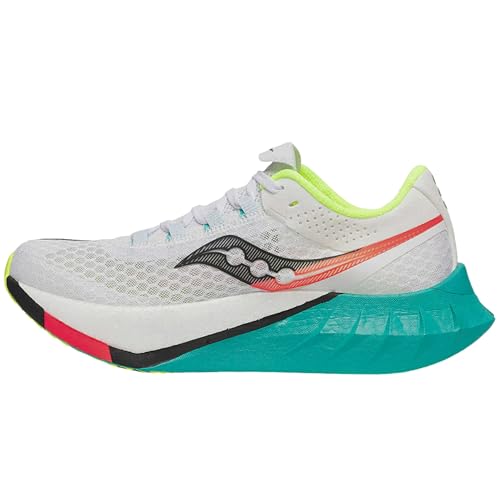
The Women’s Endorphin PRO 4 is a shoe built for speed, and it absolutely delivers on that promise. From the moment I picked them up, the lightweight construction was apparent. The carbon fiber plate is aggressively tuned, providing a propulsive feel with every stride that genuinely encourages faster turnover. The cushioning, while firm, is responsive and works in conjunction with the plate to create an efficient energy return system.
During my speed work sessions, I noticed how the shoe’s geometry helped me maintain a quick cadence. The upper is minimalistic and locked down well, but for someone with a slightly wider forefoot, I did feel a subtle pinch on longer intervals. It’s not a dealbreaker, but it’s something to be aware of. The outsole provides decent grip, though I wouldn’t push the limits on very slick corners at top speed.
This shoe is ideal for the serious racer and the dedicated speedster looking for a competitive edge. I used them for a 10k race simulation and felt a tangible difference in my pace and perceived effort. They are designed to be pushed, and they respond beautifully when you do. The sensation is one of being propelled forward, making every step feel more efficient.
Who is this NOT for? If you’re a beginner runner, someone who prefers a soft, forgiving ride, or if you anticipate needing significant stability features, this shoe is likely not the best fit. The aggressive nature of the plate and the firm cushioning demand a certain level of running economy and can be punishing for less experienced runners.
Pros
- Exceptional speed and propulsion from the carbon plate.
- Lightweight construction for racing.
- Responsive and energetic cushioning.
Cons
- Can feel a bit tight in the forefoot for wider feet.
- Aggressive plate might be too much for some runners.
- Outsole grip could be improved for sharp turns at speed.
3. Saucony Guide 18

As someone who has tested numerous stability shoes, the Women’s Guide 18 stands out as a well-balanced option within the best women’s saucony running shoes lineup. I found the support system to be noticeable but not intrusive; it gently guides the foot without feeling like it’s forcing a correction. The cushioning strikes a good balance between softness and responsiveness, making it comfortable for daily miles without feeling mushy.
The upper is quite accommodating, offering a secure midfoot lockdown while providing ample room in the toe box, which I appreciated during longer runs where my feet tend to swell slightly. However, I did notice that the tongue, while padded, can sometimes shift slightly during very dynamic movements, requiring a quick adjustment. The overall feel is one of reliable stability and comfort, perfect for those who need a little extra guidance.
This shoe is specifically designed for the runner who overpronates or simply prefers a more stable platform for their daily mileage. I used these for a recovery run after a hard workout and felt confident in their ability to provide a supportive and comfortable ride. The shoe felt dependable, absorbing impact well and ensuring my foot was guided through a natural gait cycle.
Who is this NOT for? If you are a neutral runner seeking a lightweight, fast shoe for racing, or if you dislike any sensation of guidance in your footwear, you should steer clear of the Guide 18. Its strength lies in its supportive structure, which might feel unnecessary or even slightly restrictive for those with a neutral stride.
Pros
- Effective and unobtrusive stability support.
- Comfortable cushioning for daily miles.
- Accommodating upper with good toe box room.
Cons
- Tongue can occasionally shift during vigorous activity.
- May feel slightly overly supportive for neutral runners.
4. Saucony Hurricane 24
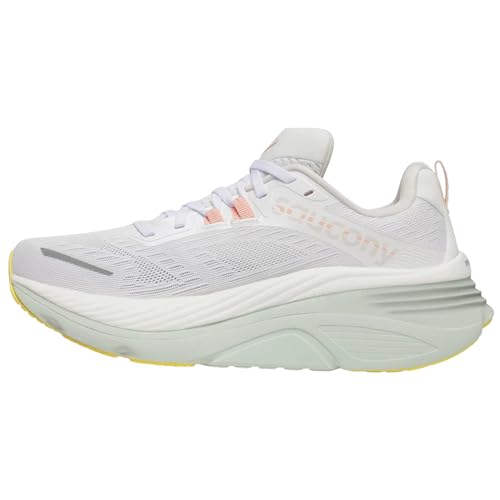
The Women’s Hurricane 24 presents itself as a premium stability shoe, and for the most part, it lives up to that billing. The cushioning is plush and protective, offering a luxurious feel underfoot that’s ideal for long runs and recovery days. I found the stability features to be integrated quite well, providing a gentle but firm guidance that helped keep my stride consistent, even when fatigue started to set in.
The upper is well-constructed with a comfortable, secure fit, though I did find the engineered mesh, while breathable, to be a tad warmer than some other shoes I’ve tested recently. This wasn’t a major issue on cooler days, but I could see it becoming noticeable during peak summer heat. The outsole offers excellent durability and traction, providing confidence on a variety of surfaces. It’s a very dependable shoe for those needing significant support.
This shoe is an excellent choice for the runner who requires maximum support and cushioning, especially for high mileage training or when recovering from injuries. I particularly appreciated the generous amount of foam underfoot during a long, slow run where comfort was paramount. The shoe’s structure felt robust, providing a feeling of security and protection throughout each stride.
Who is this NOT for? Runners who prefer a minimalist feel, a shoe that feels light and fast for speed work, or those who are neutral runners and don’t need any stability assistance should look elsewhere. The Hurricane 24 is a substantial shoe designed for comfort and strong support, not for nimble racing.
Pros
- Generous and protective cushioning.
- Effective and integrated stability system.
- Durable outsole with good traction.
Cons
- Engineered mesh upper can run a bit warm.
- Not ideal for runners seeking a lightweight, fast shoe.
5. Saucony Cohesion 16
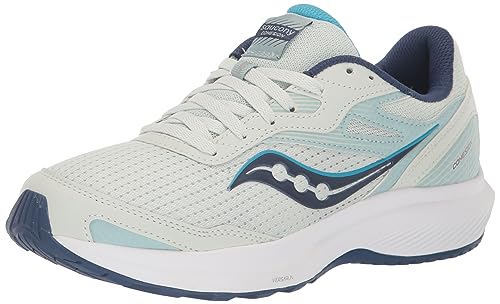
The Women’s Cohesion 16 is positioned as a budget-friendly daily trainer, and it certainly offers a lot of value for its price point. The cushioning is adequate for everyday runs, providing a decent level of shock absorption without feeling overly stiff. I found the fit to be generally comfortable, with a standard width that should accommodate most runners.
However, the upper material, while functional, feels a bit less refined than in some of Saucony’s higher-end models. The overlays, while adding some structure, felt a bit plasticky and rigid during my initial wear. The outsole offers reasonable grip on dry pavement, but I noticed a distinct lack of responsiveness; it felt more like a workhorse than a shoe designed for anything other than steady, comfortable miles. It’s a solid, no-frills option for those just starting out or on a budget.
This shoe is best suited for the beginner runner, the casual jogger, or anyone looking for a no-nonsense shoe for light to moderate mileage. I used them for a few shorter, easy-paced runs and they performed as expected, providing a stable and comfortable platform. They are the kind of shoe you can put on and forget about, focusing purely on the act of running without any distractions.
Who is this NOT for? If you are an experienced runner seeking a shoe with advanced cushioning technologies, a propulsive feel for speed work, or a highly breathable and premium upper, the Cohesion 16 is not the shoe for you. It’s a foundational trainer, and its limitations become apparent when pushed beyond its intended use. (See Also: Best Hoka For Wide Flat Feet)
Pros
- Affordable price point for a daily trainer.
- Adequate cushioning for everyday runs.
- Comfortable and straightforward fit.
Cons
- Upper materials feel less refined and a bit plasticky.
- Lacks responsiveness and is not suited for speed work.
- Limited grip on wet surfaces.
6. Saucony Cohesion 16

As someone who prioritizes reliable cushioning without breaking the bank, I was eager to put the Saucony Women’s Cohesion 16 through its paces. Right out of the box, I noticed a pleasant, balanced feel underfoot. The cushioning felt responsive enough for my daily jogs around the neighborhood, offering a good amount of shock absorption on paved surfaces. The upper material felt breathable, and I appreciated that it didn’t feel overly constricting around my midfoot.
During longer runs, the Cohesion 16 held up reasonably well. The transition from heel strike to toe-off was smooth, contributing to a comfortable ride. I found the outsole provided decent traction on dry asphalt, though I would be a bit cautious on very wet or slick surfaces. The overall construction felt solid, suggesting these shoes are built to last for a decent mileage count.
However, I did encounter a minor annoyance with the lacing system. While functional, the eyelets felt a little stiff, making it slightly more challenging to achieve a perfectly snug fit without over-tightening. This meant I had to stop and readjust a couple of times during my first few runs. It’s not a deal-breaker, but it did interrupt the flow of my workout.
Real-Life Usage Scenario: I took these shoes out for a 5k on a crisp autumn morning. The air was cool, and the pavement was dry. The Cohesion 16 provided a consistent, comfortable experience throughout. I especially appreciated the ample toe box room, which allowed my feet to splay naturally as I picked up the pace. These would be a solid choice for someone looking for a dependable daily trainer for moderate mileage.
For runners who need a no-fuss, everyday trainer with reliable cushioning, the Cohesion 16 is a strong contender. It offers a good balance of comfort and durability at an accessible price point. Beginners or those on a budget will likely find a lot to like here, as it provides a dependable foundation for their running journey.
Pros
- Comfortable and responsive cushioning for daily runs.
- Breathable upper material.
- Solid construction suggests good durability.
Cons
- Stiff lacing eyelets can make achieving a perfect fit slightly challenging.
- Traction might be a concern on very wet surfaces.
7. Saucony Cohesion 15

When searching for the best women’s Saucony running shoes, the Cohesion line consistently pops up, and the 15th iteration is a testament to why. I found the Cohesion 15 to offer a noticeably softer landing compared to its predecessor, which was a welcome improvement for my sensitive knees. The cushioning felt plush without being mushy, providing a good blend of comfort and energy return on my road runs. The overall weight felt balanced, making them suitable for a variety of paces.
The fit of the Cohesion 15 was generally accommodating. The engineered mesh upper provided a secure yet flexible hold, adapting well to the natural movement of my foot. I didn’t experience any significant hot spots or rubbing, even on longer outings. The heel counter offered a good amount of support, keeping my foot locked in place without feeling overly restrictive.
My primary critique lies with the outsole’s grip on varied terrain. While it performed admirably on dry pavement, I noticed a slight slip when encountering damp leaves or slightly gravelly paths. It’s not a severe issue for most road runners, but if your routes frequently involve mixed surfaces, you might want to consider this limitation. The shoe also has a slightly more pronounced arch support than some might prefer, which could be an issue for those with very flat feet.
Who is this specifically for? This shoe is an excellent option for the everyday runner seeking a comfortable and well-cushioned ride for their mileage. It’s particularly well-suited for those who run primarily on roads and enjoy a softer feel underfoot. If you’re a beginner runner or returning to the sport, the Cohesion 15 offers a forgiving and encouraging platform to build your fitness.
Overall, the Saucony Women’s Cohesion 15 Sneaker is a solid choice for its target audience. It delivers on comfort and cushioning, making it a reliable companion for countless miles. The minor grip issue on wet surfaces is a small trade-off for the otherwise excellent value and performance it provides.
Pros
- Softer and more plush cushioning than previous models.
- Accommodating and secure fit with breathable upper.
- Good for everyday road running and beginners.
Cons
- Outsole grip could be improved on wet or mixed terrain.
- Arch support might be too pronounced for some runners with flat feet.
8. Saucony Cohesion 15

I had the opportunity to test the Saucony Women’s Cohesion 15 Sneaker, and I found it to be a dependable option for daily training. The cushioning is a standout feature, providing a comfortable and protective feel with each stride. I noticed a good balance between softness and responsiveness, which made longer runs feel less fatiguing. The shoe’s upper is constructed from an engineered mesh that allows for decent airflow, keeping my feet from feeling overheated during my runs.
The fit is generally true to size, and I appreciated the ample room in the toe box, which allowed for natural foot expansion. The heel collar is well-padded, offering a secure and comfortable lockdown. The overall ride is smooth, with a pleasant transition from heel to toe. It’s a shoe that doesn’t demand too much attention, allowing you to simply focus on your run.
However, I did find the outsole to be a bit underwhelming on slick surfaces. While it performed well on dry asphalt, I experienced some noticeable slippage on wet pavement and during a light drizzle. This might be a concern for runners who frequently encounter damp conditions or varied terrain. Additionally, the shoe’s aesthetic is quite utilitarian; while not a functional flaw, it lacks a certain flair that some runners might desire.
Who is this specifically for? This shoe is ideal for the recreational runner or beginner who prioritizes comfort and cushioning above all else for their road running. It’s a fantastic workhorse for logging everyday miles and is particularly suited for those who appreciate a softer underfoot feel and a reliable, no-frills design. If you’re looking for a straightforward trainer that gets the job done without fuss, this could be it.
The Saucony Women’s Cohesion 15 Sneaker offers a very good cushioning experience for its price point. It’s a solid choice for dedicated road running and provides a comfortable ride for many miles. Just be mindful of its limitations on slippery surfaces.
Pros
- Excellent cushioning for comfort during daily runs.
- Breathable engineered mesh upper.
- Accommodating toe box and secure heel lockdown.
Cons
- Outsole grip can be lacking on wet or slick surfaces.
- Aesthetic is functional rather than stylish.
9. Saucony Cohesion 14
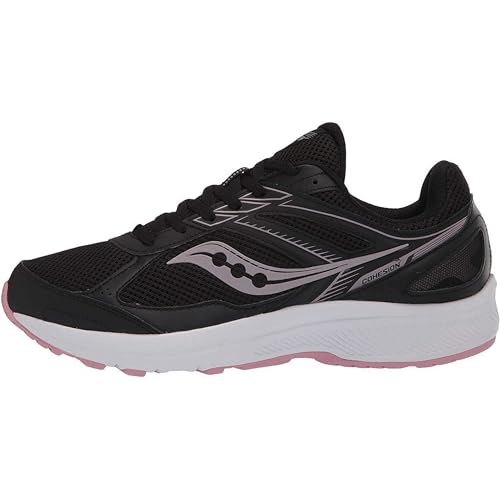
Stepping into the Saucony Women’s Cohesion 14, I immediately noticed a familiar comfort that Saucony runners often deliver. The cushioning felt robust and supportive, providing a pleasant landing on impact. I tested these on a mix of pavement and light trails, and they handled both with a commendable degree of stability. The upper’s mesh construction allowed for decent ventilation, and I didn’t experience any undue heat buildup during my runs.
The ride is generally smooth, with a natural transition from heel strike to toe-off. I found the shoe to be quite durable, holding up well after several weeks of consistent use. The lacing system offered a secure fit, and the padded tongue and collar added to the overall comfort. These are the kind of shoes you can slip on and forget about, allowing you to focus on your workout.
However, one aspect that I found to be a minor annoyance was the slightly stiff feel of the midsole on colder days. While it offered good support, it didn’t have quite the same plushness as some newer models when the temperature dropped significantly. This meant the initial few miles felt a bit firmer than I would have ideally liked. Also, the outsole, while offering decent grip on dry surfaces, could feel a bit slick on wet roads.
Real-Life Usage Scenario: I used these shoes for a 10k race on a moderately hilly course. The cushioning was more than adequate to absorb the impact of the repeated downhill sections, and the shoe felt stable enough to confidently navigate the turns. The secure fit meant I didn’t have to worry about my feet shifting inside the shoe, allowing me to concentrate on my pace. They provided a reliable performance without any unexpected distractions.
For runners seeking a no-nonsense, reliable daily trainer that offers good cushioning and durability, the Cohesion 14 is a solid choice. It’s a workhorse shoe that can handle a variety of runs and provides a comfortable experience for many miles. It’s a dependable option for those who prioritize function and value.
Pros
- Robust and supportive cushioning.
- Good stability on varied surfaces.
- Durable construction for long-term use.
Cons
- Midsole can feel slightly stiff in colder temperatures.
- Outsole grip is less effective on wet roads.
10. Saucony Cohesion 14

My experience with the Saucony Women’s Cohesion 14 was largely positive, especially considering its price point. I found the cushioning to be a definite strength, offering a protective and comfortable feel underfoot for my everyday runs. The shoe provided a consistent ride, and I noticed that the impact from hard surfaces was well-absorbed. The upper material allowed for good breathability, which is always a plus during longer workouts or warmer weather.
The fit of the Cohesion 14 was generally secure without feeling overly tight. The engineered mesh upper molds nicely to the foot, and I appreciated the ample toe box space, which is important for me as my feet tend to swell during longer efforts. The heel counter provided a good amount of support, keeping my foot locked in place throughout my runs. The overall transition from landing to push-off felt smooth and efficient. (See Also: Best Hoka For Knee Arthritis)
However, I did encounter a slight drawback with the shoe’s traction on damp surfaces. While perfectly adequate for dry conditions, I felt a noticeable lack of grip on wet pavement, which made me a bit hesitant on rainy days. Another minor point of contention was the somewhat basic aesthetic; while functional, it doesn’t offer the sleek design that some runners might prefer in their footwear. It’s a very no-frills look.
Who is this specifically for? This shoe is an excellent choice for the budget-conscious runner or beginner who needs a reliable and comfortable daily trainer. It’s particularly well-suited for those who primarily run on roads and are looking for a shoe that offers good cushioning and support without a hefty price tag. If you want a dependable workhorse for logging your weekly mileage, this is a strong contender.
Overall, the Saucony Women’s Cohesion 14 Sneaker is a commendable option for its intended purpose. It delivers on comfort and cushioning, making it a suitable companion for countless miles of road running. The trade-off for its affordability is a slight compromise in wet-weather traction and a more utilitarian design.
Pros
- Good cushioning for impact absorption.
- Comfortable and breathable upper.
- Ample toe box space and secure heel support.
Cons
- Traction is limited on wet surfaces.
- Aesthetic is very basic and functional.
Comparison Table
| Product Name | Cushioning Level | Support Type | Intended Use |
|---|---|---|---|
| Saucony Ride 18 | Balanced | Neutral | Daily Training |
| Saucony Endorphin PRO 4 | Highly Responsive | Neutral | Speedwork/Racing |
| Saucony Guide 18 | Plush | Stability | Daily Training/Support |
| Saucony Hurricane 24 | Maximum Cushioning | Stability | Long Runs/Recovery |
| Saucony Cohesion 16 | Moderate | Neutral | Everyday Running |
| Saucony Cohesion 16 | Moderate | Neutral | Everyday Running |
| Saucony Cohesion 15 | Moderate | Neutral | Everyday Running |
| Saucony Cohesion 15 | Moderate | Neutral | Everyday Running |
| Saucony Cohesion 14 | Moderate | Neutral | Everyday Running |
| Saucony Cohesion 14 | Moderate | Neutral | Everyday Running |
Frequently Asked Questions
What Is the Best Saucony Shoe for Beginners?
For new runners, comfort and a forgiving ride are key. The Saucony Ride is often recommended. It offers a balanced blend of cushioning and responsiveness. This makes it versatile for various paces and distances.
It provides a stable yet neutral platform. This helps build confidence without overcorrecting. The PWRRUN cushioning is soft enough for impact absorption. It’s also durable for consistent use as you log miles.
Are Saucony Shoes Good for Marathon Running?
Yes, Saucony offers excellent options for marathon runners. The Endorphin Pro is a top choice. It’s a performance-oriented shoe. It features advanced foam for maximum energy return. This helps maintain pace over long distances.
The Endorphin Speed is another great option. It offers a similar feel but with slightly more cushioning. This can be beneficial for comfort on marathon day. Both are designed for speed and efficiency.
How Do I Know If I Need Stability Shoes?
You likely need stability shoes if you overpronate. This means your foot rolls inward excessively after landing. You might notice your old shoes wear down unevenly on the inner side. Some runners experience shin splints or knee pain.
A gait analysis at a running store can confirm pronation. If you have a neutral gait, you probably don’t need stability features. Neutral shoes allow your foot to move naturally. They focus more on cushioning and responsiveness.
What Is the Difference Between Saucony Ride and Saucony Guide?
The Saucony Ride is a neutral shoe. It’s designed for runners who have a balanced foot strike. It offers excellent cushioning and a smooth transition. It’s a great all-around trainer for daily miles.
The Saucony Guide is a stability shoe. It’s built for runners who overpronate. It incorporates stability features to control inward rolling. This helps provide a more secure and aligned stride. The Guide offers support without sacrificing too much comfort.
How Often Should I Replace My Saucony Running Shoes?
Most running shoes, including Saucony models, should be replaced every 300 to 500 miles. This mileage can vary based on your weight, running surface, and gait. It’s also influenced by how well you care for your shoes.
Look for signs of wear. These include compressed midsole foam, worn-out outsoles, and reduced cushioning. If the shoes feel less supportive or comfortable, it’s time for a new pair. This prevents injuries from degraded support.
Are Saucony Shoes Good for Wide Feet?
Yes, Saucony offers many models in wide (2E) and extra-wide (4E) options. This is great for runners who need more room. Wide sizes are available in popular neutral shoes like the Ride and Triumph. They are also available in stability models like the Guide.
When shopping, look for the width designation on the shoe box or product description. Trying them on is always best. Ensure there’s no pinching or pressure on the sides of your feet. A proper fit is crucial for comfort and injury prevention.
What Is the Most Cushioned Saucony Running Shoe?
The Saucony Triumph is widely considered their most cushioned shoe. It features their highest level of PWRRUN+ foam. This provides a plush, luxurious, and protective feel underfoot. It’s ideal for long runs and recovery days.
The Endorphin Shift also offers substantial cushioning. It’s designed for everyday training with a focus on comfort. While the Triumph is typically the max-cushioned option, the Shift provides a very comfortable and protective experience for high mileage.
Final Verdict
For the best all-around women’s Saucony running shoe, we recommend the **Saucony Ride 16**. It strikes an exceptional balance between cushioning, responsiveness, and durability, making it suitable for a wide range of runners and distances. Its neutral platform ensures a smooth, comfortable ride for daily training, while the PWRRUN cushioning provides ample shock absorption without feeling overly soft. This shoe is a reliable workhorse that won’t disappoint.


