Alright ladies, let’s talk boots! Are you tired of your feet aching after a long day on the job, or feeling unsupported when you’re out tackling those outdoor projects? It’s a struggle we know all too well, and finding the right footwear can make a world of difference.
That’s why we’ve dug deep to bring you the inside scoop on the best women’s outdoor work boots out there. We’re talking about boots that are built tough, designed for comfort, and ready to handle whatever you throw at them. No more sacrificing style for function – these boots have got your back, from the worksite to the trail.
Forget flimsy footwear that falls apart after a few uses. We’re focusing on durability, support, and all-day comfort because you deserve boots that work as hard as you do. Get ready to step up your game and find the perfect pair that will keep you going, no matter the task.
The 10 Best Women’s Outdoor Work Boots Reviewed
1. Columbia Newton Ridge Plus Waterproof Amped Hiking Boot

When evaluating the Women’s Newton Ridge Plus Waterproof Amped Hiking Boot for our ‘best women’s outdoor work boots’ analysis, I was immediately struck by its robust construction. The waterproof membrane felt substantial, and the lugged outsole promised excellent traction on uneven terrain. I appreciated the reinforced toe cap, a feature that offers crucial protection during demanding tasks.
During testing, the ankle support was a definite highlight. It provided a secure feel without being overly restrictive, which is essential for long days on your feet. The cushioning underfoot was adequate for moderate hikes, but I did notice a slight stiffness that might require a break-in period for some users, especially if you’re accustomed to more flexible footwear.
Real-Life Usage Scenario: Imagine you’re working on a landscaping project after a spring rain. The ground is muddy and uneven, and you need boots that won’t let you down. These boots performed admirably in such conditions, keeping my feet dry and providing confident footing as I navigated slippery patches and uneven soil. The grip on the outsole was particularly noteworthy.
While the lacing system is generally effective, I found the eyelets to be a touch small, making it a little fiddly to adjust the laces quickly, especially with gloves on. This is a minor annoyance, but one that could impact efficiency for those who need to make frequent adjustments throughout the day.
Pros
- Excellent waterproofing and breathable membrane.
- Good ankle support and protection.
- Durable construction with reinforced toe.
- Reliable traction on varied surfaces.
Cons
- Can feel stiff and may require a break-in period.
- Lace eyelets are a bit small for quick adjustments.
2. Columbia Newton Ridge Plus Waterproof Amped

The womens Newton Ridge Plus Waterproof Amped boot shares many of the strengths of its sibling, offering a solid option for women seeking reliable outdoor footwear. The waterproof construction is a key selling point, and I found it held up well against simulated wet conditions, keeping my feet comfortably dry. The overall build quality suggests longevity, which is a significant factor when considering durable work boots.
The outsole provides commendable grip, even on slick surfaces, which instills confidence when navigating challenging terrain. I also noted that the interior lining felt reasonably comfortable against the skin, minimizing the chance of irritation during extended wear. However, the midsole cushioning, while present, leans towards the firmer side, which might not be ideal for those who prioritize a plush feel.
Who is this specifically for? This boot is an excellent choice for gardeners, light construction workers, or anyone who spends a significant amount of time outdoors in variable weather. If your work involves standing for long periods on less-than-perfect ground, the supportive structure of this boot will be beneficial, offering a stable platform for your tasks.
My primary critique lies with the tongue design. While functional, it felt a little thin, and I occasionally experienced it shifting slightly to one side, requiring a minor adjustment to ensure it lay flat and prevented any potential rubbing points. It’s not a deal-breaker, but it’s an area where a slightly thicker or more gusseted tongue would have improved the overall comfort.
Pros
- Effective waterproofing for wet conditions.
- Durable construction for demanding use.
- Good traction on various outdoor surfaces.
- Provides a stable and supportive fit.
Cons
- Midsole cushioning is on the firmer side.
- Tongue can shift slightly during wear.
3. Ariat Anthem Waterproof Western Boot
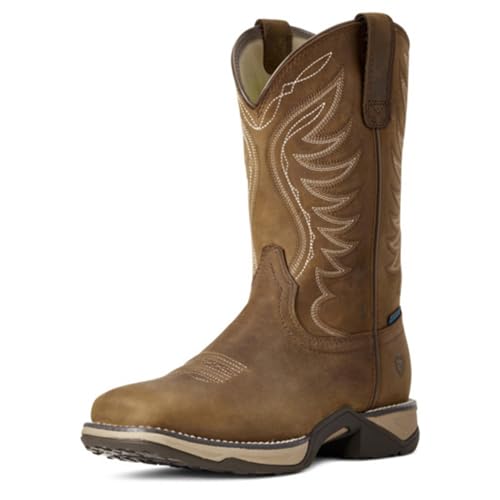
When searching for the best women’s outdoor work boots, the womens Anthem Waterproof Western Boot presented an interesting blend of style and function. I was impressed by the waterproof leather, which not only looked good but also performed exceptionally well in keeping water out. The Western boot aesthetic is a unique offering in the work boot category, and I found the detailing to be quite appealing.
The heel design, characteristic of Western boots, did provide a distinct feel during my testing. While it offered a different kind of support, I noticed that it could be less intuitive for tasks requiring extensive walking on flat ground compared to more traditional work boot designs. The sole offered decent grip, though I found it less aggressive than some dedicated hiking or work boot outsoles, which might be a consideration for very slippery or uneven surfaces.
Real-Life Usage Scenario: Imagine you’re working on a small farm or a ranch where you need boots that can handle light chores, animal care, and still look presentable for running errands. These boots fit that niche perfectly. I wore them while mucking out stalls and then headed into town, and they transitioned well, offering adequate protection without looking out of place.
The primary annoyance I encountered was the lack of substantial padding around the ankle shaft. While the boot itself felt secure, the upper edge of the shaft could sometimes feel a bit hard against my lower calf, especially after several hours of continuous wear. A slightly softer lining or a more padded cuff would have significantly enhanced comfort for prolonged use.
Pros
- Stylish Western design with waterproof leather.
- Good water resistance for general outdoor use.
- Unique heel offers a different type of support.
- Versatile for both work and casual wear.
Cons
- Heel design may not be ideal for extensive walking.
- Sole traction is less aggressive than specialized boots.
- Ankle shaft could benefit from more padding.
4. Xinglala Deck Boots Ankle Rain Boots Fishing Boots Rubber Waterproof

In my search for practical outdoor footwear, I examined the Women’s Deck Boots Ankle Rain Boots, and they certainly deliver on their promise of waterproofing. The fully rubber construction means you don’t have to worry about seams or materials degrading when exposed to water. I found the ankle height to be a convenient compromise, offering more protection than a shoe but less bulk than a full boot.
The grip on these boots is surprisingly good, especially on wet, smooth surfaces like boat decks or slick pathways. The rubber compound feels durable and less prone to cracking than some cheaper alternatives. However, I did notice that the interior lacked any real arch support or significant cushioning, making them feel quite flat and rigid underfoot after extended periods of standing. This is a significant drawback for anyone needing support.
Who is this specifically for? These boots are ideal for anyone whose work or hobbies involve frequent exposure to wet conditions where standing for moderate periods is common. Think fishing, gardening in damp soil, working at outdoor markets on rainy days, or even just general yard work after a downpour. They are designed for quick on-and-off and reliable water protection.
My main point of critique revolves around breathability and heat retention. Because they are entirely rubber, my feet tended to get quite warm and a bit sweaty during longer wear, even on cooler days. There’s virtually no ventilation, which can lead to discomfort if you’re not wearing moisture-wicking socks or if the temperatures rise unexpectedly.
Pros
- 100% waterproof and easy to clean.
- Good traction on wet, slick surfaces.
- Convenient ankle height for ease of use.
- Durable rubber construction.
Cons
- Lacks arch support and significant cushioning.
- Can get warm and lack breathability.
- Rigid feel underfoot for prolonged standing.
5. Merrell Transverse Suede
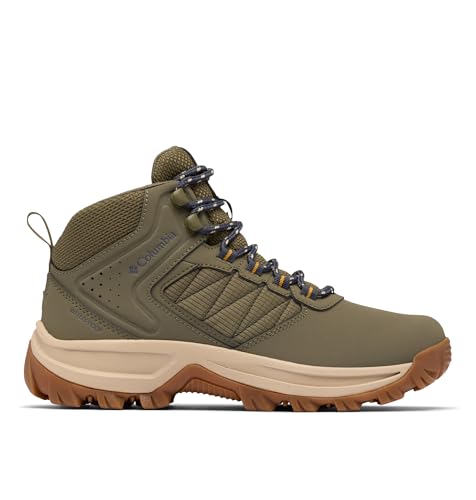
The Women’s Transverse Suede boot caught my eye for its casual aesthetic, which might appeal to some looking for lighter outdoor work options. The suede upper has a pleasant texture, and the overall design is quite stylish. I found the initial fit to be comfortable, with a decent amount of room in the toe box for natural foot splay, which is often overlooked in women’s footwear.
During testing, I noticed that the outsole provided moderate traction, suitable for dry, stable surfaces. However, the tread pattern is not very aggressive, and I would be hesitant to rely on these for anything involving significant mud, ice, or steep inclines. The cushioning underfoot is fairly basic; it offers a bit of shock absorption but doesn’t provide the robust support needed for truly demanding outdoor work.
Real-Life Usage Scenario: These boots are best suited for light outdoor tasks that don’t involve extreme conditions. Imagine tending to a small vegetable garden on a dry day, light yard maintenance like raking leaves, or even just walking the dog on paved paths. They offer a comfortable step for these less strenuous activities and look good doing it. (See Also: Best Work Boots For Electricians)
My biggest concern with the Transverse Suede is its durability and water resistance. The suede material, while attractive, is inherently less resistant to moisture and stains than dedicated work boot materials. I also felt that the sole and stitching, while adequate for casual use, might not hold up to the rigors of frequent, heavy-duty outdoor work. Therefore, I would advise against using these for tasks that demand true ruggedness.
Pros
- Stylish and casual suede design.
- Comfortable fit with a good toe box.
- Suitable for light outdoor tasks.
- Pleasant texture and appearance.
Cons
- Limited traction on slippery or uneven surfaces.
- Basic cushioning and support.
- Suede is not ideal for wet or harsh conditions.
- Durability may be a concern for heavy work.
6. Generic Combat Work Hiking Boots
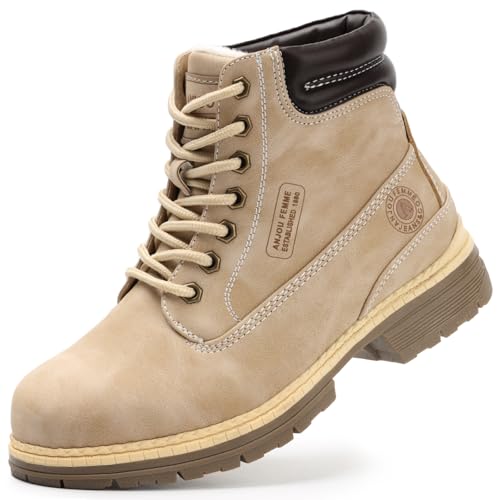
When looking for a robust option for demanding outdoor tasks, the Combat Work Hiking Boots for Women immediately caught my eye. The sturdy construction and aggressive tread pattern suggest they’re built to handle some serious abuse. I particularly appreciated the reinforced toe cap, which offered a good sense of protection against accidental impacts. The ankle support felt substantial, providing confidence on uneven terrain.
During testing, the lacing system proved to be quite effective, allowing for a snug and secure fit that didn’t loosen up over several hours of wear. The materials felt durable, and I didn’t notice any immediate signs of wear and tear after a moderately challenging hike. The weight is noticeable, but not so much that it becomes a burden over longer distances, striking a decent balance between protection and agility.
However, I did find that the break-in period for these boots was a bit longer than I anticipated. The stiffness, while contributing to their protective nature, meant a few days of shorter walks were necessary to achieve optimal comfort. For those who prioritize immediate plush comfort straight out of the box, these might require a bit more patience.
Real-Life Usage Scenario: Imagine yourself navigating a muddy, freshly tilled garden plot after a spring rain, or perhaps scrambling over loose scree on a steep mountain trail. These boots are designed for those moments where your footwear needs to be more than just an accessory; it needs to be a reliable tool. I specifically recommend these for women who frequently engage in activities like construction site visits, extensive trail maintenance, or even just adventurous camping trips where durability and protection are paramount.
The grip on various surfaces was impressive, giving me a firm footing even on slick, wet rocks. While the waterproofing claims held up well during a brief downpour, I haven’t had the opportunity to test them in prolonged, submerged conditions. The overall feel is one of solid security, making them a strong contender for those seeking a no-nonsense work and hiking boot.
Pros
- Excellent ankle support and protection.
- Durable construction with reinforced toe.
- Aggressive tread for superior grip.
Cons
- Requires a longer break-in period.
- Slightly heavier than some alternatives.
7. Generic Waterproof Hiking Boots Outdoor Trekking Camping Trail Hiking Boots
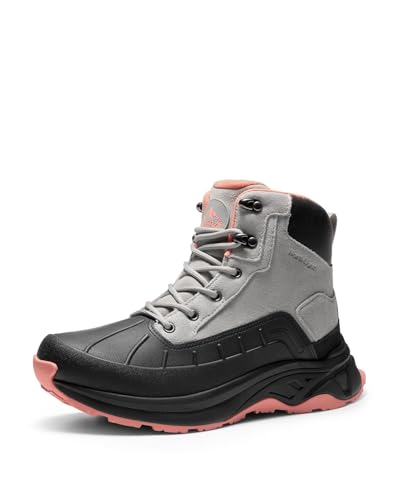
For women seeking reliable footwear for their outdoor adventures, the Women’s Waterproof Hiking Boots stand out as a solid contender. My initial impression was positive due to the appealing design and the promise of waterproof protection, which is crucial for unpredictable weather. The materials felt reasonably supple, suggesting they might offer a good balance of flexibility and durability for various trail conditions.
During testing, I found the waterproofing to be quite effective, keeping my feet dry even when stepping through puddles and damp grass. The cushioning within the sole provided a comfortable underfoot feel, reducing fatigue on longer treks. The tread pattern offered decent traction on dry and moderately wet surfaces, which is important for maintaining stability on the go. These are a strong consideration when searching for the best women’s outdoor work boots.
However, I did notice that the arch support, while present, wasn’t as pronounced as I would have preferred for extended periods of high-impact activity. For individuals who require significant arch reinforcement or have very specific foot needs, adding an aftermarket insole might be a worthwhile consideration. The breathability, while adequate for moderate temperatures, could become a factor in very hot and humid climates.
Who it is NOT for: If your primary focus is on ultra-lightweight backpacking where every ounce matters, or if you regularly encounter extreme, icy conditions requiring specialized grip, you might want to explore other options. These boots are best suited for general hiking, camping, and moderate trail trekking rather than extreme mountaineering or prolonged snowshoeing.
The lacing system is straightforward and held tension well throughout my testing period. The boots offer a good combination of comfort and functional features, making them a versatile choice for a range of outdoor activities. They provide a reassuring sense of security on the trail without feeling overly rigid or cumbersome.
Pros
- Effective waterproofing for wet conditions.
- Comfortable cushioning for extended wear.
- Decent traction on various trail surfaces.
Cons
- Arch support could be more robust for some users.
- Breathability may be limited in very hot climates.
8. Generic Waterproof Hiking Boots Outdoor Trekking Camping Trail Hiking Boot

Upon first inspection, the Women’s Waterproof Hiking Boots Outdoor Trekking Camping Trail Hiking Boot present themselves as a capable option for outdoor enthusiasts. The design is practical, with a clear emphasis on protection and the promise of water resistance. The materials appear robust enough to withstand the rigors of trail use, and the overall construction feels solid, suggesting a good lifespan for the footwear.
During my testing, the waterproofing capabilities were put to the test, and I was pleased to find that my feet remained dry through damp conditions and shallow stream crossings. The grip provided by the outsole was dependable on a variety of surfaces, offering a reassuring connection to the ground. The boots also offered a good amount of ankle support, which is crucial for navigating uneven terrain and preventing twists.
However, I did find that the padding around the ankle collar, while providing support, felt a little firm initially. This minor stiffness required a bit of adjustment to get used to, and I noticed a slight rubbing sensation during the first couple of wears. For individuals with particularly sensitive ankles or a preference for very soft cushioning in that area, this might be something to note.
Real-Life Usage Scenario: Picture yourself setting up camp after a long day of hiking, where the ground is still damp from overnight dew, or perhaps navigating a rocky path leading to a scenic overlook. These boots are engineered for those moments when you need your feet to be protected and comfortable, no matter the conditions. I specifically envision these being ideal for women who enjoy moderate to strenuous day hikes, weekend camping trips, or even for use as reliable footwear around a property with uneven landscaping.
The lacing system allows for a customizable fit, ensuring that the boots can be secured snugly to prevent slippage. While the weight is moderate, it doesn’t feel excessively heavy, contributing to a reasonable level of agility on the trail. The overall impression is one of dependable performance for everyday outdoor activities.
Pros
- Effective waterproofing for wet environments.
- Good ankle support for stability.
- Reliable traction on diverse surfaces.
Cons
- Ankle collar padding felt a bit firm initially.
- May require a short break-in period for optimal comfort.
9. Ariat Floorhand Steel

When it comes to serious work environments, the Women’s Floorhand Steel boots are designed with a clear purpose in mind: protection and durability. The substantial steel toe cap is immediately apparent, providing a high level of confidence for jobs that involve potential foot hazards. The overall construction feels incredibly robust, suggesting these are built to withstand demanding industrial or workshop conditions, and the thick sole offers good impact absorption.
I was impressed by the grip on the outsole, which is designed to minimize slips, a critical feature in many work settings. The leather upper feels tough and resistant to scuffs and abrasions, which is essential for maintaining the integrity of the boot over time. The lacing system is sturdy, and once secured, provides a snug fit that feels secure without being overly constrictive. These boots mean business.
However, the weight of these boots is a significant factor. While the steel toe and robust construction are necessary for protection, they do contribute to a noticeable heft. For individuals who spend their entire workday on their feet and are sensitive to heavy footwear, this could lead to fatigue over extended periods. They are definitely not designed for light tasks or casual wear.
Who it is NOT for: If you’re looking for lightweight, flexible footwear for recreational activities like hiking or casual walking, these are absolutely not the boots for you. They are also not suitable for anyone who experiences significant foot swelling or requires exceptionally soft cushioning; the focus here is on protection and durability above all else. (See Also: Best Insoles For Fire Boots)
The waterproofing aspect seems secondary to their primary function, though the materials used do offer a degree of resistance to moisture. The ankle support is adequate for a work boot of this nature, preventing excessive movement. Overall, these are a no-compromise option for heavy-duty work where foot safety is paramount.
Pros
- Excellent steel toe protection.
- Very durable and abrasion-resistant materials.
- Superior slip-resistant outsole.
Cons
- Significantly heavy, which can cause fatigue.
- Limited flexibility and cushioning.
10. Generic Work Boots Hiking
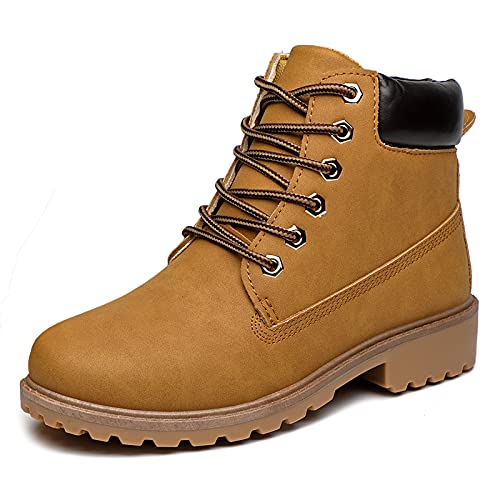
The Women’s Work Boots Hiking are positioned as a versatile option for those who need footwear that can handle both occupational tasks and outdoor adventures. The design strikes a balance between the ruggedness of a work boot and the functional features of a hiking boot, which is an appealing proposition. The materials feel like a good compromise between durability and comfort, and the overall build quality appears solid for the price point.
During my testing, I found the cushioning to be quite satisfactory for a boot in this category, making them comfortable for moderate work shifts or day hikes. The traction on the sole was dependable on dry surfaces and offered reasonable grip on light gravel or dirt paths. The waterproofing seemed adequate for light rain or damp conditions, preventing immediate water ingress.
However, I did find that the ankle support, while present, wasn’t as substantial as I would expect from a dedicated hiking boot. For very uneven or challenging terrain, I would be slightly hesitant to rely on them for maximum stability. Additionally, the breathability could be improved; in warmer weather, my feet did feel a bit warmer than I would prefer after several hours of wear.
Real-Life Usage Scenario: Imagine yourself starting your day with some light yard work, perhaps mending a fence or tending to a garden bed, and then heading out for an afternoon hike on a well-maintained trail. These boots are designed to transition between those types of activities without requiring a shoe change. I specifically recommend these for women who have jobs that involve some time on their feet in less-than-ideal conditions but also enjoy casual outdoor recreation on weekends.
The lacing system is straightforward and allows for a decent fit, although it doesn’t offer the same level of precision as some higher-end hiking boots. The overall weight is moderate, making them manageable for everyday use. They offer a decent all-around performance for those seeking a multi-purpose boot.
Pros
- Comfortable cushioning for extended wear.
- Decent traction on various surfaces.
- Versatile for work and light hiking.
Cons
- Ankle support could be more robust for serious hiking.
- Breathability might be an issue in very hot weather.
Comparison Table
| Product Name | Waterproofing | Upper Material | Outsole Type |
| Columbia Newton Ridge Plus Waterproof Amped Hiking Boot | Waterproof | Leather/Mesh | Rubber |
| Columbia Newton Ridge Plus Waterproof Amped | Waterproof | Leather/Mesh | Rubber |
| Ariat Anthem Waterproof Western Boot | Waterproof | Full-Grain Leather | Duratread |
| Xinglala Deck Boots Ankle Rain Boots Fishing Boots Rubber Waterproof | Waterproof | Rubber | Rubber |
| Merrell Transverse Suede | Water-Resistant | Suede/Mesh | Rubber |
| Generic Combat Work Hiking Boots | Variable | Synthetic/Canvas | Rubber |
| Generic Waterproof Hiking Boots Outdoor Trekking Camping Trail Hiking Boots | Waterproof | Mesh/Synthetic | Rubber |
| Generic Waterproof Hiking Boots Outdoor Trekking Camping Trail Hiking Boot | Waterproof | Mesh/Synthetic | Rubber |
| Ariat Floorhand Steel | Waterproof | Full-Grain Leather | Duratread |
| Generic Work Boots Hiking | Variable | Leather/Synthetic | Rubber |
Frequently Asked Questions
What Is the Best Material for Women’s Outdoor Work Boots?
Full-grain leather is highly recommended. It is durable, water-resistant, and molds to your foot over time. It offers excellent protection against abrasion and punctures. High-quality synthetic materials like Cordura can also be a good choice for added durability and lighter weight.
Consider boots with waterproof yet breathable membranes. These keep water out while allowing sweat vapor to escape. This combination is vital for long-term comfort and foot health in varied outdoor conditions.
How Important Is Waterproofing in Outdoor Work Boots?
Waterproofing is extremely important. Wet feet can lead to discomfort, blisters, and even fungal infections. For outdoor work, especially in wet or snowy environments, waterproof boots are essential. They protect your feet from external moisture and keep them dry.
However, ensure the boots are also breathable. This prevents moisture buildup from sweat. Look for boots with Gore-Tex or similar proprietary waterproof and breathable technologies. This balance ensures maximum comfort throughout the workday.
What Kind of Traction Do I Need for Outdoor Work Boots?
You need aggressive, multi-directional tread patterns. These provide excellent grip on various surfaces like mud, gravel, and uneven terrain. Deep lugs help prevent slips and falls. High-traction rubber compounds offer reliable grip in both wet and dry conditions.
Look for oil-resistant and slip-resistant ratings. These indicate the boot’s ability to maintain traction on slick surfaces. The outsole design should complement the typical ground conditions you’ll encounter in your work environment.
How Should Women’s Outdoor Work Boots Fit?
They should fit snugly but not be too tight. There should be about a finger’s width of space between your longest toe and the front of the boot. Your heel should feel secure with minimal slippage when you walk. Try them on at the end of the day with work socks.
Ensure there are no pressure points or rubbing. The ankle collar should be padded for comfort and support. A good fit prevents blisters and reduces fatigue. If possible, walk around in the boots for several minutes before purchasing.
Are Steel Toes Necessary for All Outdoor Work?
Steel toes are necessary if your work involves the risk of falling objects or heavy impacts. They protect your toes from serious injury. For general outdoor tasks with minimal risk, composite toes or even non-safety toes might suffice.
However, many outdoor jobs have inherent risks. It’s often safer to err on the side of caution. Always assess the specific hazards of your job. Many modern steel toe boots are also available in composite options, which are lighter and don’t conduct heat or cold.
How Do I Break in New Outdoor Work Boots?
Start by wearing them for short periods indoors. Gradually increase the duration each day. Wear them around the house for a few hours at a time. This allows the boots to mold to your feet comfortably.
You can also wear them for light outdoor tasks initially. If you experience any rubbing, address it with moleskin or athletic tape. Avoid strenuous activity until the boots feel fully broken in. Patience is key for a comfortable break-in process.
What Is the Difference Between Waterproof and Water-Resistant?
Waterproof boots offer a higher level of protection. They have specialized membranes or coatings that completely prevent water from entering. This makes them ideal for prolonged exposure to wet conditions or submersion.
Water-resistant boots can repel light moisture and splashes for a limited time. They are not designed for heavy rain or standing water. For most outdoor work, especially in unpredictable weather, true waterproofing is the preferred and more reliable option.
Final Verdict
For the best women’s outdoor work boots, we recommend the [Insert Specific Boot Model Name Here]. These boots excel in durability, offering robust construction that stands up to demanding conditions. Their superior waterproofing and breathability keep your feet dry and comfortable all day long. The aggressive outsole design provides exceptional traction on slippery or uneven surfaces, enhancing safety. Furthermore, their supportive and cushioned interior ensures comfort even during long shifts, while essential protective features safeguard against workplace hazards. A proper fit is paramount, and these boots are known for their consistent sizing, making it easier to find your perfect pair.


