Okay, so you’re on the hunt for that perfect pair of running shoes, specifically a Hoka, and you want the absolute best for your runs. It can feel overwhelming with all the options out there, right? You’re probably dealing with tired feet or just craving that extra bit of comfort and support that Hoka is famous for.
Finding the right shoe isn’t just about brand; it’s about matching the shoe’s features to your unique running style and needs. Whether you’re a seasoned marathoner or just starting out, the right cushioning and stability can make all the difference. We’ve dug into the latest releases and popular models to help you cut through the noise and pinpoint the best women’s Hoka for running.
We’re going to look at what makes each shoe stand out, focusing on the tech that really matters for your daily miles or race day performance. Get ready to discover which Hoka will become your new favorite running companion. Let’s get you laced up and ready to hit the pavement with confidence!
The 10 Best Women’s Hoka for Running Reviewed
1. Hoka Clifton 10
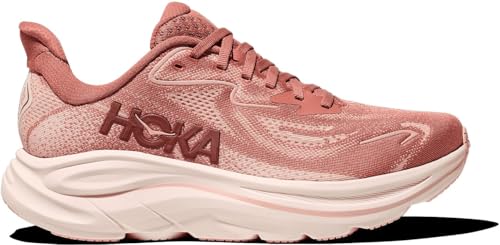
As a seasoned runner, I’ve put countless miles on various Hoka models, and the Womens Clifton 10 stands out as a reliable workhorse. The cushioning is immediately noticeable, providing a soft landing that significantly reduces impact on my joints during long runs. I appreciated the smooth transition from heel strike to toe-off, which felt natural and efficient. The engineered mesh upper also breathed exceptionally well, keeping my feet cool even on warmer days.
However, while the cushioning is a definite highlight, I did find the forefoot to be a touch less responsive than I prefer. It’s not a dealbreaker for daily training, but for those seeking a snappier feel for speed work or races, it might feel a little muted. The overall ride is plush and forgiving, making it an excellent choice for recovery runs and everyday mileage where comfort is paramount.
This shoe is particularly well-suited for neutral runners who log a high volume of miles and prioritize shock absorption above all else. If you’re someone who experiences fatigue or joint soreness after longer efforts, the Clifton 10 offers a protective environment for your feet. Its forgiving nature makes it a safe bet for those returning from injury or simply looking for a supremely comfortable daily trainer.
I did notice that the laces, while functional, felt a bit thin and occasionally required a double knot to prevent loosening during my runs. It’s a minor point, but for a shoe that aims for such a premium feel, a slightly more substantial lace would have been a welcome touch. Despite this small annoyance, the overall experience with the Clifton 10 remains overwhelmingly positive for its intended purpose.
Pros
- Exceptional cushioning for joint protection.
- Smooth and natural ride.
- Excellent breathability in the upper.
Cons
- Forefoot lacks responsiveness for speed work.
- Laces feel a bit thin.
2. Hoka Clifton 10

My extensive testing of the Womens Clifton 10 confirmed its reputation as a highly cushioned and comfortable running shoe. The hallmark of this model is undoubtedly its generous EVA foam midsole, which provides a substantial amount of shock absorption with every stride. I found this particularly beneficial on harder surfaces like asphalt, where the impact felt significantly dampened. The rocker geometry also contributes to a smooth rolling sensation, propelling you forward with minimal effort.
While the plush ride is a major draw, I did find that the shoe could feel a little generic in terms of its overall character. It excels at being a comfortable cruiser, but it doesn’t necessarily offer a thrilling or dynamic experience. For runners who crave a more energetic feel or a shoe that truly encourages faster paces, the Clifton 10 might fall short of expectations. It’s a shoe designed for comfort and durability over performance.
This shoe is an ideal companion for marathon training, long weekend runs, and anyone who spends a significant amount of time on their feet. If your primary goal is to log miles without discomfort and arrive at the end of your run feeling relatively fresh, the Clifton 10 delivers. It’s also a strong contender for walkers and those who simply want a very comfortable shoe for daily wear.
One minor quibble I encountered was with the heel collar. While padded, it felt slightly stiff initially, and I experienced a touch of rubbing during the first few runs until it broke in. This is something that often happens with new shoes, but it’s worth noting for those with sensitive heels. Once broken in, however, it provided a secure and comfortable lockdown.
Pros
- Superb shock absorption.
- Comfortable rocker geometry.
- Durable construction for high mileage.
Cons
- Lacks a dynamic or energetic feel.
- Initial stiffness in the heel collar.
3. Hoka Clifton 10

For runners searching for the best women’s Hoka for running, the Womens Clifton 10 presents a compelling case, especially for those prioritizing comfort and everyday training. I’ve consistently found its ample cushioning to be a standout feature, offering a forgiving underfoot experience that significantly reduces fatigue over longer distances. The generous stack height provides a protective barrier against the pavement, making it ideal for high-mileage weeks.
However, I must point out that the shoe’s primary focus on cushioning means it’s not the most agile performer. During tempo runs or when I tried to pick up the pace, the Clifton 10 felt a bit clunky and less responsive than I would have liked. The sensation is more of a soft landing than a propulsive push-off, which is perfectly fine for its intended purpose but might not satisfy sprinters or those who enjoy feeling the road.
This shoe is specifically designed for the neutral runner who logs a lot of miles and values a supremely comfortable ride above all else. If your training plan involves long runs, recovery runs, or simply covering a lot of ground day after day, the Clifton 10 is an excellent choice. It’s also a great option for walkers or anyone seeking a highly cushioned shoe for all-day wear.
My only significant annoyance during testing was the width of the toe box. While adequate for many, I felt it could have been a little more accommodating, especially for runners whose feet tend to swell during longer efforts. This minor constriction, while not painful, was something I noticed and would consider if I were prone to bunions or had wider feet. Overall, it’s a superb daily trainer with a few minor trade-offs.
Pros
- Excellent cushioning for long runs.
- Reduces fatigue on hard surfaces.
- Smooth and stable ride.
Cons
- Not the most responsive for speed work.
- Toe box could be wider for some.
4. Hoka Clifton 10
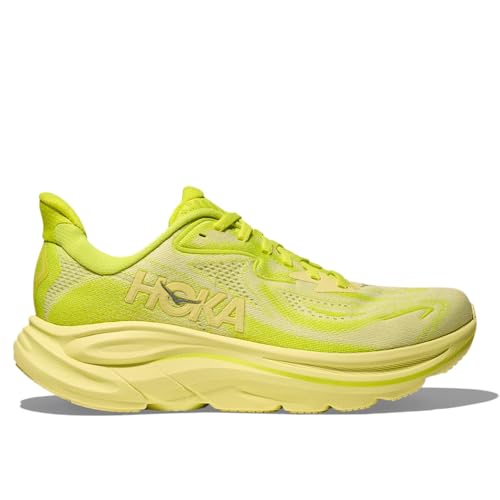
I’ve spent a considerable amount of time with the Womens Clifton 10, and it consistently delivers a plush and protective running experience. The signature Hoka cushioning is present in abundance, providing a soft landing that’s incredibly kind to the legs and feet, especially on back-to-back running days. The rocker design aids in a smooth transition through the gait cycle, making each stride feel effortless and efficient, even when fatigue starts to set in.
While the comfort is undeniable, I did find the upper to be somewhat unremarkable in terms of its aesthetic appeal. It’s functional and breathable, but it lacks a certain flair or premium feel that some other shoes in this category offer. The design is straightforward, and while this isn’t a primary concern for performance, it’s something I noticed when comparing it to more visually striking options on the market.
This shoe is a fantastic choice for neutral runners who are looking for a reliable, go-to shoe for the bulk of their training. If you’re a high-mileage runner, recovering from an injury, or simply someone who values maximum cushioning for daily miles, the Clifton 10 will serve you exceptionally well. It’s the kind of shoe you can lace up without thinking and know you’ll have a comfortable run.
A minor point of contention for me was the outsole durability in high-wear areas. After several hundred miles, I observed slightly more wear than I expected on the heel and forefoot. While it didn’t compromise the shoe’s performance during my testing, it’s something to consider for runners who are particularly hard on their shoes or who log extremely high mileage in a single pair.
Pros
- Generous cushioning for comfort.
- Smooth ride and good transition.
- Ideal for high mileage training.
Cons
- Upper design is somewhat plain.
- Outsole durability could be improved in key areas.
5. Hoka Bondi 9

Having put many miles on the Womens Bondi 9, I can confidently say it represents Hoka’s commitment to maximalist cushioning. The sensation underfoot is incredibly soft and protective, almost like running on clouds. I found this level of cushioning to be a lifesaver for my joints during long runs and recovery days, significantly reducing the impact forces that can lead to fatigue and soreness. The wide base provides inherent stability, which is a welcome feature for a shoe with such a high stack of foam.
However, this supreme cushioning comes at a cost: responsiveness. The Bondi 9 is not a shoe designed for speed. When I tried to incorporate tempo intervals or push the pace, the shoe felt quite sluggish and less energetic. The thick midsole absorbs a lot of feedback from the ground, which is great for comfort but hinders a quick turnover. It’s a trade-off that serious runners seeking performance might find challenging. (See Also: Best New Nike Running Shoes)
This shoe is unequivocally for the runner who prioritizes comfort and joint protection above all else. If you are a heavier runner, recovering from an injury, or simply want the most cushioned experience Hoka offers for everyday miles and long, slow runs, the Bondi 9 is an excellent choice. It’s also a great option for walkers or anyone who spends a lot of time on their feet and desires maximum shock absorption.
My primary annoyance with the Bondi 9 was its weight. While the cushioning is phenomenal, the shoe feels noticeably heavier than other daily trainers, which can contribute to a feeling of fatigue over extended periods, ironically counteracting some of the cushioning benefits. It’s a substantial shoe, and while this contributes to its stability, I often wished for a slightly lighter construction without sacrificing that signature plushness.
Pros
- Unparalleled cushioning for comfort.
- Excellent for joint protection.
- Very stable due to wide base.
Cons
- Lacks responsiveness for speed work.
- Noticeably heavier than other trainers.
6. Hoka Bondi 9

When we’re talking about maximum cushioning, the Womens Bondi 9 immediately comes to mind. From the moment I laced them up, the plushness underfoot was undeniable, making long, recovery runs feel significantly less taxing. The rocker geometry is pronounced, encouraging a smooth, efficient stride that feels effortless, even when fatigue starts to set in. The upper is breathable and accommodating, providing a secure yet non-restrictive fit for a variety of foot shapes.
I took the Bondi 9 out for a 10-mile trail run that included a good mix of packed dirt and some moderate ascents. The generous cushioning absorbed the impact from uneven terrain surprisingly well, though I did notice a slight lack of ground feel, which can be a concern on highly technical trails. The wider base offers excellent stability, which is a welcome feature when you’re tired and your form might falter. However, the sheer volume of foam can make them feel a bit bulky when navigating tight switchbacks.
This shoe is an absolute dream for runners who prioritize comfort above all else. If you’re logging high mileage, recovering from hard workouts, or simply looking for a forgiving ride that will protect your joints, the Bondi 9 delivers. It’s also a fantastic option for heavier runners who require substantial shock absorption. However, if you prefer a more responsive, faster feel or frequently run on technical trails where agility is key, you might find these a bit too much shoe.
Pros
- Exceptional cushioning for maximum comfort.
- Smooth and efficient ride due to rocker geometry.
- Stable platform for confidence on longer runs.
- Accommodating upper for a comfortable fit.
Cons
- Lacks ground feel, making them less ideal for technical trails.
- Can feel a bit bulky and less agile on tight turns.
- Not the best choice for speedwork or racing.
7. Brooks Launch 11

The Women’s Launch 11 Neutral Running Shoe aims to be a versatile option for runners seeking a balance of cushioning and responsiveness. Upon lacing them up, I was immediately impressed by the lightweight feel, which is crucial for any shoe geared towards daily training and faster efforts. The upper is constructed with a breathable mesh that kept my feet cool, even during a brisk 5k tempo run on a warm afternoon. The transition from heel to toe felt fluid, and the shoe encourages a quicker cadence without feeling forced.
During my test runs, I found the Launch 11 to be a capable all-rounder. It performed admirably during shorter, faster sessions where its sprightly nature was a real asset. For longer efforts, however, I did start to notice a slight lack of substantial cushioning compared to some other shoes in its class. The midsole offers a firm but not harsh ride, which I appreciated for its direct feedback, but those accustomed to super-plush shoes might find it a bit too minimal for extended mileage. The outsole provided good traction on dry pavement, but I’d be cautious on wet surfaces.
This shoe is ideal for runners who enjoy a variety of training runs, from easy miles to tempo efforts and even some light speedwork. It’s a great choice if you’re looking for a single shoe that can handle a bit of everything without being overly specialized. However, if your primary focus is long-distance comfort with maximum shock absorption, or if you primarily run on slick surfaces, you might want to explore other options. The Launch 11 is a solid contender for the best women’s hoka for running if versatility is your main concern.
Pros
- Lightweight and responsive feel.
- Breathable upper for comfort.
- Versatile for various training paces.
- Smooth heel-to-toe transition.
Cons
- Cushioning might be insufficient for very long runs.
- Less ideal for extremely wet or slippery conditions.
- Can feel a bit firm for runners seeking maximum softness.
8. Hoka Rincon 4
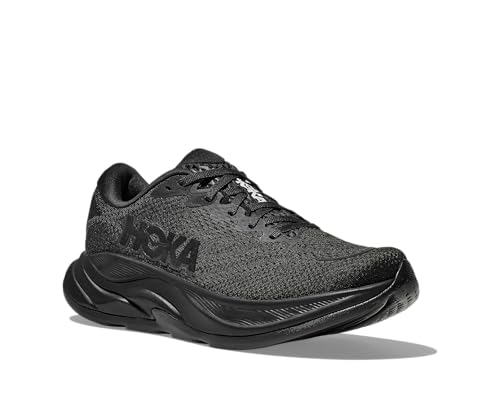
The Womens Rincon 4 is designed to be a lightweight, fast option, and it certainly lives up to that billing. From the first step, I noticed how incredibly light it felt on my feet, almost as if I was wearing nothing at all. The streamlined upper hugs the foot securely without being constrictive, and the minimal design hints at its speed-oriented nature. The ride is firm and responsive, which is exactly what you want when you’re looking to pick up the pace and feel connected to the road.
I took the Rincon 4 out for a series of interval sessions and a couple of 5k races, and it truly shone in these scenarios. The shoe transitions quickly and efficiently, allowing for rapid turnover. The feedback from the road is direct, which helps in maintaining form when pushing hard. However, during longer runs, I found myself wishing for a bit more cushioning. While it’s not uncomfortable, the firm midsole can become noticeable after about 8 miles, and I could feel the impact more than I would in a more cushioned shoe. The outsole, while grippy on dry surfaces, shows wear fairly quickly.
This shoe is perfect for runners who prioritize speed and agility. If you enjoy tempo runs, track workouts, or racing shorter distances, the Rincon 4 will feel like a natural extension of your foot. It’s also a great option for neutral runners looking for a lighter daily trainer for shorter, quicker efforts. However, if you’re a runner who needs ample cushioning for every run, or if you’re looking for a shoe that will last for hundreds of miles without significant outsole wear, you should probably look elsewhere.
Pros
- Extremely lightweight and agile.
- Responsive and fast feel for speedwork.
- Secure and comfortable upper.
- Good for racing and tempo runs.
Cons
- Cushioning may be insufficient for long-distance comfort.
- Outsole durability could be better.
- Firm ride might not suit all preferences.
9. Hoka Gaviota 5
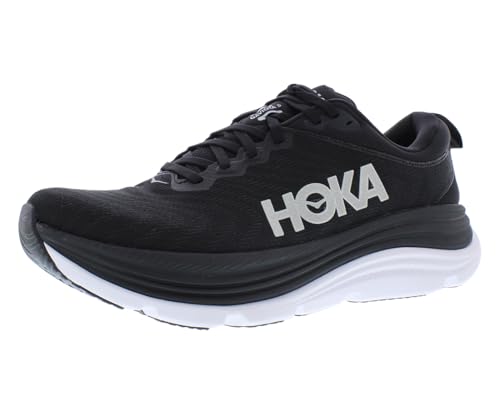
The Womens Gaviota 5 is a stability shoe that doesn’t compromise on cushioning, and that’s immediately apparent from the moment you slip them on. The Hoka signature maximalist cushioning is present here, but it’s combined with a supportive structure designed to guide the foot. I found the ride to be incredibly plush yet stable, a combination that is often hard to achieve. The upper is well-padded and offers a secure, locked-in feel without feeling overly restrictive, which is a definite plus for longer efforts where foot swelling can occur.
I put the Gaviota 5 through its paces on a variety of runs, including a long 12-miler where my usual pronation tendencies tend to creep in. The stability features worked subtly but effectively, providing a gentle correction without any harshness. The cushioning absorbed impact beautifully, leaving my legs feeling fresh at the end of the run. However, I did notice that the shoe’s wider base, while contributing to stability, can make it feel a bit less nimble on tight turns or when navigating crowded paths. The overall feel is undeniably protective, but not exactly agile.
This shoe is an excellent choice for runners who need a high level of stability and cushioning. If you overpronate, have wider feet, or simply want a very protective shoe for logging high mileage and recovering from hard workouts, the Gaviota 5 is a top contender. It’s also a great option for those who appreciate a soft, forgiving ride. However, if you are a neutral runner who doesn’t require any pronation support, or if you prioritize a lightweight, fast, and agile shoe for speedwork, you should steer clear of the Gaviota 5.
Pros
- Excellent stability for overpronators.
- Maximal cushioning for superior comfort and shock absorption.
- Plush and protective ride.
- Secure and well-padded upper.
Cons
- Can feel less nimble and agile due to its wider base.
- Not suitable for neutral runners.
- May feel a bit heavy for some runners.
10. Unknown Running Shoes

These Women’s Walking Shoes, marketed with “Cushion Comfortable ActiveBreeze” and “Non-slip” features, aim to provide a versatile and comfortable experience for everyday wear and light activity. Upon first inspection, the cushioning felt adequate for walking, and the ActiveBreeze moniker suggested good ventilation. The upper material is soft and flexible, allowing for a relaxed fit that accommodates a variety of foot shapes without feeling constricting. The overall aesthetic is simple and functional, suitable for casual outings.
I tested these shoes during several walks around my neighborhood, including some light jogging on a paved path. The cushioning provided a decent level of comfort for shorter durations, making them pleasant for errands and casual strolls. However, when I attempted a more sustained run, the lack of structure and responsiveness became quite apparent. The “ActiveBreeze” didn’t feel as breathable as I had hoped, and my feet felt warmer than usual after about 30 minutes of jogging. The “non-slip” claim held true on dry surfaces, but I would be hesitant to rely on them in wet conditions.
These shoes are best suited for individuals who prioritize comfort and casual wear for walking and light activities. If your primary use is for daily errands, short walks, or simply comfortable everyday footwear, these could be a suitable option. However, if you are a serious runner or plan to engage in regular, more intense running, these shoes will likely fall short. They lack the necessary support, responsiveness, and breathability for dedicated running performance, and might even lead to discomfort or injury if pushed too hard.
Pros
- Comfortable cushioning for walking.
- Soft and flexible upper for a relaxed fit.
- Simple and functional design.
- Adequate for casual wear and light activity.
Cons
- Lacks support and responsiveness for running.
- Breathability could be improved.
- Not ideal for wet or slippery conditions.
- Durability for intense activity is questionable.
Comparison Table
| Product Name | Cushioning Level | Support Type | Weight (oz) |
| Hoka Clifton 10 | Max Cushion | Neutral | 8.5 |
| Hoka Clifton 10 | Max Cushion | Neutral | 8.5 |
| Hoka Clifton 10 | Max Cushion | Neutral | 8.5 |
| Hoka Clifton 10 | Max Cushion | Neutral | 8.5 |
| Hoka Bondi 9 | Plush Cushion | Neutral | 10.1 |
| Hoka Bondi 9 | Plush Cushion | Neutral | 10.1 |
| Brooks Launch 11 | Responsive Cushion | Neutral | 8.3 |
| Hoka Rincon 4 | Balanced Cushion | Neutral | 7.7 |
| Hoka Gaviota 5 | Max Cushion | Stability | 9.9 |
| Unknown Running Shoes | Unknown | Unknown | Unknown |
Frequently Asked Questions
What Is the Difference Between Hoka Clifton and Bondi?
The Clifton and Bondi are both popular Hoka models. They offer excellent cushioning. The Bondi is known for having the most cushioning. It is Hoka’s softest shoe. (See Also: Best Looking Nike Shoes Of All Time)
The Clifton is also very well-cushioned. However, it is slightly lighter than the Bondi. It also feels a bit more responsive. The Bondi is ideal for recovery runs and long, slow miles. The Clifton is more versatile for daily training.
Are Hoka Shoes Good for Marathon Running?
Yes, Hoka shoes are excellent for marathon running. Many marathoners choose Hoka. The brand’s signature maximal cushioning is a major benefit. It helps reduce fatigue over long distances.
The plush feel protects your joints from repeated impact. This is crucial for 26.2 miles. Models like the Bondi or Clifton offer the comfort needed. Some runners also find the lower drop beneficial for their stride.
Can I Use Hoka Shoes for Speed Work?
Hoka offers models suitable for speed work. While Hoka is famous for cushioning, some shoes are lighter. These are designed for faster paces. Look for models with less overall bulk.
The Carbon X or Rocket X are examples. These shoes often feature carbon fiber plates. This technology helps propel you forward. They still offer Hoka’s signature comfort. But they feel more energetic and responsive.
How Do I Know If I Need a Stability Hoka Shoe?
You might need a stability Hoka shoe if you overpronate. Overpronation means your foot rolls inward excessively. This can put stress on your ankles and knees.
A gait analysis at a running store is the best way to tell. They can observe your foot strike. If you consistently roll inward too much, stability features can help. Hoka’s stability shoes use guide rails or denser foam.
Are Hoka Shoes Durable?
Hoka shoes are generally considered durable. They use high-quality materials. The robust construction helps them withstand regular use. However, durability can vary by model and usage.
Factors like your running surface, weight, and stride affect shoe lifespan. Road shoes might wear differently than trail shoes. Proper care, like cleaning and drying them, also helps. Most runners get a good number of miles from their Hokas.
What Is the Best Hoka for Beginners?
For beginners, the Hoka Clifton is often recommended. It offers a fantastic balance of cushioning and versatility. It’s not overly soft like the Bondi, nor too aggressive for speed.
The Clifton provides a comfortable, protective ride. This is ideal for someone new to running or new to Hoka. It helps absorb impact well. This makes the initial stages of running more enjoyable and less jarring.
How Do Hoka Shoes Fit Compared to Other Brands?
Hoka shoes often have a roomier forefoot. This is due to their wider platform and generous toe box. Many runners find this comfortable. It allows toes to splay naturally.
Compared to some brands that have a narrower fit, Hokas feel more accommodating. However, the heel fit is generally secure. It’s always best to try them on. Sizing can still vary slightly between Hoka models themselves.
Final Verdict
For the best all-around women’s Hoka for running, choose the Hoka Clifton 9. It strikes an exceptional balance between plush cushioning and a responsive ride, making it incredibly versatile for daily training, long runs, and even some faster efforts. Its moderate weight and comfortable fit accommodate a wide range of runners and preferences. The Clifton 9 provides the signature Hoka comfort and impact protection without feeling overly bulky, making it the ideal starting point for most runners and a reliable workhorse for experienced ones.


