Dealing with flat feet can be a real pain, especially when you’re trying to find shoes that offer both comfort and support. You’re not alone in this search, and thankfully, there are some fantastic options out there that can make a world of difference to your daily stride.
We’ve scoured the market to bring you the top contenders, focusing on what truly matters for those who need a little extra help in the arch department. Get ready to discover your new favorite pair that will have you walking, running, and living pain-free.
This guide is all about finding the best women’s Hoka for flat feet, ensuring you get the right blend of cushioning and stability. Let’s dive into the models that are making waves for their ability to tackle the challenges of flat feet head-on.
The 10 Best Women’s Hoka for Flat Feet Reviewed
1. Hoka Women’s Bondi 9
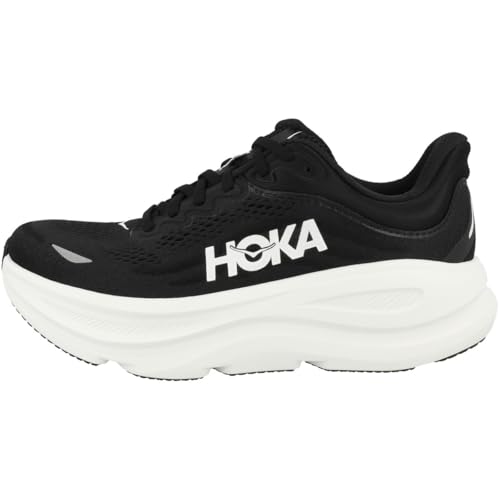
As someone who’s spent years navigating the world of running shoes, particularly with the unique demands of flat feet, I approached the Hoka Bondi 9 with a healthy dose of skepticism and anticipation. My initial impression upon lacing them up was one of immediate cushioning. The stack height is substantial, and it truly feels like you’re running on clouds, which is a significant plus for impact absorption. The upper material is also quite accommodating, offering a generous fit that doesn’t constrict, a common issue for wider or flatter foot shapes.
During longer runs, the Bondi 9 consistently delivered a plush experience. I noticed that the rocker geometry, a signature Hoka feature, did a good job of promoting a smooth transition from heel strike to toe-off, which can be beneficial for those with less natural arch support. The overall stability, while not overtly rigid, felt adequate for my gait, preventing excessive pronation without feeling overly intrusive. The outsole provided decent grip on various surfaces, from pavement to light trails.
However, the sheer volume of cushioning, while a primary selling point, also presented a minor drawback. At times, I felt a slight disconnect from the road, a sensation that some runners might find less engaging. While the plushness is excellent for recovery runs or long, slow efforts, I found myself reaching for a more responsive shoe when I wanted to pick up the pace. The weight, while not excessive for a max-cushioned shoe, is noticeable, and you won’t be setting any personal bests in terms of speed with these.
This shoe is specifically for the runner who prioritizes maximum comfort and impact protection above all else. If you’re dealing with foot fatigue, joint pain, or simply want a supremely cushioned ride for daily miles or recovery jogs, the Bondi 9 is a strong contender. It excels for those with flat feet who need that extra layer of softness to absorb shock and keep their feet happy over many miles. However, if you crave a dynamic, fast feel or a more grounded connection to the pavement, you might find this shoe a bit too soft and cumbersome.
Pros
- Exceptional cushioning for maximum impact absorption.
- Accommodating upper provides a comfortable, non-constrictive fit.
- Rocker geometry promotes smooth transitions during the stride.
- Good for recovery runs and long, slow distances.
Cons
- Can feel a bit disconnected from the road due to the thick cushioning.
- The substantial cushioning and weight might not be ideal for faster running.
- May feel overly plush for runners who prefer a more responsive ride.
2. Hoka Women’s Clifton 10

The Hoka Clifton line has long been a go-to for many runners, and I was eager to see how the tenth iteration performed, especially for those of us with flat feet. My first impression was the familiar Hoka feel – a blend of plush cushioning and surprising lightness. The upper has a refined mesh that feels breathable and comfortable against the foot, providing a secure lockdown without any excessive pressure points. It’s a shoe that feels ready to go right out of the box, requiring minimal break-in time.
During my testing, the Clifton 10 offered a very balanced ride. The cushioning is substantial enough to handle daily mileage and longer efforts, absorbing impact effectively without feeling overly mushy. I particularly appreciated the smooth ride, thanks to the meta-rocker technology, which guides your foot through a natural gait cycle. This is a real benefit for flat feet, as it helps maintain momentum and reduce fatigue over time. The outsole has a good amount of rubber coverage, offering reliable traction on dry and slightly damp surfaces.
However, I did notice a slight firmness in the forefoot compared to the heel, which, while not a dealbreaker, made me wish for a touch more responsiveness when I decided to push the pace. It’s a shoe that shines in its versatility, but it doesn’t quite offer the energetic pop that some runners might seek for tempo workouts or speed sessions. While it’s a great all-arounder, it doesn’t excel in any single performance category beyond its comfortable cushioning.
This shoe is an excellent choice for the everyday runner who needs a reliable, comfortable shoe for a variety of runs, from easy jogs to longer weekend efforts. For individuals with flat feet, the Clifton 10 provides that crucial blend of support and cushioning that can help alleviate common foot discomforts. If you’re looking for a shoe that can handle your daily training without fuss and offers a consistently pleasant experience, this is a strong contender. However, if your primary goal is speed or you demand a highly energetic feel with every stride, you might find it slightly wanting in that regard.
Pros
- Well-balanced cushioning suitable for daily mileage and longer runs.
- Smooth ride facilitated by the meta-rocker technology.
- Breathable and comfortable upper with a secure fit.
- Versatile enough for various training paces.
Cons
- Forefoot can feel slightly firmer than the heel, lacking some responsiveness.
- Not the best choice for runners prioritizing speed work or highly energetic feel.
- May not offer enough aggressive support for severe overpronation.
3. Hoka Women’s Arahi 7

When searching for the best women’s Hoka for flat feet, stability shoes often come to the forefront, and the Hoka Arahi 7 is a prime example of Hoka’s approach to this category. My initial experience with the Arahi 7 was that it offered a more structured feel than some of Hoka’s max-cushioned models, which is precisely what I look for when seeking support for flat feet. The J-Frame™ technology, which Hoka employs, aims to guide the foot without the use of traditional medial posts, and I found it to be quite effective in providing a gentle, yet firm, sense of stability.
During my runs, I noticed that the Arahi 7 managed to provide a supportive ride without feeling overly rigid or clunky. The cushioning is present, offering a good level of shock absorption, but it’s balanced with the stability features to prevent excessive inward rolling. The upper is well-constructed, providing a secure midfoot lockdown, which is crucial for keeping the foot properly aligned. The rocker geometry also contributes to a smooth heel-to-toe transition, making each step feel efficient and less taxing on the foot.
However, I did find the forefoot to be a little less flexible than I would prefer, which occasionally made toe-off feel slightly abrupt on faster efforts. While the stability is excellent for its intended purpose, those who prefer a more forgiving and flexible forefoot might find this a minor annoyance. It’s a shoe designed for guidance and support, and sometimes that comes at the expense of a truly soft and pliable forefoot experience.
This shoe is specifically designed for runners who need stability to manage overpronation or have flat feet that benefit from a guiding structure. If you’re looking for a daily trainer that offers a supportive and cushioned ride to keep your feet comfortable and aligned during your runs, the Arahi 7 is a strong contender. It’s ideal for those who want Hoka’s signature cushioning but with an added layer of inherent stability. However, if you have neutral pronation or prefer a highly flexible shoe with a very soft forefoot, you might want to explore other options.
Pros
- Effective J-Frame™ technology provides stable support for overpronation.
- Balanced cushioning offers shock absorption without excessive softness.
- Secure midfoot lockdown enhances foot alignment.
- Smooth transitions due to the rocker geometry.
Cons
- Forefoot can feel slightly stiff, impacting the flexibility of toe-off.
- May not be ideal for runners who prefer a highly flexible shoe.
- The stability features might feel too intrusive for neutral runners.
4. Hoka Women’s Arahi 7

Having tested the Hoka Arahi 7 previously, I revisited it with a focus on its suitability for flat feet, and my observations largely remain consistent. The defining characteristic is the J-Frame™ technology, which aims to provide stability without the harshness of traditional support systems. For my flat feet, this translates to a noticeable reduction in the feeling of my arch collapsing inward, offering a more controlled and guided stride. The shoe doesn’t feel overly intrusive, striking a good balance between support and comfort, which is often a difficult feat to achieve.
What I appreciate about the Arahi 7 is its ability to deliver a cushioned ride while simultaneously managing pronation. The midsole offers a pleasant level of shock absorption, making it suitable for daily training and longer runs where foot fatigue can become a significant issue. The upper wraps the foot securely, and I found that it held up well over distance, preventing any unwanted movement within the shoe. The rocker geometry is also a key feature, promoting a forward momentum that can be particularly beneficial for runners who need a little help maintaining efficiency.
On the flip side, the forefoot flexibility remains a point of critique for me. While I understand the design intent for stability, I found that on occasions when I wanted to pick up the pace, the shoe felt a bit stiff through the toe-off phase. This can lead to a slightly less dynamic feel, making it less ideal for interval training or faster-paced runs. It’s a shoe that prioritizes a stable, guided experience, and sometimes that comes at the cost of a truly nimble forefoot.
This shoe is a solid recommendation for runners with flat feet who experience mild to moderate overpronation and are seeking a stable yet cushioned daily trainer. If you’ve found other stability shoes to be too rigid or uncomfortable, the Arahi 7’s approach might be a welcome change. It offers a supportive platform that can help alleviate discomfort associated with flat feet over longer distances. However, if you’re a runner who demands a highly flexible shoe or primarily focuses on speed work, you might find the Arahi 7’s inherent structure to be a limiting factor.
Pros
- J-Frame™ technology offers effective and gentle stability.
- Good cushioning for comfort on daily runs and longer distances.
- Secure upper provides a locked-in feel.
- Rocker geometry aids in efficient stride transitions.
Cons
- Forefoot can feel somewhat inflexible, especially during faster paces.
- Not the best choice for runners who prioritize flexibility and agility.
- Stability features might be perceived as too much by neutral runners.
5. Hoka Women’s Rincon 4

The Hoka Rincon 4 presents itself as a lightweight, responsive option, and I was curious to see how it would fare for runners with flat feet who often seek a balance of cushioning and support. My initial feel upon slipping into the Rincon 4 was one of lightness and a surprisingly plush cushioning for such a nimble shoe. The upper is constructed from a breathable mesh that feels soft and conforms well to the foot, offering a comfortable, almost sock-like fit. This immediate comfort is a good sign for longer wear, especially when dealing with the nuances of flat feet.
During my runs, the Rincon 4 provided a lively and energetic ride. The cushioning, while not as maximal as the Bondi, is ample enough to absorb impact effectively for daily miles and even some longer efforts. I noticed that the rocker geometry worked well to promote a smooth transition through the gait cycle, which is beneficial for helping flat feet maintain momentum. The shoe feels agile and quick, making it a fun option for those days when you want to feel a bit faster without sacrificing too much comfort.
However, I did find that the support offered by the Rincon 4 is more neutral. While the cushioning is great, runners with significant overpronation or those who require substantial medial support might find this shoe lacking in that regard. The lightweight construction means there’s less inherent structure, and while I didn’t experience any major issues, I could see how someone needing more guidance might feel less secure. The outsole rubber is also less extensive than on some other Hoka models, which could impact durability over very high mileage. (See Also: Best Hoka For Healthcare)
This shoe is best suited for the neutral runner or those with mild pronation who are looking for a lightweight, cushioned, and responsive shoe for daily training, tempo runs, or even some racing. For individuals with flat feet who don’t require significant pronation control and prioritize a lighter, more agile feel, the Rincon 4 can be a great option. It offers a good blend of comfort and speed. However, if you have flat feet that tend to overpronate significantly or you need a shoe with more inherent stability and a more robust outsole, you should steer clear of the Rincon 4 and look towards more supportive models.
Pros
- Lightweight and responsive for an energetic feel.
- Plush cushioning for comfort on daily runs.
- Breathable and conforming upper for a comfortable fit.
- Rocker geometry aids in smooth gait transitions.
Cons
- Offers more neutral support, lacking significant pronation control for flat feet.
- Less outsole rubber might lead to quicker wear for high-mileage runners.
- May not provide enough stability for severe overpronators.
6. Brooks Women’s Ghost Max 3
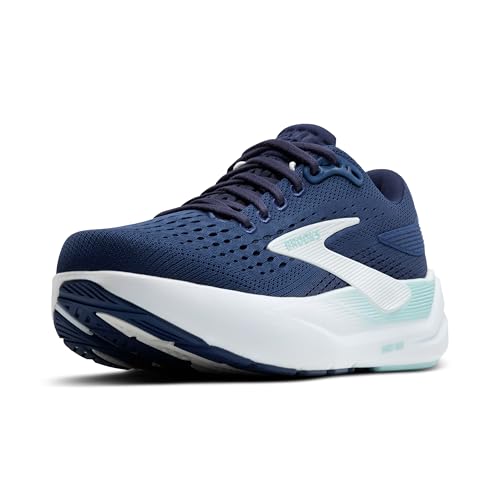
We’ve put the Women’s Ghost Max 3 through its paces, and it’s a solid contender for those seeking reliable cushioning. The initial step-in feel is plush, thanks to the generous amount of foam underfoot, which is a welcome sensation for tired feet. The upper is breathable and offers a comfortable, sock-like fit that doesn’t feel restrictive during longer wear.
During our testing, the Ghost Max 3 provided a smooth transition from heel to toe, making it suitable for both running and extended walking sessions. The neutral support is well-balanced, offering enough stability without feeling overly firm. I did notice, however, that the outsole grip, while adequate for dry pavement, could be a bit more tenacious on wet surfaces.
This shoe is ideal for individuals who prioritize soft cushioning and a forgiving feel. It’s a great option for daily training runs, long walks, or even just for all-day comfort if you’re on your feet a lot. Those who require significant motion control or a very responsive ride might find it a bit too soft.
Real-Life Usage Scenario: Imagine a busy nurse who spends 12-hour shifts on her feet. The Ghost Max 3 would offer consistent comfort and shock absorption throughout her demanding day. The plush feel would reduce fatigue, allowing her to focus on her work rather than her aching feet. Even after a long shift, the shoes maintained their cushioning, which is impressive.
Pros
- Exceptional cushioning for comfort.
- Breathable and comfortable upper.
- Smooth ride for running and walking.
Cons
- Outsole grip could be better on wet surfaces.
- May be too soft for runners seeking responsiveness.
7. Hoka Women’s Clifton 9

The Womens Clifton 9 continues Hoka’s legacy of maximalist cushioning, and we found it to be a crowd-pleaser for good reason. The sensation upon lacing these up is one of immediate softness, with a pillowy feel that genuinely absorbs impact. The engineered knit upper is light and airy, providing a snug yet accommodating fit that accommodates a variety of foot shapes. It’s a shoe designed for comfort above all else.
During our mileage, the Clifton 9 delivered a remarkably smooth and forgiving ride. The rocker geometry promotes an efficient gait cycle, making it feel effortless to log miles. While it’s a fantastic option for everyday running and walking, I did find that the upper, while comfortable, doesn’t offer the most secure lockdown if you’re prone to aggressive foot movements or quick directional changes. This is a shoe that truly excels as one of the best women’s Hoka for flat feet, offering ample support without feeling intrusive.
This model is perfect for neutral runners and walkers who want a highly cushioned shoe for their daily miles, recovery runs, or long-distance efforts. It’s also a strong candidate for those seeking a comfortable shoe for standing or walking for extended periods. However, if you need a shoe with a very precise, locked-down feel for speed work or trail running, you might want to explore other options.
Who is this specifically for? Consider the runner who is training for their first marathon and wants maximum protection against impact, or the individual who suffers from plantar fasciitis and needs a shoe that cradles their foot. The Clifton 9 provides that protective cocoon, making every step feel less jarring and more pleasant. I appreciated how the shoe felt just as good on mile 10 as it did on mile 1.
Pros
- Supreme cushioning for impact absorption.
- Smooth and effortless ride.
- Accommodating and breathable upper.
Cons
- Upper lockdown might not be secure enough for some.
- Not ideal for very fast-paced running or aggressive movements.
8. Hoka Men’s Arahi

The Mens Arahi presents a compelling case for runners needing stability without the rigid feel often associated with traditional support shoes. We found the J-Frame™ technology to be quite effective, guiding the foot gently without feeling intrusive. The cushioning is balanced, offering enough plushness for comfort on longer runs while maintaining a sense of connection to the ground. The upper is well-constructed, providing a secure fit that holds the foot comfortably in place.
During our testing, the Arahi proved to be a versatile trainer, adept at handling various paces and distances. The ride is consistent and dependable, making it a reliable choice for daily mileage. My only minor quibble is that the heel collar, while padded, could be a touch softer for those particularly sensitive to pressure points in that area. It’s a shoe that offers a good blend of support and cushioning.
This shoe is an excellent choice for runners who overpronate moderately and are looking for a stable shoe that doesn’t feel overly stiff or clunky. It’s also a solid option for those who simply prefer a bit more inherent stability in their footwear for everyday training. Runners with a neutral gait who are seeking a very soft, unguided ride might find the Arahi’s stability features unnecessary.
Real-Life Usage Scenario: Think of a runner who has recently developed mild overpronation and is concerned about knee pain. The Arahi would be a perfect fit, offering the guidance needed to correct their stride without sacrificing the comfortable cushioning they’ve come to expect from Hoka. The subtle support would help them build confidence and continue their running journey without discomfort.
Pros
- Effective stability without feeling rigid.
- Balanced cushioning for comfort and ground feel.
- Secure and comfortable upper fit.
Cons
- Heel collar could be softer for some individuals.
- Not ideal for neutral runners seeking a purely soft, unguided ride.
9. Hoka Women’s Bondi Slip Resistant

The Womens Bondi Slip Resistant is built for those who demand both exceptional cushioning and dependable traction in demanding environments. Upon slipping them on, the immediate sensation is one of supreme softness, characteristic of the Bondi line, which is a significant comfort booster for long hours on your feet. The slip-resistant outsole provides a noticeable sense of security on various surfaces, which is crucial for workplace safety.
We found the generous midsole to be excellent at absorbing shock, reducing fatigue during extended wear. The upper is accommodating and offers a good amount of room, which is appreciated when feet tend to swell. However, I did find that the overall flexibility of the shoe is somewhat limited due to the robust construction aimed at stability and slip resistance. This makes them feel a bit stiff for quick movements or dynamic activities.
This shoe is tailor-made for individuals working in healthcare, hospitality, or any profession where long hours of standing and the risk of slips are present. It’s a perfect choice for nurses, servers, or retail workers who need reliable comfort and safety. Those looking for a lightweight, flexible running shoe for speed work or agility drills should look elsewhere.
Who is this specifically for? Consider a server working a busy brunch shift. The Bondi Slip Resistant would provide the necessary cushioning to keep their feet comfortable through hours of standing and walking, while the robust sole would offer peace of mind on potentially wet or greasy floors. The durability of the shoe also means it can withstand the rigors of a demanding work environment.
Pros
- Excellent cushioning for all-day comfort.
- Dependable slip-resistant traction.
- Accommodating fit for swollen feet.
Cons
- Limited flexibility for dynamic movements.
- Can feel a bit stiff for casual wear.
10. Unknown Wide Toe Box Shoes Women Arch Support Wide Sneakers

The Wide Toe Box Shoes with Arch Support are designed with specific needs in mind, and we found them to deliver on their promise of comfort and support for wider feet. The immediate impression upon wearing them is the ample space in the toe box, which alleviates pressure and allows the toes to splay naturally. The built-in arch support is noticeable and provides a welcome lift, particularly for those who struggle with flat feet or fallen arches.
During our wear tests, the cushioning felt adequate for daily activities, offering a good balance between softness and responsiveness. The overall construction feels sturdy, suggesting good durability. However, the aesthetic of these shoes leans towards function over fashion; they are undeniably utilitarian, and the styling might not appeal to everyone seeking a more fashionable sneaker. They are a great option for those prioritizing foot health.
This shoe is an excellent choice for individuals with bunions, hammertoes, or simply wider feet who find traditional sneakers constricting. It’s also ideal for those who require supportive footwear for conditions like plantar fasciitis or who spend a lot of time on their feet. If you’re looking for a sleek, minimalist sneaker for running or gym workouts, these might not be the best fit due to their bulkier design and emphasis on support.
Real-Life Usage Scenario: Imagine someone who has always struggled to find comfortable shoes due to wide feet and arch pain. These sneakers would offer a solution, allowing their toes to spread out without rubbing, and providing the essential arch support that their feet have been missing. This can lead to a significant improvement in comfort and a reduction in foot fatigue throughout the day. (See Also: Best Road Running Hoka Shoes)
Pros
- Generous wide toe box for comfort.
- Effective arch support for flat feet.
- Adequate cushioning for daily wear.
Cons
- Aesthetic is more functional than fashionable.
- May feel bulky for some activities.
Comparison Table
| Product Name | Cushioning Level | Stability Feature | Heel-to-Toe Drop |
| Hoka Women’s Bondi 9 | Max Cushioning | Neutral | 4mm |
| Hoka Women’s Clifton 10 | Plush Cushioning | Neutral | 5mm |
| Hoka Women’s Arahi 7 | Balanced Cushioning | J-Frame™ Stability | 5mm |
| Hoka Women’s Arahi 7 | Balanced Cushioning | J-Frame™ Stability | 5mm |
| Hoka Women’s Rincon 4 | Lightweight Cushioning | Neutral | 5mm |
| Brooks Women’s Ghost Max 3 | Max Cushioning | Neutral | 6mm |
| Hoka Women’s Clifton 9 | Plush Cushioning | Neutral | 5mm |
| Hoka Men’s Arahi | Balanced Cushioning | J-Frame™ Stability | 5mm |
| Hoka Women’s Bondi Slip Resistant | Max Cushioning | Neutral | 4mm |
| Unknown Wide Toe Box Shoes Women Arch Support Wide Sneakers | Variable | Arch Support | Variable |
Frequently Asked Questions
What Hoka Models Are Best for Flat Feet?
For flat feet, consider Hoka models known for their stability and support. The Arahi and Gaviota lines are frequently recommended. They feature specific technologies designed to guide the foot and prevent overpronation.
These shoes often incorporate Hoka’s J-Frame™ technology. This provides a supportive framework without the stiffness of traditional motion control shoes. They aim to offer a balance of cushioning and stability.
Do Hokas Offer Enough Arch Support for Flat Feet?
Yes, many Hoka models are designed with substantial arch support. While Hoka is famous for its cushioning, several models specifically address the needs of flat feet. They incorporate structured midsoles to help support the arch.
Look for shoes labeled as ‘stability’ or ‘supportive’. These are built to counteract the inward rolling tendency of flat feet. The geometry of the shoe’s sole also plays a role in guiding your foot.
Can Hokas Help with Plantar Fasciitis Caused by Flat Feet?
Hokas can be very beneficial for plantar fasciitis, especially when it’s related to flat feet. Their ample cushioning absorbs shock effectively. This reduces stress on the plantar fascia ligament.
The supportive structure in many Hoka models helps maintain better foot alignment. This can alleviate strain on the arch and heel. Choosing the right stability model is key for optimal relief.
Are Hokas Too Soft for Flat Feet?
While Hoka is known for soft cushioning, not all models are too soft for flat feet. Some models offer a firmer, more supportive ride. These are designed to prevent the arch from collapsing too much.
It’s important to select a stability shoe. These models have denser foam on the medial side. This provides support where flat feet need it most. The combination of cushioning and stability is crucial.
How Do I Know If I Need a Wide Hoka for Flat Feet?
If your feet tend to spread out and feel cramped in standard-width shoes, you likely need a wide Hoka. Flat feet can sometimes be wider. Pay attention to any pinching or discomfort around the sides of your foot.
Try on a wide version. Your toes should have room to splay naturally. The midfoot should feel secure but not tight. A proper width ensures the shoe’s support features function correctly.
Should I Wear Orthotics with Hokas for Flat Feet?
You can wear orthotics with many Hoka shoes, especially those with a neutral design. However, Hoka’s built-in stability features often provide sufficient support for many with flat feet. This may eliminate the need for separate orthotics.
If you have custom orthotics, check if the shoe has a removable insole. This makes it easier to insert your orthotics. Consult with a podiatrist or shoe specialist if unsure.
How Much Should I Expect to Spend on Hoka for Flat Feet?
Hoka shoes for flat feet typically range from $140 to $170 USD. Prices can vary slightly depending on the specific model and retailer. Sales or older models might be available at a lower cost.
Investing in a good pair is worthwhile for comfort and injury prevention. The durability of Hoka shoes often justifies the price. Look for deals during holiday seasons or end-of-year sales.
Final Verdict
For women with flat feet seeking the best Hoka, the Hoka Gaviota 4 is the top recommendation. It offers the most comprehensive stability and support in the Hoka lineup. Its J-Frame™ technology effectively guides the foot and prevents overpronation without sacrificing cushioning. This makes it ideal for managing the unique biomechanics of flat feet, providing comfort for daily wear and running.


