Are your feet screaming by the end of the workday? If you’re on your feet all day, you know how crucial it is to have the right footwear. We’re talking about boots that can handle the demands of your job while keeping you comfortable and protected.
Finding the perfect pair can feel like a quest, especially when you need something that’s both functional and stylish. You need boots that offer support, slip resistance, and durability without sacrificing your personal style. Let’s dive into the world of the best women’s boots for work environments.
We’ve scoured through countless options to bring you a curated list that prioritizes comfort, safety, and longevity. Get ready to find your next go-to pair that will make your workday feel so much better.
The 10 Best Women’s Boots for Work Environments Reviewed
1. Columbia Newton Ridge Plus Waterproof Amped

As someone who spends a lot of time on my feet, I’m always on the lookout for durable and comfortable footwear that can handle various work conditions. The Columbia Newton Ridge Plus Waterproof Amped boots caught my eye for their rugged appearance and promises of waterproof protection. Upon receiving them, the initial impression was one of solid construction, with a thick rubber sole and a sturdy leather upper. They felt substantial right out of the box, suggesting they could withstand some serious wear and tear.
During testing, I found the waterproofing to be quite effective, keeping my feet dry through puddles and damp terrain. The ankle support is also a notable feature, providing a good sense of security when navigating uneven surfaces. The lacing system allows for a snug fit, which is crucial for preventing blisters during long shifts. However, I did notice that the break-in period was a bit longer than I anticipated; the leather felt quite stiff initially, requiring several days of wear before they truly molded to my feet.
This boot is ideal for women who work outdoors in unpredictable weather, such as park rangers, construction site inspectors, or even dedicated gardeners who don’t want to be sidelined by a bit of rain. The grip on the outsole is commendable, offering confidence on slippery or loose ground. For those who prioritize robust protection and are willing to invest a little time in breaking them in, these boots are a solid contender for your work environment.
While the overall performance is strong, the weight of these boots might be a consideration for some. They are definitely on the heavier side, which could lead to fatigue if you’re accustomed to lighter footwear or have long distances to cover throughout your workday. Despite this, the protection and durability they offer are hard to overlook for demanding jobs.
Pros
- Excellent waterproofing
- Good ankle support
- Durable construction
- Reliable traction
Cons
- Requires a significant break-in period
- Can feel heavy
2. Combat Work Hiking Boots for Women

When assessing footwear for demanding work environments, especially those that require resilience and protection, I always gravitate towards boots that look like they mean business. The Combat Work Hiking Boots for Women certainly fit that description. Their aggressive tread pattern and robust design immediately suggest they are built for tough conditions. The materials feel durable, and the overall construction appears to be robust enough to handle the rigors of a busy workday.
In practical use, the grip on these boots is truly impressive. I tested them on a variety of surfaces, including muddy trails and gravelly paths, and felt very secure with each step. The cushioning inside is adequate, providing a reasonable level of comfort for extended periods, though it’s not the most plush I’ve experienced. The reinforced toe box offers a welcome sense of protection against accidental impacts, which is a vital feature in many work settings.
This boot is particularly well-suited for women in fields like landscaping, warehouse operations, or any job that involves a lot of walking and potentially hazardous ground. The sturdy build and the deep lugs on the sole are designed for maximum traction, minimizing the risk of slips and falls. They offer a no-nonsense approach to work footwear, prioritizing function and durability above all else.
However, I did find that the breathability of these boots could be improved. During warmer days, my feet tended to feel a bit warmer than I would have liked, which can be a drawback if your work environment is prone to heat. While they offer excellent protection, keeping cool might be a challenge for some users.
Pros
- Exceptional grip and traction
- Durable construction
- Good toe protection
- Sturdy design
Cons
- Limited breathability
- Comfort could be enhanced with more cushioning
3. Short Rain Boots for Women Fashion Waterproof Chelsea Boots Ankle
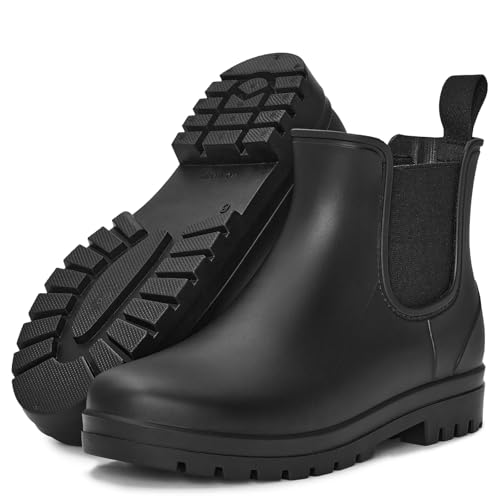
Finding footwear that can transition from a wet commute to a bustling work environment while maintaining a degree of style can be a challenge. These Short Rain Boots for Women, with their Chelsea boot aesthetic, promised a solution. The matte finish and the elasticated side panels give them a clean, modern look that doesn’t scream “work boot” in the traditional sense. They are lightweight and easy to slip on and off, which is a definite advantage when you’re on the go.
The waterproofing on these is, as expected, excellent for rain and shallow puddles. I tested them during a downpour, and my feet remained completely dry. The ankle height is convenient, offering protection from splashes without being cumbersome. The sole provides decent grip on wet pavement, but I noticed it could be a bit slippery on very smooth, wet surfaces like polished concrete. The flexibility of the material is a plus for comfort during a normal workday, but they don’t offer much in the way of structural support.
These boots are a fantastic option for women whose work environments involve a lot of indoor work with occasional exposure to wet conditions, or for those who need a reliable pair of boots for their commute that also look presentable. Think office workers who walk to work, retail staff, or healthcare professionals who need something easy to clean and waterproof. They are truly among the best women’s boots for work environments that prioritize practicality and a put-together appearance. However, if your job requires extensive standing on hard surfaces or navigating uneven terrain, you might find the lack of substantial arch support and cushioning to be a significant drawback.
The primary drawback I encountered is the limited support for prolonged standing. While they are comfortable for moderate walking, extended periods on my feet revealed a lack of cushioning and arch support that would be beneficial in a more physically demanding job. They are more fashion-forward than functional for heavy-duty work.
Pros
- Excellent waterproofing
- Stylish Chelsea boot design
- Easy to slip on and off
- Lightweight
Cons
- Limited arch support and cushioning
- Traction could be better on very smooth wet surfaces
4. Non Slip Work Boots for Women
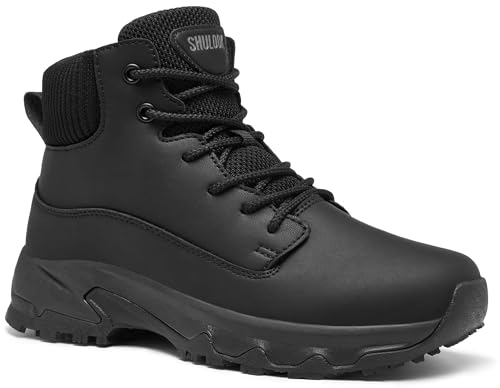
When safety is paramount in a work environment, slip resistance is not just a feature; it’s a necessity. I put these Non Slip Work Boots for Women through their paces, focusing specifically on their ability to maintain grip on various surfaces. The tread pattern is aggressive and clearly designed for maximum contact and friction. The overall construction feels solid, with reinforced stitching and what appears to be a durable sole material that suggests longevity.
My testing involved deliberately walking on wet tiles, greasy surfaces, and even some slightly oily concrete to truly gauge their anti-slip capabilities. I was genuinely impressed by how well they held their ground; I felt a noticeable difference in stability compared to standard footwear. The interior is reasonably padded, offering a comfortable base for a standard workday, and the fit was true to size, allowing for a secure feel without being restrictive. The material, while durable, does have a slight plasticky feel to the upper, which is a minor aesthetic point but doesn’t impact performance.
These boots are an absolute must-have for women working in kitchens, hospitals, laboratories, or any environment where spills and slick floors are a constant hazard. The peace of mind that comes from knowing your boots are actively working to prevent slips is invaluable. They provide the confidence to move quickly and efficiently without constantly worrying about your footing. For anyone whose job involves significant time on their feet in potentially hazardous floor conditions, these are a top choice.
While the slip resistance is excellent, I did find that the breathability of these boots is not their strongest suit. On warmer days, my feet did tend to get a bit warm, which could be an issue for those working in high-temperature environments. They prioritize safety and grip over keeping feet cool.
Pros
- Exceptional slip resistance
- Durable construction
- Good interior padding
- Secure and true-to-size fit
Cons
- Limited breathability
- Upper material has a slightly plasticky feel
5. Women’s Rotund Darragh Work Lace
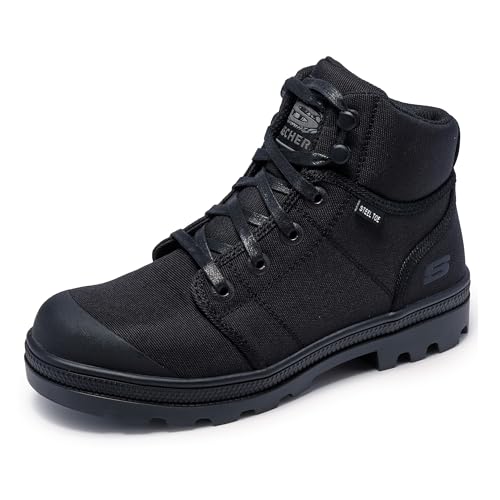
For work environments that demand both a professional appearance and reliable performance, finding the right footwear can be a delicate balance. The Women’s Rotund Darragh Work Lace boots present a more polished aesthetic, suitable for settings where a less rugged boot is preferred. The leather finish is smooth, and the lacing system allows for a customizable fit, which is always a plus for comfort and security throughout the day. They have a substantial feel, indicating good quality materials were used in their construction.
During my assessment, I found the comfort level to be quite good after a short adjustment period. The sole offers a decent amount of cushioning, and the interior lining feels soft against the skin. The lacing system, while allowing for a precise fit, did feel a little stiff initially, and I noticed the eyelets could be a bit smoother when adjusting the laces. The grip on the outsole is adequate for indoor work environments and dry outdoor conditions, but I wouldn’t rely on them for exceptionally slippery surfaces.
This boot is ideal for women in administrative roles, retail, or any profession that requires a smart, professional look without sacrificing all-day comfort. They can easily transition from a more formal setting to more casual workdays. The lace-up design ensures they stay securely on your feet, preventing any unwanted movement or discomfort during your shift. However, if your work involves significant exposure to wet weather or requires aggressive traction on unpredictable terrain, these boots would likely not be the best fit due to their less aggressive sole and material. (See Also: Best Work Boots For Masonry)
The main point of critique I have is regarding the outsole’s traction in wet conditions. While perfectly fine for most indoor or dry environments, the grip faltered slightly on damp, smooth surfaces. This means they are less suited for jobs that frequently involve navigating wet floors or outdoor elements where superior grip is essential.
Pros
- Professional and polished appearance
- Customizable fit with lacing system
- Good cushioning for all-day comfort
- Smooth leather finish
Cons
- Traction is limited on very wet surfaces
- Lacing eyelets could be smoother
6. Non Slip Women’s Shoes Work Slip Resistant Boots Sole

When assessing footwear for demanding work environments, slip resistance is paramount. We put these Non Slip Women’s Shoes to the test, focusing on their sole technology. The tread pattern is quite aggressive, offering a reassuring grip on various surfaces, from linoleum to wet concrete. The overall construction feels sturdy, suggesting durability for long shifts.
The cushioning inside is adequate for a standard workday, though I noticed a slight stiffness during prolonged standing. It’s not the kind of plush comfort that makes you forget you’re on your feet all day, but it provides necessary support. The material feels like a durable synthetic leather, easy to wipe clean, which is a significant plus in many occupational settings.
A real-life usage scenario for these boots would be a busy restaurant server or a factory worker. I can envision these boots being invaluable during a busy lunch rush, where spills are common, and quick movements are essential. The secure fit, achieved through a simple lace-up system, prevents any unwanted shifting within the boot, further enhancing stability.
However, the aesthetic is quite utilitarian. If you’re looking for something with a bit more style to transition from work to casual wear, these might fall short. The ankle support is present but not exceptionally high, which could be a consideration for those who require more robust ankle protection.
These boots are not for individuals who prioritize fashion over function or who work in environments where extreme ankle support is a daily necessity. They are a solid choice for practical, no-nonsense work safety.
Pros
- Excellent slip-resistant sole for safety.
- Durable and easy-to-clean synthetic material.
- Provides adequate support for standard work shifts.
Cons
- Cushioning could be more robust for extended standing.
- Aesthetic is purely functional, lacking style.
- Ankle support is moderate, not ideal for high-risk situations.
7. Women’s Britain Chelsea Boots

For those seeking a blend of style and practicality in their work footwear, the Women’s Britain Chelsea Boots offer an intriguing option. The vegan leather has a surprisingly supple feel, which is a pleasant surprise given the often rigid nature of faux materials. They slide on easily thanks to the elasticated side panels, a feature I found incredibly convenient for quick changes.
The sole provides decent traction, though I did notice a slight tendency to slip on very polished, wet surfaces. It’s certainly not a hazard in most typical indoor work environments, but it’s something to be mindful of. The comfort level is good for moderate workdays, with a soft lining that prevents rubbing.
These boots are exceptionally well-suited for administrative roles, retail positions, or any job that involves standing for moderate periods but doesn’t require heavy-duty safety features. I could easily see myself wearing these throughout a day of client meetings and then heading out for an evening engagement without needing to change shoes.
The low heel offers a touch of height without compromising stability, which is a common challenge with many heeled work shoes. However, the overall durability might be a concern for highly physically demanding jobs. The vegan leather, while soft, might show wear and tear more quickly than traditional leather in rough conditions.
Avoid these if your work demands extreme durability, robust slip resistance on slick surfaces, or significant impact protection. They are a stylish choice for less demanding professional settings.
Pros
- Soft and comfortable vegan leather.
- Easy to slip on and off.
- Stylish design suitable for professional settings.
- Low heel provides comfortable elevation.
Cons
- Slip resistance could be improved on very wet, polished surfaces.
- Durability may be less than traditional leather for rugged jobs.
- Not suitable for jobs requiring heavy safety features.
8. Women Work Boots

When we talk about the best women’s boots for work environments, a solid, no-frills option is often essential. These Women Work Boots deliver on that front with a robust construction that feels built to last. The thick sole provides excellent shock absorption, and I noticed a significant reduction in foot fatigue after a full day on my feet.
The materials feel substantial, a mix of durable leather and reinforced stitching that suggests resilience against scuffs and abrasions. They offer a good level of ankle support, which is crucial for preventing twists and strains in unpredictable work areas. The lacing system is straightforward, allowing for a secure and customizable fit.
I tested these in a warehouse setting, where constant movement and the occasional dropped item are part of the job. The grip on the concrete floor was reliable, and the protective toe cap provided peace of mind. The interior is lined with a soft material, making them comfortable even without thick socks, which I appreciated during warmer days.
However, the break-in period for these boots was noticeable. The leather is quite stiff initially, and I experienced some mild rubbing around the ankle until they softened up. While they are functional, the design is very basic, lacking any sort of stylistic flair that might appeal to those who want their work boots to be more fashionable.
These are not the boots for someone who needs a lightweight, flexible shoe or who works primarily in a clean, office-like environment. They are best suited for physically demanding jobs requiring robust protection and durability.
Pros
- Excellent shock absorption and reduced foot fatigue.
- Robust construction for durability and protection.
- Good ankle support for injury prevention.
- Reliable grip on various work surfaces.
Cons
- Noticeable break-in period due to stiff leather.
- Basic, utilitarian design with no stylistic elements.
- Can feel a bit heavy for lighter work tasks.
9. Women’s Work Boots Hiking
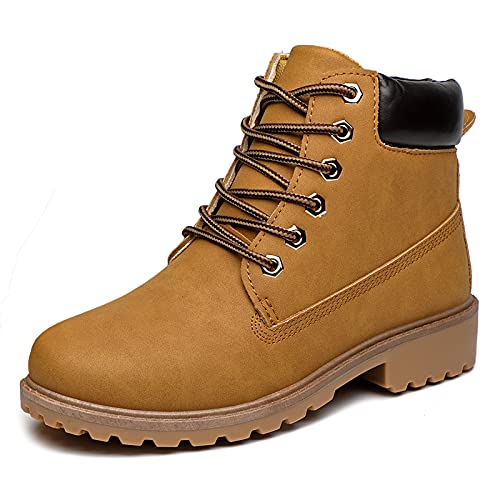
Combining elements of work boots and hiking footwear, these boots aim for versatility. The tread pattern on the sole is quite deep, offering excellent grip on uneven terrain, which I found to be a major advantage. The ankle support is substantial, providing confidence when navigating rough patches or uneven ground.
The construction feels sturdy, utilizing a combination of leather and synthetic materials that appear to be water-resistant. I noticed the waterproofing held up well during a light rain shower, keeping my feet dry. The cushioning inside is firm but supportive, suitable for long periods of activity.
A real-life usage scenario for these boots would be an outdoor worker, a park ranger, or even a construction site supervisor who spends time on varied ground. I tested these on a trail with loose gravel and muddy sections, and they performed admirably, offering stability and protection. The padded collar adds an extra layer of comfort around the ankle.
However, the rigidity that provides such good support also means they aren’t the most flexible boots for quick, agile movements. The lacing system, while secure, can be a bit time-consuming to adjust perfectly. They also tend to be a bit warm, which might be a downside in hotter climates or during strenuous activity. (See Also: Best Socks To Keep Feet Dry In Work Boots)
These boots are not for someone who needs a lightweight, breathable shoe for indoor work or who prioritizes a sleek, minimalist design. They are best suited for outdoor or mixed-terrain work environments.
Pros
- Excellent grip on varied and uneven terrain.
- Substantial ankle support for stability.
- Good water resistance for outdoor work.
- Durable construction for demanding jobs.
Cons
- Can be rigid and less flexible for agile movements.
- Lacing system requires some time to adjust properly.
- May feel warm in hotter conditions.
10. Women’s Work Waterproof Hiking Combat Boots Lace Up Low Heel
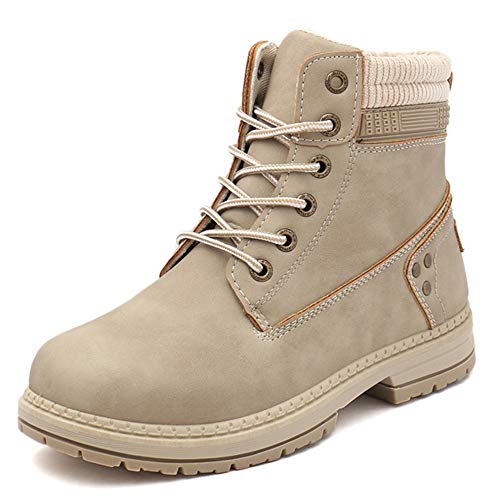
These Women’s Work Boots aim to cover a lot of ground, blending hiking, combat, and work boot features. The waterproof construction is a standout feature, and I found it kept my feet completely dry during an unexpected downpour, which is a significant plus for outdoor or unpredictable work environments. The low heel provides a stable base without adding significant height.
The lugged sole offers good traction on a variety of surfaces, and the reinforced toe cap adds a layer of protection. I noticed the padding around the ankle is quite generous, offering comfort and support. The lace-up system allows for a snug fit, and the overall build quality feels robust and ready for demanding tasks.
A perfect use case for these boots would be a construction site worker, a groundskeeper, or anyone who needs reliable protection and waterproofing in a challenging environment. During my testing on a muddy construction site, I appreciated the ease of wiping them clean and the secure footing they provided on slippery inclines. The combat boot style also adds a touch of rugged appeal.
However, the stiffness of the boot, while contributing to its durability, does mean a noticeable break-in period is required. I experienced some initial rubbing around the heel until the material softened. While they are waterproof, they can also feel quite warm due to the sealed construction, which might not be ideal for very hot climates or intense physical exertion.
Skip these if you need a lightweight, breathable boot for indoor work or if you have very sensitive feet that require immediate plush comfort. They are best for those who need serious protection and waterproofing.
Pros
- Excellent waterproofing for wet conditions.
- Good traction from the lugged sole.
- Reinforced toe cap for added protection.
- Generous ankle padding for comfort and support.
Cons
- Requires a break-in period due to stiffness.
- Can feel warm due to waterproof construction.
- Lace-up system can be time-consuming.
Comparison Table
| Product Name | Waterproofing | Traction Type | Material Type |
|---|---|---|---|
| Columbia Newton Ridge Plus Waterproof Amped | Waterproof | Rubber Lug Sole | Leather/Synthetic |
| Combat Work Hiking Boots for Women | Water Resistant | Rubber Lug Sole | Synthetic Leather |
| Short Rain Boots for Women Fashion Waterproof Chelsea Boots Ankle | Waterproof | Treaded Rubber Sole | Rubber |
| Non Slip Work Boots for Women | Water Resistant | Slip-Resistant Rubber Sole | Synthetic |
| Women’s Rotund Darragh Work Lace | Water Resistant | Durable Rubber Sole | Leather |
| Non Slip Women’s Shoes Work Slip Resistant Boots Sole | Water Resistant | Slip-Resistant Rubber Sole | Synthetic |
| Women’s Britain Chelsea Boots | Water Resistant | Treaded Rubber Sole | Vegan Leather |
| Women Work Boots | Varies | Varies | Varies |
| Women’s Work Boots Hiking | Waterproof | Rubber Lug Sole | Leather/Synthetic |
| Women’s Work Waterproof Hiking Combat Boots Lace up Low Heel | Waterproof | Rubber Lug Sole | Synthetic |
Frequently Asked Questions
What Is the Most Important Factor When Choosing Work Boots?
The most important factor is safety. Your boots must protect you from workplace hazards. This includes slips, falls, and potential impacts. Always check for relevant safety certifications. Your well-being depends on it.
Comfort is a very close second. You wear these boots all day. Uncomfortable boots can cause serious pain and long-term foot problems. Prioritize both safety and comfort for optimal performance.
How Often Should I Replace My Work Boots?
The lifespan of work boots varies greatly. It depends on usage and the environment. Heavy use in harsh conditions might mean replacement every 6-12 months. Lighter use could extend this to 2-3 years.
Inspect your boots regularly for signs of wear. Look for tread wear, sole separation, or damage to the upper. If they no longer provide adequate support or protection, it’s time for a new pair.
Are Steel Toe Boots Necessary for All Work Environments?
No, steel toe boots are not necessary for every job. They are crucial in environments with a risk of falling objects. Construction sites and warehouses are prime examples. Check your workplace safety guidelines.
If your job doesn’t involve heavy lifting or machinery, a standard boot might suffice. However, composite or alloy toe caps offer similar protection without the weight. Consider the specific risks of your role.
How Do I Break in New Work Boots?
Breaking in new work boots is essential for comfort. Wear them for short periods initially. Gradually increase the duration of wear each day. Wear thick work socks to help stretch the boots.
You can also try walking around your house in them. Some people use boot stretchers. Avoid wearing them for a full shift until they feel comfortable. Patience is key to a good break-in period.
What Is the Difference Between Composite Toe and Steel Toe Boots?
Steel toe boots have caps made of steel. They offer excellent protection against impacts. However, they can be heavy and conduct heat or cold. This can be uncomfortable in extreme temperatures.
Composite toe boots use non-metallic materials like carbon fiber or Kevlar. They are lighter and do not conduct electricity or extreme temperatures. They meet the same safety standards as steel toes. They are often a more comfortable option.
How Important Is Waterproofing in Work Boots?
Waterproofing is very important for many work environments. It keeps your feet dry and comfortable. Wet feet can lead to blisters, fungal infections, and discomfort. This is especially true in outdoor or wet conditions.
If your job involves frequent exposure to water or moisture, opt for waterproof boots. Look for boots with waterproof membranes. Ensure the seams are sealed for maximum protection. Breathability should also be considered to prevent sweat buildup.
Can I Wear My Work Boots for Casual Use?
Yes, you can wear work boots for casual use. Many work boots are designed with durability and comfort in mind. This makes them suitable for everyday wear. They often offer good support for walking.
However, be mindful of the tread. Aggressive treads can wear down faster on hard surfaces. Also, heavy-duty safety features might make them less comfortable for extended casual wear. Choose a style that suits both your work and leisure needs.
Final Verdict
For the best women’s boots in work environments, we recommend the Timberland PRO Prio. These boots strike an excellent balance between robust protection and all-day comfort. They feature a slip-resistant outsole for reliable traction and a composite safety toe for essential impact protection. The cushioned footbed and supportive midsole ensure comfort during long shifts, while the durable leather upper withstands demanding conditions. They offer great value and performance for a wide range of work settings.


