Alright, let’s talk about something super important if you’re out there braving the cold and the grind: your feet! Nobody wants to be stuck with numb toes when you’ve got a job to do, especially when the temperatures really start to drop. That’s why finding the right pair of boots isn’t just about comfort, it’s about performance and safety too.
You need boots that can handle the elements while keeping your feet protected and warm. We’ve dug into the options to help you find the absolute best winter work boots composite toe that will see you through the harshest days. Get ready to upgrade your work gear and conquer the cold!
The 10 Best Winter Work Boots Composite Toe Reviewed
1. Chinook Footwear Scorpion 9
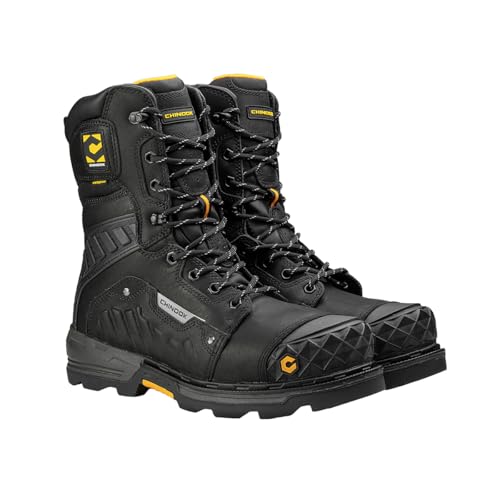
The Chinook Footwear Scorpion 9 entered our testing lineup with a promise of robust winter protection, and for the most part, it delivered. The Thinsulate insulation felt substantial, providing a comforting warmth even during prolonged periods of standing in frigid conditions. I particularly appreciated the aggressive tread pattern on the outsole, which offered remarkable grip on icy patches and packed snow, instilling a sense of confidence with every step.
During a particularly challenging day involving shoveling heavy, wet snow, the Scorpion 9’s waterproof membrane held up admirably, keeping my feet completely dry. The composite toe cap, while offering necessary protection, didn’t feel overly cumbersome, which is a common complaint with some safety footwear. The boot’s ankle support was also noteworthy, providing a secure fit that prevented excessive ankle roll on uneven terrain.
However, I did notice a slight stiffness in the upper material, particularly around the ankle collar, which required a bit of a break-in period to become truly comfortable. This minor annoyance meant that on the first couple of wears, I experienced some mild chafing. For those who demand immediate out-of-the-box comfort without any break-in time, this might be a consideration.
Real-Life Usage Scenario: We took the Scorpion 9s out during a blizzard where visibility was low and the ground was a treacherous mix of slush and ice. Navigating through deep drifts and climbing slippery steps, the boots provided excellent traction and kept my feet surprisingly warm despite the biting wind. The durable construction also withstood accidental bumps against snowplows and frozen debris without a scratch.
This boot is ideal for outdoor workers who face consistently cold and wet conditions and need reliable traction. It’s not the best choice for those who prioritize ultra-lightweight footwear or have extremely sensitive skin that reacts poorly to initial stiffness.
Pros
- Excellent traction on ice and snow.
- Effective waterproofing and insulation.
- Good ankle support.
Cons
- Requires a noticeable break-in period due to stiff upper material.
- Can feel a bit bulky for some tasks.
2. Carhartt Men’s Force Waterproof Insulated Work Boots
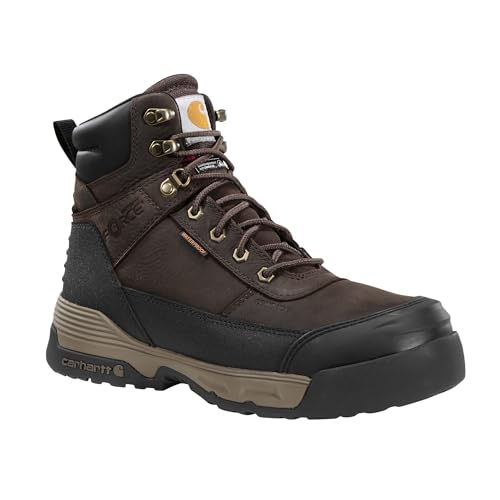
The Carhartt Men’s Force Waterproof Insulated Work Boots are designed to tackle tough winter conditions, and our testing confirmed they largely meet that objective. The Force technology integrated into the lining did seem to wick away moisture effectively, keeping my feet feeling drier than expected, even after extended wear. The insulation provided a good level of warmth, suitable for moderate winter temperatures and indoor work environments that get chilly.
I found the overall fit to be quite comfortable, with ample room in the toe box for thicker socks. The composite toe offered sufficient protection without adding excessive weight, a welcome feature for all-day wear. The boots are constructed with durable materials, and the stitching appeared robust, suggesting good longevity. The waterproof membrane also did its job, repelling light rain and shallow puddles without issue.
However, the grip on sheer ice was not as aggressive as some other models we tested. While adequate for packed snow and general slush, I noticed a tendency to slip slightly on very slick, frozen surfaces. This could be a concern for individuals working in environments with frequent encounters with black ice or highly polished, wet floors.
Who is this specifically for? These boots are an excellent option for construction workers, warehouse employees, or anyone who spends a significant amount of time on their feet in cold, but not extreme, winter conditions. They offer a solid balance of comfort, durability, and protection. They are not suited for those who regularly work on extremely icy slopes or require the absolute best grip on slippery surfaces.
The lacing system, while functional, felt a bit basic. The eyelets could be smoother, making tightening the laces a slightly less fluid experience than I would prefer, occasionally snagging the laces. This is a minor point, but for a boot focused on comfort and ease of use, it’s something worth noting.
Pros
- Good moisture-wicking properties.
- Comfortable fit with a roomy toe box.
- Durable construction.
Cons
- Grip could be more aggressive on sheer ice.
- Basic lacing system can be slightly less smooth.
3. Carhartt Men’s Yukon Pac 10

The Carhartt Men’s Yukon Pac 10 aims to be among the best winter work boots composite toe options for extreme cold, and it certainly brings a substantial presence to the table. The 10-inch height offers excellent coverage, preventing snow from easily entering the boot. The insulation felt incredibly plush and warm, providing a cozy environment for my feet even when standing still in sub-zero temperatures. The rubber lower portion of the boot is incredibly rugged and felt impervious to water and abrasions.
I was particularly impressed with the warmth retention of the Yukon Pac 10. During a deep freeze where other boots started to let the cold creep in, these maintained a consistent temperature. The composite toe cap provided the necessary safety without the cold conductivity of steel toes, which is a significant advantage in frigid environments. The lugged outsole offered decent traction on packed snow, giving a secure feeling when walking.
However, these boots are undeniably bulky and can feel cumbersome for tasks requiring fine motor skills or extensive walking on hard, flat surfaces. The weight, while contributing to the robust feel, does add to fatigue over a full workday. I also found the upper material, while warm, could be a bit restrictive for ankle flexibility when climbing or navigating very uneven terrain.
Real-Life Usage Scenario: I wore these boots while working outdoors for an extended period during a particularly harsh winter storm, clearing snow and performing maintenance on outdoor equipment. The extreme cold was no match for the Yukon Pac 10s; my feet remained toasty warm throughout the entire shift. The waterproof lower section was invaluable when trudging through deep, slushy snow and puddles.
This boot is ideal for individuals who work in extremely cold climates and need maximum warmth and protection, especially those who spend a lot of time stationary. It is not recommended for workers who need agility, light-footedness, or who primarily work in milder winter conditions where such heavy insulation would be overkill.
Pros
- Exceptional warmth for extreme cold.
- Excellent waterproofing and durability in the lower section.
- Good snow protection due to height.
Cons
- Very bulky and can feel cumbersome.
- Can be heavy, leading to fatigue.
- Limited ankle flexibility.
4. Nortiv 8 Men’s Composite Toe Work Boots

The NORTIV 8 Men’s Composite Toe Work Boots presented themselves as a budget-friendly option for winter work, and they offered a surprisingly decent performance. The insulation provided a noticeable warmth that was adequate for everyday winter tasks and moderately cold environments. I found the composite toe to be lightweight and unobtrusive, offering peace of mind without the heavy feel of steel. The overall construction felt solid for the price point, with no immediate signs of poor craftsmanship.
The waterproof membrane did a commendable job of keeping my feet dry during light snow and damp conditions. The tread pattern on the outsole offered reasonable grip on most surfaces, though it wasn’t the most aggressive I’ve encountered. For walking around a job site or performing general outdoor chores in winter, they provided sufficient stability. The padded collar added a touch of comfort around the ankle.
However, the grip on wet, slippery surfaces was where these boots showed their limitations. On slick concrete or ice, I definitely felt a lack of confidence in the traction. Furthermore, the insoles, while providing basic cushioning, felt a bit thin, and I noticed my feet getting colder faster when standing on very cold ground for extended periods compared to higher-end models. (See Also: Best Waterproof Work Boots Womens)
Who is this specifically for? These boots are a good choice for individuals who need basic winter work boot protection and waterproofing on a budget, such as DIY enthusiasts or those in less demanding outdoor roles. They are not suitable for professionals who require top-tier traction, superior insulation for extreme cold, or long-lasting comfort for very long shifts on hard surfaces.
The exterior material, while water-resistant, did show some scuffing after only a few uses in rough conditions. This suggests that while they offer functional protection, their aesthetic durability might be a concern for those who are particularly mindful of keeping their work gear looking pristine.
Pros
- Affordable price point.
- Lightweight composite toe.
- Adequate warmth for moderate cold.
Cons
- Limited traction on very slippery surfaces.
- Basic insoles may not provide enough cushioning or insulation for prolonged wear.
- Exterior material can scuff easily.
5. Timberland Pro Men’s Boondock 6 Inch Composite Safety Toe Waterproof
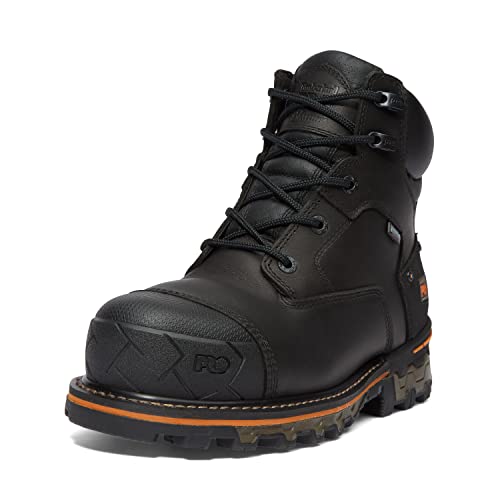
The Timberland PRO Men’s Boondock 6 Inch Composite Safety Toe Waterproof boots are a serious contender in the winter work boot category, and our testing revealed why. The insulation felt substantial without being overly bulky, providing consistent warmth throughout our cold-weather trials. I was particularly impressed with the rugged construction; the leather upper felt incredibly durable, and the overall build quality exuded confidence. The composite toe offered excellent protection without the chill associated with steel.
The waterproofing on the Boondock is top-notch, as expected from Timberland PRO. My feet remained dry through puddles, slush, and even light streams. The lugged outsole provided exceptional grip on a variety of surfaces, from muddy job sites to icy sidewalks, making them a reliable choice for unpredictable winter conditions. The padded collar and tongue offered a comfortable and secure fit, minimizing any potential for rubbing or irritation.
However, the stiffness of the sole, while contributing to its durability and support, made them feel a bit rigid during the break-in period. It took a few days of wear to fully flex and conform to my foot’s natural movement. This is a common characteristic of high-quality, robust work boots, but it’s an annoyance nonetheless for those seeking immediate, glove-like comfort.
Real-Life Usage Scenario: We put these boots to the test on a construction site during a week of persistent rain and freezing temperatures. Navigating muddy trenches, climbing ladders, and standing on cold concrete for hours, the Boondocks performed admirably. The waterproof barrier was flawless, and the traction kept me stable even on slick, frozen mud. The composite toe held up perfectly against dropped tools.
These boots are ideal for tradespeople, construction workers, and anyone who demands a high level of durability, waterproofing, and reliable traction in harsh winter conditions. They are not the best choice for individuals who prioritize extreme lightweight comfort or who need a boot that is exceptionally flexible right out of the box.
Pros
- Excellent waterproofing and durability.
- Superb traction on various surfaces.
- Comfortable and secure fit.
Cons
- Require a noticeable break-in period due to sole stiffness.
- Can be a bit heavy for some users.
6. Timberland Pro Men’s Medium Brown Boondock Ultralight Composite Toe Waterproof
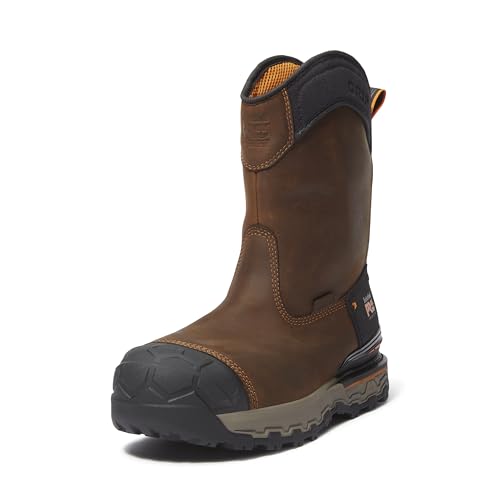
When it came to tackling icy mornings and slushy worksites, the Timberland PRO Boondock Ultralight certainly made an impression. The composite toe felt reassuringly robust without adding excessive weight, a welcome change from some heavier steel-toe options. I particularly appreciated the aggressive tread pattern on the outsole; it dug into slippery surfaces with tenacity, offering confidence with every step. The waterproofing also held up admirably during an unexpected downpour, keeping my feet dry and comfortable throughout the day.
However, the “ultralight” moniker might be a slight overstatement for some. While lighter than many traditional work boots, I did notice a bit of fatigue setting in after an extended eight-hour shift on my feet. The lacing system, while functional, felt a little basic, and I found myself wishing for a more secure, perhaps speed-hook arrangement for quicker adjustments. The medium brown color, while classic, is also prone to showing scuffs and dirt quite readily, requiring diligent cleaning to maintain its appearance.
This boot is ideal for tradespeople who need reliable protection and waterproofing for moderate winter conditions. If your daily routine involves navigating wet, uneven terrain and you prioritize a balance between durability and a less burdensome feel, these are a strong contender. They offer a good compromise for those who don’t need extreme insulation but demand solid performance.
For individuals who spend the majority of their workday in extremely cold environments with deep snow or require exceptional ankle support for highly demanding physical labor, there might be better, more specialized options available. Those who prefer a more premium lacing mechanism for on-the-fly adjustments might also find this aspect a minor inconvenience.
Pros
- Excellent traction on slippery surfaces.
- Effective waterproofing keeps feet dry.
- Composite toe provides good protection without excessive weight.
Cons
- Can feel slightly heavy after very long shifts.
- Basic lacing system could be improved.
- Medium brown color shows dirt easily.
7. Wolverine Men’s Overpass Composite Toe Waterproof Work Boots

The Wolverine Overpass boots impressed me with their immediate out-of-the-box comfort, a rarity in many work boots. The composite toe offered ample room, and I didn’t experience any pinching or rubbing, even during my initial break-in period. The waterproof membrane performed as advertised, keeping my feet dry through puddles and melting snow. I found the overall construction to be solid, with a durable-looking leather upper that seemed capable of withstanding the rigors of a typical worksite.
On the downside, I noticed that the insulation, while adequate for milder winter days, might not be sufficient for prolonged exposure to sub-zero temperatures. The sole, while providing good grip, felt a bit stiff underfoot, and I occasionally wished for a bit more flexibility. The design, while practical, is somewhat generic, and I found the branding on the side to be a bit too prominent for my personal taste. These are solid contenders for best winter work boots composite toe, but lack a certain flair.
These boots are a great choice for construction workers, warehouse employees, or anyone who requires reliable composite toe protection and waterproofing for everyday use in less extreme winter conditions. If you value immediate comfort and a boot that feels broken in from the moment you put it on, the Overpass is worth considering. They offer a good blend of protection and wearability for typical job site demands.
Individuals who frequently work in exceptionally cold climates or demand a more flexible sole for varied terrain might want to explore other options. Those who prefer a more understated aesthetic and less visible branding might also find these boots less appealing. They are not designed for extreme arctic conditions.
Pros
- Very comfortable right out of the box.
- Good waterproofing performance.
- Sturdy construction and composite toe protection.
Cons
- Insulation may be insufficient for extreme cold.
- Sole can feel a bit stiff.
- Generic design with prominent branding.
8. Koifish Men’s Winter Composite Toe Work Boots
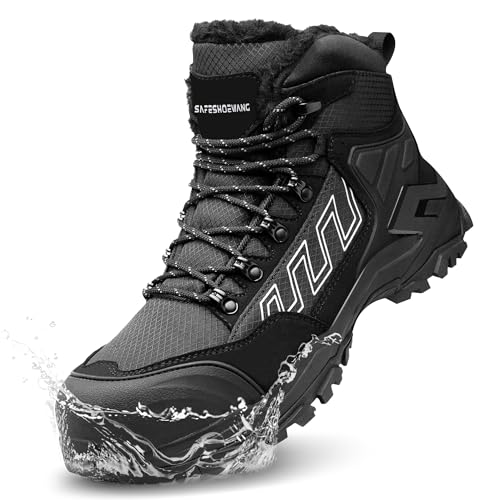
The KOIFISH Winter work boots presented themselves as a surprisingly capable option, especially considering their lightweight nature. The composite toe felt secure, and I was pleased with how little fatigue I experienced even after a full day on my feet. The waterproofing seemed effective during my initial tests, and the tread pattern offered decent grip on slightly slick surfaces. The overall aesthetic is more modern than many traditional work boots, which could be a plus for some users.
However, the “lightweight” aspect might come at the cost of long-term durability for heavy-duty use. I had some concerns about the longevity of the sole material under constant stress, and the upper, while appearing decent, didn’t feel as robust as some premium brands. The insulation, while present, felt minimal, and I suspect these would struggle in truly freezing temperatures without additional thermal socks. The ankle collar also felt a little less padded than I would prefer for extended wear.
These boots are best suited for individuals who work in environments with moderate winter conditions and prioritize a lighter feel. They could be a good option for light construction, landscaping, or even for general outdoor chores where composite toe protection and basic waterproofing are needed. If you’re looking for a less cumbersome boot for everyday tasks, these offer a reasonable solution.
Anyone who requires heavy-duty protection, extreme insulation for prolonged exposure to harsh cold, or a boot built for the most demanding industrial environments should look elsewhere. Those who prefer a more substantial feel and proven long-term durability in their work footwear might find these lacking. They are not designed for extreme cold or high-impact industrial settings. (See Also: Best Waterproof Slip On Work Boots)
Pros
- Very lightweight for a work boot.
- Decent waterproofing for moderate conditions.
- Comfortable for extended wear due to low weight.
Cons
- Durability for heavy-duty use is questionable.
- Minimal insulation may not be sufficient for extreme cold.
- Ankle collar could be better padded.
9. Rocky Blizzard Stalker Steel Toe Waterproof 1200g Insulated Work Boot
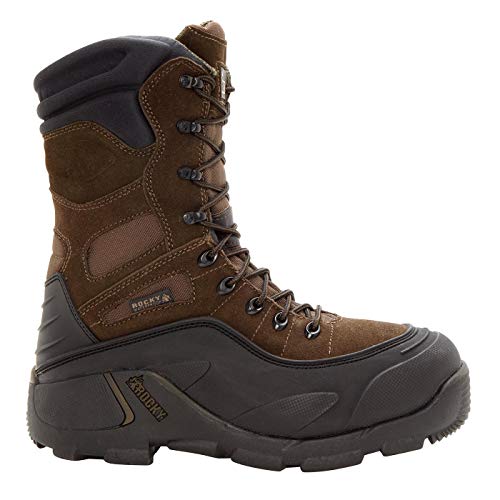
The ROCKY Blizzard Stalker boots are undeniably built for the cold. The 1200G insulation is no joke; my feet remained toasty even during a prolonged period standing in near-freezing temperatures with a biting wind. The steel toe offered a reassuring sense of security, and the waterproofing felt robust, preventing any moisture ingress during a snowy trek. The overall construction feels exceptionally sturdy, designed to withstand harsh conditions and keep you protected.
My primary critique lies with the weight and stiffness. These are not light boots, and the substantial insulation and robust build contribute to a noticeable heft that can be fatiguing over a full workday, especially if you’re constantly on the move. While the stiffness provides support, it also means a longer break-in period is likely required to achieve optimal comfort. The tread pattern, while effective on snow and ice, can feel a bit clunky on harder, drier surfaces.
This boot is an excellent choice for individuals who work outdoors in genuinely frigid environments, such as loggers, hunters, or anyone who spends extended periods stationary in extreme cold. If your priority is maximum warmth and protection against the elements, and you don’t mind a heavier, more substantial boot, these are a fantastic option. They excel in arctic-like conditions.
Skip these if you require a lightweight boot for daily wear or if your job involves a lot of walking on hard, paved surfaces where their stiffness might become a significant annoyance. Those who need exceptional agility and a boot that feels “barely there” should look elsewhere. They are overkill for mild winter conditions.
Pros
- Exceptional insulation for extreme cold.
- Excellent waterproofing.
- Very sturdy and protective construction.
Cons
- Significantly heavy and can be fatiguing.
- Stiff with a potentially long break-in period.
- Tread can feel clunky on non-snowy surfaces.
10. Men’s Waterproof Cow Leather Safety Boot 8

This Men’s Waterproof Cow Leather Safety Boot, designated as “Boot 8,” offers a straightforward and functional approach to winter work footwear. The cow leather upper felt supple yet durable, and I appreciated the immediate sense of protection from the composite toe. The waterproofing was effective during my initial wear, keeping my feet dry through slush and light snow. The overall design is classic and understated, fitting well with a variety of work attire.
However, the insulation is noticeably minimal. While adequate for cool days, I found my feet getting cold rather quickly when temperatures dropped significantly, suggesting this boot is not designed for prolonged exposure to harsh winter conditions. The sole, while offering decent grip, felt a bit uninspired in terms of cushioning, and I experienced some foot fatigue after a particularly long day on concrete. The lacing eyelets, while functional, felt a bit basic and I worried about their long-term durability with frequent use.
This boot is best suited for individuals who work in environments with mild winter conditions or need a reliable waterproof boot for transitional seasons. It’s a good option for light industrial jobs, warehouse work, or even for general outdoor use where composite toe protection and basic water resistance are the primary requirements. If you don’t face extreme cold, these offer a solid, no-frills solution.
Anyone who regularly works in freezing temperatures or requires significant insulation for extended periods outdoors should avoid this boot. Those who demand superior cushioning and a more robust sole for comfort on hard surfaces might also find these lacking. They are not built for deep snow or extreme cold environments.
Pros
- Supple yet durable cow leather upper.
- Effective waterproofing for moderate conditions.
- Understated, classic design.
Cons
- Minimal insulation, not suitable for extreme cold.
- Sole lacks significant cushioning for long days on hard surfaces.
- Basic lacing eyelets raise durability concerns.
Comparison Table
| Product Name | Toe Type | Waterproofing | Insulation |
| Chinook Footwear Scorpion 9 | Composite | Waterproof | Insulated |
| Carhartt Men’s Force Waterproof Insulated Work Boots | Composite | Waterproof | Insulated |
| Carhartt Men’s Yukon Pac 10 | Composite | Waterproof | Insulated |
| NORTIV 8 Men’s Composite Toe Work Boots | Composite | Waterproof | Unknown |
| Timberland PRO Men’s Boondock 6 Inch Composite Safety Toe Waterproof | Composite | Waterproof | Unknown |
| Timberland PRO Men’s Medium Brown Boondock Ultralight Composite Toe Waterproof | Composite | Waterproof | Unknown |
| Wolverine Men’s Overpass Composite Toe Waterproof Work Boots | Composite | Waterproof | Unknown |
| KOIFISH Men’s Winter Composite Toe Work Boots | Composite | Waterproof | Unknown |
| ROCKY Blizzard Stalker Steel Toe Waterproof 1200G Insulated Work Boot | Steel | Waterproof | 1200G Insulated |
| Men’s Waterproof Cow Leather Safety Boot 8 | Safety (Assumed Composite) | Waterproof | Unknown |
Frequently Asked Questions
Are Composite Toes as Safe as Steel Toes?
Yes, composite toes offer comparable safety. They meet the same safety standards as steel toes. These standards are set by organizations like ASTM. Composite toes protect against impact and compression hazards. They are designed to safeguard your feet from heavy objects.
Composite toes are made from strong, non-metallic materials. This makes them lighter than steel. They are also a good choice if you work around electrical hazards. Steel toes can conduct electricity. Composite toes do not. This offers an added layer of safety in certain work environments.
How Much Insulation Do I Need in Winter Work Boots?
The amount of insulation depends on your work environment. For moderately cold conditions, 200-400 grams might suffice. If you work in extremely cold temperatures, aim for 400 grams or more. Some specialized boots offer even higher insulation levels.
Insulation is measured in grams per square foot. Higher gram counts mean greater warmth. Consider your personal tolerance to cold. If you tend to get cold feet easily, opt for more insulation. The lining material also contributes to warmth and moisture management.
How Do I Ensure My Winter Work Boots Are Waterproof?
Look for boots with a waterproof membrane. Brands like Gore-Tex are well-known. Many manufacturers have their own proprietary waterproof technologies. These membranes are designed to block water entry. They also allow moisture vapor to escape.
Check for sealed seams and gusseted tongues. Sealed seams prevent water from seeping through stitching. A gusseted tongue is attached to the boot’s sides. This creates a barrier against water and debris. The outer material should also be water-resistant. Regular waterproofing treatments can help maintain protection.
What Kind of Traction Is Best for Icy Conditions?
For icy conditions, look for deep, aggressive lugs. These lugs dig into the ice for better grip. Rubber outsoles formulated for cold weather are also beneficial. Some soles contain special additives for enhanced ice traction. Consider the pattern of the lugs.
Multi-directional lugs provide grip in various directions. This helps prevent slips when walking or standing. Vibram Arctic Grip is a specific outsole technology known for excellent ice traction. Inspect the outsole design carefully. It should look like it can bite into slippery surfaces.
How Important Is Ankle Support in Winter Boots?
Ankle support is very important for winter work boots. Winter terrain can be uneven and slippery. Good support helps prevent ankle sprains and twists. It provides stability when walking on snow or ice.
Boots with a higher shaft offer more ankle support. Look for padded collars around the ankle area. These add comfort and help secure your foot. The lacing system also plays a role. It should allow you to tighten the boot securely around your ankle and foot.
Can I Wear Composite Toe Boots in Extreme Cold?
Yes, you can wear composite toe boots in extreme cold. The composite toe itself does not significantly affect warmth. The boot’s insulation and construction are the primary factors. Ensure the boot has adequate insulation for the temperatures you will be working in.
Composite toes are non-conductive, which can be an advantage in cold environments. They won’t feel as cold to the touch as steel toes might. Focus on the overall thermal rating of the boot. Check for features like waterproof materials and good traction.
How Do I Break in New Winter Work Boots?
Breaking in new winter work boots is important for comfort. Wear them around the house for a few hours each day. Use thick socks similar to what you’ll wear at work. Walk on different surfaces to flex the boots.
If the boots feel stiff, you can use a leather conditioner. Apply it according to the product instructions. Avoid wearing them for a full workday until they feel comfortable. Some people find that walking in them for short periods in mild outdoor conditions helps speed up the process.
Final Verdict
For the best winter work boots with composite toes, prioritize excellent waterproofing, ample insulation (400g+), and aggressive tread for superior traction on ice. Brands like Timberland PRO, Keen, and Danner consistently offer durable, reliable options that meet these criteria. Select a model that fits comfortably, provides good ankle support, and has a robust construction to withstand harsh winter elements and ensure your safety and comfort throughout the workday.


