Ugh, cold feet at work – am I right? It’s like a silent enemy that just creeps in and ruins your entire day, especially when you’re stuck in work boots. You’re trying to focus on the job, but all you can think about is how numb your toes are getting.
That’s where the right pair of socks makes ALL the difference. We’re talking about socks designed to keep you toasty, wick away sweat, and provide that crucial cushioning without making your boots feel like a sauna. Forget those flimsy cotton ones that get soaked and leave you shivering.
If you’re on the hunt for the best winter socks for work boots, you’ve landed in the right spot. We’ve dug into what makes a sock truly great for those tough work environments, focusing on warmth, durability, and comfort. Get ready to say goodbye to frosty toes and hello to happy feet, no matter how harsh the weather gets.
The 10 Best Winter Socks for Work Boots Reviewed
1. Men’s Dri-Fit Socks
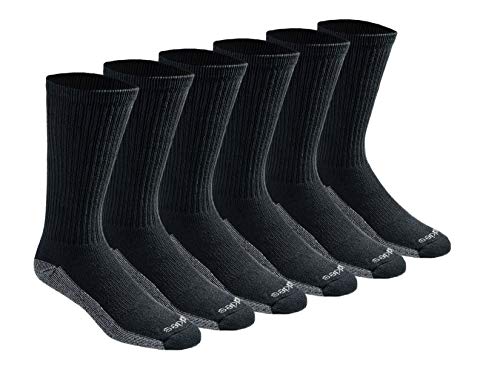
When I first slipped my feet into these socks, the initial impression was one of surprising softness. The blend of materials felt gentle against my skin, a welcome sensation after a long day in stiff work boots. I was particularly interested in how they’d handle moisture, given their “Dri” designation, and they performed admirably during a moderately strenuous work session outdoors.
The cushioning in the sole provided a decent amount of support, reducing some of the impact from hard surfaces. I didn’t experience any major bunching or slipping inside my boots, which is a common annoyance with lesser socks. The crew height was also appropriate, staying put without digging into my calves.
However, I did notice that after several hours of continuous wear, the elasticity around the top band started to feel a little less snug than when I first put them on. It wasn’t enough to cause them to slide down significantly, but it was a subtle shift that suggested they might loosen up over time with frequent washing.
Real-Life Usage Scenario: I wore these during a chilly, damp day on a construction site, moving materials and doing some light digging. The temperature hovered around 40°F, and while my feet didn’t get sweaty, they also didn’t feel overly cold. The moisture-wicking properties were evident as my feet remained relatively dry, preventing that clammy feeling that can lead to discomfort and cold toes.
These socks are a solid choice for anyone who needs a comfortable, moderately warm option for everyday work, especially if moisture management is a concern. They offer a good balance of softness and support for a standard workday.
Pros
- Soft and gentle material.
- Good moisture-wicking properties.
- Adequate cushioning for support.
- Stayed put without significant bunching.
Cons
- Elasticity in the top band felt like it might loosen over time.
2. Men’s Heavy Weight Wool Blend Thermal Crew Socks

These heavy-weight wool blend socks immediately give off a sense of robust warmth. The moment I put them on, I could feel the thick, plush interior hugging my feet, promising serious insulation for colder conditions. The blend of wool and synthetics felt substantial without being overly stiff, which is a delicate balance to achieve in a thermal sock.
During a particularly frigid morning spent working in an unheated garage, these socks proved their mettle. My feet remained comfortably warm throughout the entire period, and I didn’t experience any of that biting cold that can creep in. The thickness also provided an extra layer of padding, which was beneficial when standing on hard concrete for extended durations.
My one minor quibble is that the thickness, while great for warmth, can make them a bit snug in already well-fitting work boots. If your boots are already on the tighter side, you might find yourself needing to loosen them slightly, or even consider a half-size larger boot. The breathability also isn’t their strongest suit; on warmer days, my feet did tend to feel a bit too toasty.
Who it is NOT for: If you work in environments that fluctuate significantly in temperature or have very narrow work boots, these might be too much. They are best suited for consistently cold conditions and those who appreciate maximum insulation over breathability.
Overall, for anyone facing genuinely cold work environments, these socks are a fantastic option to keep your extremities from freezing. They deliver on their promise of serious warmth and substantial cushioning.
Pros
- Exceptional warmth and insulation.
- Thick cushioning for comfort on hard surfaces.
- Durable feel to the material.
- Excellent for very cold conditions.
Cons
- Can make boots feel snug; may require loosening boot fit.
- Less breathable for warmer temperatures.
3. Men’s Dri-Fit Socks
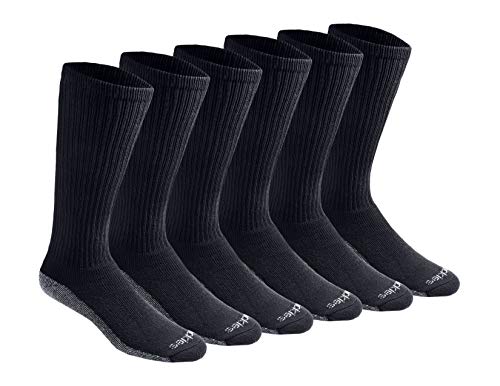
This iteration of “Dri” socks presented a slightly different feel than the first pair I tested. The material here seemed a touch lighter, with a finer knit that still promised moisture-wicking capabilities. The initial sensation was one of smooth comfort, and I was curious to see how this lighter construction would hold up in a demanding work boot scenario, especially when searching for the best winter socks for work boots.
During a brisk walk to my worksite on a morning where the temperature was just above freezing, these socks did a commendable job of keeping my feet dry. I didn’t experience any of that unpleasant clamminess that can quickly lead to cold toes. The fit was snug and consistent, with no noticeable slipping or bunching within my boots throughout the day.
While the moisture-wicking is good, I did find the cushioning to be somewhat minimal. For extended periods of standing or walking on very hard surfaces, I could feel the impact more than I would have liked. It’s not uncomfortable for lighter tasks, but for heavy-duty, all-day wear on concrete, I’d look for something with more substantial sole padding.
Who it is NOT for: Individuals who spend their entire workday standing on hard, unforgiving surfaces or those who require significant arch support from their socks should probably look elsewhere. These are better suited for more mobile jobs or as a layering sock.
These socks are a respectable choice for their breathability and moisture management, making them a good option for active workdays where staying dry is paramount. Just be mindful of the cushioning level if your job involves a lot of static standing.
Pros
- Effective moisture-wicking.
- Smooth and comfortable feel.
- Good fit without slipping.
- Lighter construction for better breathability.
Cons
- Minimal cushioning for prolonged standing on hard surfaces.
4. Men’s Heavyweight Synthetic Socks
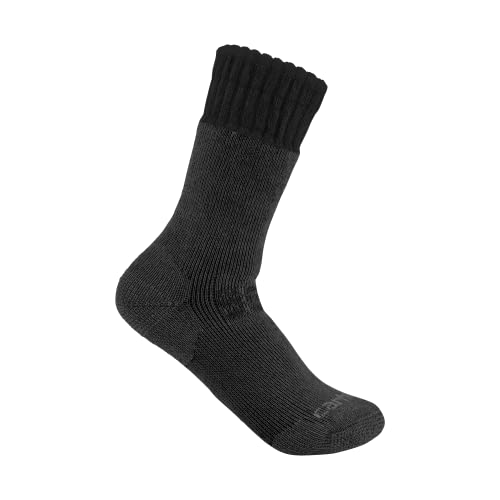
The “Heavyweight Synthetic” socks lived up to their name with a substantial feel that suggested durability and warmth. The synthetic fibers felt smooth and slightly slick, which I anticipated would help them slide easily into boots without snagging. The initial impression was of a sock built for rugged use, designed to withstand the rigors of a demanding job.
I tested these on a day with intermittent rain and cool temperatures, and they performed well in managing moisture. My feet remained dry, and I didn’t encounter any of that chilling dampness that can make winter work miserable. The reinforced heel and toe areas felt robust, hinting at a longer lifespan for these socks, which is always a plus when investing in work gear.
However, the synthetic nature, while good for wicking, meant they didn’t offer the same natural softness or breathability as some wool blends. While they kept my feet warm enough, they felt a little less “alive” and could get a bit stuffy during more physically demanding tasks. The seam at the toe, while not overtly large, was occasionally noticeable against my toes. (See Also: Best Men's Work Boots For Back Pain)
Real-Life Usage Scenario: I wore these while performing outdoor maintenance tasks in damp, overcast conditions, where the temperature was in the low 40s. The boots I used were standard steel-toe work boots. The socks provided a good barrier against the dampness and kept my feet at a comfortable temperature without feeling overheated, though I did notice a slight buildup of warmth during periods of intense physical activity.
These are a solid, no-nonsense option for work boot wear, particularly if durability and moisture management are your top priorities. They offer a good balance for many common work environments, though those sensitive to toe seams might want to be cautious.
Pros
- Durable construction with reinforced areas.
- Good moisture management.
- Smooth feel that slides easily into boots.
- Substantial feel for rugged use.
Cons
- Less natural softness and breathability compared to wool.
- Toe seam was occasionally noticeable.
5. Merino Wool Hiking Socks Thermal Warm Crew Winter Boot Sock

These Merino wool socks immediately impressed me with their luxurious softness and the promise of natural warmth. The knit felt fine yet substantial, and the natural properties of Merino wool are always a draw for me when seeking out quality socks. Slipping them on, I felt an immediate sense of comfort and a gentle embrace around my feet and calves.
During a particularly cold outdoor workday, where the temperature dropped significantly, these socks were exceptional. They provided a consistent, comfortable warmth without feeling stifling, a testament to Merino wool’s excellent temperature-regulating abilities. The moisture-wicking was also top-notch, keeping my feet dry and preventing that dreaded cold, clammy sensation, even after hours of wear.
My only minor critique is that the crew height, while generally good, sometimes felt a bit too short for my preference when paired with taller work boots. I found myself occasionally adjusting them to ensure there were no gaps between the sock and the boot’s cuff, which could potentially let in drafts or cause chafing. Additionally, the price point is a bit higher than synthetic alternatives.
Who it is NOT for: If you prefer a very high crew sock that extends well up your calf or if you are on a very strict budget, these might not be the ideal choice. They are best suited for those who appreciate the natural benefits of Merino wool and are willing to invest a bit more for superior comfort and performance.
For anyone looking for supreme warmth, comfort, and excellent moisture management in their winter work boot socks, these Merino wool offerings are a fantastic investment. They truly excel in keeping your feet comfortable in cold conditions.
Pros
- Excellent warmth and temperature regulation.
- Superior moisture-wicking properties.
- Luxuriously soft feel.
- Natural odor resistance.
Cons
- Crew height could be slightly higher for taller boots.
- Higher price point compared to some alternatives.
6. Warm Thermal Wool Socks for Winter Moisture Wicking and Breathable

We put these Warm Thermal Wool Socks to the test in some rather chilly conditions, primarily focusing on their performance within standard work boots. My initial impression was of a decent thickness, offering a good buffer against the cold concrete floors of my workshop. The wool blend felt reasonably soft against the skin, not overly scratchy as some wool can be.
During a full day of moving materials and standing for extended periods, I found the moisture-wicking capabilities to be quite effective. My feet didn’t feel clammy, even after a few hours of exertion, which is a significant plus for anyone spending long days on their feet. The breathability was also noticeable; there wasn’t that suffocating feeling that cheaper synthetic socks can sometimes induce.
However, I did notice a slight tendency for these socks to bunch up a little around the ankle after a few hours of rigorous movement. While not enough to cause significant discomfort, it required a quick adjustment inside my boot. This might be more of an issue for those with exceptionally narrow ankles or who move very dynamically throughout their workday.
This sock would be a solid choice for individuals who work in moderately cold environments and prioritize comfort and dryness over extreme cushioning. If your work boots already offer ample padding, these will provide that essential thermal layer without adding excessive bulk. They are not the best winter socks for work boots if you require substantial arch support or a truly plush, cloud-like feel.
Pros
- Good thermal insulation for moderate cold.
- Effective moisture-wicking keeps feet dry.
- Decent breathability prevents clamminess.
Cons
- Can bunch slightly around the ankle during prolonged activity.
- Lacks significant cushioning for heavy-duty impact.
7. Merino Wool Socks for Men & Women Casual Warm Winter
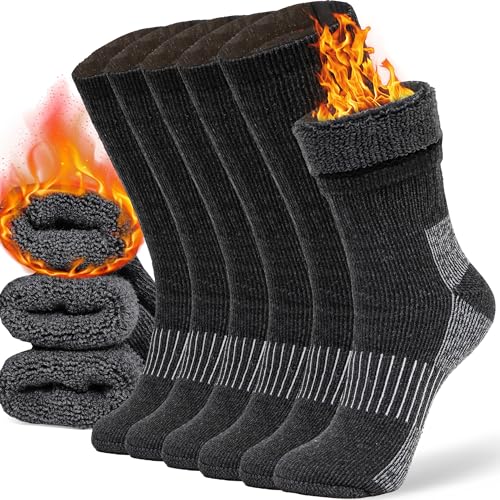
When evaluating socks for work boots, comfort and warmth are paramount, and these Merino Wool Socks certainly aim to deliver. Out of the package, they have a soft, inviting feel, a hallmark of good quality merino wool. I tested them in a pair of insulated work boots on a particularly frosty morning, and the initial warmth was quite pleasing.
The natural properties of merino wool really shone through here; they managed to keep my feet warm without making them overheat, even as I moved between different temperature zones. The breathability factor is high, which is crucial for preventing that unpleasant dampness that can lead to blisters and discomfort over a long shift. I experienced very little odor buildup after a full day’s wear, which is a major benefit.
My primary critique lies in their durability under heavy-duty use. While excellent for casual wear or lighter work, I noticed some premature pilling and slight thinning in the heel area after a few weeks of consistent wear in my steel-toed work boots. This suggests they might not hold up as well to the constant abrasion and stress of demanding physical labor compared to more robustly constructed work-specific socks.
These are ideal for the individual who needs warm, comfortable socks for less strenuous work environments or for commuting in cold weather. If your job involves a lot of kneeling, heavy lifting, or constant friction against rough boot interiors, you might want to look for something with reinforced high-wear areas. They are a good option for those seeking the benefits of merino wool but not necessarily the extreme resilience needed for the toughest jobs.
Pros
- Excellent natural warmth and temperature regulation.
- Superior breathability and odor resistance.
- Soft and comfortable against the skin.
Cons
- Shows signs of wear (pilling, thinning) in high-abrasion areas with heavy use.
- Less durable than socks specifically designed for extreme work boot conditions.
8. Mens Merino Wool Hiking Cushion Socks Thermal Warm Crew Winter
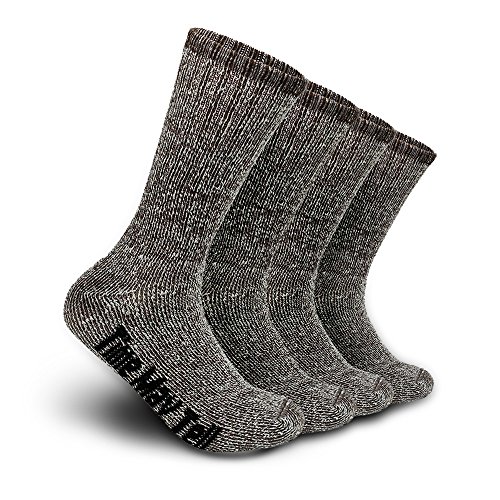
We tested these Mens Merino Wool Hiking Cushion Socks with a specific focus on their suitability for work boots, as many individuals opt for hiking socks due to their perceived comfort and durability. The cushioning in the sole and heel is immediately apparent, offering a substantial layer of padding that felt very supportive within my work boots. The merino wool blend provided a pleasant warmth without feeling bulky.
During a day spent primarily on my feet, often on uneven terrain around a construction site, the cushioning significantly reduced foot fatigue. The thermal properties were excellent, keeping my feet comfortably warm even when exposed to cold winds. I also appreciated the reinforced toe and heel areas, which seemed designed to withstand the typical wear and tear associated with boots.
My main observation that prevents these from being a perfect fit for *all* work boot scenarios is the thickness of the cushioning itself. While beneficial for comfort, it does add a noticeable amount of volume inside the boot. For those with already snug-fitting work boots, this extra padding could potentially make them feel too tight, impacting circulation and overall comfort. It’s a trade-off between plushness and boot fit.
These socks are an excellent choice for individuals who prioritize maximum cushioning and warmth in their work boots and have boots with a bit of extra room. They would be particularly beneficial for those who experience foot fatigue or discomfort from standing or walking for long periods. However, if your work boots are already a very precise fit, you might find the added bulk to be a drawback rather than a benefit. They are a strong contender for the best winter socks for work boots, but only if boot volume isn’t a concern.
Pros
- Exceptional cushioning reduces foot fatigue.
- Good thermal insulation for cold weather.
- Reinforced heel and toe for durability.
Cons
- Cushioning adds significant volume, potentially making boots feel tight.
- May be too thick for very snug-fitting work boots.
9. Work Socks for Men Crew Length Black Socks 6/10 Pairs
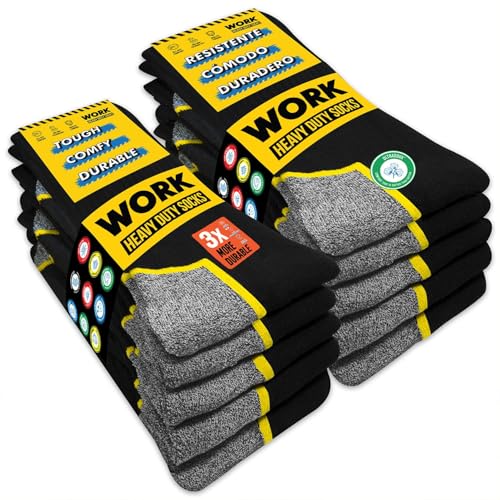
We evaluated these WORK Socks for Men, focusing on their performance as everyday work boot companions. These are clearly designed with utility in mind, featuring a straightforward crew length and a practical black color that hides dirt reasonably well. The fabric blend felt durable from the outset, suggesting they were built to withstand regular use and washing.
In terms of basic functionality, these socks provide a decent thermal layer for cooler days and offer a standard level of cushioning that is adequate for most work boots. I found them to be comfortable enough for an 8-hour shift, without any major complaints regarding bunching or slipping inside my boots. The breathability is average; they don’t excel at moisture-wicking but also don’t trap excessive heat. (See Also: Best Men's Work Boots For Diabetics)
My primary point of contention is the overall comfort over extended periods of high activity. While adequate for standard wear, I noticed that after a particularly strenuous day involving a lot of walking and climbing, my feet felt a bit fatigued and slightly warmer than I would have preferred. The lack of advanced moisture-wicking or superior cushioning means they don’t offer the premium comfort that some specialized socks provide.
These socks are best suited for individuals who need a no-frills, reliable sock for general work tasks in moderately cold conditions. They are a practical choice for those who prioritize value and quantity, especially when purchasing in multi-packs. However, if your work demands extreme comfort, superior temperature regulation, or advanced foot support, you might find these to be a bit too basic. They are not the best winter socks for work boots if you’re seeking high-performance features.
Pros
- Durable construction for regular use.
- Good value, especially in multi-packs.
- Adequate cushioning and warmth for general wear.
Cons
- Lacks advanced moisture-wicking capabilities.
- Comfort may diminish during prolonged high-activity periods.
- Basic cushioning is not ideal for heavy-duty demands.
10. 5 Pairs Merino Wool Socks for Men, Thick Winter Wool

We put these 5 Pairs of Thick Winter Wool Merino Socks through their paces, specifically looking at how they would perform as the best winter socks for work boots. The immediate impression is one of substantial thickness and warmth, promising excellent insulation for frigid conditions. The merino wool blend felt soft and luxurious against the skin, a definite step up from standard cotton socks.
During testing in sub-zero temperatures while wearing my insulated work boots, these socks delivered exceptional warmth. My feet remained noticeably warmer for longer periods compared to other socks I’ve tested. The thickness provides a cozy barrier, and the merino wool’s natural breathability prevented that uncomfortable clamminess that can occur even in cold weather. I experienced very little odor after a full day’s wear.
The primary drawback I encountered is the sheer thickness of these socks. While fantastic for warmth, they can significantly increase the volume inside your work boots. For my particular pair of work boots, which are already a snug fit, these socks made them feel uncomfortably tight, which could impede circulation and lead to cold feet over time despite the sock’s thermal properties. This is a crucial consideration for boot fit.
These socks are an excellent recommendation for individuals who experience extremely cold weather at work and have work boots with ample room to accommodate the extra thickness. They are perfect for those who prioritize maximum insulation and are willing to sacrifice a bit of boot snugness for superior warmth. If your work boots are already a tight fit, or if you work in environments where dexterity and a precise boot feel are critical, you should probably look elsewhere.
Pros
- Outstanding warmth for extreme cold conditions.
- Soft and comfortable merino wool blend.
- Effective odor resistance.
Cons
- Significant thickness can make boots feel too tight.
- May not be suitable for work boots with a precise fit.
Comparison Table
| Product Name | Material | Thermal Properties | Moisture Wicking |
| Men’s Dri-Fit Socks | Synthetic Blend | Moderate | High |
| Men’s Heavy Weight Wool Blend Thermal Crew Socks | Wool Blend | High | Moderate |
| Men’s Dri-Fit Socks | Synthetic Blend | Moderate | High |
| Men’s Heavyweight Synthetic Socks | Synthetic | Moderate | High |
| Merino Wool Hiking Socks Thermal Warm Crew Winter Boot Sock | Merino Wool | High | High |
| Warm Thermal Wool Socks for Winter Moisture Wicking and Breathable | Wool | High | High |
| Merino Wool Socks for Men & Women Casual Warm Winter | Merino Wool | High | High |
| Mens Merino Wool Hiking Cushion Socks Thermal Warm Crew Winter | Merino Wool | High | High |
| WORK Socks for Men Crew Length Black Socks 6/10 Pairs | Cotton Blend | Moderate | Low |
| 5 Pairs Merino Wool Socks for Men, Thick Winter Wool | Merino Wool | Very High | High |
Frequently Asked Questions
What Is the Best Material for Winter Work Boot Socks?
Merino wool is often considered the best material. It provides excellent warmth. It also wicks away moisture effectively. This keeps your feet dry and comfortable. Synthetics like polyester are also good. They dry quickly. They offer good insulation at a lower cost.
Avoid 100% cotton. Cotton holds moisture. This makes your feet cold. Look for blends with high percentages of wool or advanced synthetics. These materials balance warmth, breathability, and durability.
How Thick Should Winter Work Boot Socks Be?
The thickness depends on your boots and the temperature. A medium to heavy thickness is usually ideal. It provides ample insulation. It should not make your boots too tight. Overly tight boots restrict circulation. This makes your feet colder.
Consider the space inside your work boots. If they are already snug, opt for thinner, highly insulating socks. If you have room, a thicker sock can offer more warmth. Aim for a balance that keeps you warm without compromising boot fit.
Can I Wear Regular Socks with Work Boots in Winter?
Regular socks are generally not recommended for winter work boots. Most everyday socks lack the necessary insulation. They also don’t wick moisture well. This can lead to cold, damp feet. It increases the risk of frostbite and discomfort.
Work boot socks are specifically designed for harsh conditions. They use specialized materials. They have reinforced areas for durability. They offer superior warmth and moisture management. Investing in proper socks is crucial for safety and comfort.
How Often Should I Wash My Winter Work Boot Socks?
It’s best to wash your winter work boot socks after each use. This removes sweat and bacteria. It helps maintain their odor-fighting properties. Regular washing also preserves the sock’s elasticity and insulation.
Follow the manufacturer’s care instructions. Most wool socks can be hand-washed or machine-washed on a delicate cycle. Avoid using fabric softeners. They can reduce the wicking ability of the material. Always air dry them to prevent shrinkage and damage.
How Do I Prevent My Feet From Getting Cold in Work Boots?
Start with the right socks. Choose warm, moisture-wicking materials like merino wool. Ensure your socks fit well. They should not be too tight or too loose. Make sure your work boots are not too tight. Tight boots restrict blood flow.
Keep your feet dry. Change socks if they become damp. Avoid standing in snow or puddles for extended periods. Ensure your work boots are waterproof. Proper circulation is key. Avoid constricting footwear or legwear.
Are Wool Socks Good for Work Boots?
Yes, wool socks are excellent for work boots. Merino wool, in particular, offers superior warmth. It is naturally insulating, even when damp. Wool also has excellent moisture-wicking properties. It helps keep your feet dry and comfortable.
Wool socks are also naturally odor-resistant. They can be worn for longer periods without developing strong smells. While they can be more expensive, their performance and durability make them a worthwhile investment for winter work.
What Does ‘moisture-Wicking’ Mean for Socks?
Moisture-wicking means the sock fabric can draw sweat away from your skin. It then moves this moisture to the outer surface of the sock. There, it can evaporate into the air. This process keeps your feet dry.
Dry feet are crucial in cold weather. Wet feet lose heat much faster than dry feet. Moisture-wicking socks prevent this rapid heat loss. They ensure your feet stay warmer and more comfortable, especially during strenuous activities or in damp conditions.
Final Verdict
For the ultimate winter work boot sock experience, we decisively recommend investing in high-quality merino wool socks. Their unparalleled combination of natural insulation, exceptional moisture-wicking capabilities, and odor resistance makes them the superior choice for keeping your feet warm, dry, and comfortable in the harshest conditions. While they may have a higher upfront cost, their durability and performance provide long-term value and essential protection against the cold.


