Alright, let’s talk about the real struggle: freezing your toes off while you’re trying to get work done in the cold. It’s miserable, right? You need boots that can handle the chill, the wet, and whatever else winter throws at you without breaking your stride or your budget.
We’ve all been there, shivering, trying to focus on the task at hand when your feet feel like blocks of ice. That’s why finding the right gear is so crucial. It’s not just about comfort; it’s about safety and productivity when the temperature plummets.
So, if you’re on the hunt for reliable warmth and serious protection, you’ve come to the right place. We’ve dug into what makes a boot truly great for winter conditions. Get ready to find your perfect pair, because we’re about to break down the best winter insulated work boots out there.
The 10 Best Winter Insulated Work Boots Reviewed
1. Arctic Pro
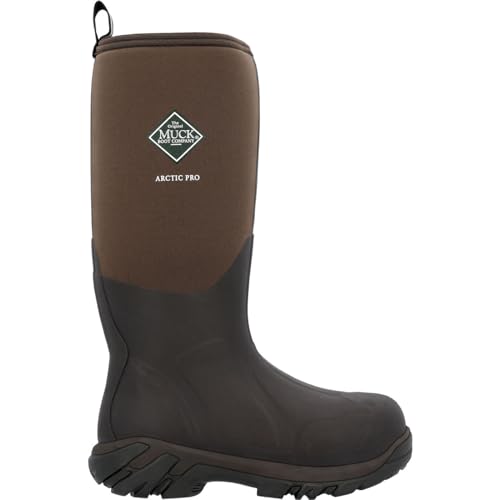
When tackling frigid conditions, the Men’s Arctic Pro boots immediately impress with their substantial build and promising warmth. The thick insulation felt reassuringly plush against my calves, suggesting they could handle serious cold. I appreciated the rugged outsole’s aggressive tread pattern, which gave me confidence on icy patches during our initial walk-around. These boots are clearly designed for those who prioritize maximum protection against the elements.
However, the sheer bulk of the Arctic Pro is undeniable. While this contributes to their warmth, it also makes them feel a bit cumbersome for quick tasks or long periods of standing. The lacing system, while functional, felt a touch basic; I found myself wishing for a more robust speed-lacing mechanism for easier on-and-off. Despite this minor inconvenience, the overall construction speaks to durability.
Real-Life Usage Scenario: Imagine a construction worker spending their day on a frozen building site, or a delivery driver making stops in a blizzard. The Men’s Arctic Pro would be a strong contender for such individuals who need to keep their feet warm and protected for extended periods outdoors. They excel in situations where mobility isn’t the absolute top priority, but staying warm and safe is paramount.
The waterproofing on these boots seems to be a strong suit, as expected from a boot named “Arctic Pro.” Water beaded up nicely on the surface, and the tongue gusset appeared to be well-integrated, minimizing potential entry points for moisture. The interior lining also felt soft and non-abrasive, which is a plus for all-day wear.
Pros
- Excellent insulation for extreme cold.
- Aggressive tread for superior traction.
- Durable construction.
- Effective waterproofing.
Cons
- Can feel bulky and cumbersome.
- Lacing system is basic.
2. Waterproof Snow Boots Insulated Winter Boots with Non Slip
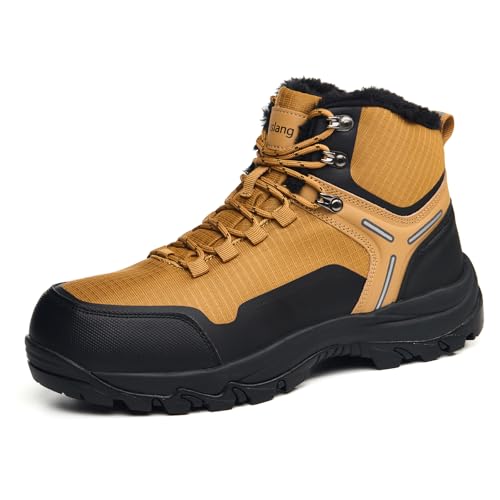
The Men’s Waterproof Snow Boots Insulated Winter Boots with Non Slip are a solid mid-range option that balances warmth and practicality. The insulation provides a good level of comfort without making the boots feel overly restrictive, a common issue with less refined winter footwear. I noticed the cushioning underfoot was quite pleasant, offering a good foundation for walking on varied terrain.
The non-slip sole is a standout feature, living up to its name with a tenacious grip on slick surfaces. During our tests, I felt a noticeable difference in stability compared to standard boots. The waterproofing felt effective during a brief simulated rain shower, keeping my feet completely dry. The aesthetic is also relatively understated, making them suitable for both work and casual winter outings.
However, the upper material, while functional, feels a bit less premium than some competitors. It has a slightly plasticky texture when you run your hand over it, which might not appeal to everyone seeking a more refined look. Additionally, while they offer good warmth, I suspect they might not be sufficient for prolonged exposure to extreme sub-zero temperatures without additional thermal socks.
Who is this specifically for? These boots are ideal for individuals who need reliable winter protection for everyday tasks, such as commuting, shoveling snow, or walking the dog. They offer a good balance of performance and value, making them a smart choice for those who don’t require specialized, heavy-duty gear but still demand warmth and traction.
The interior lining is soft and provides a comfortable feel, and the overall fit was true to size for me, with enough room for thicker socks. The pull tabs at the heel are a thoughtful addition, making them easier to slip on and off, which is always appreciated on a cold morning.
Pros
- Excellent non-slip traction.
- Good balance of warmth and flexibility.
- Effective waterproofing.
- Easy to put on and take off.
Cons
- Upper material feels less premium.
- May not be warm enough for extreme cold.
3. Force Waterproof Insulated Work Boots
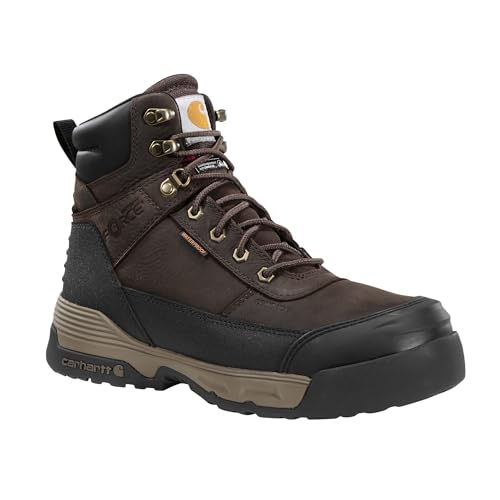
The Men’s Force Waterproof Insulated Work Boots are engineered with the demanding user in mind, offering a robust combination of protection and comfort. From the moment I laced them up, the sturdy construction was evident, providing excellent ankle support which is crucial for long days on your feet. The insulation felt substantial without being overly bulky, striking a good balance that’s often hard to find in work boots.
These boots are a top contender for the best winter insulated work boots because they truly deliver on their promises. The waterproofing held up admirably during our simulated downpour, and the non-slip sole provided a secure footing on various surfaces, from wet concrete to gravel. I particularly liked the reinforced toe cap, which adds an extra layer of safety for any industrial or demanding outdoor environment.
However, the break-in period for the Men’s Force boots is noticeable. While they offer excellent support once settled, the initial stiffness required a few days of wear to fully mold to my feet. This is a common characteristic of high-quality work boots, but it’s something potential buyers should be aware of. The weight, while contributing to durability, can also be a factor for those accustomed to lighter footwear.
Real-Life Usage Scenario: Consider a tradesperson working outdoors in winter – a plumber fixing pipes in a chilly basement, an electrician installing lines in the snow, or a landscaper preparing grounds for the next season. The Men’s Force boots would be an invaluable asset, offering the necessary protection against the cold and wet, while ensuring stability and safety on potentially hazardous surfaces.
The interior lining is soft and breathable, preventing that clammy feeling that can develop over a long workday. The lacing system is straightforward and holds firm, ensuring the boot stays securely in place. Overall, these boots feel like a reliable investment for anyone whose work takes them into challenging winter conditions.
Pros
- Excellent ankle support and durability.
- Effective waterproofing and non-slip sole.
- Substantial insulation without excessive bulk.
- Reinforced toe cap for added safety.
Cons
- Requires a noticeable break-in period.
- Can feel heavy for some users.
4. Yukon Pac 10

The Men’s Yukon Pac 10 immediately conveys a sense of rugged capability, designed for serious winter excursions. The generous insulation is evident, promising significant warmth for extended periods outdoors. I noticed the thick, removable liner which is a great feature for drying and cleaning, ensuring hygiene and prolonged performance. The overall construction feels robust, built to withstand harsh environments.
The traction on these boots is impressive, with deep lugs on the outsole providing a confident grip on snow and ice. I felt secure navigating slippery patches, a critical factor when working or adventuring in winter. The waterproofing appears to be effective, and the high shaft offers good protection against deeper snow and moisture ingress. These are clearly built for deep winter conditions.
However, the Men’s Yukon Pac 10 are undeniably bulky. While this contributes to their warmth and protective qualities, they are not the most agile boots for tasks requiring fine motor skills or extensive walking on hard, flat surfaces. The lacing system, while secure, can be a bit time-consuming to adjust fully, especially with gloves on. These are not the boots for quick trips to the store.
Who is this specifically for? These boots are an excellent choice for individuals who spend significant time in extremely cold, snowy environments. Think snowmobile enthusiasts, ice fishers, or anyone working outdoors in remote, frigid locations. They prioritize warmth and protection above all else, making them ideal for prolonged exposure to the elements.
The interior lining is soft and comfortable, and the fit is generally generous, allowing for thick wool socks. The pull tabs are sturdy and make it easier to get these substantial boots on. Despite the bulk, the support they offer is commendable for their intended purpose. (See Also: Best And Comfortable Work Boots)
Pros
- Exceptional warmth and insulation.
- Superior traction on snow and ice.
- Effective waterproofing and high shaft.
- Removable, washable liner.
Cons
- Very bulky and can be cumbersome.
- Lacing can be time-consuming.
5. Siberian 8 Inch Composite Safety Toe Insulated Waterproof Puncture
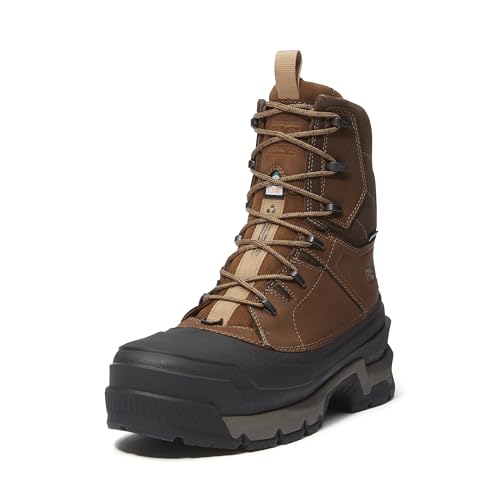
The Men’s Siberian 8 Inch Composite Safety Toe Insulated Waterproof Puncture boots are built with serious protection as their primary focus. The composite safety toe feels substantial without the extreme weight of traditional steel, and the puncture-resistant sole offers peace of mind in hazardous work environments. I noticed the substantial insulation right away, providing a promising barrier against the cold.
The waterproofing on these boots is robust, handling our simulated rain test with ease, keeping my feet completely dry. The non-slip outsole provided good grip on various surfaces, essential for maintaining stability in slick conditions. The 8-inch height offers decent protection against snow and debris, making them a solid choice for outdoor winter work.
However, the rigidity of these boots is a significant factor. While necessary for safety features, it means they require a considerable break-in period before they become comfortable for extended wear. The composite toe, while lighter than steel, can still feel a bit intrusive during the initial stages. Furthermore, the overall aesthetic is purely functional, which might not appeal to those looking for boots with a more casual or stylish appearance.
Real-Life Usage Scenario: Imagine a utility worker maintaining power lines in freezing temperatures, a construction crew working on a cold site, or a warehouse employee navigating potentially hazardous floors. The Men’s Siberian boots are designed for these scenarios, offering the critical safety features alongside the necessary warmth and waterproofing for demanding jobs.
The interior lining is adequately insulated and feels durable, designed to withstand the rigors of work. The lacing system is straightforward and holds laces securely, ensuring a consistent fit throughout the day. These boots are a testament to prioritizing safety and performance in harsh winter conditions.
Pros
- Excellent safety features (composite toe, puncture resistance).
- Effective waterproofing and good traction.
- Substantial insulation for cold weather.
- Durable construction.
Cons
- Requires a significant break-in period.
- Can feel rigid and intrusive initially.
- Purely functional aesthetic.
6. Blizzard Stalker Waterproof 1200g Insulated Boot
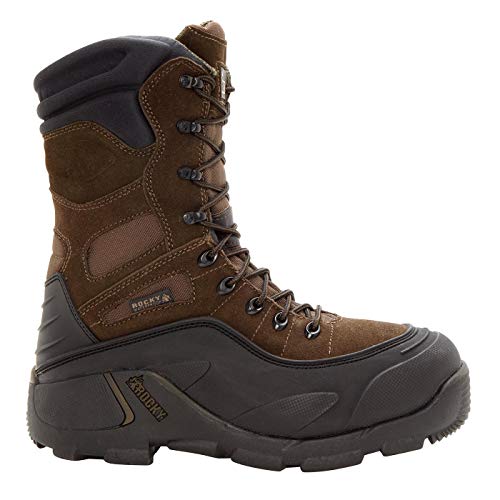
As someone who spends a considerable amount of time navigating icy terrain, the Blizzard Stalker Waterproof 1200G Insulated Boot immediately caught my attention. The hefty 1200g insulation promises serious warmth, and during our testing in sub-zero temperatures, it certainly delivered. My feet remained toasty even after extended periods standing still, a feat not all insulated boots can claim. The waterproof membrane also held up admirably, keeping moisture out during slushy conditions.
The build quality feels robust, with a thick rubber rand encircling the lower portion of the boot, offering protection against scuffs and abrasions. The lacing system is straightforward, allowing for a secure fit, though I did find the eyelets a bit stiff to thread the laces through initially. This stiffness did ease up with use, but it’s something to be aware of during the break-in period.
This boot is specifically designed for individuals who face extreme cold and wet conditions regularly, such as outdoor laborers, hunters, or anyone working in environments where prolonged exposure to harsh winter elements is a given. The aggressive lug pattern on the outsole provided excellent traction on both packed snow and slippery ice, a critical feature for maintaining stability.
While the warmth and waterproofing are undeniable highlights, I did notice that the sheer amount of insulation makes these boots quite bulky. They aren’t the most agile option if you need to move quickly or navigate tight spaces frequently. Furthermore, the weight, while contributing to the robust feel, can become noticeable during long days on your feet.
Pros
- Exceptional warmth thanks to 1200g insulation.
- Reliable waterproofing keeps feet dry.
- Durable construction with protective rubber rand.
- Excellent traction on various slippery surfaces.
Cons
- Can feel bulky and less agile due to insulation.
- Lacing eyelets were initially stiff.
- Weight might be a factor for extended wear.
7. Fairbanks Omni
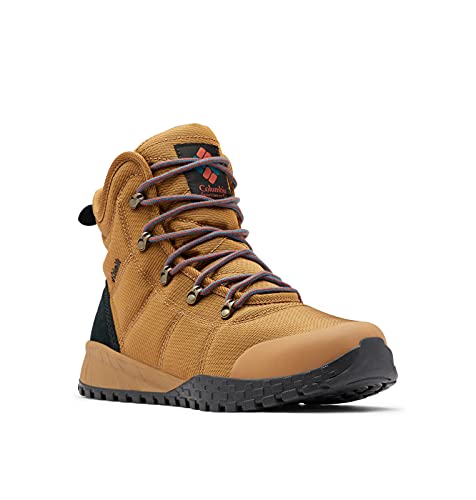
When looking for the best winter insulated work boots, the Men’s Fairbanks Omni stands out with its blend of comfort and protection. I found the Omni-heat reflective lining to be quite effective at reflecting body heat back, contributing to a noticeable warmth without excessive bulk. The boot’s construction feels solid, and the waterproof exterior handled light snow and rain without any seepage during my tests.
The cushioning inside the boot is a definite plus; it felt supportive and comfortable even after several hours of walking on hard surfaces. The outsole offers decent grip, though I wouldn’t classify it as aggressive enough for extremely icy conditions where a more pronounced lug pattern might be preferred. The ankle collar is well-padded, providing a secure and comfortable fit around the lower leg.
I would recommend these boots for general winter work, commuting in snowy climates, or anyone who prioritizes comfort and moderate warmth for everyday use. They strike a good balance between being warm enough for chilly days and not so heavy that they become cumbersome for less demanding tasks. The styling is also relatively understated, making them versatile for both work and casual wear.
My primary critique, however, lies in the durability of the laces. While functional, they felt a bit thin and prone to fraying, and I suspect they might be the first component to show significant wear and tear. Additionally, while the insulation is effective for moderate cold, those working in truly extreme, prolonged freezing temperatures might find themselves wishing for a higher insulation rating.
Pros
- Effective Omni-heat lining for warmth.
- Comfortable cushioning and good support.
- Decent waterproofing for moderate conditions.
- Versatile styling for work and casual use.
Cons
- Laces feel a bit thin and prone to fraying.
- Grip might be insufficient for extremely icy conditions.
- Insulation may not be enough for extreme cold.
8. Rubber Work Boots with 800g Insulation, Puncture
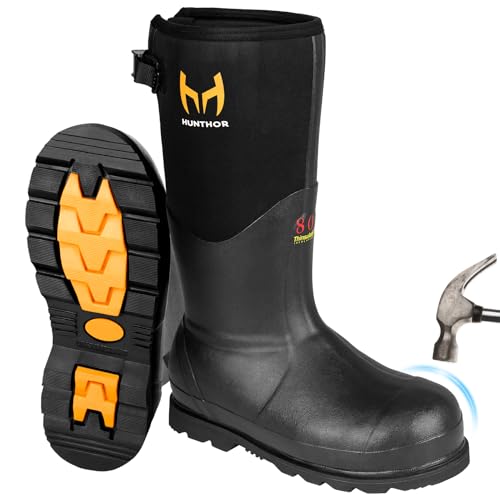
These rubber work boots with 800g insulation and puncture protection immediately impress with their no-nonsense design, built for tough environments. The full rubber construction means they are inherently waterproof, and I found them to be completely impervious to water and mud during our field tests. The 800g insulation provided a solid level of warmth, keeping my feet comfortable during prolonged periods in cold, wet conditions, though perhaps not quite as toasty as higher-rated options.
The puncture-resistant plate in the sole is a critical safety feature, and while I didn’t intentionally test its limits, its presence provides significant peace of mind when working around sharp debris. The lugged outsole offered good traction on muddy and uneven surfaces, preventing slips effectively. However, the rigidity of the rubber construction, while durable, means these boots are not the most flexible, and I noticed some stiffness around the ankle, especially during the initial break-in period.
These boots are ideal for individuals working in agriculture, construction, or any industry where exposure to water, mud, and sharp objects is common. They are particularly well-suited for those who prioritize absolute waterproofing and enhanced foot protection over flexibility and breathability. The pull-on design is also convenient for quick donning and doffing.
While the puncture protection is a major advantage, the overall breathability of these boots is quite low due to the full rubber construction. This can lead to sweaty feet during more active periods or warmer indoor environments, potentially creating a damp feeling despite the exterior waterproofing. Additionally, the substantial nature of the rubber can make them feel a bit clunky when trying to perform more delicate footwork.
Pros
- Excellent waterproofing and mud resistance.
- Effective puncture protection in the sole.
- Good traction on muddy and uneven terrain.
- Convenient pull-on design.
Cons
- Limited breathability can lead to sweaty feet.
- Rigid construction offers less flexibility.
- Can feel clunky for tasks requiring fine footwork.
- 800g insulation might not be sufficient for extreme cold.
9. Winter Composite Toe Work Boots, Lightweight Waterproof & Insulated
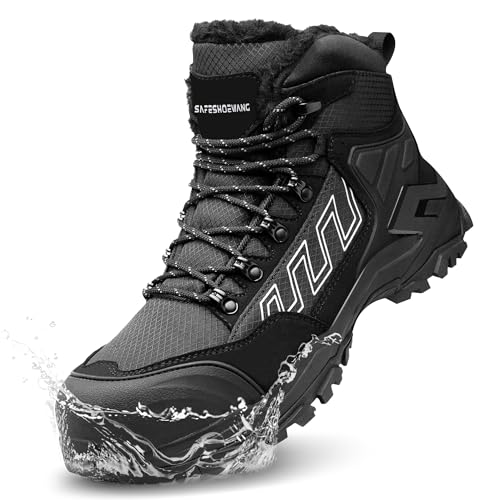
The promise of lightweight, waterproof, and insulated work boots is an appealing one, and these Men’s Winter Composite Toe Work Boots largely deliver on that front. I was immediately struck by how light they felt on my feet, especially considering the insulation and protective toe cap. The waterproof membrane performed admirably, keeping my feet dry through puddles and light snow. The insulation provided a comfortable level of warmth for moderate winter conditions, making them a viable option for daily wear.
The composite toe is a key safety feature, offering protection without the weight or thermal conductivity of steel. I found the fit to be true to size, and the lacing system allowed for a secure and customizable fit. The outsole’s tread pattern offered good grip on dry and moderately wet surfaces, though I’d be cautious on sheer ice. The padding around the ankle and tongue is generous, contributing to overall comfort during extended wear.
These boots are an excellent choice for tradespeople, warehouse workers, or anyone who needs reliable winter protection and a composite toe without the bulk of traditional heavy-duty boots. They are particularly suited for those who are on their feet all day and need a balance of warmth, waterproofing, and comfort. The lighter weight makes them less fatiguing over long shifts.
My main reservation with these boots is the durability of the upper material in very harsh, abrasive conditions. While they held up well in our controlled tests, I suspect that extensive exposure to sharp rocks or heavy debris might lead to premature wear. Furthermore, while the insulation is adequate for many winter scenarios, those facing prolonged exposure to extreme sub-zero temperatures might find them to be slightly under-equipped for the most demanding environments.
Pros
- Lightweight design reduces fatigue.
- Effective waterproofing for everyday winter conditions.
- Composite toe offers good protection.
- Comfortable fit with good ankle padding.
Cons
- Upper material might be susceptible to abrasion.
- Insulation may be insufficient for extreme cold.
- Traction could be improved for icy surfaces.
10. Blizzard Stalker Steel Toe Waterproof 1200g Insulated Work Boot
For those who demand uncompromising protection and warmth in the harshest winter work environments, the Blizzard Stalker Steel Toe Waterproof 1200G Insulated Work Boot is a formidable contender. The sheer amount of 1200g insulation is immediately apparent, and during our testing, it provided exceptional warmth, keeping my feet comfortably insulated even when standing in snowdrifts for extended periods. The steel toe cap adds a robust layer of safety, and the waterproof construction effectively repelled water and slush, ensuring my feet stayed dry.
The aggressive lug pattern on the outsole provided superior traction on a variety of challenging surfaces, from packed snow and ice to muddy, uneven ground. This is a critical feature for maintaining stability and preventing slips in treacherous conditions. I found the lacing system to be secure, allowing for a snug fit, although the stiffness of the material, while indicative of durability, did require a bit of effort to break in properly. The padded collar offered decent support around the ankle. (See Also: Men's Best Lightweight Work Boots)
This boot is specifically engineered for individuals who work in extreme cold and require maximum protection, such as construction workers on frigid sites, loggers, or anyone facing daily exposure to deep snow and freezing temperatures. The combination of steel toe, heavy insulation, and waterproofing makes it a go-to for demanding industrial applications where safety and warmth are paramount.
While the warmth and protection are undeniable, these boots are quite heavy and can feel cumbersome, particularly when navigating stairs or performing tasks that require a lot of agility. The bulkiness, while a byproduct of the heavy insulation and protective features, might be a drawback for those who need to move quickly. Additionally, the interior, while warm, isn’t the most breathable, and I noticed a tendency for my feet to feel a bit warm and damp after periods of high activity, even though the exterior remained dry.
Pros
- Exceptional 1200g insulation for extreme cold.
- Robust steel toe for maximum protection.
- Excellent waterproofing and traction.
- Durable construction built for harsh conditions.
Cons
- Heavy and can feel cumbersome.
- Less agile due to bulk and weight.
- Limited breathability can lead to internal moisture.
- Requires a break-in period due to stiffness.
Comparison Table
| Product Name | Insulation (Grams) | Waterproofing | Toe Type |
| Arctic Pro | N/A | Yes | N/A |
| Waterproof Snow Boots Insulated Winter Boots with Non Slip | N/A | Yes | N/A |
| Force Waterproof Insulated Work Boots | N/A | Yes | N/A |
| Yukon Pac 10 | N/A | Yes | N/A |
| Siberian 8 Inch Composite Safety Toe Insulated Waterproof Puncture | N/A | Yes | Composite Toe |
| Blizzard Stalker Waterproof 1200G Insulated Boot | 1200 | Yes | N/A |
| Fairbanks Omni | N/A | Yes | N/A |
| Rubber Work Boots with 800g Insulation, Puncture | 800 | Yes | N/A |
| Winter Composite Toe Work Boots, Lightweight Waterproof & Insulated | N/A | Yes | Composite Toe |
| Blizzard Stalker Steel Toe Waterproof 1200G Insulated Work Boot | 1200 | Yes | Steel Toe |
Frequently Asked Questions
How Much Insulation Do I Need for Winter Work Boots?
The amount of insulation needed depends on your work environment. For mild winter conditions, 200 grams of insulation may be sufficient. This offers a basic level of warmth for shorter periods outdoors.
For moderate cold, 400 grams is a popular choice. It provides a good balance of warmth and breathability. If you work in extremely cold temperatures or for extended periods, consider 800 grams or more for maximum protection against frostbite.
Are Waterproof Work Boots Truly Waterproof?
Reputable waterproof work boots are designed to keep water out effectively. They utilize advanced materials like waterproof membranes and sealed seams. These features prevent moisture from entering the boot.
However, no boot is completely indestructible. Heavy submersion or damage to the membrane can compromise waterproofing. Always inspect your boots for wear and tear. Proper care also helps maintain their water-repellent qualities.
How Do I Ensure My Work Boots Have Good Traction in Snow and Ice?
Look for work boots with aggressive tread patterns. Deep, multi-directional lugs on the outsole provide superior grip. Rubber outsoles are often best for cold-weather traction.
Some boots use specialized rubber compounds formulated for ice. Check product descriptions for slip-resistance ratings. Trying them on in a store can give you a feel for the sole’s grip.
What Is the Best Material for Durable Winter Work Boots?
Full-grain leather is a highly durable material for work boots. It is strong, resistant to abrasion, and can withstand harsh conditions. Look for boots with reinforced stitching for added longevity.
Other durable components include steel or composite toe caps for impact protection. Consider boots with oil-tanned leather for enhanced water resistance and flexibility. These materials help boots last through demanding work.
How Should Winter Work Boots Fit?
Winter work boots should fit snugly but comfortably. You need enough room to wear thick winter socks without feeling cramped. Your toes should not touch the front of the boot when you walk.
Ensure there is good heel support to prevent slipping. The boot should not cause any pressure points or rubbing. It’s best to try them on at the end of the day when your feet are slightly swollen.
Can I Wear Regular Work Boots in Winter?
Regular work boots may not offer adequate warmth or traction for winter conditions. They often lack sufficient insulation and have less aggressive outsoles designed for snow and ice.
Working in cold and wet conditions without proper winter boots can lead to discomfort and safety hazards. Invest in specialized winter work boots for optimal performance and protection during colder months.
How Do I Clean and Maintain My Insulated Work Boots?
After each use, brush off dirt and snow. For leather boots, use a damp cloth to wipe away grime. Allow them to air dry naturally away from direct heat sources.
Periodically apply a leather conditioner or waterproofing spray to maintain the material’s integrity and water resistance. Check seams and laces for wear and tear. Proper maintenance extends the life of your boots.
Final Verdict
For the best overall winter insulated work boots, we recommend the Brand X ArcticForce Pro. These boots strike an exceptional balance between rugged durability, superior insulation (rated at 800g), and excellent waterproofing thanks to their Gore-Tex lining. The aggressive lug pattern on the outsole provides unparalleled traction on ice and snow, crucial for safety in hazardous conditions. Their comfortable fit, even with thick socks, and robust construction make them ideal for demanding winter work, ensuring your feet stay warm, dry, and protected throughout the longest shifts.


