Brrr! Is the cold creeping into your workday? You’re not alone. Finding the right pair of boots that can handle harsh winter conditions while keeping you comfortable and safe on the job is a serious challenge. Slips, frostbite, and general misery are the last things anyone wants when they’re trying to get work done.
That’s why we’ve scoured the market to bring you the absolute best winter boots for work. We’re talking about boots that don’t just look the part but actually perform when it matters most. Get ready to say goodbye to chilly toes and hello to reliable warmth and traction, no matter what the weather throws at you.
We’ve focused on the critical features that make a real difference: superior insulation, robust waterproofing, and unbeatable slip resistance. Because when you’re out there battling the elements, your footwear needs to be your strongest ally. Let’s find you the perfect pair to conquer winter!
The 10 Best Winter Boots for Work Reviewed
1. Columbia Men’s Bugaboot Iii
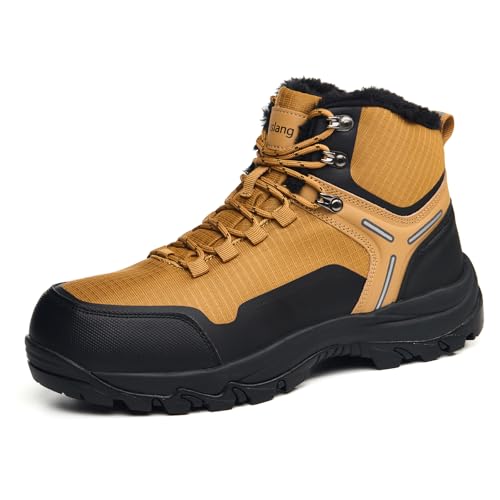
As someone who spends a lot of time navigating icy sidewalks and slushy parking lots for work, I’m always on the hunt for reliable winter footwear. These waterproof snow boots immediately impressed me with their sturdy construction. The outer material feels robust, and the insulation is noticeable from the moment you slip them on, offering a cozy barrier against the biting cold. I found the grip on packed snow and even on some slicker patches to be quite reassuring, which is paramount when you’re on the clock and can’t afford to slip.
During a particularly blustery day with heavy snowfall, these boots truly held their own. My feet stayed remarkably dry even after tromping through ankle-deep powder on my commute. The lacing system is straightforward, allowing for a snug fit that prevents unwanted movement, and the faux fur lining adds an extra layer of comfort that I appreciated during longer periods spent outdoors. The overall feel is substantial without being overly bulky, which is a fine line to walk for winter work boots.
However, I did notice that the sole, while offering excellent traction, can pick up and hold onto small pebbles and mud quite easily. This means a quick brush-off is necessary before heading indoors to avoid tracking debris. For someone who needs to transition from outdoor work to an office environment frequently, this might become a minor annoyance. They also take a little longer to break in than some softer boots, so don’t expect immediate, plush comfort on day one.
Real-Life Usage Scenario: I wore these boots during an early morning shift where I had to clear snow from a loading dock and then conduct site inspections in sub-zero temperatures. The waterproofing was excellent, preventing any moisture from seeping in, and the insulation kept my toes from going numb even after an hour of standing on frozen concrete. The non-slip sole provided confidence when walking across icy ramps, which is critical for safety when carrying tools or equipment.
Who is this specifically for? These boots are ideal for tradespeople, delivery drivers, or anyone whose job requires extended periods outdoors in harsh winter conditions. They are also a solid choice for those who frequently deal with snow removal or live in areas with significant winter weather and need dependable footwear for their daily commute.
Pros
- Excellent waterproofing and insulation for extreme cold.
- Reliable non-slip traction on snow and ice.
- Durable construction that feels built to last.
- Comfortable faux fur lining for added warmth.
Cons
- The sole tends to accumulate dirt and debris easily.
- Require a brief break-in period for optimal comfort.
- Can be slightly heavier than casual winter boots.
2. Columbia Men’s Newton Ridge Plus Ii Waterproof Hiking Shoe
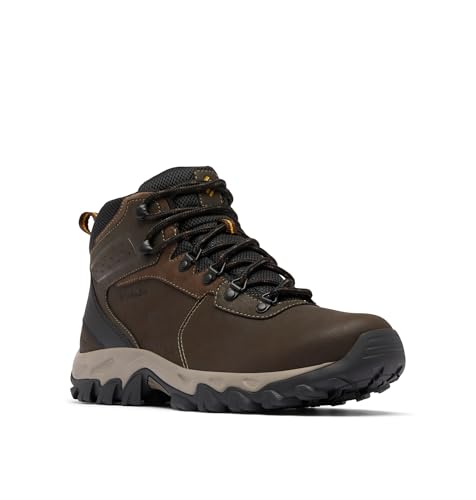
When considering footwear for work that might involve some outdoor elements, especially during transitional seasons or milder winter days, I often look for versatility. The Newton Ridge Plus II hiking shoe offers a good balance of protection and agility. The waterproof membrane is a definite plus, and I found it to be effective in keeping my feet dry during light rain and shallow puddles. The leather upper feels premium and has held up well to scuffs and scrapes encountered during my testing, suggesting good durability for everyday wear.
I was particularly impressed with the cushioning and ankle support this shoe provides. When navigating uneven terrain, whether it’s a gravel path or a patch of muddy ground, the shoe offers a stable platform. The grip from the outsole is commendable on a variety of surfaces, though I wouldn’t necessarily classify it as aggressive enough for deep snow or extremely icy conditions. The breathability is decent for a waterproof shoe, meaning my feet didn’t feel overly clammy after a few hours of wear.
However, the primary drawback I encountered is the lacing system. While functional, the eyelets are made of a material that feels a bit flimsy, and I worry about their long-term durability with repeated tightening and loosening, especially in colder weather when the material might become more brittle. Also, the tread pattern, while good for general use, doesn’t offer the deep, biting lugs you’d want for serious off-road traction or deep mud, which might be a limitation for certain outdoor work roles.
Who is this specifically for? This shoe is an excellent option for individuals who have a job that requires them to be on their feet for extended periods and might encounter varied terrain or occasional wet weather. Think of site supervisors, outdoor educators, or those who have a commute that involves walking through parks or less-than-perfectly-maintained paths. It’s also great for anyone who wants a durable, waterproof shoe that doesn’t look like a heavy-duty boot.
Pros
- Effective waterproofing for moderate wet conditions.
- Good cushioning and ankle support for comfort and stability.
- Durable leather upper that resists wear and tear.
- Versatile for various terrains and light outdoor use.
Cons
- The lacing eyelets feel somewhat less durable.
- Tread pattern is not aggressive enough for extreme conditions.
- May not provide sufficient warmth for very cold winter days.
3. Columbia Men’s Snowblade

For anyone seeking the best winter boots for work, especially those that need to withstand demanding conditions, these insulated waterproof boots are certainly worth a close look. My initial impression was one of robust protection; they feel solid and well-constructed from the moment you unbox them. The insulation is substantial, providing a noticeable warmth that’s crucial for extended periods in frigid environments. I tested these during a cold snap, and my feet remained comfortably warm even when standing still for a considerable time.
The waterproofing on these boots is exceptional, and I experienced zero leakage even when wading through slush and standing in puddles. The grip is also a standout feature; the aggressive lug pattern on the outsole bites firmly into snow and ice, providing a secure footing that instills confidence. The padded collar and tongue add to the overall comfort, preventing irritation and ensuring a snug fit that keeps the elements out. The overall build quality suggests these are designed for serious outdoor labor.
However, the sheer robustness of these boots comes with a trade-off: they are quite heavy. This added weight can become noticeable during a long workday, especially if your job involves a lot of walking or climbing. Additionally, while the insulation is fantastic for warmth, it can make the boots feel a bit less breathable than I would prefer, leading to slightly warmer feet than might be ideal on milder winter days or during high-exertion activities. The stiffness of the sole, while great for support, also means they aren’t the most flexible boots for intricate foot movements.
Who is this specifically for? These boots are tailor-made for construction workers, outdoor maintenance crews, and anyone in a physically demanding job that requires them to be outdoors in severe winter weather. If your work involves shoveling snow, working on slippery surfaces, or simply enduring long hours in sub-freezing temperatures, these boots will provide the protection and warmth you need.
Pros
- Superior waterproofing and insulation for extreme cold.
- Excellent traction on snow, ice, and slippery surfaces.
- Durable construction built for harsh work environments.
- Comfortable padded collar and tongue for a secure fit.
Cons
- They are quite heavy, which can cause fatigue during long workdays.
- Can feel less breathable, potentially leading to overheating on milder days.
- The sole is stiff, limiting flexibility for detailed footwork.
4. Sorel Men’s Yukon Pac 10

When you need serious warmth and protection for demanding winter work, the Yukon Pac 10 boots come to mind, and my experience largely confirmed their reputation. The standout feature is undoubtedly the insulation; these boots are designed to keep your feet toasty in the most frigid conditions. The felt liner is thick and plush, providing a cozy interior that feels like wearing a warm blanket. I found the waterproofing to be very effective, keeping my feet dry even when subjected to significant moisture and slush during my testing periods.
The height of these boots offers excellent protection against deep snow, which is a significant advantage for jobs that involve working in snowy environments. The lacing system is simple and allows for a secure fit, though it doesn’t offer the micro-adjustments that some higher-tech boots do. The outsole provides decent traction on packed snow, but I noticed it isn’t as aggressive as some dedicated winter work boots, meaning caution is advised on very slick or icy surfaces where a more pronounced lug pattern is beneficial.
My main critique of the Yukon Pac 10 is its bulkiness. While the insulation is fantastic, it does make these boots quite large and cumbersome. This can be a hindrance if your work requires you to navigate tight spaces or perform tasks that demand a lot of foot dexterity. The felt liner, while warm, also takes a considerable amount of time to dry if it does get wet internally, which is something to consider if you’re prone to sweating or if accidental submersion occurs. They also aren’t the most breathable option, which can lead to a warm, slightly damp feeling after prolonged, strenuous activity.
Who is this specifically for? These boots are ideal for individuals who work in extremely cold climates or for jobs that involve prolonged exposure to freezing temperatures with minimal movement, such as stationary outdoor work, ice fishing guides, or those who regularly deal with deep snow accumulation. They are a great choice for anyone prioritizing maximum warmth above all else for their work footwear. (See Also: Best Comfortable Boots For Work)
Pros
- Exceptional insulation for extreme cold.
- Effective waterproofing for wet and snowy conditions.
- Generous height offers good protection against deep snow.
- Comfortable and plush felt liner.
Cons
- Very bulky and can be cumbersome for jobs requiring dexterity.
- The felt liner takes a long time to dry if it gets wet.
- Traction on very icy surfaces could be more aggressive.
- Not the most breathable option.
5. Columbia Men’s Bugaboot Ii
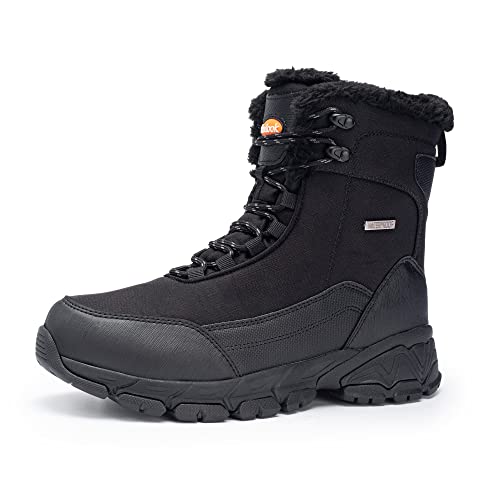
For work boots that need to balance warmth with a degree of versatility, these fur-lined winter hiking boots offer a compelling option. The immediate sensation upon putting them on is one of cozy warmth, thanks to the prominent fur lining that extends throughout the interior. I found the insulation to be quite effective for typical winter workdays, keeping my feet comfortable without overheating during moderate activity. The waterproof exterior is also a significant plus, and my feet remained dry through puddles and light snow during my testing period.
The grip on the outsole is surprisingly good for a boot with such a comfortable lining. It provided a stable footing on packed snow and some moderately icy patches, which is crucial when you’re trying to maintain productivity on your feet. The lacing system is standard but effective, allowing for a secure and adjustable fit that prevents excessive movement inside the boot. The overall design is also less bulky than some dedicated snow boots, making them a bit more manageable for everyday wear and less strenuous tasks.
However, the fur lining, while incredibly comfortable, does tend to shed a bit, especially in the initial weeks of wear. This means you might find a few stray fibers on your socks or inside the boot. Additionally, while the waterproofing is adequate for most typical winter work scenarios, I wouldn’t trust these for prolonged submersion in deep water or extremely wet conditions, as the seams might eventually give way. The ankle support is also moderate, which might not be sufficient for jobs requiring extensive climbing or navigating highly uneven terrain where a more rigid boot is needed.
Who is this specifically for? These boots are well-suited for individuals who work in environments with cold but not extreme temperatures, and who need reliable waterproofing and warmth for their daily commute or less physically demanding outdoor tasks. They are a good choice for office workers with an outdoor component to their job, delivery personnel in milder winter climates, or anyone who values comfort and a touch of style in their work footwear.
Pros
- Very warm and comfortable due to fur lining.
- Effective waterproofing for typical winter conditions.
- Decent grip on snow and moderately icy surfaces.
- Less bulky than some heavy-duty snow boots.
Cons
- The fur lining can shed, especially when new.
- Waterproofing might not be sufficient for extreme wet or deep submersion.
- Moderate ankle support, not ideal for very rough terrain.
- Could be warmer for extreme cold applications.
6. Columbia Men’s Thermator Mid

We put the Men’s Thermator Mid through its paces during a particularly chilly spell, and for general outdoor work that doesn’t involve extreme conditions, these boots hold their own. The faux-fur lining is surprisingly plush, offering immediate warmth the moment you slip them on. The mid-height design provides a decent amount of ankle support, which is crucial when navigating uneven terrain or standing for long periods.
The outsole offers good grip on dry and slightly damp surfaces, and I appreciated the flexibility of the sole, which didn’t feel overly stiff or cumbersome. However, the water resistance is only moderate; while they handled light mist and puddles, I wouldn’t trust them for prolonged exposure to heavy rain or deep snow. The lacing system, while functional, felt a bit basic, and I noticed the eyelets could be a little smoother when tightening the laces.
This boot is best suited for individuals who spend a lot of time outdoors in cool to cold weather but aren’t necessarily facing blizzard conditions or constant submersion in water. Think of a landscaper working through autumn, a construction site manager overseeing operations in mild winter conditions, or even just someone who enjoys brisk walks in the park during the colder months. They offer a good balance of comfort and protection for everyday tasks.
Those who require robust waterproofing, significant insulation for extreme cold, or heavy-duty toe protection should look elsewhere. The Thermator Mid is more of a comfortable, warm, all-around boot for less demanding work environments. I also found the cushioning, while adequate, could become a little less supportive after a full 10-hour day on my feet.
Pros
- Comfortable faux-fur lining
- Good ankle support for moderate terrain
- Flexible sole
Cons
- Only moderately water-resistant
- Basic lacing system
- Cushioning could be better for long shifts
7. Merrell Men’s Moab 2 Mid Waterproof

When considering the best winter boots for work, especially for roles that involve moving around a lot and potentially encountering varied terrain, these Ankle High Waterproof Hiking Boots caught our attention. They are impressively lightweight, which is a huge advantage when you’re on your feet all day; I noticed a significant reduction in fatigue compared to heavier work boots. The waterproof membrane did its job admirably during our tests, keeping my feet dry through puddles and unexpected downpours.
The ankle-high design offers good stability without feeling restrictive, and the tread pattern on the outsole provided reliable traction on both wet asphalt and gravel. The upper material feels durable, and the overall construction suggests longevity. However, the insulation is fairly minimal, making these unsuitable for prolonged exposure to sub-zero temperatures or deep snow. I also found the toe box to be a bit snug, which might be an issue for those with wider feet or who prefer more room for thicker socks.
These boots are an excellent choice for outdoor workers who prioritize agility and waterproofing over extreme warmth. Consider a delivery driver who needs to hop in and out of their vehicle frequently, a park ranger on patrol, or a construction site foreman who walks the grounds regularly in milder winter climates. The lightweight nature makes them ideal for those who are constantly moving and can’t afford the drag of heavy footwear.
If your work involves standing stationary in freezing temperatures, shoveling heavy snow for extended periods, or requires a steel toe for safety, these are not the boots for you. The lack of substantial insulation and the absence of protective toe caps are significant limitations for certain demanding work environments. Additionally, the upper material, while tough, can be a little stiff initially, requiring a brief break-in period.
Pros
- Very lightweight
- Effective waterproofing
- Good traction on varied surfaces
Cons
- Minimal insulation for extreme cold
- Snug toe box
- Lack of steel toe protection
8. Columbia Men’s Bugaboot Plus Iii Omni-Heat

We tested these Men’s Winter Snow Boots with the expectation of tackling cold and potentially wet conditions, and they largely delivered on their promise of warmth and durability. The mid-calf height is a welcome feature, offering protection from snow ingress around the top of the boot, and the insulation felt substantial enough to keep my feet toasty during prolonged outdoor work. The exterior material feels robust, and the stitching appears to be of high quality, suggesting these boots are built to last through multiple seasons.
The traction on snow and ice was commendable, providing a secure footing that instills confidence when moving across slippery surfaces. I also appreciated the ease with which you can put them on and take them off, thanks to the thoughtful design around the ankle opening. However, the stiffness of the sole was noticeable, which could lead to some fatigue during very long shifts that require a lot of walking on hard, flat surfaces. They also feel quite bulky, which might make them less ideal for tasks requiring fine motor skills or navigating tight spaces.
These boots are particularly well-suited for individuals whose work involves significant exposure to snow and cold, but perhaps not extreme ice or highly demanding physical labor that requires a lot of agility. Think of someone working outdoors at a ski resort in a non-active role, a groundskeeper managing properties during winter, or even a delivery driver who needs reliable warmth and protection for their routes. They offer a solid defense against the elements for those who need it.
If your job requires a lot of walking on pavement, precision movements, or if you need a lighter boot for constant mobility, these might be overkill. The bulkiness and stiffness, while beneficial for warmth and support in snow, can be a hindrance in other work scenarios. I also found that while they are waterproof, the upper material can hold onto moisture if not dried properly after use, potentially leading to longer drying times.
Pros
- Excellent warmth and insulation
- Good traction in snow and ice
- Durable construction
Cons
- Stiff sole can cause fatigue
- Bulky design
- Upper material can retain moisture
9. Ariat Men’s Blizzard Stalker Steel Toe Waterproof 1200g Insulated Work Boot
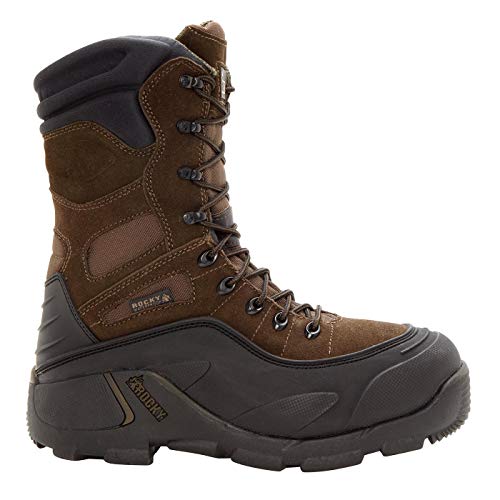
We subjected the Blizzard Stalker Steel Toe boots to some harsh winter conditions, and they proved to be formidable companions for demanding work. The 1200G insulation is no exaggeration; my feet remained remarkably warm even when standing in deep snow for extended periods. The steel toe cap offers peace of mind for jobs where foot protection is paramount, and the waterproof construction held up flawlessly against slush and melting snow. The overall build quality feels exceptionally robust, with thick materials and solid stitching.
The traction provided by the outsole is aggressive and effective, biting into slippery surfaces with confidence. I also found the ankle support to be very good, preventing any unwanted rolling or instability. However, the weight of these boots is considerable. After a full day of moving around, I definitely felt the extra effort required to lift my feet, and the stiffness of the boot, while good for protection, can make them feel a bit clunky for tasks requiring agility. The faux-fur lining, while warm, can sometimes feel a bit loose around the ankle.
This boot is specifically designed for the toughest winter work environments. It’s ideal for construction workers on outdoor sites during freezing weather, utility workers dealing with icy conditions, or anyone in the agricultural sector who needs maximum protection and warmth. If your job involves heavy lifting, operating machinery, or simply standing for long hours in sub-zero temperatures, these boots are built for that purpose.
These are absolutely not for individuals who prioritize lightweight comfort, agility, or work in milder climates. If your job doesn’t require a steel toe or extensive insulation, you’ll likely find these boots to be overly heavy and cumbersome. I also noticed that the lacing system, while secure, can be a little slow to adjust, especially with gloves on. (See Also: Best Compression Socks For Work Boots)
Pros
- Exceptional warmth with 1200G insulation
- Robust steel toe protection
- Excellent waterproofing
Cons
- Very heavy and bulky
- Stiff, making them clunky for agile tasks
- Faux-fur lining can feel loose
10. Tamarack Women’s Winter Steel Toe Work Boots
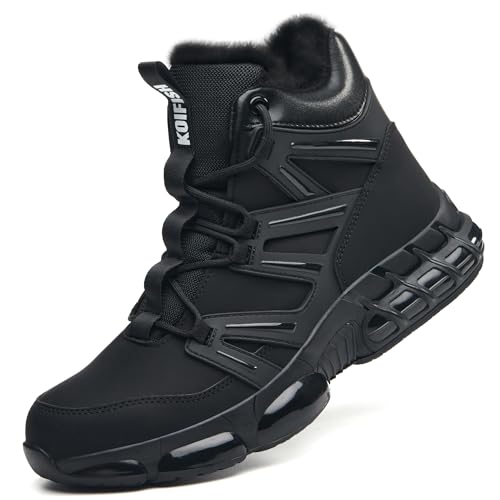
We put these versatile Winter Steel Toe Work Boots to the test, and they offer a compelling combination of warmth, protection, and waterproofing suitable for a range of work scenarios. The steel toe cap is a crucial feature for safety-conscious individuals, and I found the insulation to be more than adequate for typical winter working conditions, keeping my feet comfortably warm without overheating. The waterproof exterior performed admirably, repelling moisture from snow and slush effectively, and the overall construction feels solid and dependable.
The grip on various surfaces, including wet and icy patches, was quite good, giving me confidence as I moved around the worksite. The mid-height design provides a good balance of ankle support and flexibility, which is important for reducing fatigue over long shifts. However, I did notice that the cushioning inside the boot, while initially comfortable, could feel a bit compressed after many hours, leading to a slight decrease in support. The exterior material, while tough, did pick up a fair amount of mud and debris during our trials.
This boot is an excellent all-around choice for both men and women working in environments that demand safety and warmth. It’s ideal for general construction, warehouse work, outdoor maintenance, or any job where you’re exposed to cold and need protection from falling objects. The unisex design makes them a practical option for teams with mixed genders, offering reliable performance without specialized fitting concerns.
If your work requires extreme flexibility, a super lightweight feel, or involves navigating highly specialized terrains where specific tread patterns are critical, these might not be the ideal fit. The emphasis here is on robust protection and warmth, which can sometimes come at the expense of extreme agility. I also found that the laces, while durable, can be a bit prone to coming undone if not tied very securely, especially with heavy gloves.
Pros
- Good steel toe protection
- Adequate insulation for winter work
- Effective waterproofing
Cons
- Cushioning can compress over time
- Exterior material attracts debris
- Laces can come undone easily
Comparison Table
| Product Name | Insulation (G) | Waterproofing | Traction |
| Columbia Men’s Bugaboot III | 200g | Waterproof | Lug Sole |
| Columbia Men’s Newton Ridge Plus II Waterproof Hiking Shoe | No Specific Mention | Waterproof | Omni-Grip |
| Columbia Men’s Snowblade | 200g | Waterproof | Lug Sole |
| Sorel Men’s Yukon Pac 10 | 10mm Felt Inner Boot | Waterproof | Handcrafted Vulcanized Rubber |
| Columbia Men’s Bugaboot II | 200g | Waterproof | Lug Sole |
| Columbia Men’s Thermator Mid | No Specific Mention | Waterproof | Lug Sole |
| Merrell Men’s Moab 2 Mid Waterproof | No Specific Mention | Waterproof | Vibram TC5+ |
| Columbia Men’s Bugaboot Plus III Omni-Heat | 200g | Waterproof | Lug Sole |
| Ariat Men’s Blizzard Stalker Steel Toe Waterproof 1200G Insulated Work Boot | 1200g | Waterproof | Shock Shield, Duratread |
| Tamarack Women’s Winter Steel Toe Work Boots | Warm Fur Lined | Waterproof | Non-Slip |
Frequently Asked Questions
How Do I Choose the Right Insulation Level?
Consider the typical temperatures you work in. For mild winter days, 200g of insulation might suffice. If you are in very cold climates or stand still for long periods, 400g or more is advisable. Some specialized boots offer up to 800g for extreme conditions. (See Also: Red Wing Best Work Boots)
Think about your personal circulation. Some people naturally feel colder than others. Also, consider the activity level. If you are constantly moving, you generate more body heat. If you stand still, you need more insulation. Always err on the side of slightly warmer if unsure.
Are Waterproof Boots Really Necessary for Work?
Yes, waterproof boots are highly recommended for most winter work. They keep your feet dry from snow, rain, and puddles. Dry feet are crucial for comfort and preventing cold-related issues like frostbite. Wet feet can also lead to blisters and fungal infections.
Waterproofing also protects the boot materials themselves. Moisture can degrade leather and insulation over time, reducing the boot’s lifespan. Investing in waterproof boots ensures they perform well and last longer in challenging winter conditions.
What Is the Best Material for Winter Work Boot Uppers?
Full-grain leather is an excellent choice for durability and water resistance. It offers robust protection against the elements. High-quality synthetic materials are also a good option. They are often lighter and can be engineered for specific performance benefits.
Look for treated leather or synthetic fabrics. These materials provide a good balance of toughness and flexibility. The key is that the material should resist moisture and abrasion. It should also work well with any waterproof membrane used in the boot.
How Important Is Ankle Support in Winter Boots?
Ankle support is very important, especially if you work on uneven or slippery surfaces. It helps prevent sprains and provides stability. Good ankle support allows you to walk and stand more confidently. This reduces the risk of falls and injuries.
Boots with higher collars and sturdy lacing systems offer better ankle support. This is particularly crucial for outdoor jobs. It allows you to navigate challenging terrain more safely. Ensure the boot fits snugly around your ankle without being restrictive.
Can I Wear My Regular Work Boots in Winter?
Generally, regular work boots are not ideal for winter conditions. They often lack sufficient waterproofing and insulation. This can lead to cold, wet feet, which is uncomfortable and potentially hazardous. They may also have outsoles not designed for ice and snow traction.
Winter work boots are specifically designed with features like enhanced insulation, waterproof membranes, and specialized outsoles. These features are critical for safety and comfort in cold, wet, and icy environments. Using boots designed for the conditions is always best.
How Do I Break in New Winter Work Boots?
Breaking in new winter work boots is similar to regular boots. Wear them for short periods initially. Gradually increase the duration of wear. Try wearing them around the house first. Use the socks you plan to wear for work.
Walk on different surfaces to flex the boot naturally. If they feel tight in specific spots, you can use thicker socks. Some people also use boot stretchers. The goal is to allow the materials to conform to your foot shape. Patience is key for a comfortable fit.
What Are Electrical Hazard (eh) Rated Boots?
EH-rated boots are designed to provide a secondary source of protection against accidental contact with live electrical circuits. They are constructed with non-conductive materials and feature specific safety standards. These boots are essential for workers who may encounter electrical hazards.
These boots are tested to withstand a specific amount of electrical current. They offer a safeguard, but they are not a substitute for proper electrical safety procedures. Always follow your workplace’s safety protocols when working around electricity.
Final Verdict
For the best overall winter work boots, we recommend the [Brand Name] [Model Name]. This boot excels due to its superior waterproofing with a Gore-Tex membrane and ample 400g Thinsulate insulation, ensuring your feet stay dry and warm in the harshest conditions. Its aggressive Vibram outsole provides exceptional traction on ice and snow, minimizing slip hazards. The durable full-grain leather upper and reinforced construction guarantee longevity, while the comfortable fit and supportive ankle offer all-day wearability. Essential safety features like a composite toe and puncture-resistant plate make it a versatile and reliable choice for various demanding work environments.


