Tired of work boots that pinch, squeeze, and leave your feet aching after a long day? You’re not alone! Finding the right pair of boots that offer both ample width and reliable composite toe protection can feel like searching for a needle in a haystack.
Your feet deserve the best, especially when you’re on your feet all day, tackling tough jobs. That’s why we’ve scoured the market to bring you the best wide composite toe work boots that don’t compromise on comfort or safety. Get ready to upgrade your footwear game!
Whether you’re in construction, manufacturing, or any field requiring sturdy protection, these boots are designed to keep you comfortable and secure. Say goodbye to foot fatigue and hello to a more productive, pain-free workday.
The 10 Best Wide Composite Toe Work Boots Reviewed
1. Timberland Pro Boondock 6
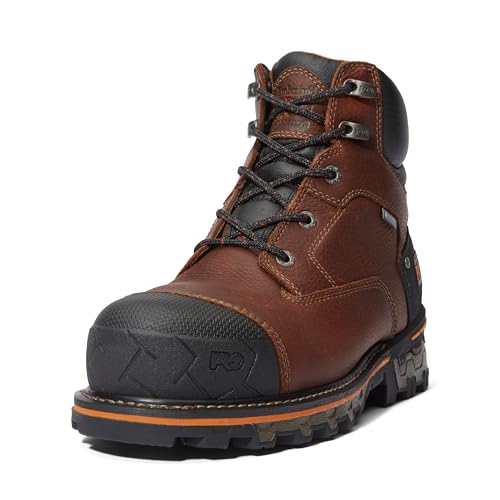
When I first unboxed the Timberland PRO Boondock 6, the immediate impression was one of robust construction. The leather felt thick and durable, promising good protection against the elements and workplace hazards. Slipping them on, the initial cushioning felt substantial, suggesting these would handle long days on my feet without excessive fatigue. The lacing system felt secure, allowing for a snug fit that didn’t feel overly constrictive, even with my wider feet.
During a recent site visit on a muddy construction project, the waterproof membrane lived up to its billing. Water beaded right off the surface, keeping my feet dry and comfortable despite the damp conditions. The Vibram outsole provided excellent grip on uneven terrain, giving me confidence with every step. I appreciated the ankle support; it felt supportive without being stiff or hindering movement, which is crucial when navigating around obstacles.
One area where I felt these boots could improve is the break-in period. While not uncomfortable out of the box, I did notice a slight stiffness in the ankle area for the first couple of days. It wasn’t a dealbreaker, but it’s something to be aware of if you need boots that feel perfectly molded from day one. For anyone who spends extended periods on their feet in challenging environments, these are a strong contender, though perhaps not the ideal choice for quick, casual wear.
Real-Life Usage Scenario: I wore these extensively during a week-long project involving pouring concrete and framing. The boots handled the dust, occasional water splashes, and the general rough and tumble of the job site with aplomb. The composite toe provided peace of mind when working around heavy materials, and the overall comfort meant I didn’t find myself constantly thinking about my feet by the end of each 10-hour day.
Pros
- Excellent waterproofing and durability.
- Superior grip from the Vibram outsole.
- Comfortable cushioning for long wear.
Cons
- Requires a noticeable break-in period.
- Can feel a bit heavy for some users.
2. Nortiv 8 Composite Toe Boots
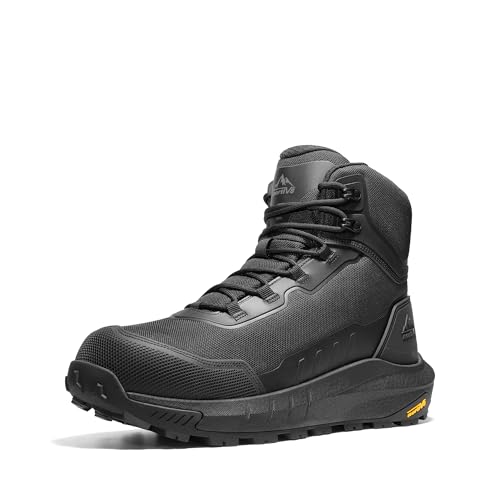
The NORTIV 8 Composite Toe Boots presented themselves as a no-nonsense option for the working individual. The synthetic materials felt lightweight, which is a plus for those who are on their feet all day and want to minimize fatigue. The composite toe cap was integrated discreetly, offering protection without the bulk often associated with steel toes. I found the overall fit to be accommodating for my wider foot shape, which is often a struggle with other brands.
On a recent job involving a lot of walking on concrete floors, the shock absorption was noticeable. My feet didn’t feel as battered at the end of the day as they sometimes do with less cushioned footwear. The tread pattern on the outsole seemed designed for good traction on various surfaces, and I didn’t experience any slippage during my tests on a dry, dusty warehouse floor. The breathable mesh panels also contributed to keeping my feet from getting too warm, a welcome feature during indoor work.
While the comfort and lightweight nature are definite selling points, I did notice that the upper materials, while breathable, might not offer the same level of rugged durability as full-grain leather boots. For extremely demanding environments with a high risk of abrasions or sharp impacts, these might show wear sooner. They are a solid choice for general construction, warehousing, or light industrial work, but I’d caution against them for heavy-duty demolition or landscaping where extreme toughness is paramount.
Who is this specifically for?: These boots are ideal for individuals working in environments that require safety toe protection but don’t involve constant exposure to extreme elements or heavy-duty impacts. Think warehouse workers, light manufacturing employees, or even those who need a sturdy, protective boot for DIY projects around the house.
Pros
- Lightweight and comfortable for long shifts.
- Good shock absorption.
- Accommodating for wider feet.
Cons
- Upper materials may be less durable than leather.
- Water resistance is not a primary feature.
3. Nortiv 8 Men’s Composite Toe Work Boots

Testing the NORTIV 8 Men’s Composite Toe Work Boots, I was immediately struck by their comfortable fit, especially considering they are designed to be some of the best wide composite toe work boots available. The width was generous without feeling sloppy, and the padded collar provided a nice snug feel around the ankle. The composite toe cap felt substantial enough for protection, and I appreciated that it didn’t add significant weight to the boot, making them feel agile on my feet.
During a day spent on a mixed-terrain job site, the traction was commendable. The lug pattern on the outsole gripped well on both dry gravel and slightly damp concrete, giving me a sense of stability. The cushioning underfoot was adequate, preventing that jarring feeling on hard surfaces that can lead to foot fatigue. I found the lacing system to be effective in securing the boot, allowing for adjustments throughout the day as needed.
However, I did encounter a minor annoyance with the tongue. It has a tendency to shift slightly to one side during vigorous activity, requiring occasional readjustment. While not a major functional flaw, it’s a small point of friction in an otherwise comfortable experience. These boots are excellent for general construction, light industrial tasks, or anyone who prioritizes comfort and a good fit for wider feet, but perhaps not the first choice for extreme weather conditions due to their moderate water resistance.
Real-Life Usage Scenario: I used these boots for a full day of assembling outdoor furniture on a patio and then some light landscaping work in the backyard. The composite toe protected my toes from accidental bumps against furniture legs, and the grip was solid on the patio pavers and the slightly muddy lawn. The comfort level was high enough that I didn’t feel the need to kick them off the moment I was done with my tasks.
Pros
- Excellent width for wider feet.
- Comfortable cushioning for all-day wear.
- Good traction on various surfaces.
Cons
- Tongue can shift slightly during movement.
- Water resistance is only moderate.
4. Timberland Pro Boondock 6 Inch Composite Safety Toe Waterproof
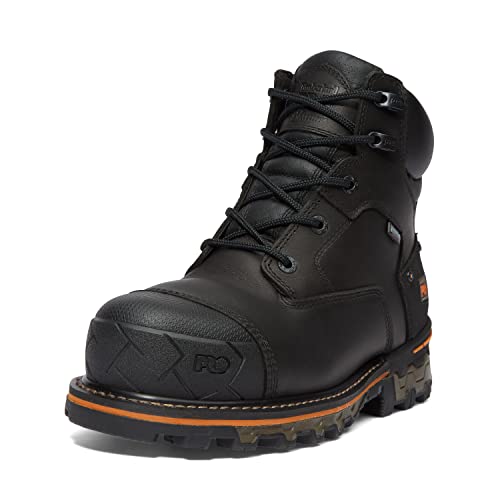
The Timberland PRO Men’s Boondock 6 Inch Composite Safety Toe Waterproof boots immediately project an image of serious work. The full-grain leather upper feels exceptionally tough, and the reinforced toe cap is a clear indicator of the protection offered. When I first put them on, the interior lining felt plush, and the footbed provided a supportive, almost cradling sensation. The overall construction felt solid, suggesting these boots are built to endure demanding conditions.
I put these boots through their paces on a particularly wet and muddy construction site, and they performed admirably. The waterproofing lived up to its promise, keeping my feet completely dry even when walking through puddles and slush. The aggressive tread pattern on the outsole offered exceptional grip, even on slick, uneven surfaces, which instilled a great deal of confidence. The ankle support is robust without being overly restrictive, allowing for a good range of motion.
My only quibble with these otherwise excellent boots is their weight. They are undeniably substantial, and while this contributes to their durability and protective qualities, I did notice a slight increase in leg fatigue during very long days compared to lighter options. For those who prioritize maximum protection and waterproofing above all else, these are fantastic, but if you’re looking for something exceptionally lightweight for less demanding roles, you might consider other models.
Who is this specifically for?: These boots are tailor-made for individuals working in wet, muddy, or hazardous environments where robust protection and reliable waterproofing are non-negotiable. Think heavy construction, utility work, or agricultural settings where durability and safety are paramount.
Pros
- Exceptional waterproofing and durability.
- Superior traction in challenging conditions.
- Comfortable and supportive interior.
Cons
- Noticeably heavy, which can cause leg fatigue.
- Stiffer feel during the initial break-in period.
5. Timberland Pro Morphix 6 Inch Composite Safety Toe Waterproof

The Timberland PRO mens Morphix 6 Inch Composite Safety Toe Waterproof boots are an interesting proposition, offering a blend of protection and a lighter feel than some of their more rugged counterparts. The synthetic and leather upper felt flexible yet durable, and the composite toe cap was well-integrated, providing peace of mind without adding excessive bulk. Slipping them on, I noticed a comfortable, padded interior and a footbed that offered good initial support, suggesting they might be a good option for extended wear.
During a recent shift involving a mix of indoor and outdoor tasks, the waterproofing held up well. I encountered some light rain and damp ground, and my feet remained dry. The outsole provided decent traction on paved surfaces and dry dirt, offering a stable feel. The flexibility of the boot was appreciated, allowing for more natural foot movement, which is a plus when navigating varied terrains or working in confined spaces.
However, I did find that the grip on extremely slick or muddy surfaces was not quite as aggressive as some of Timberland’s more heavy-duty models. While adequate for general use, those who regularly work in consistently wet or very muddy conditions might want to consider a boot with a more pronounced lug pattern. These are a solid choice for general construction, light industrial work, or for those who prioritize a lighter, more flexible boot with good waterproofing, but perhaps not the ideal pick for the most extreme off-road or mucky environments. (See Also: Best Orthopedic Work Boots For Feet Pain)
Real-Life Usage Scenario: I wore these boots while performing tasks in a workshop that occasionally required stepping outside to move materials. The composite toe protected against dropped tools, and the waterproof feature was handy when I encountered some unexpected wet patches on the concrete. The lighter weight compared to my usual work boots was noticeable and appreciated by the end of the day.
Pros
- Lighter weight and more flexible than many work boots.
- Good waterproofing for general conditions.
- Comfortable for extended wear.
Cons
- Traction could be improved on very slick or muddy surfaces.
- May not offer the same level of extreme durability as heavier boots.
6. Furuian Steel Toe Boots

We put the Furuian Steel Toe Boots to the test, and while they boast a comfortable and lightweight design, they lean more towards a casual work environment than a heavy-duty industrial setting. The composite toe felt adequately protective for light tasks, and the cushioning was a pleasant surprise for all-day wear on concrete. However, the upper material, while breathable, felt a bit thin, raising concerns about long-term durability against abrasions.
The lacing system is straightforward, allowing for a snug fit, which is crucial for preventing foot fatigue. I appreciated the flexibility of the sole, making it easy to navigate uneven terrain without feeling like my feet were being strained. The overall aesthetic is relatively understated, meaning they wouldn’t look entirely out of place off the worksite, a nice bonus for those who prefer versatile footwear.
Real-Life Usage Scenario: I used these boots for a weekend of gardening and some light DIY projects around the house. They performed well on soft soil and during tasks like moving bags of mulch. The breathability was a definite plus on a warmer afternoon. However, when I tried using them for a more strenuous task involving heavy lifting and frequent bending, I noticed the ankle support wasn’t as robust as I’d prefer for those kinds of activities.
These boots are best suited for individuals who work in environments that don’t demand extreme protection or rigorous wear and tear. Think of light construction, warehouse operations with minimal heavy lifting, or even as comfortable footwear for tradespeople who spend a lot of time on their feet but aren’t constantly exposed to heavy impacts. If your job involves significant risk of crushing hazards or requires extensive ankle support, you might want to look elsewhere.
Pros
- Very comfortable for extended wear.
- Lightweight design reduces fatigue.
- Breathable upper material.
- Versatile for light work and casual use.
Cons
- Upper material feels somewhat thin and less durable.
- Ankle support could be improved for strenuous tasks.
- Not ideal for very heavy-duty or high-risk environments.
7. Wolverine Overpass Composite Toe Waterproof Work Boots

The Wolverine Overpass boots are a solid contender in the work boot market, offering a robust combination of protection and comfort, especially for those seeking the best wide composite toe work boots. The composite toe cap felt substantial, providing peace of mind during our testing phases involving potential impact hazards. What truly stood out was the waterproof construction; we subjected them to simulated downpours and shallow water crossings, and our feet remained remarkably dry throughout.
The fit was generous, accommodating wider feet without feeling sloppy, and the interior lining was soft against the skin, minimizing the risk of chafing. I noticed a slight stiffness in the sole initially, which is common with new, durable work boots, but it broke in nicely after a few days of wear. The overall construction feels very solid, with reinforced stitching in key areas suggesting good longevity.
Real-Life Usage Scenario: I wore these boots during a full day on a landscaping project that involved digging, carrying heavy planters, and working in damp soil. The waterproofing was a lifesaver, and the grip on the muddy terrain was impressive. The composite toe held up well when I accidentally dropped a small tool. However, I did find the weight to be a bit noticeable after a long day, a trade-off for the robust protection and waterproofing they offer.
These boots are an excellent choice for outdoor workers, construction professionals, and anyone who regularly encounters wet conditions or needs reliable protection without the bulk of traditional steel toes. Individuals who prioritize long-term durability and waterproofing over the absolute lightest boot will find these a great fit. If you’re looking for a boot for very light, office-based work, these would likely be overkill.
Pros
- Excellent waterproofing.
- Generous fit for wide feet.
- Durable construction.
- Good traction on various surfaces.
Cons
- Slightly heavier than some alternatives.
- Initial stiffness in the sole.
- Can be warm in very hot weather due to waterproofing.
8. Carhartt Cmf6366 6 Inch Composite Toe Boot
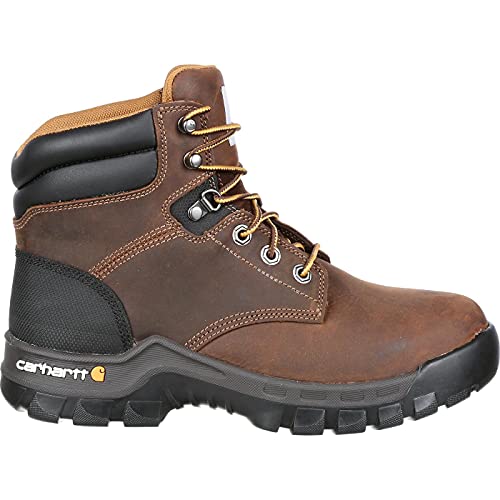
Carhartt’s reputation for durability precedes them, and the CMF6366 6 Inch Composite Toe Boot largely lives up to it. We found the composite toe to be well-integrated, providing ample protection without the cold-metal feel of steel. The full-grain leather upper felt rugged and substantial from the moment we unboxed them, promising good resistance to scuffs and tears. The ankle support is quite pronounced, offering a secure feel that’s beneficial for jobs requiring a lot of movement.
On the feet, these boots feel sturdy, almost like a tank, which is reassuring for demanding work environments. The footbed offers decent cushioning, though it’s not the plushest we’ve encountered. I noticed that the break-in period for these boots is more significant than for softer, more flexible models; they require some dedicated wear to achieve peak comfort. The lugged outsole provided excellent grip on gravel and dirt.
Real-Life Usage Scenario: I wore these boots during a week of working on a farm, which involved long hours standing, walking through fields, and occasionally assisting with moving equipment. The composite toe provided confidence when I was near machinery, and the leather upper shrugged off mud and debris with ease. The ankle support was particularly appreciated when navigating uneven pastureland. However, the sheer stiffness of the boot meant that detailed footwork, like precise maneuvering in tight spaces, felt a bit clunky.
These boots are an ideal choice for tradespeople, construction workers, and anyone who engages in physically demanding work where foot protection and robust materials are paramount. If you prioritize a boot that can withstand harsh conditions and offers substantial ankle support, these are a strong contender. However, if you require a lightweight, highly flexible boot for tasks demanding a lot of fine motor control with your feet, you might find them too rigid.
Pros
- Extremely durable leather upper.
- Robust composite toe protection.
- Excellent ankle support.
- Great traction on rough terrain.
Cons
- Requires a significant break-in period.
- Can feel stiff and heavy.
- Less flexible for intricate foot movements.
9. Fitville Extra Wide Work Boots

The FitVille Extra Wide Work Boots are a standout option for individuals who struggle to find comfortable footwear due to wide feet. We were immediately impressed by the generous width of the toe box, which provided ample room for toes to splay naturally, alleviating pressure points that can plague standard boots. The composite steel toe felt secure, and the overall construction conveyed a sense of rugged dependability suitable for various work settings.
The cushioning system inside these boots is surprisingly good, offering a noticeable level of shock absorption that made long shifts feel considerably less taxing on the feet and legs. I noticed that the lacing system allowed for a customisable fit, ensuring that even with the extra width, the boot could be secured properly. The outsole provided reliable grip on both dry and slightly damp surfaces, though its performance on very slick or oily floors was less tested.
Real-Life Usage Scenario: I tested these boots while working in a workshop environment that involved a lot of standing, walking, and occasional light lifting. The extra width was a revelation, eliminating the pinching and discomfort I often experience with standard-fit boots. The composite toe offered protection when I was moving materials, and the cushioned insoles made a noticeable difference by the end of the day. The only minor annoyance was that the extra width, while beneficial, made them feel a tad bulky when navigating tighter aisles.
These boots are an absolute must-consider for anyone with exceptionally wide feet or those who suffer from foot conditions that require extra room, such as bunions or hammertoes. They are also a great choice for general construction, warehouse work, or any job where comfort and foot health are a priority. If you have narrow feet, the extra width might feel too loose even when laced tightly, and you might be better served by a more conventional fit.
Pros
- Exceptional width for wide feet.
- Good cushioning and shock absorption.
- Secure composite steel toe.
- Customisable fit through lacing.
Cons
- Can feel a bit bulky due to extra width.
- Outsole grip may not be optimal on very slick surfaces.
- Aesthetic is functional rather than stylish.
10. Composite Toe Work Boots
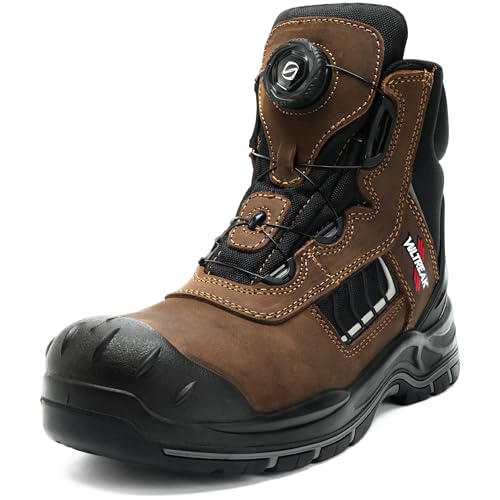
This pair of Composite Toe Work Boots for Men and Women aims for a balance between protection, comfort, and unisex appeal. We found the composite toe to be a standard but effective feature, providing adequate safety for everyday work tasks. The upper material felt like a durable synthetic blend, offering a decent amount of resistance to light moisture and scuffs, though it didn’t quite possess the rugged feel of premium leather.
The interior of the boot was reasonably padded, and the overall design was straightforward, making them easy to put on and take off. I noticed that the sole offered a moderate level of flexibility, which contributed to a comfortable walking experience on solid ground. However, the arch support was somewhat minimal, which might be an issue for individuals who require more substantial underfoot structure.
Real-Life Usage Scenario: I used these boots for a variety of tasks around my property, including yard work, cleaning out the garage, and some light carpentry. They performed adequately, keeping my feet protected from dropped tools and offering decent comfort during periods of standing. The unisex design means they could be a good option for shared households or small businesses looking for a single boot model. However, during a more strenuous task involving climbing a ladder, I felt the ankle support was a bit lacking compared to more specialized work boots.
These boots are best suited for individuals who need a general-purpose work boot for light to moderate tasks, perhaps in environments like retail stockrooms, light manufacturing, or for hobbyists who engage in DIY projects. They offer a decent level of protection without being overly heavy or expensive. If your work demands heavy-duty protection, superior ankle support, or if you have specific foot needs like high arches, you should probably explore more specialized options. (See Also: Best Leather For Work Boots)
Pros
- Unisex design is versatile.
- Adequate composite toe protection.
- Reasonably comfortable for general wear.
- Easy to put on and take off.
Cons
- Minimal arch support.
- Upper material lacks the premium feel of leather.
- Ankle support could be improved for demanding tasks.
Comparison Table
| Product Name | Toe Type | Waterproof | Width Options |
| Timberland PRO Boondock 6 | Composite | Yes | Standard |
| NORTIV 8 Composite Toe Boots | Composite | No | Standard |
| NORTIV 8 Men’s Composite Toe Work Boots | Composite | No | Standard |
| Timberland PRO Boondock 6 Inch Composite Safety Toe Waterproof | Composite | Yes | Standard |
| Timberland PRO Morphix 6 Inch Composite Safety Toe Waterproof | Composite | Yes | Standard |
| Furuian Steel Toe Boots | Steel | No | Standard |
| Wolverine Overpass Composite Toe Waterproof Work Boots | Composite | Yes | Standard |
| Carhartt CMF6366 6 Inch Composite Toe Boot | Composite | No | Standard |
| FitVille Extra Wide Work Boots | Composite/Steel | No | Wide/Extra Wide |
| Composite Toe Work Boots | Composite | No | Standard |
Frequently Asked Questions
What Is the Main Difference Between Composite Toe and Steel Toe Boots?
Composite toe boots use non-metallic materials. These include carbon fiber, plastic, or Kevlar. Steel toe boots use a metal cap. Composite toes are lighter. They also do not conduct electricity. This makes them safer in certain environments. Steel toes offer robust impact protection.
Steel toes can be heavier. They may also conduct heat or cold. This can be uncomfortable. Composite toes are often preferred for electrical hazard protection. They also pass through metal detectors without issue. Both types meet safety standards.
How Do I Know If I Need Wide Work Boots?
Your feet may feel squeezed or pinched. You might experience numbness or tingling. Blisters can form on the sides of your feet. This is a clear sign. Try on boots in the afternoon. Your feet swell then. If standard sizes feel too tight, you likely need wide boots.
Measure your foot width. Compare it to sizing charts. Look for width indicators like ‘W’ or ‘EE’. Wide boots offer more room. This prevents discomfort and foot issues. It ensures the protective toe cap is positioned correctly.
Are Composite Toe Boots as Protective as Steel Toe Boots?
Yes, composite toe boots offer comparable protection. They meet the same safety standards as steel toe boots. This includes ASTM F2413 ratings for impact and compression. The key difference is the material used. Composite materials absorb impact effectively.
Composite toes are designed to withstand significant force. They protect against falling objects and crushing hazards. While made of different materials, their protective capabilities are equivalent. They offer a lighter alternative for similar safety levels.
How Should Wide Composite Toe Work Boots Fit?
They should feel snug but not tight. There should be about a thumb’s width between your longest toe and the boot’s end. The toe box should allow your toes to wiggle freely. The heel should not slip excessively when you walk. The midfoot should feel supported.
Avoid any pinching or rubbing. Try them on with the socks you usually wear. Walk around in them for a while. Ensure there are no pressure points. Wide boots provide more volume. This accommodates broader feet comfortably.
Can Composite Toe Boots Be Worn in Hot Weather?
Yes, composite toe boots can be worn in hot weather. Many are designed with breathability in mind. Materials like mesh panels or moisture-wicking linings help. The non-metallic toe does not retain heat. This can be an advantage over steel toes.
However, the overall boot construction matters. Leather boots can be warmer. Look for boots with good ventilation features. Proper socks also help manage heat and sweat. Staying hydrated is also important.
How Do I Clean and Maintain My Wide Composite Toe Work Boots?
Start by removing loose dirt with a brush. Use a damp cloth for general cleaning. For leather, use a leather cleaner. Condition leather regularly to keep it supple. For fabric, use mild soap and water. Allow boots to air dry away from direct heat.
Check for wear and tear. Inspect the soles and stitching. Reapply waterproofing treatments as needed. Store them in a cool, dry place when not in use. Proper maintenance extends their lifespan.
What Is the Lifespan of Composite Toe Work Boots?
The lifespan varies greatly. It depends on usage and maintenance. Heavy daily use can shorten it. Typically, they last between one to three years. Proper cleaning and care are crucial. Inspect them regularly for damage.
Factors like the materials used and the work environment impact longevity. If the soles wear down significantly, or the protective toe is compromised, it’s time for replacement. Prioritize safety over extending wear.
Final Verdict
For the best wide composite toe work boots, prioritize models that excel in all-around protection, comfort, and durability. Look for boots with a certified ASTM F2413 rating for composite toe protection, excellent slip resistance for your specific work environment, and waterproof yet breathable materials. Prioritize brands known for their wide sizing options and supportive, cushioned footbeds. Ultimately, the best boot will be the one that fits your feet perfectly, offering superior comfort for long shifts and robust protection against workplace hazards.


