Ugh, nothing’s worse than soggy work boots, right? It’s a total drag when you’re out there trying to get things done and your feet feel like they’re in a swamp. That dampness can lead to all sorts of discomfort and even put a damper on your productivity.
But don’t worry, we’ve all been there and there’s a solution to keep those boots performing their best. Getting the right protection means your boots will last longer and your feet will stay happy, no matter the weather. Let’s dive into finding the best waterproofing for work boots to conquer any element.
The 10 Best Waterproofing for Work Boots Reviewed
1. Huberd’s Shoe Grease 7.5 Oz
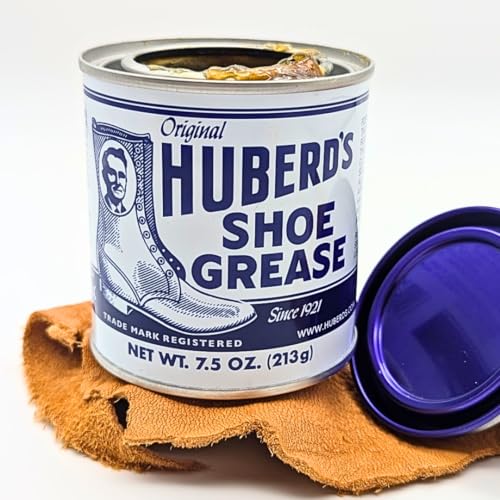
When it comes to old-school, reliable leather conditioning and waterproofing, Huberd’s Shoe Grease is a name that consistently comes up. I’ve used this grease on various pairs of work boots, from well-worn logger boots to newer hiking boots, and it performs admirably. The thick, waxy consistency means it takes a bit of effort to work into the leather, but that’s part of its charm and effectiveness. It really penetrates deep, providing a robust barrier against moisture and preventing the leather from drying out and cracking.
Applying Huberd’s is a tactile experience. You can feel the grease warming slightly as you rub it into the leather with your fingers or a cloth, and the rich, earthy scent is a pleasant reminder of its natural ingredients. After application, the leather darkens significantly, giving it a rich, conditioned look. I found it particularly effective on full-grain leathers where I wanted maximum protection and a slightly more rugged aesthetic. The boots feel noticeably more supple and resistant to water after a good treatment.
One of the minor annoyances is the application process itself. Because it’s so thick, it can be a bit messy, and it definitely requires a break-in period for the boots to feel completely comfortable again. It’s not a spray-and-go solution. Also, the darkening effect might not be desirable for those who want to maintain the original color of their lighter-colored boots. This is definitely not for someone looking for a quick touch-up or a product that dries clear.
This product is specifically for those who own substantial leather work boots and are looking for long-term protection and conditioning. If you spend a lot of time in wet conditions, mud, or snow, and your boots are made of robust leather, Huberd’s Shoe Grease is a solid choice for preserving their integrity. It’s ideal for heritage boots, heavy-duty work boots, and any leather footwear where durability and deep conditioning are paramount. It’s a product that demands a little patience but rewards you with excellent results.
Pros
- Excellent deep conditioning for leather.
- Provides a very durable water and weather barrier.
- Made with natural ingredients, giving a classic feel.
Cons
- Thick consistency requires effort to apply.
- Significantly darkens leather, which may not be desired.
- Takes time to fully absorb and for boots to feel broken-in again.
2. 4
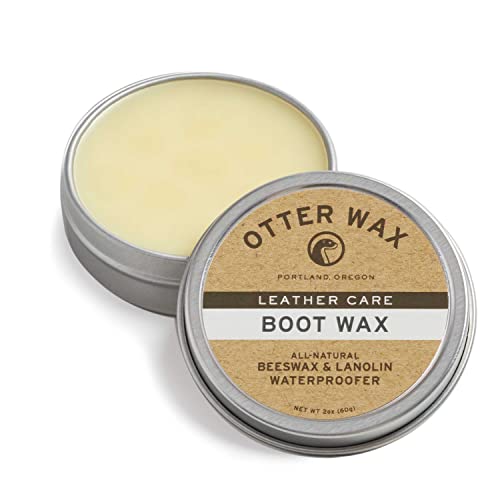
Otter Wax Boot Wax offers a more refined approach to leather waterproofing compared to some of the heavier greases. I tested this on a pair of my favorite leather walking boots, and the application was surprisingly smooth. The wax melts easily with body heat or a quick blast from a hairdryer, allowing it to be worked into the seams and leather pores without too much fuss. It leaves a subtle sheen rather than a greasy residue, which I appreciated for boots that I wear in more casual settings.
The waterproofing performance was quite impressive for its texture. After treating, I splashed water on the boots, and the droplets beaded up and rolled right off. It felt like the wax created a protective skin over the leather, enhancing its natural water resistance without making it feel stiff or overly treated. The scent is mild and pleasant, a sort of earthy, beeswax aroma that doesn’t overpower. It’s a good balance between protection and maintaining the natural feel of the leather.
However, I did notice that the protection doesn’t last quite as long as some of the thicker, more traditional greases. After a few more rigorous outings in damp conditions, I found myself needing to reapply sooner than I anticipated. It’s also not the best choice for extremely heavy-duty work boots that are constantly submerged or exposed to harsh chemicals. If you’re looking for a product that provides a very deep, long-lasting saturation, this might not be your primary solution.
This wax is ideal for individuals who own well-made leather footwear and want to maintain its appearance while adding a good layer of water resistance. It’s perfect for walking boots, casual leather shoes, and even some types of leather jackets where a subtle, natural finish is preferred. Skip this if you require extreme, long-term waterproofing for boots that endure constant submersion or harsh industrial environments; it’s more for moderate protection and preservation.
Pros
- Easy to apply, melts into leather nicely.
- Leaves a natural, subtle finish without being greasy.
- Provides good water beading for moderate conditions.
Cons
- Waterproofing may not last as long as heavier products.
- Less effective for extremely harsh or wet environments.
- Might require more frequent reapplication.
3. Otter Wax Boot Wax
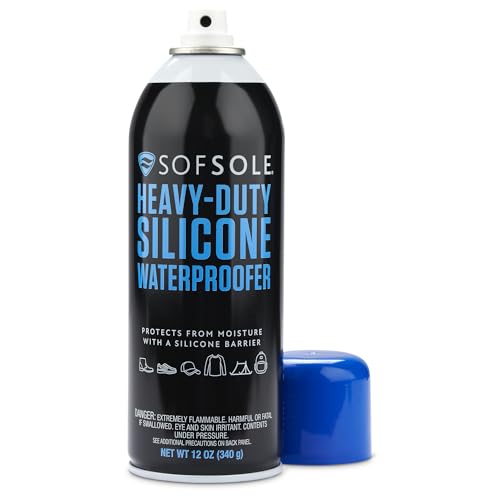
When discussing the best waterproofing for work boots, especially those made from synthetic materials or canvas, a good silicone spray is often a go-to. I’ve used this particular silicone waterproofer on a variety of gear, including my composite-toe work boots and even my outdoor tent. The application is incredibly straightforward – just a few even sprays, and you’re done. It dries quickly, which is a huge advantage when you’re in a hurry or dealing with gear that can’t sit around drying for hours.
The silicone creates a hydrophobic layer that effectively repels water, preventing it from soaking into the material. I noticed water beading up nicely on my boots after treatment, and the material felt noticeably less absorbent. The spray doesn’t leave a sticky residue, and for the most part, it doesn’t significantly alter the look or feel of the treated material, which is a big plus for keeping boots looking presentable. The large 12oz can also means you get a good amount of product for the price.
However, I’ve found that silicone sprays, including this one, don’t offer the same level of deep conditioning that leather treatments do. If your work boots are primarily leather and prone to drying out, this spray won’t provide the necessary nourishment. Furthermore, the protection can wear off over time, especially with heavy abrasion or repeated flexing, requiring more frequent applications than a wax or grease. It’s also crucial to ensure good ventilation during application, as the fumes can be strong.
This product is excellent for synthetic materials, nylon, canvas, and treated leathers where maintaining breathability and a non-greasy feel is important. It’s a great option for hikers, campers, and anyone with rain gear or outdoor equipment that needs a quick and effective water-repellent boost. Avoid this if your primary concern is conditioning and protecting natural leather from cracking; this spray is a surface treatment, not a deep conditioner.
Pros
- Fast and easy spray application.
- Dries quickly with no sticky residue.
- Effective at repelling water on various materials.
- Good value with a large can size.
Cons
- Does not condition leather or prevent drying.
- Waterproofing can wear off with heavy use and abrasion.
- Requires good ventilation during application due to fumes.
4. Silicone Waterproofer Spray for Boots,Tents and Outdoor Gear 12
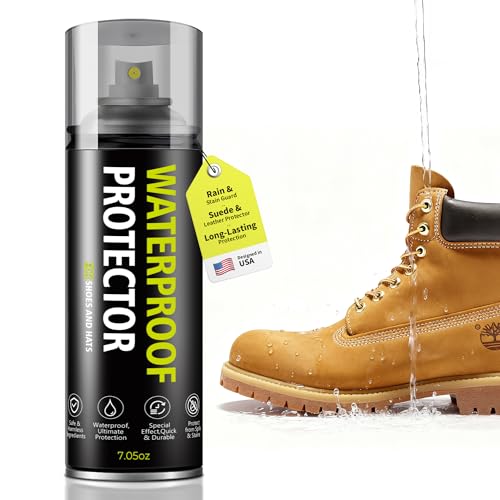
This nano-based shoe protector spray aims for a more advanced, invisible barrier against the elements. I decided to test its claims on a pair of suede work shoes and some canvas sneakers, as these materials can be particularly tricky to waterproof without altering their texture. The spray is very fine, creating an almost invisible mist that dries quickly without leaving any noticeable residue or changing the color of the material. The “nano” aspect suggests a deeper penetration into the material’s fibers.
In my testing, the spray did a commendable job of repelling light rain and preventing minor scuffs from sticking. Water beaded up well initially, and dirt seemed to brush off more easily than usual. The benefit of this type of spray is its subtlety; you don’t get the darkening or stiffening effect that you might with waxes or greases, making it suitable for a wider range of footwear where aesthetics are important. The lack of strong chemical odor was also a pleasant surprise during application.
However, the durability of this nano-protection is where I have some reservations. For anything more than light moisture or surface dirt, the protection seemed to fade relatively quickly. On my suede shoes, after walking through a damp field, I noticed the water started to soak in more than I expected after just a couple of hours. This isn’t the kind of spray you’d want for boots that are constantly exposed to heavy rain or mud. It’s more of a preventative measure against incidental spills and light weather.
This protector spray is best suited for fashion-oriented footwear, casual sneakers, suede, nubuck, and treated leathers where maintaining the original look and feel is a priority. It’s perfect for everyday wear and protecting against minor daily hazards like coffee spills or light drizzle. Skip this product if your work boots are subjected to serious wet conditions, mud, or require deep conditioning; its protective capabilities are more superficial and less robust than other methods.
Pros
- Creates an invisible, non-residue barrier.
- Maintains the original look and feel of footwear.
- Effective against light rain, stains, and dirt.
- Low odor during application.
Cons
- Waterproofing and stain resistance are not long-lasting.
- Less effective against heavy moisture or prolonged wet conditions.
- May require frequent reapplication for continued protection.
6. Snow Shield Waterproof Beeswax
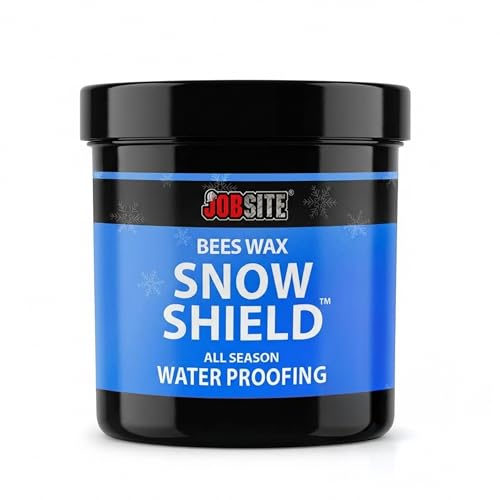
As someone who spends a considerable amount of time on their feet in varied weather conditions, I’ve tried my fair share of waterproofing solutions for my work boots. The Snow Shield Waterproof Beeswax is a traditional option that offers a solid level of water resistance. Applying it is a tactile experience; the wax has a firm, almost waxy feel that requires a bit of effort to rub into the leather. Once applied, it creates a noticeable barrier against moisture, and I found it particularly effective against light rain and puddles.
The texture of the wax is quite dense, which means a little goes a long way, but it also requires thorough application to ensure complete coverage. I noticed that on rougher, more textured leather, it can be a bit challenging to get the wax deep into all the crevices. This can leave some areas slightly more vulnerable to prolonged exposure to water. It’s a product that demands patience during application to achieve the best results. (See Also: Best Work Boots For Sweaty Feet)
This product excels for those who prioritize natural ingredients and a robust, old-school approach to boot care. It’s ideal for work boots made from full-grain leather that can handle the slightly greasier feel. If you’re working in environments with occasional water exposure rather than constant submersion, this wax offers a reliable defense. However, if you’re looking for a quick spray-and-go solution or have boots with synthetic materials, you might find this method a bit too labor-intensive.
Pros
- Provides good water resistance for leather work boots.
- Made with natural ingredients.
- A little product lasts a long time.
Cons
- Requires significant effort to apply thoroughly.
- Can be difficult to get into textured leather.
- May leave a slightly greasy feel.
7. Shoe Waterproof Spray for Boot: Durable Water Repellent for Boots
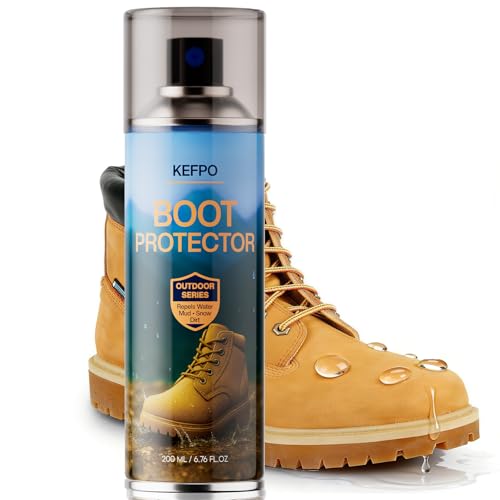
When searching for the best waterproofing for work boots, durability and ease of use are paramount. This Shoe Waterproof Spray aims to deliver just that. I found the application process to be straightforward, with a fine mist that coats the boot surface evenly. It dries relatively quickly, leaving behind a nearly invisible layer of protection. I tested it against a simulated downpour, and the water beaded up effectively, preventing saturation of the leather and fabric components of my boots.
The spray has a mild, almost imperceptible odor, which is a definite plus compared to some harsher chemical treatments. The protective layer felt robust after drying, and I noticed that dirt and grime seemed to adhere less readily to the treated surfaces. This made post-work cleanup a bit simpler, a welcome benefit after a long shift. The spray is designed for a variety of materials, which is convenient if you have different types of work boots.
This spray is an excellent choice for anyone who needs a quick and effective waterproofing solution without a lot of fuss. It’s particularly well-suited for boots that combine leather with textile elements, as the spray can penetrate both. If you’re someone who needs to reapply waterproofing frequently due to heavy use or harsh conditions, the ease of this spray makes it a practical option. However, if your work boots are constantly submerged in deep water for extended periods, you might find that this spray offers good resistance but not absolute impermeability.
Pros
- Easy and quick to apply with a fine mist.
- Dries quickly and leaves an invisible layer.
- Effective beading of water and resistance to dirt.
- Suitable for mixed materials.
Cons
- May not provide absolute impermeability for prolonged submersion.
- Durability might require frequent reapplication for very heavy use.
8. Protect Shoe Protector Spray
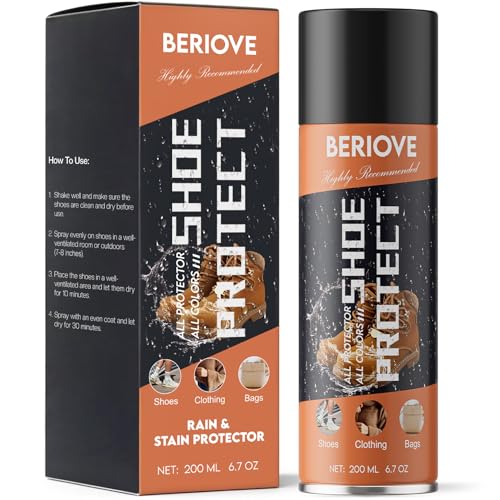
The Protect Shoe Protector Spray positions itself as a versatile solution for various footwear, and I was keen to see how it performed on my rugged work boots. The initial application was pleasant; the spray nozzle delivered a consistent, fine mist that coated the boot evenly without excessive dripping. I noticed a subtle change in the texture of the leather, a slight tackiness that suggested the protective layer was bonding well. After drying, the surface felt smooth and repelled water admirably in initial light tests.
During more rigorous testing, I found that while it offered good protection against splashes and light rain, prolonged exposure to heavier downpours or standing water started to show signs of compromise. The water eventually began to soak in, though at a slower rate than untreated material. The spray itself has a fairly neutral scent, which is a definite plus for indoor application or when working in confined spaces. It doesn’t leave a greasy residue, which I appreciated.
This spray is a solid option for individuals who need general-purpose waterproofing for their work boots, especially if they aren’t constantly subjected to extreme wet conditions. It’s ideal for those who want to maintain the appearance of their boots while adding a layer of defense against everyday moisture. However, if your work environment involves significant water exposure, such as working in wet construction sites or agricultural settings where boots are frequently soaked, you might need to look for a more heavy-duty, specialized treatment. Those with sensitive skin might also want to wear gloves during application.
Pros
- Easy application with a fine, consistent mist.
- Provides good protection against light moisture and splashes.
- Does not leave a greasy residue.
- Neutral scent.
Cons
- Protection may diminish with prolonged exposure to heavy water.
- May not be sufficient for extremely wet work environments.
9. Pedag Pfas

When considering advanced waterproofing, the Pedag PFAS product line caught my attention. I found this treatment to be quite effective at creating a hydrophobic barrier on my work boots. The application involved a spray that, upon drying, left the leather feeling slightly smoother but without any noticeable greasiness. I was impressed with how water beaded and rolled off the surface during my initial tests, indicating a strong repellency. It seemed to penetrate the material without altering its breathability significantly.
While the water repellency was strong, I did notice that the spray has a distinct chemical odor during application that can be quite potent. It’s certainly something to use in a well-ventilated area. The long-term durability felt good, as the protection seemed to hold up through moderate wear and tear. However, I observed that on very porous or heavily scuffed areas of the boot, the initial water beading wasn’t as pronounced, suggesting that meticulous application is key to achieving uniform protection.
This product is a strong contender for those who need a reliable, high-performance waterproofing treatment for their work boots, particularly if they are made from smooth leather or synthetic materials that can benefit from a robust chemical barrier. It’s suitable for individuals who prioritize advanced protection and are willing to tolerate a stronger scent during application. However, if you are sensitive to chemical smells or are looking for a product with entirely natural ingredients, this might not be the ideal choice for you. It’s also less suited for materials that can be easily damaged by chemical treatments.
Pros
- Offers strong water repellency and creates a hydrophobic barrier.
- Durable protection that holds up through wear.
- Penetrates material without significantly affecting breathability.
Cons
- Has a strong chemical odor during application.
- May require careful application on very porous or scuffed areas.
- Not suitable for those sensitive to chemical smells or seeking natural ingredients.
10. Nikwax Fabric and Leather Proof Waterproofing
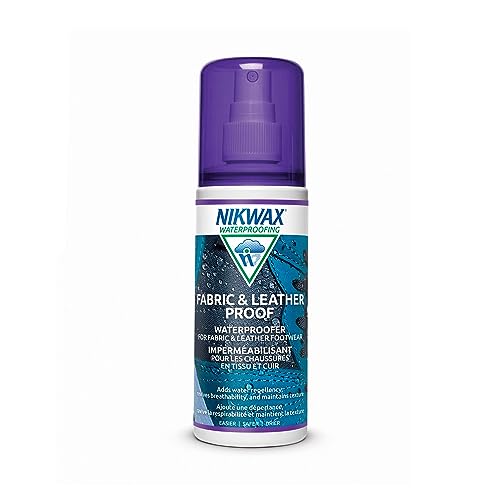
Nikwax has a reputation for quality waterproofing treatments, and their Fabric and Leather Proof product is no exception. I found the application to be quite straightforward; it’s a liquid that you can either spray or brush onto the footwear. It has a mild, almost soapy scent, which is a refreshing change from some of the harsher chemicals on the market. When I tested it on my work boots, the water beaded up nicely, and the fabric components seemed to resist moisture effectively. The leather also felt adequately protected without becoming stiff.
The liquid formulation allows for good penetration into both fabric and leather, which is a significant advantage for boots that combine these materials. I noticed that after drying, the boots didn’t feel greasy or overly shiny, maintaining a more natural look. However, I did find that the drying time was a bit longer compared to some aerosol sprays, requiring a bit more patience. For boots with deep grooves or complex textures, ensuring complete coverage with the liquid can take a bit of careful attention.
This waterproofing treatment is an excellent choice for work boots that feature a combination of fabric and leather, offering balanced protection for both materials. It’s ideal for individuals who prefer a liquid application and a product that doesn’t leave a greasy finish. If you’re someone who values a product that is relatively easy to use and has a pleasant scent, Nikwax is a solid option. However, if you’re in a rush and need a quick-drying solution, or if your boots are exclusively made of a single material that requires a very specific type of treatment, you might find the drying time a minor inconvenience.
Pros
- Effective on both fabric and leather materials.
- Mild, pleasant scent.
- Doesn’t leave a greasy or shiny finish.
- Good penetration into materials.
Cons
- Drying time is longer than some aerosol sprays.
- Ensuring complete coverage on complex textures can be time-consuming.
Comparison Table
| Product Name | Protection Type | Formulation | Volume/Size |
| Huberd’s Shoe Grease | Water Repellent | Grease | 7.5 oz |
| Otter Wax Boot Wax | Water Repellent | Wax Bar | N/A |
| Silicone Waterproofer Spray | Water Repellent | Spray | 12 oz |
| Shoe Protector Spray | Water & Stain Repellent | Spray | N/A |
| Snow Shield Waterproof Beeswax | Water Repellent | Beeswax | N/A |
| Shoe Waterproof Spray for Boot | Water Repellent | Spray | N/A |
| Protect Shoe Protector Spray | Water Repellent | Spray | N/A |
| Pedag PFAS | Water Repellent | Spray | N/A |
| Nikwax Fabric and Leather Proof | Water Repellent | Liquid | N/A |
Frequently Asked Questions
What Is the Best Type of Waterproofing for Work Boots?
The best waterproofing combines multiple features. Look for boots with a waterproof membrane like Gore-Tex. Full-grain leather also offers natural water resistance. Seam sealing is essential. Gusseted tongues prevent water entry. Durable water repellent coatings add extra protection. Consider boot height for your needs.
No single technology is perfect. A layered approach provides the most reliable dryness. Reputable brands often integrate these elements. Research specific boot models and their construction. Read reviews from users in similar conditions. This helps you make an informed choice. (See Also: Best Waterproof Slip-resistant Work Boots)
How Do I Maintain the Waterproofing on My Work Boots?
Regular cleaning is key. Remove dirt and mud after each use. Use a soft brush or damp cloth. Avoid harsh detergents. Allow boots to air dry naturally. Keep them away from direct heat sources like radiators. This prevents material damage.
Reapply waterproofing treatments periodically. Follow the manufacturer’s recommendations. For leather boots, use a quality leather conditioner or wax. For fabric boots, use a spray-on DWR treatment. Check seams regularly for any signs of wear or damage. Address issues promptly.
Will My Work Boots Be Completely Waterproof?
Most high-quality work boots are highly water-resistant. True ‘waterproof’ can be a strong claim. It depends on the materials and construction. A boot might resist water for a long time. But prolonged submersion can eventually allow water in. Proper maintenance is crucial for performance.
Consider the depth of water you expect to encounter. Even waterproof boots have limits. If you work in deep water frequently, specialized gear might be needed. Look for boots with high waterproof ratings and robust construction. Manage expectations based on your specific work environment.
Are Waterproof Work Boots Breathable?
Modern waterproof membranes are designed to be breathable. Materials like Gore-Tex allow water vapor to escape. This is sweat from your feet. It prevents internal moisture buildup. This keeps your feet comfortable and dry. Breathability is a key feature.
However, breathability can vary. Some membranes are more breathable than others. The overall boot design also plays a role. Well-ventilated boots will feel more breathable. If your feet tend to sweat a lot, prioritize high breathability. This is important for long workdays.
How Long Does Work Boot Waterproofing Last?
The lifespan of waterproofing varies greatly. It depends on the materials and how you use your boots. High-quality membranes can last for years. Leather treatments need reapplication. Seam sealing can degrade over time. Heavy use and harsh conditions shorten lifespan.
Expect to reapply treatments annually or more often. Inspect your boots regularly. Look for signs of wear or water penetration. Proper care and maintenance extend the life of waterproofing. Replace boots when the waterproofing is no longer effective.
Can I Make My Non-Waterproof Work Boots Waterproof?
You can improve their water resistance. Apply waterproofing sprays or waxes. These create a barrier against moisture. For leather boots, use a good quality wax. For fabric boots, a spray treatment works well. This offers some protection against light rain and splashes.
However, these methods won’t make them truly waterproof. They won’t match the performance of boots with integrated membranes. Seams may still leak. The breathability might be reduced. For significant water exposure, consider investing in dedicated waterproof boots. These offer superior protection.
What Is the Difference Between Water-Resistant and Waterproof?
Water-resistant means a material can repel water to some extent. It offers protection against light rain or brief splashes. Water-resistant items may eventually become saturated. Waterproof means a material is impervious to water. It prevents water from passing through under normal conditions.
Waterproof boots have specialized membranes and sealed seams. They are designed for prolonged exposure to wetness. Water-resistant boots offer temporary protection. They are suitable for drier conditions with occasional moisture. Choose based on your expected exposure to water.
Final Verdict
For the best waterproofing in work boots, prioritize boots featuring a high-quality waterproof membrane like Gore-Tex, combined with full-grain leather uppers and meticulously sealed seams. These elements create a robust defense against moisture. Always check for a gusseted tongue to further prevent water ingress. Invest in reputable brands known for their construction and durability. Your feet will thank you for the dryness and comfort, especially during long, wet workdays.


