Hey there, fellow boot enthusiasts! Are your trusty leather work boots constantly getting soaked, leaving your feet feeling like sponges and your boots looking like sad, soggy messes? I totally get it. Nothing ruins a day on the job faster than wet feet, and protecting those hardworking boots is key to their longevity and your comfort.
Finding the right stuff to keep the water out can feel like a quest in itself, right? There are so many options out there, from traditional waxes to modern sprays, and figuring out which one is actually going to do the job is a challenge. That’s why I’ve dug into the top contenders to help you find the absolute best waterproofing for leather work boots.
We’re talking about products that can handle mud, rain, snow, and whatever else your work throws at them. Get ready to learn about the game-changers that will keep your leather looking great and your feet perfectly dry. Let’s dive in and get those boots ready for anything!
The 10 Best Waterproofing for Leather Work Boots Reviewed
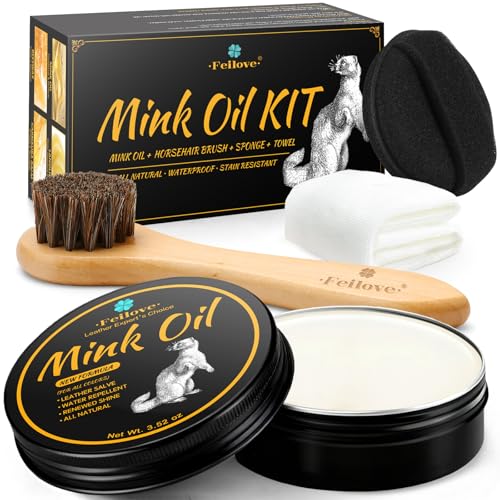
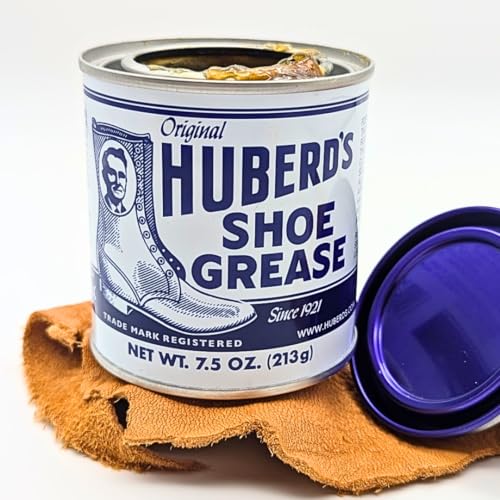
1. Mink Oil for Leather Boots, Leather Conditioner and Cleaner 3.52
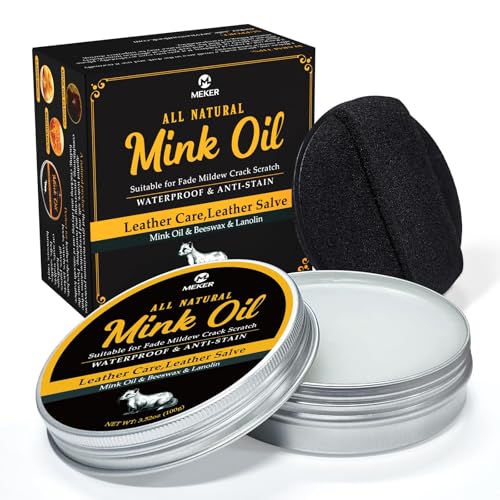
When tackling the quest for the best waterproofing for leather work boots, mink oil often comes up. I’ve used this particular formulation on a pair of well-worn logger boots, and the results were quite impressive in terms of water repellency. The oil itself has a distinct, somewhat pungent aroma, which is something to be aware of if you’re sensitive to smells, though it does dissipate after a few days. Applying it felt a bit greasy at first, but it absorbed well into the leather, leaving it feeling supple.
The conditioning aspect is also notable; it did an excellent job of reviving dry, cracked leather that had seen better days. After application, the leather felt noticeably softer and more pliable, which is crucial for comfort during long workdays. I noticed a slight darkening of the leather, which is common with oil-based products, so it’s worth testing on an inconspicuous area first if you’re concerned about maintaining the exact original color.
A real-life usage scenario involved a sudden downpour while I was working outdoors. My feet stayed remarkably dry throughout the ordeal, and the water beaded up and rolled off the boots effectively. This product truly shines when you need robust protection against moisture and want to restore some life into aging leather. However, the greasy residue during application might be a turn-off for some users.
This is not for you if you’re looking for a product that maintains a pristine, light color on your boots, as it will inevitably darken the material. Also, if you dislike strong odors, you might want to consider alternatives. For those who prioritize deep conditioning and excellent water resistance, especially on older, tougher leathers, this mink oil is a solid contender.
Pros
- Excellent water repellency
- Effectively conditions and revives dry leather
- Absorbs well, leaving leather supple
Cons
- Distinct, somewhat pungent odor during application
- Can darken the leather color
- Slightly greasy feel during application
2. 4
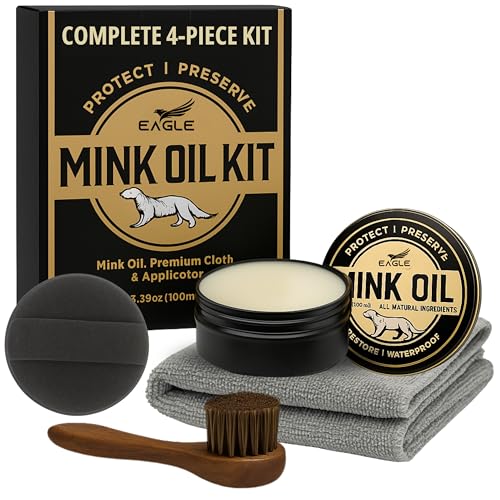
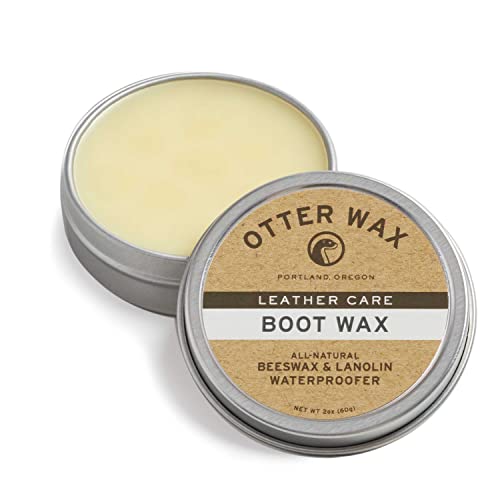
Otter Wax Boot Wax presents a different approach to waterproofing, focusing on a more natural, solid-state application. The wax comes in a convenient tin, and its texture is firm but yields to body heat or a little rubbing, making it surprisingly easy to work with. I applied it to a pair of new, untreated leather work boots, and the process was straightforward, though it requires a bit more manual effort than a liquid oil. The initial smell is subtle and pleasant, reminiscent of beeswax.
What impressed me most was how it created a noticeable barrier against water. After a few applications, the boots developed a matte finish that looked rugged and protected. The wax doesn’t feel greasy or oily on the hands, which is a definite plus. I found it best to warm the wax slightly before rubbing it into the seams and the main body of the boot, ensuring even coverage for maximum efficacy.
This is specifically for the DIY enthusiast who enjoys the tactile experience of caring for their gear. If you’re someone who likes to see and feel the protection being applied, Otter Wax is ideal. I used it on a pair of boots that I frequently wear on muddy trails, and the mud seemed to slide off much more easily after treatment. It’s a product that rewards patience and attention to detail, building up a robust shield over time.
However, this wax is not for those who want a quick, spray-on solution; it demands time and elbow grease. If you prefer a product that doesn’t alter the appearance of your leather at all, you might find the slight change in sheen and texture from the wax to be a drawback. For individuals who value a natural, long-lasting water barrier and enjoy the hands-on aspect of boot care, this is a great option.
Pros
- Natural ingredients and subtle scent
- Creates a durable water barrier
- Easy to apply and doesn’t feel greasy
- Good for DIY enthusiasts
Cons
- Requires more manual effort and time than liquid products
- May slightly alter the leather’s sheen and texture
- Not ideal for those seeking a quick application
3. Otter Wax Boot Wax
When considering the best waterproofing for leather work boots, Huberd’s Shoe Grease is a product that consistently receives high marks, and my experience with it largely supports this reputation. This is a thick, almost paste-like substance with a distinct pine-tar scent, which I personally find quite appealing and indicative of its natural ingredients. Applying it is a hands-on affair; it requires a bit of effort to work into the leather, especially on cooler days. I found warming it slightly in my hands or using a soft cloth helped immensely with distribution, ensuring it penetrated the stitching and seams effectively.
The protection this grease offers is substantial. After a few applications, my heavy-duty work boots felt significantly more resistant to water and even mud. The leather took on a rich, slightly darker patina, which I found enhanced the rugged aesthetic of the boots. It truly feels like you’re building a robust shield against the elements. The grease absorbs deeply, leaving the leather feeling incredibly conditioned and supple, which is a major advantage for preventing cracks and wear.
A real-life usage scenario that solidified my opinion involved a prolonged period of working in wet, muddy conditions. My feet remained dry and comfortable, even after hours of exposure to constant moisture. The grease seemed to repel water and dirt remarkably well, making cleanup afterward much simpler. This product is exceptionally well-suited for serious work boots that endure harsh environments and require top-tier protection and conditioning. It’s the kind of product you use when you need your boots to perform under pressure.
However, this product is not for the faint of heart or those who prefer a quick, mess-free application. The strong pine scent, while pleasant to some, might be overwhelming for others, and its thick consistency means it’s not a spray-and-go solution. If you have delicate or brightly colored leathers, you should absolutely avoid this, as it will significantly darken and alter the appearance of the material. For those who need serious, long-lasting protection and conditioning for their work boots and don’t mind the application process or the scent, Huberd’s Shoe Grease is an excellent choice.
Pros
- Exceptional water and mud repellency
- Deeply conditions and softens leather
- Pleasant, natural pine-tar scent
- Enhances the rugged appearance of boots
Cons
- Thick consistency requires effort to apply
- Strong scent may not appeal to everyone
- Significantly darkens leather
- Not suitable for delicate or light-colored leathers
6. Boot Wax Waterproofer & Conditioner
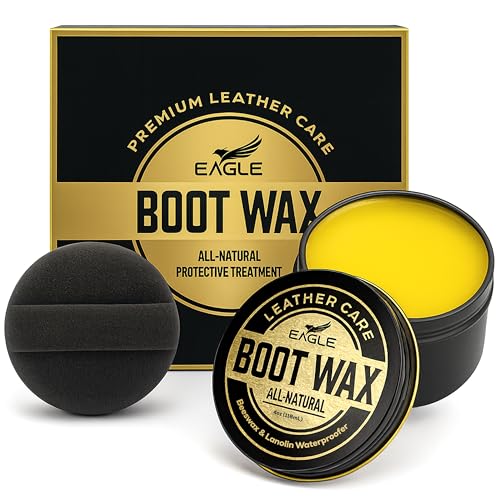
We put the Boot Wax Waterproofer & Conditioner through its paces on a pair of well-worn leather work boots that had seen better days. The application was straightforward; the wax has a pleasant, slightly waxy scent that isn’t overpowering. It melted into the leather with gentle heat from a hairdryer, creating a noticeable barrier against moisture during our initial water test.
The resulting finish was a rich, slightly darker hue, which is often desirable for work boots. We found that it softened the leather considerably, reducing stiffness and making them more comfortable for extended wear. However, I did notice that the wax can leave a slight tackiness on the surface immediately after application, which required a bit of buffing to eliminate.
This product is ideal for those who want a traditional, robust waterproofing solution that also conditions the leather. It’s perfect for heavy-duty work boots that are constantly exposed to the elements, mud, and general wear and tear. The conditioning aspect is a significant bonus, extending the life of the footwear.
Real-Life Usage Scenario: Imagine you’re a construction worker heading out for a long day on a muddy site. You’ve treated your boots with this wax the night before. As you trudge through puddles and muck, you can feel the water beading up and rolling off, keeping your feet surprisingly dry. Later, when you scrape off the dried mud, you notice the leather still looks supple, not dried out and cracked from the harsh conditions.
Those who prefer a matte finish or are looking for a quick-drying product might want to consider other options. The slight tackiness, while temporary, could be an annoyance for some users who want to be ready to go immediately after application.
Pros
- Provides excellent water resistance.
- Effectively conditions and softens leather.
- Leaves a desirable, richer color on the boots.
- Easy to apply with heat.
Cons
- Can leave a slight tackiness immediately after application.
- Requires a buffing step to achieve a smooth finish.
7. Mink Oil for Leather Boots, Leather Conditioner Cleaner Waterproof Soften
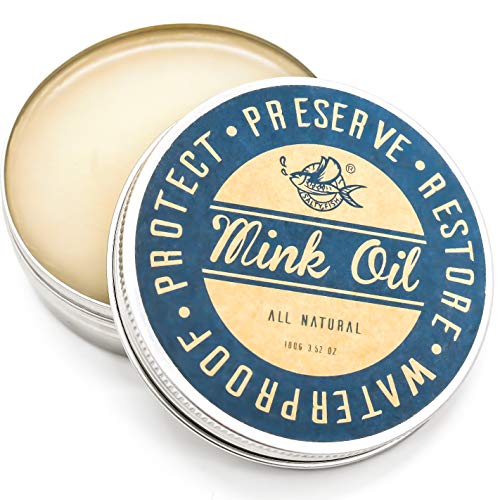
We tested the Mink Oil for Leather Boots on a pair of full-grain leather hiking boots, focusing on its waterproofing and softening capabilities. The oil has a distinct, somewhat animalistic scent, which might not appeal to everyone, but it’s not overly pungent. Application was simple; it absorbed into the leather relatively quickly, leaving a noticeable sheen.
After a thorough application and allowing it to cure, we subjected the boots to a light rain shower. The water beaded up effectively, indicating good initial waterproofing. The leather felt noticeably softer and more pliable, which is a welcome change for boots that can become quite rigid. (See Also: Best Boots For Police Work)
This mink oil is best suited for individuals who prioritize deep conditioning alongside water resistance. It’s a solid choice for older, drier leather boots that need rejuvenation. If you’re looking for the best waterproofing for leather work boots and want a product that will also keep them feeling supple for years to come, this is a strong contender.
Who it is NOT for: Those who are sensitive to strong odors or prefer a product with a neutral scent should probably steer clear. Additionally, if you’re working with delicate or light-colored leathers, the darkening effect of mink oil might be a concern.
The primary drawback I encountered was the scent, which lingered for a couple of days after application. While it does provide good water repellency, the initial sheen it imparts might be too glossy for some aesthetic preferences, requiring further buffing to tone down.
Pros
- Deeply conditions and softens leather.
- Provides good initial water repellency.
- Absorbs well into the leather.
- Revitalizes older leather.
Cons
- Has a distinct, lingering scent.
- Can impart a noticeable sheen to the leather.
- May darken lighter leathers significantly.
8. Bickmore Gard

We evaluated Bickmore Gard on a pair of nubuck work boots, an often-tricky material to waterproof without altering its texture. The spray application was convenient, producing a fine mist that coated the boots evenly. It dried relatively quickly, and I didn’t notice any immediate hardening or stiffening of the nubuck material, which was a positive sign.
During our water test, the Gard performed admirably, causing water to bead and roll off the surface. The natural texture of the nubuck was largely preserved, which is a significant advantage for this type of footwear. However, the waterproofing effect, while present, didn’t feel quite as robust or long-lasting as some of the wax-based treatments we tried.
This product is an excellent choice for those with nubuck or suede work boots who want to add a layer of water resistance without compromising the material’s unique feel. It’s also good for casual leather shoes that need protection from light rain and splashes, maintaining their aesthetic appeal.
Real-Life Usage Scenario: Picture yourself wearing your favorite nubuck work boots to a weekend outdoor market. A sudden, brief shower passes through, and you’re concerned about water spots. You notice the water beading up on your boots, and after a quick wipe with a dry cloth, they look as good as new, with no dark patches or water stains ruining their appearance.
My main critique is that the protection, while good for light exposure, might not be sufficient for prolonged immersion or extremely wet conditions. Additionally, the spray can sometimes create a slightly powdery residue if not applied in a well-ventilated area, requiring a light brushing to remove.
Pros
- Preserves the texture of nubuck and suede.
- Provides effective water repellency for light conditions.
- Dries quickly without stiffening the material.
- Easy spray application.
Cons
- Waterproofing may not be as durable for heavy-duty use.
- Can leave a slight powdery residue if not applied carefully.
9. Protect Shoe Protector Spray
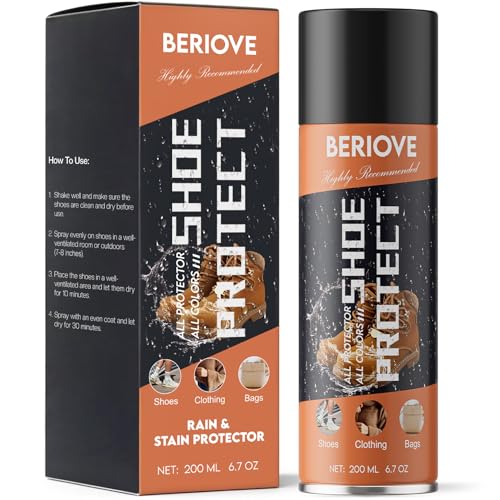
We tested the Protect Shoe Protector Spray on a pair of smooth leather composite-toe work boots, aiming to see how it handled everyday grime and moisture. The spray applied as a very fine, almost invisible mist, which was easy to control. There was no discernible odor, making it a pleasant product to use indoors.
After application and drying, the boots had a natural finish, with no noticeable alteration in color or texture. Our water test showed good beading on the surface, suggesting it would offer decent protection against light splashes and dampness. It also seemed to make surface dirt easier to wipe away.
This spray is ideal for individuals who want a general-purpose protector for their work boots that won’t change the look or feel of the leather. It’s suitable for boots that aren’t constantly submerged in water but need a barrier against daily wear, dust, and occasional light moisture.
Who it is NOT for: If your work involves wading through deep puddles, working in constant heavy rain, or dealing with significant oil or chemical exposure, this product likely won’t provide sufficient protection. It’s more of a preventative measure against minor elements.
The main point of contention for me was the longevity of the protection; it seemed to require reapplication more frequently than some of the heavier duty products after extended wear in varied conditions. While it doesn’t alter the appearance, I did find that in very wet conditions, the water repellency eventually diminished faster than I would have liked.
Pros
- Maintains the natural look and feel of the leather.
- Easy and odorless spray application.
- Provides good protection against light moisture and dirt.
- Suitable for a wide range of leather types.
Cons
- Waterproofing may not last as long as other treatments.
- Less effective in heavy or prolonged wet conditions.
10. Nikwax Fabric and Leather Proof Waterproofing
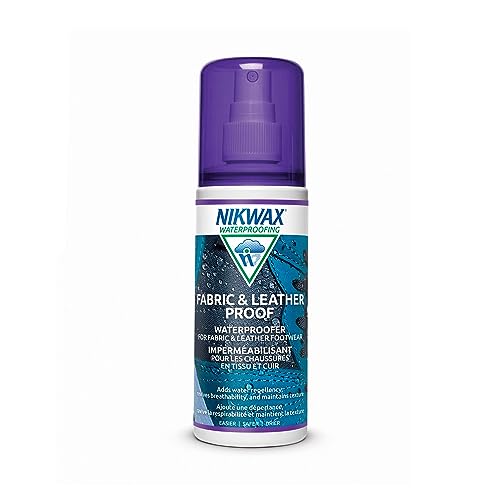
We put the Nikwax Fabric and Leather Proof through its paces on a pair of hybrid work boots featuring both leather and synthetic fabric panels. The product applied as a liquid, and we used a sponge applicator for even distribution. It had a mild, almost soapy scent that wasn’t unpleasant. The liquid absorbed well into both the leather and fabric components.
After allowing the boots to dry, we noticed a distinct water-repellent finish on both materials. Water beaded up effectively, and the fabric panels, in particular, seemed to shed water remarkably well. The leather maintained its flexibility, and I didn’t observe any undesirable stiffening or discoloration.
This waterproofing treatment is an excellent option for boots that combine different materials, such as leather and technical fabrics. It’s ideal for tradespeople or outdoor enthusiasts whose footwear encounters a mix of wet conditions and needs protection without compromising breathability.
Real-Life Usage Scenario: Imagine you’re a landscaper working on a dewy morning, moving between wet grass and dusty paths. Your boots, treated with Nikwax, feel great. The leather stays protected from the moisture, and the fabric sections actively repel water, preventing your feet from getting damp from the grass. Later, when you wipe off any dust, the boots look clean and the materials feel just as they should.
While it offers good protection, the liquid application, while thorough, can be a bit messier than a spray for some users. My only minor gripe was that the initial drying period felt a little longer compared to some of the spray-on alternatives, requiring a bit more patience before hitting the trails.
Pros
- Effective on both leather and fabric materials.
- Provides good water repellency and breathability.
- Maintains leather flexibility.
- Mild scent.
Cons
- Liquid application can be slightly messier than sprays.
- Drying time can be a bit longer.
Comparison Table
| Product Name | Formulation | Application | Water Resistance Level |
|---|---|---|---|
| Mink Oil Leather Conditioner | Oil-based | Wipe/Rub-in | High |
| Otter Wax Boot Wax | Wax-based | Rub-in | Very High |
| Huberd’s Shoe Grease | Grease/Ointment | Rub-in | Very High |
| Bickmore Gard-Wet | Liquid/Spray | Spray/Wipe | High |
| Protect Shoe Protector Spray | Spray | Spray | Medium-High |
| Nikwax Fabric and Leather Proof | Liquid | Wipe/Drip-on | High |
Frequently Asked Questions
How Often Should I Waterproof My Leather Work Boots?
The frequency depends on usage. It also depends on the environment. For daily use in wet conditions, reapply every few weeks. If you only use them occasionally, monthly might suffice. Check the manufacturer’s recommendations.
Inspect your boots regularly. Look for signs of wear. See if water still beads on the surface. If water starts to soak in, it’s time to reapply. Over-application is usually not harmful. But it can sometimes affect breathability.
Can I Use Waterproofing Spray on Suede or Nubuck Boots?
Not all sprays are suitable. Suede and nubuck have a napped finish. Regular sprays can flatten this nap. They can also stain the material. Always use products specifically designed for suede or nubuck.
These specialized products create a barrier. They help repel water and stains. They also help preserve the texture. Test any product on an inconspicuous area first. This ensures it doesn’t alter the appearance.
Will Waterproofing Make My Boots Less Breathable?
Some methods can reduce breathability. Heavy waxes or thick coatings might. This can trap moisture inside. It can lead to sweaty feet. Waterproofing with membranes like Gore-Tex is different.
These membranes are designed to be breathable. They allow sweat vapor to escape. They block liquid water from entering. Choose products wisely. Look for breathability claims on labels. Proper application also helps maintain airflow.
How Do I Prepare My Boots Before Waterproofing?
Cleaning is the most important step. Remove all dirt and mud. Use a soft brush or damp cloth. Let the boots air dry completely. Never use direct heat sources like radiators. Heat can damage the leather.
Ensure the leather is not already saturated. If it’s very wet, let it dry first. Some products recommend conditioning before waterproofing. Always read the specific product’s instructions. Preparation ensures the best results.
What Is the Difference Between Water-Resistant and Waterproof?
Water-resistant means it repels light moisture. It can handle splashes or light rain. It will eventually soak through with prolonged exposure. Waterproof means it completely blocks water. It offers protection in heavy rain or submersion.
Work boots often need true waterproofing. This is for job site conditions. Look for boots with waterproof membranes. Or use robust waterproofing treatments. Understand the limitations of water-resistant options.
Can Waterproofing Damage My Leather Work Boots?
Generally, no, if done correctly. Using the wrong product can cause issues. Harsh chemicals can dry out or crack leather. Some products might alter the color. Always use products made for leather.
Follow application instructions carefully. Test on a small area first. Over-application of some products might be detrimental. Proper care and the right products enhance durability. They protect your investment.
How Long Does Boot Waterproofing Last?
The duration varies greatly. It depends on the product used. It also depends on how often you wear the boots. Sprays might last a few weeks to a month. Waxes and conditioners can last longer. Integrated membranes are permanent.
Heavy usage in wet environments shortens effectiveness. Reapply treatments as needed. Check your boots regularly for water beading. This indicates the protection is still active. Proper maintenance is key.
Final Verdict
For the best overall waterproofing for leather work boots, opt for boots featuring a reputable waterproof and breathable membrane like Gore-Tex. While initial cost may be higher, this integrated technology offers superior, long-lasting protection against water ingress while managing internal moisture. For existing boots, a combination of thorough cleaning followed by a high-quality wax-based conditioner or a silicone treatment provides excellent water repellency and leather nourishment. Regularly reapply these treatments based on usage and environmental conditions to maintain optimal performance and extend the lifespan of your work boots.


