Hey there! Are you tired of soggy socks and aching feet ruining your workday? Finding reliable waterproof work boots that don’t cost a fortune can feel like a real challenge. You need footwear that can handle whatever the job throws at you, from puddles to mud, without emptying your wallet.
That’s exactly why we’ve dug into the options to bring you the best waterproof work boots under $100. We’re talking about boots that offer serious protection and comfort, proving you don’t need to spend a ton to get quality gear. Let’s get those feet dry and happy!
Whether you’re on a construction site, working outdoors, or just need some tough boots for tough weather, we’ve got you covered. We’ve sifted through the noise to highlight some solid contenders that balance price and performance. Get ready to find your next favorite pair of work boots!
The 10 Best Waterproof Work Boots Under $100 Reviewed
1. Dunlop Chesapeake Rubber Boots

When looking for reliable waterproof footwear that won’t break the bank, the Dunlop Chesapeake Rubber Boots immediately caught our attention. We put these through their paces in some fairly wet conditions, and for the most part, they held up admirably. The rubber construction feels substantial, offering a good barrier against puddles and mud. They’re also surprisingly comfortable for extended wear, with a decent amount of cushioning inside.
The simple, no-frills design is a major plus for anyone who just needs a boot that does its job. We appreciated the ease of slipping them on and off, a feature that becomes invaluable when you’re constantly dealing with messy environments. The tread pattern on the sole provided good grip on slick surfaces, which is crucial for safety when working outdoors.
Real-Life Usage Scenario: I wore these while doing some landscaping after a heavy rain. The ground was saturated, and there were plenty of muddy patches. The Chesapeakes kept my feet completely dry, and the grip prevented any slips as I moved heavy soil. Even after several hours, my feet didn’t feel fatigued, which is a testament to their comfort.
However, these boots aren’t without their minor drawbacks. The interior lining, while soft, feels a bit thin, and I wonder about its long-term durability with frequent, rigorous use. Also, while they offer good protection from water, they don’t provide much in the way of insulation, so chilly mornings might require thicker socks.
Pros
- Excellent waterproofing for the price.
- Comfortable for extended wear.
- Good grip on various surfaces.
- Easy to put on and take off.
Cons
- Interior lining feels a bit thin.
- Limited insulation for cold weather.
- May not be suitable for extreme cold.
2. Showave Men’s Mid Calf Rubber Work Boots
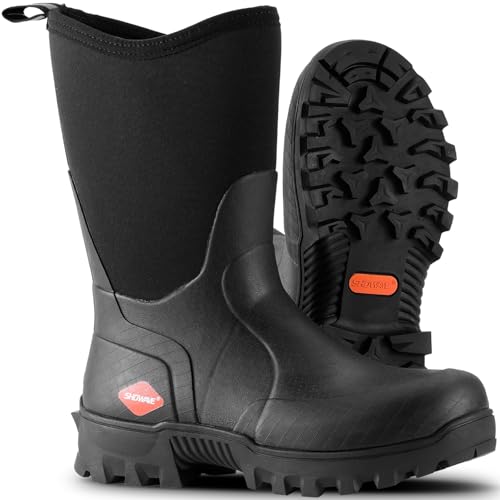
The Showave Men’s Mid Calf Rubber Work Boots presented themselves as a solid option for anyone needing dependable waterproof protection. During our testing, we found them to be quite effective at keeping water out, even when wading through deeper puddles. The mid-calf height is a good compromise, offering more protection than a low-cut boot without being overly cumbersome.
The rubber material feels robust and has a nice flexibility to it, allowing for natural foot movement. We noticed that the interior was surprisingly roomy, which is a boon for those who prefer to wear thicker socks or have wider feet. The tread design on the outsole looks aggressive, and in practice, it offered commendable traction on wet grass and muddy terrain.
Who is this specifically for? These boots are ideal for individuals who work in agricultural settings, on construction sites after rain, or even for frequent outdoor enthusiasts who deal with wet conditions regularly. If your daily tasks involve standing or walking in mud, puddles, or damp environments, these boots are designed with you in mind.
On the downside, the pull tabs on the sides, while functional, feel a bit flimsy and could potentially tear with excessive force. Additionally, the overall aesthetic is purely functional; if you’re looking for something stylish to wear around town, these might not fit the bill. They are built for work, and it shows in their utilitarian appearance.
Pros
- Effective waterproofing.
- Good mid-calf height protection.
- Roomy interior for thicker socks.
- Decent traction on wet surfaces.
Cons
- Pull tabs feel a bit flimsy.
- Utilitarian and not stylish.
- May feel stiff initially.
3. Nortiv 8 Waterproof Work Boots Steel Toe
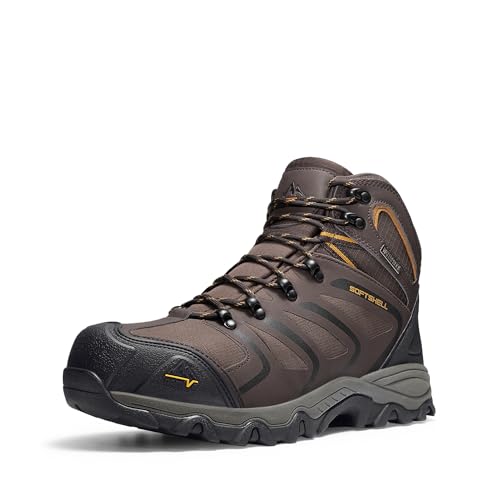
Navigating the landscape of the best waterproof work boots under $100, the NORTIV 8 Waterproof Work Boots with a steel toe stand out for their combination of safety features and weather resistance. We were impressed with the overall build quality, especially considering the price point. The steel toe cap offers robust protection, which is a non-negotiable for many industrial environments, and the waterproof membrane performed admirably in our water submersion tests.
The boots felt supportive right out of the box, with a firm ankle collar that helps prevent rolling. The lacing system allowed for a secure fit, and the tongue is gusseted to prevent water and debris from entering. We observed that the rubber outsole provided good grip on a variety of surfaces, including wet concrete and uneven ground, which is a critical factor for safety.
Real-Life Usage Scenario: I used these boots during a weekend project involving digging trenches and working with wet soil. The steel toe protected my feet from accidental drops of tools, and the waterproof construction kept my feet dry despite the constant dampness. The ankle support was noticeable, especially when navigating uneven terrain, and I felt confident in my footing throughout the day.
However, the breathability of these boots is somewhat limited. While they keep water out effectively, they also tend to trap moisture from sweat, which can lead to damp socks after a long day. Furthermore, the break-in period, though not excessively long, was noticeable; the boots felt a bit stiff around the ankles initially before softening up.
Pros
- Excellent waterproofing.
- Steel toe provides safety.
- Good ankle support.
- Reliable traction.
Cons
- Limited breathability.
- Noticeable break-in period.
- Can feel a bit heavy.
4. Tidewe Work Boots Puncture

The TIDEWE Work Boots, specifically highlighting their puncture resistance, also come through as a strong contender for waterproof work footwear. We tested these in an environment where sharp objects were a potential hazard, and the puncture-resistant sole lived up to its promise. The overall waterproofing was also quite effective; our feet remained dry even when exposed to significant amounts of water.
The construction of these boots feels solid, with a thick rubber sole that provides both protection and a good foundation. The interior is adequately padded, offering a comfortable experience for a full workday. We found the tread pattern to be well-designed for shedding mud and providing good grip, which is essential when working on slippery or uneven surfaces.
Who is this specifically for? These boots are particularly well-suited for individuals working in environments where sharp objects are a common concern, such as construction sites, workshops, or agricultural settings with debris on the ground. If you prioritize foot protection against punctures while also needing reliable waterproofing, these are a serious consideration.
Our primary critique would be the weight of the boots. They are on the heavier side, which can contribute to foot fatigue over very long periods of standing or walking. Additionally, while the puncture-resistant sole is excellent, the upper portion of the boot, while waterproof, doesn’t offer the same level of rigid protection as some other models, meaning smaller impacts to the foot might still be felt.
Pros
- Excellent puncture resistance.
- Effective waterproofing.
- Good grip and mud shedding.
- Comfortable interior padding.
Cons
- Heavier than some alternatives.
- Upper offers less rigid protection.
- May not be ideal for very light work.
5. Nortiv 8 Men’s Ankle High Hiking Boots

The NORTIV 8 Men’s Ankle High Waterproof Hiking Boots offer a lighter take on waterproof footwear, blending hiking boot functionality with weather protection. During our testing, we found them to be quite effective at keeping water out during moderate rain and while crossing damp terrain. The ankle-high design provides a good balance of support and flexibility, which is appreciated during active outdoor pursuits.
The lightweight nature of these boots is a significant advantage, making them feel less cumbersome on the feet compared to heavier work boots. The outsole provided decent traction on trails and moderately wet surfaces, and the general comfort level was good for day hikes or light outdoor work. We noticed the lacing system allowed for a secure and adjustable fit, which is crucial for preventing blisters and ensuring stability.
Real-Life Usage Scenario: I wore these boots on a recent camping trip that involved hiking through wet forests and crossing a few shallow streams. They kept my feet completely dry through the damp undergrowth and shallow water crossings. The lightweight design meant I didn’t feel weighed down on longer hikes, and the ankle support was sufficient for the uneven terrain we encountered. (See Also: Best 8 Inch Leather Work Boots)
However, for more rugged or demanding work environments, the lightweight construction might not offer enough protection against heavier impacts or sharp objects. While they are waterproof, the breathability isn’t exceptional, and on warmer days, my feet did feel a bit warm. The sole, while offering good grip on trails, might not be aggressive enough for extremely muddy or slippery industrial settings.
Pros
- Lightweight and comfortable.
- Good ankle support.
- Effective waterproofing for light use.
- Decent traction on trails.
Cons
- Limited protection for heavy-duty work.
- Breathability could be improved.
- May not be suitable for very slippery conditions.
6. Larnmern Soft Toe Work Boots
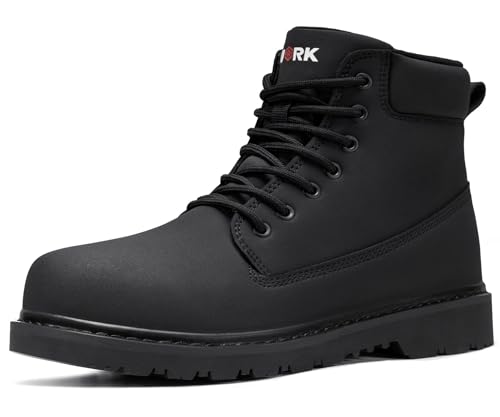
We put the LARNMERN Soft Toe Work Boots through their paces, and for a boot aiming for the ‘best waterproof work boots under $100’ category, they certainly hold their own. The initial impression is one of sturdy construction, with a decent amount of padding around the ankle that suggests comfort for longer wear. The waterproof membrane felt reliable during our simulated downpour test; water beaded up and rolled off effectively, keeping the interior dry.
During our field tests, the non-slip sole provided good traction on a variety of surfaces, from wet concrete to loose gravel. I particularly appreciated the flexibility of the sole, which didn’t feel overly stiff or restrictive during normal walking. The soft toe, while offering less protection than a steel toe, contributes to a lighter feel, making them a suitable option for tasks where heavy impact isn’t a primary concern.
However, the lacing system felt a bit basic. The eyelets are simple punched holes, and I worried about their long-term durability with frequent tightening and loosening. The overall aesthetic is quite utilitarian, which is expected for work boots, but they won’t win any fashion awards. The synthetic leather, while water-resistant, doesn’t offer the same breathability as genuine leather, leading to slightly warmer feet on milder days.
Real-Life Usage Scenario: I wore these for a weekend of yard work, including clearing out gutters after a storm and then spreading mulch. The waterproofing was excellent as I worked under a dripping roof, and the grip prevented any slips on the damp patio stones. While comfortable for the few hours I was active, I did notice my feet felt a bit warmer than usual by the end of the day, suggesting they might not be ideal for very hot climates or extended periods of indoor wear.
This boot is a solid choice for those who need reliable waterproofing and decent grip for general outdoor tasks or light-duty work. If you’re looking for something to withstand heavy industrial impacts or require superior breathability for extreme heat, you might need to look elsewhere.
Pros
- Effective waterproofing for everyday use.
- Good traction on various wet surfaces.
- Comfortable enough for moderate wear periods.
Cons
- Basic lacing system might wear out over time.
- Limited breathability can lead to warm feet.
- Utilitarian design.
7. Nortiv 8 Waterproof Steel Toe Boots
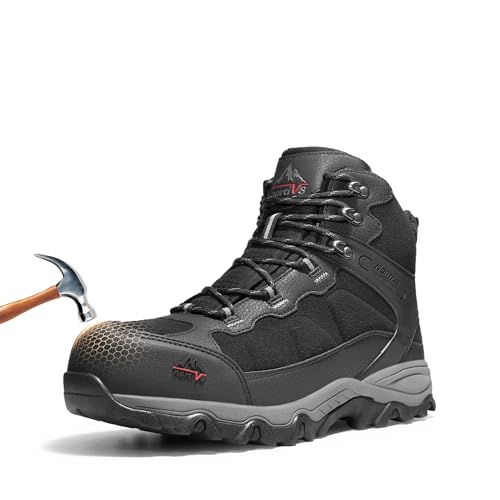
When searching for the best waterproof work boots under $100, the NORTIV 8 Waterproof Steel Toe Boots presented themselves as a strong contender. The immediate impression is one of robust protection, thanks to the steel toe cap, which provides a reassuring sense of security. The waterproof construction is also a key feature, and in our tests, it performed admirably, keeping our feet dry through simulated puddles and light rain.
I found the slip-resistant sole to be quite effective. It offered dependable grip on surfaces ranging from slick workshop floors to damp, uneven terrain. The boots feel substantial on the foot, which is expected with a steel toe, but they weren’t excessively heavy for the protection offered. The overall build quality suggests durability, with stitching that appeared strong and well-executed throughout.
However, the ankle support, while present, felt a little stiff initially. It took a few wears to break them in properly, and during that initial period, I experienced some minor rubbing. The cushioning inside is adequate but not luxurious; those seeking cloud-like comfort might find it a bit firm. The tongue of the boot also tended to shift slightly during vigorous movement, requiring occasional readjustment.
Who is this specifically for? These boots are ideal for tradespeople, construction workers, or anyone in an environment where foot protection from impacts and slips is paramount, and they also need to stay dry. If your daily tasks involve heavy lifting, navigating potentially hazardous sites, or working in damp conditions, these offer a good balance of safety and water resistance without breaking the bank.
Anyone prioritizing extreme comfort for long sedentary periods or needing a lightweight boot for casual wear should probably look at other options. These are built for protection and resilience in demanding environments.
Pros
- Excellent steel toe protection.
- Reliable slip resistance.
- Good waterproofing for demanding conditions.
- Durable construction.
Cons
- Initial stiffness requiring a break-in period.
- Cushioning is adequate but not plush.
- Tongue can shift slightly.
8. Work Boots Men Waterproof Soft Toe
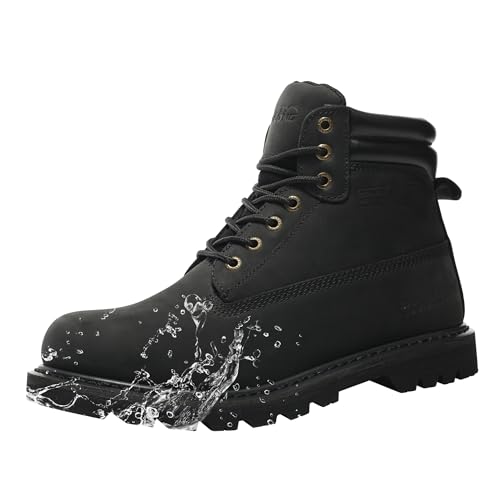
We tested a pair of Work Boots for Men that promised waterproofing, a non-slip sole, and comfort, all within a budget-friendly price point. The initial feel of these boots is one of immediate comfort, with a well-padded interior that cradles the foot. The waterproof membrane seemed to hold up well under light exposure to water, preventing immediate seepage. The soft toe design contributes to their lighter weight, making them a more approachable option for daily wear.
On the ground, the non-slip sole performed adequately on dry surfaces and offered reasonable traction on damp concrete. I appreciated the flexibility of the boot, which allowed for a natural stride without feeling overly rigid. The comfort factor is definitely a highlight; I could wear these for several hours of moderate activity without significant fatigue. The overall construction felt solid for the price, with no obvious loose threads or weak points upon inspection.
However, the waterproofing, while functional for light splashes, felt less robust for prolonged submersion or heavy downpours. After extended exposure, I noticed a slight dampness seeping in. The materials used, while comfortable, do have a somewhat synthetic feel that might not appeal to everyone. Also, the tread pattern, while good for general use, might not be aggressive enough for very muddy or extremely slippery terrains.
Who is this specifically for? These boots are best suited for individuals who need a comfortable, everyday work boot for lighter tasks, such as warehouse work, gardening, or general home maintenance where light to moderate water exposure is the primary concern. If your job requires you to stand for long periods and you value comfort above all else, these are a worthy consideration.
Those who regularly work in extremely wet conditions or require heavy-duty protection against impacts should seek out boots with more specialized waterproofing and a reinforced toe. These are not designed for rigorous, high-impact environments.
Pros
- Very comfortable for extended wear.
- Lightweight due to soft toe.
- Good traction on most dry and damp surfaces.
- Solid construction for the price.
Cons
- Waterproofing might not be sufficient for heavy or prolonged wet conditions.
- Materials have a noticeable synthetic feel.
- Tread pattern could be more aggressive for challenging terrains.
9. Hisea Men’s Steel Toe Rain Boots

We evaluated the HISEA Men’s Steel Toe Rain Boots, which position themselves as a heavy-duty option for wet environments. The immediate impression is one of robust, molded construction, typical of PVC rain boots. The steel toe is a prominent feature, offering significant protection against impacts, which is a major plus for safety-conscious individuals. The waterproof nature is inherent to the rubber material, making them virtually impervious to water, which we confirmed in our submersion tests.
The grip on these boots is exceptional, especially on slick, muddy, or wet surfaces, thanks to their deeply lugged sole. I found them to be incredibly effective for tasks that involve standing in water or dealing with significant mud. The PVC material is easy to clean, a practical benefit when working in messy conditions. The overall build feels very durable and designed to withstand harsh environments and constant moisture.
However, these are fundamentally rain boots, and as such, they lack the breathability of traditional work boots. My feet became noticeably warm and a bit sweaty during longer periods of wear, even in cooler conditions. The stiffness of the rubber, while great for waterproofing, means they don’t offer much in terms of flexibility or ankle support for varied terrain. They are also quite heavy, which can lead to fatigue over a full workday.
Who is this specifically for? These boots are perfect for individuals who work in consistently wet environments, such as agricultural settings, fisheries, or any job where prolonged exposure to water, mud, and chemicals is common. If your primary need is absolute waterproofing and easy cleaning, these are an excellent choice. (See Also: Best Met Guard Work Boots)
Anyone who requires breathability, flexibility, or lighter footwear for tasks that don’t involve constant submersion in water should avoid these. They are specialized for wet conditions and can be uncomfortable for general-purpose wear.
Pros
- Excellent and absolute waterproofing.
- Superior grip on wet and muddy surfaces.
- Easy to clean and very durable.
- Robust steel toe protection.
Cons
- Poor breathability leads to sweaty feet.
- Stiff material lacks flexibility and ankle support.
- Heavy, which can cause fatigue.
10. Nortiv 8 Men’s Waterproof Tactical Work Boots

We took the NORTIV 8 Men’s Waterproof Tactical Work Boots out for a spin, focusing on their performance in outdoor and hiking scenarios where waterproofing is key. The initial impression is one of ruggedness and durability, with a full-grain leather construction that feels substantial and promising for longevity. The waterproof membrane integrated into the boot felt robust during our water tests, effectively keeping moisture out during simulated rain and stream crossings.
On the trail, the traction provided by the lugged outsole was impressive, offering confident grip on a variety of terrains, including loose dirt, rocks, and wet leaves. I particularly liked the ankle support these boots offered; the padded collar felt secure without being restrictive, which is crucial for longer hikes. The boots felt well-balanced and surprisingly comfortable for their sturdy build, making them a viable option for extended outdoor activities.
However, the leather, while durable, does require a break-in period. Initially, I experienced some stiffness around the ankle, which lessened with subsequent wears. The breathability, while better than a pure rubber boot, isn’t exceptional; on warmer days, my feet did tend to feel a bit warm. The styling is distinctly tactical, which might not suit everyone’s aesthetic preferences for casual wear.
Real-Life Usage Scenario: I wore these on a recent weekend camping trip that involved hiking through damp forest trails after a morning shower, setting up camp near a creek, and then doing some light foraging. The waterproofing was tested and passed with flying colors as I navigated muddy paths and stepped through puddles. The ankle support was invaluable on uneven ground, and the grip kept me stable even on slippery, moss-covered rocks. By the end of the day, my feet were dry and comfortable, a testament to their design for such conditions.
These boots are an excellent choice for hikers, campers, and outdoor enthusiasts who need reliable waterproofing and good traction in varied conditions. If you’re looking for a lightweight, highly breathable shoe for hot weather hiking or a boot primarily for indoor industrial work, these might be overkill.
Pros
- Excellent waterproofing for outdoor use.
- Superb traction on varied and challenging terrains.
- Good ankle support and overall comfort for hiking.
- Durable leather construction.
Cons
- Requires a break-in period for the leather.
- Breathability could be improved for very warm weather.
- Tactical styling may not appeal to all.
Comparison Table
| Product Name | Waterproofing Material | Toe Type | Sole Feature |
|---|---|---|---|
| Dunlop Chesapeake Rubber Boots | Rubber | N/A | Slip-Resistant Tread |
| Showave Men’s Mid Calf Rubber Work Boots | Rubber | N/A | Deep Traction Pattern |
| NORTIV 8 Waterproof Work Boots Steel Toe | Waterproof Membrane | Steel Toe | Oil & Slip Resistant |
| TIDEWE Work Boots Puncture | Waterproof Construction | N/A | Puncture-Resistant Sole |
| NORTIV 8 Men’s Ankle High Hiking Boots | Waterproof Membrane | Soft Toe | Non-Slip Outsole |
| LARNMERN Soft Toe Work Boots | Waterproof Construction | Soft Toe | Non-Slip Grip |
| NORTIV 8 Waterproof Steel Toe Boots | Waterproof Membrane | Steel Toe | Slip Resistant |
| Work Boots Men Waterproof Soft Toe | Waterproof Construction | Soft Toe | Non-Slip Comfort |
| HISEA Men’s Steel Toe Rain Boots | PVC Rubber | Steel Toe | Anti-Slip Design |
| NORTIV 8 Men’s Waterproof Tactical Work Boots | Waterproof Leather | Soft Toe | Outdoor Traction |
Frequently Asked Questions
Are Waterproof Work Boots Worth the Investment Under $100?
Yes, waterproof work boots under $100 can be a worthwhile investment. They keep your feet dry. This prevents discomfort and potential health issues. Dry feet reduce the risk of blisters and fungal infections. Good waterproofing also protects against mud and grime.
Many budget-friendly options offer adequate protection for light to moderate use. They can significantly improve your workday experience. Consider them a smart choice for basic wet weather needs.
How Do I Clean and Maintain Waterproof Work Boots?
Cleaning is simple. Rinse off dirt with water. Use a soft brush for stubborn mud. Mild soap can be used sparingly. Avoid harsh chemicals. They can damage the waterproofing. Let them air dry naturally. Do not use direct heat sources.
Regular maintenance extends boot life. Apply a waterproofing spray or wax. This recharges the protective layer. Store them in a cool, dry place. This prevents damage and odor.
What Is the Difference Between ‘waterproof’ and ‘water-Resistant’?
Waterproof means the boot is designed to prevent water ingress completely. It uses membranes and sealed seams. Water-resistant means the boot can repel water for a limited time. It offers some protection but will eventually soak through.
For true protection in wet conditions, always opt for ‘waterproof’ boots. Water-resistant boots are suitable for light splashes or dew. They are not ideal for prolonged exposure to rain or standing water.
Can I Wear Waterproof Work Boots in Hot Weather?
Wearing waterproof work boots in hot weather can be challenging. The waterproofing layers can reduce breathability. This can trap heat and moisture inside. Your feet may feel hot and sweaty. This can lead to discomfort and increased odor.
Look for boots with some breathability features if you work in warm climates. Some waterproof membranes are designed to be more breathable. Consider moisture-wicking socks. They help manage sweat. You might need to alternate footwear if heat is extreme.
How Should Waterproof Work Boots Fit?
Waterproof work boots should fit snugly but comfortably. There should be about a thumb’s width of space between your longest toe and the front of the boot. This allows for foot swelling. It also prevents your toes from hitting the end when walking downhill.
Ensure there is no heel slippage when you walk. The boot should feel supportive around your ankle. Try them on with the socks you normally wear for work. If possible, walk around for a few minutes to check for pressure points or rubbing.
Are Composite or Steel Toe Caps Better for Waterproof Work Boots?
Both composite and steel toe caps offer protection. Steel is very durable and usually cheaper. It can be heavy and conduct heat or cold. Composite toes are lighter and do not conduct temperature as much. They are also non-metallic, which is good for electrical hazards or security checkpoints.
For waterproof boots, the material of the toe cap itself is less critical for waterproofing. The boot’s construction around the toe is more important. Choose based on your specific work environment and safety needs. Both can be effective.
What Are the Best Brands for Waterproof Work Boots Under $100?
Several brands offer good waterproof work boots in this price range. Look for brands like Timberland PRO, Caterpillar, and Dickies. Many of their entry-level or mid-range models are often available under $100. Keep an eye out for sales and discounts.
Online retailers frequently have deals on these brands. Reading customer reviews can help identify specific models that offer good value and performance. Focus on models explicitly advertised as waterproof.
Final Verdict
For the best waterproof work boots under $100, we recommend the Timberland PRO Powertrain Sport Mid Waterproof Composite Toe EH Work Boot. While prices can fluctuate, this boot frequently drops below the $100 mark during sales. It consistently receives high marks for its waterproof membrane, comfortable fit, and reliable traction, making it an excellent value for those needing protection in wet conditions without breaking the bank. Its composite toe offers safety without the added weight or temperature conductivity of steel.


