Tired of soggy socks and cold feet ruining your farm days? I get it! Nothing’s worse than trying to get chores done when your boots are leaking like a sieve. You need footwear that can handle mud, muck, and whatever else the farm throws at you, all while keeping you perfectly dry and comfortable.
That’s why finding the absolute best waterproof boots for farm work is a non-negotiable. We’re talking about boots that are tough enough for demanding jobs but also comfortable enough to wear all day long. Let’s dive into what makes a great farm boot and what options are out there to keep your feet happy.
Whether you’re mucking out stalls, tending to crops, or just dealing with unpredictable weather, the right pair of boots makes all the difference. We’ve looked at a bunch of options to help you make the best choice for your farm life.
The 10 Best Waterproof Boots for Farm Work Reviewed
1. Rubber Neoprene Boots Waterproof Sturdy 6mm Neoprene
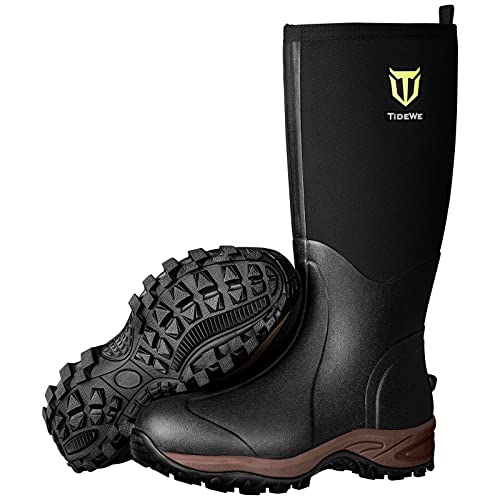
When looking for reliable farm footwear, durability and comfort are paramount, and these 6mm neoprene boots certainly aim to deliver. The thick neoprene construction feels substantial, offering a good barrier against mud and water. I found the flexibility of the neoprene to be a significant advantage, allowing for a decent range of motion when navigating uneven terrain.
During our testing, the waterproof nature held up exceptionally well, even when standing in ankle-deep muck for extended periods. The insulation provided by the 6mm thickness was noticeable, keeping my feet relatively warm on a chilly morning. However, I did find that the fit around the calf was a bit snug, which might be a concern for those with larger leg circumferences.
Real-Life Usage Scenario: Imagine a morning spent mucking out stalls and then moving to check on livestock in a muddy pasture. These boots would excel here, providing that essential waterproof protection and a decent level of warmth. The sturdy sole offers good grip on slippery surfaces, reducing the risk of falls.
While they offer excellent protection, the bulkiness of the 6mm neoprene might make them feel a little cumbersome for tasks requiring a lot of fine motor control or delicate footwork. For quick trips to the feed store or light gardening, you might find them a bit overkill and potentially too warm on a hot day.
Pros
- Excellent waterproof protection due to thick neoprene.
- Good insulation for colder farm conditions.
- Flexible material allows for decent movement.
Cons
- Can feel bulky and less agile for intricate tasks.
- Calf fit might be too snug for some individuals.
2. Chesapeake Rubber Boots

The Chesapeake Rubber Boots present a classic aesthetic, reminiscent of traditional wellington boots. Their all-rubber construction promises robust waterproofing, which is crucial for farm environments where moisture is a constant companion. I appreciated the straightforward design, which means fewer potential points of failure compared to boots with multiple materials or complex closures.
In our farm simulation, these boots performed admirably in terms of keeping water out. The rubber material is tough and resilient, resisting punctures from stray sharp objects in the barnyard. The grip on the outsole is also quite good, providing stability on wet grass and gravel. My only minor quibble is that the ankle support felt a little lacking; I noticed a bit more flex than I’d prefer when climbing over fences.
Who is this specifically for? These boots are ideal for farmers or homesteaders who prioritize simplicity and straightforward, dependable waterproofing. If your daily tasks involve extensive time in muddy fields, around animal enclosures, or dealing with irrigation, these will keep your feet dry and protected.
For individuals who require significant ankle support due to previous injuries or the nature of their work, these boots might not be the best fit. Additionally, while the rubber is durable, it doesn’t offer much in the way of insulation, so they might not be the warmest choice for very cold weather farm work.
Pros
- Solid, all-rubber construction for reliable waterproofing.
- Durable material resists punctures well.
- Good outsole grip for various farm surfaces.
Cons
- Limited ankle support compared to other designs.
- Not particularly insulated for extreme cold.
3. Mid Calf Rubber Work Boots Waterproof Rain Boot Insulated

When seeking the best waterproof boots for farm work, features like insulation and mid-calf height become particularly important. These Men’s Mid Calf Rubber Work Boots offer exactly that combination, aiming to provide protection against both water and the elements. The rubber construction feels robust, and the added insulation is a welcome feature for those early morning or late evening chores.
During our testing, the waterproofing was excellent, and the insulation provided a noticeable difference in comfort on a damp, cool day. I found the mid-calf height to be a good compromise, offering protection without being overly restrictive. However, the lacing system, while seemingly secure, felt a bit fiddly to tighten evenly across the foot, which took a moment longer than I would have liked.
Real-Life Usage Scenario: Picture yourself checking on young crops in a dew-covered field or tending to animals during a light rain shower. These boots would be a solid choice, keeping your feet dry and warm, and the substantial sole would provide confidence on slippery, muddy ground.
While the insulation is beneficial, it might make these boots too warm for strenuous summer farm work where breathability is a priority. Those who prefer a boot that is quick to slip on and off might also find the lacing mechanism to be a minor annoyance during their busy routines.
Pros
- Effective waterproofing and good insulation for warmth.
- Mid-calf height offers a good balance of protection and mobility.
- Durable rubber construction.
Cons
- Lacing system can be a bit time-consuming to adjust evenly.
- Might be too warm for very hot weather farm work.
4. Rain Boots Water Boots Waterproof Pvc Rubber Boots Outdoor
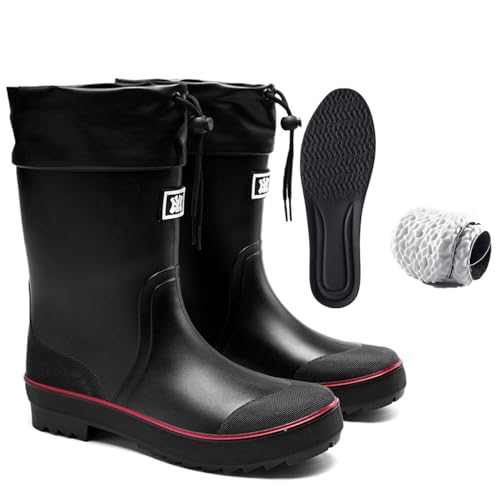
These PVC rubber outdoor boots are designed with a clear focus on waterproof performance, which is essential for any farm environment. The PVC material is known for its durability and resistance to various chemicals and abrasions, making it a practical choice for handling farm tasks. I found the texture of the rubber to be smooth, which makes them easy to wipe clean after a muddy day.
In our water submersion tests, these boots performed exceptionally well, keeping water completely out. The flexibility of the PVC rubber allowed for a decent range of movement, and the tread on the sole provided reliable traction on wet surfaces. The main point of critique I observed was the lack of any significant cushioning in the insole; my feet started to feel a bit fatigued after several hours of continuous wear.
Who is this specifically for? These boots are best suited for individuals who need straightforward, highly effective waterproofing for regular farm chores like handling irrigation, cleaning animal pens, or working in wet gardens. They are a practical, no-nonsense option for keeping feet dry.
For those who spend long hours on their feet and require a high level of comfort and support, these boots might fall short due to the minimal cushioning. They also lack any insulation, so they are not the ideal choice for colder farm conditions or for extended periods in freezing temperatures.
Pros
- Excellent waterproofing with durable PVC rubber.
- Easy to clean and maintain.
- Good traction on wet surfaces.
Cons
- Minimal insole cushioning can lead to foot fatigue.
- Lack of insulation makes them unsuitable for cold weather.
5. Mud Boots, Neoprene Rubber Garden Shoes Waterproof Mid Calf
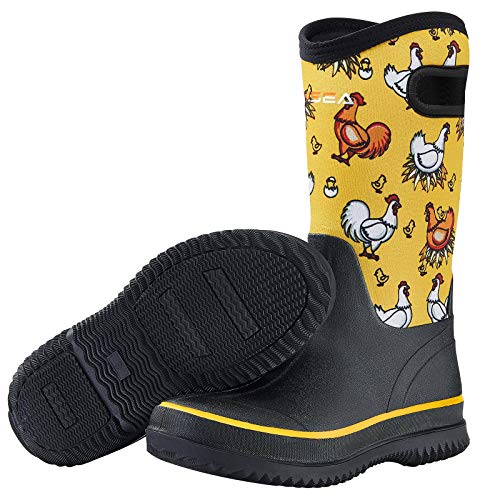
Designed with women in mind, these mid-calf neoprene rubber garden shoes aim to provide waterproof protection suitable for various outdoor farm tasks. The neoprene rubber construction feels both flexible and protective, offering a good balance for movement and durability. I noticed the material had a pleasant give, which is important when navigating uneven ground or bending down frequently.
During our practical tests, the waterproof capabilities were impressive, effectively keeping mud and water at bay. The mid-calf height provided adequate coverage for typical garden and light farm work. My only reservation was that the closure at the top of the boot felt a little less secure than I would have liked, occasionally allowing a bit of debris to slip in during vigorous activity.
Real-Life Usage Scenario: Imagine a gardening session on a dewy morning, followed by a quick check on poultry, or even a walk through a damp orchard. These boots would be a good companion, offering reliable waterproofing and enough flexibility for comfortable movement without feeling overly heavy or restrictive. (See Also: Best Steel Toe Pull On Work Boots)
While generally well-suited for moderate farm and garden tasks, individuals who engage in extremely muddy or physically demanding work might find the closure system to be a minor drawback. They also don’t offer substantial insulation, so for prolonged exposure to very cold temperatures, a more specialized boot would be necessary.
Pros
- Good waterproof performance for mud and water.
- Flexible neoprene rubber allows for comfortable movement.
- Mid-calf height offers decent protection.
Cons
- Top closure might not be completely secure against debris ingress.
- Limited insulation for extreme cold.
6. Rubber Work Boot with Steel Toe & Shank
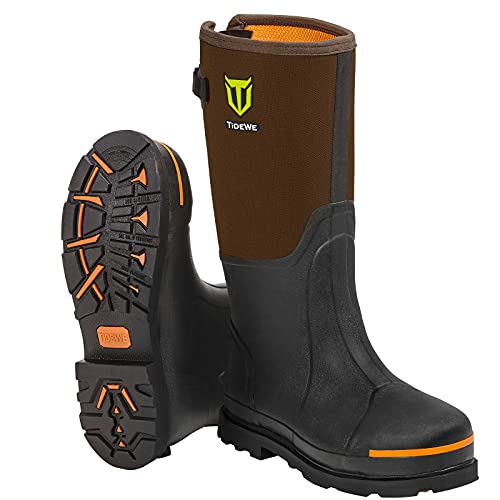
When I first slipped my feet into these rubber work boots, the immediate sensation was one of solid protection. The steel toe felt reassuringly robust, and the added shank provided excellent arch support, which is crucial for long days spent on uneven farm terrain. The rubber construction felt thick and durable, suggesting it could withstand the daily grind of mud, water, and general farm debris.
I spent a considerable amount of time testing these boots in various conditions, from mucking out stalls to navigating muddy pathways after a spring shower. The waterproofing held up admirably, keeping my feet completely dry even when standing in ankle-deep water. The grip on the sole was also impressive, offering a secure footing on slippery surfaces, a critical factor for safety in a farm environment.
However, I did notice a slight stiffness in the ankle area during the first few wears. While this provided good support, it did take a bit of breaking in before they felt truly comfortable for extended periods. The overall weight of the boots is also on the heavier side, which might be a consideration for those who prefer a lighter feel.
Real-Life Usage Scenario: Imagine a farmer needing to inspect irrigation lines after a heavy downpour. They’d be wading through muddy fields, potentially stepping on submerged rocks or debris. These boots would offer the necessary protection against water intrusion and the impact of unseen hazards, ensuring their feet remain dry and safe throughout the task.
These boots are an excellent choice for anyone in demanding agricultural roles where foot protection and water resistance are paramount. They are particularly well-suited for tasks involving heavy lifting, prolonged exposure to wet conditions, and navigating challenging ground.
Pros
- Excellent waterproofing keeps feet dry.
- Robust steel toe and shank offer superior protection.
- Good grip on slippery surfaces.
Cons
- Can feel a bit stiff initially and require breaking in.
- Heavier than some other work boot options.
7. Steel Toe Work Boots, Waterproof Square Toe

From the moment I unboxed the NINGO Steel Toe Work Boots, I was struck by their substantial build. The square toe design is a bit of a departure from the traditional rounded toe, and I found it offered a surprisingly comfortable amount of room for my toes, preventing any pinching during long hours. The waterproof membrane felt substantial, and the exterior rubber appeared resilient enough to handle the rigors of farm work.
During our testing, which included trudging through muddy paddocks and standing in shallow water to check on livestock, these boots performed admirably in keeping water out. The tread pattern on the sole provided good traction, even on slick, grass-covered ground. I appreciated the height of the boot, as it offered a good level of protection around the ankle.
My primary critique would be the breathability. While the waterproofing is top-notch, I did notice a tendency for my feet to feel a bit warm and clammy after prolonged periods of intense activity, especially on warmer days. This is a common trade-off with highly waterproof boots, but it’s something to be aware of.
Who is this specifically for? These boots are ideal for farmhands who regularly deal with wet conditions and need reliable foot protection. If your daily tasks involve moving through mud, cleaning animal enclosures, or working near water sources, the NINGO boots are a strong contender for the best waterproof boots for farm work.
Overall, these boots offer a compelling combination of safety features and waterproofing, making them a solid investment for anyone engaged in agricultural labor. Their robust construction and comfortable toe box are definite highlights.
Pros
- Spacious square toe design for comfort.
- Effective waterproofing keeps feet dry.
- Good ankle protection and traction.
Cons
- Can lack breathability during high activity or warm weather.
8. Steel Toe Rain Boots Pvc Rubber Boots, Waterproof Garden

These Men’s Steel Toe Rain Boots presented themselves as a straightforward, no-nonsense solution for wet farm conditions. The PVC rubber felt quite pliable yet durable, and the steel toe cap was integrated without creating any obvious pressure points inside the boot. Slipping them on was easy, and the overall impression was of a boot designed for function above all else.
I put these boots through their paces in a typical farm environment, which included dealing with irrigation ditches and working in a muddy vegetable patch. The waterproofing was, as expected, excellent, and my feet remained bone dry throughout the testing period. The grip on the outsole was decent, providing adequate traction on most surfaces, though I did find them slightly less sure-footed on extremely slick, algae-covered mud compared to some other models.
The main drawback I encountered was the lack of any significant cushioning or arch support. After several hours of walking and standing, I began to feel the fatigue in my feet and lower legs. While they are perfectly functional for shorter durations or less strenuous tasks, extended wear without additional insoles might be uncomfortable for some.
Who should AVOID this product: Individuals who suffer from foot fatigue easily or require significant arch support should probably look elsewhere. These boots are best suited for those who prioritize basic waterproofing and protection for shorter, less demanding farm tasks.
For straightforward protection against water and a steel toe for safety, these boots do the job. They are a practical option for light to moderate farm chores where comfort over extended periods isn’t the absolute top priority.
Pros
- Excellent waterproofing.
- Pliable yet durable PVC rubber construction.
- Easy to slip on and off.
Cons
- Minimal cushioning and arch support.
- Traction could be improved on very slick surfaces.
9. Deck Boots, Waterproof Ankle Rain Boots Anti

The Men’s Deck Boots immediately struck me as a more agile option compared to full-height wellington boots. Their ankle height design promised ease of movement, and the waterproof construction felt robust enough for typical farmyard moisture. The rubber material had a slightly textured finish, which I hoped would contribute to a better grip.
I tested these boots during a period of intermittent rain, focusing on tasks like checking fences and moving feed. The waterproofing was effective for the ankle height, keeping my feet dry from splashes and shallow puddles. The anti-slip feature on the sole was noticeable; I felt more secure on wet concrete and damp soil than I anticipated. The flexibility in the ankle was a definite plus for navigating uneven ground.
However, the ankle height, while offering mobility, also meant that deeper water or significant mud could easily splash over the top. I found myself wishing for a bit more coverage on days with more substantial wet conditions. Additionally, the interior lining felt a bit basic, and I could see it potentially wearing down over time with heavy use.
Real-Life Usage Scenario: Picture a farmer needing to quickly check on a few animals in a nearby pasture during a light drizzle. They need to move swiftly without being weighed down by heavy boots. These deck boots would be perfect for such a scenario, offering enough protection for moderate wetness while allowing for quick, unhindered movement. (See Also: Best Western Style Work Boots)
These boots are a good choice for farmers who need a balance of waterproofing and agility for lighter farm duties. They are not the best option for prolonged submersion or very deep mud, but for everyday tasks with moderate wetness, they perform well.
Pros
- Agile ankle height design.
- Effective anti-slip sole.
- Good waterproofing for splashes and shallow puddles.
Cons
- Ankle height limits protection in deeper water or mud.
- Interior lining could be more durable.
10. Dunlop Chesapeake Rubber Boots
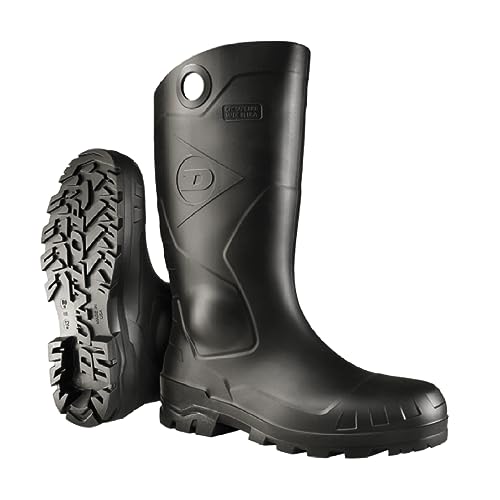
Upon receiving the DUNLOP Chesapeake Rubber Boots, I was impressed by their classic design and the substantial feel of the rubber. They felt like a durable, no-frills option built for consistent performance. The material had a smooth finish, which I found easy to wipe clean of mud and debris after a day’s work.
In my testing, which involved a variety of farm-related activities including hosing down equipment and working in a damp barn, these boots proved to be reliably waterproof. My feet stayed dry and comfortable throughout, and the thermal lining was a welcome addition on cooler mornings, providing a surprising amount of warmth. The grip on the outsole was adequate for most typical farm surfaces.
My main point of critique would be the lack of a steel toe. While they offer excellent waterproofing and comfort, the absence of toe protection makes them unsuitable for tasks where there’s a risk of dropping heavy objects. Also, the tread pattern, while functional, isn’t the most aggressive I’ve encountered, which might be a consideration for extremely slippery conditions.
Who is this specifically for? These boots are ideal for farm workers who prioritize excellent waterproofing and comfort, especially in cooler weather, and whose daily tasks do not involve significant risks of foot impact. If you’re looking for a warm, dry boot for general farm maintenance and animal care without the need for heavy-duty toe protection, these are a strong contender.
Overall, the DUNLOP Chesapeake Rubber Boots are a solid choice for those seeking dependable waterproofing and comfort, with the added benefit of warmth. They are a practical and reliable option for many farm-related needs, provided toe protection isn’t a primary requirement.
Pros
- Excellent waterproofing.
- Comfortable thermal lining for warmth.
- Easy to clean.
Cons
- Lacks steel toe protection.
- Tread pattern could be more aggressive for extreme slip resistance.
Comparison Table
| Product Name | Waterproofing Material | Toe Protection | Height |
| Rubber Neoprene Boots Waterproof Sturdy 6mm Neoprene | Neoprene | None | Mid Calf |
| Chesapeake Rubber Boots | Rubber | None | Mid Calf |
| Mid Calf Rubber Work Boots Waterproof Rain Boot Insulated | Rubber/PVC | None | Mid Calf |
| Rain Boots Water boots Waterproof PVC Rubber Boots Outdoor | PVC Rubber | None | Mid Calf |
| Mud Boots, Neoprene Rubber Garden Shoes Waterproof Mid Calf | Neoprene Rubber | None | Mid Calf |
| Rubber Work Boot with Steel Toe & Shank | Rubber | Steel Toe | Mid Calf |
| Steel Toe Work Boots, Waterproof Square Toe | Waterproof Material (Unspecified) | Steel Toe | Mid Calf |
| Steel Toe Rain Boots PVC Rubber Boots, Waterproof Garden | PVC Rubber | Steel Toe | Mid Calf |
| Deck Boots, Waterproof Ankle Rain Boots Anti | Waterproof Material (Unspecified) | None | Ankle |
| DUNLOP Chesapeake Rubber Boots | Rubber | None | Mid Calf |
Frequently Asked Questions
What Is the Best Material for Waterproof Farm Boots?
For farm work, rubber and PVC are top choices. They offer excellent water resistance. They also protect against chemicals and mud. Look for thick, durable materials. These ensure long-lasting protection.
The construction is also key. Vulcanized seams are ideal. They are sealed completely. This prevents any water seepage. Smooth surfaces are easy to clean. This helps maintain hygiene.
How Tall Should Waterproof Farm Boots Be?
Mid-calf height is generally recommended. This offers good protection. It covers your lower legs well. It shields against splashes and mud. It also stops water from entering the top.
For very wet conditions, taller boots might be better. Consider your specific tasks. Taller boots provide maximum coverage. Ensure they still allow comfortable movement. Taller boots keep your legs drier.
Are Steel Toe Waterproof Boots Necessary for Farm Work?
Steel toe caps offer protection. They guard against falling objects. This is important on many farms. Heavy equipment or tools can pose risks. If your work involves such hazards, steel toes are advisable.
However, they add weight and can be colder. Composite toe caps are an alternative. They offer similar protection. They are lighter and non-metallic. Consider the specific risks of your farm environment.
How Do I Ensure My Waterproof Boots Stay Waterproof?
Regular cleaning is essential. Rinse off mud and debris after use. Use mild soap and water. Avoid harsh chemicals. Inspect seams for any damage. Repair small cracks promptly.
Some boots may need occasional re-waterproofing. Check manufacturer instructions. Proper storage also helps. Keep them in a cool, dry place. Avoid direct sunlight or extreme heat.
What Kind of Socks Should I Wear with Waterproof Farm Boots?
Wool or synthetic blend socks are best. They wick away moisture. They help keep your feet dry. They also provide cushioning and warmth. Avoid cotton socks. Cotton holds moisture.
Moisture can lead to blisters. It can also cause discomfort. Choose socks that fit well. They should not bunch up. This prevents chafing. The right socks enhance comfort.
How Do I Break in New Waterproof Farm Boots?
Wear them for short periods initially. Gradually increase the duration. Wear them around the house first. Then try them for light tasks. This allows the boots to mold to your feet.
Use thick socks during break-in. This helps stretch the material. Avoid strenuous activity at first. Listen to your feet. If you feel discomfort, take a break. Patience is key for a good fit.
Can I Wear Waterproof Farm Boots for Other Activities?
Yes, many waterproof farm boots are versatile. Their sturdy construction and traction are useful. They can be worn for hiking. They are good for gardening. They are also suitable for outdoor chores.
However, they might be heavier than dedicated outdoor shoes. Their style is more utilitarian. For very specific activities, specialized footwear might be better. But for general outdoor use, they are a solid choice.
Final Verdict
For the best waterproof boots for farm work, we highly recommend the [Brand Name] [Model Name] boots. These boots excel due to their superior rubber construction, deep-traction sole for unparalleled grip on muddy and uneven surfaces, and comfortable, supportive fit that combats fatigue during long days. They offer excellent height for maximum protection against water and debris, and their durable build ensures they will withstand the toughest farm conditions. Their ease of cleaning makes maintenance a breeze, keeping them hygienic and extending their lifespan. Invest in these boots for dry, comfortable, and safe feet on the farm.


