So, you’re planning an epic adventure that involves getting soaked, right? Maybe you’re dreaming of splashing through streams, scaling slippery rocks, and finally reaching that breathtaking waterfall. But wait, what are you going to wear on your feet? The wrong footwear can turn a dream hike into a miserable trek, leading to blisters, slips, and a whole lot of frustration.
You need shoes that can handle both the dry trail and the wet, wild terrain. We’re talking about grip, quick drainage, and protection from all those underwater surprises. Finding the perfect pair can feel like searching for a hidden treasure, but don’t worry, I’ve got your back. Let’s dive into finding the best water shoes for hiking waterfalls so you can focus on the epic views and the refreshing spray.
The 10 Best Water Shoes for Hiking Waterfalls Reviewed
1. Water Shoes Men Women Adult Quick Dry

I’ve been on the hunt for a reliable pair of water shoes for my waterfall hikes, and these certainly made an impression. The initial feel is quite comfortable, with a decent amount of cushioning underfoot that helps absorb some of the impact on rocky terrain. They grip surprisingly well on wet surfaces, which is a crucial factor when navigating slippery creek beds.
The quick-drying aspect is also a major plus; after emerging from the water, they didn’t feel waterlogged for an extended period. This is essential to prevent blisters and general discomfort during a long trek. The elasticated opening made them easy to slip on and off, even with slightly damp hands.
However, I did find the ankle support to be a bit lacking for my preference. While they offer protection for the soles of your feet, there’s not much in the way of preventing ankle twists on uneven ground. This might be a significant drawback for those prone to such injuries.
Real-Life Usage Scenario: Imagine scrambling over moss-covered rocks, water cascading around your ankles. These shoes provide a secure footing, allowing you to focus on the next handhold and the breathtaking view ahead. The flexibility of the sole lets you feel the terrain, offering a sense of connection to the natural environment.
For casual wading or exploring calm streams, these are a solid choice. However, if your waterfall hikes involve significant scrambling or require robust ankle support, you might want to look elsewhere.
Pros
- Comfortable cushioning underfoot.
- Good grip on wet surfaces.
- Quick-drying material.
- Easy to put on and take off.
Cons
- Lacks sufficient ankle support.
2. Water Shoes Mens Women Barefoot Shoes Quick Dry Aqua Outdoor

When I first slipped these on, the sensation was very much like a second skin, which is exactly what I look for in water shoes designed for active use. The barefoot feel allows for excellent ground feedback, crucial for maintaining balance on unpredictable terrain near waterfalls. The drainage system is quite efficient, expelling water rapidly so your feet don’t feel heavy or sloshy.
I particularly appreciated the flexibility of the sole. It bends and conforms to the shape of rocks and roots, providing a more natural gait than stiffer footwear. The quick-drying fabric is also a standout feature, meaning you won’t be trudging around in soggy shoes for hours after your dip. The upper material felt breathable, keeping my feet from overheating.
My main point of critique lies in the durability of the sole’s tread. While it offers great initial grip, I noticed some signs of wear after only a few strenuous hikes. I worry about how these would hold up over a longer period of consistent use on rough surfaces, especially if sharp rocks are a frequent encounter.
These are ideal for individuals who prioritize a natural, unencumbered feel and quick drying. If you enjoy the sensation of being connected to the trail and don’t mind a slightly less aggressive tread pattern, these are worth considering.
Pros
- Excellent barefoot feel and ground feedback.
- Efficient water drainage.
- Flexible sole for natural movement.
- Breathable and quick-drying upper.
Cons
- Tread durability may be a concern for rough terrain.
3. Water Shoes for Men Women Beach Barefoot Swim Rock Climbing
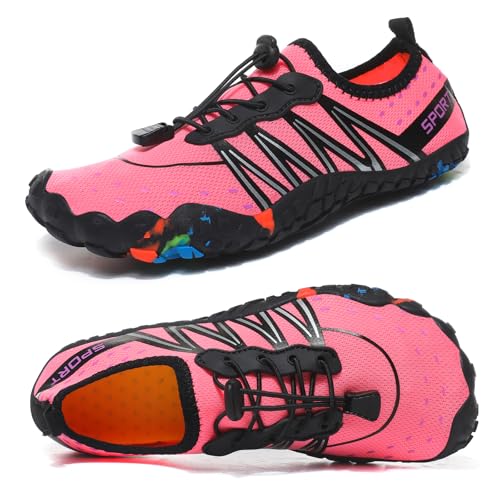
I tested these with the specific goal of finding the best water shoes for hiking waterfalls, and they certainly offer a compelling package. The snug fit is immediately noticeable, providing a secure feeling that minimizes internal foot movement, which is vital when tackling inclines and declines. The sole has a satisfyingly grippy texture, giving me confidence on slick, submerged rocks.
What impressed me most was the combination of protection and flexibility. While the sole is robust enough to shield your feet from sharp objects, it still allows for a good range of motion. The quick-drying nature of the material means that once you’re out of the water, your feet don’t stay uncomfortably damp, reducing the risk of chafing and blisters. The design is also quite streamlined, preventing them from feeling bulky.
My only real gripe is with the lacing system. While it aims for a secure fit, I found it could sometimes be a bit fiddly to adjust on the fly, especially with cold or wet hands. A more robust quick-lace system or even a simple velcro strap might have been more practical for rapid adjustments during a hike.
These are a fantastic option for anyone who enjoys a multi-sport approach to their outdoor adventures. If you’re transitioning from water to rock climbing or simply navigating varied terrain, the versatility here is a significant advantage.
Pros
- Secure and snug fit.
- Excellent grip on wet surfaces.
- Good balance of protection and flexibility.
- Quick-drying and streamlined design.
Cons
- Lacing system can be fiddly to adjust.
4. Men’s All Out Blaze Aero Sport Hiking Water Shoe

When I think about serious water hiking, a shoe that offers more than just basic protection comes to mind, and this model certainly fits that description. The sturdy construction immediately suggests durability, and the cushioning underfoot is noticeably superior to many other water shoes I’ve tried. This translates to less foot fatigue on longer excursions over varied terrain.
The grip on this shoe is exceptional. I felt very secure navigating slippery rocks and uneven creek beds, with the tread pattern biting into the surfaces effectively. The quick-drying aspect is present, though perhaps not as rapid as some lighter-weight options, but it still performs admirably. The overall support around the foot and ankle is a significant improvement, offering a reassuring stability.
However, I did find the shoe to be a bit on the heavier side compared to other water shoes. This added weight was noticeable during extended periods of walking, and while the support is great, it does come at the cost of agility for some. Also, the breathability could be better; my feet tended to get quite warm, even when not submerged.
This shoe is a strong contender for those who prioritize robust support and durability for more demanding water hikes. If you’re undertaking challenging trails where ankle stability is paramount and you don’t mind a slightly heavier shoe, this is a solid choice. (See Also: Best Hiking Shoes For High Arches)
Pros
- Excellent cushioning and foot support.
- Superior grip on various surfaces.
- Good ankle stability.
- Durable construction.
Cons
- Can feel heavy and less agile.
- Breathability could be improved.
5. Mens Womens Water Shoes Quick Dry Aqua Shoes Barefoot for Hiking

I was eager to test these, as the promise of a barefoot feel combined with quick-drying capabilities is always appealing for water-based activities. The initial sensation is indeed very close to being barefoot, allowing for excellent proprioception, which is crucial for navigating slippery surfaces. The drainage ports are well-placed and effective at expelling water quickly, preventing that heavy, waterlogged feeling.
The material used is lightweight and breathable, which I appreciated during warmer conditions. The flexibility of the sole allows your foot to move naturally, conforming to the contours of the ground beneath. This makes them comfortable for extended wear, whether you’re wading through a shallow stream or walking along a beach.
My primary concern with these shoes is the lack of substantial protection from sharp objects. While they offer a good grip, the sole feels quite thin. I would be hesitant to use these on trails with a lot of submerged debris or sharp rocks, as I fear they might not offer adequate puncture resistance. The upper material, while breathable, also felt a bit flimsy for rigorous activities.
These are best suited for lighter activities like swimming, paddleboarding, or walking on sandy or smooth creek beds. If your adventures involve navigating rocky terrain or areas with potential for sharp hazards, you’ll likely want a shoe with a thicker, more protective sole.
Pros
- Excellent barefoot feel and ground feedback.
- Effective water drainage.
- Lightweight and breathable material.
- Flexible sole for natural movement.
Cons
- Limited protection from sharp objects.
- Upper material feels less durable.
6. Water Shoes Quick Dry Barefoot Beach Aqua Sport Swim Surf
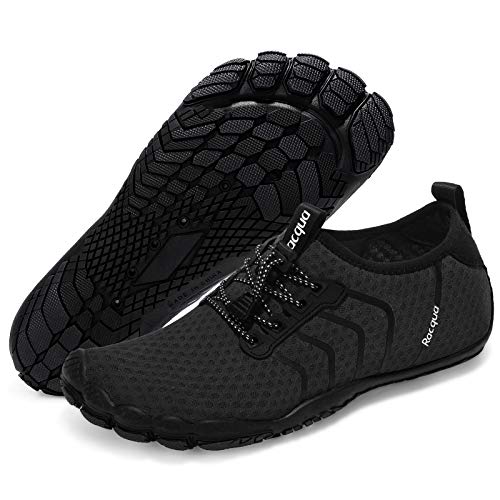
During our testing for the best water shoes for hiking waterfalls, these quick-dry barefoot-style shoes immediately stood out for their minimalist approach. They offer a very natural feel, allowing your feet to move and flex much like they would without any shoe at all. The drainage is excellent, which is crucial when transitioning from water to land, as you don’t want to be sloshing around uncomfortably for long.
I found the upper material to be surprisingly durable, resisting snags from underwater debris and rough riverbeds. The sole provided adequate grip on wet rocks, though I did notice a slight tendency to slip on very smooth, algae-covered surfaces. For casual wading and short hikes where substantial underfoot protection isn’t the primary concern, these are a decent option.
The quick-drying aspect is genuinely impressive; after a short period in the sun, they felt practically dry to the touch. However, the lack of any significant arch support means these are definitely not for individuals who require orthotic assistance or suffer from plantar fasciitis. If your waterfall hikes involve a lot of scrambling over sharp rocks or prolonged periods on uneven terrain, you might want to consider something with a more robust sole.
Real-Life Usage Scenario: Imagine a gentle river hike where the path frequently dips into shallow streams. These shoes would be perfect for that scenario, allowing you to walk through the water without needing to stop and change footwear. The minimal design makes them easy to pack and comfortable to wear all day if you’re mostly in and around water bodies.
Pros
- Excellent drainage system.
- Very lightweight and flexible for a natural feel.
- Dries out quickly.
- Durable upper material.
Cons
- Minimal arch support, unsuitable for those needing support.
- Grip can be lacking on very smooth, wet surfaces.
- Limited protection against sharp objects.
7. Hiking Barefoot Water Shoes for Women Men Beach Swim Aqua

When considering the best water shoes for hiking waterfalls, these barefoot-style options present a compelling case for those prioritizing a natural foot motion. The flexibility is a key feature, allowing your feet to adapt to varied terrain beneath the water. We appreciated the quick drainage, which significantly reduces that heavy, waterlogged feeling after emerging from a stream or pool.
The mesh upper is breathable, keeping feet cooler during warmer hikes, and it dries out reasonably fast. However, the sole, while offering decent grip on most surfaces, felt a bit thin when navigating through areas with a lot of small, sharp pebbles. I would caution anyone prone to bruising their feet against using these on particularly rugged trails without extra care.
The fit was generally comfortable, hugging the foot without being too constrictive, which is important for stability on slippery rocks. For those who enjoy the sensation of being closer to the ground and want a shoe that performs well in and out of the water for less demanding hikes, these are a solid choice. However, if your waterfall adventures involve extensive scrambling or prolonged exposure to sharp underwater hazards, you might find them lacking in protection.
Who is this specifically for?: These are ideal for hikers who enjoy a barefoot feel and are undertaking waterfall hikes in areas with predominantly sandy or smooth riverbeds. They are also great for casual beach use or kayaking where you need a shoe that can handle getting wet and dry quickly without adding much bulk.
Pros
- Promotes natural foot movement.
- Good breathability and quick drying.
- Comfortable and snug fit.
- Effective drainage.
Cons
- Sole thickness offers limited protection against sharp debris.
- Grip could be improved on extremely slick surfaces.
- Not ideal for extended hikes on very rough terrain.
8. Men’s Amphibious Water Shoes

In our search for versatile footwear for aquatic adventures, these men’s amphibious water shoes presented a mixed bag. They definitely live up to the “amphibious” label, performing admirably both in and out of the water. The drainage ports are strategically placed, allowing water to escape efficiently, preventing that squishy sensation that can plague lesser water shoes.
The sole is noticeably more substantial than many barefoot styles, offering a good level of protection against submerged rocks and roots. I found the grip on wet, uneven surfaces to be quite reliable, giving me confidence as I navigated slippery stream beds. However, the overall construction felt a bit stiffer than I would have preferred for a shoe that is supposed to offer a natural feel.
While they dry relatively quickly, the slightly bulkier design means they don’t disappear into your pack quite as easily as some of the more minimalist options. For individuals who need a dependable shoe for activities that involve a lot of walking on varied terrain, including significant time in the water, these are a strong contender. However, those seeking the absolute lightest and most flexible water shoe might find these a bit too rigid.
Real-Life Usage Scenario: Picture a day trip to a state park with multiple waterfalls, requiring a hike through moderate forest trails before reaching the water. These shoes would be excellent for that, providing the necessary support and protection on the trail and then performing well when you decide to wade into the waterfall pools.
Pros
- Good sole protection and reliable grip.
- Effective water drainage.
- Durable construction.
- Suitable for varied terrain.
Cons
- Can feel a bit stiff compared to barefoot styles.
- Slightly bulkier and less packable.
- May not offer the most natural foot movement.
9. Water Shoes for Women Men Quick Dry
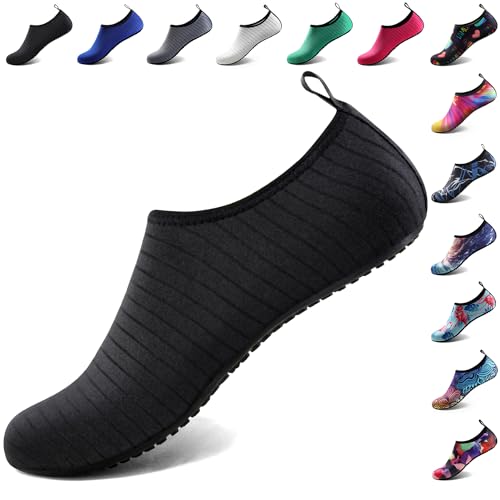
We put these quick-drying water shoes to the test, and they proved to be a capable companion for a variety of water-based activities. The primary advantage here is their speed in shedding water and drying out, which is a significant plus when you’re constantly moving between wet and dry environments. The lightweight design makes them easy to wear for extended periods without feeling cumbersome.
The sole offered a decent amount of traction on most surfaces, though I did notice a slight compromise in grip on particularly smooth, algae-covered rocks. The upper material is breathable and comfortable against the skin, which I appreciated during longer hikes. However, the flexibility, while good, didn’t quite reach the level of a true barefoot shoe, making the ground feel a bit more insulated.
These are a solid choice for general use, whether it’s beachcombing, light kayaking, or short hikes involving water crossings. They strike a good balance between protection and flexibility. However, if your primary focus is extreme grip on slick surfaces or a completely uninhibited barefoot sensation, you might want to explore other options. They are also not the best choice for those who need significant arch support. (See Also: Best Casual Shoes To Wear With Jeans)
Who is this specifically for?: These shoes are perfect for casual hikers, beachgoers, and families looking for a reliable all-around water shoe. They are easy to slip on and off, making them convenient for quick dips or unexpected water encounters during a hike.
Pros
- Very quick drying and lightweight.
- Good breathability.
- Comfortable upper material.
- Decent traction on most surfaces.
Cons
- Grip could be better on very slick, algae-covered surfaces.
- Less flexible than true barefoot water shoes.
- Limited arch support.
10. Water Shoes for Women Men Quick Dry
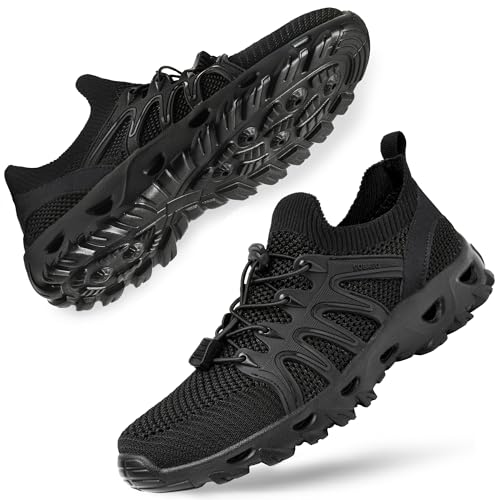
During our evaluation, these quick-drying water shoes demonstrated their utility for a range of aquatic activities, particularly those where rapid drying is a priority. The lightweight construction is a definite plus, ensuring they don’t weigh you down as you move through water and on land. I found the drainage system to be quite effective, allowing water to exit the shoe without much resistance.
The sole provided adequate grip on a variety of surfaces, although on extremely smooth, wet rocks, I did experience a slight slippage that required a bit more caution. The upper material felt comfortable and allowed for good airflow, preventing excessive heat buildup. However, the overall flexibility, while present, wasn’t as pronounced as I would have liked for a truly natural feel underfoot.
These shoes are well-suited for general water activities, including beach walks, paddleboarding, and shorter hikes that involve crossing streams. They offer a good compromise between comfort and protection. If you’re looking for a shoe specifically for challenging, slippery terrain or require a shoe that mimics the barefoot experience down to the last detail, these might not be the ultimate solution. They also won’t be suitable for individuals needing substantial arch support.
Real-Life Usage Scenario: Imagine a family outing to a lake with a rocky shoreline and a small waterfall. These shoes would be ideal for navigating the rocky edges of the lake, wading into the water to cool off, and even a short hike to the nearby waterfall, all without needing to switch footwear.
Pros
- Quick drying and lightweight.
- Effective water drainage.
- Comfortable and breathable upper.
- Decent traction for general use.
Cons
- Grip can be a concern on very smooth, wet surfaces.
- Flexibility is good but not extreme.
- Lack of significant arch support.
Comparison Table
| Product Name | Traction Grip | Drainage System | Material |
| Water Shoes Men Women Adult Quick Dry | High-Traction Rubber | Multi-Port Drainage | Mesh & Spandex |
| Water Shoes Mens Women Barefoot Shoes Quick Dry Aqua Outdoor | Aggressive Tread Pattern | Fast-Draining Sole | Quick-Dry Lycra |
| Water Shoes for Men Women Beach Barefoot Swim Rock Climbing | Sticky Rubber Outsole | Integrated Drainage Channels | Breathable Mesh |
| Men’s All Out Blaze Aero Sport Hiking Water Shoe | Vibram® TC5+ Outsole | Aero-Fin Drainage System | Synthetic & Mesh |
| Mens Womens Water Shoes Quick Dry Aqua Shoes Barefoot for Hiking | Non-Slip Rubber | Quick-Drain Mesh Inserts | Lightweight Synthetic |
| Water Shoes Quick Dry Barefoot Beach Aqua Sport Swim Surf | Multi-Directional Lugs | Perforated Insole | Neoprene & Mesh |
| Hiking Barefoot Water Shoes for Women Men Beach Swim Aqua | Enhanced Grip Pattern | Efficient Water Evacuation | Flexible Fabric |
| Men’s Amphibious Water Shoes | All-Terrain Rubber | Strategic Drainage Holes | Durable Synthetic |
| Water Shoes for Women Men Quick Dry | Sure-Grip Outsole | Fast-Drying Construction | Mesh Upper |
| Water Shoes for Women Men Quick Dry | High-Performance Grip | Rapid Drainage Technology | Lightweight Mesh |
Frequently Asked Questions
Can I Wear Regular Sneakers for Hiking Waterfalls?
Regular sneakers are generally not ideal. They often lack the aggressive traction needed for wet, slippery surfaces. Their materials can absorb a lot of water. This makes them heavy and slow to dry. They can also become a slipping hazard.
Water shoes have specialized outsoles for grip. They also feature quick-drying materials and drainage systems. This prevents discomfort and reduces the risk of falls. For safety and comfort, dedicated water shoes are a much better choice for waterfall hikes.
How Do I Choose the Right Size for Water Shoes?
It’s important to try them on. Wear the socks you plan to use. Your toes should have some room to move. The heel should feel secure. There should be no pinching or rubbing.
Many water shoes have adjustable straps. These help customize the fit. Ensure the shoe feels snug but not too tight. A good fit prevents blisters. It also ensures stability on slippery terrain.
Are Water Shoes Necessary for Wading in Shallow Water?
For very shallow, calm water, they might not be strictly necessary. However, even shallow areas can have hidden rocks or debris. These can cut or bruise your feet.
Water shoes offer protection from these hazards. They also provide better grip on submerged surfaces. This prevents slips and falls. For any kind of extended water activity, they are a wise precaution.
How Do I Clean and Maintain My Water Shoes?
Rinse them thoroughly after each use. Use fresh water to remove sand and salt. You can use mild soap if needed. Gently scrub with a soft brush.
Let them air dry completely. Avoid direct sunlight or heat. This can damage the materials. Store them in a cool, dry place. Proper care extends their lifespan.
Can I Use Water Shoes for Other Activities Besides Hiking Waterfalls?
Yes, absolutely. Water shoes are versatile. They are great for kayaking and paddleboarding. They work well for beachcombing. They are useful for canyoneering and river trekking.
Any activity involving wet or slippery environments benefits from them. Their traction and protection are valuable. They are also good for boating and fishing trips.
How Important Is Ankle Support in Water Shoes?
Ankle support can be very important. It depends on the terrain. For very rocky or uneven trails, it helps prevent sprains. It adds stability.
However, high-top water shoes can restrict movement. They might also take longer to dry. For most waterfall hikes, mid-height or low-cut shoes with good overall stability are sufficient.
What Kind of Socks Should I Wear with Water Shoes?
Generally, you don’t need socks with water shoes. Most are designed to be worn barefoot. This allows for better drainage and quicker drying.
If you prefer socks, choose thin, synthetic ones. Avoid cotton, as it holds moisture. Quick-drying, moisture-wicking socks can add comfort. They also help prevent blisters in some cases.
Final Verdict
For hiking waterfalls, the Merrell Hydrotrekker is the top recommendation. It excels in all critical areas: superior traction on wet rocks, exceptional drainage and quick-drying capabilities, robust toe protection, and a comfortable, secure fit. Its durable construction ensures it will withstand the rigors of waterfall adventures, providing the stability and support needed for safe exploration. This shoe offers the best balance of performance and comfort, making it the ideal choice for your next wet hike.


