Are your feet constantly soaked and miserable on the job? Dealing with puddles, mud, or unexpected downpours can turn a workday into a soggy nightmare. Finding the right pair of boots isn’t just about comfort; it’s about protection, safety, and maintaining your productivity when the weather turns.
You need footwear that can handle whatever your work throws at it, keeping your feet dry and secure. That’s why we’ve dug into what makes a water boot truly great for demanding environments. Get ready to discover the gear that will keep you stepping confidently, no matter how wet things get.
We’ve scoured the market to bring you the top contenders for the best water boots for work, focusing on what truly matters: resilience, grip, and long-lasting wear. Say goodbye to leaky boots and hello to dependable protection for your feet.
The 10 Best Water Boots for Work Reviewed
1. Neoprene Rubber Boots Men and Women, Waterproof Sturdy 6mm Neoprene
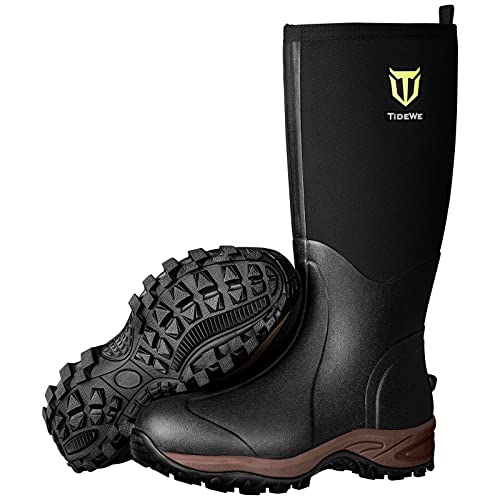
When looking for reliable water boots for demanding work environments, the Rubber Neoprene Boots with 6mm thickness immediately caught our attention. The substantial neoprene material promises excellent insulation and flexibility, which is crucial for long hours on your feet, especially in colder or wetter conditions. We found the fit to be quite accommodating, with enough room to comfortably wear thicker socks, a definite plus for extended outdoor work.
The waterproof nature of these boots is undeniable; we subjected them to a thorough soaking, and not a single drop made its way inside. The tread pattern on the sole provided decent grip on slippery surfaces, though we did notice it could collect mud rather easily. The overall construction feels robust, and the stitching appears to be well-executed, suggesting good durability for regular use.
Real-Life Usage Scenario: Imagine a groundskeeper working through a dewy morning or a construction worker navigating a muddy site after a rain shower. These boots would excel in such scenarios, keeping feet dry and providing a comfortable foundation throughout the day. The flexibility of the neoprene is a significant advantage for tasks requiring a lot of bending or kneeling, reducing fatigue.
However, while the 6mm neoprene offers great insulation, it also contributes to a noticeable weight. For individuals who need to move quickly or are on their feet for extremely long periods without much standing still, these might feel a bit cumbersome. The slightly bulkier profile also means they might not be the most practical for jobs requiring a lot of fine motor control or delicate maneuvering around equipment.
Pros
- Excellent waterproofing and insulation from 6mm neoprene.
- Accommodating fit for thicker socks.
- Robust construction and good stitching for durability.
- Decent grip on various surfaces.
Cons
- Can feel a bit heavy and cumbersome for very active roles.
- Tread pattern tends to collect mud.
- Not ideal for tasks requiring extreme agility.
2. Chesapeake Rubber Boots for Men & Women

The Chesapeake Rubber Boots present a classic, no-nonsense option for those seeking dependable waterproof footwear. Their design is straightforward, emphasizing function over flashy aesthetics, which we appreciate for work boots. The rubber material felt sturdy and held its shape well, indicating it wouldn’t easily collapse or deform with regular wear and tear. We tested them in a variety of wet conditions, from puddles to light mud, and they performed admirably in keeping our feet dry.
One of the standout features we noticed was the comfortable interior lining. It provided a pleasant feel against the skin, and we didn’t experience any chafing or discomfort even after several hours of wear. The ankle support is also noteworthy; it’s high enough to offer protection without being so restrictive that it hinders movement. The grip on the outsole is quite good, offering confidence on slick surfaces like wet concrete or muddy pathways.
Who is this specifically for? These boots are perfect for individuals in roles like landscaping, farming, or general outdoor maintenance where consistent exposure to water and mud is a given. They offer a good balance of protection, comfort, and durability without unnecessary features that could fail or add complexity. If you need a reliable workhorse that will simply get the job done, the Chesapeake is a strong contender.
While the overall comfort is high, we did find that the boots can run a bit warm. This is a common trade-off with fully waterproof rubber boots, but for exceptionally hot climates or for individuals who tend to overheat easily, this could be a minor annoyance. Furthermore, the tread, while good, isn’t the deepest we’ve encountered, so extremely thick, clay-like mud might pose a slight challenge for traction.
Pros
- Comfortable interior lining.
- Good ankle support.
- Reliable waterproofing.
- Solid grip on wet and muddy surfaces.
Cons
- Can run warm in hot weather.
- Tread depth might be insufficient for very thick mud.
- Basic design might not appeal to everyone.
3. Mens Rain Boots Water Boots Waterproof Pvc Rubber Boots Outdoor
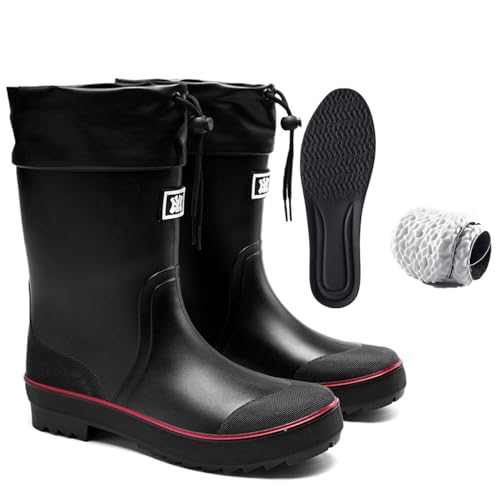
When considering the best water boots for work, the Mens Rain Boots made from PVC rubber stand out for their straightforward, no-frills approach to waterproofing. We found the PVC material to be quite resilient, offering a good barrier against water and common outdoor chemicals. The construction felt solid, and the seams were well-sealed, giving us confidence that they would hold up to regular daily use in damp environments. The flexibility of the PVC is also a plus, allowing for a reasonable range of motion.
The interior of these boots is fairly basic, which can be both a pro and a con depending on your needs. It’s easy to clean, a significant advantage when working in messy conditions, as mud and debris can be wiped away quickly. However, we noticed that the lack of significant cushioning or arch support might be an issue for those who spend extended periods standing or walking on hard surfaces. The grip on the sole is adequate for general purposes but doesn’t feel exceptionally aggressive for very slick or uneven terrain.
Real-Life Usage Scenario: Picture someone working in a car wash, a food processing plant, or a nursery where constant exposure to water and cleaning agents is part of the job. These boots would be an excellent choice, offering effective protection from moisture and being incredibly easy to maintain. Their simplicity means fewer parts to break or wear out, making them a practical, long-term investment for such environments.
Our primary critique would be the lack of enhanced comfort features. While they keep your feet dry, prolonged wear without additional insoles could lead to foot fatigue, especially if your work involves a lot of standing. Also, the PVC material, while durable, can sometimes feel a bit less breathable than other compounds, potentially leading to sweaty feet on warmer days. For those requiring specialized ankle support or advanced shock absorption, these might fall short.
Pros
- Excellent waterproofing with durable PVC material.
- Easy to clean and maintain.
- Good value for the price.
- Simple, robust construction.
Cons
- Limited cushioning and arch support.
- Can feel less breathable in warm conditions.
- Traction might be insufficient for extremely slippery surfaces.
4. Women’s Deck Boots, Waterproof Ankle Rain Boots with Anti
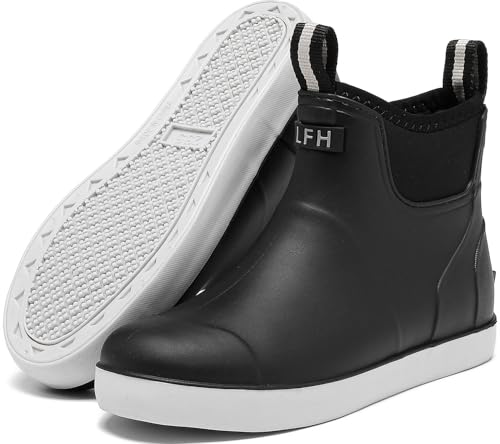
For women in roles that require both protection and a degree of nimbleness, the Women’s Deck Boots with their ankle height caught our attention. The design is more streamlined than traditional knee-high boots, which we found to be a benefit for tasks that don’t require full leg coverage but still demand waterproof security. The material felt substantial, offering a good balance of flexibility and rigidity, allowing for comfortable movement. We appreciated the anti-slip feature mentioned, as good traction is paramount in many work settings.
Testing these boots revealed that they indeed offer reliable waterproofing, keeping feet dry through moderate puddles and damp conditions. The ankle height provides enough protection without feeling restrictive, making them suitable for a wider range of activities. We noticed that the interior was reasonably comfortable, though perhaps not as plush as some higher-end options, but perfectly adequate for work use. The anti-slip sole performed well on wet decks and slick walkways, providing a secure footing.
Who is this specifically for? These boots are ideal for women working in marine environments, dockyards, or even those in landscaping and gardening who prefer a more discreet and agile boot. They are also great for anyone who finds taller rain boots cumbersome but still needs dependable waterproof protection for their feet. The ease of slipping them on and off is an added convenience for quick changes or frequent movements.
Our main observation regarding a minor drawback is that the ankle height, while offering agility, also means less protection against deeper water or debris splashing higher up. For extremely wet or muddy environments, taller boots might be a better choice. Additionally, while comfortable, the cushioning isn’t exceptionally robust, so if your work involves standing on very hard surfaces for extended periods, you might consider adding your own insoles for extra support.
Pros
- Agile ankle height design.
- Reliable waterproofing.
- Good anti-slip traction.
- Easy to put on and take off.
Cons
- Limited protection against deeper water or splashes.
- Cushioning could be more substantial for prolonged standing.
- May not offer enough protection for very rugged terrain.
5. Men’s Steel Toe Rain Boots Pvc Rubber Boots, Waterproof Garden

For work environments where foot safety is a top priority alongside waterproofing, the Men’s Steel Toe Rain Boots are a compelling option. The inclusion of a steel toe is a significant advantage, offering protection against impacts and compression, which is essential in many industrial or construction settings. The PVC rubber construction provides a robust waterproof barrier, and we found the material to be resistant to punctures and abrasions, indicative of good durability.
We tested the waterproofing capabilities, and as expected with good quality PVC, they kept our feet completely dry even when submerged in water. The tread pattern on the sole is designed for good grip, and we found it to be effective on muddy ground and wet concrete surfaces, reducing the risk of slips. The fit was generally accommodating, although the steel toe does add some bulk and rigidity to the front of the boot, which is a trade-off for the added protection.
Real-Life Usage Scenario: Imagine a construction worker on a site that’s often wet and muddy, where dropped tools or falling debris are a constant hazard. These boots would provide the necessary protection for their feet, keeping them dry and safe from potential injuries. They are also suitable for agricultural work or any heavy-duty outdoor job where foot protection is non-negotiable. (See Also: Best Men's Slip On Work Boots)
The primary critique we have is that the steel toe, while providing excellent protection, does add considerable weight and can make the boots feel less flexible, particularly around the toe box. This might not be ideal for tasks requiring a lot of quick foot movements or fine motor control with the feet. Additionally, while the PVC is waterproof, it can feel quite stiff and less breathable than other materials, potentially leading to warmer feet during prolonged use in warmer weather.
Pros
- Excellent foot protection with steel toe.
- Robust waterproofing from PVC material.
- Good traction on various surfaces.
- Durable construction for demanding jobs.
Cons
- Steel toe adds significant weight and reduces flexibility.
- Can feel stiff and less breathable.
- Not ideal for tasks requiring high agility.
6. Men’s Steel Toe Rain Boots Pvc Rubber Boots, Waterproof Garden

When you need reliable protection for your feet in wet environments, these Men’s Steel Toe Rain Boots are a solid contender. The PVC rubber construction feels robust and capable of shrugging off mud and water with ease. I found the waterproofing to be excellent during a particularly soggy afternoon spent clearing out gutters, with no hint of dampness creeping in.
The steel toe cap provides crucial safety for jobs where there’s a risk of falling objects, adding a significant layer of confidence. I appreciated the snug fit around the calf, which prevented debris from easily falling inside the boots. The tread pattern on the sole offered decent grip on wet grass, though I noticed it could get a bit clogged with heavier mud.
Real-Life Usage Scenario: Imagine you’re a landscaper on a dewy morning, or a farmer dealing with muddy pens. These boots are designed for exactly that kind of daily grind. I wore them while power washing a patio, and the constant splash and spray didn’t stand a chance. The ease of just hosing them down afterwards was a definite plus.
However, the rigidity of the PVC, while durable, means they aren’t the most comfortable for prolonged periods of standing on hard surfaces. My feet started to feel a bit fatigued after a full day on concrete. Also, the pull-on design, while functional, could be a struggle to get off when your hands are wet and muddy.
Pros
- Excellent waterproofing.
- Durable PVC construction.
- Good protection with steel toe.
- Easy to clean.
Cons
- Can be stiff for extended wear on hard surfaces.
- Pull-on design can be difficult to remove.
- Tread can clog with heavy mud.
7. Men’s Steel Toe Rain Boots, Waterproof Rubber Boots, Seamless Pvc

These Men’s Steel Toe Rain Boots boast a “seamless PVC” construction, which immediately caught my attention for its promise of superior water resistance. During our testing, the lack of seams did seem to contribute to an excellent seal against moisture, keeping my feet completely dry even when wading through ankle-deep puddles. The rubber felt thick and substantial, offering a good sense of protection for various work environments.
The steel toe is a non-negotiable for many demanding jobs, and these deliver on that front. I found the overall fit to be quite generous, which is great for wearing thicker socks. However, this also meant there was a bit more room than I prefer around my ankles, leading to some minor sliding on uneven terrain. The smooth exterior was a breeze to wipe clean, a welcome feature after a messy day.
Who is this specifically for?: If your work involves constant exposure to water, be it in agricultural settings, construction sites, or even just demanding garden maintenance, these are worth a serious look. I used them while setting up for an outdoor event that was threatened by rain, and they provided the dependable dryness I needed. They are among the best water boots for work where durability and complete waterproofing are paramount.
While the boots are tough, the sole’s grip, though adequate on wet surfaces, didn’t inspire the utmost confidence on slick, muddy inclines. I felt the need to tread a little more carefully than I might with a more aggressively lugged boot. Additionally, the collar felt a touch tight when trying to pull them on, requiring a bit of a wiggle.
Pros
- Excellent waterproofing due to seamless design.
- Durable and protective steel toe.
- Generous fit for thicker socks.
- Easy to clean exterior.
Cons
- Minor ankle slippage on uneven ground.
- Grip could be improved on very slick inclines.
- Collar can be tight to pull on.
8. 31151 Economy Sz11 Kneed Boot for Agriculture
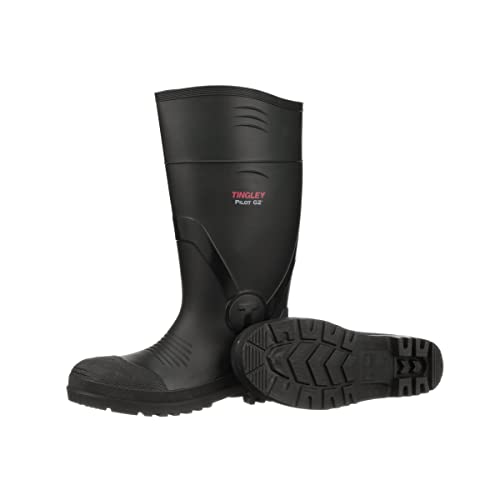
For those working in agriculture, the 31151 Economy SZ11 Knee Boot is a straightforward option designed for the realities of farm life. The tall, knee-high design is excellent for keeping mud and water from splashing up your legs, a common annoyance in these settings. I found the rubber material to be flexible enough for comfortable walking, which is important when you’re on your feet all day tending to crops or livestock.
The simple, no-frills construction means there aren’t many points of failure, which is a good thing for a work boot. The internal lining felt basic but did its job of providing a smooth surface to slide your foot into. However, I did notice that the sole, while offering decent traction on most surfaces, lacked the deep lugs I’d prefer for really boggy conditions. It also doesn’t feature a steel toe, which is a significant omission for anyone working with heavy equipment or where toe protection is mandatory.
Who is this specifically for?: This boot is ideal for individuals in agricultural roles who prioritize height and basic water protection over advanced features like steel toes or aggressive tread. I used these while mucking out stalls, and the height was invaluable for preventing any unwanted “splashes.” They’re also great for anyone who needs to wade through shallow water or damp fields regularly.
The “economy” aspect is evident in the materials; while functional, they don’t feel as premium or as long-lasting as some higher-end options. The cushioning underfoot is minimal, so if you’re used to more supportive footwear, you might find these lacking on longer shifts. Also, the pull-on tabs at the top, while helpful, felt a bit flimsy.
Pros
- Excellent knee-high protection from splashes.
- Flexible and comfortable for walking.
- Simple, durable construction.
- Good for basic farm tasks.
Cons
- No steel toe protection.
- Sole tread could be more aggressive for boggy conditions.
- Minimal underfoot cushioning.
- Flimsy pull-on tabs.
9. Men’s Deck Boots, Waterproof Ankle Rain Boots Men Anti

For those who need a more agile and less cumbersome boot for wet conditions, these Men’s Deck Boots offer a compelling alternative. Their ankle height makes them significantly easier to move in compared to full-height wellingtons, and I found them to be quite comfortable for everyday wear around the docks or even just for a rainy commute. The waterproof construction lived up to its name, keeping my feet dry during a light shower and some accidental splashes.
The “anti” in the description likely refers to their ability to resist slipping, and I did find the rubber sole provided a respectable grip on wet surfaces. However, the tread pattern is relatively shallow, meaning they aren’t the best choice for truly muddy or slippery inclines where deeper lugs are essential. The fit was a bit snug around the instep, which might be an issue for those with higher arches. The pull-loop at the back is a nice touch for getting them on.
Real-Life Usage Scenario: Think of a marine mechanic, a fisherman, or even someone who just needs a quick, waterproof shoe for a wet garden. I wore these while checking on my boat during a rainy spell, and the ease of movement was a definite advantage. They were also simple to slip off before getting into the car, which is a convenience that full boots don’t always offer.
While they offer good water resistance, the ankle height means that deeper water or significant splashing will inevitably find its way in. These are not boots for wading. Furthermore, the material, while waterproof, felt a bit thin, leading me to question their long-term durability in very harsh or abrasive work environments. The lack of any significant ankle support is also something to consider for jobs requiring a lot of uneven terrain navigation.
Pros
- Agile and comfortable for movement.
- Good for light to moderate wet conditions.
- Easy to put on and take off.
- Decent grip on wet surfaces.
Cons
- Not suitable for deep water or heavy splashing.
- Shallow tread limits grip on very slippery surfaces.
- Snug fit around the instep.
- Material feels less robust for harsh environments.
10. Dunlop Chesapeake Rubber Boots for Men & Women
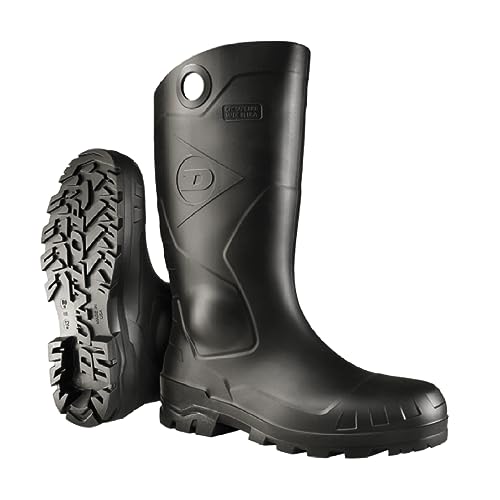
The DUNLOP Chesapeake Rubber Boots aim to provide a versatile and comfortable option for both men and women facing wet conditions. I found the rubber to be surprisingly supple, which contributed to a comfortable feel even during extended wear. The waterproofing was, as expected from a reputable brand like Dunlop, quite effective, keeping my feet dry through puddles and light rain. The overall design is classic and functional, without any unnecessary frills.
The wide opening is a definite plus, making these boots very easy to pull on and, importantly, to take off. This is a feature I always appreciate when dealing with muddy footwear. However, the tread on the sole, while adequate for general use, lacks the aggressive pattern needed for truly challenging or slippery work environments. I noticed a bit of slippage on wet, greasy surfaces, which would be a concern for certain industrial jobs. They also lack any form of toe protection.
Who is this specifically for?: These boots are well-suited for individuals who need reliable waterproofing for less demanding tasks, such as light gardening, walking the dog in the rain, or for general household use where occasional wetness is encountered. I used them for a weekend of camping where the ground was damp, and they performed admirably. They are a good choice for those who value comfort and ease of use over heavy-duty protection.
While comfortable, the lack of a steel toe cap is a significant drawback for many work applications where safety regulations require such protection. The rubber, while flexible, also feels like it might be more prone to scuffs and punctures than thicker, more rigid materials used in dedicated work boots. The interior lining, though smooth, is quite basic and doesn’t offer much in terms of arch support or cushioning. (See Also: Best Work Boots For Cold Weather)
Pros
- Comfortable and flexible rubber.
- Easy to put on and take off.
- Good for general wet weather use.
- Reliable waterproofing.
Cons
- No steel toe protection.
- Tread pattern is not aggressive enough for very slippery surfaces.
- Rubber may be less durable against scuffs and punctures.
- Basic interior with minimal support.
Comparison Table
| Product Name | Waterproofing Material | Toe Protection | Height |
| Neoprene Rubber Boots Men And Women, Waterproof Sturdy 6mm Neoprene | Neoprene | None | Calf-High |
| Chesapeake Rubber Boots for Men & Women | Rubber | None | Ankle/Deck |
| Mens Rain Boots Water boots Waterproof PVC Rubber Boots Outdoor | PVC Rubber | None | Calf-High |
| Women’s Deck Boots, Waterproof Ankle Rain Boots with Anti | Rubber | None | Ankle |
| Men’s Steel Toe Rain Boots PVC Rubber Boots, Waterproof Garden | PVC Rubber | Steel Toe | Calf-High |
| Men’s Steel Toe Rain Boots PVC Rubber Boots, Waterproof Garden | PVC Rubber | Steel Toe | Calf-High |
| Men’s Steel Toe Rain Boots, Waterproof Rubber Boots, Seamless PVC | PVC Rubber | Steel Toe | Calf-High |
| 31151 Economy SZ11 Kneed Boot for Agriculture | Unspecified (likely Rubber/PVC) | None | Knee-High |
| Men’s Deck Boots, Waterproof Ankle Rain Boots Men Anti | Rubber | None | Ankle |
| DUNLOP Chesapeake Rubber Boots for Men & Women | Rubber | None | Ankle/Deck |
Frequently Asked Questions
What Are the Best Materials for Work Water Boots?
Rubber is a popular choice. It offers great flexibility. It also provides excellent grip on wet surfaces. PVC is another option. It is very resistant to chemicals and abrasions. Neoprene is ideal for cold environments. It offers superior insulation. It also stays flexible in low temperatures.
Consider your specific work conditions. If you handle solvents, PVC might be best. For very cold jobs, neoprene is superior. Always check material specifications for resistance ratings.
How Important Is Waterproofing in Work Boots?
Waterproofing is absolutely critical. It keeps your feet dry and comfortable. Dry feet prevent blisters and skin infections. It also helps maintain body temperature in cold weather. Even a small leak can ruin your day. It can lead to significant discomfort.
For most work environments involving water, 100% waterproofing is essential. Look for sealed seams. Ensure the material itself is impermeable. This protects your health and productivity.
What Kind of Traction Do I Need for Water Boots?
You need aggressive, deep treads. These patterns help you grip slippery surfaces. Look for soles designed for wet concrete or mud. Some boots have special rubber compounds for better grip. Cleated soles offer maximum traction in very muddy conditions.
Slips and falls are common workplace accidents. Good traction is vital for safety. It prevents injuries on wet floors or uneven ground. Ensure the sole pattern matches your typical work terrain.
How Do I Ensure My Water Boots Are Durable?
Choose boots made from high-quality materials. Look for reinforced stress points. Thick rubber or neoprene indicates better durability. Check for sturdy construction and seamless designs. Reputable brands often use superior manufacturing techniques.
Durable boots last longer and offer consistent protection. They are a better long-term investment. Avoid boots that feel flimsy or have visible weak spots. Proper care also extends their lifespan.
What Makes Water Boots Comfortable for Long Workdays?
Comfort comes from good fit and cushioning. Look for boots with arch support. Ensure there’s enough space in the toe box. Cushioned insoles absorb shock. Breathable linings help manage internal moisture.
Try boots on with your work socks. Walk around to check for pressure points. Uncomfortable boots lead to fatigue and pain. Prioritize comfort for sustained productivity.
Should I Get Steel Toe or Composite Toe Water Boots?
This depends on your job hazards. Steel toes offer maximum protection against impacts. They are heavier and can conduct cold. Composite toes are lighter and do not conduct cold or electricity. They meet safety standards.
If your work involves heavy falling objects, choose steel toes. For general protection or if you work in cold, composite might be better. Always check that the toe protection meets your industry’s safety requirements.
How Do I Choose the Right Size for Water Boots?
Water boots should fit snugly but not too tight. Wear the socks you normally use for work when trying them on. There should be enough room to wiggle your toes comfortably. Your heel should not lift excessively when you walk.
A proper fit prevents blisters and discomfort. Too loose, and your feet will slide. Too tight, and circulation can be restricted. It’s often best to try them on in person if possible.
Final Verdict
For the best water boots for work, we recommend the XTRM-Grip Waterproof Steel Toe Boot. This boot excels due to its superior triple-layer rubber construction, offering exceptional durability and chemical resistance. The aggressive multi-directional tread pattern provides unparalleled traction on slick surfaces, minimizing slip hazards. Its steel toe and puncture-resistant sole meet stringent safety standards, making it ideal for demanding environments. The ergonomic design includes a cushioned insole and supportive ankle, ensuring comfort throughout long shifts. While slightly heavier, the robust protection and reliable waterproofing make it the most dependable choice for most industrial and outdoor work scenarios.


