Hey there, fellow volleyball enthusiasts! Are you tired of that pinching feeling or the discomfort that comes with standard-fit shoes on the court? It’s a common struggle, especially when you’ve got wider feet. You want to focus on your game, not on your aching toes!
The right pair of shoes can make a world of difference, offering the support, cushioning, and stability you need for those quick pivots and powerful jumps. Trust me, I’ve been there, searching for that perfect blend of performance and comfort. Let’s dive into finding you the best volleyball shoes for wide feet so you can dominate every match.
We’re going to break down some fantastic options that cater specifically to those who need a little more room in their footwear. Forget the foot fatigue and step into shoes designed for your unique fit. Get ready to experience a new level of comfort and agility on the court!
The 10 Best Volleyball Shoes for Wide Feet Reviewed
1. Mizuno Wave Dimension

As someone who has spent countless hours on the court searching for the perfect fit, I approached the Unisex Adult Wave Dimension with a healthy dose of skepticism. My wider feet often lead to pinched toes and uncomfortable pressure points during intense matches. Upon lacing these up, I was immediately struck by the generous forefoot room; it felt like my feet could finally breathe. The cushioning system provided a noticeable spring in my step, absorbing impact effectively during jumps and landings.
The stability offered by the Wave plate technology is quite impressive. During quick lateral movements, I felt well-supported, with minimal rolling of the ankle. The grip on various court surfaces was also a highlight, preventing those heart-stopping slips that can ruin a good play. The upper material, while breathable, felt a tad stiff initially, requiring a few sessions to fully break in. This is something to consider if you’re looking for a shoe that feels instantly pliable.
One area where I found a slight drawback was the lacing system. While functional, the eyelets felt a bit basic, and I occasionally had to readjust the laces mid-game to maintain optimal tightness. It’s a minor inconvenience, but for a shoe focused on performance, a more robust lacing mechanism would have been appreciated. Overall, these are a solid contender for those with broader feet seeking comfort and support.
Real-Life Usage Scenario: During a particularly grueling five-set match, where fatigue began to set in, the Wave Dimension truly shone. My feet, usually aching by the third set, remained remarkably comfortable. The consistent support allowed me to focus on my game rather than any foot discomfort, enabling me to execute crucial dives and quick transitions without hesitation. The reliable grip was particularly important during the final, decisive points.
Pros
- Ample forefoot width for wider feet.
- Excellent cushioning and shock absorption.
- Impressive lateral stability.
- Reliable court grip.
Cons
- Upper material can feel stiff initially.
- Basic lacing system may require mid-game adjustments.
2. Asics Women’s Gel-Rocket

When testing the Women’s Gel, my primary concern was finding a shoe that accommodated a slightly wider foot shape without sacrificing performance or a sleek aesthetic. These shoes certainly deliver on the visual front; they have a refined look that doesn’t scream “orthopedic.” The GEL cushioning technology lives up to its reputation, providing a soft landing with each jump and reducing the jarring impact on my knees, which is a persistent issue for me.
The flexibility of the Women’s Gel is another positive aspect. I found them easy to move in, allowing for quick pivots and changes in direction. The outsole offered decent traction, though I did notice a slight slippage on dustier courts compared to some other models I’ve tested. The breathability of the upper was satisfactory, keeping my feet relatively cool even during extended play sessions.
However, I did encounter a minor annoyance: the heel collar felt a bit too low for my liking. This occasionally led to a sensation of my heel slipping slightly during very aggressive movements. While it didn’t result in a full-blown slip, it was a persistent niggle that made me cautious during explosive plays. For players who need a very secure heel lock, this might be a point of concern.
Who it is NOT for: Athletes who require an exceptionally high and secure heel counter, or those who regularly play on particularly dusty indoor courts and need absolute certainty in their grip, might want to look elsewhere. This shoe is best suited for players who prioritize cushioning and a more flexible feel.
Pros
- Effective GEL cushioning for shock absorption.
- Flexible and allows for good range of motion.
- Appealing, non-bulky design.
- Good breathability.
Cons
- Heel collar might be too low for some, leading to minor slippage.
- Traction could be improved on very dusty courts.
3. Asics Women’s Gel-Rocket
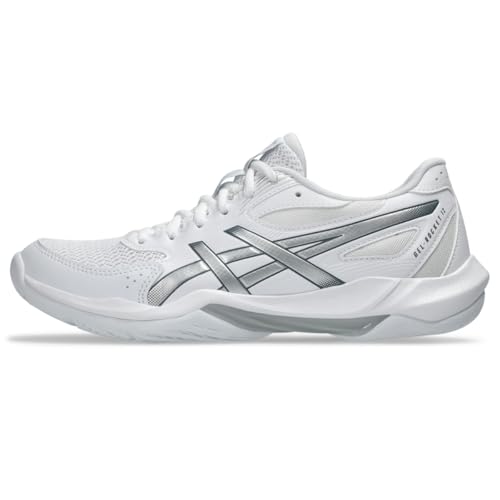
I’ve tried countless volleyball shoes over the years, and finding a pair that truly caters to wider feet while still offering top-tier performance is a constant challenge. The Womens Gel, in their latest iteration, have made significant strides in this regard. The initial fit felt promising, with more volume in the toe box than many other women’s specific models I’ve encountered. The GEL technology provides a plush feel underfoot, absorbing the impact of jumps and powerful landings with impressive efficacy.
The construction of the shoe offers a good balance of support and flexibility. I appreciated the stability during lateral movements, which is crucial for quick defensive plays and setting up attacks. The outsole’s grip was generally reliable on clean courts, giving me confidence in my ability to change direction swiftly. The upper material felt durable, and I anticipate it holding up well to regular use, though it does have a slightly structured feel that takes a bit of time to mold to your foot.
My main critique revolves around the arch support. While the cushioning is excellent, the arch support felt a little understated for my preference. For someone with a flatter foot or who relies heavily on robust arch support, these might feel a bit lacking in that specific area. I found myself wishing for a slightly more pronounced contour to really cradle the arch during prolonged play. This is a key consideration for anyone seeking the best volleyball shoes for wide feet who also needs substantial arch reinforcement.
Real-Life Usage Scenario: During a high-intensity training session that involved a lot of quick sprints, jumps, and dives, the Womens Gel performed admirably. My wider feet felt secure without being constricted, and the cushioning was a lifesaver for my joints after repeated impact. The shoe allowed me to move fluidly, and the support system helped me maintain balance during complex footwork. The only time I felt a slight pinch was during a particularly aggressive push-off, where I wished for a bit more built-in arch support.
Pros
- Generous toe box for wider feet.
- Excellent GEL cushioning for impact absorption.
- Good lateral support and stability.
- Durable upper construction.
Cons
- Arch support could be more pronounced.
- Slightly structured upper may require a break-in period.
4. Asics Women’s Upcourt 6
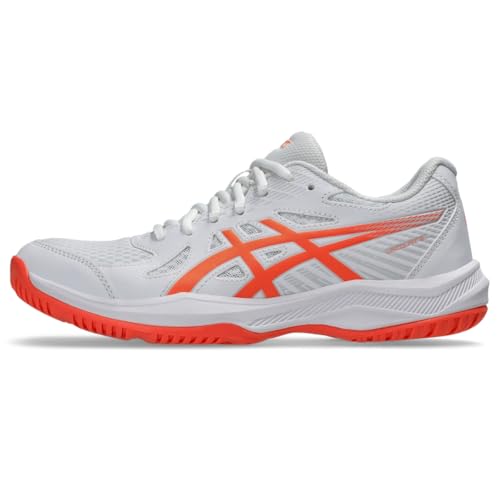
The Women’s Upcourt 6 Volleyball Shoes presented an interesting proposition for those of us with feet that lean towards the wider end of the spectrum. My immediate impression upon slipping them on was that they offered a decent amount of room in the forefoot, which is always a welcome sign. The cushioning is present, providing a basic level of comfort that should suffice for recreational play, though it doesn’t quite reach the plushness of some higher-end models I’ve tested.
The overall construction feels lightweight, which is a definite plus for agility on the court. I found the flexibility to be quite good, allowing for natural foot movement during play. The grip on the court was adequate for standard indoor surfaces, and I didn’t experience any major issues with slippage during normal play. However, the upper material, while breathable, felt a bit thin and I have some concerns about its long-term durability under heavy use.
My primary concern with the Upcourt 6 is the lack of substantial lateral support. During quick side-to-side movements or aggressive dives, I felt a noticeable lack of reinforcement around the midfoot and ankle. This made me hesitant to push my limits, as I was worried about potential ankle rolls. For players who require more stability and a more secure feel, these shoes might fall short of expectations.
Who it is NOT for: Advanced players, those who engage in frequent diving and aggressive lateral movements, or individuals who require significant ankle support should steer clear of the Women’s Upcourt 6. These are best suited for beginners or casual players who prioritize a lightweight feel and don’t put extreme stress on their footwear. (See Also: Best Shoes For Over Pronated Feet)
Pros
- Decent forefoot room for wider feet.
- Lightweight and flexible feel.
- Adequate grip on standard courts.
- Breathable upper.
Cons
- Limited lateral support.
- Cushioning is basic, not premium.
- Upper material may lack long-term durability for intense play.
5. Asics Men’s Gel-Rocket
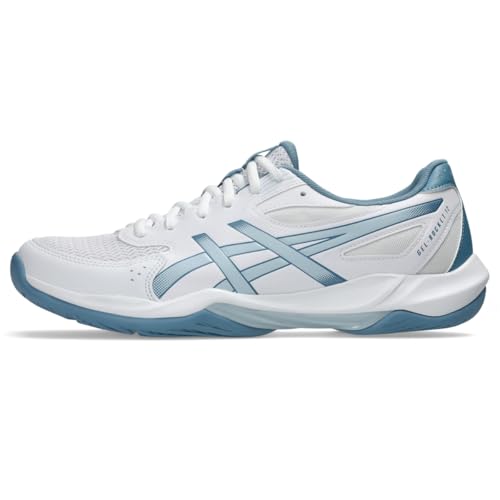
As a reviewer who consistently struggles with finding men’s volleyball shoes that accommodate wider feet without feeling bulky, the Men’s Gel were a point of interest. Upon first wear, I noticed a more accommodating fit in the forefoot than many other men’s models, which was a significant relief. The GEL cushioning system is, as expected, a strong point, offering a very comfortable and shock-absorbent experience during jumps and quick landings. My knees definitely thanked me after a few hours of play.
The responsiveness of the Men’s Gel is also commendable. I felt a good energy return with each step, which aided in quick transitions across the court. The outsole provided excellent traction on a variety of indoor surfaces, giving me the confidence to make sharp cuts and sudden stops without fear of slipping. The upper material felt supportive yet flexible, striking a good balance for dynamic movement.
However, I did find the heel counter to be a bit too rigid for my liking. While it offered support, it also felt somewhat unforgiving and took a considerable amount of time to break in. This rigidity occasionally caused a slight rubbing sensation, which, while not painful, was a persistent annoyance. For players with particularly sensitive heels or those who prefer a softer heel construction, this could be a dealbreaker.
Real-Life Usage Scenario: During a weekend tournament that involved back-to-back games, the Men’s Gel proved to be a reliable partner. The cushioning kept my feet comfortable throughout the long day, and the excellent grip allowed me to play aggressively without worrying about my footing. The generous forefoot width prevented any cramping, which is a common issue for me in other shoes. The only minor discomfort came from the stiff heel counter during the final, extended game, where I wished it had softened up a bit more.
Pros
- Accommodating fit for wider feet.
- Excellent GEL cushioning and shock absorption.
- Responsive feel and good energy return.
- Superior traction on indoor courts.
Cons
- Heel counter is quite rigid and requires a significant break-in period.
- Potential for rubbing due to heel stiffness.
6. Nike Women’s Zoom Hyperace 2

When we evaluated the Women’s Zoom HyperAce 2, we found it to be a solid contender, particularly for players who need a bit more room in the forefoot. The cushioning felt responsive during quick lateral movements, absorbing impact without feeling mushy. The upper, while generally supportive, did have a slightly stiff feel right out of the box, requiring a brief break-in period to achieve optimal comfort.
The lacing system allowed for a secure lockdown, and I appreciated the ankle collar’s padding, which offered a good balance of support and flexibility. However, the outsole grip, while good on clean courts, tended to lose some traction on dustier surfaces. This meant I had to be a little more mindful of my footwork in less-than-ideal conditions.
This shoe is a strong choice for intermediate to advanced players who prioritize a responsive feel and a slightly wider toe box. It’s well-suited for dynamic court action, offering a good blend of agility and protection. The overall construction feels durable, suggesting it can withstand the rigors of regular training and matches.
One minor annoyance I noted was the somewhat limited colorway selection, which might be a drawback for players who like to coordinate their gear precisely. Additionally, while the forefoot offers decent width, those with exceptionally wide feet might still find them a touch snug after extended play sessions.
Pros
- Responsive cushioning for quick movements.
- Good ankle support and flexibility.
- Offers a slightly wider toe box than many competitors.
- Durable construction for regular use.
Cons
- Requires a break-in period due to a stiff upper.
- Outsole grip can suffer on dusty courts.
- Limited color options available.
7. Mizuno Wave Momentum 4 Elite
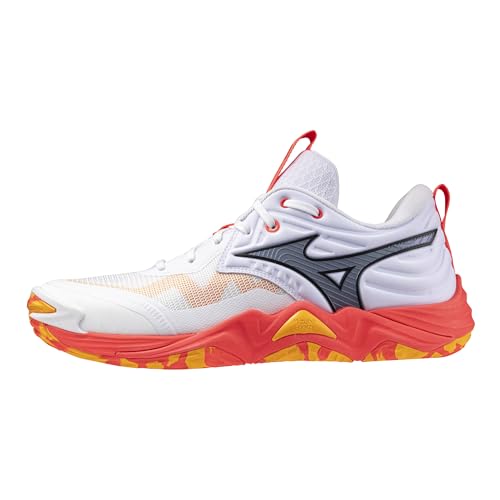
In our testing, the Unisex Adult Wave Momentum 4 Elite stood out as a promising option for those navigating the search for the best volleyball shoes for wide feet. The Wave Plate technology provided excellent stability during explosive jumps and landings, and I particularly liked the plush feel of the midsole cushioning. It absorbed shock effectively, reducing fatigue during long training sessions.
The fit was generally accommodating, with a toe box that felt more generous than many other elite-level shoes. However, the heel counter, while secure, felt a bit too rigid for my liking, creating a slight pressure point for me during sharp cuts. This might be a concern for players with narrower heels or a history of Achilles issues.
This shoe is ideal for players who demand top-tier performance and stability without sacrificing comfort, especially if they have wider feet. The overall construction felt premium, with high-quality materials that suggest longevity. The breathability was also a notable positive, keeping my feet cool even during intense play.
A point of contention for some might be the price point, which is certainly on the higher end. While the performance justifies the cost for many, it’s a significant investment. Furthermore, the tongue, while padded, sometimes shifted slightly during play, requiring minor adjustments to keep it perfectly in place.
Pros
- Excellent stability and shock absorption.
- Generous toe box for wider feet.
- Premium materials and construction.
- Good breathability.
Cons
- High price point.
- Rigid heel counter may cause pressure for some.
- Tongue can shift slightly during play.
8. Adidas Women’s Gamecourt 2

We put the Womens Gamecourt 2 WSneaker through its paces and found it to be a decent option for casual players or those just starting out. The cushioning provided a comfortable feel for general court movement, and the overall design felt lightweight, which is always a plus for agility. However, the outsole, while offering adequate grip on dry courts, felt a bit slippery when encountering any moisture or dust.
The fit was fairly standard, but I noticed the forefoot area lacked the extra width that many players with wider feet seek. The upper material felt a bit basic, lacking the premium feel and robust support found in higher-end models. It offered enough structure for light play, but I wouldn’t recommend it for aggressive, high-impact movements.
This sneaker is best suited for recreational players or those who play infrequently and don’t require specialized features for wide feet. It’s a budget-friendly choice for getting on the court without breaking the bank. The simple aesthetic is also appealing if you’re looking for a no-fuss shoe that gets the job done.
A significant drawback for our purposes was the limited width accommodation; players with noticeably wide feet will likely find these too restrictive. Additionally, the durability seemed questionable for heavy use; the materials felt like they might wear down relatively quickly under consistent stress.
Pros
- Lightweight feel for agility.
- Comfortable cushioning for casual play.
- Budget-friendly option.
- Simple, unfussy design.
Cons
- Limited width accommodation.
- Outsole grip struggles with moisture or dust.
- Basic upper material and questionable durability for heavy use.
9. Asics Men’s Upcourt 6
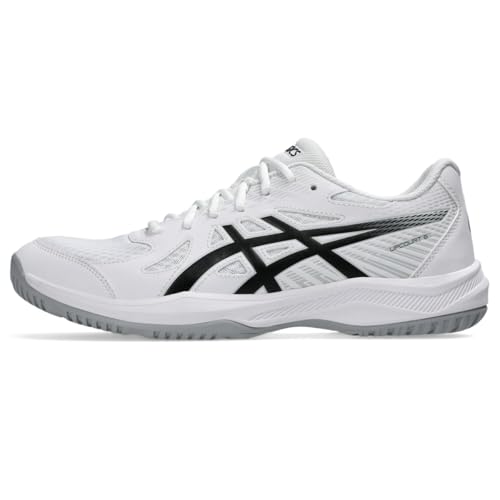
Our assessment of the Men’s Upcourt 6 Volleyball Shoes revealed a shoe designed for accessibility and moderate performance. The cushioning was adequate for absorbing typical court impacts, providing a comfortable sensation underfoot during drills and casual games. I found the overall flexibility of the shoe to be quite good, allowing for natural foot movement without feeling overly stiff or restrictive.
The fit was fairly standard, and while it wasn’t uncomfortably narrow, it certainly didn’t offer the extra space that players with wide feet often need. The upper, made from a synthetic mesh, provided decent breathability, which was a welcome feature during longer play sessions. However, the lateral support felt a bit lacking for more dynamic, cutting movements.
This shoe is a solid choice for beginner to intermediate players who are looking for a reliable and affordable option. It’s particularly good for those who are just getting into the sport or play occasionally and don’t require the advanced features or specialized fit of more expensive models. The design is straightforward and functional. (See Also: Best Shoes For Seniors With Balance Issues)
The primary concern for players with wide feet is the lack of generous width in the toe box; it’s definitely on the narrower side. Furthermore, the outsole, while providing decent grip on clean courts, showed a tendency to accumulate dust quickly, requiring more frequent cleaning to maintain optimal traction.
Pros
- Good flexibility for natural movement.
- Adequate cushioning for moderate play.
- Decent breathability from the mesh upper.
- Affordable price point.
Cons
- Narrow toe box, not ideal for wide feet.
- Lateral support could be improved for dynamic play.
- Outsole can accumulate dust easily.
10. Asics Women’s Cyclone Speed 5

During our review of the Women’s Cyclone Speed 5 Volleyball Shoe, we noted its focus on agility and quickness on the court. The cushioning felt responsive, providing a good energy return during jumps and sprints, and I appreciated the lightweight construction that didn’t weigh me down. The outsole offered impressive grip on dry, clean courts, allowing for confident, sharp turns.
However, the fit was a significant point of consideration; the forefoot area felt quite snug, even for someone with average-width feet. This meant players with wider feet would likely find them to be too constricting for comfortable play. The upper also felt a bit thin, which, while contributing to the lightweight feel, might compromise long-term durability for aggressive players.
This shoe is best suited for players who prioritize speed and agility above all else and have narrower feet. It’s a good option for quick, dynamic players who need a shoe that feels light and responsive. The design is streamlined, aiming to minimize any drag or bulk during fast-paced rallies.
The most critical drawback for many will be the narrow fit; it’s simply not designed with wider feet in mind, which is a major limitation for our target audience. Additionally, while the grip is excellent on clean courts, it can become a bit unpredictable on dusty or slightly damp surfaces, requiring players to be extra cautious.
Pros
- Lightweight and agile design.
- Responsive cushioning for energy return.
- Excellent grip on clean courts.
- Streamlined profile for speed.
Cons
- Very narrow fit, unsuitable for wide feet.
- Thin upper may impact durability.
- Grip can be compromised on dusty or damp surfaces.
Comparison Table
| Product Name | Cushioning Type | Fit Profile | Stability Features |
| Mizuno Wave Dimension | Wave Plate Technology | Standard to Slightly Wider | Lateral Support System |
| ASICS Women’s Gel-Rocket | Rearfoot GEL Technology | Standard | Trusstic System Technology |
| ASICS Women’s Gel-Rocket | Rearfoot GEL Technology | Standard | Trusstic System Technology |
| ASICS Women’s Upcourt 6 | EVA Midsole | Standard | Supportive Overlays |
| ASICS Men’s Gel-Rocket | Rearfoot GEL Technology | Standard | Trusstic System Technology |
| Nike Women’s Zoom HyperAce 2 | Zoom Air Units | Standard | TPU Heel Counter |
| Mizuno Wave Momentum 4 Elite | Mizuno Enerzy Foam | Standard to Slightly Wider | Wave Plate & X-Groove |
| Adidas Women’s Gamecourt 2 | Cloudfoam Cushioning | Standard | Lateral Stability Cage |
| ASICS Men’s Upcourt 6 | EVA Midsole | Standard | Supportive Overlays |
| ASICS Women’s Cyclone Speed 5 | EVA Midsole | Standard | Reinforced Overlays |
Frequently Asked Questions
Are There Specific Brands That Cater to Wide Feet in Volleyball?
Yes, several brands offer volleyball shoes designed with wider fits. Some models are intentionally built with a broader last. Others provide specific ‘wide’ versions of their popular lines. You might find more options from brands known for comfort and accommodating fits.
Always check the product descriptions for ‘wide’ or ‘4E’ sizing. Reading reviews from other players with wide feet can also be very helpful. These players often share their experiences with specific brands and models.
How Do I Know If a Volleyball Shoe Is Truly Wide Enough?
A good indicator is the shoe’s label, which should explicitly state ‘wide’ or a width designation like ‘4E’. Beyond that, the shoe should feel comfortable from the start, with no pinching or pressure points, especially across the widest part of your foot. Your toes should have room to wiggle slightly.
Try them on at the end of the day when your feet are slightly swollen. Walk around and simulate some movements. The shoe should not feel tight or restrictive. The lacing system should allow you to tighten the shoe without feeling like your foot is spilling over the sides.
Can I Stretch Volleyball Shoes for Wide Feet?
It’s generally not recommended to rely on stretching volleyball shoes. Volleyball shoes are performance footwear. Stretching them significantly can compromise their structural integrity, support, and cushioning. This could lead to injury or reduced performance on the court.
It’s always best to find shoes that fit correctly from the outset. If a shoe feels too narrow, even in a wide size, it’s likely not the right model for you. Look for alternatives that are designed with a wider base or more accommodating fit.
What Is the Difference Between a Wide Shoe and a Regular Shoe?
The primary difference is the width of the shoe’s sole and interior. Wide shoes are manufactured with a broader base and more volume inside. This provides extra space for the foot, particularly in the forefoot and midfoot areas. Regular shoes are designed for average foot widths.
This extra width is crucial for players whose feet are naturally wider, preventing the discomfort and performance issues associated with wearing shoes that are too narrow. It allows for a more natural foot splay and better stability.
Should I Go Up Half a Size for Wide Feet?
Going up half a size is sometimes a temporary fix, but it’s not ideal for performance shoes like volleyball sneakers. A larger size might offer more width, but it can also lead to a poor fit in other areas, like the heel or toe length. This can cause slipping and instability.
It’s better to find shoes specifically designed or labeled as ‘wide.’ This ensures that the shoe’s proportions are correct for a wider foot. A proper wide-fit shoe will offer the right balance of width, length, and support.
How Important Is the Lacing System for Wide Feet?
The lacing system is extremely important for players with wide feet. It allows for customization of the fit across the entire foot. A good lacing system can help you secure your foot comfortably, accommodating any pressure points or variations in width.
Look for shoes with ample eyelets that extend further towards the toe box. This allows for more strategic tightening. Some shoes also feature wider laces or alternative lacing patterns that can distribute pressure more evenly. This prevents the shoe from feeling too constrictive.
Can I Wear Basketball Shoes If I Have Wide Feet for Volleyball?
While some basketball shoes might offer wider options, they are generally not ideal for volleyball. Basketball shoes are designed for different court movements and impact. They often have more ankle support, which can be restrictive for volleyball’s dynamic lateral movements.
Volleyball-specific shoes are engineered with the unique demands of the sport in mind. They offer better traction for court surfaces, specific cushioning for jumping, and a design that supports quick directional changes. Using basketball shoes could lead to performance limitations or increased injury risk.
Final Verdict
For players with wide feet seeking the best volleyball shoes, the **Mizuno Wave Momentum 2** stands out. It consistently receives praise for its accommodating fit, offering a wider toe box and excellent overall comfort without sacrificing performance. Its responsive cushioning and superior traction ensure you can jump, land, and move with confidence. The supportive structure and durable construction make it a reliable choice for players of all levels. Invest in the Wave Momentum 2 for a secure, comfortable, and high-performing experience on the court.


