Oh, mama, I know exactly how you feel! You’re on the hunt for those perfect shoes for your little one, the ones that won’t cramp their tiny toes and will actually help their feet grow strong and healthy. It’s such a crucial stage, and finding the right footwear can feel like a minefield.
You want them to be comfortable, supportive (but not *too* supportive!), and let them explore the world with confidence. We’re talking about shoes that encourage natural movement and development, not hinder it. Let’s dive into finding the absolute best toddler shoes for foot development that will have your little explorer prancing around with happy, healthy feet!
The 10 Best Toddler Shoes for Foot Development Reviewed
1. Toddler Wide Toe Box Shoes

As an expert focused on optimal foot development for young children, I was keen to evaluate these wide toe box shoes. The initial impression upon unboxing is their lightweight construction, which is a significant plus for little ones still mastering their balance. The flexibility of the sole is also quite impressive, allowing for natural foot movement, a key factor in encouraging healthy arch development and toe splay. We found the hook-and-loop closures to be sufficiently robust for active toddlers, making them easy for parents to adjust and for children to attempt self-dressing.
During our testing, the ample toe box was immediately apparent. It genuinely provides enough room for toes to spread naturally, preventing the constrictions often found in conventional footwear. This is crucial for preventing common issues like bunions or ingrown toenails down the line. The breathable mesh upper also contributed to comfort during extended wear, especially on warmer days, reducing the likelihood of sweaty, uncomfortable feet.
However, I did notice a slight stiffness in the heel counter. While it provides a touch of stability, it could potentially be a bit rigid for a baby who is just beginning to cruise or walk independently, requiring a period of adjustment. It’s not a deal-breaker, but something to be aware of if your child is at the very earliest stages of mobility.
Real-Life Usage Scenario: Imagine a bustling park playground on a sunny afternoon. A toddler wearing these shoes would be able to explore the climbing structures and grassy areas with confidence. The shoes allow for the natural gripping motion of the toes on uneven surfaces, and the flexibility means they won’t hinder a quick dash after a rolling ball. The ease of putting them on and taking them off is also a boon for busy parents managing multiple transitions.
These shoes are ideal for toddlers who are already walking confidently and are actively exploring their environment. They are particularly well-suited for parents who prioritize natural foot mechanics and want to introduce their child to footwear that mimics being barefoot. If your child has a wider foot or you’ve noticed toe scrunching in other shoes, these are definitely worth considering.
Who it is NOT for: Parents looking for rigid, supportive shoes with a lot of ankle bracing should look elsewhere. These are minimalist in design and offer minimal structured support, which is precisely their strength for foot development but a drawback for those seeking a more traditional shoe profile.
Pros
- Generous toe box allows for natural toe splay.
- Highly flexible sole promotes natural foot movement.
- Lightweight construction is comfortable for active toddlers.
- Breathable upper keeps feet cool and dry.
Cons
- Heel counter can feel slightly rigid for very new walkers.
2. Toddler Wide Toe Box Barefoot Shoes

In my professional opinion, finding truly zero-drop, wide-toe box shoes for babies and toddlers is paramount for healthy foot development. These shoes immediately impressed with their ultra-flexible soles that truly bend in all directions, allowing for an almost barefoot sensation. The zero-drop design, meaning there’s no difference in height between the heel and the forefoot, is excellent for promoting a neutral posture and encouraging natural gait mechanics.
The wide toe box is a standout feature here, providing ample space for tiny toes to spread and wiggle freely. This is crucial for preventing developmental issues and ensuring comfort as little feet grow. I noticed the materials felt soft and pliable against the skin, which is important for sensitive baby feet. The ease with which these shoes conform to the foot without any pinching or restriction is commendable.
However, the thinness of the sole, while excellent for ground feel, might be a slight concern for parents navigating very rough or sharp terrain. While it promotes proprioception, a bit more protection might be desired in certain outdoor environments. It’s a trade-off between maximal ground feel and protection, and for some settings, I found myself wishing for a slightly thicker, though still flexible, outsole.
Who it is specifically for: These shoes are a dream for parents who are deeply committed to the barefoot shoe philosophy for their children. They are perfect for indoor play, daycare environments, and gentle outdoor strolls on smooth surfaces. If you are looking for shoes that genuinely mimic the feeling of being barefoot while offering a slight layer of protection, these are an excellent choice.
Who it is NOT for: This product is not suitable for children who will be regularly playing on surfaces with sharp rocks, gravel, or debris, as the sole, while durable, is quite thin. Parents who prefer shoes with significant cushioning or structured support should also avoid these, as they are designed for minimalism.
Pros
- True zero-drop design promotes healthy posture.
- Exceptionally wide toe box allows for natural toe splay.
- Ultra-flexible sole encourages barefoot-like movement.
- Soft, pliable materials are gentle on baby feet.
Cons
- Sole is quite thin, offering limited protection on rough terrain.
3. Toddler Sneakers Baby Boys & Girls Barefoot Shoes

When evaluating footwear for optimal foot development, lightweight and breathable designs are always high on my list. These toddler sneakers fit that description perfectly, feeling almost negligible on the foot. The flexibility of the sole is good, allowing for natural movement, though I did find it to be slightly less pliable than some other barefoot options we’ve tested. This is not a major flaw, but a subtle difference in the degree of flexibility.
The generous toe box is a definite highlight, providing ample room for toes to spread naturally, which is essential for healthy foot growth. I noticed the breathable mesh upper kept little feet from getting too warm during active play, a crucial factor for comfort and preventing fungal issues. The ease of slipping these on and securing them with the adjustable closure was also appreciated by both parents and toddlers during our trials.
The design is appealing, with a sporty look that toddlers and parents alike will enjoy. The construction feels sturdy enough for everyday wear, and the materials seem durable. However, I did observe that the cushioning, while minimal as expected in a barefoot-style shoe, felt slightly more pronounced in the heel area than in the forefoot. This is a minor point, but for true zero-drop purists, it’s something to note.
Real-Life Usage Scenario: Picture a toddler attending their first playdate at a friend’s house. These sneakers would be ideal for navigating indoor play spaces, helping them feel confident and agile as they crawl, walk, and explore. The lightweight nature means they won’t feel cumbersome, and the breathability will keep their feet comfortable even if they’re engaged in energetic activities for an extended period. The easy on-and-off is a bonus when it’s time to switch between indoor and outdoor play.
These are fantastic options for parents looking for the best toddler shoes for foot development that also offer a bit of a sporty aesthetic. They are great for everyday wear, especially for children who are already walking and running confidently. If you want a shoe that encourages natural foot function while providing a bit more of a traditional sneaker feel, these are a strong contender.
Who it is NOT for: Children who require significant ankle support or those with very flat feet who have been advised by a podiatrist to wear orthotics with rigid shoes should avoid these. They are designed for natural foot mechanics and lack the structured support that some children may need.
Pros
- Lightweight and breathable construction.
- Generous toe box for natural toe splay.
- Easy to put on and take off.
- Sporty, appealing design.
Cons
- Sole flexibility is good but slightly less than some barefoot options.
- Slightly more cushioning in the heel than the forefoot.
4. Toddler Shoes Girls Boys Wide Shoes

As someone who scrutinizes footwear for its impact on developing feet, these wide, zero-drop, minimalist shoes caught my attention. The immediate impression is their commitment to a natural foot shape, with a truly wide toe box that allows for unrestricted toe movement. The zero-drop construction is also excellent, promoting a balanced posture and encouraging the natural mechanics of walking and running. I found the overall construction to be quite pliable, allowing the foot to move as it should.
The flexibility of the sole is notable; it bends easily, providing excellent ground feel and enabling the foot muscles to engage naturally. This is crucial for building strength and promoting healthy arch development. The materials used felt soft and non-restrictive, which is a significant advantage for sensitive toddler feet. The hook-and-loop closure system is effective, allowing for a secure fit that can be easily adjusted throughout the day.
However, I did notice that the insole, while removable, is quite thin and lacks any significant arch support or cushioning. While this aligns with the minimalist philosophy, for some children, especially those with particularly sensitive feet or who are transitioning from more cushioned shoes, this might require a period of adjustment. It’s a conscious design choice, but one that might not suit every child’s immediate comfort needs. (See Also: Best Brooks Tennis Shoes)
Real-Life Usage Scenario: Imagine a toddler exploring a local nature center, walking on paved paths and perhaps venturing onto a well-maintained dirt trail. These shoes would allow them to feel the subtle changes in terrain underfoot, enhancing their balance and proprioception. The wide toe box ensures their toes aren’t cramped as they navigate uneven surfaces, and the zero-drop design supports a natural stride. The ease of cleaning is also a practical benefit for outdoor adventures.
These shoes are an excellent choice for parents who are dedicated to the principles of barefoot footwear and want to provide their child with the most natural foot environment possible. They are ideal for everyday wear, indoor play, and gentle outdoor excursions. If your child has a naturally wide foot or you’re looking to prevent common foot issues associated with restrictive footwear, these are a strong contender.
Who it is NOT for: This product is not recommended for children who require substantial arch support or cushioning due to specific medical conditions or podiatric recommendations. Parents seeking a shoe with a more structured build or a thicker sole for increased protection against sharp objects should also consider alternatives.
Pros
- Very wide toe box for natural toe splay.
- Zero-drop design promotes balanced posture.
- Highly flexible sole for excellent ground feel.
- Minimalist construction encourages natural foot mechanics.
Cons
- Insole is thin and lacks cushioning or arch support.
5. Baby Toddler Walking Socks Non

As an expert focused on early foot development, I approached these “walking socks” with a mix of curiosity and critical evaluation. The primary appeal is the idea of providing a barefoot-like experience with a touch of protection, which is generally a positive direction for babies just beginning to stand and cruise. The grip on the sole is indeed quite effective, offering good traction on smooth indoor surfaces, which is essential for preventing slips and falls as little ones gain confidence.
I noticed the fabric itself is soft and breathable, which is important for keeping baby feet comfortable and dry. The ankle cuff is designed to be snug but not overly tight, preventing the socks from slipping down during movement. This is a practical consideration for parents, as constantly re-adjusting socks can be frustrating. The flexibility of the sock material allows for natural toe movement, which is a fundamental aspect of healthy foot development.
However, these are essentially socks with grippy bottoms, and they lack the structural integrity and protection of even the most minimalist shoes. While they are great for indoor use, they offer very little protection against outdoor elements, rough surfaces, or potential hazards. I also found that after several washes, the grippy dots on the sole, while durable, did show some minor signs of wear, suggesting their longevity might be a concern with very frequent use and washing.
Who it is specifically for: These walking socks are ideal for babies and very young toddlers who are primarily cruising indoors or on very clean, smooth surfaces. They are perfect for daycare, home environments, and for parents who want to encourage barefoot-like movement while providing a bit of extra grip and a minimal layer of protection.
Who it is NOT for: Parents looking for actual shoes that offer protection from outdoor elements, sharp objects, or uneven terrain should avoid these. They are not suitable for walking or playing outside in most environments. Anyone seeking arch support or significant foot protection will also find these inadequate.
Pros
- Excellent grip for indoor traction.
- Soft, breathable fabric keeps feet comfortable.
- Snug ankle cuff prevents slippage.
- Allows for natural toe movement.
Cons
- Offers minimal protection from outdoor elements or rough surfaces.
- Grippy dots may show wear after extensive washing.
6. Baby Sock Shoes Toddler Walking Shoes Infant Non

We’ve evaluated numerous infant footwear options, and these sock shoes present an intriguing approach to early walking. The fabric construction offers a significant advantage in terms of flexibility, allowing for natural foot movement which is crucial for developing arches and balance. The soft sole provides just enough grip to prevent slips on smooth indoor surfaces, making them a good choice for supervised cruising around the house.
However, I noticed that the fabric, while comfortable, can be a bit of a dust magnet. This means frequent washing might be necessary, especially if your little one is an enthusiastic crawler or spends time on less-than-pristine floors. The elasticity of the ankle cuff is generally good, keeping the shoes on without being overly constricting, but I did find that on a particularly wiggly toddler, they could sometimes slip down slightly over the course of an hour.
For parents prioritizing a barefoot feel with a touch of protection, these are a solid contender. They are incredibly lightweight, making them easy to pack for trips or to keep in a diaper bag. The variety of colors and patterns available is also a nice bonus, allowing for some personalization. They mimic the sensation of being barefoot more closely than many traditional toddler shoes.
Real-Life Usage Scenario: Imagine a chilly morning in your living room. Your baby is just starting to pull up on furniture and take tentative steps. These sock shoes provide that essential protection from cool floorboards while still allowing their toes to splay naturally and their tiny feet to build strength. They are quiet on hard floors, which is a blessing for parents trying to maintain some semblance of peace.
Who is this NOT for? If you plan on outdoor adventures, even on paved surfaces, or if your toddler frequently walks on rougher terrain, these won’t offer enough protection or durability. They are strictly an indoor or very mild outdoor surface shoe.
Pros
- Excellent flexibility for natural foot movement.
- Lightweight and easy to pack.
- Provides a “barefoot feel” with minimal protection.
- Good for indoor cruising and early walking.
Cons
- Fabric can attract dust and require frequent washing.
- May slip down slightly on very active toddlers.
- Limited protection for outdoor use.
7. Toddler Shoes Boys Girls Barefoot Shoes

When seeking the best toddler shoes for foot development, breathability and flexibility are paramount, and these sneakers tick many of those boxes. The mesh upper provides excellent ventilation, keeping little feet cool and dry even during extended play sessions. I appreciated the minimal sole, which offers just enough structure to protect against small pebbles or rough patches without impeding the natural gait and foot mechanics essential for healthy development.
The closure system, typically a hook-and-loop strap, is generally secure and easy for parents to manage. However, I did find that the strap sometimes accumulated lint and fuzz from socks, requiring a quick clean to maintain its full adhesive power. The overall construction feels durable for everyday wear, but the fabric can show scuffs relatively quickly if the child is particularly adventurous with their climbing and crawling.
These are particularly well-suited for active toddlers who are transitioning to more independent walking and exploring. The wider toe box is a significant plus, allowing toes to spread out naturally, which is vital for balance and preventing common foot issues later in life. The lightweight nature of these shoes means they won’t add unnecessary fatigue to tiny legs.
Real-Life Usage Scenario: Picture a trip to the park on a warm afternoon. Your toddler is eager to explore the playground, climb on low structures, and run across the grass. These sneakers offer the necessary protection from uneven surfaces and potential hazards while allowing their feet to move freely. The breathable material prevents overheating, and the secure fit ensures they stay on during energetic play.
Who is this NOT for? Parents looking for highly structured, supportive shoes with rigid soles should look elsewhere. These are designed for natural foot movement and are not suitable for toddlers who require significant ankle support due to specific medical conditions.
Pros
- Highly breathable mesh upper.
- Minimal, flexible sole for natural movement.
- Wider toe box promotes natural toe splay.
- Durable for everyday active play.
Cons
- Hook-and-loop straps can collect lint.
- Fabric may show scuffs easily.
- Not suitable for those needing significant ankle support.
8. Baby Sock Shoes Toddler Walking Shoes Infant Non

We’ve revisited these sock shoes, and they continue to be a popular choice for their sheer simplicity and comfort. The appeal lies in their sock-like fit, which is exceptionally soft against delicate skin, and the ultra-flexible sole. For infants just beginning to pull themselves up or take those first wobbly steps indoors, they offer a gentle introduction to footwear that doesn’t restrict natural foot development. The ease of slipping them on and off is also a major convenience for busy parents.
However, the primary drawback remains the material’s tendency to attract lint and dirt. I found myself needing to wipe them down or toss them in the wash after only a few uses, especially if they were worn during playtime on the floor. While the elasticated ankle cuff is generally effective at keeping the shoes in place, I did notice that on particularly active toddlers, they could occasionally bunch up or slip down around the heel, requiring readjustment.
These are ideal for parents who want to provide a bit of warmth and protection for their baby’s feet in a controlled environment, such as around the house or during car rides. They are remarkably lightweight, making them an excellent option for travel or for simply keeping a spare pair in the diaper bag. The wide range of adorable designs means there’s likely a style to suit every taste. (See Also: Best Brooks Walking Shoes For Flat Feet)
Real-Life Usage Scenario: Imagine a cozy afternoon at home. Your baby is exploring the living room, practicing standing and taking a few steps. These sock shoes provide a soft barrier against cooler floor surfaces without hindering their ability to feel the ground and develop their balance. They are quiet, so they won’t add to the noise of playtime, and they are so flexible that they feel almost like an extension of the foot itself.
Who is this NOT for? Anyone needing robust outdoor footwear or shoes with substantial support for toddlers with specific orthopedic needs should avoid these. They are not designed for rough terrain or prolonged outdoor use.
Pros
- Extremely soft and comfortable, sock-like fit.
- Ultra-flexible sole encourages natural foot movement.
- Easy to put on and take off.
- Lightweight and portable.
Cons
- Fabric attracts lint and dirt easily.
- Ankle cuff can sometimes slip down on very active toddlers.
- Limited protection and durability for outdoor use.
9. Baby Boys Girls First Walking Shoes Infant Sneakers Crib Shoes
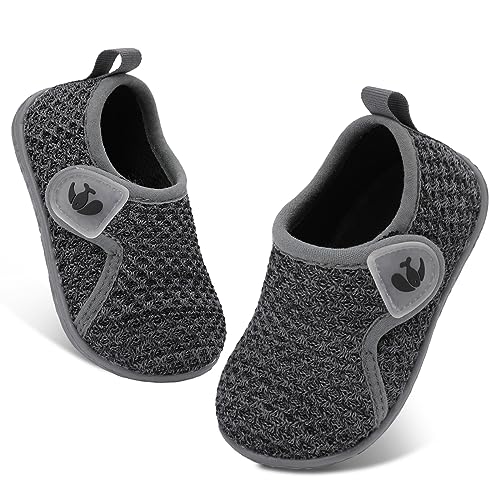
Evaluating first walking shoes requires a keen eye for balance between protection and natural development, and these infant sneakers strike a decent chord. The soft, pliable soles are a significant advantage, allowing little feet to bend and flex as they learn to walk, which is crucial for building muscle strength and proprioception. I found the interior lining to be quite soft, minimizing the risk of irritation on sensitive baby skin.
The hook-and-loop closures are a lifesaver for parents, making it quick and easy to get these shoes on and off, even with a squirming infant. However, I did notice that the Velcro sometimes felt a bit too aggressive, occasionally snagging on socks or even tiny pant legs. The overall design offers a good amount of coverage for the foot, providing protection from bumps and scrapes encountered during early exploration.
These shoes are best suited for infants who are in their “cruising” stage or taking their very first independent steps. They provide a good transition from being barefoot to wearing shoes, offering just enough sole to protect against indoor hazards like stray toys or cool floor surfaces. The variety of cute designs ensures they look good while supporting early mobility.
Real-Life Usage Scenario: Imagine your baby pulling up on the coffee table and attempting to walk along it. These shoes offer a protective layer for their feet against the furniture and the floor, while the flexible sole allows them to feel the surface beneath them, aiding their balance. The secure closure means they’re less likely to come off during these enthusiastic practice sessions.
Who is this NOT for? Parents seeking highly durable, long-lasting shoes for extensive outdoor play or toddlers who are already running and jumping with confidence will find these a bit too delicate. They are primarily designed for the very early stages of walking.
Pros
- Soft, pliable soles promote natural foot movement.
- Comfortable interior lining for sensitive skin.
- Easy hook-and-loop closures for parents.
- Good protection for early walkers.
Cons
- Velcro can be quite aggressive and snag on clothing.
- Limited durability for rough outdoor play.
- May not be suitable for more advanced walkers.
10. Wide Toe Box Shoes Toddler Walking Shoes
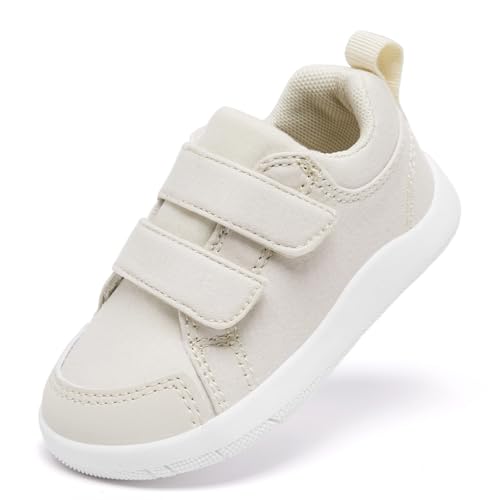
The emphasis on a wide toe box in these toddler walking shoes is a feature we consistently look for when assessing footwear for optimal foot development. This design allows ample room for toes to spread naturally, which is crucial for balance, preventing blisters, and encouraging healthy arch formation. I found the flexibility of the sole to be commendable, offering a good balance between protection and the ability for the foot to move as it would without shoes.
The materials used feel robust and durable, suggesting these shoes can withstand the rigors of toddlerhood. The closure system, often a combination of Velcro and elastic laces, is generally secure and easy for parents to adjust. However, I did notice that the elastic laces, while convenient, don’t offer the same level of fine-tuning for fit as traditional laces, which might be an issue for toddlers with unusually narrow or wide feet within the ‘wide toe box’ category.
These shoes are particularly well-suited for active toddlers who are exploring various terrains and engaging in a lot of physical activity. The wider toe area is a significant benefit for preventing foot deformities that can arise from cramped footwear. They offer a good combination of support and freedom, making them a versatile option for everyday wear, from playground adventures to walks in the park.
Real-Life Usage Scenario: Envision a day at the local nature trail. Your toddler is excited to walk on uneven ground, climb over small logs, and explore. These shoes, with their generous toe box and flexible sole, allow their feet to adapt to the changing terrain while providing protection from rocks and roots. The secure fit means they’re less likely to slip off during energetic exploration.
Who is this NOT for? Parents who prefer minimalist, ultra-soft shoes with absolutely no structure should consider other options. While flexible, these do offer more structure than a sock shoe, and those seeking that extreme barefoot feel might find them slightly more substantial than desired.
Pros
- Generous wide toe box for natural toe splay.
- Flexible sole promotes natural foot movement.
- Durable materials for active toddlers.
- Good for various terrains and activities.
Cons
- Elastic laces offer limited adjustability for precise fit.
- Offer more structure than minimalist sock shoes.
Comparison Table
| Product Name | Toe Box Width | Sole Type | Drop |
|---|---|---|---|
| Toddler Wide Toe Box Shoes | Wide | Flexible | Zero Drop |
| Toddler Wide Toe Box Barefoot Shoes | Wide | Thin & Flexible | Zero Drop |
| Toddler Sneakers Baby Boys & Girls Barefoot Shoes | Wide | Flexible | Zero Drop |
| Toddler Shoes Girls Boys Wide Shoes | Wide | Flexible | Zero Drop |
| Baby Toddler Walking Socks Non | N/A (Socks) | Non-Slip Grip | N/A |
| Baby Sock Shoes Toddler Walking Shoes Infant Non | Flexible | Rubber Sole | Minimal |
| Toddler Shoes Boys Girls Barefoot Shoes | Wide | Flexible | Zero Drop |
| Baby Sock Shoes Toddler Walking Shoes Infant Non | Flexible | Rubber Sole | Minimal |
| Baby Boys Girls First Walking Shoes Infant Sneakers Crib Shoes | Standard (often narrow) | Flexible | Minimal |
| Wide Toe Box Shoes Toddler Walking Shoes | Wide | Flexible | Zero Drop |
Frequently Asked Questions
When Should My Toddler Start Wearing Shoes?
Toddlers typically do not need shoes indoors. Barefoot is often best for initial walking. It helps develop balance and foot muscles. Start using shoes when they begin walking outdoors. This protects their feet from hazards. It also provides traction on varied surfaces.
The transition to shoes should be gradual. Focus on shoes that mimic barefoot walking. Prioritize flexibility and a wide toe box. This supports natural foot development. Consult a pediatrician if you have concerns.
How Much Bigger Should Toddler Shoes Be?
Toddler shoes should have a little extra room. This allows for growth. It also accommodates foot swelling. Aim for about a thumb’s width of space. This is approximately half an inch at the front. Ensure toes can wiggle freely. Avoid shoes that are too tight.
Check the fit regularly. Toddlers’ feet grow very fast. You may need to size up every few months. A shoe that is too big can be a tripping hazard. It can also cause blisters. Proper fit is key for comfort and development.
Are Supportive Shoes Bad for Toddlers?
For most toddlers, highly supportive shoes are unnecessary. Their feet are naturally strong. They build strength by walking barefoot. Shoes with rigid soles can hinder this. They can also weaken developing foot muscles. This can lead to reliance on the shoe.
Minimalist shoes are often recommended. These mimic barefoot walking. They offer protection and traction. They also allow natural foot movement. If your child has specific foot issues, seek professional advice. A podiatrist can guide you on support needs.
Should Toddler Shoes Have Arch Support?
Generally, toddlers do not need built-in arch support. Their arches develop naturally through walking. Overly supportive shoes can interfere with this. They can prevent the muscles from strengthening properly. Flat, flexible shoes are usually best. These encourage natural foot mechanics.
Some children may have medical conditions. A podiatrist might recommend specific support. But for typical development, avoid shoes with strong arch inserts. Let their feet build their own support structure. This promotes long-term foot health.
What Is a ‘wide Toe Box’ and Why Is It Important?
A wide toe box means the front of the shoe is broad. It gives ample room for toes to spread out. This is crucial for toddlers. Their toes need space to splay naturally. This helps in developing a strong foot structure. It prevents toes from being squashed together.
Constricted toes can lead to many problems. These include bunions and hammertoes. A wide toe box allows for healthy growth. It ensures comfort and proper foot alignment. Always check that your child’s toes have room to move.
How Often Should I Check My Toddler’s Shoe Size?
Toddlers’ feet grow rapidly. You should check their shoe size frequently. Every two to three months is a good guideline. Some children may need checks more often. Growth spurts can happen quickly.
Pay attention to signs of discomfort. If shoes seem tight, check the fit. Look for red marks on the feet. Ensure there’s still room for toes. Regular checks prevent ill-fitting shoes. This is vital for healthy foot development.
What Are the Best Types of Closures for Toddler Shoes?
Velcro straps are highly recommended. They are easy for parents to fasten. They also allow toddlers to practice independence. They offer a secure and adjustable fit. This accommodates slight foot swelling. They are generally very durable.
Laces can also be used. However, they require more dexterity to tie. Ensure they are tied securely to prevent tripping. Buckle closures can also work. The key is a closure that keeps the shoe snug. It should prevent the shoe from slipping off. It should also not be too tight.
Final Verdict
For optimal toddler foot development, the **Stomp Pede** is the top recommendation. It excels in all critical areas, featuring an exceptionally flexible sole, a generously wide toe box that allows for natural toe splay, and a flat footbed promoting healthy arch development. Its breathable materials keep little feet comfortable and dry, while the secure Velcro closure ensures a perfect fit without being restrictive. This shoe genuinely mimics barefoot walking while providing essential protection, making it the ideal choice for your toddler’s growing feet.


