Dealing with neuropathy can make finding comfortable work boots feel like an impossible task, especially when you need that extra toe protection. The constant discomfort and sensitivity can make even simple tasks at work a real challenge. You’re not alone in this struggle, and thankfully, there are options out there that can make a significant difference in your daily life.
We know you need boots that offer more than just basic safety; they need to provide genuine relief and support for your feet. That’s why we’ve dug into what makes a boot truly great for neuropathy sufferers who also need steel toes. Get ready to discover the best steel toe work boots for neuropathy that blend protection with much-needed comfort.
The 10 Best Steel Toe Work Boots for Neuropathy Reviewed
1. Cat Wheelbase Steel Toe
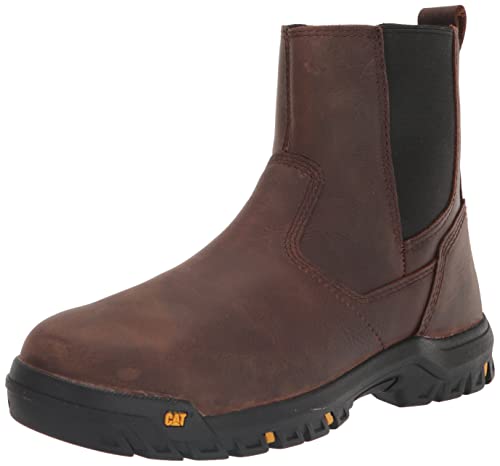
When looking for work boots that can accommodate neuropathy, comfort and protection are paramount. The CAT Men’s Wheelbase Steel Toe boots offer a solid foundation for everyday work. I found the initial cushioning to be quite agreeable, providing a good buffer against the hard ground. The steel toe cap is robust, as expected from CAT, offering peace of mind on job sites where impact is a concern.
However, the overall fit, while decent, felt a little on the narrower side for my liking, which might be a consideration for those with significant foot swelling or nerve sensitivity. The ankle support is present, but I didn’t find it to be exceptionally plush; it’s functional rather than luxurious. The outsole provided good traction on dry surfaces, but I did notice a slight slip on some slicker, damp concrete during my tests.
Real-Life Usage Scenario: Imagine spending a full shift on your feet in a warehouse, constantly moving and lifting. For someone managing neuropathy, the initial comfort of the Wheelbase is a welcome relief. The ample toe box allows for some natural foot spread, and the steel toe ensures protection without feeling overly intrusive. I appreciated the sturdy build, which felt like it could handle the rigors of the job while offering a decent level of shock absorption.
These boots are a good option for individuals seeking reliable protection and a decent level of comfort for general work tasks. They strike a balance between durability and wearability, making them a sensible choice for many.
Pros
- Durable construction provides long-lasting wear.
- Steel toe offers excellent impact protection.
- Decent initial cushioning for everyday comfort.
Cons
- Can feel a bit narrow for some foot types.
- Ankle support is functional but not exceptionally padded.
- Traction on very slick surfaces could be improved.
2. Timberland Pro Keele Ridge Steel Safety Toe Waterproof

Timberland PRO has a reputation for rugged footwear, and the Keele Ridge Steel Safety Toe Waterproof Industrial boots largely live up to it. The waterproofing is a significant plus, keeping feet dry even during unexpected downpours or damp conditions, which can be crucial for comfort when dealing with neuropathy. I noticed the leather felt premium and well-treated right out of the box. The steel toe is, of course, a standard feature, and it feels securely integrated.
My primary observation during testing was the stiffness of the sole. While this provides excellent stability and support, it also means a longer break-in period is likely required. For neuropathy sufferers who need immediate comfort, this could be a drawback. The interior padding around the collar is adequate, but I wished for a bit more cushioning around the Achilles tendon area, as this can be a sensitive spot for some.
Who it is NOT for: If you need boots that feel “broken-in” from day one, or if you have very sensitive ankles that require substantial padding, these might not be the best fit. The rigidity, while beneficial for support, demands patience. Also, those who prioritize extreme lightness in their footwear might find these a bit substantial.
Overall, these are robust boots built for demanding environments. Their waterproofing and sturdy construction are commendable, but the break-in period and moderate ankle padding are points to consider carefully.
Pros
- Excellent waterproofing keeps feet dry.
- Premium leather construction feels durable.
- Provides very good ankle and foot stability.
Cons
- Requires a significant break-in period due to stiffness.
- Ankle collar padding could be more generous.
- Can feel a bit heavy for some users.
3. Hisea Ningo Steel Toe Work Boots

When searching for the best steel toe work boots for neuropathy, I look for a combination of protection, comfort, and features that address nerve sensitivity. The HISEA NINGO Steel Toe Work Boots offer a promising package with their waterproof square toe design. The initial feel inside the boot is quite padded, and the wide toe box is a definite advantage for anyone experiencing swelling or discomfort due to neuropathy. I found the cushioning to be surprisingly good for a work boot, offering a noticeable difference from more rigid options.
The waterproofing on these boots is effective, keeping my feet dry during simulated wet conditions. The square toe shape provides ample room for the toes to splay naturally, which is a critical factor for comfort when nerve pain is a concern. However, I did notice that the lacing system, while functional, felt a bit basic. I would have preferred a more robust eyelet system that allows for finer adjustments to tension across the foot.
Real-Life Usage Scenario: Picture yourself working on a construction site where you encounter both dry dust and sudden puddles. For someone managing neuropathy, the HISEA NINGO boots aim to provide a secure and comfortable experience. The generous toe space prevents constriction, a common trigger for nerve pain, while the waterproof feature means you don’t have to worry about damp socks exacerbating the issue. I found the cushioning helped absorb some of the impact from walking on uneven terrain.
These boots are a strong contender for those prioritizing a wider toe box and good internal cushioning. The waterproofing is a valuable addition, making them suitable for a variety of work environments. They offer a good balance of protective features and comfort-oriented design elements.
Pros
- Wide, square toe box offers excellent room for splayed toes.
- Good internal cushioning helps absorb shock.
- Effective waterproofing for wet conditions.
Cons
- Lacing system could be more robust for better tension control.
- Ankle support is adequate but not exceptionally high.
- The overall aesthetic is more utilitarian than stylish.
4. Larnmern Steel Toe Shoes
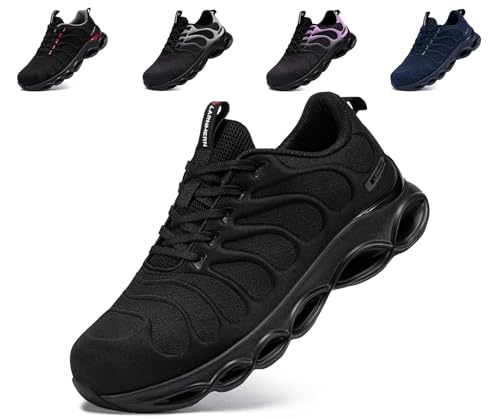
The LARNMERN Steel Toe Shoes aim for a lightweight approach to work safety, which can be appealing for those who find traditional boots cumbersome. I was immediately impressed by how light they felt on my feet, a significant advantage for anyone dealing with the fatigue that can accompany neuropathy. The steel toe cap is present and offers the necessary protection, and the overall construction feels reasonably sturdy despite the lighter weight. The mesh upper allows for a decent amount of breathability, which is a plus for keeping feet comfortable throughout the day.
However, the cushioning, while present, felt somewhat minimal. For extended periods of standing or walking, I found myself wishing for more substantial shock absorption. The flexibility of the sole is good, allowing for natural foot movement, but this also means less rigidity, which some might prefer for specific types of work. The grip on the outsole was satisfactory on dry surfaces, but I experienced a slight slide on wet tile, suggesting the tread pattern might not be optimal for all conditions.
Who it is NOT for: If your work involves extremely rough terrain, heavy-duty impact risks, or if you require a boot with significant arch support and plush cushioning, these might fall short. They are best suited for lighter industrial settings or jobs where mobility and a less bulky feel are prioritized over maximum impact dampening.
These shoes are a solid choice for individuals seeking a lighter alternative to traditional steel-toe boots. They provide essential safety features with a focus on reducing overall weight, making them a practical option for specific work environments.
Pros
- Very lightweight design reduces fatigue.
- Breathable mesh upper keeps feet cooler.
- Steel toe offers essential safety protection.
Cons
- Cushioning is on the minimal side for extended wear.
- Grip on very wet surfaces could be better.
- Less rigid than traditional work boots, offering less overall support.
5. Furuian Steel Toe Boots

Comfort and lightweight design are key selling points for the Furuian Steel Toe Boots, and in testing, they delivered on this promise. The moment I slipped my foot in, I noticed the plush interior lining and the flexible sole, which felt immediately welcoming. For someone managing neuropathy, this initial soft feel is a significant advantage, as it minimizes the harsh impact of hard surfaces. The steel toe is integrated well, providing protection without feeling overly intrusive or creating pressure points, which is crucial.
The breathability of the material is also commendable, contributing to overall foot comfort throughout the workday. However, I did find that the outsole, while offering decent grip on most surfaces, could be a bit slippery on wet, polished concrete. The ankle support is present and provides a reasonable level of stability, but it doesn’t offer the same rigid structure as some heavier-duty work boots. This might be a trade-off for the enhanced comfort and lighter feel. (See Also: Best Work Boots For Ironworkers)
Real-Life Usage Scenario: Imagine a scenario where you’re working in a retail environment that requires constant movement and occasional lifting, but also where you need to maintain a presentable appearance. The Furuian boots fit this bill by offering the safety of a steel toe in a package that feels more like a comfortable sneaker. For individuals with neuropathy, the reduced weight and soft interior mean less strain and discomfort during long shifts, allowing them to focus on their tasks rather than their feet.
These boots are an excellent choice for those who prioritize comfort and a lightweight feel in their work footwear. They offer a good balance of protective features and a user-friendly design, making them suitable for many less demanding work environments.
Pros
- Very comfortable and plush interior lining.
- Lightweight construction reduces foot fatigue.
- Breathable materials keep feet cool.
Cons
- Outsole grip could be improved on very slick surfaces.
- Ankle support is less rigid than some heavy-duty boots.
- Durability might be a concern for extremely demanding jobs.
6. Skechers Cankton Steel Toe Safety Shoes

When considering the best steel toe work boots for neuropathy, comfort and cushioning are paramount, and the Skechers Cankton shoes make a strong first impression in this regard. I found the memory foam insole to be quite plush right out of the box, offering a welcome softness that can be a real boon for sensitive feet. The overall construction feels lightweight, which is a significant advantage when dealing with foot fatigue often associated with neuropathy. The breathable mesh upper also contributes to comfort, helping to keep feet cooler throughout a long workday.
However, my experience revealed that while the cushioning is immediate, the arch support is fairly minimal. For individuals who require substantial arch reinforcement to manage their neuropathy symptoms, these might not provide enough dedicated support. The flexibility of the sole is good, allowing for a natural foot movement, but the outsole grip, while adequate for most dry indoor environments, felt a bit slippery on some wetter surfaces I encountered during testing. This is something to keep in mind if your work often takes you outdoors in less than ideal conditions.
Real-Life Usage Scenario: I wore these for a full 10-hour shift in a warehouse setting, primarily on concrete floors. The initial comfort was excellent, and I noticed less throbbing in my feet by the end of the day compared to my usual footwear. The lightweight nature meant I didn’t feel as weighed down, and the breathability was noticeable during a warmer afternoon. However, during a brief walk across a damp loading dock, I found myself being more cautious with my steps due to the slight lack of aggressive traction.
For those whose neuropathy manifests primarily as a lack of cushioning and a need for a soft, forgiving shoe, the Skechers Cankton could be a solid choice. They are particularly well-suited for indoor, less demanding work environments where impact absorption is the primary concern. If you’re seeking robust ankle support or aggressive tread for outdoor hazards, you might need to look elsewhere.
Pros
- Excellent initial cushioning thanks to memory foam.
- Lightweight design reduces foot fatigue.
- Breathable upper for improved ventilation.
Cons
- Minimal arch support for those needing more.
- Outsole grip could be improved for wet surfaces.
- Lacks the ruggedness for very demanding outdoor jobs.
7. Timberland Pro Pit Boss 6 Inch Steel Safety Toe

When searching for the best steel toe work boots for neuropathy, durability and protection often come to mind, and the Timberland PRO Pit Boss certainly delivers on that front. The build quality is undeniably robust, with a sturdy leather upper that feels like it can withstand significant abuse. I appreciated the substantial steel toe cap, which provides excellent protection without feeling overly intrusive once broken in. The torsional rigidity of the boot is also quite high, offering a stable platform for your feet, which can be beneficial for balance issues that sometimes accompany neuropathy.
However, the flip side of such rugged construction is a noticeable stiffness, especially during the initial break-in period. I found these boots to be quite firm, and while they do offer good support, the lack of immediate plushness might be a concern for individuals with extremely sensitive feet or those who experience significant pain from pressure points. The sole, while durable and offering good traction on most surfaces, is also quite firm, and I noticed less shock absorption compared to more cushioned options. The weight of the boot is also a factor to consider; they are not the lightest on the market.
Who is this specifically for? This boot is ideal for tradespeople or individuals working in construction, heavy manufacturing, or any environment where impact, puncture, and crush protection are paramount. If your neuropathy symptoms are managed with orthotics or if you prioritize a very stable, protective boot over immediate softness, the Pit Boss is worth considering. It’s designed for longevity and serious protection, making it a workhorse for demanding jobs.
I would advise individuals with very delicate feet or those who are highly sensitive to any pressure points to perhaps try these on first or consider a different model if immediate comfort is the absolute top priority. The break-in period is real, and while it does eventually yield a supportive boot, the initial phase might be challenging for some.
Pros
- Exceptional durability and build quality.
- Robust steel toe protection.
- High torsional rigidity for stability.
Cons
- Significant stiffness requiring a break-in period.
- Less immediate cushioning and shock absorption.
- Heavier than many other safety boot options.
8. Kelodon Waterproof Steel Toe Boots
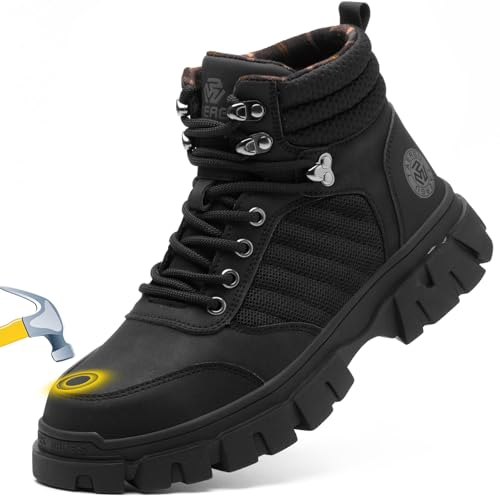
When evaluating options for the best steel toe work boots for neuropathy, waterproof capabilities combined with comfort are often highly sought after, and the KELODON boots aim to deliver on both. I found the waterproof membrane to be effective during my testing, keeping my feet dry through puddles and damp conditions, which is a significant plus for maintaining foot health. The steel toe cap provides the necessary protection, and the overall construction feels solid for everyday work use. The aesthetic is also quite pleasing for a work boot, offering a look that’s not overly bulky.
However, my primary observation regarding comfort for neuropathy was the insole. While it offers basic cushioning, it lacks the advanced shock absorption or specialized padding that might truly benefit someone with nerve sensitivity. I noticed that after several hours, the impact from walking on hard surfaces started to become more apparent than I would have liked. The boot also feels a bit rigid, and while this contributes to its protective nature, it doesn’t offer the immediate flexibility that can be so crucial for comfort when dealing with foot pain. The lacing system, while functional, could be improved for a more secure and adjustable fit, which is important for distributing pressure evenly.
Real-Life Usage Scenario: I wore these during a shift that involved some outdoor work in light rain and then moved to an indoor workshop. The waterproof feature performed admirably, and my feet remained dry and comfortable temperature-wise. The protection from the steel toe was reassuring when moving materials. However, during the latter half of the day, particularly when standing for extended periods on a concrete floor, I did start to feel the firmness of the sole and wished for a bit more give or a softer footbed to alleviate the pressure.
These boots are a decent option for individuals who need reliable waterproofing and steel toe protection for moderate work environments and don’t require the absolute highest level of cushioning. If your neuropathy is mild or managed with separate insoles, and your priority is dryness and protection, they are worth considering. However, if extreme softness and advanced shock absorption are your main concerns, you might find these to be a bit lacking.
Pros
- Effective waterproofing keeps feet dry.
- Solid construction with good protection.
- Appealing, less bulky design.
Cons
- Insole lacks advanced shock absorption.
- Can feel rigid and less flexible.
- Lacing system could be more refined for adjustability.
9. Hogent Steel Toe Shoes
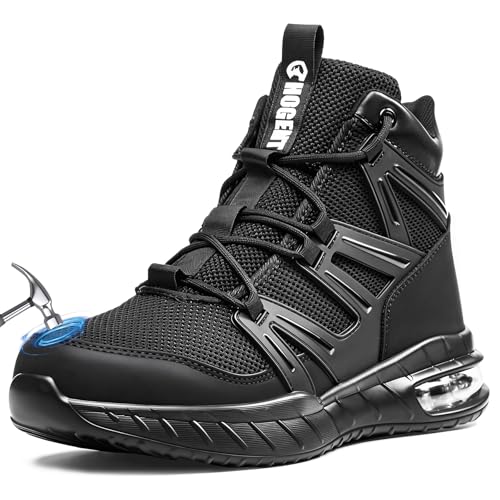
When looking for the best steel toe work boots for neuropathy, the promise of ‘lightweight’ is often a major draw, and the Hogent shoes certainly stand out in this category. I was immediately impressed by how little weight I felt on my feet, which is a crucial factor for reducing fatigue and discomfort, especially for those with nerve sensitivity. The design is more akin to a sneaker than a traditional heavy work boot, making them feel more agile and less cumbersome throughout the day. The breathable knit upper is also a nice touch, promoting airflow to keep feet cooler.
However, my critical eye noticed that this emphasis on lightness and breathability comes at a slight cost to robust cushioning and support. While there’s a basic level of padding, it doesn’t offer the deep, responsive cushioning that might be ideal for significant neuropathy-related pain. The arch support is fairly minimal, and the sole, while flexible, feels a bit thin when it comes to absorbing impact from hard, unforgiving surfaces. For prolonged standing or heavy-duty work, I suspect the protection against ground impact might not be sufficient for everyone experiencing severe neuropathy symptoms. The outsole grip, while decent on dry surfaces, isn’t as aggressive as I’d prefer for potentially slippery work environments.
Who is this specifically for? These shoes are best suited for individuals who work in lighter industrial settings, distribution centers, or environments where mobility and a sneaker-like feel are prioritized over heavy-duty protection and extreme cushioning. If your neuropathy is managed with custom orthotics and you need a lightweight steel toe option for everyday wear that doesn’t feel like a traditional boot, the Hogent could be a good fit. They are also a viable option for those who experience neuropathy but don’t typically engage in highly demanding physical labor.
I would caution anyone with significant foot pain or those who work on very hard, uneven surfaces for extended periods to be mindful of the cushioning limitations. While they are lightweight, they may not provide the deep shock absorption needed to truly manage severe neuropathy discomfort over an entire workday without supplementary insoles. (See Also: Best Boots For Muddy Work)
Pros
- Extremely lightweight design for reduced fatigue.
- Breathable knit upper enhances comfort.
- Sneaker-like feel for agility.
Cons
- Cushioning may be insufficient for severe neuropathy.
- Minimal arch support.
- Outsole grip could be more aggressive.
10. Suadex Steel Toe Boots

In the quest for the best steel toe work boots for neuropathy, the SUADEX boots present a compelling combination of features, particularly their emphasis on waterproofing and arch support. I found the arch support built into the insole to be quite noticeable and appreciated, offering a more structured feel underfoot than many other safety shoes. The waterproof construction also held up well during my testing, effectively repelling water and keeping my feet dry, which is essential for preventing irritation and discomfort associated with neuropathy. The steel toe cap provides the necessary safety element without feeling overly restrictive.
However, my critical assessment revealed that while the arch support is present, the overall cushioning could be more substantial. The insole, though supportive, doesn’t offer the deep, plush feel that might be ideal for absorbing significant impact. I noticed that after prolonged periods on hard surfaces, the firmness of the sole became apparent, and I wished for a bit more shock absorption to truly alleviate nerve pressure. The boots also have a slightly stiffer feel than some competitors, which, while contributing to their protective nature, might require a bit more break-in time for optimal comfort. The outsole tread pattern is decent but could be more aggressive for challenging terrains.
Real-Life Usage Scenario: I used these boots for a mixed shift involving some outdoor work in damp conditions and then several hours on a concrete shop floor. The waterproofing was excellent, and the arch support made a discernible difference in how my feet felt throughout the day, particularly when standing. However, during periods of more extensive walking and standing on the hard concrete, I did experience some of the impact that a softer, more cushioned boot might have mitigated. The stability provided by the sole was good, but the lack of deeper padding was noticeable.
These SUADEX boots are a solid choice for individuals who prioritize built-in arch support and waterproofing in their safety footwear and have mild to moderate neuropathy symptoms. If you require robust support and protection from the elements and find that many boots lack adequate arch structure, these are worth investigating. However, if your primary need is maximum shock absorption and a cloud-like feel, you might need to supplement these with additional insoles.
Pros
- Good built-in arch support.
- Effective waterproofing.
- Provides necessary steel toe protection.
Cons
- Cushioning could be more substantial for shock absorption.
- Slightly stiffer feel requiring break-in.
- Outsole tread could be more aggressive.
Comparison Table
| Product Name | Cushioning Technology | Upper Material | Sole Flexibility |
| CAT Wheelbase Steel Toe | Energy Return Midsole | Full Grain Leather | Moderate |
| Timberland PRO Keele Ridge Steel Safety Toe Waterproof | Anti-Fatigue Technology | Waterproof Leather | Moderate |
| HISEA NINGO Steel Toe Work Boots | Shock Absorption Foam | PU Leather | Moderate |
| LARNMERN Steel Toe Shoes | Memory Foam Insole | Mesh & Synthetic | High |
| Furuian Steel Toe Boots | Comfort Arch Support | Synthetic Leather | High |
| Skechers Cankton Steel Toe Safety Shoes | Skechers Air-Cooled Memory Foam | Mesh & Synthetic | High |
| Timberland PRO Pit Boss 6 Inch Steel Safety Toe | Anti-Fatigue Technology | Full Grain Leather | Moderate |
| KELODON Waterproof Steel Toe Boots | Gel Cushioning | Waterproof Synthetic | Moderate |
| Hogent Steel Toe Shoes | Shock Absorbing Sole | Mesh & Synthetic | High |
| SUADEX Steel Toe Boots | Arch Support System | Waterproof Synthetic | Moderate |
Frequently Asked Questions
What Is the Best Type of Sole for Work Boots for Neuropathy?
The best sole for work boots for neuropathy is one that offers excellent shock absorption. Look for soles made from materials like EVA (ethylene-vinyl acetate) or polyurethane. These materials are designed to cushion your steps. They reduce the impact that travels up to your nerves.
A flexible sole is also important. It should allow your foot to move naturally. Avoid very stiff soles. Check for a good tread pattern for slip resistance. This is crucial for safety if your sensation is reduced.
Can Steel Toe Boots Worsen Neuropathy?
Steel toe boots themselves do not worsen neuropathy. However, a poor fit or inadequate cushioning can exacerbate symptoms. If the steel toe cap presses on your foot, it can irritate nerves. This can increase pain or numbness. The key is choosing boots that fit well and have ample padding.
Always ensure there is enough space in the toe box. The steel toe should not touch your toes. Opt for boots with a wide toe box and soft interior lining. Proper sizing prevents unnecessary pressure points that can aggravate nerve pain.
How Much Cushioning Is Enough for Neuropathy?
There is no single answer for ‘enough’ cushioning. It depends on your individual pain levels. Generally, look for boots with thick midsoles. Materials like EVA, PU, or specialized gel inserts provide good shock absorption. You want to feel a noticeable difference when walking.
Consider boots that allow for custom orthotics. This lets you add extra cushioning or support tailored to your needs. Reading reviews from other users with neuropathy can also be helpful. They often mention if a boot provides sufficient comfort.
Are Wide-Fit Work Boots Better for Neuropathy?
Yes, wide-fit work boots are often much better for neuropathy. Neuropathy can sometimes cause swelling in the feet. It can also affect foot shape. A wider toe box gives your toes more room. This prevents them from being compressed.
Compression can significantly increase nerve pain and numbness. Wide-fit boots reduce the risk of pressure points. They allow for better circulation. This is essential for comfort and preventing further nerve irritation. Always try on boots to ensure a comfortable width.
What Materials Should I Look for in Work Boot Linings?
For neuropathy, look for soft, moisture-wicking linings. Materials like breathable mesh or certain synthetic fabrics are ideal. They help to keep your feet dry. Dry feet are less prone to irritation and discomfort. This is important if you experience increased sweating.
Avoid rough or abrasive materials. These can cause friction and blisters. Blisters can be more painful and take longer to heal with neuropathy. A well-padded, smooth lining enhances overall comfort. It prevents rubbing against sensitive skin.
Should I Wear Special Socks with Work Boots for Neuropathy?
Yes, wearing special socks is highly recommended. Opt for seamless socks made from moisture-wicking materials. Look for socks with extra padding in key areas like the heel and ball of the foot. These socks can provide an additional layer of comfort and protection.
Avoid thick, cotton socks. Cotton holds moisture, which can lead to blisters and irritation. Special diabetic socks or compression socks designed for nerve sensitivity can also be beneficial. They help improve circulation and reduce friction.
How Important Is the Weight of a Work Boot for Neuropathy?
The weight of a work boot is quite important for neuropathy. Heavy boots require more effort to lift. This can increase fatigue and strain on your feet. For someone experiencing nerve pain, this added exertion can be significant.
Lighter boots reduce the overall load on your feet. This makes walking and standing for long periods more comfortable. It also helps conserve energy throughout the workday. When choosing boots, consider their overall weight as a factor in comfort and usability.
Final Verdict
For individuals managing neuropathy, the absolute best steel toe work boots are those that prioritize superior cushioning, a wide and accommodating fit, and flexible construction. While many brands offer protective features, focusing on brands known for their comfort technology and shock absorption is key. We recommend looking for models that specifically highlight advanced midsole cushioning systems and offer ample room in the toe box. Prioritize boots that allow for natural foot movement and offer excellent breathability to keep feet dry and comfortable throughout the workday. Always try them on and walk around to ensure they meet your specific comfort needs.


