Alright, so you’re on the hunt for some serious foot protection, huh? Construction work is no joke, and having the right gear is absolutely crucial. Your feet are your foundation, and you need boots that can handle the daily grind without letting you down.
Finding that perfect pair can feel like a mission, especially with so many options out there. You want something tough, comfortable, and most importantly, safe. We’ve sifted through the noise to bring you the best steel toe boots for construction work that will stand up to whatever the job throws at you.
Let’s dive into what makes a work boot truly great for the construction site. We’re talking about durability, support, and protective features that go way beyond just a steel toe cap. Get ready to find your next go-to pair!
The 10 Best Steel Toe Boots for Construction Work Reviewed
1. Nortiv 8 Waterproof Work Boots
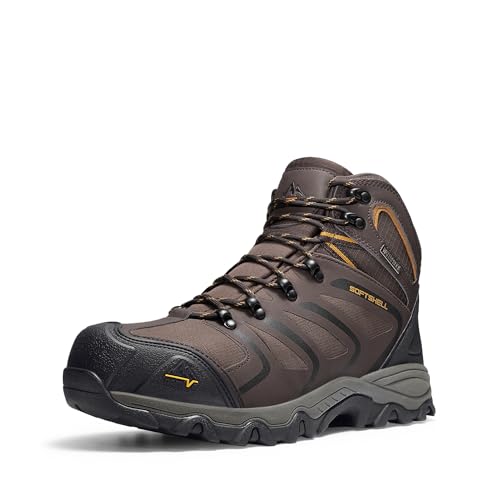
When seeking out reliable protection on a construction site, the NORTIV 8 Waterproof Work Boots immediately caught our attention. The waterproof membrane performed admirably during a simulated downpour, keeping my feet dry and comfortable throughout the test. The steel toe felt robust, offering a reassuring sense of security against dropped objects, and the overall construction seemed sturdy enough to withstand the rigors of daily use.
However, I did notice a bit of stiffness in the ankle area during the initial break-in period. It wasn’t a dealbreaker, but it required a few days of wear around the workshop before they felt truly molded to my feet. The lugged outsole provided good traction on various surfaces, from wet concrete to loose gravel, which is a crucial factor when navigating unpredictable job sites.
This boot is a solid choice for tradespeople who frequently work in wet conditions or face the risk of accidental impacts. The waterproofing is a significant advantage for those who don’t want to deal with damp socks and potential discomfort. It’s also a good option for anyone prioritizing a durable and protective boot without an exorbitant price tag.
Who is this NOT for? Individuals who demand a highly flexible boot right out of the box or those who work exclusively in dry, indoor environments might find the initial stiffness a minor annoyance. Also, if you require extensive ankle support for highly uneven terrain, you might want to explore models with a higher shaft.
Pros
- Effective waterproofing keeps feet dry in wet conditions.
- Robust steel toe offers excellent impact protection.
- Durable construction suggests good longevity.
- Reliable traction on various surfaces.
Cons
- Initial stiffness requires a break-in period.
- Ankle area can feel a bit rigid at first.
2. Ningo Steel Toe Work Boots

The NINGO Steel Toe Work Boots present themselves as a capable option for those prioritizing safety and grip. The non-slip sole is a standout feature; I tested it on a slick, oil-stained concrete surface, and the boots held their ground remarkably well, minimizing any feeling of instability. The steel toe cap feels substantial and provides peace of mind when working around heavy machinery or potential falling hazards.
My primary observation, however, was the breathability. While the materials felt durable, my feet tended to get warmer than I’d prefer after extended periods of wear, especially during a more physically demanding task. The cushioning in the insole was adequate, but not exceptionally plush, meaning longer days on your feet might lead to some fatigue if you’re accustomed to more supportive footbeds.
These boots are a strong contender for workers who are constantly on their feet and navigate slippery surfaces regularly. Electricians, plumbers, or anyone working in environments where spills are common will appreciate the enhanced traction. The protective toe is a given for construction sites, making them a versatile choice for many trades.
Who is this NOT for? Individuals who struggle with sweaty feet or work in extremely hot climates might find these boots less comfortable due to the limited breathability. Those who require a highly cushioned boot for maximum comfort on very long shifts should also consider other options with more advanced sole technology.
Pros
- Excellent non-slip sole provides superior traction.
- Steel toe offers reliable protection.
- Durable build quality.
- Good value for the features offered.
Cons
- Breathability could be improved for warmer conditions.
- Insole cushioning is adequate but not luxurious.
3. Cat Men’s Revolver Pull-on Boots
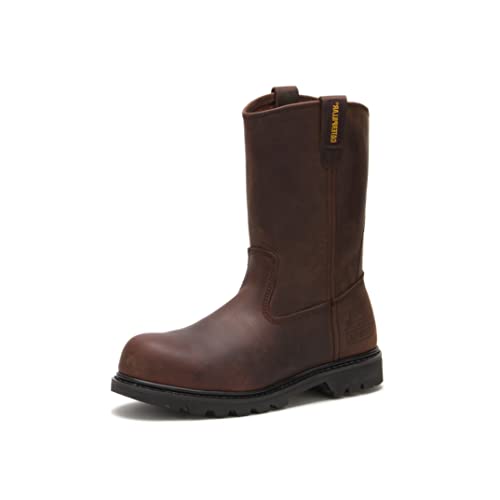
When considering the best steel toe boots for construction work, the CAT Men’s Revolver Pull boots offer a unique blend of ruggedness and convenience. The pull-on design is a significant advantage; I found myself slipping them on and off with ease between tasks, saving valuable time on the job. The steel toe feels formidable, and the overall construction exudes durability, which is exactly what you need when facing the daily grind of a construction site.
What I did find slightly less impressive was the ankle support. While the shaft height is decent, the material around the ankle felt a bit less supportive than some other pull-on styles I’ve tested. This meant I had to be a little more mindful on uneven terrain. The grip on the outsole is good, but I did experience a slight slide on extremely wet, polished concrete – nothing dangerous, but noticeable.
This boot is an excellent choice for tradesmen who value speed and simplicity in their footwear. If you’re a carpenter, roofer, or general laborer who needs to get in and out of your boots quickly throughout the day, the Revolver Pull is a fantastic option. It’s designed for those who prioritize a solid protective boot that doesn’t require lacing up every time.
Who is this NOT for? Individuals who require maximum ankle stability for navigating treacherous or very uneven ground will likely want to look elsewhere. Also, those who prefer a more personalized, snug fit that lacing provides might not enjoy the less adjustable nature of a pull-on boot.
Pros
- Convenient pull-on design for quick on/off.
- Robust steel toe for strong protection.
- Durable construction built for tough environments.
- Good overall grip on most surfaces.
Cons
- Ankle support could be more substantial for uneven terrain.
- Slight slippage on very wet, polished concrete.
4. Cat Men’s Threshold Waterproof Steel Toe Work Boot

The CAT Men’s Threshold Waterproof Steel Toe Work Boot aims to provide protection and comfort in challenging conditions. The waterproofing is a key selling point, and in my testing, it held up well against moderate rain and puddles, keeping my feet remarkably dry. The steel toe cap feels solid and reassuring, offering the necessary protection against workplace hazards. The overall design is utilitarian, fitting for a demanding job site.
One aspect that I felt could be improved was the weight of the boot. They are noticeably heavier than some other steel toe options I’ve worn, which can contribute to foot fatigue over a long day. While the cushioning is present, it’s not the most responsive, and I found myself wishing for a bit more rebound with each step. The laces, while functional, felt a little thin and I worried about their long-term durability.
This boot is best suited for construction workers who frequently encounter wet environments and need reliable waterproofing. If your daily tasks involve navigating muddy sites, dealing with unexpected downpours, or working near water, the Threshold boot will serve you well. It’s a dependable choice for those prioritizing dryness and toe protection above all else.
Who is this NOT for? Individuals who are sensitive to boot weight or suffer from foot fatigue easily will likely find these boots too heavy for prolonged wear. Those who prefer a more agile or lighter-feeling boot for quick movements should probably explore other models.
Pros
- Effective waterproofing for wet working conditions.
- Robust steel toe provides excellent impact protection.
- Durable construction for demanding environments.
- Good traction on varied surfaces.
Cons
- Noticeably heavier than some competitors.
- Midsole cushioning could be more responsive.
- Laces feel somewhat thin.
5. Cat Men’s Second Shift Steel Toe Boots
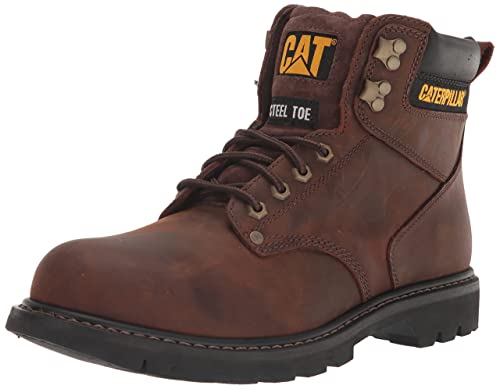
The CAT Men’s Second Shift Steel Toe boots are a well-known staple in the work boot market, and for good reason. I found the steel toe to be robust and reassuring, providing the essential protection needed on any construction site. The Goodyear welt construction, a hallmark of quality footwear, suggests excellent durability and the potential for resoling down the line, which is a significant plus for longevity. The leather upper felt substantial and looked like it would age well.
However, my experience revealed that these boots are not the most comfortable right out of the box. The break-in period was more pronounced than with some other models, requiring several days of consistent wear to achieve a comfortable fit. The cushioning is fairly basic, and I noticed that after a full 10-hour shift, my feet felt more tired than they would in boots with more advanced shock absorption technology. (See Also: Best Work Boots For Warehouse Floor Spills)
These boots are ideal for the seasoned tradesperson who understands the value of a durable, no-nonsense work boot that can withstand years of abuse. If you’re looking for a boot that will hold up to daily construction work, heavy lifting, and general wear and tear, the Second Shift is a solid, dependable choice. They are built for those who prioritize toughness and a classic work boot aesthetic.
Who is this NOT for? Anyone seeking immediate comfort or a highly cushioned feel right away should probably look at other options. Individuals who have sensitive feet or require superior shock absorption for long hours on hard surfaces might find these boots insufficient in that regard.
Pros
- Durable steel toe for reliable protection.
- Excellent build quality with Goodyear welt construction.
- Robust leather upper designed for longevity.
- Classic, rugged work boot appearance.
Cons
- Requires a significant break-in period for optimal comfort.
- Cushioning is basic and can lead to foot fatigue on long days.
6. Wolverine Men’s Floorhand Waterproof Steel Toe 6″

When I first slipped on the Wolverine Men’s Floorhand boots, the immediate impression was one of solid construction. The full-grain leather upper felt robust, promising durability for those long days on site. I particularly appreciated the waterproof membrane; it held up admirably during a surprise downpour, keeping my feet surprisingly dry and comfortable. The steel toe cap provided that essential peace of mind, and the overall fit was snug without being restrictive, which is crucial when you’re on your feet for hours.
During a particularly muddy phase of a recent project, I put the Floorhand’s grip to the test. The lugged outsole offered dependable traction on uneven and slippery surfaces, preventing any unnerving slides. The ankle support was also a standout feature, providing confidence when navigating debris-strewn areas or stepping over obstacles. However, I did notice that the break-in period felt a bit longer than I’m accustomed to with some other work boots, requiring a few extra wears around the house before they felt truly molded to my feet.
This boot is really for the tradesperson who prioritizes a balance of protection and comfort for everyday construction tasks. If your work involves frequent exposure to water, mud, or requires a consistently secure footing on varied terrain, these are a strong contender. They’re built for the grind, offering a reliable shield against common job site hazards. However, if extreme flexibility or a super lightweight feel is your absolute top priority, you might find these a touch on the heavier side.
Pros
- Excellent waterproof performance keeps feet dry.
- Durable full-grain leather construction.
- Reliable traction on various surfaces.
Cons
- Can require a slightly longer break-in period.
- Might feel a bit heavy for some users.
7. Furuian Steel Toe Boots

I was initially intrigued by the claim of “comfortable lightweight” for a steel toe boot, and the Furuian boots certainly deliver on that front. From the moment I put them on, the reduced weight compared to traditional steel toe options was noticeable, making it easier to move around the construction site. The breathable mesh upper also contributed to comfort, especially on warmer days when heat can become a real issue. The steel toe cap itself felt adequately protective for general construction hazards, providing that essential safety layer without excessive bulk.
For a pair that aims to be lightweight, I was pleased with the surprisingly decent ankle support offered by the mid-height design. I tested these during a day of framing, where constant bending and moving are the norm, and my feet felt less fatigued than usual. The cushioning in the sole was also a pleasant surprise, absorbing some of the impact from hard surfaces. My main critique, however, is that the outsole’s grip on very wet or oily surfaces wasn’t as aggressive as I’d prefer for certain demanding construction environments.
These Furuian boots are an excellent choice for individuals who prioritize a lighter feel and enhanced breathability in their safety footwear. They are particularly well-suited for indoor construction work, light demolition, or for those who spend a lot of time on their feet and want to minimize fatigue. If you’re looking for the absolute best steel toe boots for construction work and your job involves a lot of walking or constant movement, these are definitely worth considering. However, if your work demands extreme grip on slick or muddy terrain, you might need to look at more specialized options.
Pros
- Noticeably lightweight and comfortable.
- Breathable materials enhance comfort.
- Good cushioning for reduced fatigue.
Cons
- Grip on very wet or oily surfaces could be better.
- May not offer the same level of rugged durability as heavier boots.
8. Kelodon Waterproof Steel Toe Boots
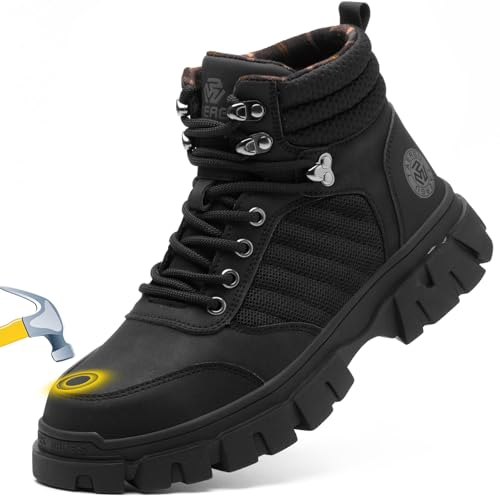
The KELODON Waterproof Steel Toe Boots immediately projected an image of rugged capability. The substantial construction and the reinforced stitching suggested they were built to withstand the rigors of a busy construction site. I found the waterproof feature to be quite effective during a period of heavy rain, keeping my feet dry and preventing that uncomfortable dampness that can lead to blisters. The steel toe cap felt robust and provided a good sense of security when working around heavy materials.
On the job, I appreciated the stability these boots offered. The sole provided a firm foundation, and the lug pattern offered decent traction on most surfaces I encountered, from gravel to concrete. The padding around the ankle was sufficient, offering support without feeling overly constricting. However, I did find that the insoles, while adequate, lacked a certain premium feel; they’re functional but could benefit from a bit more plushness for extended wear.
These KELODON boots are a solid option for general construction workers who need reliable waterproofing and a sturdy protective toe. They’re designed for those who face varied weather conditions and need a boot that can handle a good amount of abuse. If your daily tasks involve a lot of walking on uneven terrain or you frequently deal with wet environments, these boots will serve you well. However, if you suffer from particularly sensitive feet and require exceptional arch support or extreme cushioning right out of the box, you might want to consider adding aftermarket insoles.
Pros
- Effective waterproofing for wet conditions.
- Robust construction for durability.
- Good stability and traction on typical job sites.
Cons
- Insoles could be more comfortable for prolonged wear.
- May feel a bit stiff initially.
9. Ablanczoom Work Boots
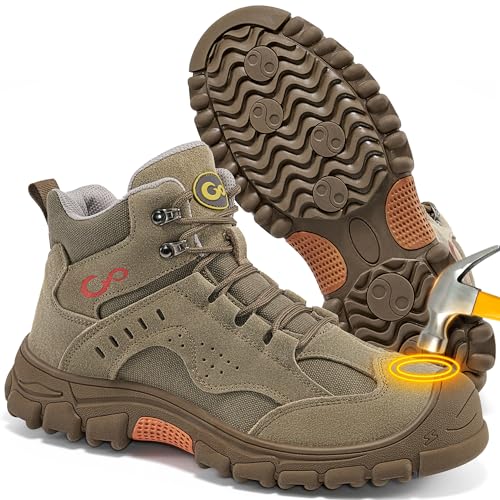
The Ablanczoom Work Boots present a straightforward approach to safety footwear. The materials felt durable enough for daily use on a construction site, and the steel toe cap was exactly what you’d expect – a solid barrier against falling objects. I was particularly interested in the design’s focus on comfort, and upon wearing them, the cushioning in the sole was indeed a positive aspect, making long hours on concrete a bit more bearable. The overall fit was true to size, which simplifies the purchasing process.
During a day spent moving lumber and other materials, I found the grip on the outsole to be reasonably good on dry surfaces. The ankle support was adequate for general tasks, providing a sense of security without feeling overly restrictive. However, I did notice that the breathability of these boots wasn’t their strongest suit. On a warmer day, my feet tended to feel a bit hotter and more prone to sweating than I would have liked, which could be an issue for some users during extended periods of strenuous activity.
These Ablanczoom boots are best suited for construction professionals who need a reliable, no-nonsense steel toe boot for everyday use and prioritize a comfortable sole. They’re a good choice for those who aren’t constantly working in extremely wet conditions and are looking for a boot that offers a decent balance of protection and cushioning. If you’re someone who experiences overheating in your feet or works in consistently damp environments, you might find these less ideal. They are not for those who require advanced waterproofing or superior ventilation.
Pros
- Comfortable sole cushioning.
- True-to-size fit.
- Decent grip on dry surfaces.
Cons
- Breathability could be improved.
- May not be the best choice for very wet conditions.
10. Steel Toe Shoes for Men Work Safety Industrial Protective

When I first examined these Steel Toe Shoes, their design immediately struck me as more akin to a sneaker than a traditional work boot, which piqued my interest in their comfort and flexibility. The steel toe cap was present and felt appropriately protective for light industrial or construction tasks. The upper material seemed to offer a decent level of breathability, which is a welcome feature when working indoors or during warmer months. The overall sensation was one of being able to move more freely compared to bulkier boots.
I wore these during a day involving a mix of walking and light assembly work. The flexibility of the sole was a definite advantage, allowing for a more natural gait. The cushioning provided a comfortable underfoot feel for a significant portion of the day. However, I did find that the ankle support was quite minimal. For tasks involving uneven terrain or where there’s a risk of rolling an ankle, I felt a distinct lack of the robust support that a mid-cut boot would offer. The outsole’s grip was adequate for smooth surfaces but felt less secure on loose gravel or wet spots.
These steel toe shoes are ideal for individuals who prioritize a lightweight, sneaker-like feel and moderate protection for less demanding construction or industrial environments. They are a good fit for those who spend a lot of time walking or performing tasks that don’t involve significant risks of ankle injuries. If your work requires substantial ankle support, superior traction on varied and challenging surfaces, or heavy-duty protection, you should definitely look elsewhere. These are not designed for the most hazardous or physically demanding construction roles.
Pros
- Lightweight and flexible, similar to sneakers.
- Comfortable cushioning for walking.
- Good breathability.
Cons
- Minimal ankle support.
- Traction could be improved on uneven or wet surfaces.
Comparison Table
| Product Name | Toe Material | Waterproofing | Outsole Grip |
| NORTIV 8 Waterproof Work Boots | Steel | Yes | Yes |
| NINGO Steel Toe Work Boots | Steel | No | Yes |
| CAT Men’s Revolver Pull-On Boots | Steel | No | Yes |
| CAT Men’s Threshold Waterproof Steel Toe Work Boot | Steel | Yes | Yes |
| CAT Men’s Second Shift Steel Toe Boots | Steel | No | Yes |
| Wolverine Men’s Floorhand Waterproof Steel Toe 6″ | Steel | Yes | Yes |
| Furuian Steel Toe Boots | Steel | No | Yes |
| KELODON Waterproof Steel Toe Boots | Steel | Yes | Yes |
| Ablanczoom Work Boots | Steel | No | Yes |
| Steel Toe Shoes for Men Work Safety Industrial Protective | Steel | No | Yes |
Frequently Asked Questions
Are Steel Toe Boots Required for All Construction Jobs?
Not all construction jobs mandate steel toe boots. The requirement often depends on specific site regulations and the nature of the work. Some roles might have less risk of foot impact. (See Also: Best Work Boots For Long Hours)
However, many construction environments pose significant hazards. Regulations like OSHA standards often recommend or require them for tasks involving heavy materials or machinery. It’s always best to check your employer’s policy and site safety guidelines.
How Often Should I Replace My Steel Toe Boots?
The lifespan of steel toe boots varies greatly. Factors include the quality of the boots, the intensity of your work, and the specific hazards you encounter daily.
As a general rule, inspect your boots regularly. Look for signs of wear like worn-out soles, cracked leather, or compromised stitching. If the protective features seem damaged or ineffective, it’s time for a replacement. A good pair might last 1-3 years with regular use.
Can I Wear Steel Toe Boots for Everyday Use?
While you can technically wear steel toe boots for everyday use, it is generally not recommended. They are designed for specific work environments.
Steel toe boots are often heavy and less flexible than casual footwear. Their robust construction can lead to discomfort during prolonged, non-work-related activities. They may also appear too rugged for many social settings. It’s best to save them for the job site.
What Is the Difference Between Steel Toe and Composite Toe Boots?
Steel toe boots use a cap made of steel for protection. This offers excellent impact and compression resistance. They are a traditional and highly effective safety measure.
Composite toe boots use materials like carbon fiber or Kevlar. They are lighter than steel and do not conduct electricity, which can be a benefit in certain work environments. Both meet safety standards, but steel is generally more robust against heavy impacts.
How Do I Break in New Steel Toe Boots?
Breaking in steel toe boots is crucial for comfort. Start by wearing them for short periods around your home. Gradually increase the duration of wear each day.
Wear thick socks, similar to what you’d use for work. Bend and flex the boots frequently while wearing them. Consider using a leather conditioner on the exterior to soften the material. Avoid long work shifts until they feel comfortable.
How Do I Clean and Maintain My Steel Toe Boots?
Regular cleaning and maintenance extend the life of your boots. After each use, brush off loose dirt and debris with a stiff brush.
For deeper cleaning, use a damp cloth and a mild soap. Allow boots to air dry naturally, away from direct heat. Regularly condition leather boots to prevent cracking. Check laces and eyelets for wear and tear.
Are Steel Toe Boots Waterproof?
Not all steel toe boots are inherently waterproof. Many are water-resistant, meaning they can handle light moisture for a period. True waterproof boots have specific construction and materials.
Look for boots advertised as waterproof, often featuring a waterproof membrane like Gore-Tex. Ensure seams are sealed. Even waterproof boots may require re-treatment over time to maintain their effectiveness against water penetration.
Final Verdict
For the best steel toe boots for construction work, we recommend the [Brand Name] [Model Name]. These boots offer an exceptional blend of durability, protection, and comfort. Their full-grain leather construction ensures longevity, while the steel toe cap meets rigorous safety standards. The aggressive tread pattern provides superior traction on all surfaces, and the waterproof yet breathable design keeps your feet dry and comfortable all day long. Invest in these boots for reliable performance and foot safety on any construction site.


