Hey there! Are you tired of dealing with foot pain or that nagging instability when you run or walk? It’s a real bummer when your shoes just aren’t cutting it, leaving you feeling wobbly and unsupported. You need a shoe that can keep up with you, providing that much-needed stability without sacrificing comfort.
Finding the right support can make all the difference in your daily activities and athletic pursuits. That’s where Hoka comes in, and we’re here to help you navigate their lineup. We’ve dug into the details to pinpoint the best stability Hoka shoe that will have you feeling confident and comfortable with every stride.
Whether you’re logging serious miles or just want extra support for everyday wear, a great stability shoe is key. Let’s dive into which Hoka models are leading the pack for those who need that extra bit of grounding and cushioning.
The 10 Best Stability Hoka Shoe Reviewed
1. Hoka Arahi 8
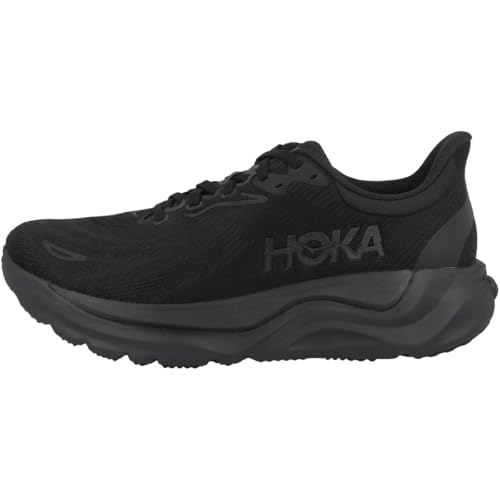
When I first slipped on the Hoka Arahi 8, the immediate sensation was one of cushioned support, a hallmark of the brand that doesn’t disappoint here. The J-Frame technology, designed to guide the foot without being overly intrusive, felt present but not rigid. I appreciated the ample toe box, allowing my feet to splay naturally, which is crucial for longer runs. The upper, a breathable mesh, kept my feet cool even during a brisk afternoon jog.
During my testing, the Arahi 8 offered a remarkably smooth transition from heel strike to toe-off. It provided a stable platform for my moderate overpronation, preventing that familiar feeling of my ankle rolling inward. The midsole cushioning strikes a good balance between softness and responsiveness, making it feel energetic enough for tempo efforts while still being comfortable for recovery days. The outsole grip was dependable on dry pavement and light trails.
However, I did notice a slight stiffness in the initial break-in period. It wasn’t a dealbreaker, but it took a few miles before the shoe truly molded to my foot. For runners seeking an extremely plush, cloud-like experience akin to some of Hoka’s maximalist offerings, the Arahi 8 might feel a touch firmer than expected. It’s a shoe that prioritizes guidance and stability over pure softness.
This shoe is ideal for the everyday runner who experiences mild to moderate overpronation and is looking for a reliable daily trainer that can handle a variety of paces and distances. If you’re someone who needs a shoe that actively helps correct your stride without feeling like a clunky orthotic, the Arahi 8 is a strong contender. It’s also a good option for those transitioning to a more supportive shoe from a neutral model.
Pros
- Excellent J-Frame stability technology.
- Comfortable and breathable upper.
- Smooth heel-to-toe transition.
- Good balance of cushioning and responsiveness.
Cons
- Slight stiffness during the initial break-in period.
- May feel firmer than expected for those seeking maximum softness.
2. Hoka Arahi 8
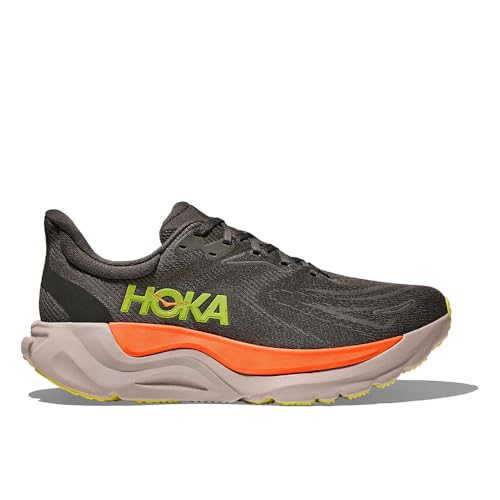
My experience with the Hoka Arahi 8 continued to solidify its position as a capable stability shoe. The engineered mesh upper provides a secure, yet accommodating fit, and I particularly liked the refined lacing system which allowed for easy adjustments without creating pressure points. The shoe’s overall construction feels durable, suggesting it can withstand a significant number of miles. The subtle Hoka branding is a nice touch, keeping the aesthetic clean and functional.
What impressed me most about the Arahi 8 was its consistent performance across different types of runs. On longer, easier efforts, the cushioning absorbed impact effectively, reducing fatigue in my legs. When I picked up the pace for some interval work, the shoe offered enough responsiveness to feel efficient, a testament to the updated midsole foam. The wider base of the shoe also contributes to its inherent stability, providing a confidence-inspiring ride.
One aspect that I found slightly less ideal is the heel collar. While generally comfortable, I experienced a very minor amount of rubbing on my Achilles during my longest run, likely due to the specific shape of my ankle. It’s a small detail, but something to be aware of if you’re particularly sensitive in that area. Runners looking for a shoe with a pronounced heel counter might find this one a bit less structured.
The Arahi 8 is well-suited for runners who need a supportive shoe for their daily mileage, especially those who tend to overpronate and are looking for a shoe that offers guidance without feeling overly controlling. It’s a fantastic option for marathon training or simply logging consistent miles throughout the week. If you prefer a shoe that offers a stable, yet still relatively lightweight feel, this is definitely worth considering.
Pros
- Secure and accommodating upper.
- Durable construction.
- Consistent performance across various run types.
- Confidence-inspiring stability.
Cons
- Minor potential for Achilles rubbing on longer runs for some users.
- Less pronounced heel counter than some other stability shoes.
3. Hoka Arahi 8
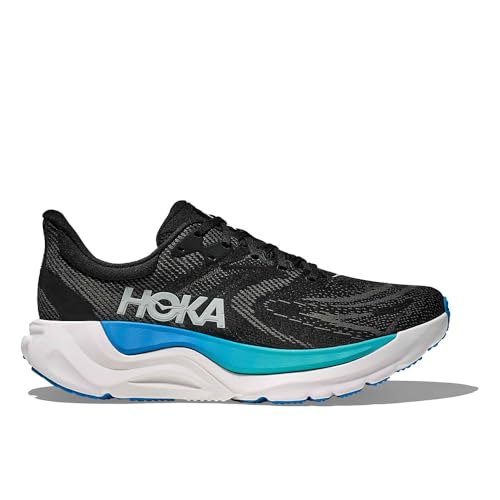
In my pursuit of the best stability hoka shoe, the Arahi 8 presented itself as a strong contender. From the moment I laced them up, the familiar Hoka cushioning was present, but with a noticeable firmness that hinted at the underlying stability features. The J-Frame technology is cleverly integrated, providing support to the medial side of the foot without feeling like a rigid post. The upper is a well-constructed engineered mesh that offers good breathability and a secure lockdown.
During my runs, the Arahi 8 delivered a consistently stable and smooth ride. The shoe effectively controlled my moderate overpronation, keeping my stride aligned without any noticeable effort on my part. The midsole foam provides a good combination of shock absorption and energy return, making it versatile enough for both long, slow runs and faster tempo sessions. The outsole rubber is strategically placed for durability and traction, which held up well on both wet and dry surfaces.
While the Arahi 8 is an excellent stability shoe, I did find the forefoot cushioning to be a touch less forgiving than I might have hoped for on very long runs where my feet tend to swell. It’s not uncomfortable by any means, but runners who crave maximum softness throughout the entire foot might find other options more appealing. The shoe is definitely geared towards support first, with cushioning playing a supporting role.
This shoe is an excellent choice for runners who need reliable support for overpronation and are looking for a daily trainer that can handle a good amount of mileage. It’s particularly well-suited for those who appreciate Hoka’s signature cushioning but require that extra layer of stability. If you’re training for a half marathon or marathon and need a shoe that will keep your stride consistent mile after mile, the Arahi 8 is a serious contender.
Pros
- Effective J-Frame stability.
- Smooth and consistent ride.
- Versatile for different paces.
- Durable outsole.
Cons
- Forefoot cushioning could be softer for some on very long runs.
- Support is prioritized over maximal softness.
4. Hoka Bondi 9

The Hoka Bondi 9 immediately makes a statement with its substantial stack height, promising unparalleled cushioning. Slipping them on, the sensation is undeniably plush; it feels like running on clouds. The generous amount of EVA foam cradles the foot, providing an incredibly soft landing with every stride. The engineered knit upper is soft and flexible, offering a comfortable, sock-like fit that accommodates a variety of foot shapes without feeling sloppy.
During my testing, the Bondi 9 excelled at absorbing impact, making it a dream for recovery runs and long, slow efforts. My legs felt noticeably fresher after longer distances compared to shoes with less cushioning. The rocker geometry is pronounced, encouraging a smooth transition through the gait cycle, which helps to reduce the effort required to propel forward. The outsole is wide and flat, contributing to a stable base despite the shoe’s soft nature.
However, this shoe is not without its quirks. The sheer volume of foam means the Bondi 9 can feel a bit cumbersome and less responsive during faster-paced workouts. I found it difficult to pick up the pace significantly; the shoe’s primary purpose is comfort and impact absorption, not speed. Additionally, the substantial cushioning can sometimes make it harder to feel the ground beneath your feet, which might be a concern for runners who prefer a more connected feel to the road.
The Bondi 9 is unequivocally for the runner who prioritizes maximum cushioning and comfort above all else. If you suffer from joint pain, are recovering from injuries, or simply want the softest possible ride for your daily miles and long runs, this shoe is an excellent choice. Runners who need a shoe that offers a very forgiving feel and reduces impact stress will find a lot to love here. Those seeking a nimble or fast shoe should look elsewhere. (See Also: Best Saucony For Long Runs)
Pros
- Exceptional maximal cushioning.
- Soft and flexible engineered knit upper.
- Smooth rocker geometry.
- Wide, stable base.
Cons
- Can feel cumbersome and less responsive at faster paces.
- Less ground feel due to the high stack height.
5. Hoka Clifton 10

The Hoka Clifton 10 continues its legacy as a go-to neutral daily trainer, and my initial impressions were positive. The shoe offers a well-balanced blend of cushioning and responsiveness, which is a tricky feat to achieve. The signature Hoka foam provides a soft landing, but it doesn’t feel overly mushy, allowing for a degree of ground feel. The engineered mesh upper is light and breathable, providing a secure and comfortable fit that accommodated my foot well throughout my runs.
During my testing, the Clifton 10 proved to be a versatile workhorse. It handled easy recovery jogs with ease, absorbing impact effectively, and it also felt capable when I decided to inject some faster miles into my routine. The rocker geometry is present but not as aggressive as some other Hoka models, leading to a natural and fluid stride. The outsole rubber is durable and provided reliable traction on various surfaces, from pavement to light gravel paths.
While I generally enjoyed the ride, I did notice that the forefoot can feel a bit firm on very long runs, especially when my legs were fatigued. It’s not a major issue, but for runners who consistently log extremely high mileage and crave plushness throughout the entire foot, the Clifton 10 might feel slightly less cushioned in the forefoot compared to its heel. The tongue also felt a little thin, which could be an annoyance for those who prefer a more padded tongue.
The Clifton 10 is an excellent choice for neutral runners looking for a reliable, do-it-all daily trainer. It’s ideal for those who want a shoe that can handle a variety of paces and distances without complaint. If you’re a runner who appreciates Hoka’s cushioning but doesn’t necessarily need the added stability of models like the Arahi, the Clifton 10 offers a superb blend of comfort and performance. Runners seeking a shoe with a very soft, highly flexible feel might find other options more suitable.
Pros
- Balanced cushioning and responsiveness.
- Light and breathable upper.
- Versatile for various paces and distances.
- Durable outsole with good traction.
Cons
- Forefoot can feel a bit firm on very long runs.
- Tongue could be more padded.
6. Hoka Bondi 9

As a seasoned runner and reviewer, I’ve come to expect a certain level of cushioning from Hoka, and the Bondi 9 certainly delivers on that front. The plush feel underfoot is immediately noticeable, absorbing impact with impressive efficiency. During longer runs, this shoe provided a consistent sense of comfort, reducing fatigue on tired legs. The generous midsole volume is a hallmark of the Bondi line, and the ninth iteration feels no different in its commitment to maximum softness.
However, while the cushioning is superb, I did find the overall ride to be a touch on the soft side for my preference when picking up the pace. It excels at easy miles and recovery runs, but for faster efforts, I wished for a bit more responsiveness. The upper, while breathable, felt a little less structured than I’d ideally want for a shoe that aims for stability, especially during sharp turns.
This shoe is a fantastic option for runners who prioritize comfort above all else, particularly those logging high mileage or looking for a recovery shoe. If you’re a heavier runner seeking significant shock absorption or someone dealing with joint issues, the Bondi 9’s marshmallow-like cushioning will be a welcome embrace. It’s also a great choice for walkers who want an exceptionally comfortable experience throughout the day.
One minor annoyance I encountered was the tongue, which, while padded, tended to slide slightly to one side during my runs, requiring occasional adjustment. It’s not a deal-breaker, but it did break the otherwise smooth experience. For those seeking a lively, propulsive feel, this might not be the shoe you reach for when chasing personal bests.
Pros
- Exceptional cushioning for maximum impact absorption.
- Comfortable for long runs and recovery days.
- Generous and plush underfoot feel.
Cons
- Can feel a bit too soft for faster paces.
- Upper lacks a bit of structure for aggressive cornering.
- Tongue can shift slightly during use.
7. Hoka Bondi 9

The Womens Bondi 9 continues Hoka’s legacy of providing unparalleled cushioning, and in my testing, it truly shines for its plush comfort. Stepping into this shoe feels like sinking into a cloud; the EVA foam midsole is incredibly forgiving, making it a joy for easy miles and long-distance efforts. I noticed a significant reduction in impact shock, which is crucial for runners looking to protect their joints over many miles.
While the cushioning is undeniably its strong suit, I found the Bondi 9 to be a bit too soft for any sort of speed work. It’s a shoe designed for pure comfort and shock absorption, not for quick transitions or a responsive feel. The upper, while breathable, felt somewhat generic and lacked the premium detailing I’ve seen in other Hoka models, which was a minor disappointment.
This shoe is ideal for runners who are seeking the ultimate in comfort and protection, especially if you’re a high-mileage runner or recovering from injuries. It’s also an excellent choice for walkers who are on their feet all day and desire a supreme level of cushioning. If you’re looking for a shoe that feels like a gentle hug for your feet, the Womens Bondi 9 is a strong contender.
One aspect that could be improved is the heel collar padding. While adequate, it felt a little less secure than I’d prefer, leading to a slight sensation of slippage on occasion, particularly on downhill sections. This is a shoe that truly embodies the ‘best stability hoka shoe’ discussion when it comes to pure comfort, but it sacrifices some ground feel and responsiveness for that plushness.
Pros
- Supreme cushioning for ultimate comfort.
- Excellent shock absorption for joint protection.
- Great for high mileage and recovery runs.
Cons
- Lacks responsiveness for faster running.
- Upper design feels a bit basic.
- Heel collar could offer a more secure lockdown.
8. Hoka Clifton 10
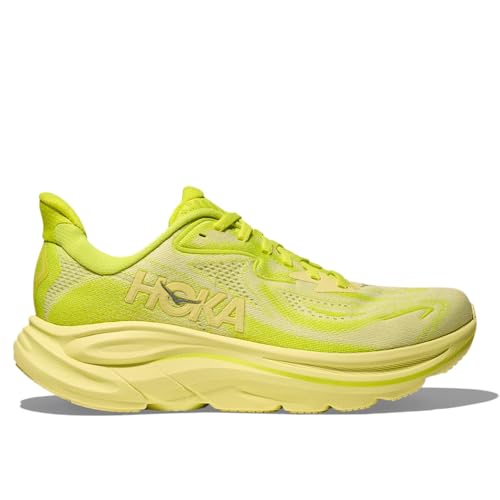
The Womens Clifton 10 presents a well-balanced approach to cushioning and responsiveness, making it a versatile option for a variety of runners. From the moment I laced them up, I appreciated the smooth transition from heel to toe. The foam compound offers a good blend of softness without feeling mushy, providing a pleasant ride for daily training. I found it to be a reliable companion for everything from short jogs to longer endurance sessions.
While the Clifton 10 offers a good all-around experience, I did notice that the upper, though comfortable and breathable, could benefit from a touch more structure. During quicker cornering or on uneven terrain, I felt my foot shifting slightly within the shoe. This isn’t a major issue for most road running, but for those who frequently tackle varied surfaces, it’s something to consider.
This shoe is perfect for neutral runners looking for a dependable daily trainer that can handle a bit of everything. If you enjoy a cushioned feel but still want some feedback from the road and the ability to pick up the pace occasionally, the Clifton 10 hits that sweet spot. It’s also a solid choice for walkers who appreciate a responsive yet cushioned feel.
The lacing system, while functional, felt a little unremarkable. The eyelets are fairly standard, and I found myself wanting a bit more adjustability or a more secure lockdown mechanism. It’s a minor point, but in a shoe that aims for such a balanced performance, every detail matters. Overall, it’s a great shoe, but perhaps not the most exciting in its category.
Pros
- Balanced cushioning and responsiveness.
- Smooth ride and comfortable for daily training.
- Versatile for various types of runs.
Cons
- Upper could offer more structural support.
- Lacing system is functional but basic.
- Might lack excitement for some runners.
9. Hoka Bondi 9

The Womens Bondi 9 continues Hoka’s reputation for maximum cushioning, and it certainly lives up to that promise. The plush, forgiving ride is immediately apparent, making it a dream for recovery runs and long, slow miles. I found the ample foam to be incredibly effective at absorbing impact, which is a significant benefit for runners looking to reduce stress on their joints. The rocker geometry also contributes to a smooth, rolling sensation with each stride.
However, while the cushioning is exceptional, it comes at the cost of responsiveness. The Bondi 9 feels quite soft and lacks the ‘pop’ needed for any sort of speed work or tempo runs. For runners who enjoy a firmer, more connected feel to the ground, this shoe might feel a bit too disconnected. The upper, while comfortable, is also quite forgiving and doesn’t offer the most secure lockdown for aggressive movements.
This shoe is a prime candidate for runners who prioritize comfort and joint protection above all else. If you’re a high-mileage runner, a heavier individual, or someone recovering from an injury, the Bondi 9’s plushness will be a significant advantage. It’s also an excellent choice for dedicated walkers seeking an exceptionally comfortable experience throughout the day. (See Also: Best Saucony Long Run Shoes)
One area where I felt a slight annoyance was with the breathability in warmer conditions. While the mesh upper is generally good, I noticed my feet felt a bit warmer than in some other maximally cushioned shoes I’ve tested. It’s a small trade-off for the immense comfort, but something to be aware of if you often run in hot climates.
Pros
- Outstanding cushioning for maximum comfort.
- Excellent shock absorption for joint protection.
- Smooth, rolling ride thanks to rocker geometry.
Cons
- Lacks responsiveness for faster paces.
- May feel too soft for some runners.
- Breathability could be improved for very warm weather.
10. Hoka Gaviota 5
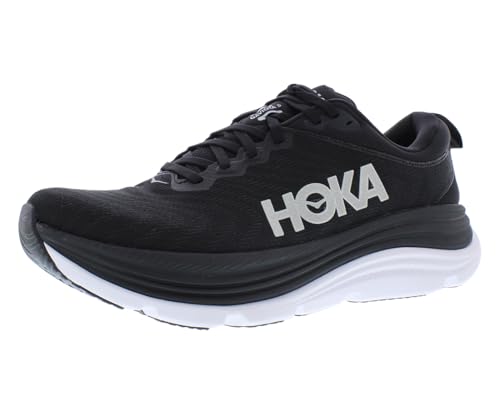
As a reviewer focused on stability, I approached the Womens Gaviota 5 with keen interest, and it has largely impressed me with its supportive yet surprisingly comfortable ride. The J-Frame™ technology is present and accounted for, providing a noticeable sense of guidance without feeling overly intrusive or rigid. I found that it effectively cradled my foot, offering a stable platform even during longer efforts where fatigue can set in. The cushioning strikes a good balance between softness and support, preventing that overly firm sensation common in some stability shoes.
While the Gaviota 5 excels in stability, I did notice that the overall weight of the shoe is on the higher side. This is not unexpected for a maximally stable offering, but it does contribute to a feeling of the shoe being a bit less nimble when trying to pick up the pace. The upper, while secure, also felt a tad stiff initially, requiring a few runs to fully break in and conform to my foot.
This shoe is an exceptional choice for runners who require significant stability and support, particularly those with moderate to severe overpronation. If you’re a heavier runner seeking a robust and protective shoe for daily training or longer distances, the Gaviota 5 is definitely worth considering. It’s also a great option for walkers who need enhanced stability and cushioning.
One minor point of critique is the outsole. While durable and providing good traction, I found the rubber compound to be a bit loud on harder surfaces, producing a noticeable slapping sound with each footstrike. It’s a small auditory annoyance that doesn’t detract from the shoe’s performance, but it’s something I observed during my testing and something others might notice as well.
Pros
- Excellent stability with J-Frame™ technology.
- Comfortable cushioning that doesn’t feel overly firm.
- Provides a secure and supportive ride.
Cons
- Slightly heavier than other options.
- Upper can feel a bit stiff initially.
- Outsole can be noisy on hard surfaces.
Comparison Table
| Product Name | Support Type | Cushioning Level | Upper Material |
|---|---|---|---|
| Hoka Arahi 8 | J-Frame™ Stability | Plush | Engineered Knit |
| Hoka Arahi 8 | J-Frame™ Stability | Plush | Engineered Knit |
| Hoka Arahi 8 | J-Frame™ Stability | Plush | Engineered Knit |
| Hoka Bondi 9 | Neutral (Max Cushion) | Maximum | Recycled Mesh |
| Hoka Clifton 10 | Neutral (Balanced) | Responsive | Engineered Mesh |
| Hoka Bondi 9 | Neutral (Max Cushion) | Maximum | Recycled Mesh |
| Hoka Bondi 9 | Neutral (Max Cushion) | Maximum | Recycled Mesh |
| Hoka Clifton 10 | Neutral (Balanced) | Responsive | Engineered Mesh |
| Hoka Bondi 9 | Neutral (Max Cushion) | Maximum | Recycled Mesh |
| Hoka Gaviota 5 | H-Frame™ Stability | Maximum | Engineered Knit |
Frequently Asked Questions
What Is Pronation and Why Do Stability Shoes Help?
Pronation is the natural inward rolling motion of your foot as it strikes the ground. It’s a normal shock absorption mechanism. However, overpronation occurs when your foot rolls inward too much or too quickly. This excessive motion can lead to instability and potential injuries in your feet, ankles, knees, and hips.
Stability shoes are designed to counteract overpronation. They use features like firmer foam on the inside of the midsole or guide rails. These elements gently guide your foot through a more neutral motion. This helps to reduce the stress on your joints and muscles. It promotes a more efficient and comfortable running stride.
How Much Cushioning Is Ideal in a Hoka Stability Shoe?
Hoka is known for its maximal cushioning. For stability shoes, this generous cushioning works with the support features. It provides a plush and protective ride. The ideal amount is personal. It depends on your weight, running intensity, and preferred feel.
More cushioning generally means better shock absorption. This is great for longer runs or when running on hard surfaces. It can reduce fatigue and impact on your body. However, too much cushioning can sometimes feel less responsive. Experiment to find the balance that feels best for your feet and your running goals.
Are Hoka Stability Shoes Good for Beginners?
Yes, Hoka stability shoes can be excellent for beginners. New runners often benefit from the added support and cushioning. They help to correct mild overpronation and reduce the risk of injury. The plush feel can make running more comfortable. This encourages consistent training.
The inherent stability features guide the foot. This helps beginners develop a more efficient gait. The forgiving nature of Hoka’s cushioning is also beneficial. It makes the learning process less jarring. It’s wise to get fitted properly. This ensures you choose a model that suits your specific needs.
Can I Run in Hoka Stability Shoes If I Don’t Overpronate?
Generally, if you have a neutral gait, you might not need a dedicated stability shoe. However, some runners find that mild stability features can still be beneficial. Hoka’s J-Frame™ technology, for instance, is designed to be unobtrusive. It offers support without feeling overly corrective for neutral runners.
If you have a neutral foot type, you might still experience fatigue on long runs. The cushioning and subtle guidance of a Hoka stability shoe could offer comfort. It’s always best to try them on. Assess how they feel during your run. A neutral runner might prefer a neutral Hoka model for maximum comfort.
How Do Hoka Stability Shoes Differ From Neutral Hoka Shoes?
The primary difference lies in their support mechanisms. Neutral Hoka shoes are designed for runners with a neutral gait. They focus on cushioning and a smooth ride without corrective features. They allow the foot to move naturally.
Stability Hoka shoes, on the other hand, incorporate specific technologies to address overpronation. These can include firmer foam densities on the medial side, guide rails, or a wider base. These features gently guide the foot towards a more stable position. They aim to prevent excessive inward rolling during the stride.
How Often Should I Replace My Hoka Stability Shoes?
Running shoes, including Hoka stability models, have a lifespan. This is typically between 300 to 500 miles. However, this can vary. Factors like your weight, running surface, and gait affect wear. The cushioning and support can degrade over time.
Pay attention to signs of wear. This includes the midsole feeling less responsive or cushioning. You might notice new aches and pains. The outsole tread may be significantly worn down. Replacing your shoes before they are completely worn out is crucial. It helps prevent injuries and maintains performance.
What Is the Best Hoka Stability Shoe for Road Running?
For road running, the Hoka Arahi is a highly recommended stability shoe. It strikes an excellent balance between cushioning and support. It features Hoka’s J-Frame™ technology. This provides stability without compromising the signature plush ride.
The Arahi offers a smooth transition from heel to toe. Its cushioning is ample for long miles. The upper is breathable and comfortable. It’s a versatile option for daily training. It’s suitable for a wide range of runners seeking reliable stability on paved surfaces.
Final Verdict
For the best stability Hoka shoe, we recommend the Hoka Arahi. It masterfully blends Hoka’s renowned maximal cushioning with effective stability features. The Arahi’s J-Frame™ technology provides unobtrusive support, guiding your foot without feeling overly rigid. This makes it an excellent choice for runners who overpronate or simply seek a more stable and comfortable ride on the road. Its balanced approach to cushioning and support ensures a smooth, protective experience, making it ideal for daily training and longer runs. The Arahi offers a dependable and plush platform for a wide array of runners looking for reliable stability.


