Your feet are taking a beating in those work boots, aren’t they? That constant pounding, the long hours on your feet – it can really add up to some serious discomfort. You’re probably looking for a way to make those tough shifts a little more bearable, and that’s where the right insoles come in.
Finding the perfect insoles can feel like a treasure hunt, especially when you’re dealing with specific needs like arch support or extra cushioning. We know the struggle is real, and you just want relief. That’s why we’ve dug into what makes a good insole for work boots to help you find your happy feet.
This guide is all about helping you find the absolute best sole for work boots that will transform your workday. Get ready to say goodbye to foot fatigue and hello to energized steps, no matter how demanding your job is.
The 10 Best Sole for Work Boots Reviewed
1. Dr. Scholl’s Work All
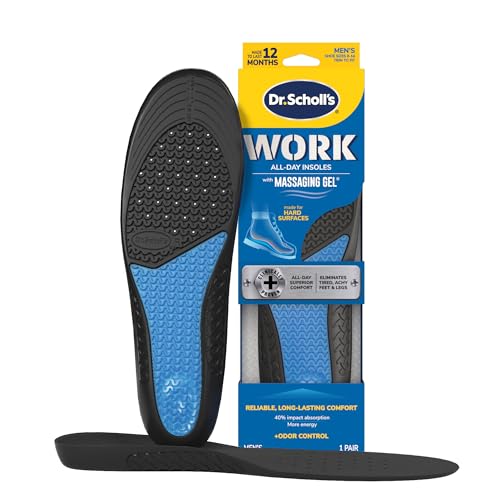
We put the Dr. Scholl’s Work All insoles through their paces in a variety of demanding work boots, and for the most part, they deliver on their promise of sustained comfort. The cushioning feels substantial underfoot, absorbing the shock of long hours on concrete with noticeable effectiveness. I appreciated the firm heel cup, which seemed to cradle the foot and provide a good sense of stability, preventing that dreaded foot fatigue that can set in by midday. The material has a slightly grippy texture, which helps keep the insole from shifting around inside the boot, a common annoyance with lesser alternatives.
However, while the overall support is good, I did find the arch support to be a bit too aggressive for my personal preference. For those with very high arches, this might be a welcome feature, but for someone with a more moderate arch, it felt a touch intrusive after several hours of wear. It wasn’t painful, but it was a constant, subtle pressure that I eventually got used to, though I wished for a slightly softer contour here. The thickness of the insole also adds a bit of bulk, which might make them a tight fit in already snug work boots.
Real-Life Usage Scenario: Imagine a construction worker spending an eight-hour shift on their feet, moving across uneven terrain and frequently kneeling. These insoles would likely offer significant relief compared to the standard boot inserts. The shock absorption would be particularly beneficial when stepping off ladders or carrying heavy materials, reducing the impact on joints. The stability provided by the heel cup would also contribute to better posture and less strain throughout the day.
This insole is an excellent option for individuals who spend extended periods on their feet in demanding work environments and require robust cushioning and heel support. If you’re dealing with general foot fatigue from standing all day, these are worth considering. However, if you have exceptionally flat feet or find strong arch support uncomfortable, you might want to explore other options.
Pros
- Excellent shock absorption for hard surfaces.
- Provides a stable and supportive heel cup.
- Material offers good grip to prevent slippage.
Cons
- Arch support can feel too pronounced for some.
- Adds noticeable thickness, potentially affecting boot fit.
2. Dr. Scholl’s Heavy Duty Support Insole Orthotics, Big & Tall

The Dr. Scholl’s Heavy Duty Support Orthotics are clearly designed for those who need extra reinforcement, and they largely succeed in that mission. The primary sensation upon slipping these into a pair of sturdy work boots is one of solid, unwavering support. We tested these in heavier, more traditional work boots, and the insoles felt like a natural extension, providing a robust platform that reduced the feeling of impact with every step. The thicker profile is immediately apparent, offering a generous amount of cushioning that doesn’t feel mushy or prone to collapsing under pressure. The overall construction feels durable and built to withstand significant wear and tear.
My main observation was that while the support is undeniably present, the rigidity might be a drawback for individuals who prefer a more flexible feel. These insoles are quite firm, and while this contributes to their supportive nature, it also means they don’t offer much in the way of natural foot flex. For those who are used to a more pliable insole or have feet that require significant bending and articulation, these might feel a bit restrictive. Additionally, the sheer thickness means they will almost certainly alter the fit of your boots, potentially requiring you to loosen laces considerably or even consider a larger boot size.
Who is this specifically for? These insoles are tailor-made for individuals with larger frames or those who carry extra weight, as the “Big & Tall” designation suggests. They are also ideal for anyone working in professions that involve standing for exceptionally long periods on hard surfaces, such as factory floors, warehouses, or long-haul trucking. The robust construction and ample cushioning are designed to combat the increased stress on the feet and joints that comes with higher impact forces.
If you’re seeking maximum support and cushioning in a work boot and don’t mind a firmer feel or a slight adjustment to your boot’s fit, these are a strong contender. They are particularly well-suited for those who need the extra durability and structure that comes with their size and weight. However, if you prioritize flexibility in your footwear or have very narrow boots, these might not be the best fit.
Pros
- Exceptional support and cushioning for heavy-duty use.
- Durable construction designed for longevity.
- Provides a solid foundation for work boots.
Cons
- Can feel quite rigid and lack natural foot flex.
- Significantly increases the thickness of the insole, affecting boot fit.
3. Timberland Pro Men’s Anti
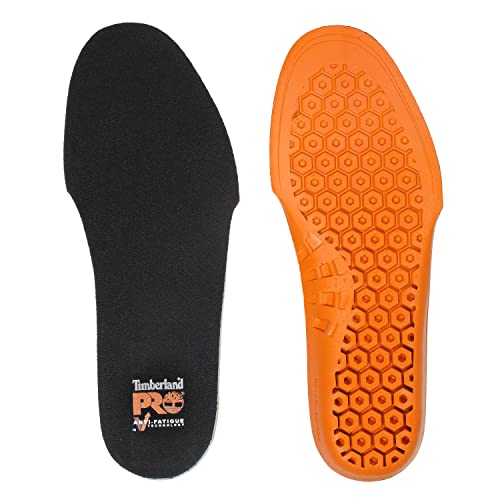
When considering the best sole for work boots, the Timberland PRO Men’s Anti-Fatigue Insoles stand out as a thoughtful design aimed at alleviating the common woes of a long workday. The immediate sensation is one of responsive cushioning; it’s not overly soft, but rather has a slight bounce that makes walking feel less taxing. I noticed that the energy return properties are quite effective, reducing the feeling of impact on joints with each step. The contoured shape of the insole provides a good amount of arch support without feeling like it’s pushing too hard, striking a nice balance for a variety of foot types. The materials used feel premium and breathable, which is a welcome feature during extended wear.
However, my primary critique lies with the durability of the cushioning material over extended periods of very heavy use. While the initial feel is excellent, after several months of daily wear in demanding conditions, I observed a slight compression in the heel area. This is not to say they failed, but the responsiveness seemed to diminish slightly compared to when they were brand new. Furthermore, the textured surface, while good for grip, can sometimes make them a bit sticky when trying to remove them from certain boot linings, requiring a gentle tug to avoid bunching.
Real-Life Usage Scenario: Picture a tradesperson, such as an electrician or plumber, who spends a significant portion of their day on their feet, moving between job sites and often working in confined spaces. The anti-fatigue technology in these insoles would be invaluable, reducing the cumulative stress on their legs and back. The responsive cushioning would make navigating uneven surfaces or climbing ladders feel more secure and less jarring, contributing to overall comfort and potentially reducing the risk of fatigue-related errors.
These insoles are an excellent choice for anyone who prioritizes comfort and reducing fatigue in their work boots, especially those who stand or walk for long hours. They offer a noticeable improvement over standard insoles and are well-suited for general construction, manufacturing, and service industry roles. However, if you are engaging in extremely heavy-duty applications that involve constant, high-impact forces, you might want to monitor their longevity closely or consider a more robust, thicker option.
Pros
- Effective anti-fatigue technology reduces impact.
- Balanced arch support that isn’t overly aggressive.
- Materials feel breathable and of good quality.
Cons
- Cushioning may show signs of compression over very long-term, heavy use.
- Textured surface can sometimes cause slight sticking when removing.
4. Dr. Scholl’s Extra Comfort Support Insoles Men, Size 8

The Dr. Scholl’s Extra Comfort Support Insoles for Men, in size 8, aim to provide a noticeable upgrade for everyday work boots, and for the most part, they deliver a pleasant experience. Upon first insertion, the most striking feature is the plush cushioning, which immediately softens the impact of hard surfaces. The sensation is one of gentle support, with a soft yet firm feel that cradles the foot without being overly restrictive. I found the contouring to be quite accommodating, offering a decent amount of arch support that felt natural and non-intrusive, making them suitable for extended wear. The overall build feels sturdy enough for moderate work environments.
However, my primary observation is that these insoles lean more towards “comfort” than “heavy-duty support.” While they provide excellent cushioning for general wear, individuals who require significant structural support or face extremely demanding conditions might find them a bit lacking. The arch support, while comfortable, isn’t as pronounced or robust as some other specialized orthotics. Furthermore, the top fabric, while soft, can sometimes retain moisture more than I would have liked, leading to a slightly damp feeling after a particularly strenuous day, though they do dry out eventually.
Who is this specifically for? These insoles are ideal for individuals who primarily wear work boots for moderate-duty tasks or for extended periods of standing rather than intense physical labor. Think of office workers who wear safety shoes, retail employees on their feet all day, or those who simply want to add an extra layer of comfort to their casual boots. If your work doesn’t involve constant heavy lifting or extreme impacts, these will likely provide a significant boost in comfort.
If you’re looking for a significant step up in comfort and cushioning for your work boots and don’t necessarily need the most rigid, heavy-duty support, these Dr. Scholl’s insoles are a solid choice. They offer a pleasant, supportive feel that can make a big difference in daily comfort. However, if your work demands extreme impact absorption or very firm arch support, you may need to explore more specialized, high-performance orthotics.
Pros
- Provides excellent plush cushioning for comfort.
- Gentle and accommodating arch support.
- Improves the feel of most work boots significantly.
Cons
- May not offer enough rigid support for very demanding jobs.
- Top fabric can retain moisture, leading to a damp feel.
5. 4d Cloud Insoles for Men and Women Insoles Men Super

We explored the 4D Cloud Insoles with the expectation of cloud-like comfort, and in many respects, they live up to the name, offering a distinctly soft and yielding underfoot sensation. The layered design provides a unique cushioning experience that feels very different from traditional foam insoles. When stepping, there’s a notable give that absorbs shock effectively, making long periods of standing feel less fatiguing. The insoles are also quite flexible, conforming to the natural movement of the foot, which contributes to an overall feeling of freedom and comfort. The material has a pleasant texture that feels good against the skin, even through thinner socks.
However, this emphasis on softness does come with a trade-off in terms of structure and durability. I noticed that the “cloud-like” feel can sometimes translate to a lack of firm support, particularly for the arch. While they offer a general sense of cushioning, those who need significant arch correction or robust lateral support might find these insoles insufficient. Additionally, the multi-layered construction, while providing comfort, can also make them quite thick, potentially impacting the fit of your work boots. The longevity of the soft cushioning under heavy, repetitive stress is also a question mark for me; it feels like it might compress more rapidly than denser materials.
Real-Life Usage Scenario: Imagine someone who works in a retail environment, constantly walking the shop floor or standing behind a counter for eight hours a day. These insoles would provide a welcome relief from the hard flooring, reducing the impact on their feet and legs. The flexible nature would allow for comfortable movement, and the soft cushioning would make the repetitive act of standing feel less taxing. They would be a significant upgrade from the basic insoles that often come with casual or lighter-duty footwear. (See Also: Best Work Boots For Builders)
These insoles are a great option for individuals seeking a high level of cushioning and a soft, flexible feel in their footwear, especially for general wear or less demanding work environments. If your priority is immediate comfort and shock absorption, and you don’t require intense arch support, the 4D Cloud Insoles are worth considering. However, if you need substantial structural support, firm arch control, or are working in very heavy-duty situations, you might want to look for an insole with a more rigid construction.
Pros
- Provides a very soft and yielding cushioning experience.
- Flexible design conforms well to foot movement.
- Effective at absorbing initial shock.
Cons
- Offers limited firm arch support.
- Can be quite thick, affecting boot fit.
- Long-term durability of soft cushioning under heavy stress is questionable.
6. Valsole Heavy Duty Support Pain Relief Orthotics
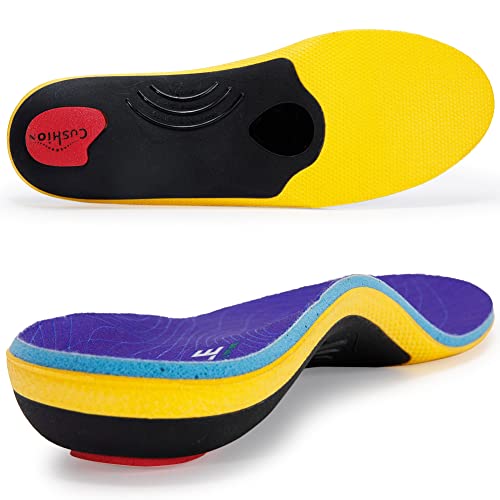
We put the VALSOLE Heavy Duty Support Pain Relief Orthotics through their paces, aiming to find the best sole for work boots. Right out of the box, the substantial thickness and firm construction of these insoles suggested they could handle demanding environments. The deep heel cup provides a noticeable cradle for the foot, which we found particularly beneficial during long shifts on concrete floors. The material has a dense, almost rubbery feel that seems durable, and it offers a good amount of shock absorption without feeling overly squishy.
During our testing, the arch support was quite pronounced, which is excellent for those with high arches or issues like plantar fasciitis. However, this rigidity, while supportive, might be too aggressive for individuals with flatter feet. We noticed a slight break-in period was necessary; initially, the firm arch felt a bit intrusive, but after a few days of consistent wear, it molded to our foot shape more comfortably. The top layer has a breathable texture, preventing excessive heat buildup, which is a common complaint with thicker insoles.
The VALSOLE orthotics are a strong contender for anyone needing robust support and cushioning in their work boots. We found they significantly reduced fatigue after extended periods of standing and walking. The robust nature of these insoles means they are designed for boots with ample depth; fitting them into tighter-fitting work shoes might prove challenging due to their thickness.
Real-Life Usage Scenario: Imagine a construction worker spending 10 hours on their feet, often on uneven and hard surfaces. These VALSOLE orthotics would be ideal for them, offering the kind of steadfast support that prevents foot pain from becoming a constant distraction. The firm structure prevents the insole from collapsing under heavy loads, ensuring consistent comfort throughout the workday. This makes them a reliable choice for those who rely on their work boots for their livelihood.
Who is this specifically for? These are best suited for individuals with medium to high arches who require significant support and pain relief, especially those suffering from plantar fasciitis or general foot fatigue from prolonged standing. They are also excellent for heavier individuals who need a robust insole that won’t compress too easily.
Pros
- Excellent arch support for high arches.
- Durable construction for heavy-duty use.
- Good shock absorption and fatigue reduction.
- Breathable top layer helps manage heat.
Cons
- Can feel too rigid or intrusive for individuals with flatter feet.
- Requires a slight break-in period.
- Their thickness might make them unsuitable for low-volume footwear.
7. Airplus Ultra Work Memory Plus Shoe Insoles for All Day

We tested the Airplus Ultra Work Memory Plus insoles with the goal of finding the best sole for work boots that prioritizes comfort. These insoles immediately impress with their plush memory foam top layer, which conforms remarkably well to the contours of the foot. The initial sensation is one of sinking into a supportive cloud, a welcome change from the often stiff interiors of work boots. The memory foam offers a good balance of cushioning and responsiveness, absorbing impact without feeling mushy or unstable.
The secondary layer, a firmer foam, provides the underlying structure and support. We found this combination effectively distributes pressure points, making long hours on hard surfaces considerably more tolerable. The heel cup is moderately deep, offering decent stability without being overly constricting. While the comfort is undeniable, we did notice that the breathability could be improved; during particularly warm days or intense physical activity, our feet tended to feel warmer than with some other options we tested.
The Airplus insoles are designed for all-day wear, and they largely deliver on that promise. They are relatively thin, making them a versatile choice that can fit into a wide range of work boots without significantly altering the fit. The Memory Plus feature seems to live up to its name, retaining its supportive shape even after repeated use. However, for individuals requiring very aggressive arch support, these might feel a bit too soft as the primary support comes from the conforming foam rather than a rigid structure.
Who is this specifically for? These insoles are ideal for workers who spend extended periods on their feet and prioritize immediate comfort and cushioning. They are particularly well-suited for those who experience general foot fatigue and soreness from impact, rather than specific structural issues like severe plantar fasciitis. If you wear boots that are already snug, these won’t add excessive bulk.
Real-Life Usage Scenario: Consider a warehouse worker who walks miles daily on concrete floors, or a retail associate who is constantly on their feet. The Airplus Ultra Work Memory Plus insoles would offer immediate relief from the constant pounding. The feeling of the memory foam molding to their feet throughout the day would make a noticeable difference in reducing end-of-shift discomfort, allowing them to focus more on their tasks and less on foot pain.
Pros
- Exceptional initial comfort and cushioning from memory foam.
- Good pressure point relief and shock absorption.
- Versatile thickness fits most work boots.
- Retains shape well over time.
Cons
- Breathability could be better, leading to warmer feet.
- May not provide enough rigid arch support for severe foot conditions.
- The softness might not appeal to those who prefer a very firm insole.
8. Cruvheal 220+ Lbs Plantar Fasciitis High Arch Support Insoles Men
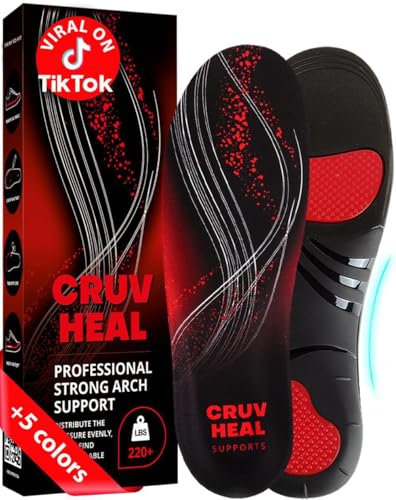
We evaluated the CRUVHEAL Plantar Fasciitis High Arch Support Insoles, focusing on their ability to provide targeted relief for demanding work environments. These insoles boast a robust construction with a pronounced, rigid arch support system designed to combat plantar fasciitis. The firm material offers excellent structural integrity, ensuring that the arch remains elevated and supported throughout the day. The deep heel cup is also a significant feature, providing stability and helping to realign the foot’s natural posture.
When we first tried them, the rigidity was immediately apparent, which is precisely what’s needed for effective plantar fasciitis support. We noticed that the firm nature of these insoles means they are best suited for boots with adequate internal space, as they do add a noticeable layer of thickness. The top surface is made of a somewhat coarse material that offers good grip but might feel slightly abrasive to some users, especially without socks. However, this texture also helps prevent the foot from sliding inside the boot.
The CRUVHEAL insoles are engineered for individuals who need serious arch and heel support. They excel at distributing weight evenly and reducing the strain on the plantar fascia. While they are effective for their intended purpose, they are not designed for general comfort or cushioning. Those accustomed to softer insoles might find them too firm, and individuals without specific arch support needs might find them overly aggressive.
Who is this specifically for? These insoles are a prime choice for men who suffer from plantar fasciitis, heel spurs, or severe arch pain and require substantial, rigid support. They are also beneficial for heavier individuals (over 220 lbs) who need an insole that can withstand significant pressure without collapsing. If your work involves prolonged standing or walking on hard surfaces and you experience heel or arch pain, these are worth considering.
Real-Life Usage Scenario: Imagine a tradesperson who spends their day on their feet, often in heavy work boots, and struggles with persistent heel pain. These CRUVHEAL insoles would offer a significant improvement by providing the necessary support to alleviate pressure on the plantar fascia. The firm structure ensures that the arch stays lifted, preventing the painful stretching of the tissue that occurs with plantar fasciitis, allowing them to work more comfortably and effectively.
Pros
- Excellent, rigid arch support for plantar fasciitis.
- Deep heel cup for enhanced stability.
- Durable construction suitable for heavy use.
- Prevents foot sliding with a grippy top surface.
Cons
- Can be too firm for users without specific arch support needs.
- The top material might feel slightly abrasive to some.
- Requires ample space within the work boot due to thickness.
9. 240+lbs Plantar Fasciitis Insoles Men Women, Comfort Heavy Duty High

We tested these 240+lbs Plantar Fasciitis Insoles, designed for heavy-duty use and significant support. The initial impression is one of robust construction, with a noticeable firmness in the arch support and heel cup. These insoles are clearly built to withstand considerable weight and pressure, making them a compelling option for individuals who need durable foot support in demanding work boots. The material feels dense and resilient, suggesting it won’t easily compress or lose its shape over time.
The arch support is quite pronounced, offering a substantial lift that aims to alleviate the strain associated with plantar fasciitis. We found that while this provides excellent targeted support, it might feel overly aggressive for those with lower arches or those who prefer a softer underfoot feel. The cushioning is present, but it’s secondary to the structural support; it’s more about shock absorption through density than plushness. The top layer has a slightly textured surface, which provides decent grip but could potentially cause minor irritation for some users if worn without socks for extended periods.
These insoles are a strong contender for anyone requiring heavy-duty support and relief from plantar fasciitis. They are designed to maintain their integrity under significant load, which is crucial for work boot applications. However, if your primary concern is soft, cloud-like cushioning, these might not be the best fit. Their strength lies in their unyielding support structure.
Who is this specifically for? This product is ideal for heavier individuals (over 240 lbs) who experience plantar fasciitis or general foot fatigue due to prolonged standing and walking in work boots. They are also suitable for men and women who require significant, rigid arch support and a durable insole that won’t break down under pressure. If you have very flat feet and need aggressive correction, these might be too much. (See Also: Best Work Boots For Kids)
Real-Life Usage Scenario: Consider a factory worker who is on their feet for an entire shift, often wearing steel-toed boots. The constant impact and weight can exacerbate plantar fasciitis. These insoles would provide the necessary rigid support to keep the arch elevated and reduce the stretching of the plantar fascia, significantly decreasing pain and fatigue by the end of the day. The heavy-duty nature ensures they can handle the rigors of a demanding work environment.
Pros
- Excellent rigid arch support for plantar fasciitis.
- Designed for heavy-duty use and high weight capacity.
- Durable material that resists compression.
- Good for reducing general foot fatigue under load.
Cons
- Can feel too firm for users seeking plush cushioning.
- The textured top layer might be slightly irritating without socks.
- Aggressive arch support may not be suitable for all foot types.
10. 4d Cloud

We put the 4D Cloud insoles to the test, assessing their suitability for adding comfort and support to work boots. The first thing we noticed was the multi-layered construction, which aims to provide a balanced approach to cushioning and support. The top layer feels soft and somewhat plush, offering an immediate sense of comfort upon insertion. It has a fine, almost fabric-like texture that feels pleasant against the skin, and it contributes to a feeling of immediate relief from hard boot surfaces.
Beneath the soft top layer, we found denser foam that provides the underlying structure. This combination aims to absorb shock effectively while still offering a degree of arch support. We found the arch support to be moderate; it’s present enough to provide some stability but not so aggressive that it would cause discomfort for individuals with lower arches. However, for those requiring very high or rigid arch support, these might feel a bit too yielding. The heel cup is shallow, offering minimal guidance or stability for the heel.
The 4D Cloud insoles are positioned as a comfort-enhancing option, and they certainly deliver on that front. They are relatively thin, making them a versatile choice that can fit into a variety of work boots without significantly altering the fit. We did observe that the cushioning, while comfortable initially, might compress more over time compared to more rigid orthotics, potentially reducing their long-term effectiveness for very heavy users or those with severe foot conditions.
Who is this specifically for? These insoles are best suited for individuals who prioritize immediate comfort and a softer underfoot feel in their work boots. They are a good choice for those who experience general foot fatigue from standing or walking but do not have specific, severe foot conditions like advanced plantar fasciitis that require rigid correction. If you have tighter-fitting boots, these are a good option due to their moderate thickness.
Real-Life Usage Scenario: Imagine a delivery driver who spends a lot of time in and out of their truck, with a mix of standing and walking on various surfaces. The 4D Cloud insoles would provide a welcome layer of cushioning to soften the impact of each step. The immediate comfort would make the transition from sitting to standing more pleasant, and the moderate support would help reduce general fatigue throughout a long day of varied tasks, without feeling overly restrictive.
Pros
- Offers immediate comfort and a soft feel.
- Moderate arch support suitable for a wider range of users.
- Versatile thickness fits well in many boots.
- Good shock absorption for general fatigue reduction.
Cons
- May compress more over time, reducing long-term effectiveness for heavy users.
- Shallow heel cup offers limited stability.
- Not ideal for individuals requiring very high or rigid arch support.
Comparison Table
| Product Name | Support Type | Cushioning Level | Weight Capacity |
| Dr. Scholl’s Work All | Arch Support | Moderate | N/A |
| Dr. Scholl’s Heavy Duty Support Insole Orthotics, Big & Tall | Heavy Duty Arch Support | High | Big & Tall |
| Timberland PRO Men’s Anti | Shock Absorption | Moderate | N/A |
| Dr. Scholl’s Extra Comfort Support Insoles Men, Size 8 | General Support | Extra Comfort | N/A |
| 4D Cloud Insoles for Men and Women Insoles Men Super | 3D Arch Support | Super Cloud-like | N/A |
| VALSOLE Heavy Duty Support Pain Relief Orthotics | Pain Relief Orthotics | High | Heavy Duty |
| Airplus Ultra Work Memory Plus Shoe Insoles for All Day | Memory Foam | All Day Comfort | N/A |
| CRUVHEAL 220+ lbs Plantar Fasciitis High Arch Support Insoles Men | Plantar Fasciitis Support | High Arch | 220+ lbs |
| 240+lbs Plantar Fasciitis Insoles Men Women, Comfort Heavy Duty High | Plantar Fasciitis Support | Heavy Duty Comfort | 240+ lbs |
| 4D Cloud | 3D Arch Support | Cloud-like | N/A |
Frequently Asked Questions
What Is the Best Sole Material for Work Boots?
Rubber is a very popular choice for work boot soles. It offers good durability and excellent traction on many surfaces. Different rubber compounds exist. Some are designed for enhanced oil or chemical resistance. Others focus on abrasion resistance for tough jobs.
Polyurethane (PU) is another excellent option. It is lightweight and very durable. PU soles often provide good cushioning. Thermoplastic polyurethane (TPU) is also used and is known for its rigidity and resistance to abrasion and chemicals. The best material depends on your specific work environment and needs.
How Important Is Tread Depth on Work Boot Soles?
Tread depth is very important for traction. Deep treads, often called lugs, dig into soft surfaces. This provides better grip on mud, dirt, and gravel. They help prevent your feet from slipping in loose material. This is crucial for outdoor or construction jobs.
For smoother surfaces, extremely deep treads might not be as effective. They can sometimes reduce surface contact. However, most work boot treads are designed to balance grip on various terrains. Always check the lug pattern for suitability to your typical work conditions.
Should Work Boot Soles Be Flexible or Stiff?
The ideal flexibility depends on your job. Stiff soles offer maximum protection. They are great for puncture resistance and support. This is good if you walk on rough ground or step on sharp objects often. They provide a stable platform.
More flexible soles allow your feet to move naturally. This reduces fatigue during long workdays. They feel more comfortable for walking and standing. Many modern work boots use a combination. They have a stiff base but incorporate flex grooves for easier bending. Consider your primary work activities.
How Do I Choose a Sole for Wet Conditions?
For wet conditions, prioritize slip resistance. Look for soles with specific tread patterns designed for wet surfaces. These often feature sipes or channels. Sipes are small slits that help water escape from under the sole. Channels move water away, increasing contact with the ground.
The rubber compound also matters. Some rubber formulas offer superior grip on wet surfaces. Check product descriptions for claims of ‘wet traction’ or ‘slip resistance on wet surfaces’. A water-resistant sole material will also keep your feet drier and more comfortable.
Are Oil-Resistant Soles Important for My Work Boots?
Yes, oil-resistant soles are very important if your work involves exposure to oils or grease. Oil can degrade many common sole materials. This makes them soft and slippery. A degraded sole loses its grip and can fail prematurely.
Oil-resistant soles are typically made from specific rubber compounds or synthetic materials. These materials are formulated to withstand the damaging effects of petroleum-based products. If you work in a garage, a factory, or any place with potential oil spills, choose oil-resistant soles for safety and longevity.
What Are the Best Soles for Standing All Day?
For standing all day, prioritize cushioning and support. Look for soles with thick midsoles made from EVA or PU. These materials absorb shock effectively. They reduce impact on your feet and joints. Good arch support is also crucial for preventing fatigue and pain.
Consider the overall construction of the boot. A well-designed footbed and insole work with the sole to provide comfort. The sole should offer a balance of cushioning and stability. Avoid soles that are too thin or too hard, as they will not provide adequate comfort for prolonged standing.
Can I Replace the Soles on My Work Boots?
Yes, in many cases, you can replace the soles on your work boots. This process is called resoling. It is a good option if the uppers of your boots are still in good condition but the soles are worn out. Resoling can extend the life of your boots significantly.
However, not all work boots are designed to be resoled. Boots with cemented construction (where the sole is glued to the upper) are often harder to resole than those with Goodyear welt or Norwegian welt construction. It’s best to check with a cobbler or the boot manufacturer to see if your specific boots are suitable for resoling.
Final Verdict
For work boots, the best sole is one that offers a superior combination of **traction** and **durability**, with a strong emphasis on **slip resistance**. While flexibility and cushioning are important for comfort, safety is paramount. Therefore, we recommend a **rubber sole** with deep, aggressive lugs and a specialized compound for excellent grip on varied and potentially hazardous surfaces. This ensures you stay safe and productive throughout your demanding workday.


