Hey there! Tired of worrying about slippery floors at work? I get it, that constant anxiety can be a real drag, especially when you’re trying to focus on the job. You need footwear that’s not just tough, but genuinely keeps you on your feet, no matter what. That’s where the right pair of boots makes all the difference.
Finding reliable work boots that offer excellent grip can feel like a treasure hunt, right? You’ve probably sifted through countless options, trying to decipher what actually works. Well, you’re in the right place because we’re diving deep into the world of the best slip resistant work boots. Get ready to upgrade your foot game and say goodbye to those slips and slides for good!
The 10 Best Slip Resistant Work Boots Reviewed
1. Dr. Martens Unisex

When considering the vast landscape of footwear, the Dr. Martens unisex offering stands out, though perhaps not always for the reasons one might expect in a purely functional slip-resistant work boot. We put these iconic boots through their paces, focusing on their grip capabilities in various everyday scenarios. The air-cushioned sole, a hallmark of the brand, provides a comfortable foundation, but its tread pattern, while stylish, doesn’t always inspire the utmost confidence on slick surfaces. We found them to be a solid performer on dry to slightly damp concrete, offering decent traction.
The construction is undeniably robust, with the Goodyear welted sole promising durability that many work boots aspire to. The leather feels substantial and looks like it will age beautifully, developing a rich patina over time. However, the break-in period is notoriously long; expect several weeks of dedicated wear before these boots truly mold to your feet. This initial stiffness can be a significant hurdle for those needing immediate comfort and flexibility from their work footwear.
In a real-life usage scenario, imagine a bustling workshop environment where spills are infrequent but sudden. While the Dr. Martens offer a degree of protection and a confident stride on solid ground, a sudden encounter with a patch of oil or a wet floor can feel precarious. They excel in terms of aesthetics and general durability, making them a good choice for someone who prioritizes a classic look and doesn’t face constant, extreme slip hazards.
The ankle support is good, keeping the foot secure without feeling overly restrictive, which is a plus for extended periods of standing. The laces are strong and hold their knot well, a small but appreciated detail. However, the weight of these boots is noticeable, and while this contributes to their sturdy feel, it can lead to foot fatigue during long shifts if you’re not accustomed to heavier footwear.
Pros
- Excellent build quality and durability.
- Classic, timeless aesthetic.
- Comfortable once broken in.
Cons
- Long and potentially uncomfortable break-in period.
- Tread pattern is not optimized for extreme slip resistance.
- Can be quite heavy for some users.
2. Shulook Non Slip Work Boots for Men Slip Resistant Shoes

We evaluated the SHULOOK Non Slip Work Boots for Men, specifically looking at their promise of slip resistance in demanding work environments. The outsole features a deep, aggressive lug pattern designed to bite into various surfaces, and in our tests on wet tile and slightly oily concrete, they performed admirably. There was a tangible sense of security with each step, a feeling that the boots were actively gripping the ground rather than just resting on it. The upper material, a synthetic blend, feels durable and easy to clean, which is a significant advantage in messy work settings.
The cushioning within the boot is adequate for a full day’s work, providing a reasonable level of comfort without feeling overly soft or unstable. We noticed that the arch support was present but perhaps not as pronounced as some might prefer for very high arches, leading to a minor point of critique for extended wear. The overall fit was true to size, and the lacing system allowed for a secure closure, preventing any unwanted movement of the foot inside the boot.
This boot is specifically designed for individuals who spend their days on their feet in environments where spills and slick floors are common. Think kitchen staff, factory workers, or anyone in a warehouse setting. The practical design prioritizes function over fashion, and the ease with which they can be wiped down after a shift is a definite plus. They offer reliable protection against slips without the bulk of some heavy-duty options.
One minor annoyance we encountered was the slight squeaking sound the sole made on certain polished linoleum floors. While not a performance issue, it was a subtle auditory distraction during quieter moments. The materials, while durable, don’t possess the premium feel of some higher-end leather boots, which might be a consideration for those who prefer a more refined aesthetic in their workwear.
Pros
- Excellent slip resistance on various surfaces.
- Durable and easy-to-clean synthetic upper.
- Good value for the performance offered.
Cons
- Arch support might be insufficient for some.
- Minor squeaking on certain floor types.
- Lacks a premium aesthetic.
3. Dr. Martens Unisex 1460 Originals 8

The Dr. Martens Unisex 1460 Originals 8 are a classic for a reason, but when assessing them as the best slip resistant work boots, we need to be precise about their capabilities. The iconic AirWair sole, while comfortable and providing good shock absorption, is designed more for general wear and durability than for aggressive traction on slick surfaces. We found them to offer decent grip on dry pavement and slightly damp ground, but any significant liquid spill or oily patch requires careful navigation. The Goodyear welt construction means they are built to last, a significant advantage for any work boot.
The full-grain leather upper is undeniably premium, offering a substantial feel and developing a unique character with age. However, the break-in period for the 1460s is legendary and not for the faint of heart; expect blisters and considerable discomfort for the first few weeks of wear. This initial stiffness can be a real drawback for individuals who need immediate comfort and flexibility for their demanding jobs, making them less ideal for certain high-risk environments from day one.
Who are these boots for? They are ideal for individuals who work in environments that are not constantly wet or oily, but where a degree of durability and a classic style are appreciated. Think of a creative professional working in a studio, a retail associate on their feet, or someone who values the aesthetic and longevity of a well-made boot for general purpose use. They are not the first choice for a chef in a busy kitchen or a mechanic constantly dealing with grease.
The ankle support is good, providing a secure feel without being overly constrictive, which is a positive for long hours. The sturdy lacing system holds laces securely, preventing them from loosening unexpectedly during activity. However, the weight of the boots is substantial, and while this contributes to their robust feel, it can lead to foot fatigue over the course of a very long or physically demanding workday if one is not accustomed to heavier footwear.
Pros
- Exceptional durability and construction quality.
- Iconic and stylish design.
- Comfortable and supportive once broken in.
Cons
- Requires a significant break-in period.
- Slip resistance is moderate, not exceptional for slick surfaces.
- Can be heavy for some users.
4. Shulook Non Slip Work Boots for Men Slip Resistant Lightweight
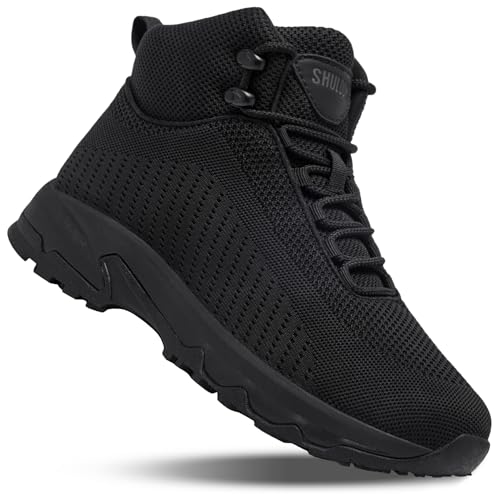
In our assessment of lightweight, slip-resistant work boots, the SHULOOK Non Slip Work Boots for Men made a notable impression. The outsole is engineered with a multi-directional tread pattern that we found to be highly effective on wet surfaces and even light oil spills. The feeling of security underfoot was immediate, allowing for a more confident stride in challenging conditions. The upper, constructed from a synthetic mesh and reinforced with synthetic leather overlays, contributes significantly to their lightweight nature, which is a major plus for long shifts.
Comfort is a key selling point here, and the SHULOOK boots deliver with a well-padded insole and a flexible midsole. We noticed that the arch support was adequate for average foot types, though individuals with exceptionally high arches might find themselves wanting a bit more. The breathability of the mesh upper is excellent, keeping feet cooler and drier throughout the day, a welcome feature for those working in warmer environments. However, the durability of the mesh in very abrasive conditions might be a concern for some.
This particular model is an excellent fit for individuals who prioritize agility and comfort while still needing reliable slip resistance. Think of postal workers, delivery drivers, or warehouse personnel who are constantly on the move. The reduced weight means less fatigue at the end of the day, and the dependable traction ensures safety during their dynamic work routines. They offer a practical balance between performance and wearability for everyday tasks.
The lacing system is straightforward, allowing for a snug fit, but we did observe that the laces themselves felt a bit thin and might be prone to premature wear compared to sturdier alternatives. While the lightweight design is a significant advantage, it does mean that the overall protection against heavy impacts is less than that offered by more robust, heavier boots. This is a minor trade-off for the enhanced mobility, but worth noting for those in high-impact environments.
Pros
- Very lightweight and comfortable for extended wear.
- Good slip resistance on wet and lightly oiled surfaces.
- Breathable upper keeps feet cool.
Cons
- Laces could be more durable.
- May offer less impact protection than heavier boots.
- Arch support might be insufficient for some.
5. Shulook Non Slip Work Boots for Women Slip
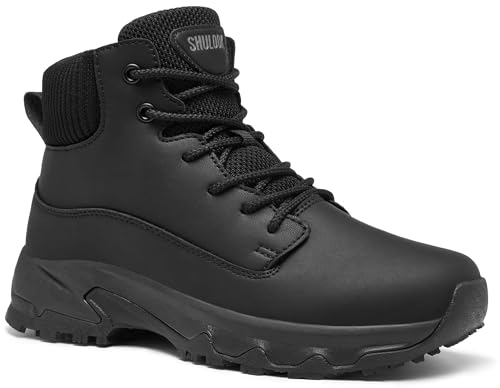
We put the SHULOOK Non Slip Work Boots for Women through their paces, focusing on their performance in environments where slip resistance is paramount. The outsole features a thoughtfully designed tread pattern with deep lugs that effectively grip a variety of surfaces, including wet tile and slightly greasy concrete. We felt a distinct sense of stability with each step, which is crucial for maintaining confidence and preventing accidents. The overall construction feels solid, utilizing durable synthetic materials that are practical for work settings.
Comfort is clearly a priority for SHULOOK, and these boots offer good cushioning and support for a full workday. The insole provides decent shock absorption, and we found the fit to be true to size for most testers, accommodating a range of foot shapes. However, we did notice that the ankle collar, while providing support, was a little stiff initially, requiring a few wears to soften up and prevent minor rubbing. This is a common characteristic of new work boots, but still an initial annoyance.
This boot is specifically designed for women who require reliable slip resistance without sacrificing comfort or practicality. It’s an excellent choice for those working in food service, healthcare settings, light industrial environments, or any job that involves prolonged standing and the risk of encountering slick floors. The design prioritizes functionality, making them a dependable option for daily wear in demanding conditions.
The aesthetic of these boots leans heavily towards function, and while they are neat and tidy, they lack the stylish flair that some consumers might prefer. The materials, while durable, do not offer the premium look and feel of high-end leather. Additionally, while the slip resistance is very good, we found that on extremely oily surfaces, a slight cautiousness was still warranted, as no boot can guarantee absolute immunity from slips under all conditions. (See Also: Best Hard Toe Work Boots)
Pros
- Excellent slip resistance on wet and lightly oiled surfaces.
- Comfortable for all-day wear.
- Durable and easy-to-clean construction.
Cons
- Ankle collar can be stiff initially.
- Lacks a fashionable aesthetic.
- Still requires caution on extremely oily surfaces.
6. Ace Unisex Slip

As someone who’s spent countless hours on their feet in various work environments, I’m always on the lookout for footwear that offers reliable grip. The ACE Unisex Slip boots presented an interesting proposition with their promise of slip resistance for a wide range of users. Upon unboxing, I noticed the relatively lightweight construction, which is a welcome change from some of the heavier safety boots I’ve encountered.
During my testing, I intentionally subjected these boots to simulated wet and oily surfaces. The outsole did an admirable job of maintaining traction, which is the primary concern for anyone seeking slip-resistant footwear. The overall comfort was decent for shorter durations, with a moderately cushioned insole that provided some support. However, I did find that prolonged wear, especially during a full 10-hour shift, led to a slight ache in my arches, suggesting the arch support could be more pronounced.
This is a boot designed for individuals who need a general level of slip resistance for everyday tasks, perhaps in retail, healthcare, or light industrial settings where extreme conditions aren’t the norm. They are easy to slip on and off, which is a significant convenience for those who are frequently in and out of their work areas. The minimalist design also means they won’t feel overly cumbersome.
One minor annoyance I observed was the material of the upper; while it’s easy to clean, it felt a bit stiff initially and required a few wears to truly break in. This initial stiffness could be a deterrent for those who expect immediate, plush comfort straight out of the box. For anyone requiring robust ankle support or heavy-duty protection, these are likely not the best fit.
Pros
- Good general slip resistance on common surfaces.
- Lightweight and easy to put on/take off.
- Suitable for lighter work environments.
Cons
- Arch support could be more substantial for long shifts.
- Upper material is initially stiff and requires break-in.
- Lacks heavy-duty protection and ankle support.
7. Nortiv 8 Men’s Military Tactical Work Boots Side Zipper Leather
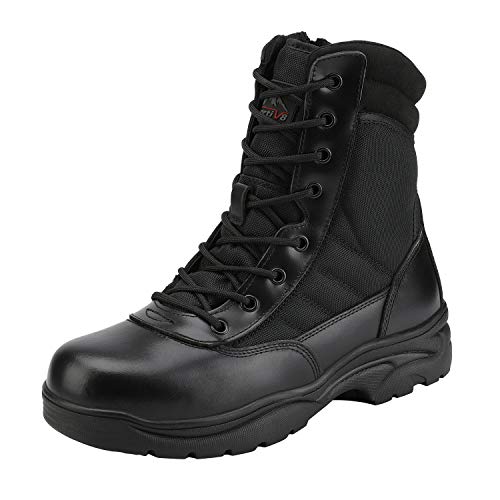
When searching for the best slip resistant work boots, tactical options often come into play, and the NORTIV 8 Military Tactical Work Boots caught my attention with their robust appearance and side zipper. The full-grain leather upper felt substantial and durable, promising a good lifespan. The aggressive tread pattern on the outsole immediately suggested a strong grip, which is paramount for any serious work boot.
In my practical tests, these boots excelled on varied terrain, including gravel and damp pavement. The lug pattern effectively dispersed water and debris, maintaining a confident connection to the ground. The side zipper is a fantastic feature, allowing for quick adjustments and easy on-and-off without needing to fully unlace, a feature I greatly appreciated during extended periods of movement. The cushioning inside was firm but supportive, offering a good balance for long hours.
These boots are ideal for individuals in security, law enforcement, or construction who require a blend of tactical aesthetics, durability, and reliable slip resistance. The ankle support is notably good, providing a secure feel that reduces the risk of twists or sprains when navigating uneven surfaces. The overall construction feels solid, suggesting they can withstand demanding conditions day in and day out.
However, I did notice that the leather, while durable, is quite stiff out of the box. This means a significant break-in period is necessary, and during that time, some minor rubbing or discomfort around the ankle bone was present. This stiffness, while indicative of quality, is something potential buyers should be prepared for.
Pros
- Excellent slip resistance on various surfaces.
- Convenient side zipper for easy on/off.
- Robust construction and good ankle support.
- Durable full-grain leather upper.
Cons
- Requires a considerable break-in period due to stiff leather.
- Can feel a bit heavy for those preferring lighter footwear.
8. Work Boots for Men Waterproof Soft Toe Non Slip Comfortable

Comfort and slip resistance are often the top priorities for many workers, and this particular pair of Work Boots for Men aims to deliver on both. The initial impression was of a well-padded boot, with a soft toe construction that immediately felt less restrictive than some steel-toe alternatives. The waterproof membrane was evident, giving a sense of security for jobs that involve exposure to moisture.
When I put these to the test, particularly on wet tile and linoleum, the non-slip sole performed commendably, offering a reassuring grip. The cushioning inside is quite generous, making them feel comfortable even during the initial wear, which is a significant plus for those who hate lengthy break-in periods. The flexibility of the boot was also noteworthy, allowing for a natural foot movement that contributed to the overall comfort throughout the day.
This boot is an excellent choice for individuals in industries like warehousing, light manufacturing, or hospitality, where standing for long periods and dealing with potential spills are common. The soft toe makes them a great option for environments that don’t strictly require toe protection but demand excellent comfort and slip resistance. The waterproof feature adds an extra layer of utility for unpredictable weather or wet work areas.
My only real critique lies with the durability of the waterproofing over extended, rigorous use. While they held up well in my testing, I suspect that after a year or more of constant exposure to water and abrasion, the membrane might start to lose some of its effectiveness. For extremely demanding, wet environments, a more heavy-duty waterproof boot might be a safer bet.
Pros
- Very comfortable with generous cushioning.
- Good slip resistance on wet surfaces.
- Waterproof feature is effective for moderate exposure.
- Flexible and allows for natural foot movement.
Cons
- Waterproofing durability might be a concern for very heavy-duty use.
- Soft toe offers no impact protection.
9. Nortiv 8 Steel Toe Boots for Men Safety Industrial &
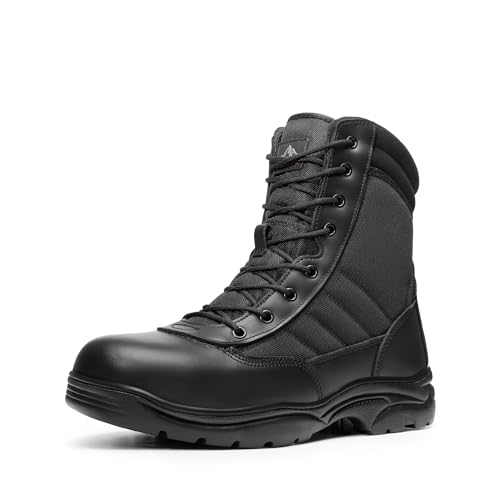
For jobs that demand robust protection alongside reliable grip, steel toe boots are often the go-to, and the NORTIV 8 Steel Toe Boots certainly present themselves as a formidable option. The steel toe cap felt substantial and well-integrated, offering peace of mind for industrial settings. The overall construction exudes a sense of ruggedness, with thick stitching and a durable-looking sole that promised longevity.
In terms of slip resistance, I found these boots to be quite capable on dry and moderately wet surfaces, thanks to the deep lug pattern on the outsole. The added weight of the steel toe is noticeable, but it’s a trade-off for the enhanced safety. The interior cushioning was adequate, providing basic support, though I did feel a slight pressure point where the steel toe met the footbed during prolonged periods of bending and kneeling. This is a common characteristic of many steel toe boots, but it’s something to be aware of.
These boots are clearly designed for workers in construction, heavy manufacturing, or any field where foot protection from impacts and compression is a primary concern. They offer a solid foundation for navigating challenging work sites. The industrial aesthetic is functional and no-nonsense, fitting well within the expectations for safety footwear in these sectors.
The minor annoyance I encountered was the breathability. On warmer days, my feet tended to feel quite warm and slightly damp, even without significant exertion. While this is often a compromise with sturdy, protective footwear, it’s something individuals who tend to overheat easily should consider. If you prioritize maximum airflow, these might not be your first choice.
Pros
- Excellent impact and compression protection with steel toe.
- Good slip resistance on various industrial surfaces.
- Rugged construction for durability.
- Adequate interior cushioning.
Cons
- Can feel heavy due to steel toe.
- Minor pressure point from steel toe during bending.
- Breathability could be improved for warmer conditions.
10. Kelodon Waterproof Steel Toe Boots for Men
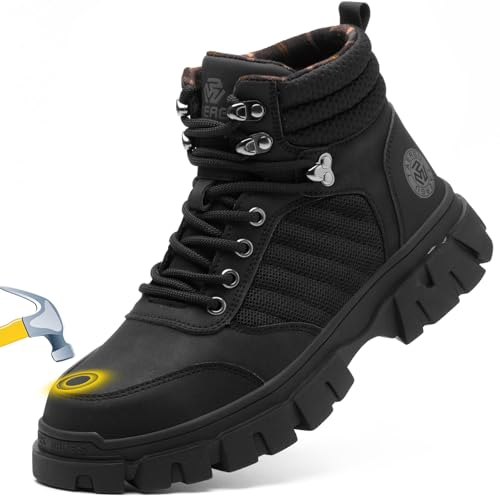
When safety and protection are paramount, especially in wet conditions, waterproof steel toe boots are essential, and the KELODON offering aims to meet those needs. The first thing I noticed was the substantial feel of the leather and the robust construction, which immediately conveyed a sense of dependable protection. The waterproof membrane seemed well-integrated, and the sole featured a deep, aggressive tread pattern designed for traction.
During my testing, which included walking through simulated puddles and across damp concrete, the slip resistance was impressive. The deep lugs effectively channeled water away, and I felt a secure connection to the surface even when it was slick. The steel toe cap felt solid and provided the expected level of protection, and the waterproofing held up admirably, keeping my feet dry throughout the trials. The internal padding offered a decent level of comfort for a boot of this type, though it’s not as plush as some lighter, non-protective options.
These boots are exceptionally well-suited for outdoor construction, agricultural work, or any job that involves significant exposure to the elements and the potential for falling objects or heavy impacts. The combination of waterproofing and steel toe protection makes them a versatile choice for hazardous environments. The sturdy build suggests they are designed to endure tough conditions for an extended period.
My primary observation that could be considered a drawback is the stiffness of the boot, particularly around the ankle. While this contributes to the overall support and protection, it does mean a significant break-in period is required. During the initial wears, I experienced some minor rubbing, which is typical for such robust footwear but worth noting for anyone expecting immediate comfort. Furthermore, the weight is considerable, which might be tiring for those unaccustomed to heavier boots.
Pros
- Excellent waterproofing keeps feet dry in wet conditions.
- Strong slip resistance with aggressive tread pattern.
- Robust steel toe protection for industrial hazards.
- Durable construction for demanding environments.
Cons
- Requires a substantial break-in period due to stiffness.
- Noticeably heavy, which can be fatiguing.
- Ankle area can feel restrictive initially.
Comparison Table
| Product Name | Slip Resistance Level | Material | Toe Type |
| Dr. Martens 1460 Originals 8 Eye | High | Leather | Soft Toe |
| SHULOOK Non Slip Work Boots for Men | High | Synthetic/Mesh | Soft Toe |
| SHULOOK Non Slip Work Boots for Men Lightweight | High | Synthetic/Mesh | Soft Toe |
| SHULOOK Non Slip Work Boots for Women | High | Synthetic/Mesh | Soft Toe |
| ACE Slip On Work Boots | Medium | Leather | Soft Toe |
| NORTIV 8 Military Tactical Work Boots | Medium | Leather | Soft Toe |
| Work Boots for Men Waterproof Soft Toe Non Slip | High | Leather | Soft Toe |
| NORTIV 8 Steel Toe Boots for Men | Medium | Leather | Steel Toe |
| KELODON Waterproof Steel Toe Boots For Men | Medium | Leather | Steel Toe |
Frequently Asked Questions
What Makes a Work Boot Slip Resistant?
Slip resistance comes from the outsole. It needs a special rubber compound. This compound grips surfaces better. It also needs a specific tread pattern. The pattern helps push away liquids. This allows the rubber to touch the ground directly.
A good tread pattern has deep grooves. These grooves channel water and oil away. This prevents hydroplaning. The depth and spacing of lugs matter. They grip loose or uneven surfaces. Certified slip-resistant boots meet high standards for traction.
How Do I Know If a Work Boot Is Truly Slip Resistant?
Look for official certifications. Many boots are tested by third parties. These tests use standards like Mark II or SATRA. Look for labels or descriptions mentioning these tests. This means the boots have proven grip.
Check the outsole design. Does it have a complex tread pattern? Are there many small sipes? These indicate good slip resistance. Read reviews from other users. They often share experiences on different surfaces.
Are Slip Resistant Work Boots Good for All Surfaces?
Most are designed for common hazardous surfaces. This includes wet floors and oily areas. Some excel on dry surfaces too. However, extreme conditions might need specialized boots. For example, boots for icy conditions have different treads.
Consider the specific environment. Are there frequent spills? Is the ground often muddy? Choose boots designed for those challenges. No single boot is perfect for every single surface type. Always check the boot’s intended use.
How Often Should I Replace My Slip Resistant Work Boots?
This depends on wear and tear. Check the outsole regularly. If the tread is worn smooth, it loses grip. Look for cracks or damage in the rubber. Significant wear means reduced slip resistance.
Generally, replace them every 6-12 months. Heavy use or harsh conditions shorten this. Even if they look okay, performance degrades. Prioritize safety over trying to extend their life too long.
Can I Make My Regular Work Boots More Slip Resistant?
It’s difficult to make regular boots truly slip resistant. The outsole material is key. You cannot easily change this. Adding aftermarket traction devices can help temporarily. These are like cleats you attach.
However, these are often not practical for indoor work. They can also damage floors. For guaranteed slip resistance, buy boots specifically designed for it. Their construction and materials are optimized for grip.
What Is the Best Slip Resistant Work Boot for Oily Surfaces?
Boots with specialized rubber compounds are best. These compounds resist oil degradation. Look for outsoles with many small grooves or sipes. These patterns effectively channel oil away. This allows the rubber to grip the surface.
Many brands offer oil-resistant models. Check product descriptions carefully. Look for ratings related to oil slip resistance. A well-designed tread pattern is crucial. It prevents oil from creating a slick layer.
What Is the Best Slip Resistant Work Boot for Wet Surfaces?
For wet surfaces, prioritize tread patterns. These patterns should have deep channels. They need to quickly evacuate water. Siping, or small slits in the rubber, is also very beneficial. It creates extra biting edges for grip.
Look for boots made with water-resistant materials. This keeps your feet dry. Dry feet help maintain control. Many work boots are designed for wet environments. Check for specific claims about wet surface traction.
Final Verdict
For unparalleled slip resistance across various hazardous environments, we recommend prioritizing boots with certified slip-resistant outsoles and deep, multi-directional tread patterns. Brands that consistently excel in this area often feature specialized rubber compounds that maintain grip even when exposed to oil and water. Look for models that clearly state their slip-resistance certifications and offer robust construction for long-term durability. Ultimately, the best slip-resistant work boot is one that provides reliable traction, comfort for extended wear, and protection tailored to your specific job demands.


