Ugh, that feeling of sweaty socks clinging to your feet in summer is the worst, right? You want that breezy, liberated feeling, but going sockless can sometimes lead to blisters or just an uncomfortable experience. It’s a common struggle when you’re just trying to slip something on and go.
That’s where finding the right footwear makes all the difference. We’ve all been there, staring at our shoe rack, wondering which pair will give us that perfect sock-free vibe without sacrificing comfort or style. It’s all about picking shoes designed with breathability and a smooth interior in mind.
Lucky for you, we’ve dug into some popular options to help you find the best shoes to wear without socks. Whether you’re hitting the beach, the gym, or just running errands, there’s a fantastic pair out there waiting for you. Let’s get your feet feeling fantastic!
The 10 Best Shoes to Wear Without Socks Reviewed
1. Women’s Slip on Walking Shoes
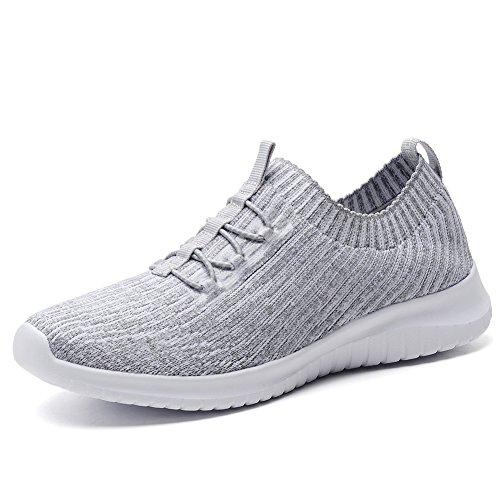
When searching for the best shoes to wear without socks, comfort and breathability are paramount, and these slip-on sneakers definitely lean into those aspects. The initial impression is one of lightness; they feel like they could easily be packed for a vacation without adding much weight to your luggage. The flexible sole offers a decent amount of give, making them suitable for casual strolls and errands around town.
I appreciated the ease of slipping these on and off, which is a huge plus for sockless wear. The knit upper provides a good amount of ventilation, allowing air to circulate, which helps prevent that clammy feeling that can arise with closed-toe shoes. The cushioning underfoot is adequate for short periods of wear, providing a soft landing with each step.
However, I did notice that the arch support is fairly minimal. While this might be perfectly fine for some, those who require more substantial arch reinforcement might find their feet tiring out after extended periods. The material, while breathable, also feels a bit thin, which makes me question its long-term durability for very frequent or vigorous use.
Real-Life Usage Scenario: These shoes were a go-to for a weekend of light travel. I wore them for a leisurely walk through a farmers market and for a quick trip to the grocery store. The convenience of just sliding them on was a major win, and my feet stayed reasonably cool. They’re ideal for those days when you’re in and out of the car frequently and don’t want to fuss with socks.
Ultimately, these are a solid option for casual, low-impact activities where the convenience of sockless wear is a priority. They excel at being easy to manage and providing a light feel, but they won’t be the first choice for long hikes or for individuals needing significant foot support.
Pros
- Extremely lightweight and easy to pack.
- Very convenient slip-on design for quick wear.
- Good breathability keeps feet feeling airy.
Cons
- Lacks substantial arch support for extended wear.
- The thin material might not hold up to very frequent or intense use.
- Cushioning is adequate but not plush.
2. Women’s Walking Sock Shoes

The allure of sock shoes is their ability to mimic the feeling of wearing socks while offering the protection of footwear, and these certainly deliver on that promise. The elastic knit upper hugs the foot snugly, providing a secure and sock-like fit that feels almost custom-made. I was impressed by how the material stretched and conformed without feeling constricting, which is crucial for all-day comfort.
The breathability factor is quite high here, thanks to the knit construction. My feet felt well-ventilated even during a moderately warm afternoon walk. The sole offers a good balance of flexibility and a bit of cushioning, making them comfortable for navigating sidewalks and smooth trails. The slip-on nature makes them incredibly convenient for everyday wear.
However, the primary drawback I encountered is the lack of any real structure or significant shock absorption. While they feel great, they don’t offer much in the way of impact protection, which could be an issue on harder surfaces or for those with foot conditions that require more cushioning. The thin sole also means you’ll feel more of the ground beneath you, which might not be ideal for everyone.
Who is this specifically for? These are perfect for individuals who prioritize a barefoot feel with a touch of protection, or for those who often wear sandals but need something a bit more substantial for cooler weather or slightly rougher terrain. They’re also excellent for travel, as they take up minimal space and are incredibly easy to slip on and off at security checkpoints or when entering homes.
Overall, these sock shoes are a fantastic choice for casual outings and light activities where a natural foot feel is desired. They provide excellent comfort and breathability, but those seeking robust support or substantial cushioning might want to look elsewhere.
Pros
- Extremely comfortable, sock-like fit.
- High level of breathability.
- Very lightweight and packable.
- Easy slip-on design.
Cons
- Minimal shock absorption and cushioning.
- Lack of structural support.
- The thin sole means more ground feel, which can be a con for some.
3. Barefoot Water Shoes for Women Men

When considering the best shoes to wear without socks, especially for activities involving water, functionality and protection are key. These barefoot water shoes excel in providing a barrier between your feet and the elements, whether it’s a rocky beach or a slippery pool deck. The quick-drying material is a standout feature, meaning you won’t be left with soggy shoes after a swim.
The grip on these shoes is surprisingly good, offering confidence on wet surfaces. I tested them on a variety of textures, from smooth tiles to uneven sand, and they held their ground well. The snug fit, achieved through a combination of elastic and a drawstring closure, ensures they stay on your feet during movement. The sole is thin enough to allow for a natural foot movement, aligning with the barefoot philosophy.
My main critique is that the insole, while removable, offers virtually no cushioning. This is characteristic of many barefoot shoes, but it means you’ll feel every pebble and twig underfoot. While this is intended to enhance ground feel, it can become uncomfortable on longer stretches of rough terrain. Also, the elastic around the ankle, while providing a secure fit, can sometimes chafe slightly after prolonged wear, especially if they’re not perfectly adjusted.
Who is this specifically for? These are ideal for anyone who enjoys water sports, beachcombing, or simply wants to protect their feet from rough surfaces in and around water. They’re perfect for kayaking, paddleboarding, or even just walking on a hot beach where bare feet would burn. They are not for individuals seeking supportive walking shoes for long distances on hard pavement.
These water shoes are a robust choice for their intended purpose, offering excellent protection and grip in wet environments. They allow for a natural foot motion but come with the expected trade-off of minimal cushioning and potential for minor ankle irritation.
Pros
- Excellent for water activities and protecting feet.
- Good grip on wet and varied surfaces.
- Quick-drying material.
- Secure, adjustable fit.
Cons
- Very minimal cushioning; you feel the ground intensely.
- Potential for ankle chafing if not adjusted properly.
- Not suitable for long-distance walking on hard surfaces.
4. Barefoot Shoes Women Casual Sneakers
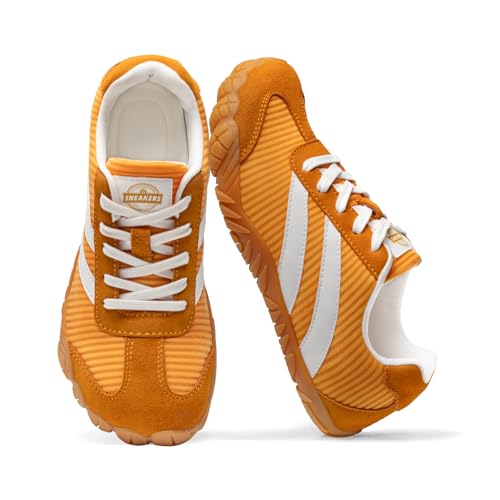
The concept of “zero drop” and wide toe boxes is central to the appeal of these barefoot casual sneakers, aiming to allow your feet to function as naturally as possible. The immediate sensation is one of spaciousness in the toe area; your toes have ample room to splay, which feels incredibly liberating compared to traditional, tapered shoes. The flat sole, with no heel elevation, promotes a more balanced posture.
I found the flexibility of the sole to be excellent, allowing my foot to bend and articulate with ease. The upper material is breathable, contributing to a comfortable experience even when worn without socks. These shoes really do encourage a more grounded and connected feeling to the surface you’re walking on, which can be quite pleasant for short to moderate distances.
However, the transition to zero-drop and a wide toe box can be a significant adjustment for those accustomed to conventional footwear. The lack of cushioning means that every unevenness in the pavement is felt, which can be jarring initially. I also noticed that the tread pattern, while offering decent grip on dry surfaces, can feel a bit slick on polished or wet floors, requiring a bit more caution. (See Also: Best Running Shoes For Gym)
Real-Life Usage Scenario: I wore these for a day of running errands and a casual lunch. The wide toe box was a revelation for my feet, which often feel cramped in other shoes. Walking around the mall and navigating different store floors felt natural and uninhibited. They’re perfect for someone who wants to give their feet more freedom throughout the day, especially if they spend a lot of time on their feet but not necessarily engaging in high-impact activities.
These barefoot sneakers are a strong contender for those seeking to embrace a more natural foot posture and movement. The generous toe box and zero-drop design are significant benefits, but the minimal cushioning and potential for reduced grip on slick surfaces are important considerations for potential buyers.
Pros
- Extremely spacious toe box allows for natural toe splay.
- Zero-drop sole promotes balanced posture.
- Flexible sole allows for natural foot articulation.
- Breathable upper for comfortable sockless wear.
Cons
- Minimal cushioning means feeling all ground imperfections.
- Can require a significant adjustment period for new users.
- Tread can be less effective on slick or wet surfaces.
5. Women’s Mesh Flats Shoes

Mesh flats are often a go-to for a reason: they strike a balance between being a closed-toe shoe and offering a good amount of ventilation. These particular flats feature a mesh upper that allows air to flow freely, making them a decent option for sockless wear on warmer days. The slip-on design is, of course, incredibly convenient, making them easy to pair with a quick outfit.
The overall feel of these flats is light, and they offer a bit of flexibility in the sole, which is appreciated. The cushioning underfoot is minimal, but for flats, this is often expected. They provide a basic level of comfort for short periods, such as walking to and from your car or a short stroll. The black color is versatile and can be dressed up or down, adding to their appeal as a casual footwear option.
My main annoyance with these flats was the stiffness of the heel counter. While the rest of the shoe is quite pliable, the back of the shoe felt a bit rigid, and I worried about potential rubbing or blisters after extended wear, especially without socks. The mesh, while breathable, also feels like it might snag easily on rough surfaces, which could compromise its appearance over time.
Who is this specifically for? These flats are best suited for individuals who need a simple, breathable shoe for light, everyday activities where a bit of style is desired. They’re great for office environments with a casual dress code, or for running errands where you want something more substantial than a sandal but don’t want to deal with socks. They are not ideal for long walks or for those who require significant arch support or cushioning.
These mesh flats offer a breathable and convenient option for casual wear without socks. Their versatility and ease of use are definite positives, but the rigid heel and potentially delicate mesh material are points to consider before purchasing.
Pros
- Good breathability due to mesh upper.
- Easy slip-on design for convenience.
- Versatile black color.
- Lightweight feel.
Cons
- Stiff heel counter can cause rubbing.
- Mesh material may be prone to snagging.
- Minimal cushioning and support.
6. Womens Walking Shoes Comfortable Wide Diabetic Shoes

As someone who prioritizes comfort and foot health, I was keen to test these zero-drop walking shoes. The adjustable nature is a standout feature, allowing for a truly personalized fit, which is crucial for anyone dealing with foot swelling or specific orthopedic needs. I found the initial feel to be quite supportive, with a generous toe box that doesn’t constrict. The zero-drop design encourages a more natural gait, and I noticed a reduction in strain on my knees during longer walks.
However, while the adjustability is excellent, the velcro straps, while functional, do feel a bit utilitarian and could be a point of aesthetic critique for some. They also tend to attract lint and pet hair quite readily, requiring frequent cleaning to maintain their appearance. The sole offers good traction on pavement and packed trails, but I wouldn’t recommend them for highly technical terrain where more aggressive tread is necessary.
Real-Life Usage Scenario: I took these on a day trip to a local botanical garden, which involved a lot of walking on paved paths and some gentle inclines. The adjustability was perfect for accommodating the slight swelling that occurred later in the day. I could easily loosen the straps without having to take the shoes off, and the cushioned footbed made the several hours of walking feel surprisingly effortless. They provided ample support without feeling bulky or cumbersome, making them a solid choice for extended periods on my feet.
These shoes are ideal for individuals seeking maximum comfort and adjustability, particularly those with diabetic concerns or wider feet. The emphasis on a natural foot position is a significant benefit for everyday wear. On the flip side, if you’re looking for a shoe with a more refined or athletic aesthetic, or if you anticipate needing superior grip on uneven surfaces, these might not be your top pick.
Pros
- Highly adjustable for a custom fit.
- Generous toe box for comfort.
- Promotes a natural gait with zero-drop design.
- Good support for extended wear.
Cons
- Velcro straps can look utilitarian and attract lint.
- Traction is best suited for smooth surfaces.
- Aesthetic might not appeal to everyone.
7. Women’s Barefoot Shoes Walking Sports

When it comes to finding the best shoes to wear without socks, a truly minimalist design like these barefoot shoes is often the goal. I appreciated the immediate connection to the ground they provide, which is fantastic for proprioception and strengthening foot muscles. The zero-drop sole is exactly as advertised, allowing my feet to sit flat and naturally. The upper material is surprisingly breathable, keeping my feet cool even during a brisk morning jog. They feel incredibly lightweight, almost like an extension of your own foot.
My main reservation with these is the lack of any significant cushioning or arch support. While this is the point of barefoot shoes, it means they are absolutely not for everyone. If your feet are accustomed to heavily cushioned footwear, the transition could be jarring, and I did experience some mild discomfort on harder surfaces after prolonged periods. Also, the thin sole, while great for ground feel, means small pebbles and sharp debris can be felt quite distinctly, which can be an annoyance.
Who is this specifically for? These are perfect for individuals who are already familiar with or actively seeking the benefits of barefoot footwear. Think runners looking to improve their form, hikers who want to feel the trail, or anyone aiming to rebuild foot strength and improve balance. They are also excellent for casual wear if you enjoy the sensation of being closer to the earth. However, if you have foot conditions that require significant support or cushioning, or if you primarily walk on very rough or debris-strewn surfaces, you should definitely look elsewhere.
The flexibility of the sole is remarkable, allowing for natural foot movement with every step. The simple construction means minimal points of friction, which is a huge plus for sockless wear. However, the very nature of their minimalist design means they offer little protection from impact or sharp objects, so careful consideration of your walking environment is essential.
Pros
- Excellent ground feel and proprioception.
- Promotes natural foot movement and strengthening.
- Very lightweight and breathable.
- Ideal for those seeking a minimalist experience.
Cons
- Minimal cushioning can be uncomfortable on hard surfaces.
- Little protection from sharp debris.
- Not suitable for those needing significant foot support.
- Transition period may be required for some users.
8. Womens Walking Shoes Slip on Running Shoes

I tested these slip-on walking shoes with the intention of finding a convenient option for quick errands and gym sessions. The slip-on design is undeniably convenient; pulling them on and off is a breeze, making them a go-to for when you’re in a hurry. The lightweight construction is also a major plus, and I found them to be very comfortable for moderate activity. The overall cushioning felt adequate for walking and light workouts, providing a decent level of shock absorption.
My primary critique lies with the sole’s grip. While sufficient for indoor gym floors and paved sidewalks, I noticed a distinct lack of confidence when encountering slightly damp surfaces or gravelly paths. The material of the upper, while breathable, also feels a bit flimsy, and I question its long-term durability under strenuous use. The elasticated opening, while aiding the slip-on function, can sometimes feel a touch restrictive if your ankles are on the wider side.
Real-Life Usage Scenario: I wore these for a typical Saturday morning routine: walking the dog around the neighborhood, a quick trip to the grocery store, and then a light circuit training session at the gym. The ease of slipping them on for the dog walk was fantastic. At the grocery store, they were comfortable enough for an hour of walking. During my gym workout, they performed adequately for basic exercises, but I wouldn’t use them for anything involving significant lateral movement or high impact jumps due to the sole’s limitations.
These shoes are a solid choice for casual wear, light gym activities, and situations where ease of access is paramount. If you value speed and simplicity in getting your shoes on and off, you’ll appreciate them. However, if you’re an avid runner who needs superior traction, a serious athlete requiring robust support for varied movements, or someone who frequently walks on unpredictable outdoor terrain, you might find these a bit lacking.
Pros
- Extremely convenient slip-on design.
- Lightweight and comfortable for casual wear.
- Adequate cushioning for moderate activity.
- Easy to put on and take off.
Cons
- Limited traction on wet or gravelly surfaces.
- Upper material may lack long-term durability for intense use.
- Elastic opening can feel restrictive for some.
- Not ideal for high-impact or varied athletic movements.
9. Womens Walking Shoes Wide Diabetic Shoes

These sneakers aim to blend the comfort of diabetic-friendly footwear with the natural feel of barefoot shoes, and for the most part, they succeed. The adjustable nature, utilizing what I assume are hidden velcro or lacing systems, allows for a very customized fit, which is fantastic for accommodating swelling or bunions. I found the toe box to be exceptionally roomy, providing ample space for toes to splay naturally. The zero-drop sole is present, encouraging a grounded and balanced posture.
However, while the ‘barefoot’ aspect is mentioned, I felt there was a touch more cushioning than a true barefoot shoe, which might be a pro for some but a con for purists seeking that absolute ground connection. The material, while breathable, has a slightly synthetic feel that wasn’t as pleasant against bare skin as I’d hoped, leading to a bit of clamminess after extended wear. The styling is quite utilitarian, which is functional but not exactly fashion-forward. (See Also: Best Brooks Everyday Shoes)
Who is this specifically for? This shoe is a fantastic option for individuals who need wide, adjustable footwear due to medical conditions like diabetes, or those experiencing foot pain and seeking a more natural gait. It’s also suitable for people who are transitioning to minimalist footwear but still desire a bit of protective cushioning. If you prioritize comfort, adjustability, and a wide toe box above all else, these will likely be a great fit. Conversely, if you’re an experienced barefoot shoe wearer looking for the most minimalist, zero-cushion experience, or if you’re seeking a stylish sneaker for social outings, these might not be the ideal choice.
The overall construction feels sturdy, and the sole offers a good compromise between ground feel and protection. I appreciated the ease with which I could modify the fit throughout the day. The main drawback is that the synthetic upper, while functional, doesn’t offer the most premium feel against bare feet, which is a minor annoyance in an otherwise comfortable shoe.
Pros
- Highly adjustable for a personalized fit.
- Very wide toe box for natural toe splay.
- Zero-drop sole promotes natural posture.
- Offers a balance of cushioning and ground feel.
Cons
- Synthetic upper material can feel less premium against bare skin.
- May have more cushioning than true barefoot shoes.
- Styling is functional rather than fashionable.
- Can feel a bit clammy after long wear.
10. Men’s Amphibious Water Shoes

I took these amphibious water shoes on a recent trip that involved a mix of hiking near a river and actual water activities. The primary benefit is their versatility; they performed admirably both on land and in the water. The quick-drying mesh upper is a huge advantage, preventing that waterlogged, heavy feeling that plagues many casual shoes when wet. I found the sole provided surprisingly good traction on slippery rocks and wet pavement, offering a decent sense of security.
However, the insole, while removable, is quite basic and lacks any significant arch support. After a few hours of walking on dry land, I definitely felt a need for more cushioning. While they are designed for water, the drainage ports, while functional, can sometimes allow small pebbles or sand to enter, which can be irritating against bare feet. The overall construction, while robust for water use, feels a bit stiff when breaking them in on dry land.
Real-Life Usage Scenario: We were exploring a state park with a waterfall. I wore these shoes for the hike to the waterfall, which involved some muddy patches and uneven terrain. When we reached the waterfall, I was able to walk directly into the water to get a closer look without changing shoes. They provided good grip on the submerged rocks, and the quick-drying nature meant that by the time we finished our hike back to the car, my feet were already mostly dry. They were also comfortable enough for a casual lunch afterwards.
These shoes are an excellent choice for anyone who anticipates needing footwear that can transition between land and water, such as kayakers, paddleboarders, or hikers who frequently cross streams. If you prioritize quick drying and decent traction in wet conditions, these are a solid bet. On the other hand, if you’re looking for a dedicated hiking shoe with superior ankle support and cushioning for long dry-land treks, or if you need a casual shoe for extended wear without any water exposure, these might not be the best fit.
Pros
- Excellent versatility for land and water use.
- Quick-drying mesh upper.
- Good traction on slippery surfaces.
- Durable construction for water activities.
Cons
- Basic insole lacks arch support for extended dry-land wear.
- Drainage ports can let in small debris.
- Stiff feel during the break-in period on dry land.
- Not ideal for long, purely dry-land hiking.
Comparison Table
| Product Name | Upper Material | Sole Type | Closure Type |
| Women’s Slip On Walking Shoes | Knit | Rubber | Slip-On |
| Women’s Walking Sock Shoes | Elastic Knit | Rubber | Slip-On |
| Barefoot Water Shoes for Women Men | Mesh/Neoprene | Rubber | Slip-On |
| Barefoot Shoes Women Casual Sneakers | Knit/Mesh | Rubber | Lace-Up/Slip-On |
| Women’s Mesh Flats Shoes | Mesh | Rubber | Slip-On |
| Womens Walking Shoes Comfortable Wide Diabetic Shoes | Mesh/Synthetic | Rubber | Adjustable Strap |
| Women’s Barefoot Shoes Walking Sports | Knit/Mesh | Rubber (Zero Drop) | Lace-Up |
| Womens Walking Shoes Slip on Running Shoes | Knit | Rubber | Slip-On |
| Womens Walking Shoes Wide Diabetic Shoes | Mesh/Synthetic | Rubber (Zero Drop) | Adjustable Strap |
| Men’s Amphibious Water Shoes | Mesh/Neoprene | Rubber | Slip-On |
Frequently Asked Questions
What Are the Best Types of Shoes for Wearing Without Socks?
Loafers, boat shoes, and espadrilles are excellent choices. Canvas sneakers also work well. Look for shoes with breathable materials. They should have soft, seamless interiors. This prevents irritation and blisters.
Moccasins and certain slide sandals are also good options. Ensure they have moisture-wicking linings. Good arch support is beneficial. Avoid shoes with rough stitching or stiff insoles. These can cause discomfort without socks.
Can Wearing Shoes Without Socks Cause Foot Odor?
Yes, wearing shoes without socks can increase the risk of foot odor. Your feet sweat naturally. Without socks to absorb moisture, sweat can accumulate inside the shoe. This creates a damp environment. Bacteria thrive in this warmth and moisture. They break down sweat and dead skin cells. This process releases unpleasant odors.
To combat this, choose shoes with breathable materials. Look for antimicrobial linings. Ensure good ventilation. Clean your shoes regularly. Consider using foot powders or sprays. Proper foot hygiene is also essential. Wash and dry your feet thoroughly.
How Do I Prevent Blisters When Wearing Shoes Without Socks?
Preventing blisters involves choosing the right shoes. Opt for shoes with smooth, seamless interiors. This reduces friction against your bare skin. Ensure the shoe fits well. It should not be too tight or too loose. A snug but comfortable fit is key.
Consider shoes with moisture-wicking properties. These help keep your feet dry. Dry feet are less prone to blisters. If you’re breaking in new shoes, wear them for short periods initially. Gradually increase the wear time. Address any hot spots immediately.
Are There Health Risks Associated with Wearing Shoes Without Socks?
The primary health risks involve increased potential for foot odor and fungal infections. Without socks to absorb sweat, the shoe interior can become a breeding ground for bacteria and fungi. This can lead to athlete’s foot or other skin irritations. Blisters can also develop more easily due to increased friction.
However, these risks can be mitigated. Choose shoes made from breathable, antimicrobial materials. Maintain good foot hygiene by washing and drying your feet thoroughly. Clean your shoes regularly. Ensure proper ventilation for your footwear. Addressing these points minimizes potential health concerns.
How Often Should I Clean Shoes Worn Without Socks?
You should clean shoes worn without socks more frequently than those worn with socks. Aim for a light cleaning after every few wears. This typically means once a week or every other week, depending on usage and environmental conditions.
For a light cleaning, wipe the interior with a damp cloth. Use a mild soap if necessary. Allow the shoes to air dry completely. For deeper cleaning, follow the manufacturer’s instructions. Regular cleaning helps prevent odor and bacteria buildup. It also extends the life of your shoes.
Can I Wear Athletic Shoes Without Socks?
It is generally not recommended to wear most athletic shoes without socks. Athletic shoes are designed with specific features that work best with socks. Socks provide cushioning and prevent friction during high-impact activities. They also absorb sweat effectively.
However, some very specific types of athletic shoes might be designed for sockless wear. These often have specialized seamless linings and advanced moisture-wicking technology. For general training or running, always wear appropriate athletic socks. This protects your feet and enhances performance.
What Should I Do If My Feet Sweat a Lot When Wearing Shoes Without Socks?
If you experience excessive sweating, prioritize shoes with superior breathability and moisture-wicking capabilities. Look for natural materials like canvas or perforated leather. Opt for linings made from bamboo or advanced synthetic blends designed to pull moisture away from the skin.
In addition to shoe choice, consider using antiperspirant foot sprays or powders. Ensure your feet are completely dry before putting on shoes. Allow your shoes to air out thoroughly between wears. Regular cleaning of the shoe’s interior is also crucial for managing moisture and odor.
Final Verdict
For ultimate sockless comfort and versatility, opt for high-quality leather loafers with breathable, moisture-wicking linings and a supportive footbed. These shoes offer a sophisticated look and are designed for direct foot contact, minimizing irritation and odor. Their durable construction and ease of cleaning make them a practical choice for everyday wear, ensuring your feet stay comfortable and fresh throughout the day.


