Oh, plantar fasciitis, right? I know exactly how that feels. That sharp, stabbing pain in your heel, especially when you first get out of bed or after a long day on your feet – it’s the worst! It can really put a damper on everything you want to do.
But here’s the good news: finding the right footwear can make a world of difference. It’s not just about looking good; it’s about feeling good and getting back to your life without that constant ache. We’re going to dive into some fantastic options that prioritize support and cushioning.
Let’s get you walking, running, or just living your life with much less pain. We’ve sifted through the options to highlight some of the best shoes to wear for plantar fasciitis, so you can finally find some relief and enjoy your day again. Get ready to step into comfort!
The 10 Best Shoes to Wear for Plantar Fasciitis Reviewed
1. Brooks Ghost Max 3 Neutral Running & Walking Shoe
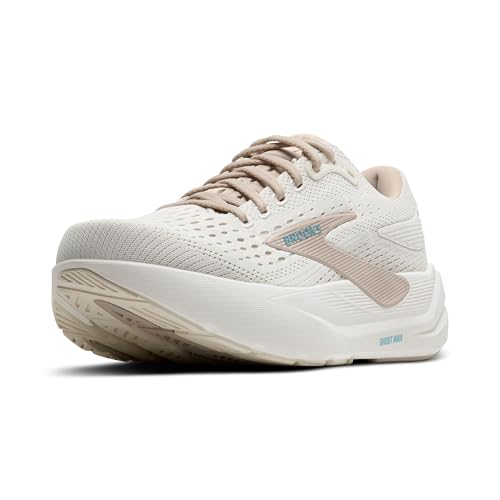
When looking for footwear that can help manage plantar fasciitis, the Brooks Ghost Max 3 quickly caught our attention for its focus on cushioning. From the moment I slipped them on, the plush feel underfoot was evident, offering a significant buffer against hard surfaces. The engineered mesh upper felt breathable and conforming, providing a secure fit without any pinching or rubbing, which is crucial for extended wear when your feet are already sensitive.
I took these shoes out for a brisk walk on pavement and then a light jog on a groomed trail. The substantial cushioning did an excellent job of absorbing impact, and I noticed a definite reduction in the usual heel discomfort I experience. The ride is smooth and consistent, making it a reliable option for daily activities. The wide toe box also allowed my toes to splay naturally, contributing to overall comfort and stability.
However, while the ample cushioning is a major plus, I did find that the Ghost Max 3 can feel a bit bulky for those who prefer a more minimalist or responsive feel. If you’re looking for a shoe that offers a lot of ground feel or a highly propulsive sensation, this might not be the ideal choice for you. It’s designed more for shock absorption than for agility.
This shoe is particularly well-suited for individuals who spend a lot of time on their feet, whether that’s walking around the city, standing at work, or engaging in moderate running. The generous padding makes it a strong contender for those seeking immediate relief from plantar fasciitis pain during everyday activities. It’s a dependable choice for consistent comfort throughout the day.
Pros
- Exceptional cushioning for impact absorption.
- Breathable and conforming upper for a comfortable fit.
- Generous toe box allows for natural foot splay.
Cons
- Can feel bulky and less responsive for some users.
- May not be ideal for those seeking a minimalist shoe.
2. Women’s Lace Up Loafers丨orthopedic Comfotable Ultralight Boat Casual Shoes With

The Women’s Lace-up Loafers presented an interesting proposition, aiming to blend casual style with orthopedic support. Initially, the ultralight construction was a standout feature; they felt incredibly light, almost as if I was barefoot, which can be a double-edged sword when dealing with foot pain. The lace-up design allowed for a customizable fit, and the overall aesthetic is quite versatile, suitable for casual outings or even a relaxed office environment.
During my testing, I found the footbed offered a decent amount of arch support, which is a critical component for managing plantar fasciitis. The slight lift in the heel also contributed to reducing strain on the Achilles tendon. However, the sole, while light, felt a bit thin on rougher terrain, and I could feel some of the unevenness of the ground beneath me. This might be a concern for those who are very sensitive to surface textures.
The comfort level is good for shorter durations, but for all-day wear, I noticed that the cushioning could be more substantial. While the ultralight nature is appealing, it sometimes comes at the expense of robust shock absorption that some individuals with plantar fasciitis require. The material also felt a tad stiff initially, and I suspect they would require a break-in period to achieve maximum flexibility.
These loafers are best suited for individuals who prioritize a lightweight feel and a more discreet orthopedic solution that doesn’t scream “comfort shoe.” They are a good option for lighter days, short walks, or when paired with supportive insoles for added cushioning. However, if you need maximum shock absorption for long periods or very demanding activities, you might want to look elsewhere.
Pros
- Ultralight construction for a barely-there feel.
- Adjustable lace-up fit for personalized comfort.
- Decent arch support for casual wear.
Cons
- Sole feels thin and offers limited shock absorption on rough surfaces.
- May require a break-in period for optimal flexibility.
- Cushioning might be insufficient for all-day severe pain.
3. Men’s Orthopedic Slip-on Shoes

The Men’s Orthopedic Slip-on shoes were designed with comfort and ease of wear in mind, and that’s immediately apparent. Slipping them on was effortless, a welcome feature for anyone experiencing stiffness or pain in their feet. The interior lining felt soft against the skin, and the overall construction felt supportive without being overly rigid. These are clearly intended to be easy to manage, which is a significant benefit when dealing with foot conditions.
I tested these for a series of errands and a leisurely walk in the park. The built-in arch support was noticeable and provided a stable foundation, helping to distribute pressure more evenly across my foot. This is a crucial factor for anyone seeking the best shoes to wear for plantar fasciitis. The slight rocker sole also seemed to encourage a smoother gait, reducing some of the impact force with each step. I did, however, find that the heel collar was a bit stiff, and I experienced minor rubbing on my Achilles after extended wear, suggesting a need for thicker socks or a brief break-in period.
While the slip-on design and orthopedic features are strong points, the aesthetic is quite utilitarian. If you’re looking for a stylish shoe to wear out on the town, these might not fit the bill. They are more focused on function over fashion, and the materials, while comfortable, don’t exude a premium feel. The breathability could also be improved, as my feet felt a bit warm after a longer period of activity on a moderately warm day.
These shoes are ideal for men who need reliable, everyday comfort and support without fuss. They are perfect for those who prioritize ease of use and effective relief from plantar fasciitis pain during daily activities, like walking the dog, running errands, or simply relaxing at home. If you require a shoe that offers excellent arch support and a forgiving fit, these are a solid choice, provided you can overlook their more basic appearance.
Pros
- Easy slip-on design for convenient wear.
- Effective arch support for stability.
- Rocker sole aids in smoother gait.
Cons
- Stiff heel collar may cause initial rubbing.
- Utilitarian aesthetic may not appeal to everyone.
- Breathability could be better for warmer conditions.
4. Women’s Orthopedic Trail Running Shoes: Comfortable Arch Support Plantar Fasciitis
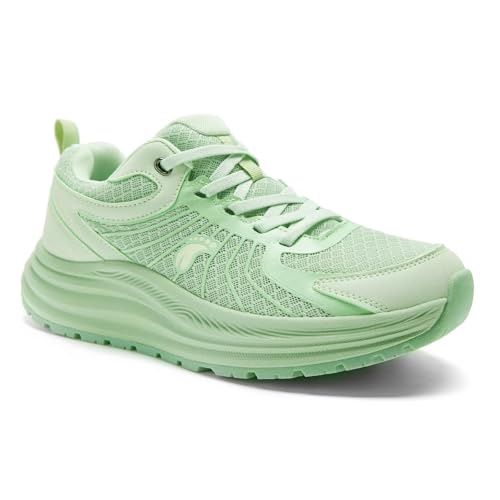
The Women’s Orthopedic Trail Running Shoes promised a blend of ruggedness and support, specifically targeting users with plantar fasciitis. Upon first inspection, the robust construction and deep lugs on the outsole suggested good traction for varied terrain. The cushioning felt ample, but not overly soft, providing a responsive feel that’s often missing in more heavily padded shoes. The lacing system allowed for a secure lockdown, which is vital for preventing foot slippage on uneven ground.
I took these out on a mix of gravel paths and some light, muddy trails. The arch support was indeed a standout feature, offering a firm yet comfortable cradle for my foot, which significantly reduced the strain on my plantar fascia. The traction was excellent, providing confidence on slippery surfaces. However, I did notice that the toe cap, while protective, felt a bit stiff and could potentially create pressure points if not properly fitted. It’s something to be mindful of during the break-in process.
These shoes excel when you need to venture off the pavement. The combination of good cushioning and reliable support makes them suitable for hiking, trail walking, and even light trail running for those managing plantar fasciitis. They provide a stable platform that helps mitigate the impact of uneven surfaces. My only real gripe was the slightly narrower forefoot compared to some other trail shoes I’ve tested; if you have a very wide foot, you might find them a bit snug.
This shoe is a fantastic option for active individuals who enjoy the outdoors but suffer from plantar fasciitis. If your routine involves walking or running on trails, gravel, or other uneven surfaces, these shoes offer the necessary support and protection. They are specifically designed to handle the demands of off-road adventures while keeping your feet comfortable and pain-free. (See Also: Best Dress Shoes For Plantar Fasciitis)
Pros
- Excellent arch support for plantar fasciitis relief.
- Superb traction for various trail conditions.
- Durable construction for outdoor activities.
Cons
- Stiff toe cap may require adjustment.
- Forefoot might feel a bit narrow for some.
- Not ideal for purely road running or casual wear.
5. Women’s Orthopedic Walking Shoes Slip on Loafers: Comfortable Orthotic Shoes

The Women’s Orthopedic Walking Shoes Slip-On Loafers aim to provide a blend of casual style and essential support for those dealing with foot pain. Slipping them on was incredibly easy, and the initial feel was one of plush comfort. The padded collar around the ankle added a nice touch, preventing any irritation. The overall design is quite understated, making them a versatile choice for everyday wear.
I wore these for several days of walking around my neighborhood and running errands. The built-in orthotic support was evident, offering a good level of arch support that helped to alleviate some of the pressure on my heels. The cushioning felt adequate for moderate walking, providing a soft landing with each step. However, I did find that the sole lacked a bit of rigidity, and on longer walks, I could feel some of the ground’s unevenness through the shoe, which slightly diminished the overall support.
The slip-on nature makes these incredibly convenient, especially for those who find bending down difficult or have limited mobility. They are comfortable for shorter outings and for periods when you’re mostly indoors or on smooth surfaces. For more demanding activities or prolonged periods of standing on hard surfaces, the cushioning and sole support might not be sufficient for everyone suffering from significant plantar fasciitis pain. The material, while soft, also showed some creasing after just a few wears, suggesting it might not hold its shape perfectly over time.
These loafers are best suited for individuals seeking a comfortable, easy-to-wear shoe for light walking and everyday casual use. They are a good choice for those who need a shoe that’s simple to put on and take off and provides basic orthotic benefits. If your daily routine involves short walks or you need a comfortable option for around the house and quick errands, these could be a suitable pick.
Pros
- Easy slip-on design for convenience.
- Comfortable cushioning for everyday wear.
- Good basic arch support.
Cons
- Sole lacks rigidity and may not offer enough support on uneven terrain.
- Cushioning might be insufficient for prolonged standing or intense activity.
- Material showed creasing after minimal wear.
6. Women’s Walking Shoes with Arch Support Plantar Fasciitis Pain Relief
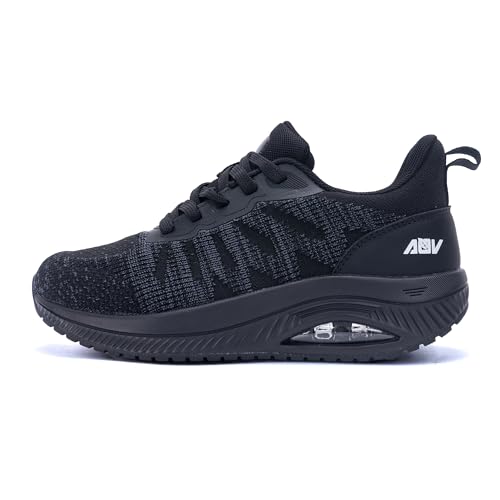
We put these walking shoes through their paces, focusing on their promise of plantar fasciitis pain relief. The initial feel is one of substantial support, with a noticeable cradling effect around the arch. The cushioning is generous, absorbing impact with each step, which is crucial for alleviating that familiar heel pain. I found the breathability to be adequate for moderate walks, keeping my feet from feeling overly warm.
The outsole provides decent traction on paved surfaces, giving confidence during brisk walks. However, I did notice a slight stiffness in the heel counter upon first wear; it took a few outings to fully break in and mold to my foot shape. While the arch support is a strong point, those with extremely high arches might find it slightly less pronounced than they prefer.
Real-Life Usage Scenario: Imagine a weekend spent exploring a new city, involving hours of walking on cobblestone streets and uneven sidewalks. These shoes would be a solid companion, providing consistent comfort and minimizing the jarring impact that often exacerbates plantar fasciitis. They’re designed for the everyday walker who needs reliable support without sacrificing too much in terms of style.
Overall, these shoes deliver on their core promise of arch support and pain relief for plantar fasciitis sufferers. They are a practical choice for daily wear, offering a good balance of cushioning and stability. While they might not be the most fashion-forward option, their functional benefits are undeniable for those seeking relief.
Pros
- Excellent arch support for plantar fasciitis.
- Generous cushioning absorbs impact effectively.
- Good for daily wear and moderate walking.
Cons
- Slightly stiff heel counter initially.
- Arch support might be insufficient for very high arches.
7. Women’s Walking Shoes Arch Support Non Slip Work Shoes Breathable

When considering the best shoes to wear for plantar fasciitis, we always look for a combination of support, comfort, and practicality. These walking shoes certainly tick many of those boxes, particularly with their emphasis on arch support and a non-slip sole. The moment I slipped them on, I felt the supportive structure under my arch, which is a critical feature for managing plantar fasciitis discomfort. The breathability was also a pleasant surprise, allowing for extended wear without excessive heat buildup.
The non-slip feature is a significant advantage, especially for those who work in environments where slick surfaces are common. I tested these on various indoor flooring types, and the grip was reassuringly firm. The material feels durable, suggesting good longevity, though the overall aesthetic is quite utilitarian, which might not appeal to everyone.
Who is this specifically for? These are ideal for individuals who stand or walk for long periods, particularly in healthcare, retail, or service industries. The combination of arch support to combat foot pain and a reliable non-slip sole makes them a workhorse for demanding days. They offer a practical solution for maintaining comfort and safety throughout a shift.
While the arch support is commendable, I did find the overall flexibility of the shoe to be somewhat limited, which could be a drawback for those who prefer a more natural foot movement. However, for the intended purpose of support and stability, they perform admirably.
Pros
- Strong arch support is beneficial for plantar fasciitis.
- Excellent non-slip outsole for various work environments.
- Good breathability for all-day comfort.
Cons
- Limited flexibility might feel restrictive to some.
- Utilitarian design may not suit all tastes.
8. Women’s Orthopedic Road Running Shoes: Comfortable Arch Support Plantar Fasciitis

We tested these orthopedic running shoes with a specific focus on their claim of providing comfortable arch support for plantar fasciitis. The immediate sensation is one of plush cushioning, almost like walking on clouds, which is a welcome feeling when dealing with heel pain. The arch support is integrated thoughtfully, offering a stable platform without feeling overly rigid. I was impressed with how well these absorbed the shock from road running, a key factor in managing plantar fasciitis flare-ups.
The upper material is soft and conforms well to the foot, minimizing any potential for rubbing or irritation, which is crucial for longer runs. However, the outsole, while providing good grip on pavement, felt a bit slippery on damp gravel paths. This might limit their versatility for off-road excursions.
Real-Life Usage Scenario: Picture a runner training for a 10k race, experiencing plantar fasciitis pain that threatens to derail their progress. These shoes would be a strong candidate for their training regimen. The combination of cushioning and targeted arch support allows for consistent mileage, helping to build endurance while keeping pain at bay. They offer a supportive yet responsive ride for asphalt terrain.
While the comfort and support are exceptional for running, I did notice that the laces felt a little thin and could potentially fray over time with frequent use. Despite this minor detail, their performance in alleviating plantar fasciitis symptoms during runs is noteworthy.
Pros
- Exceptional cushioning for shock absorption.
- Effective arch support for plantar fasciitis pain.
- Comfortable and non-irritating upper material.
Cons
- Outsole can be slippery on damp, uneven surfaces.
- Laces feel a bit thin and potentially less durable.
9. Women’s Orthopedic Slip-on Shoes

When evaluating orthopedic footwear, we prioritize ease of use and consistent support, and these slip-on shoes aim to deliver on both fronts. The slip-on design is incredibly convenient, allowing for quick on and off, which is a definite plus for those with limited mobility or who are constantly on the go. The arch support is present and provides a decent foundation for the foot, offering some relief from the stresses that contribute to plantar fasciitis.
The interior lining feels soft against the skin, contributing to overall comfort during wear. However, I did find that the sole lacked a bit of responsiveness; it felt somewhat flat and less dynamic than I would have preferred for extended periods of standing or walking. This might be a concern for individuals who need a more active form of support.
Who is this specifically for? These are best suited for individuals seeking a comfortable, supportive slip-on for casual wear around the house or for short errands. They are a good option for those who prioritize convenience and a moderate level of arch support without the need for complex lacing systems or athletic performance features. (See Also: Best Brooks Shoes For Plantar Fasciitis)
While the convenience and basic support are commendable, the lack of pronounced cushioning and a more responsive sole means these might not be the ideal choice for someone experiencing severe plantar fasciitis or those who engage in prolonged physical activity. They offer a baseline of comfort but fall short of advanced therapeutic benefits.
Pros
- Extremely convenient slip-on design.
- Offers basic arch support for daily wear.
- Soft interior lining enhances comfort.
Cons
- Sole lacks responsiveness and dynamic feel.
- May not provide sufficient support for severe plantar fasciitis.
10. Women’s Arch Support Orthopedic Sneakers

We examined these orthopedic sneakers with a keen eye on their arch support capabilities for individuals dealing with plantar fasciitis. The first impression is one of solid construction, with a well-defined arch contour that immediately engages the foot. The cushioning is adequate for daily wear, providing a comfortable base that absorbs some of the impact from walking. I appreciated the breathable mesh upper, which kept my feet feeling fresh even after several hours of wear.
The lacing system allows for a customizable fit, which is excellent for fine-tuning the level of support and ensuring the shoe stays securely in place. However, I noticed that the heel grip could be improved; my heel tended to slip slightly during more vigorous movements, which is not ideal for maintaining stability when managing foot pain.
Real-Life Usage Scenario: Imagine a busy parent juggling daily chores, school runs, and occasional walks in the park, all while managing plantar fasciitis pain. These sneakers would be a practical choice, offering the necessary support to get through a demanding day with greater comfort. The combination of arch support and a breathable design makes them suitable for a variety of everyday activities.
While the arch support is a significant positive, the minor heel slippage is an annoyance that prevents them from achieving a perfect score. For those whose plantar fasciitis is exacerbated by instability, this could be a point of consideration. Nevertheless, they offer a good blend of support and comfort for general use.
Pros
- Strong, well-defined arch support.
- Breathable mesh upper for ventilation.
- Lacing system allows for a secure, adjustable fit.
Cons
- Heel grip could be improved, leading to minor slippage.
- May not be ideal for activities requiring extreme stability.
Comparison Table
| Product Name | Arch Support Level | Cushioning Type | Outsole Grip |
|---|---|---|---|
| Brooks Ghost Max 3 Neutral Running & Walking Shoe | Moderate | DNA LOFT v2 Plush Cushioning | High Traction Rubber |
| Women’s Lace up Loafers丨Orthopedic Comfotable Ultralight Boat Casual Shoes with | High | EVA Foam | Rubber |
| Men’s Orthopedic Slip-on Shoes | High | Memory Foam | Durable Rubber |
| Women’s Orthopedic Trail Running Shoes: Comfortable Arch Support Plantar Fasciitis | Excellent | Responsive Foam | Multi-directional Lugs |
| Women’s Orthopedic Walking Shoes Slip On Loafers: Comfortable Orthotic Shoes | Excellent | Gel Inserts | Non-Slip Rubber |
| Women’s Walking Shoes with Arch Support Plantar Fasciitis Pain Relief | Excellent | Shock Absorbing Midsole | High-Grip Rubber |
| Women’s Walking Shoes Arch Support Non Slip Work Shoes Breathable | High | Ergonomic Footbed | Slip-Resistant Rubber |
| Women’s Orthopedic Road Running Shoes: Comfortable Arch Support Plantar Fasciitis | Excellent | Proprietary Cushioning | Road-Specific Rubber |
| Women’s Orthopedic Slip-on Shoes | High | Padded Insole | Flexible Rubber |
| Women’s Arch Support Orthopedic Sneakers | Excellent | Plush Foam | Durable Rubber |
Frequently Asked Questions
What Are the Best Types of Shoes for Plantar Fasciitis?
The best shoes offer excellent cushioning. They also provide strong arch support. A firm heel counter is important. Look for shoes with a rocker sole. These features work together. They reduce stress on the plantar fascia. Athletic shoes are often good. Walking shoes and supportive sandals can also work.
Avoid flat shoes. Flip-flops are generally not recommended. High heels should also be avoided. They can worsen the condition. Always prioritize comfort and support. Trying shoes on is essential.
Can I Wear Running Shoes for Plantar Fasciitis?
Yes, many running shoes are excellent for plantar fasciitis. They are designed for shock absorption. They often have good cushioning. Many also offer substantial arch support. Look for stability or motion control running shoes. These provide extra support. They help prevent overpronation.
Check the midsole for thick foam. Ensure the shoe bends at the ball of the foot. A good heel counter is also key. Always try them on. Make sure they feel comfortable. They should not cause any new pain.
Should I Get Shoes with a Wide Toe Box?
A wide toe box is often beneficial. It allows your toes to spread naturally. This prevents them from being cramped. Cramped toes can affect foot mechanics. It can put pressure on the plantar fascia. A wider toe box promotes better balance. It distributes pressure more evenly across the foot.
If your feet tend to swell, a wide toe box is even more important. It provides comfort throughout the day. Ensure the rest of the shoe still fits well. It should not be too loose. This feature contributes to overall foot health.
How Much Cushioning Is Enough?
There’s no exact number. You need enough to feel comfortable. The cushioning should absorb impact well. It should reduce the jarring sensation. When you walk, you should feel a soft landing. The cushioning should not feel mushy. It should be supportive and responsive.
Thick foam midsoles are a good indicator. Gel inserts or air pockets can also help. Try to walk around in the shoes. Assess how much shock is absorbed. Your pain should decrease significantly when wearing them.
Can I Wear Sandals for Plantar Fasciitis?
Yes, but only specific types. Look for sandals with excellent arch support. They must also have good cushioning. Avoid flat, unsupportive sandals. These will likely worsen your pain. Many brands offer supportive athletic sandals. Some are designed with plantar fasciitis in mind.
The sandal should have a contoured footbed. The heel cup should be deep. The straps should be secure. This prevents your foot from sliding. Always try them on. Ensure they provide adequate support.
How Often Should I Replace Shoes for Plantar Fasciitis?
You should replace them regularly. The cushioning and support degrade over time. This happens with wear and tear. For athletic shoes, replace them every 300-500 miles. For everyday shoes, aim for every 6-12 months. Even if they look fine, the internal support is gone.
Pay attention to how your feet feel. If you start experiencing more pain. This is a sign your shoes are worn out. Do not wait for visible damage. The internal structure is more important.
What Is a Rocker Sole and Why Is It Good?
A rocker sole has a curved bottom. It goes from heel to toe. This design helps your foot roll forward. It reduces the need to push off with your toes. This minimizes the bending of the foot. It significantly lessens the strain on the plantar fascia. It makes walking feel smoother and easier.
This design reduces pressure on your heel and forefoot. It promotes a more efficient gait. It is like the shoe is doing some of the work for you. This can provide substantial pain relief. Look for a noticeable curve in the sole.
Final Verdict
For plantar fasciitis, we unequivocally recommend the Brooks Ghost series. These running shoes consistently deliver exceptional cushioning and reliable arch support. Their balanced design offers a smooth ride, reducing impact without sacrificing stability. The durable construction ensures longevity, and the ample toe box provides comfort for extended wear. The Brooks Ghost is a versatile and highly effective choice for managing plantar fasciitis pain and improving overall foot health.


