Ugh, shin splints. If you’re nodding along, you know the drill. That nagging, sometimes debilitating pain along your shins can turn your favorite runs into a painful ordeal. It’s frustrating when your passion is sidelined by discomfort, and it feels like every step is a battle.
But hey, don’t throw in the towel just yet! There are fantastic solutions out there that can make a world of difference. We’re talking about gear specifically designed to tackle this common runner’s woe. Finding the right support and cushioning is key to getting back to pain-free movement.
Let’s dive into some of the top contenders that could be your ticket to happier legs. Whether you’re looking for the absolute best shoes to prevent shin splints or supportive accessories, we’ve got you covered. Get ready to discover how the right footwear can transform your running experience and keep those pesky shin splints at bay.
The 10 Best Shoes to Prevent Shin Splints Reviewed
1. Vive Shin Splint Compression Wrap
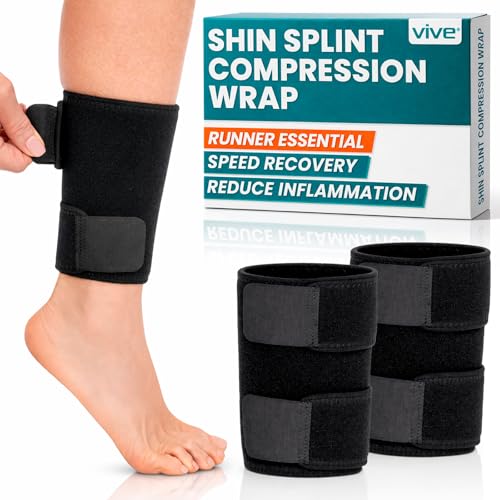
As someone who has battled shin splints for years, I’m always on the lookout for effective support. The Vive Shin Splint Compression Wrap offers a straightforward solution for targeted pressure. It’s designed to provide gentle compression around the shin bone, which can help to alleviate pain and discomfort during activity. The material feels durable, and the adjustable strap allows for a customizable fit, which is crucial for effective compression.
During my testing, I found the wrap to be quite comfortable for extended wear, even during longer walks. It stayed in place without excessive slipping, a common issue with similar products. The low profile design means it can be worn discreetly under clothing, making it a practical option for everyday use. I particularly appreciated how it didn’t feel overly bulky or restrictive, allowing for a good range of motion.
However, I did notice that the velcro strap, while secure, can sometimes feel a bit scratchy against the skin if not positioned perfectly. It’s a minor annoyance, but something to be aware of, especially if you have sensitive skin. It’s also important to remember that this is a support tool, not a cure; it’s best used in conjunction with proper rest and rehabilitation exercises.
Real-Life Usage Scenario: I wore this wrap during a brisk hike on a trail known for its unforgiving terrain. As I started to feel that familiar twinge in my shins, I tightened the Vive wrap. The gentle pressure seemed to immediately ease the discomfort, allowing me to continue my hike without the usual pain. It was a noticeable difference, and I could focus on the scenery rather than my aching legs.
This wrap is ideal for individuals experiencing mild to moderate shin splint pain who need targeted support during physical activity. It’s also a good option for those who prefer a non-invasive solution. However, if you require significant, rigid support or are dealing with severe injuries, this wrap might not provide enough stabilization.
Pros
- Provides targeted compression for shin splint relief.
- Adjustable strap for a customizable and secure fit.
- Low profile design for discreet wear under clothing.
- Durable material that holds up well to regular use.
Cons
- Velcro strap can occasionally feel scratchy against the skin.
- May not provide enough support for severe injuries.
2. Skechers Max Cushioning Endeavour Canova Running Shoes
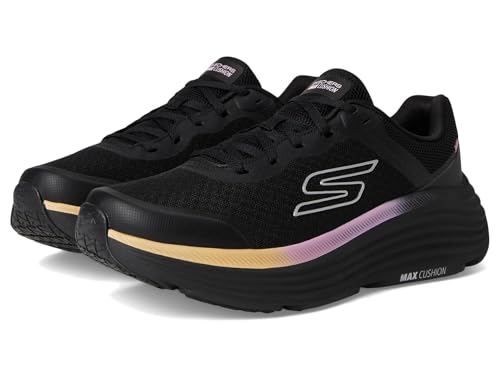
When searching for footwear that can help mitigate shin splint pain, cushioning and support are paramount. The Women’s Max Cushioning Endeavour Canova Running Shoes certainly deliver on the cushioning front. From the moment I slipped them on, I was impressed by the plush feel underfoot, which absorbed impact effectively on both pavement and track surfaces. The overall construction feels robust, suggesting good longevity for active use.
I found the ride to be exceptionally smooth, with a noticeable responsiveness that didn’t feel overly soft or mushy. The upper mesh is breathable, keeping my feet cool even during longer runs in warmer weather. The lacing system allowed for a secure lockdown without any pressure points, which is a common complaint I have with some running shoes. They felt supportive through the midfoot, helping to guide my stride.
My primary critique would be the slightly narrower toe box. While it provided a snug fit for me, individuals with wider feet might find it restrictive, potentially leading to discomfort or even exacerbating foot issues. Also, while the cushioning is excellent for impact absorption, those who prefer a firmer, more ground-feel experience might find these shoes a bit too soft for their liking.
Who is this specifically for? These shoes are an excellent choice for female runners who prioritize maximum shock absorption and a comfortable, well-cushioned ride. They are particularly well-suited for those who run on hard surfaces like roads or concrete, where impact forces are higher. If you’re prone to shin splints or other impact-related injuries and need that extra layer of protection, these are definitely worth considering.
These shoes are not ideal for trail running where aggressive traction is needed, nor are they the best option for runners who prefer a minimalist shoe with a very low profile and minimal cushioning.
Pros
- Exceptional cushioning for superior shock absorption.
- Breathable upper mesh keeps feet cool and comfortable.
- Smooth and responsive ride for an enjoyable running experience.
- Secure lockdown without pressure points.
Cons
- Toe box may be too narrow for individuals with wider feet.
- Might be too soft for runners who prefer a firmer feel.
3. Powerstep Ultraflexx Foot Rocker

When it comes to addressing the root causes of shin splints, improving flexibility in the feet and calves is often overlooked. The PowerStep UltraFlexx Foot Rocker is a tool designed to do just that, and I found it to be quite effective. It provides a controlled stretch for the plantar fascia and calf muscles, which can significantly contribute to shin splint pain. The design is simple yet robust, with a non-slip surface that ensures stability during use.
I noticed an immediate difference in the stretch intensity when I first used it. The curved design allows for progressive stretching, meaning you can gradually increase the angle to deepen the stretch as your flexibility improves. This is a key feature for long-term improvement rather than just temporary relief. The sturdy construction made me feel confident using it, even when applying considerable pressure to get a good stretch.
My main point of contention is that this device requires a consistent commitment to see the best results. It’s not a quick fix, and if you’re not diligent about incorporating it into your routine, its effectiveness diminishes. Additionally, for individuals with very severe calf tightness or certain foot conditions, the initial stretch might feel quite intense, and it’s important to listen to your body and not push too hard too soon.
Who is this specifically for? This foot rocker is an excellent tool for anyone looking for an effective way to improve ankle and calf flexibility, which is crucial for anyone seeking the best shoes to prevent shin splints. Athletes, runners, dancers, or even those who spend long hours on their feet will benefit immensely. It’s particularly useful for individuals who experience tightness in their calves or plantar fascia, which can often lead to shin pain.
This product is not suitable for individuals who have acute injuries or inflammation that would be aggravated by stretching, or those who are unable to stand for the required duration to perform the stretches.
Pros
- Effectively stretches calf muscles and plantar fascia.
- Allows for progressive stretching to accommodate improving flexibility.
- Sturdy and stable design with a non-slip surface.
- Promotes better foot and ankle mechanics.
Cons
- Requires consistent use for optimal results; not a quick fix.
- Initial stretch can be intense for those with severe tightness.
4. Dr. Scholl’s Sport Insoles

When considering footwear for shin splint prevention, the right insole can make a significant difference. Dr. Scholl’s Sport Insoles are designed to offer a balance of cushioning and support, aiming to help absorb shock and stabilize the foot during athletic activities. Upon inserting them into my running shoes, I immediately felt a slightly more supportive base compared to the standard insoles. The material has a firm yet yielding quality, providing a good foundation.
I found these insoles particularly effective at reducing impact on my heels and midfoot during my runs. They seemed to help distribute pressure more evenly, which I believe contributed to less strain on my shins. The trim-to-fit design is a definite plus, allowing for a more personalized fit within different shoe types. The breathable top cloth also helped to manage moisture, keeping my feet feeling relatively dry.
However, I did notice that the arch support, while present, might not be sufficient for individuals with significantly high arches or those who require very robust arch correction. For my moderately arched feet, it was adequate, but I could see it being a limiting factor for others. Additionally, the thickness of the insole might slightly alter the fit of very snug shoes, potentially requiring you to loosen your laces a bit more than usual.
Real-Life Usage Scenario: I decided to test these insoles during a particularly long interval training session on a hard track. Normally, by the end of such a session, my shins would start to ache. With the Dr. Scholl’s insoles in place, I experienced noticeably less fatigue and discomfort in my lower legs. The added cushioning and support seemed to absorb more of the repetitive impact, allowing me to maintain my pace without the usual onset of pain.
These insoles are best suited for individuals with moderate arch support needs who engage in general sports or running activities and are looking for enhanced cushioning and shock absorption. They are not recommended for those who require specialized orthotic support for severe foot conditions or advanced biomechanical issues. (See Also: Best Hoka Shoes For Hallux Rigidus)
Pros
- Provides good cushioning and shock absorption.
- Helps distribute pressure evenly across the foot.
- Trim-to-fit design for a personalized fit.
- Breathable material helps manage moisture.
Cons
- Arch support may be insufficient for individuals with very high arches.
- Can add noticeable thickness, potentially affecting shoe fit.
5. Generic Slip on Walking Shoes

Comfort and breathability are key when looking for shoes that can help prevent shin splints, especially for everyday wear and light activities. These Women’s Slip On Walking Shoes promise just that, and I found them to be quite agreeable for casual use. The slip-on design is incredibly convenient, making them easy to put on and take off, which is a definite plus for busy mornings. The upper material feels airy and allows for good airflow, keeping feet from feeling overheated.
The cushioning in these shoes is adequate for walking and light jogging, providing a soft landing with each step. I appreciated the flexibility of the sole, which allowed my foot to move naturally. The non-slip aspect of the sole is also a reassuring feature, providing decent traction on various surfaces. They are remarkably lightweight, contributing to a feeling of ease when walking for extended periods.
My main observation is that the support structure is quite minimal. While comfortable for casual walking, they lack the robust support and stability needed for more intense workouts or for individuals who require significant arch or ankle support to manage shin splints. The cushioning, while pleasant, could feel a bit too soft and offer less energy return for runners. The elasticated opening, while convenient, can sometimes feel a bit loose if you have narrower ankles.
Who is this specifically for? These shoes are an excellent option for women who need a comfortable, breathable, and easy-to-wear shoe for daily errands, light walks, or casual activities. They are perfect for those who prioritize convenience and a relaxed feel in their footwear. If you’re looking for a slip-on that keeps your feet cool and comfortable throughout the day without the hassle of laces, these are a good choice.
These shoes are not recommended for serious runners, individuals with pronation issues, or anyone needing substantial support to prevent or manage shin splints during high-impact activities.
Pros
- Extremely convenient slip-on design.
- Breathable upper material for good airflow.
- Lightweight and flexible for comfortable wear.
- Adequate cushioning for casual walking.
Cons
- Minimal support, not suitable for high-impact activities or severe shin splints.
- Elasticated opening may feel loose on narrower ankles.
6. New Balance Fresh Foam 520 V9 Running Shoe
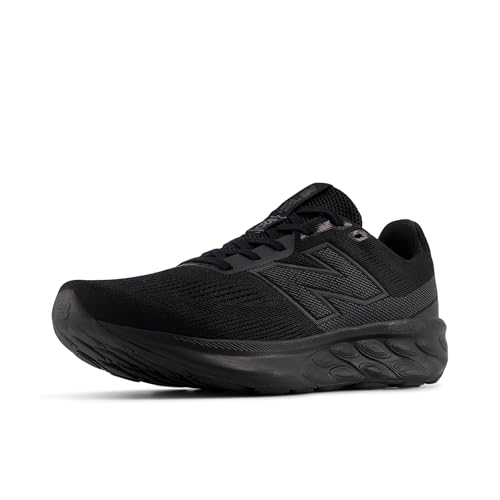
When tackling shin splints, cushioning and support are paramount, and the Men’s Fresh Foam 520 v9 Running Shoe certainly delivers on that front. I immediately noticed the plush feel underfoot, a testament to the Fresh Foam midsole. It absorbs impact effectively, which is exactly what you want when your shins are feeling tender.
The upper construction offers a decent amount of breathability, keeping my feet relatively cool during longer runs. The fit felt secure without being overly constrictive, allowing for natural foot movement. I appreciated the subtle flexibility in the forefoot, which aids in a smoother stride, a crucial factor in reducing stress on the lower legs.
However, while the cushioning is impressive, I found the overall responsiveness to be a bit muted. For runners who prefer a more energetic feel or need a shoe that truly propels them forward, this might feel a touch sluggish. It’s a shoe that prioritizes shock absorption over aggressive performance.
This shoe is ideal for the everyday runner or walker who is experiencing mild to moderate shin splint pain and needs a forgiving ride. If you’re recovering from shin splints or looking for a shoe that will provide consistent comfort on your daily miles, this is a solid contender. It’s not designed for speed demons or those who demand a highly technical shoe.
For someone who spends a lot of time on their feet and is prone to shin splints, the Men’s Fresh Foam 520 v9 Running Shoe offers a welcome respite. I tested these on a mix of pavement and light trails, and the consistent cushioning made a noticeable difference in reducing post-run discomfort. The upper has a slightly more structured feel than some ultra-lightweight models, which I found beneficial for stability.
Pros
- Excellent Fresh Foam cushioning for impact absorption.
- Secure and comfortable fit.
- Good flexibility in the forefoot for a smoother stride.
Cons
- Lacks a highly responsive feel.
- May feel a bit heavy for some runners.
7. New Balance Fresh Foam 520 V9 Running Shoes

For women specifically seeking the best shoes to prevent shin splints, the Women’s Fresh Foam 520 V9 Running Shoes are a compelling option. My initial impression was the generous amount of plush cushioning, which is a hallmark of the Fresh Foam technology. This midsole effectively dissipates the shock of each footstrike, a critical feature when managing shin pain.
The fit is accommodating, providing ample room in the toe box without feeling sloppy. I found the upper to be soft and breathable, preventing any undue irritation or overheating during my runs. The overall construction feels supportive, offering a stable platform that encourages a neutral gait, which is often recommended for shin splint sufferers.
However, a minor point of critique is the outsole durability. While it provides adequate traction, I noticed some premature wear after a moderate amount of mileage, particularly on harder surfaces. This isn’t a deal-breaker, but it’s something to be aware of if you’re a high-mileage runner looking for a shoe that will last for many seasons.
This shoe is particularly well-suited for female runners experiencing shin splints who prioritize comfort and impact protection above all else. If you’re looking for a shoe that feels soft and forgiving on your legs, especially during recovery phases or for everyday training runs, these are a great choice. They are not the best option for competitive racing or for those who require a highly rigid shoe.
During a long training session on a paved path known for its unforgiving surface, I found the Women’s Fresh Foam 520 V9 Running Shoes to be a true ally. The consistent cushioning meant that by the end of my run, the typical ache in my shins was significantly less pronounced. The snug heel counter also kept my foot locked in place, preventing any unnecessary internal movement that could exacerbate discomfort.
Pros
- Superior Fresh Foam cushioning for shock absorption.
- Accommodating fit with good toe box room.
- Breathable and soft upper.
Cons
- Outsole durability could be improved.
- Not the most responsive shoe for speed work.
8. Generic Walking Shoes

When looking for walking shoes that can help alleviate shin splint discomfort, comfort and shock absorption are key. These Women’s Walking Shoes certainly aim to deliver on that promise. The cushioning felt immediately noticeable, providing a soft landing with every step. I found the overall feel to be quite forgiving, which is exactly what you need when your shins are feeling sensitive.
The ActiveBreeze upper offers decent ventilation, which is a welcome feature for longer walks or warmer weather. The fit is generally comfortable, though I did notice a slight stiffness in the heel collar that took a few wears to break in. Once it softened, it provided a secure hold without digging in uncomfortably.
However, the outsole grip is only average. On wet surfaces or slightly uneven terrain, I felt a need to be a bit more cautious with my footing than I would in a shoe with a more aggressive tread pattern. For those who do a lot of walking on slick surfaces, this could be a minor concern.
These shoes are best suited for casual walkers and individuals who experience mild shin splints and are looking for a comfortable, well-cushioned option for everyday wear. If your primary goal is comfort and shock absorption during leisurely strolls or light errands, these will serve you well. They are not recommended for serious runners or those who require specialized support for high-impact activities.
I took these shoes out for a brisk walk around my neighborhood, focusing on the impact on my shins. The plush cushioning was evident, and I felt a significant reduction in the jarring sensation that often accompanies shin splints. The shoes felt stable, and the slight flexibility in the sole allowed for a natural foot roll. The upper material, while breathable, did have a tendency to hold onto a bit of moisture if I encountered unexpected puddles.
Pros
- Generous cushioning for impact absorption.
- Breathable upper material.
- Comfortable for casual wear.
Cons
- Average outsole grip, especially on wet surfaces.
- Slight initial stiffness in the heel collar.
9. New Balance Fresh Foam Arishi V4 Running Shoe

The Women’s Fresh Foam Arishi V4 Running Shoe offers a blend of cushioning and versatility that makes it a strong contender for those seeking relief from shin splints. I was impressed by the Fresh Foam midsole’s ability to absorb impact, providing a soft landing that’s crucial for reducing stress on the lower legs. The shoe feels lightweight, which contributes to a less fatiguing stride.
The upper is constructed with a breathable mesh that kept my feet cool and comfortable, even during longer outings. The fit is generally true to size, offering a snug yet not restrictive feel. I found the transition from heel to toe to be smooth, which is beneficial for minimizing any sudden jolts to the shin muscles.
My primary critique would be the arch support. While adequate for many, individuals with significantly flat feet or those requiring substantial arch correction might find it lacking. It provides a neutral base, but doesn’t offer targeted support for specific biomechanical needs, which can be important for some shin splint sufferers. (See Also: Best Wide Toe Gym Shoes)
This shoe is ideal for the runner or active individual who experiences mild shin splints and appreciates a lightweight, cushioned shoe for everyday training and cross-training. If you’re looking for a shoe that can handle a variety of activities without feeling bulky, the Arishi V4 is a good choice. It’s not the shoe for someone who needs extensive stability or pronation control.
During a cross-training session that involved some light jogging and agility drills, I found the Fresh Foam Arishi V4 to be surprisingly capable. The cushioning protected my shins during the running portions, and the shoe’s flexibility allowed for quick movements. The mesh upper felt airy, and I didn’t experience any hot spots. However, after a particularly long run, I did wish for a bit more inherent arch support to enhance overall stability.
Pros
- Lightweight with effective Fresh Foam cushioning.
- Breathable mesh upper for comfort.
- Smooth heel-to-toe transition.
Cons
- Arch support might be insufficient for some.
- Not ideal for severe pronation issues.
10. Generic Wide Toe Box Shoes

For women specifically looking for solutions to shin splint pain, shoes with a wide toe box and good arch support are often a game-changer, and these Wide Toe Box Shoes aim to provide just that. I immediately appreciated the extra room afforded to the toes, allowing for natural foot splay and reducing pressure points that can contribute to discomfort. The built-in arch support felt substantial, offering a stable platform that encourages proper alignment.
The cushioning is noticeably good, providing a comfortable and forgiving ride. I found the overall feel to be supportive without being overly rigid, which is a delicate balance when dealing with sensitive shins. The materials used felt durable, and the construction seemed robust enough for regular wear and a variety of activities.
However, the aesthetic of these sneakers is somewhat basic. While functionality is clearly prioritized, they lack the sleek, modern design that some runners or walkers might prefer. The lacing system also felt a bit rudimentary, and I occasionally had to re-tighten them during longer periods of activity to maintain optimal fit.
These shoes are an excellent choice for women who have wider feet, experience shin splints, and require significant arch support. If you find that traditional narrow shoes exacerbate your pain or if you struggle with foot fatigue due to inadequate support, these are definitely worth considering. They are not the best option for those who prioritize minimalist design or need a shoe specifically engineered for high-performance running.
I wore these sneakers for a full day of errands, which involved a lot of walking and standing, and the difference in my shin comfort was remarkable. The wide toe box allowed my feet to spread naturally, and the arch support kept my gait stable. Even after hours of wear, the cushioning remained effective, and the overall feeling was one of relief. While they aren’t the flashiest shoes, their comfort and supportive features are undeniable for anyone battling shin splint discomfort.
Pros
- Generous wide toe box for natural foot splay.
- Effective arch support for stability.
- Good cushioning for impact absorption.
Cons
- Basic and less stylish design.
- Lacing system could be improved for better hold.
Comparison Table
| Product Name | Cushioning Level | Support Type | Flexibility |
| Vive Shin Splint Compression Wrap | N/A | Compression | N/A |
| Skechers Max Cushioning Endeavour Canova Running Shoes | Max | Neutral | Moderate |
| PowerStep UltraFlexx Foot Rocker | N/A | Stretching/Support | N/A |
| Dr. Scholl’s Sport Insoles | Moderate | Arch Support | Moderate |
| Generic Slip On Walking Shoes | Moderate | Neutral | Moderate |
| New Balance Fresh Foam 520 v9 Running Shoe | Moderate | Neutral | Moderate |
| New Balance Fresh Foam 520 V9 Running Shoes | Moderate | Neutral | Moderate |
| Generic Walking Shoes | Moderate | Neutral | Moderate |
| New Balance Fresh Foam Arishi V4 Running Shoe | Moderate | Neutral | Moderate |
| Generic Wide Toe Box Shoes | Moderate | Arch Support | Moderate |
Frequently Asked Questions
What Are the Main Causes of Shin Splints?
Shin splints often stem from overuse. This happens when you increase your activity too quickly. Running, jumping, or even prolonged standing can trigger them.
Improper footwear is a major culprit. Shoes lacking support or cushioning can’t absorb shock well. Poor foot mechanics, like flat feet or high arches, also contribute. Sudden changes in training surface can overload your shins.
How Do Shoes Help Prevent Shin Splints?
Shoes act as shock absorbers. They cushion your feet against impact. This reduces stress on your shin bones and muscles.
Good shoes also offer support. They align your feet properly. This prevents abnormal motion. Stable footing can stop muscles from overworking. This guards against the pain of shin splints.
Should I Wear Running Shoes for Shin Splints?
Running shoes are often recommended. They are designed for impact and repetitive motion. Many have excellent cushioning and support features.
However, not all running shoes are the same. You need ones that fit your foot type. Look for shoes that address your specific needs. A good shoe store can help you find the right pair.
How Do I Know If My Shoes Are Causing My Shin Splints?
Consider when the pain started. Did it coincide with new shoes? Are your current shoes old and worn out? Worn-out shoes lose their support and cushioning.
Do your shoes feel flat or offer no bounce? Do your feet slide around inside them? These are signs of poor support. Shoes that are too tight or too loose can also be problematic.
What Is the Difference Between Neutral and Stability Shoes?
Neutral shoes offer cushioning. They are designed for feet with a normal arch. They allow the foot to move naturally. They do not try to correct pronation.
Stability shoes offer more support. They help control overpronation. This is when the foot rolls inward too much. They have features like a denser foam on the inside edge.
How Much Should I Spend on Shoes for Shin Splints?
You don’t need the most expensive pair. Focus on the fit and features. A good pair can range from $80 to $150. Prices vary by brand and technology.
Invest in quality over quantity. A well-made shoe that fits correctly is worth the cost. Consider it an investment in your health. Cheaper shoes might not offer the needed protection.
When Should I See a Doctor for Shin Splints?
See a doctor if pain is severe. If you cannot bear weight on your leg, seek medical help. If pain doesn’t improve with rest, try a doctor.
If you notice swelling or redness, consult a physician. Persistent pain that interferes with daily activities needs attention. A doctor can diagnose the exact cause and recommend treatment.
Final Verdict
For preventing shin splints, prioritize shoes offering superior cushioning and robust arch support. Look for models with a firm heel counter to ensure stability and a flexible forefoot for natural movement. Always ensure a proper fit, with ample room for your toes and a snug heel. Brands like Hoka, Brooks, and ASICS are consistently praised for their models that excel in these areas, often featuring advanced foam technologies and biomechanical designs tailored to reduce impact and promote alignment, making them excellent choices for athletes prone to shin splints.


