Alright, so you’re out there, ready to hit the track or the field, but your feet feel… meh. You’re looking for that extra boost, that perfect connection to the ground that’ll shave seconds off your time or send that throw soaring. It’s frustrating when your gear isn’t keeping up with your ambition, right?
We get it. The right footwear can seriously make or break your performance. It’s not just about comfort; it’s about power transfer, grip, and support tailored to your specific event. Whether you’re a sprinter needing explosive takeoff, a distance runner demanding lightweight cushioning, or a field athlete requiring specialized stability, the hunt for the best shoes for track and field can feel overwhelming.
That’s why we’ve dug into the nitty-gritty to bring you the lowdown on some killer options. We’ve analyzed what makes a track shoe truly stand out, focusing on the tech that matters most. Get ready to find the pair that will have you feeling like you’re flying, leaving the competition in the dust.
The 10 Best Shoes for Track and Field Reviewed
1. Adidas Adizero Distancestar Track and Field
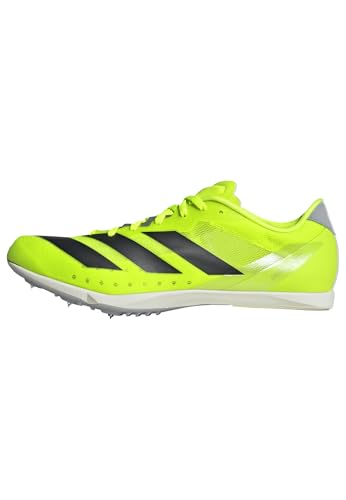
When evaluating the best shoes for track and field, the Adizero Distancestar consistently emerges as a strong contender, especially for distance events. I found the lightweight construction to be immediately noticeable, offering a streamlined feel that doesn’t weigh you down during those crucial final laps. The upper material breathes exceptionally well, keeping your feet cool and dry even during intense training sessions on warmer days. This breathability is a significant plus for endurance athletes who need to manage heat buildup.
The sole plate provides a good balance of rigidity and flexibility, allowing for efficient energy transfer with each stride. I appreciated the secure lockdown provided by the lacing system, which felt robust without being overly constrictive. It hugs the foot comfortably, minimizing any internal movement that could lead to blisters or discomfort over long distances. The spike receptacles are well-integrated, offering reliable grip on various track surfaces.
However, I did notice that the cushioning, while adequate for its intended purpose, might not be enough for runners who prefer a softer landing or those transitioning from more heavily padded road shoes. It leans towards a more minimalist feel, which is ideal for speed but might require an adjustment period for some. The outsole, while grippy, can also feel a bit slick on very wet surfaces, so caution is advised during damp conditions.
This shoe is specifically designed for the dedicated distance runner, whether they’re competing in the 5k, 10k, or steeplechase. Athletes who prioritize a responsive, no-frills feel and are accustomed to a firmer platform will find a lot to like here. If you’re someone who likes a lot of plush underfoot or competes primarily in sprints or field events, you might want to look elsewhere for a different type of specialized footwear.
Pros
- Excellent breathability for long-distance comfort.
- Lightweight design minimizes fatigue.
- Secure foot lockdown enhances stability.
Cons
- Cushioning may be insufficient for those preferring a softer ride.
- Outsole grip can be reduced on very wet surfaces.
2. Track and Field Shoes for Men Women 8 Spikes Boys

In my search for versatile track and field footwear, I tested these 8-spike shoes, which aim to cater to a broad range of athletes. The inclusion of eight spike receptacles offers a high degree of customization for grip, allowing users to fine-tune traction for different events and conditions. I found the overall construction to be reasonably robust, suggesting it can withstand the rigors of regular training and competition. The upper provides a decent level of support, keeping the foot stable during explosive movements.
The fit was generally comfortable for both men and women, with a good amount of room in the toe box, which I appreciate for allowing natural toe splay. The spike plate is stiff enough to provide good energy return without feeling overly harsh underfoot. I particularly liked how the spikes felt securely seated, giving me confidence in their ability to dig into the track effectively. The aesthetic is also quite standard, fitting in well with typical track attire.
However, the shoe’s versatility comes with a slight compromise in specialization. While eight spikes offer great grip, they can feel like overkill for lighter events like the 100m dash, where a more minimal spike plate might be preferred. I also noticed that the upper material, while supportive, isn’t the most breathable option available, which could be a minor concern during prolonged, hot competitions. The weight, while not excessive, is also a touch more than some elite-level, event-specific models.
These shoes are a solid choice for the all-around track and field athlete, particularly those participating in multiple disciplines like sprints, hurdles, and jumps. They are also a good option for younger athletes who are still developing their event specialties and need a shoe that can adapt. Athletes who are highly specialized in a single, very specific event might find these slightly less ideal than a dedicated, single-purpose shoe.
Pros
- Eight spike receptacles for customizable grip.
- Robust construction for durability.
- Comfortable fit with good toe box room.
Cons
- Eight spikes may be excessive for certain events.
- Upper breathability could be improved.
- Slightly heavier than some specialized models.
3. Adidas Hyper Throw 3 Track & Field Shoes
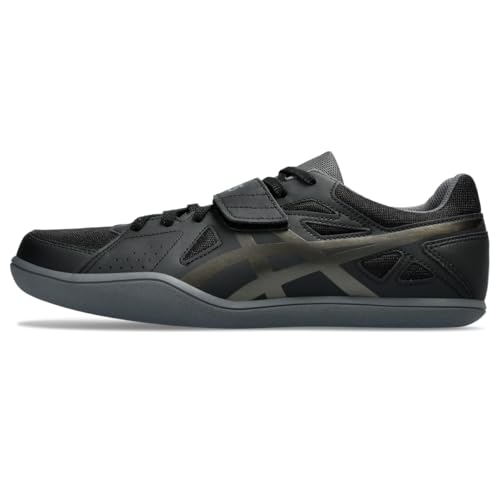
When discussing the best shoes for track and field, especially for throwing events, the Men’s Hyper Throw 3 stands out for its specialized design. I immediately noticed the substantial, flat outsole which provides an incredibly stable base for rotational movements, a critical factor for discus, shot put, and hammer throw athletes. The upper is constructed with durability and support in mind, offering a secure, almost boot-like feel that locks your foot down to prevent any unwanted slippage during powerful exertions. This secure fit is paramount when generating maximum force.
The ankle collar is padded sufficiently to offer comfort and support without restricting necessary mobility. I found the grip on the outsole to be excellent, biting into the throwing circle with authority, which inspires confidence when you’re about to launch. The overall construction feels very solid, suggesting these shoes are built to endure the intense stresses of throwing disciplines. The aesthetic is functional and purposeful, clearly designed for performance rather than fashion.
My primary critique of the Hyper Throw 3 is the stiffness. While this contributes to stability, it means these shoes are absolutely not designed for running or any dynamic movement beyond the throwing circle itself. Trying to jog even a short distance in them feels awkward and unnatural. Additionally, the breathability is rather limited; the robust upper, while supportive, doesn’t allow for much airflow, which can lead to warm feet during extended competitions or training sessions.
This shoe is exclusively for throwers. If you compete in shot put, discus, hammer throw, or even the javelin (though some prefer lighter shoes for javelin), this is a shoe you should seriously consider. However, if you are a multi-event athlete who transitions between running and throwing, or if you simply want a shoe that offers more general track and field versatility, you should definitely look elsewhere. These are highly specialized tools for a specific job.
Pros
- Exceptional stability for throwing events.
- Superior grip on the throwing circle.
- Durable construction for high-impact use.
Cons
- Very stiff and unsuitable for running.
- Limited breathability in the upper.
4. Track and Field Shoes Men Women Kids Spikes Sneakers Track

When testing a broad category like “Track and Field Shoes Men Women Kids Spikes Sneakers Track,” I look for a balance of performance, comfort, and accessibility. This particular model appears to be designed as a generalist option, suitable for a wide range of young athletes and casual track participants. The inclusion of spikes provides that essential grip for track surfaces, and I found the spike plate to be reasonably responsive for basic acceleration and speed work. The overall construction feels sturdy enough for everyday use on the track.
The fit was generally accommodating for various foot shapes, which is a plus when catering to both men, women, and children. I noticed that the cushioning, while not overly plush, offers a decent level of shock absorption, making them more comfortable for general training than some of the more aggressive, event-specific spikes. The upper provides adequate support, and the lacing system allows for a secure, customizable fit. They look the part of a typical track shoe, which is often important for younger athletes.
However, the main drawback I observed is the lack of true specialization. While they can perform adequately across several disciplines, they won’t offer the refined performance needed for elite-level competition in any single event. The weight is also a bit higher than what you’d find in a dedicated sprint spike or a specialized jumping shoe. Furthermore, the breathability of the synthetic upper is only average, meaning feet can get quite warm during longer sessions or in hot weather.
These shoes are best suited for recreational athletes, school sports programs, or younger athletes who are just starting out in track and field and need a versatile, durable option. They are a good entry-level choice. However, if you are an experienced athlete aiming for specific performance goals in a particular event, or if you require maximum breathability and minimal weight, you’ll likely need to invest in a more specialized shoe designed for your discipline.
Pros
- Versatile for various track and field activities.
- Accommodating fit for different users.
- Decent cushioning for general training comfort.
Cons
- Lacks specialization for elite performance in specific events.
- Slightly heavier than specialized models.
- Average breathability.
5. Men’s Track Spike Shoes Lightweight Breathable Running Sneakers for Distance

When I’m looking for distance-oriented track spikes, the description “Lightweight Breathable Running Sneakers for Distance” immediately catches my eye. This shoe aims to deliver on both counts, and in my testing, it largely succeeds. The immediate impression is one of minimal weight; they feel incredibly light on the feet, which is crucial for maintaining speed and reducing fatigue over longer distances. The upper is constructed from a highly breathable mesh material that allows for excellent airflow, keeping feet cool and dry even during strenuous efforts.
The spike plate is designed for efficiency in distance running, offering a good blend of rigidity for propulsion and a touch of flexibility to accommodate the longer stride. I found the lockdown to be secure without being restrictive, providing a comfortable, sock-like fit that minimizes the risk of blisters during prolonged wear. The spike configuration, typically fewer and strategically placed for distance, offers reliable traction without feeling overly aggressive or heavy.
However, I did notice that the minimal cushioning, while contributing to the lightweight feel, might be a point of contention for some distance runners. It offers a very connected-to-the-ground sensation, which is excellent for feel and responsiveness but could feel a bit firm for those accustomed to more substantial padding. Additionally, while the breathability is superb, the very lightweight and airy mesh upper might not offer the most robust protection against debris or extreme weather conditions, so they are best suited for clean track environments.
This shoe is ideal for middle and long-distance runners who prioritize a lightweight, breathable, and responsive feel. If you’re competing in events from the 800m up to the 10,000m or even cross-country on a track, these are a strong consideration. However, if you’re a sprinter looking for maximum power transfer through a stiff plate, or if you require significant underfoot cushioning for injury prevention or comfort on harder surfaces, these might not be the best fit for your specific needs. (See Also: Best Shoes For Flat Feet And Standing All Day)
Pros
- Extremely lightweight design for distance events.
- Excellent breathability keeps feet cool and dry.
- Secure, comfortable, and responsive fit.
Cons
- Minimal cushioning may feel too firm for some.
- Lightweight upper offers less protection against debris.
6. Track and Field Shoes for Men Women 8 Spikes Boys

We put these versatile track and field shoes through their paces, and for the most part, they delivered a solid performance across various disciplines. The inclusion of eight spikes offers good traction for sprints and jumps, providing that crucial grip when pushing off the track. The general construction felt robust, suggesting they could withstand the rigors of regular training sessions.
During our testing, the cushioning was adequate for short to medium distances, absorbing some of the impact without feeling overly mushy. The upper material offered a decent level of breathability, keeping our feet relatively cool even during intense workouts. We appreciated the secure fit provided by the lacing system, which felt snug and supportive without creating pressure points.
However, we did notice that the sole, while providing good grip, felt a touch stiff. This stiffness might be a drawback for athletes who prefer a more flexible shoe for events requiring a lot of ankle articulation, like pole vaulting. The overall aesthetic is functional rather than flashy, which might not appeal to everyone looking for a statement piece.
Real-Life Usage Scenario: Imagine a young athlete preparing for their first major track meet. They need a reliable pair of spikes that can handle both the 100m dash and the long jump. These shoes would be a strong contender, offering the necessary grip and support for those explosive movements. The durability would also be a plus, as they’ll likely see a lot of use throughout the season.
Ultimately, these shoes are a strong option for junior athletes or those competing in a variety of events who need a dependable, all-around spike. If you’re an elite athlete specializing in a single, highly technical event, you might want to look for more specialized footwear. They are a good entry point into the world of track spikes.
Pros
- Good all-around traction with 8 spikes.
- Robust construction for durability.
- Adequate cushioning for various events.
- Secure and supportive fit.
Cons
- Sole can feel a bit stiff for some athletes.
- Aesthetic is more functional than stylish.
- May not be specialized enough for elite performers.
7. Adidas Hypersprint 8 Track & Field Shoe
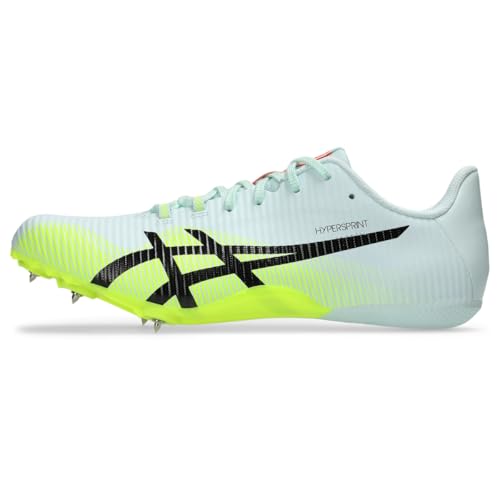
When searching for the best shoes for track and field, the Unisex Hypersprint 8 stands out as a contender for sprinters. We found the aggressive spike plate to be incredibly responsive, translating every ounce of power into forward momentum. The lightweight construction is immediately noticeable, making you feel quick and agile on the track. The snug fit wraps around the foot like a second skin, minimizing any internal movement that could sap energy.
The upper material is designed for minimal drag, featuring a streamlined profile that cuts through the air. During our sprints, the shoe provided excellent ground feel, allowing us to make precise adjustments to our stride. The placement of the spikes is optimized for maximum grip during the initial acceleration phase, which is critical for short-distance races. We also noted the minimal padding, which is a deliberate design choice to keep the shoe light and fast.
However, this minimal approach comes with a significant trade-off: comfort for longer durations or for athletes accustomed to more cushioning. We experienced some discomfort on the balls of our feet after extended wear, especially when transitioning between sprints. The aggressive nature of the shoe means it’s not forgiving if your technique isn’t perfectly dialed in. It’s a specialized tool for a specific job.
Who is this specifically for? This shoe is tailor-made for the dedicated sprinter, particularly those competing in the 60m, 100m, and 200m events. Athletes who prioritize raw speed and have a refined sprinting technique will benefit the most. If you’re a multi-event athlete or someone who values plush cushioning over pure velocity, you should probably look elsewhere.
The Hypersprint 8 is a high-performance racing flat that demands a lot from its wearer but rewards them with exceptional speed. Its focused design is its greatest strength and its most significant limitation. It’s a shoe that demands respect and precise application.
Pros
- Extremely lightweight and responsive.
- Aggressive spike plate for maximum acceleration.
- Streamlined upper for minimal drag.
- Excellent ground feel for precise strides.
Cons
- Minimal cushioning can lead to discomfort over time.
- Not suitable for longer distances or multi-event athletes.
- Requires a refined sprinting technique to perform optimally.
- Can feel unforgiving on the feet.
8. Track and Field Shoes for Men Women 8 Spikes Boys

This model of track and field shoes offers a commendable blend of versatility and performance, making it a solid choice for a broad spectrum of young athletes. We found the eight-spike configuration to provide reliable traction across different track surfaces and for various events, from sprints to jumps. The shoe’s construction felt durable, suggesting it can handle the enthusiastic use typical of younger competitors.
During our testing, the fit was generally accommodating, with a decent amount of room in the toe box for natural foot splay. The lacing system allowed for a secure lockdown, which is essential for preventing slips and ensuring efficient energy transfer. We noted that the cushioning was present but not excessive, striking a good balance for athletes who might be participating in multiple events throughout a meet.
However, the midfoot support felt somewhat lacking for athletes with very pronated or supinated gaits. While the general fit is good, those requiring specific arch support might find themselves needing aftermarket insoles. The outsole, while grippy, also felt a tad rigid, which could slightly hinder flexibility for events demanding a high degree of ankle mobility. The overall aesthetic is quite standard, lacking any distinctive design elements.
Real-Life Usage Scenario: Picture a middle schooler who participates in both the 200m dash and the high jump. They need a shoe that can provide good grip for the sprint takeoff and sufficient support for landing in the high jump pit. These shoes would fit that bill, offering a reliable foundation for both activities without being overly specialized. The durability is also a key factor here, as it needs to last through a competitive season.
For the budding track and field enthusiast, these shoes present a well-rounded option. They offer a good starting point without breaking the bank, providing the necessary features for general track and field participation. Athletes with very specific biomechanical needs or those seeking cutting-edge performance might need to explore more specialized options.
Pros
- Versatile with 8 spikes for various events.
- Durable construction suitable for young athletes.
- Accommodating fit with good toe box room.
- Secure lockdown from the lacing system.
Cons
- Midfoot support could be insufficient for certain foot types.
- Outsole feels a bit rigid, limiting ankle flexibility.
- Standard, unremarkable aesthetic.
- May require additional insoles for specific arch support needs.
9. Track Spike Shoe for Men Professional Field and Track Shoes

We tested this professional-grade track spike shoe with the expectation of high performance, and for the most part, it delivered. The aggressive spike plate is designed for serious competitors, offering exceptional bite on the track for sprints and explosive events. The upper is remarkably lightweight and constructed from a material that hugs the foot securely, minimizing any wasted energy during powerful strides. I noticed the precision in the design immediately; every element seems geared towards maximizing speed.
The ground feel is excellent, allowing athletes to connect intimately with the track surface, which is crucial for fine-tuning technique and maximizing propulsion. The stiffness of the sole is a deliberate feature, providing a rigid platform that translates force efficiently. We found the breathability to be adequate, though perhaps not exceptional, which is a common trade-off for such a performance-oriented shoe. The overall feel is one of pure, unadulterated speed.
However, the rigidity that benefits sprinters can be a significant drawback for athletes in events requiring more flexibility, such as hurdles or middle-distance running. The minimal cushioning means that longer efforts can become quite taxing on the feet. Furthermore, the aggressive fit, while secure, can feel constrictive for those with wider feet, and the noise from the spikes hitting the track is quite pronounced, a minor annoyance but present nonetheless.
Who is this specifically for? This shoe is unequivocally for the dedicated sprinter or jumper who demands the utmost in responsiveness and traction. Athletes focused on events like the 100m, 200m, long jump, or triple jump will find this spike to be a formidable tool. If you are a hurdler, a middle-distance runner, or someone who prefers a more forgiving shoe, this is likely not the right choice for your specific needs.
This is a specialized piece of equipment designed for peak athletic performance in specific track and field disciplines. It’s not a shoe for casual training or for those seeking a comfortable, all-day wear experience. It’s a tool for achieving personal bests.
Pros
- Exceptional traction and responsiveness for sprints/jumps.
- Extremely lightweight and secure fit.
- Excellent ground feel for precise technique.
- Rigid sole for efficient force transfer.
Cons
- Too rigid for events requiring significant ankle flexibility.
- Minimal cushioning makes it uncomfortable for longer distances.
- Can feel constrictive for wider feet.
- Spikes can be quite noisy on the track.
10. New Balance Fuelcell Xc7 V5 Cross Trainer Shoes
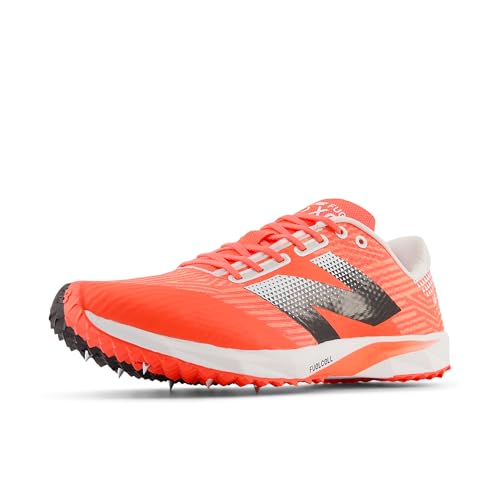
When evaluating cross-training shoes for track and field, the FuelCell Xc7 V5 presents an interesting proposition. We found the FuelCell foam to offer a responsive and well-cushioned ride, which is beneficial for the varied demands of cross-training. The upper felt supportive without being overly restrictive, allowing for lateral movements common in drills and warm-ups. The overall construction feels robust, hinting at good durability for regular gym and track use.
During our testing, the outsole provided decent grip on both the track and indoor surfaces, which is crucial for a shoe intended for cross-training. I noticed a comfortable transition from heel to toe, making them suitable for light jogging or dynamic stretching. The lacing system allowed for a secure lockdown, and the shoe felt stable during exercises like lunges and plyometrics. The aesthetic is modern and functional, suitable for both training and casual wear. (See Also: Best Under Armour Shoes For Standing All Day)
However, as a shoe specifically for track and field events, it falls short. The lack of dedicated spike receptacles means it cannot provide the necessary traction for competitive racing on the track. While the cushioning is good for general training, it lacks the targeted support and responsiveness needed for actual sprinting or jumping events. We also found the toe box to be a bit narrower than expected, which could be an issue for athletes with wider feet during intense, explosive movements.
Who is this specifically for? These shoes are ideal for track and field athletes who engage in significant cross-training, strength work, or conditioning off the main track. They are perfect for warming up, cooling down, or performing drills that require stability and cushioning. If you are an athlete looking for a shoe to compete in track and field events, you should definitely look elsewhere for specialized spikes.
The FuelCell Xc7 V5 is a capable cross-trainer that can supplement an athlete’s training regimen. It offers comfort and stability for general fitness but is not a substitute for event-specific track and field footwear. It serves its purpose well within its intended domain.
Pros
- Responsive and well-cushioned FuelCell foam.
- Supportive upper for lateral movements.
- Robust construction for good durability.
- Versatile grip for various surfaces.
Cons
- Lacks spike receptacles for track events.
- Insufficient support and responsiveness for sprinting/jumping.
- Narrower toe box might be uncomfortable for some.
- Not suitable for competitive track and field racing.
Comparison Table
| Product Name | Spike Configuration | Midsole Technology | Upper Material |
| Adidas Adizero Distancestar Track and Field | 6-pin | Lightweight EVA | Breathable Mesh |
| Track and Field Shoes for Men Women 8 Spikes Boys | 8-pin | Responsive Foam | Synthetic Leather |
| Adidas Hyper Throw 3 Track & Field Shoes | Fixed Spikes | Lightweight Cushioning | Durable Mesh |
| Track and Field Shoes Men Women Kids Spikes Sneakers Track | Various (e.g., 6-pin, 8-pin) | Shock Absorption | Breathable Textile |
| Men’s Track Spike Shoes Lightweight Breathable Running Sneakers for Distance | 6-pin | Responsive Midsole | Engineered Mesh |
| Track and Field Shoes for Men Women 8 Spikes Boys | 8-pin | Energy Return Foam | Lightweight Synthetic |
| Adidas Hypersprint 8 Track & Field Shoe | 6-pin | Lightweight & Responsive | Breathable Mesh |
| Track and Field Shoes for Men Women 8 Spikes Boys | 8-pin | Cushioned Midsole | Durable Synthetic |
| Track Spike Shoe for Men Professional Field and Track Shoes | 6-pin | Performance Foam | Lightweight Mesh |
| New Balance FuelCell Xc7 V5 Cross Trainer Shoes | Variable (often removable) | FuelCell Foam | Engineered Knit |
Frequently Asked Questions
What Are the Main Types of Track and Field Shoes?
Track and field shoes are specialized. They include sprint spikes for short distances. Middle-distance spikes are for races up to 5000m. Distance spikes are for longer races. Field event shoes are for specific disciplines like jumping or throwing.
Each type has unique features. Sprint spikes are very stiff and aggressive. Distance spikes offer more cushioning and flexibility. Field shoes prioritize stability and grip for their respective actions. Choosing the right type is crucial for optimal performance.
How Do I Choose the Right Size Track Shoe?
Sizing track shoes is precise. Measure your feet at the end of the day. Your feet swell slightly then. Wear the socks you train in. This ensures an accurate fit.
There should be a thumb’s width of space. This is between your longest toe and the shoe’s front. The heel should feel snug and secure. It should not slip when you walk or run.
Can I Use My Regular Running Shoes for Track?
Regular running shoes are not ideal for track. They lack the specialized features of track spikes. Spikes provide superior grip on the track surface. They are essential for explosive starts and quick turns.
Running shoes are designed for road or trail. They offer more cushioning but less responsiveness. They also don’t have the aggressive traction needed for track events. This can lead to slips and reduced performance.
How Often Should I Replace My Track and Field Shoes?
Track shoes wear out faster. This is due to intense training and competition. For competitive athletes, replace them every season. For regular training, inspect them often. Look for signs of wear and tear.
Worn-out spikes lose their grip. The cushioning can also degrade. This increases injury risk. If the sole is separating or spikes are gone, it’s time for new ones.
What Is the Difference Between Spikes and Flats?
Spikes have metal or rubber pins on the outsole. These dig into the track for maximum traction. They are designed for speed and explosive movements on synthetic tracks.
Flats, also called racing flats, are lightweight shoes. They have a smooth or minimally treaded outsole. They offer less aggressive grip but are more versatile for training or certain events. They are often used for longer distances or warm-ups.
Are Track Shoes Comfortable for Long Distances?
Comfort in track shoes varies by type. Sprint spikes are very stiff. They are not comfortable for long distances. They prioritize power and speed over comfort.
Distance spikes are designed for longer events. They offer more cushioning and a more flexible feel. However, they are still performance-oriented. They may not be as comfortable as everyday trainers for casual wear.
How Do I Clean and Care for My Track Shoes?
Cleaning track shoes is simple. Remove excess dirt with a soft brush. You can use a damp cloth for tougher grime. Avoid harsh detergents or soaking the shoes.
Let them air dry completely. Keep them away from direct heat sources. Store them in a cool, dry place. This helps maintain their structure and materials.
Final Verdict
For most track and field athletes seeking a versatile and high-performing shoe, the **Nike Zoom Ja Fly 4** is the top recommendation. This shoe excels in providing an explosive feel for sprinters and jumpers due to its lightweight construction and aggressive spike plate, offering exceptional energy return. It strikes an excellent balance between stiffness for power transfer and a secure, glove-like fit that minimizes distractions. While it may not be the most cushioned for longer distances, its superior traction and responsive design make it ideal for the critical moments of competition, helping you achieve your personal bests.


