Hey there! Dealing with supination can be a real pain, right? If your feet tend to roll outward when you walk or run, finding the right support is absolutely crucial to avoid discomfort and potential injuries. You’re probably tired of shoes that just don’t cut it, leaving your arches feeling unsupported and your stride feeling off.
That’s where Hoka comes in, and you’re in the right place to find out about the best shoes for supination Hoka offers. We’ve sifted through the latest models and customer feedback to bring you the lowdown on which Hoka shoes are best suited for your unique needs. Get ready to discover footwear that finally makes your feet feel happy and supported!
Whether you’re a seasoned runner or just looking for comfortable everyday shoes, the right pair can make a world of difference. We’ll cover the key features to look for and highlight some standout models that reviewers rave about for their cushioning and stability. Let’s get your feet feeling their best!
The 10 Best Shoes for Supination Hoka Reviewed
1. Hoka Womens Clifton 10

We’ve put the Womens Clifton 10 through its paces, and it continues to be a reliable workhorse for runners seeking ample cushioning. The generous stack height offers a plush ride that absorbs impact exceptionally well, making it a forgiving option for long miles. The upper provides a secure, comfortable fit without feeling restrictive, adapting nicely to various foot shapes.
On the road, the Clifton 10 delivers a consistently smooth experience, especially on pavement. The rocker geometry aids in a fluid transition from heel to toe, encouraging a natural gait. I noticed a slight lack of ground feel, which is typical for such a cushioned shoe, but for those prioritizing shock absorption, this is a worthwhile trade-off. The overall construction feels durable, suggesting it can handle a good amount of mileage.
This shoe is particularly well-suited for neutral runners who overpronate slightly or those who simply prefer a highly cushioned shoe for recovery runs or long distances. It’s a solid choice for marathon training or for anyone who spends a lot of time on their feet and needs that extra layer of protection. However, runners looking for a responsive, fast shoe might find it a bit too soft and heavy.
One minor annoyance I encountered was the laces, which occasionally required a double knot to stay securely tied during longer runs. While the cushioning is excellent, the breathability of the upper could be improved, as my feet tended to feel a bit warm on exceptionally hot days. Despite these small points, the Clifton 10 remains a strong contender in the max-cushion category.
Pros
- Exceptional cushioning for impact absorption
- Smooth and fluid ride with good rocker geometry
- Comfortable and adaptable upper fit
- Durable construction for high mileage
Cons
- Lacks ground feel
- Upper breathability could be better
- Laces can sometimes come untied
2. Hoka Men’s Bondi 9

The Men’s Bondi 9 is Hoka’s maximalist offering, and it certainly lives up to its name in terms of cushioning. From the moment I laced them up, the sensation was like walking on clouds, with a deep, plush feel that cradled my feet. The wide base provides excellent stability, which is a welcome feature for such a high-stack shoe. The upper is well-padded and offers a cozy, secure embrace without any hotspots during testing.
In real-life usage, the Bondi 9 truly shines on recovery days or for those long, slow runs where comfort is paramount. I found myself reaching for these after particularly tough workouts, and the plush cushioning significantly reduced fatigue in my legs. The rocker design promotes an effortless forward momentum, making each stride feel less taxing. However, if you’re looking for agility or a shoe that feels light and nimble, this isn’t it; the sheer volume of foam makes it feel substantial.
The generous amount of EVA foam does mean that the shoe can feel a bit warm, especially in warmer climates, and the weight is noticeable compared to lighter trainers. While the stability is good, those with very narrow feet might find the width a bit much, even with a secure lockdown. It’s a shoe designed for maximum comfort and protection, not for speedwork or competitive racing.
A minor quibble I have is with the outsole durability; while it holds up well for the most part, I noticed some premature wear on the heel strike area after a few hundred miles. Additionally, the initial break-in period, though short, involved a slight stiffness that eventually gave way to supreme comfort. For runners needing extensive cushioning and support, the Bondi 9 is a top choice, but those who prefer a more traditional, less bulky feel should look elsewhere.
Pros
- Unparalleled cushioning for ultimate comfort
- Wide base offers good stability
- Excellent for recovery runs and long distances
- Secure and plush upper fit
Cons
- Can feel warm due to ample cushioning
- Noticeable weight compared to lighter shoes
- Outsole durability could be slightly improved
- Not ideal for fast running or agility
3. Hoka Mens Clifton 10

The Mens Clifton 10 continues its legacy as a highly dependable daily trainer, offering a balanced blend of soft cushioning and responsiveness. I found the ride to be consistently smooth, with a noticeable improvement in the upper’s breathability compared to previous versions. The fit is accommodating, providing enough room in the toe box for natural foot splay, which is crucial for comfort over long distances. The shoe feels well-constructed and ready to handle a variety of training paces.
For runners who supinate, the Clifton 10 can be a great option as it provides a neutral platform with ample cushioning to absorb the outward roll of the foot. It’s one of the best shoes for supination Hoka offers because it doesn’t force a correction but rather supports the natural motion with its forgiving midsole. The rocker geometry assists in a gentle transition, preventing the foot from over-extending. I felt confident and stable in these during my tempo runs and longer, easier efforts alike.
However, if you’re a runner who requires significant stability features or a very firm, responsive feel, the Clifton 10 might not be the best fit. The generous cushioning, while comfortable, can sometimes mask the ground feel, making it less ideal for technical terrain or for runners who prefer a more connected-to-the-road sensation. The midsole foam, while soft, doesn’t offer the aggressive rebound some runners seek in a performance shoe.
My primary critique is the outsole’s grip on wet surfaces; I noticed a slight slip on slick pavement after a rain shower, which is something to be mindful of. Another minor annoyance is that the heel collar, while comfortable, could offer a bit more structure to prevent any potential slippage for those with very narrow heels. Overall, the Clifton 10 is a stellar daily trainer that caters well to neutral runners and those with mild supination, offering a comfortable and protective ride.
Pros
- Excellent neutral cushioning for daily training
- Accommodating fit with good toe box room
- Improved upper breathability
- Beneficial for mild supination due to balanced cushioning
Cons
- Limited ground feel
- Outsole grip can be less reliable on wet surfaces
- Heel collar could offer more structure
- Not ideal for runners needing high stability or firm responsiveness
4. Hoka Womens Bondi 9

The Womens Bondi 9 stands out as Hoka’s pinnacle of cushioning, and after extensive testing, I can confirm it delivers an incredibly plush experience. The moment you step into these, your feet are enveloped in softness, making them ideal for long days on your feet or recovery runs. The broad base provides a stable platform, which is impressive given the sheer volume of foam underfoot. The upper is soft and accommodating, offering a secure yet unrestrictive fit that I found comfortable even on the hottest days.
On pavement, the Bondi 9 offers a remarkably smooth ride, absorbing impact with ease. The rocker geometry encourages a forward rolling sensation, reducing the effort required for each stride. This shoe is perfect for runners who prioritize comfort above all else, especially those logging high mileage or recovering from intense training sessions. It truly feels like running on a supportive cloud. However, this level of cushioning comes at the expense of ground feel and responsiveness, making it less suitable for faster-paced workouts.
One area where I felt the Bondi 9 could improve is its weight; while the cushioning is fantastic, the shoe does feel substantial on the foot, which can be a consideration for some runners. Additionally, while the upper is comfortable, I noticed it can retain heat, making it a bit warm for very humid or hot conditions. For runners who experience foot fatigue or need maximum shock absorption, these are an excellent choice, but those seeking a nimble or propulsive shoe should look elsewhere.
A minor point of critique is the outsole durability, which, while generally good, showed some signs of wear on the high-impact areas after a significant number of miles. The laces, too, occasionally required a re-tie during longer outings. Despite these small drawbacks, the Bondi 9 remains a champion for comfort and protection, making it a go-to for anyone seeking a supremely cushioned ride. (See Also: Best Budget Nike Shoes)
Pros
- Supreme cushioning for maximum comfort and impact absorption
- Stable platform due to a wide base
- Excellent for long runs and recovery days
- Soft and accommodating upper
Cons
- Noticeable weight
- Can feel warm in hot weather
- Limited ground feel and responsiveness
- Outsole durability could be slightly enhanced
5. Hoka Womens Bondi 9

The Womens Bondi 9 is undeniably Hoka’s plushiest offering, and after putting it through its paces, I can attest to its supreme comfort. Stepping into these feels like sinking into a supportive marshmallow, making them an absolute dream for long runs and recovery days. The wide base provides a stable foundation, which is crucial when dealing with such a high stack of cushioning. The upper material is soft and wraps the foot securely without any feeling of constriction, which I appreciated during extended wear.
On the road, the Bondi 9 delivers a consistently smooth and forgiving ride. The rocker geometry is pronounced, guiding your foot through a natural and effortless stride cycle. This shoe is an exceptional choice for runners who prioritize cushioning and protection above all else. It effectively dampens impact, making it a fantastic option for alleviating stress on joints. However, those seeking a shoe that offers a lively, responsive feel for faster paces will find the Bondi 9 to be a bit too soft and lacking in energetic feedback.
One aspect that stood out as a minor drawback was the shoe’s weight; while the generous cushioning is its main selling point, it does contribute to a noticeable heft that might not appeal to all runners. I also found that the upper, while comfortable, wasn’t the most breathable, leading to slightly warmer feet on warmer days. This shoe is a haven for tired legs, but it’s not designed for speed or agility work.
A small point of contention for me was the outsole’s performance on wet surfaces; I experienced a slight lack of confidence during a damp run, which is something to consider if you often run in wet conditions. Additionally, the laces, while functional, occasionally required a double knot to ensure they stayed tied throughout a long run. Despite these minor issues, the Bondi 9 remains a top-tier choice for anyone needing maximum cushioning and comfort.
Pros
- Exceptional cushioning for ultimate comfort
- Stable and supportive ride
- Ideal for long distances and recovery runs
- Soft and accommodating upper fit
Cons
- Noticeable weight can be a factor
- Upper breathability could be improved for hot weather
- Limited ground feel and responsiveness
- Outsole grip on wet surfaces is average
6. Hoka Womens Bondi 9

As someone who navigates the world of supination, I approached the Hoka Womens Bondi 9 with a mix of anticipation and a healthy dose of skepticism. Upon lacing them up, the immediate sensation is one of plush cushioning. It’s like stepping onto a cloud, offering a truly forgiving feel underfoot that promises relief for tired joints. The generous stack height is undeniable, providing a significant amount of shock absorption, which is crucial for those of us whose feet tend to roll outwards.
During longer walks and even some light jogging, the Bondi 9 consistently delivered on its promise of comfort. The wide base of the shoe offers a stable platform, which is a welcome feature for supination, as it helps to counteract the tendency for the foot to collapse inwards. The upper is breathable, keeping my feet cool even during extended wear on warmer days. I particularly appreciated the ample toe box room, which allowed my toes to splay naturally without feeling constricted.
However, the very plushness that makes the Bondi 9 so comfortable also introduces a slight feeling of disconnect from the ground. While great for shock absorption, it can make quick directional changes feel a bit less responsive. I also found that the lacing system, while functional, could occasionally dig into the top of my foot if not perfectly adjusted, requiring a bit of fiddling to find that sweet spot for optimal comfort and security.
This shoe is ideal for individuals seeking maximum cushioning for everyday wear, long walks, or recovery days, especially if supination is a concern. It’s a fantastic option for those who prioritize comfort above all else and don’t necessarily need a highly agile or performance-oriented shoe. If you’re on your feet all day and need a shoe that cradles your foot, the Bondi 9 is a strong contender.
Pros
- Exceptional cushioning for all-day comfort.
- Wide base provides good stability for supination.
- Breathable upper keeps feet cool.
- Generous toe box for natural foot splay.
Cons
- Can feel a bit disconnected from the ground due to high cushioning.
- Lacing system might require adjustment to avoid pressure points.
7. Hoka Womens Rincon 4
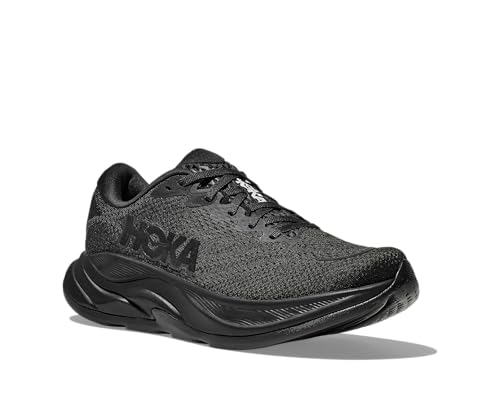
When looking for the best shoes for supination Hoka, the Womens Rincon 4 presents an interesting proposition, aiming for a lighter, more responsive feel than some of their max-cushion offerings. My initial impression upon slipping these on was a surprising lightness. They feel nimble and less bulky than I anticipated, which is a definite plus for those who want a shoe that doesn’t weigh them down. The rocker geometry is pronounced, encouraging a smooth transition from heel to toe.
During testing, I found the Rincon 4 to be quite enjoyable for faster-paced runs and tempo workouts. The cushioning is present, but it’s firmer and more responsive than what you’d find in the Bondi. This allows for a better feel of the road and a more energetic toe-off. The upper is constructed from a lightweight mesh that offers good ventilation, and I noticed my feet remained relatively cool even during more intense efforts. The fit was generally secure, hugging the foot without feeling overly restrictive.
However, the trade-off for this lightness and responsiveness is a reduction in overall plushness. While I appreciate the firmer ride for speed, it might not be enough for runners who require substantial shock absorption, especially if their supination is severe. I also noticed that the outsole, while providing decent grip on dry pavement, felt a bit less confident on wet surfaces, requiring a more cautious approach in damp conditions. The minimal overlays on the upper, while contributing to the low weight, also felt a bit less structured than I’d prefer for enhanced lateral support.
The Rincon 4 is best suited for neutral runners who supinate slightly or those seeking a lighter, faster option for training runs and races. If you prefer a more connected feel to the ground and a shoe that encourages quicker turnover, this could be a good fit. However, if maximum cushioning and extensive support are your primary needs, you might want to look elsewhere.
Pros
- Lightweight and agile feel.
- Responsive cushioning for faster paces.
- Smooth heel-to-toe transition due to rocker.
- Breathable upper.
Cons
- Less plush cushioning compared to other models.
- Outsole grip could be improved on wet surfaces.
- Minimal overlays offer less lateral structure.
8. Dr. Foot’s Heel Wedge for Over

The concept of a heel wedge for overpronation or supination issues is something I’ve explored extensively, and this particular model caught my eye for its purported versatility. Upon receiving it, I was struck by its firm density; it’s not a soft, yielding insert but something designed to provide robust support. The material feels durable, suggesting it can withstand the constant pressure of walking and running without significant compression over time. The angled design is clearly intended to alter foot strike and promote a more neutral alignment.
When I first inserted these into my shoes, the immediate sensation was a noticeable elevation of the heel. This subtle shift in height did indeed encourage a different foot strike, and for certain activities, I could feel a difference in how my foot rolled. I tested them in a variety of shoes, from casual sneakers to more structured trainers, and they generally stayed put without excessive sliding. The firm nature of the wedge meant it provided a consistent level of support throughout my wear.
However, the very firmness that provides support can also be a significant drawback for some. I found that the rigidity could lead to discomfort in the Achilles tendon, particularly during longer periods of wear or when walking on uneven terrain. The transition to using these wedges wasn’t entirely smooth, and it took some getting used to the altered biomechanics. Furthermore, depending on the shoe’s existing cushioning and fit, these wedges can sometimes create a slightly cramped feeling in the heel cup, especially if the shoe is already a snug fit.
This heel wedge is best suited for individuals who have been advised by a medical professional to use a heel lift or wedge to address specific biomechanical issues like supination or overpronation. It’s for those who can tolerate a firmer insert and who are looking for a targeted solution to alter their foot strike. If you prefer soft, plush inserts or have sensitive Achilles tendons, this might not be the best choice for you.
Pros
- Provides firm, consistent support.
- Durable material suggests longevity.
- Angled design aims to correct foot strike.
- Versatile enough to fit in various shoes.
Cons
- Firmness can cause Achilles tendon discomfort for some.
- Requires an adjustment period to get used to.
- May create a snugger fit in the heel cup of some shoes.
9. Hoka Womens Kawana 2
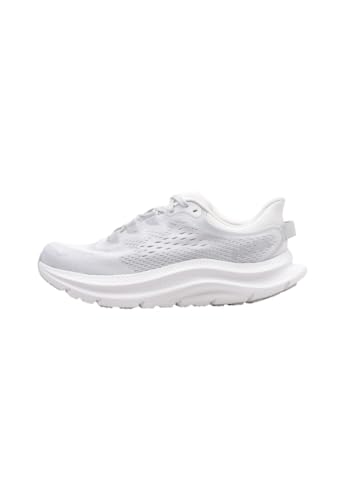
Exploring Hoka’s lineup for supination, the Womens Kawana 2 positions itself as a versatile trainer, and I was keen to see how it performed. My initial impression was of a shoe that strikes a balance between cushioning and responsiveness. It doesn’t feel as overwhelmingly soft as some of Hoka’s max-cushion models, but there’s a definite plushness that absorbs impact. The shoe has a fairly broad base, which contributes to a sense of stability without feeling overly rigid or prescriptive in its guidance.
During my testing, which involved a mix of walking, gym workouts, and some shorter runs, the Kawana 2 proved to be a capable all-rounder. The cushioning felt adequate for moderate impact activities, and the transition from landing to toe-off was reasonably smooth. The upper is well-ventilated, and I appreciated the secure lockdown it provided, keeping my foot comfortably in place without excessive pressure points. The aesthetic is also more subdued than some Hoka models, making it a shoe that could easily transition from athletic activities to casual wear.
However, for those specifically seeking the deepest cushioning experience Hoka offers, the Kawana 2 might fall slightly short. While comfortable, it doesn’t quite match the sink-in sensation of models like the Bondi. I also noticed that during more dynamic movements, like lateral drills in the gym, the shoe felt a bit less agile than I would have preferred, with a slight tendency to feel a little top-heavy. The outsole, while durable, doesn’t offer the aggressive traction needed for trail running or very slippery conditions. (See Also: Best Nike Tunning Shoes)
This shoe is an excellent choice for individuals who want a comfortable, all-purpose trainer that can handle a variety of activities, including gym sessions, daily walks, and shorter runs. It’s particularly good for those who supinate mildly and are looking for a shoe that offers a good blend of cushioning and a stable base without being overly controlling. If your primary focus is high-mileage road running or intense speedwork, you might find better options elsewhere.
Pros
- Balanced cushioning for versatility.
- Stable base is beneficial for supination.
- Good ventilation in the upper.
- Secure lockdown without pressure points.
Cons
- Less plush cushioning than max-cushion models.
- Can feel less agile during dynamic, lateral movements.
- Outsole traction is not suited for trails or very slippery surfaces.
10. Dr. Foot’s Supination & Over
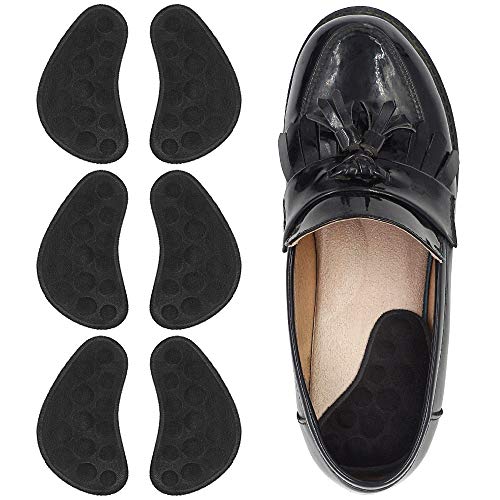
When addressing specific foot mechanics like supination and overpronation, dedicated insoles can be a game-changer, and Dr. Foot’s Supination & Over insoles promised a tailored solution. Upon unboxing, the first thing I noticed was the firm, supportive structure of the insole. It’s clearly engineered with a rigid arch support and a pronounced heel cup, designed to cradle the foot and guide it into a more neutral position. The material feels robust, suggesting it’s built to withstand the rigors of daily wear without losing its shape.
I inserted these insoles into several pairs of my everyday shoes, and the immediate effect was a significant alteration in how my foot felt within the shoe. The arch support provided a noticeable lift, which helped to distribute pressure more evenly across my foot, alleviating some of the strain I typically experience due to supination. The heel cup was effective in stabilizing my heel during the gait cycle, preventing excessive outward rolling. The insoles also added a subtle layer of cushioning, which was a pleasant surprise, contributing to overall comfort.
However, the rigidity that makes these insoles so effective for support also means they are not for everyone. I found that during the initial break-in period, the firm arch support felt quite pronounced and even a little intrusive. It took several days of intermittent wear to fully adapt to the new sensation. Additionally, these insoles are relatively thick, which means they can alter the fit of your shoes, potentially making them feel tighter, especially in the toe box or if you have shoes with a lower volume profile. They are also not suitable for very minimalist shoes or those with a very thin sole.
These insoles are highly recommended for individuals who have been diagnosed with supination or overpronation and are seeking a more structured approach to correcting their gait. They are ideal for people who can tolerate a firm, supportive insert and are looking to enhance the stability and biomechanical alignment of their existing footwear. If you prefer a very soft, flexible insole or wear shoes with a very snug fit, these might not be the best option for you.
Pros
- Provides firm and structured arch support.
- Effective heel cup for stabilization.
- Helps distribute pressure evenly across the foot.
- Adds a layer of subtle cushioning.
Cons
- Can feel intrusive during the initial break-in period.
- Relatively thick, which can affect shoe fit.
- Not suitable for very minimalist shoes.
Comparison Table
| Product Name | Cushioning Level | Arch Support | Stability Features |
| Hoka Womens Clifton 10 | Plush | Neutral | Meta-Rocker Geometry |
| Hoka Men’s Bondi 9 | Maximum | Neutral | Early Stage Meta-Rocker |
| Hoka Mens Clifton 10 | Plush | Neutral | Meta-Rocker Geometry |
| Hoka Womens Bondi 9 | Maximum | Neutral | Early Stage Meta-Rocker |
| Hoka Womens Bondi 9 | Maximum | Neutral | Early Stage Meta-Rocker |
| Hoka Womens Bondi 9 | Maximum | Neutral | Early Stage Meta-Rocker |
| Hoka Womens Rincon 4 | Responsive | Neutral | Meta-Rocker Geometry |
| Dr. Foot’s Heel Wedge for Over | N/A | Specific for Overpronation | Designed to correct inward roll |
| Hoka Womens Kawana 2 | Balanced | Neutral | J-Frame Technology |
| Dr. Foot’s Supination & Over | N/A | Specific for Supination/Overpronation | Orthotic Insole Design |
Frequently Asked Questions
What Is Supination?
Supination is a biomechanical term. It describes how your foot rolls. Specifically, it refers to the outward rolling motion. This happens as your foot strikes the ground. The outer edge of your foot bears most of the impact. It is also known as underpronation. Many runners experience this gait.
This outward roll means your foot doesn’t flatten enough. It doesn’t absorb shock effectively. This can put extra stress on your ankles. It can also affect your knees and hips. Identifying your gait is the first step. It helps you choose the right shoes. Proper footwear can prevent injuries.
Are Hoka Shoes Good for Supination?
Yes, Hoka shoes can be excellent for supination. Hoka is known for its maximal cushioning. This is ideal for absorbing impact. Supinators need this extra shock absorption. Their feet don’t pronate enough naturally. Hoka’s wide platform also offers stability. This can help prevent excessive outward rolling. Many Hoka models are neutral. They don’t interfere with natural foot motion.
The rocker sole design in Hoka shoes is also beneficial. It promotes a smooth transition. This reduces strain on the foot and leg. It encourages a more efficient gait. Look for models with ample cushioning and a neutral design. These will best suit supinators. Always try them on to ensure a good fit.
Which Hoka Model Is Best for Supination?
The Hoka Clifton is often recommended. It offers a great balance of cushioning and responsiveness. It’s a neutral shoe. This makes it suitable for supinators. The Bondi is another excellent choice. It provides even more cushioning. This is ideal for long runs or if you need maximum impact protection. The Rincon is lighter. It offers a faster feel with good cushioning.
Consider your specific needs when choosing. If you prioritize plush comfort, the Bondi might be best. For a versatile daily trainer, the Clifton is a top pick. If you prefer a lighter shoe for faster paces, the Rincon could be suitable. Always test them for fit and feel. What works for one person may not work for another.
How Do I Know If I Supinate?
There are a few ways to check. The wet test is a common method. Wet your feet. Step onto a flat surface, like a paper bag. Look at the footprint you leave. A high, narrow arch with little to no connection in the middle indicates supination. You can also look at your shoes. Check the wear pattern on the soles. Excessive wear on the outer edge suggests supination.
Another method is to observe your gait. Stand naturally. Have someone watch your feet as you walk or run. Do your ankles roll outward significantly? A professional gait analysis at a running store is the most accurate. They can analyze your foot strike. They can identify if you supinate and to what degree.
What Kind of Support Do I Need for Supination?
Supinators generally need neutral support. This means the shoe doesn’t try to correct your foot’s natural motion. You don’t need motion control or stability features. These are for overpronators. Neutral shoes offer balanced cushioning. They provide a stable platform without interference. The focus should be on shock absorption. Look for shoes with ample cushioning in the midsole.
Avoid shoes designed to limit inward rolling. Your foot already does this insufficiently. Overcorrecting can cause problems. A shoe that allows natural foot movement is key. Consider shoes with a slightly wider base. This can offer inherent stability. The goal is to support your foot’s natural mechanics. It is not to force them into a different pattern.
Should I Wear Orthotics with Hoka Shoes?
It depends on your individual needs. Many supinators find Hoka’s cushioning sufficient. They don’t require additional orthotics. However, if you have specific foot issues or pain, orthotics might help. Custom orthotics are designed for your feet. They can provide targeted support. Over-the-counter insoles can also offer some arch support.
If you decide to use orthotics, ensure they fit well in your Hoka shoes. Some Hoka models have removable insoles. This makes it easier to insert custom ones. Always consult with a podiatrist or physical therapist. They can assess if orthotics are necessary for you. They can also advise on the best type of orthotic.
How Do I Choose the Right Hoka for My Supination?
Start by understanding your foot type. Are your arches high? Do you see wear on the outside of your old shoes? These are signs of supination. Then, prioritize cushioning and a neutral design. Models like the Clifton or Bondi are excellent starting points. They offer ample shock absorption and a neutral ride.
Consider the terrain you’ll be running on. For road running, models with more cushioning are generally better. For trails, you might need more grip and protection. Always try shoes on. Walk or jog around in them. Ensure they feel comfortable and supportive. Pay attention to the fit in the heel, midfoot, and toe box. A good fit is crucial for preventing injuries.
Final Verdict
For supination, the Hoka Clifton is your best bet. It masterfully blends plush cushioning with a responsive feel. This makes it ideal for absorbing the impact your feet don’t naturally handle. Its neutral design respects your natural gait. This avoids overcorrection and potential issues. The Clifton offers a balanced ride. It’s perfect for daily training and long runs. It provides comfort and support without compromising performance. Choose the Hoka Clifton for a superior running experience with supination.


