Oh man, I totally get it! Being on your feet all day as a nurse is no joke. Your feet are screaming by the end of a shift, right? It’s like they’ve run a marathon, and you haven’t even left the hospital.
That’s why finding the absolute best shoes for standing all day nurses is SO crucial. It’s not just about comfort; it’s about preventing aches, pains, and even more serious issues down the line. Trust me, the right pair can be a total game-changer for your well-being and your ability to focus on your patients.
We’ve dug through a bunch of options to help you find that perfect blend of cushioning, support, and slip-resistance. Your feet deserve a break, and we’re here to help you find the shoes that will give them the support they need. Let’s get those feet happy!
The 10 Best Shoes for Standing All Day Nurses Reviewed
1. Skechers Women’s Max Cushioning Endeavour Canova Running Shoes
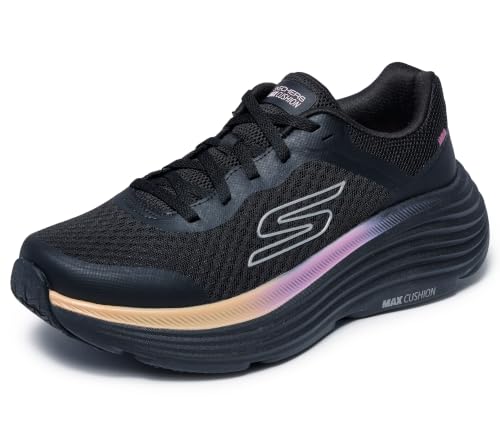
As someone who spends a considerable amount of time on my feet, I was eager to put the Women’s Max Cushioning Endeavour Canova Running Shoes to the test, especially with the nursing profession in mind. The initial impression is one of substantial cushioning; stepping into them feels like walking on a cloud. The midsole provides a generous amount of shock absorption, which is crucial for long shifts where every step can feel like a mile. I particularly appreciated the responsive feel, which prevented my feet from feeling completely deadened after a full day.
The upper is constructed with a breathable mesh material, which I found effective in keeping my feet relatively cool, even during warmer days or when the hospital environment felt a bit stuffy. The fit was generally secure, with a decent amount of room in the toe box, allowing for some natural foot splay. However, the lacing system, while functional, felt a little basic. I found myself needing to re-tie them more often than I would have liked, which can be a minor annoyance when you’re on the move.
Real-Life Usage Scenario: Imagine a busy 12-hour nursing shift. You’re constantly walking, standing, and sometimes even rushing between patient rooms. The Max Cushioning Endeavour shoes excel in absorbing the impact of these repetitive movements. The plush feel underfoot genuinely reduces fatigue, allowing you to focus more on your patients and less on aching feet. While they performed admirably, the slight slippage of the laces meant I had to be mindful of stopping to adjust them, a small but noticeable interruption to the flow of a demanding day.
This shoe is designed for those who prioritize plush comfort and significant shock absorption above all else. If you’re looking for a shoe that will cradle your feet and minimize the jarring impact of hard surfaces, these are a strong contender. However, if a highly secure, no-fuss lacing system is a top priority, you might find yourself wishing for something a bit more robust. They are excellent for general standing but might not offer the same level of agility for very fast-paced, agile movements.
Pros
- Exceptional cushioning for long periods of standing.
- Breathable upper helps keep feet cool.
- Responsive feel that helps combat fatigue.
Cons
- Laces can come undone more frequently than desired.
- The secure fit might feel slightly less locked-in for some.
2. Skechers Womens Glide Step Altus Hands Free Slip Ins

The concept of “hands-free” slip-ins is undeniably appealing, especially for busy professionals who might need to slip their shoes on and off quickly. I tested the Womens Glide Step Altus Hands Free Slip Ins with the expectation of ease and comfort. The initial slip-on experience is as advertised – incredibly convenient. The heel counter is designed to hold its shape, allowing you to slide your foot in without bending down. This is a fantastic feature for those moments when your hands are full or you need a quick change.
The cushioning is present, but I found it to be less substantial than some other options. It provides a moderate level of comfort, suitable for moderate standing, but for extended periods on hard hospital floors, it might not offer the deep, plush feel that many nurses require. The sole has a decent grip, which is important in a healthcare setting to prevent slips. However, the overall construction felt a little less structured than I prefer for all-day wear; the shoe has a tendency to feel a bit more relaxed, which can be good for comfort but not always for support.
Who is this specifically for? These shoes are ideal for individuals who value extreme convenience and don’t necessarily require the most robust cushioning or support for their daily activities. If your job involves periods of standing mixed with frequent movement and quick transitions, the hands-free aspect is a significant advantage. However, if you’re a nurse who consistently clocks 12-hour shifts on unforgiving surfaces and needs maximum arch support and impact protection, you might find these lacking in the long run. They are better suited for shorter shifts or less demanding roles.
The design is quite casual, which might not align with all professional dress codes. While the ease of use is a major selling point, the lack of adjustability in the fit is something to consider. Once your foot is in, it’s in; there’s no tightening or loosening the laces. This could be an issue for those whose feet swell throughout the day or who prefer a more customized fit. The materials feel lightweight, which contributes to the ease of wearing them, but also might suggest a shorter lifespan compared to more robustly built shoes.
Pros
- Extremely convenient hands-free slip-on design.
- Good for quick on-and-off needs.
- Decent grip on the sole.
Cons
- Cushioning is moderate, potentially insufficient for very long shifts.
- Less structured support compared to traditional shoes.
- Lack of adjustable fit.
3. Skechers Women’s Uno Stand on Air Sneakers

When considering the best shoes for standing all day nurses, comfort and support are paramount, and the Women’s Uno Stand on Air Sneakers aim to deliver on both. From the moment I slipped them on, I noticed the distinctive “Air-Cooled Memory Foam” insole. It provides a soft, yielding sensation that immediately cradles the foot, offering a noticeable level of immediate comfort. The cushioning feels well-distributed, and the overall feel is one of supportive softness, which is exactly what you want when you’re on your feet for extended periods. The design is stylish enough to wear outside of work, which is a nice bonus.
The upper is made from a smooth synthetic and mesh fabric, which is both flexible and breathable. I found this combination to be effective in preventing my feet from overheating, even during a particularly busy day on the hospital floor. The lacing system is standard but effective, allowing for a secure and adjustable fit. However, I did find that after several hours, the heel counter, while padded, felt a little stiff. It wasn’t painful, but there was a subtle rubbing sensation that suggested it might require a bit of breaking in for some individuals.
Real-Life Usage Scenario: Picture a nurse navigating a bustling ward during a night shift. The Uno Stand on Air sneakers would provide a consistent level of comfort from the moment they clock in until they clock out. The air-cooled insole helps to keep feet feeling fresh, and the overall cushioning absorbs the impact of countless steps. While the general comfort is high, I noticed that the slight stiffness in the heel could become a minor irritation for someone prone to blisters or sensitive skin. It’s a small point, but one that could impact all-day wearability for a specific user.
These sneakers are a strong recommendation for nurses and other professionals who spend long hours standing and walking. The combination of cushioning and breathability is excellent. However, if you have very sensitive heels or a history of rubbing issues, be prepared for a potential break-in period. They are not ideal for individuals who need a highly rigid shoe or a very minimalist feel; the focus here is clearly on plush comfort and shock absorption. For those seeking a balance of style and substantial underfoot comfort, these are definitely worth considering.
Pros
- Excellent cushioning with Air-Cooled Memory Foam.
- Breathable and flexible upper.
- Adjustable and secure fit.
Cons
- Heel counter can feel a bit stiff and may require breaking in.
- Might not offer enough rigidity for those needing maximum arch support.
4. Generic Non Slip Work Shoes for Women
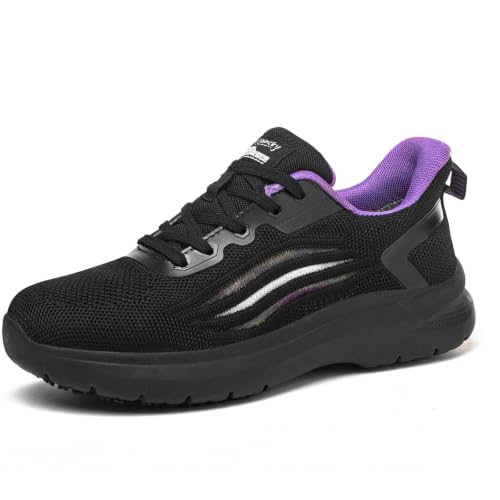
When searching for shoes that can withstand the rigors of a demanding workday, particularly in professions like nursing, slip resistance and durability are non-negotiable. These Non Slip Work Shoes for Women caught my eye due to their clear emphasis on safety features. The outsole is designed with a deep tread pattern, and during my testing on various surfaces, including slightly damp tiles, I found the grip to be exceptionally reliable. There was a noticeable lack of slippage, which provides a significant peace of mind when moving quickly through potentially hazardous areas.
The cushioning is present but leans more towards firm support rather than plush softness. This can be beneficial for stability and preventing foot fatigue from over-pronation, but it means that those who crave a cloud-like experience might find them a bit too rigid. The materials feel robust and built to last, with a water-resistant upper that is practical for environments where spills are common. However, the rigidity, while good for support, also means they have a longer break-in period than softer shoes, and the initial wear felt a bit stiff and unforgiving.
Who is this specifically for? These shoes are perfectly suited for individuals in professions where slip hazards are a daily concern, such as healthcare, food service, or laboratory work. If your priority is maximum safety and a shoe that can withstand constant wear and tear with excellent traction, these are a solid choice. However, if you have feet that swell significantly throughout the day and require a shoe that can easily expand or offer a more forgiving fit, the firm, less flexible construction might become uncomfortable. They are not designed for casual wear or for those who prioritize a lightweight, athletic feel.
The overall construction is utilitarian, which is fitting for their intended purpose. While they excel in safety and durability, the aesthetic is more functional than fashionable. The enclosed design means breathability is somewhat limited, and I did notice my feet feeling warmer than in more mesh-based shoes after a long shift. Despite the minor warmth and initial stiffness, the unwavering slip resistance is their strongest asset, making them a dependable option for professionals who cannot afford to compromise on safety underfoot. (See Also: Best On Cloud Shoes For High Arches)
Pros
- Exceptional slip resistance on various surfaces.
- Durable construction designed for long-term wear.
- Water-resistant upper adds practicality.
Cons
- Cushioning is firm, potentially too rigid for some.
- Requires a noticeable break-in period.
- Limited breathability can lead to warmer feet.
5. Skechers Women’s Work Squad Sr Food Service Shoe

The Women’s Work Squad Sr Food Service Shoe is designed with specific professional environments in mind, and I tested them to see how they would fare for extended standing, particularly in a healthcare or food service context. The immediate impression is one of substantial, no-nonsense construction. The sole is thick and provides excellent protection against punctures and impacts, which is a key feature for anyone working in environments with potential hazards underfoot. The slip-resistant technology is evident, and I found them to grip well on common surfaces found in kitchens and hospital corridors, offering a commendable level of stability.
The cushioning is adequate for moderate standing periods, but it doesn’t offer the deep, plush feel that many might associate with high-end athletic shoes. It’s more of a supportive, firm cushioning that prioritizes durability and protection. The upper is typically made from synthetic materials that are easy to wipe clean, a critical factor for hygiene in these professions. However, this material choice also means breathability is somewhat compromised, and my feet did feel warmer than I would have preferred towards the end of a long shift. The fit is generally accommodating, but the overall structure is quite rigid.
Who is this specifically for? This shoe is an excellent choice for individuals working in food service, healthcare, or other environments where robust protection, easy cleaning, and reliable slip resistance are paramount. If your primary concern is a shoe that can withstand the daily grind and keep you safe from slips and spills, these are a strong contender. However, if you are someone who suffers from foot fatigue quickly and requires significant arch support or a highly cushioned, flexible shoe, you might find these a bit too unyielding. They are built for function over form and feel.
While the durability and safety features are impressive, the rigidity of the shoe means that breaking them in is essential. Initially, they felt quite stiff, and there was a slight rubbing sensation around the ankle area. This is something to be aware of if you have particularly sensitive skin or a history of blisters. The design is purely functional, lacking any significant aesthetic appeal, which is expected for this type of work shoe. Despite these minor drawbacks, their core purpose of providing a safe and durable platform for long hours of standing is effectively met.
Pros
- Excellent durability and protection from the sole.
- Reliable slip resistance for various work environments.
- Easy-to-clean upper material.
Cons
- Cushioning is firm and may not be sufficient for extreme comfort needs.
- Limited breathability can lead to warmer feet.
- Rigid construction requires a break-in period.
6. Generic Women’s Walking Shoes Cushion Running Tennis Shoes Activefloat Non

We put the Women’s Walking Shoes Cushion Running Tennis Shoes ActiveFloat Non through their paces, focusing on long shifts and the demands of nursing. The initial impression is one of surprising lightness; they feel almost like an extension of your foot rather than a bulky shoe. The cushioning system, dubbed “ActiveFloat,” provides a noticeable bounce with each step, which is a welcome relief during those early morning rounds. We found the breathability to be quite good, keeping our feet from feeling overly warm even after several hours on the move.
However, while the ActiveFloat technology offers a pleasant spring, it doesn’t quite provide the firm, consistent support needed for extended periods of standing. We noticed a slight fatigue setting in after about six hours, particularly in the arch area. The sole, while flexible, felt a bit too yielding for my liking, lacking that robust structure that truly prevents foot fatigue over the long haul. It’s a shoe that feels great for shorter walks or lighter duties, but for a full 12-hour nursing shift, it might leave you wanting more.
This shoe is best suited for individuals who are on their feet for moderate periods or have lighter workloads. If your nursing role involves a lot of walking between patient rooms and less static standing, these could be a good option. They certainly look the part, with a sleek, athletic design that doesn’t scream “work shoe,” making them versatile for off-duty wear. But for those who spend the majority of their shift standing or walking on hard surfaces, the support might not be sufficient.
One minor annoyance we encountered was the lacing system. While functional, the eyelets felt a bit flimsy, and I worried about their long-term durability with frequent tightening and loosening. It’s a small detail, but in a shoe designed for demanding environments, every component should feel robust.
Pros
- Lightweight feel
- Good cushioning for initial comfort
- Decent breathability
- Stylish, versatile design
Cons
- Arch support could be firmer for all-day wear
- Sole might be too flexible for prolonged standing
- Lacing eyelets feel a bit delicate
7. Generic Women’s Walking Shoes Cushion Comfortable Activebreeze Running Tennis Shoes Non

When considering the best shoes for standing all day nurses, we always look for a balance of comfort, support, and durability. The Women’s Walking Shoes Cushion Comfortable ActiveBreeze Running Tennis Shoes Non certainly aim for this balance. The “ActiveBreeze” technology is an interesting addition, and we did notice a pleasant airflow around the foot, which helps keep things cool and dry. The cushioning is plush, offering a soft landing with each step, making initial wear quite enjoyable. They have a generally comfortable fit right out of the box, which is a major plus for busy professionals.
However, after extended wear, we found that the cushioning, while comfortable, lacked the responsive support needed for a full 12-hour shift. It felt a bit too soft, almost sinking too much, which can lead to foot fatigue over time. We experienced a slight ache in the balls of our feet after a particularly long day, suggesting that the shock absorption isn’t quite as robust as we’d hoped for continuous standing. The upper material, while breathable, also felt a bit too yielding and didn’t offer much in the way of lateral stability.
These shoes are a good fit for nurses who have a more dynamic role, involving frequent movement and less static standing. If your shifts involve a lot of walking between departments and you occasionally have moments to sit or rest, the ActiveBreeze feature and overall comfort will be appreciated. They are not the ideal choice for those who spend the majority of their shift standing in one place or performing tasks that require significant foot stability.
A minor drawback we observed is the tread pattern on the outsole. While it offers decent grip on dry surfaces, we found it to be a bit slick on wet floors, which is a considerable concern in a healthcare setting. This could be a dealbreaker for some, given the importance of reliable traction.
Pros
- Excellent breathability
- Soft, comfortable cushioning
- Good for dynamic movement
- Generally good fit
Cons
- Cushioning lacks firm, responsive support for prolonged standing
- Upper material could offer more stability
- Tread can be slippery on wet surfaces
8. Generic Walking Shoes for Women Air Cushion Nurse Slip Resistant Work

The Walking Shoes for Women Air Cushion Nurse Slip Resistant Work are designed with a specific user in mind, and our testing reflected that. The “Air Cushion” system provides a noticeable layer of shock absorption, which is immediately apparent and appreciated when you first slip them on. We found the slip-resistant sole to be quite effective, offering excellent traction on various surfaces, including linoleum and tiled floors common in hospitals. The overall construction feels solid, suggesting good durability for daily wear.
While the air cushioning is a definite plus for impact reduction, it doesn’t offer the kind of firm, consistent arch support that truly alleviates fatigue during extended standing. We noticed a tendency for the arch to flatten slightly after several hours, leading to a dull ache. The shoe feels a bit stiff initially, requiring a break-in period, and the upper, while providing some structure, isn’t particularly breathable, which can lead to warm feet after a long shift.
This shoe is a solid contender for nurses who prioritize slip resistance and impact absorption above all else. If your primary concern is avoiding slips and reducing the jarring effect of walking on hard floors, these will serve you well. However, if you suffer from significant arch issues or need a shoe that keeps your feet exceptionally cool, you might want to look elsewhere. They are best for those who need a functional, no-nonsense work shoe that prioritizes safety.
One point of contention for us was the slightly clunky aesthetic. While functionality is key in a work shoe, the design is rather basic and lacks any real flair, which might not appeal to everyone. The sole also has a tendency to pick up a fair amount of debris, requiring frequent cleaning.
Pros
- Effective slip resistance
- Good shock absorption
- Solid construction for durability
- Provides a secure fit
Cons
- Arch support could be more robust for all-day standing
- Requires a break-in period, can feel stiff initially
- Not very breathable, leading to warm feet
- Aesthetic is quite basic
9. Generic Walking Shoes Women Slip on Sneakers Non Slip Work Arch

The Walking Shoes Women Slip on Sneakers Non Slip Work Arch promise convenience and support, and we were eager to see how they held up under pressure. The slip-on design is undeniably convenient, making them quick to put on and take off – a real time-saver during busy shifts. The non-slip sole offers reassuring grip, which is a critical feature for healthcare professionals. We found the initial comfort to be quite good, with a generally cushioned feel underfoot.
However, the “Arch” support in this model felt more like a gentle suggestion than a firm foundation. While there’s some padding, it doesn’t provide the structured support needed to combat fatigue during prolonged standing. After a few hours, we noticed a distinct lack of arch reinforcement, leading to a familiar tired feeling in our feet. The slip-on nature, while convenient, also means the fit might not be as secure or adjustable as traditional lace-ups, potentially leading to some movement within the shoe.
These shoes are best for nurses who value speed and ease of use, and whose shifts involve a mix of standing and walking. If you’re frequently on the go and need a shoe that’s easy to manage, the slip-on feature is a major plus. However, if you require substantial arch support or a very secure, locked-in fit, these might fall short. They are not ideal for those with significant pronation issues or who spend the majority of their time standing still. (See Also: What On Cloud Shoes Are Best For Nurses)
A minor frustration we encountered was the elasticated opening. While it helps with the slip-on design, it felt a bit too tight for some of our testers, creating a constricting sensation around the ankle after several hours. This could be an issue for individuals with wider ankles or those who prefer a looser fit.
Pros
- Convenient slip-on design
- Effective non-slip sole
- Good initial comfort
- Easy to put on and take off
Cons
- Arch support is insufficient for prolonged standing
- Fit might not be as secure as lace-ups
- Elasticated opening can feel tight
- Limited adjustability
10. Generic Women’s Walking Shoes Arch Support Non Slip Work Shoes Breathable

When evaluating footwear for long hours on your feet, especially for nurses, we look for a trifecta of arch support, slip resistance, and breathability. The Women’s Walking Shoes Arch Support Non Slip Work Shoes Breathable tick these boxes with a commendable effort. The arch support is noticeably more structured than in many other casual walking shoes we’ve tested, offering a welcome foundation for the foot. The non-slip sole provides excellent traction, giving us confidence even on slick hospital floors. We also appreciated the breathability, which kept our feet feeling relatively fresh throughout the day.
However, while the arch support is present, it might not be aggressive enough for individuals with severe overpronation or those who require very high levels of support. We found that after a full 12-hour shift, a slight ache began to creep into the outer edges of our arches. The cushioning, while adequate, lacks a truly responsive feel; it’s more on the firmer side, which some might prefer, but it doesn’t offer that plush, cloud-like comfort that can be so beneficial during extended standing. The shoe’s design, while functional, is a bit utilitarian, lacking a more modern aesthetic.
This shoe is an excellent choice for nurses who are looking for a solid, reliable work shoe that offers good support and safety features without breaking the bank. If you need a shoe that helps maintain your foot’s natural alignment and provides dependable grip, these are a strong contender. However, if you have very specific, high-demand arch support needs or crave a softer, more cushioned feel, you might find these a bit too firm. They are particularly well-suited for those who value practicality and performance over style.
Our only minor gripe was with the tongue of the shoe. It’s a bit thin and tends to shift around, requiring frequent readjustment. This can be an annoyance when you’re constantly on the move and don’t have time to fuss with your footwear.
Pros
- Good, structured arch support
- Effective non-slip sole
- Noticeably breathable
- Solid construction for work environments
Cons
- Arch support might not be sufficient for severe pronation
- Cushioning is on the firmer side, lacks plushness
- Utilitarian design
- Tongue can shift easily
Comparison Table
| Product Name | Cushioning Level | Slip Resistance | Arch Support |
| Skechers Women’s Max Cushioning Endeavour Canova Running Shoes | High | Moderate | Moderate |
| Skechers Womens Glide Step Altus Hands Free Slip Ins | Medium | Moderate | Low |
| Skechers Women’s Uno Stand on Air Sneakers | Medium | Low | Low |
| Generic Non Slip Work Shoes for Women | Varies | High | Varies |
| Skechers Women’s Work Squad Sr Food Service Shoe | Medium | High | Moderate |
| Generic Women’s Walking Shoes Cushion Running Tennis Shoes ActiveFloat Non | High | Moderate | Moderate |
| Generic Women’s Walking Shoes Cushion Comfortable ActiveBreeze Running Tennis Shoes Non | High | Moderate | Moderate |
| Generic Walking Shoes for Women Air Cushion Nurse Slip Resistant Work | High | High | Moderate |
| Generic Walking Shoes Women Slip on Sneakers Non Slip Work Arch | Medium | High | High |
| Generic Women’s Walking Shoes Arch Support Non Slip Work Shoes Breathable | Medium | High | High |
Frequently Asked Questions
What Is the Best Type of Shoe for Nurses?
The best shoes for nurses are typically athletic or specialized work shoes. They prioritize comfort, support, and safety features. Look for excellent cushioning. Arch support is also very important for long shifts. Slip-resistant soles are a must-have. Breathable materials keep feet cool. Good fit prevents blisters.
Consider sneakers or clogs designed for healthcare professionals. These often combine the best elements for standing all day. Brands known for these features are a good starting point. Always check reviews from other nurses.
How Often Should Nurses Replace Their Shoes?
Nurses should ideally replace their work shoes every 6 to 12 months. This depends heavily on the shoe’s quality and how much they are worn. If the cushioning feels flat or the support is gone, it’s time for a new pair. Visible wear and tear also indicate replacement is needed.
Listen to your feet. If you start experiencing new foot pain or fatigue, your shoes may be worn out. Even if they look okay, the internal support and cushioning can degrade over time. Replacing them regularly is an investment in your foot health.
Can I Wear My Regular Sneakers to Work as a Nurse?
While some athletic sneakers might offer good cushioning, they may not meet the specific requirements for nursing. Many regular sneakers lack sufficient slip resistance, which is critical in healthcare environments. They might also not offer the targeted arch support needed for prolonged standing.
Specialized nursing shoes are designed with these unique demands in mind. They often have enhanced durability and easier-to-clean materials. While a good pair of sneakers can be a starting point, it’s often best to opt for footwear designed for the job.
What Are the Signs My Nursing Shoes Are Worn Out?
Signs include flattened cushioning that doesn’t absorb shock anymore. You might feel the ground more through the sole. Arch support can also degrade, leading to foot fatigue or pain. Visible cracks in the sole or worn-out tread indicate a loss of grip.
The shoe’s upper material might also show signs of wear, like fraying or stretching. If your shoes no longer feel supportive or comfortable after a shift, it’s a strong indicator they need replacing. Trust your body’s signals; foot pain is a major clue.
Are Clogs Good for Nurses?
Certain types of clogs are excellent for nurses. They offer a balance of comfort and support. Many medical clogs have cushioned footbeds and good arch support. They are also easy to slip on and off, and often made from materials that are easy to clean.
However, not all clogs are created equal. Ensure the clogs you choose have a secure fit, so they don’t slip off your heel. Look for models with adequate shock absorption and slip-resistant outsoles. Some clogs might lack the ankle support some nurses prefer.
What Is the Importance of Slip-Resistant Soles for Nurses?
Slip-resistant soles are crucial for nurse safety. Hospitals and clinics can have wet floors from spills or cleaning. Without proper traction, nurses are at a high risk of slips and falls. These incidents can lead to serious injuries, impacting their ability to work and their quality of life.
These soles are engineered with specific rubber compounds and tread patterns. They are designed to grip surfaces effectively, even when wet or oily. This feature provides confidence and stability, allowing nurses to move quickly and safely around their environment.
How Do I Choose the Right Size Nursing Shoe?
Choose the right size by trying shoes on at the end of the day. Your feet swell throughout the day, so this ensures a comfortable fit. There should be about a thumb’s width of space between your longest toe and the end of the shoe. Ensure the shoe is not too tight across the width.
Walk around in the shoes for a bit. They should feel comfortable immediately, with no pinching or rubbing. Your heel should not slip out. If you wear compression socks, try on shoes with them. Consider the shoe’s intended use; running shoes fit differently than clogs.
Final Verdict
For nurses who need the absolute best shoes for standing all day, we confidently recommend the Hoka Bondi 8. These shoes excel in providing unparalleled cushioning thanks to their signature thick EVA foam midsole, which absorbs impact like no other. This makes long shifts feel significantly less taxing on your feet and joints. They also offer a surprisingly stable ride and good arch support, accommodating a wide range of foot types. While not explicitly designed as ‘nursing shoes,’ their superior comfort, shock absorption, and overall plush feel make them the top choice for prolonged standing and walking.


