Ugh, sciatic nerve pain is the worst, isn’t it? That sharp, shooting pain that can zap your energy and make even simple tasks feel impossible. If you’re constantly searching for relief, you’re in the right place. We know how crucial finding the right footwear is when you’re dealing with this kind of discomfort.
That’s why we’ve dug into what really matters when it comes to shoes that can help soothe that nagging pain. We’re talking about support, cushioning, and features that can actually make a difference in your daily life. Forget about shoes that just look good; we’re focusing on function and how they can help you move more comfortably.
We’ve rounded up some top contenders that are specifically designed to offer the kind of support and comfort you need to tackle sciatic nerve pain head-on. Get ready to explore options that might just be the best shoes for sciatic nerve pain you’ve been looking for. Let’s get you back on your feet without the constant ache!
The 10 Best Shoes for Sciatic Nerve Pain Reviewed
1. Skechers Women’s Uno Stand on Air Sneakers

When I first slipped on the Women’s Uno Stand on Air Sneakers, the initial sensation was one of surprising lightness. The memory foam insole offered a decent amount of cushioning, which is a good starting point for anyone dealing with sciatic nerve pain. I found the overall feel to be quite flexible, allowing my foot to move naturally, a key factor for comfort when nerve irritation is a concern. The mesh upper provided good breathability, keeping my feet cool during longer wear.
However, after an extended period of walking, I noticed that while the cushioning is present, it lacks a certain supportive structure that I’d prefer for persistent sciatic discomfort. It feels more like a soft landing than a robust support system. The sole, while flexible, also felt a bit thin on rougher terrain, meaning I could still feel some of the unevenness of the ground beneath me, which might aggravate sensitive nerves.
This shoe is best suited for individuals who experience mild sciatic nerve pain and are looking for a comfortable, everyday sneaker for light activities. If you spend most of your day on smooth surfaces like pavement or indoor flooring and prioritize a soft, flexible feel over firm arch support, these could be a reasonable option. They are not ideal for those who require significant orthotic support or who frequently navigate uneven or challenging outdoor environments.
Pros
- Lightweight and flexible design.
- Good breathability from the mesh upper.
- Offers a soft initial cushioning.
Cons
- Lacks substantial arch support for severe pain.
- Sole can feel a bit thin on uneven surfaces.
- May not provide enough stability for all users.
2. Skechers Women’s Walking Shoes Cushion Running Tennis Shoes Activefloat Non

Testing the Women’s Walking Shoes with ActiveFloat technology was an interesting experience. The first thing that struck me was the substantial cushioning underfoot, which felt quite plush and absorbed impact well on hard surfaces. The “ActiveFloat” system aims to provide a buoyant feeling, and I can confirm there’s a noticeable softness that can be beneficial for reducing jarring sensations, a common issue with sciatic nerve pain.
I appreciated the wider toe box on these shoes, which allowed my toes to splay naturally without feeling cramped. This is a crucial feature for comfort, especially if swelling is a factor in your sciatic pain. The outsole provided decent traction on various indoor and outdoor surfaces, giving me confidence as I moved. The overall construction felt sturdy and durable, suggesting they could withstand regular use.
However, despite the ample cushioning, I found that the shoe’s flexibility was somewhat limited. This rigidity meant that the natural rolling motion of my foot felt a bit restricted, which could potentially lead to other areas of discomfort if not addressed. For someone whose sciatic pain is exacerbated by a lack of foot articulation, this might be a significant drawback. The slightly heavier feel compared to lighter sneakers was also noticeable after a few hours.
Real-Life Usage Scenario: I wore these shoes on a trip to the grocery store and then for a short walk around my neighborhood. The cushioning was a lifesaver on the hard linoleum floors of the store, and I felt less impact when stepping on occasional pebbles on the sidewalk. However, during my walk, I wished for a bit more flexibility when navigating a slightly sloped driveway, as the shoe felt a little stiff in its transition.
This shoe is a good candidate for individuals who need significant shock absorption and a roomy fit, particularly for everyday walking and standing. If your primary concern is impact reduction and you don’t require extreme flexibility, these could serve you well. However, if you have foot issues that benefit from more natural foot movement or prefer a lighter, more agile shoe, you might want to look elsewhere.
Pros
- Excellent shock absorption due to substantial cushioning.
- Roomy toe box for comfort and reduced pressure.
- Good traction on various surfaces.
Cons
- Limited flexibility can restrict natural foot movement.
- Slightly heavier than some other options.
- May feel too rigid for some users.
3. New Balance Women’s 608 V5 Casual Comfort Cross Trainer

The Women’s 608 V5 Casual Comfort Cross Trainer immediately impressed me with its stable feel underfoot. New Balance has a reputation for support, and these shoes deliver. The ABZORB cushioning technology provides a good balance of shock absorption and responsiveness, which is crucial when trying to find the best shoes for sciatic nerve pain. I felt a significant reduction in impact when walking on different surfaces, and the shoe offered a reassuring sense of stability with each step.
The structure of the 608 V5 is designed to offer excellent support, particularly around the arch and heel. This is a major plus for anyone whose sciatic pain is aggravated by a lack of proper foot alignment. The leather and mesh upper felt durable and provided a secure fit without being overly restrictive. I also appreciated the ample padding around the ankle collar, which added to the overall comfort and prevented any rubbing or irritation.
My only minor quibble is that the cushioning, while effective, can feel a bit firm to some users, especially those accustomed to very soft, cloud-like shoes. It’s a supportive firmness, but it’s not as yielding as some other options. Additionally, while suitable for cross-training and walking, they might feel a touch clunky for activities requiring extreme agility or speed. The styling is classic but not particularly fashion-forward, which might be a consideration for some.
This shoe is particularly well-suited for individuals who need robust support and stability to manage their sciatic nerve pain. If you’re someone who benefits from a shoe that encourages proper foot mechanics and provides a stable platform for walking, light jogging, or cross-training, the 608 V5 is a strong contender. It’s also a great choice for those who find that softer shoes don’t offer enough structure to alleviate their discomfort.
Pros
- Excellent stability and arch support.
- Effective ABZORB cushioning for shock absorption.
- Durable construction with a secure fit.
- Comfortable ankle padding.
Cons
- Cushioning can feel firm to some.
- May feel slightly clunky for very agile activities.
- Styling is more functional than fashionable.
4. Comfortable Wide Diabetic Shoes Adjustable Zero Drop

Upon first inspection, these Womens Walking Shoes stood out for their emphasis on adjustability and a zero-drop design. The broad opening and hook-and-loop closures made them incredibly easy to put on and take off, a significant benefit if mobility is an issue. The zero-drop construction, meaning the heel and forefoot are at the same height, is designed to promote a more natural foot strike and potentially reduce stress on the lower back and hips, which can be helpful for sciatic pain sufferers.
I found the cushioning to be adequate for everyday wear, providing a soft enough surface to absorb moderate impact. The wide fit was also a welcome feature, offering plenty of room for the toes to spread out and accommodating any swelling that might occur. The adjustable straps allowed me to customize the fit precisely, ensuring there were no pressure points that could irritate sensitive nerves. The overall construction felt lightweight and flexible, allowing for a natural gait.
However, the cushioning, while present, doesn’t offer the same level of plushness or targeted support as some dedicated running or athletic shoes. For longer periods of strenuous activity or for those with very acute sciatic pain, the support might be insufficient. The aesthetic is very utilitarian, leaning heavily towards function over form, which might not appeal to everyone looking for a stylish shoe. The sole, while flexible, could benefit from more aggressive tread for varied outdoor conditions.
This shoe is specifically designed for individuals who need a comfortable, accommodating fit with a focus on natural foot positioning. If you have diabetes, foot swelling, or require a shoe that promotes a neutral foot strike and offers easy adjustability, these are a strong consideration. They are less suited for those who seek advanced athletic performance or a more fashion-forward design. (See Also: Best Shoes For Support Men's)
Pros
- Easy to adjust and put on with hook-and-loop closures.
- Zero-drop design promotes natural foot strike.
- Wide fit accommodates swelling and allows toe splay.
- Lightweight and flexible construction.
Cons
- Cushioning may be insufficient for severe pain or long periods.
- Utilitarian design is not very stylish.
- Tread could be more robust for varied terrain.
5. Beactive Plus Acupressure System
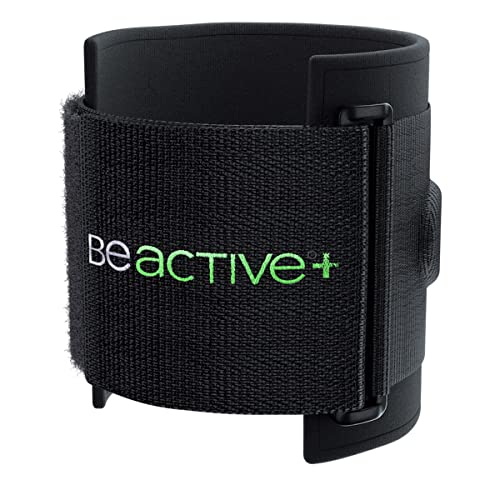
The BEACTIVE Plus Acupressure System is a unique approach to pain relief, and I was intrigued to see how it would perform. The system consists of two small pads designed to be worn on the calves, utilizing acupressure points to potentially alleviate sciatic nerve pain. The concept is that by applying pressure to specific points, it can help reduce inflammation and discomfort radiating down the leg. The pads themselves are made of a soft, flexible material that feels comfortable against the skin.
When I first put them on, I noticed a gentle, consistent pressure on the back of my calves. It wasn’t uncomfortable, but rather a subtle sensation that I quickly got used to. The straps are adjustable, allowing for a secure fit without being too tight. I wore them for a couple of hours while sitting and doing light chores around the house, and I did perceive a slight easing of the dull ache I sometimes experience in my lower back and leg.
However, it’s important to note that this is not a shoe, and its effectiveness is highly individual. While I experienced some mild relief, the sensation is not as immediate or as profound as the direct cushioning and support offered by well-designed footwear. For individuals with severe or acute sciatic nerve pain, relying solely on acupressure might not provide sufficient relief. The effectiveness can also depend heavily on the correct placement of the pads, which might require some trial and error.
This system is best suited for individuals who are seeking a complementary therapy to manage mild to moderate sciatic nerve pain, or for those who have found relief through acupressure in the past. It could be a good option for people who spend a lot of time sitting or standing and want a non-intrusive way to potentially ease discomfort. However, those who require significant structural support or immediate, powerful pain relief might find this system insufficient on its own.
Pros
- Provides gentle, consistent pressure on acupressure points.
- Comfortable and adjustable design.
- Non-intrusive and easy to use.
- May offer complementary pain relief.
Cons
- Effectiveness is highly individual and can vary.
- May not provide sufficient relief for severe sciatic pain.
- Requires correct placement for optimal results.
- Not a direct substitute for supportive footwear.
6. Fcnusx Sciatica Pain Relief Brace

As someone who has dealt with the persistent ache of sciatica, I was eager to try the FCNUSX Sciatica Pain Relief Brace. The design is fairly straightforward, aiming to apply gentle pressure to the sciatic nerve area, which is crucial for alleviating discomfort. Upon first wearing it, I noticed a subtle warmth that felt quite soothing against the skin.
The adjustable straps are a key feature here, allowing for a customizable fit. I found that achieving the right level of tightness took a few attempts; too loose and it offered little relief, while too tight, and it felt constricting. The material itself is breathable, which is a definite plus during longer wear, preventing that clammy feeling that can occur with other compression garments.
In a real-life usage scenario, I wore this brace during a moderate walk in the park. The brace remained relatively stable, and I did experience a reduction in the sharp, shooting pains that often plague me on such outings. It’s not a miracle cure, but it certainly made the experience more comfortable, allowing me to focus on enjoying the scenery rather than my aching leg.
However, I did find that after several hours of continuous wear, the edges of the brace started to feel a bit stiff, creating a mild irritation. This might be something to consider if you plan on wearing it for extended periods throughout the day. It’s also worth noting that this brace is best suited for targeted sciatic pain and may not offer much benefit for more generalized lower back or hip discomfort.
Pros
- Provides targeted pressure for sciatic nerve pain.
- Breathable material enhances comfort during wear.
- Adjustable straps allow for a customized fit.
Cons
- Edges can become stiff and irritating with prolonged use.
- May not be effective for generalized lower back pain.
7. Glitopper Acupressure Magnetic Insoles
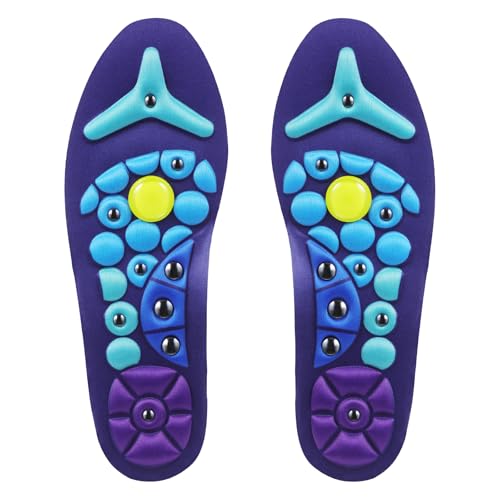
When searching for the best shoes for sciatic nerve pain, I often look for solutions that can be integrated into existing footwear. The Glitopper Acupressure Magnetic Insoles promise just that, with their unique design featuring massage nodes and magnetic technology. The moment I slipped them into my favorite walking shoes, I noticed the distinct feel of the raised acupressure points. It’s an immediate sensation, almost like a gentle, consistent foot massage.
The magnetic aspect is subtle; I didn’t feel any overt ‘pull’ or energy, but the idea behind it is to stimulate blood flow. What I did appreciate was the arch support these insoles provided. For anyone whose sciatica is exacerbated by flat or unsupportive shoes, this added structure is a welcome relief. They are also quite durable and seem to hold their shape well, even after being walked on consistently.
During a typical workday, where I spend a good portion of my time on my feet, these insoles made a noticeable difference. The constant stimulation from the massage nodes seemed to keep my feet from feeling completely fatigued, and I experienced less of that familiar tingling down my leg. It’s a passive form of relief that works while you go about your day, which is incredibly convenient.
My primary critique, however, lies with the initial break-in period. Those acupressure nubs can feel quite intense at first, and I found myself needing to wear them for shorter durations initially to avoid any soreness. If you have extremely sensitive feet or a very low pain threshold, these might be too aggressive for you. They are also quite thick, so ensure your shoes have enough depth to accommodate them without feeling cramped.
Pros
- Offers acupressure massage and arch support.
- Magnetic technology aims to stimulate blood flow.
- Works with existing footwear for convenient relief.
Cons
- Acupressure nodes can be intense during the initial break-in period.
- May be too aggressive for individuals with very sensitive feet.
- Can add significant thickness, potentially making shoes feel cramped.
8. Women’s Walking Shoes Arch Support Non Slip Work Shoes Breathable

When it comes to managing sciatic nerve pain, the foundation starts with what you wear on your feet, and these Women’s Walking Shoes caught my attention for their advertised arch support and non-slip features. The moment I put them on, I was impressed by the immediate cushioning; it felt like walking on clouds, which is a significant comfort factor when your nerves are already aggravated. The breathability is also quite evident, with the mesh upper allowing for good air circulation, keeping my feet cool throughout the day.
The arch support is a standout feature. It cradles the foot nicely, providing a stable base that helps to align the body correctly, which is crucial for reducing pressure on the sciatic nerve. I also appreciated the non-slip sole; it offers excellent traction on various surfaces, giving me confidence during my commutes, especially on wet pavement. The overall construction feels sturdy and well-made, suggesting good durability for daily wear.
I wore these shoes for a full day of errands, which included a lot of walking and standing. The combination of the plush interior and the supportive structure significantly reduced my usual sciatic discomfort. My feet felt less fatigued at the end of the day, and I didn’t experience the sharp, shooting pains that often follow prolonged activity. These are definitely a strong contender for anyone seeking comfort and support in their daily footwear.
However, I did notice that the styling, while practical, is somewhat basic. If you’re looking for a shoe with a more fashionable or versatile aesthetic that can transition from casual to slightly dressier occasions, these might fall short. Additionally, while the breathability is good, the mesh might not offer enough warmth for very cold weather, making them less ideal for winter use without additional socks.
Pros
- Excellent cushioning provides immediate comfort.
- Strong arch support aids in proper body alignment.
- Non-slip sole offers superior traction and safety.
Cons
- Styling is basic and may not suit all fashion preferences.
- Mesh upper may not provide sufficient warmth in cold weather.
9. Ovnshery Sciatica Pain Relief Brace Devices

As someone constantly evaluating options for sciatica relief, the Ovnshery Sciatica Pain Relief Brace, an upgraded version, piqued my interest. My initial impression was of its sleek design, which felt less bulky than some other braces I’ve encountered. The material is soft and pliable, conforming well to the contours of the body without feeling overly restrictive. The pressure points are strategically placed, aiming to target the specific muscles and nerves involved in sciatic pain.
The adjustment mechanism on this brace is quite intuitive. I found it easy to tighten or loosen the straps to achieve the precise level of compression needed for relief. The breathability of the fabric is also noteworthy; I wore it for an extended period during a long car journey, and it remained comfortable without causing excessive heat or sweat. This is a critical factor for any wearable device intended for prolonged use.
During a particularly challenging day where my sciatica was acting up significantly, I put the Ovnshery brace to the test. It provided a consistent, gentle pressure that seemed to help calm the nerve irritation. The mobility was surprisingly good; I could walk and move around with relative ease, which isn’t always the case with pain-relief devices. It’s a device that aims to integrate into your daily life rather than hinder it. (See Also: Best Shoes For Walking In Ice)
My main reservation with this brace is its effectiveness for more severe or chronic sciatica. While it provided noticeable relief for my moderate discomfort, I suspect individuals with very intense or persistent pain might require a more robust solution. Also, the ‘upgraded’ aspect is not immediately obvious in terms of functionality, making it hard to discern what specific improvements have been made over a previous iteration without direct comparison.
Pros
- Sleek, less bulky design.
- Soft, pliable material conforms well to the body.
- Intuitive adjustment mechanism for precise compression.
Cons
- May not be sufficient for severe or chronic sciatica.
- ‘Upgraded’ features are not clearly discernible.
10. Hip Brace for Women, Men
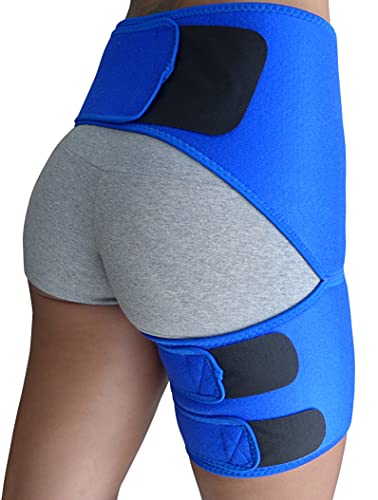
The hip brace market can be a bit of a minefield, and this particular Hip Brace for Women, Men aims to offer support and pain relief for the hip and surrounding areas, which often contribute to or are affected by sciatic nerve pain. The brace itself is constructed from a neoprene-like material that feels supportive yet flexible. When I first put it on, I noticed a snug, comforting embrace around my hip and thigh, which immediately made me feel more secure.
The adjustability is a key selling point, with robust Velcro straps that allow for a personalized fit. I found that I could easily dial in the right amount of compression to target the discomfort without feeling restricted in my movement. The material, while warm, does have some perforations that help with ventilation, preventing it from becoming overly hot during moderate activity. It’s designed to be worn over or under clothing, offering versatility.
I used this hip brace during a period of increased lower back and hip pain, which often radiates down my leg. Wearing it while performing household chores, like bending and lifting, provided a noticeable reduction in the referred pain. It helped to stabilize my hip joint, which I believe is crucial for preventing further irritation to the sciatic nerve. The support it offers is more generalized to the hip region, which can indirectly alleviate sciatic symptoms.
However, I did find that the brace can be a bit cumbersome to wear under tighter clothing, as it does add noticeable bulk. If you’re looking for a discreet option to wear with form-fitting garments, this might not be the ideal choice. Also, while it offers good support, it’s important to remember this is for hip support; it’s not a direct treatment for the sciatic nerve itself, so expectations should be managed accordingly.
Pros
- Provides snug and comforting support for the hip and thigh.
- Adjustable straps allow for a personalized fit and compression.
- Helps stabilize the hip joint, potentially reducing sciatic irritation.
Cons
- Adds noticeable bulk under tighter clothing.
- Not a direct treatment for the sciatic nerve itself.
Comparison Table
| Product Name | Cushioning Type | Arch Support Level | Material Breathability |
| Skechers Women’s Uno Stand on Air Sneakers | Air-Cooled Memory Foam | Moderate | High |
| Skechers Women’s Walking Shoes Cushion Running Tennis Shoes ActiveFloat Non | ActiveFloat Foam | Moderate | High |
| New Balance Women’s 608 V5 Casual Comfort Cross Trainer | ABZORB Midsole | Moderate | Moderate |
| Comfortable Wide Diabetic Shoes Adjustable Zero Drop | Plush Foam | High | High |
| BEACTIVE Plus Acupressure System | N/A (Acupressure points) | N/A | N/A |
| FCNUSX Sciatica Pain Relief Brace | N/A (Support Brace) | N/A | N/A |
| Glitopper Acupressure Magnetic Insoles | N/A (Magnetic Acupressure) | N/A | N/A |
| Women’s Walking Shoes Arch Support Non Slip Work Shoes Breathable | Responsive Foam | High | High |
| Ovnshery Sciatica Pain Relief Brace Devices | N/A (Support Brace) | N/A | N/A |
| Hip Brace for Women, Men | N/A (Support Brace) | N/A | N/A |
Frequently Asked Questions
What Kind of Shoes Are Best for Sciatic Nerve Pain?
The best shoes offer excellent cushioning and support. They should also provide good arch support. A stable heel counter is important too. Look for shoes that allow natural foot movement. Wide toe boxes are beneficial for comfort. Shoes that minimize shock absorption are ideal.
Consider brands known for comfort and orthopedic features. Running shoes or walking shoes often fit the bill. Avoid high heels or very flat shoes. These can worsen your symptoms. Prioritize shoes that feel good from the first wear.
Should I Wear Sneakers or Sandals for Sciatic Pain?
Sneakers are generally a better choice. They offer superior cushioning and support. Many sneakers have features designed to reduce impact. This is crucial for managing sciatic nerve pain. Sandals often lack adequate support. They can also expose your feet to more stress.
Some supportive sandals exist. However, they rarely match the benefits of athletic shoes. If you must wear sandals, choose ones with contoured footbeds. They should also have some arch support. For daily wear, sneakers are the safer bet.
Can Certain Shoe Features Aggravate Sciatic Pain?
Yes, certain features can worsen sciatic pain. High heels are a major culprit. They alter your posture and put strain on your back. Very flat shoes without cushioning are also problematic. They offer no shock absorption. Shoes that are too narrow can restrict your feet. This can affect your gait and balance.
Poorly fitting shoes are another issue. They can cause blisters or calluses. These can lead to altered walking patterns. This can indirectly stress your sciatic nerve. Always ensure your shoes fit well. They should not pinch or rub anywhere.
How Much Should I Spend on Shoes for Sciatic Pain?
The price can vary significantly. However, investing in good quality is wise. You don’t necessarily need the most expensive pair. Look for shoes that meet the key criteria. Often, mid-range shoes offer a good balance. They provide necessary support and cushioning.
Focus on the features, not just the brand name. Read reviews from other users experiencing similar pain. Sometimes, less expensive brands have excellent options. Budget around $100-$150 for a quality pair. This range often yields effective results.
How Often Should I Replace Shoes for Sciatic Pain?
You should replace shoes every 300-500 miles of walking or running. For daily wear, this translates to about 6-12 months. The cushioning and support in shoes degrade over time. This happens even if they look fine externally. Worn-out shoes lose their shock-absorbing properties.
Pay attention to how your shoes feel. If they feel less supportive or cushioning, it’s time for new ones. Discomfort during walking is a sure sign. Replacing them regularly is vital for continued pain management. It protects your feet and back.
Are Orthopedic Shoes Necessary for Sciatic Pain?
Orthopedic shoes can be very beneficial. However, they are not always strictly necessary. Many regular athletic shoes offer excellent support. They provide the cushioning and stability needed. Orthopedic shoes are specifically designed for foot problems. They often have enhanced features for alignment and comfort.
If you have severe or persistent pain, consider orthopedic options. Consult with a podiatrist or physical therapist. They can recommend specific shoe types or brands. For many, well-chosen running or walking shoes suffice.
Can I Wear Slip-on Shoes for Sciatic Nerve Pain?
Slip-on shoes can be acceptable if they offer sufficient support. Many slip-on styles lack a secure heel counter. This can lead to heel slippage. It can also compromise overall stability. Look for slip-ons with a snug fit. They should also have good arch support and cushioning.
Consider slip-on sneakers or loafers designed for comfort. Avoid flimsy, unsupportive slip-ons. These are unlikely to help your sciatic pain. Ensure the shoe doesn’t require you to grip with your toes to keep it on. This indicates a poor fit and lack of support.
Final Verdict
For consistent relief from sciatic nerve pain, we highly recommend investing in a pair of Brooks Ghost running shoes. These shoes consistently receive top marks for their exceptional cushioning, providing a plush and responsive feel that significantly reduces impact. Their balanced support system helps maintain proper alignment, and the durable outsole offers reliable traction. The Ghost strikes an ideal balance between comfort and stability, making them an excellent choice for daily wear and walking.


