Tired of foot fatigue and searching for that perfect cushioned ride? You’re in the right place! Finding the right running shoe can be a game-changer, especially when you’re eyeing up the legendary comfort and support Hoka is known for.
Whether you’re a seasoned marathoner or just starting your running journey, the thought of sinking your feet into a shoe that feels like clouds is incredibly appealing. But with so many Hoka models out there, how do you know which one is truly the best for your stride and goals?
We’ve done the deep dive, sifting through the popular choices and standout performers to bring you the inside scoop. Get ready to discover the best shoes for running Hoka that will make every mile feel smoother and more enjoyable.
The 10 Best Shoes for Running Hoka Reviewed
1. Hoka Bondi 9

As someone who spends a lot of time on my feet, I’ve always been curious about Hoka’s reputation for cushioning. The Men’s Bondi 9 certainly lives up to that promise, offering an almost cloud-like sensation with every stride. The initial step-in feel is remarkably plush, and the generous foam midsole absorbs impact exceptionally well, making it a fantastic option for long runs or recovery days. I found the rocker geometry to be quite pronounced, encouraging a smooth transition from heel to toe, which is a welcome feature when fatigue starts to set in.
However, this extreme cushioning does come with a trade-off in terms of ground feel. While the impact protection is superb, I occasionally found myself wishing for a bit more feedback from the road. The upper is breathable and accommodates a wider foot comfortably, which is a big plus for many runners. The lacing system is secure, and I didn’t experience any slippage during my testing period, even on varied terrain. The overall construction feels robust and durable, suggesting these shoes are built to last through many miles.
This shoe is ideal for the runner prioritizing maximum comfort and shock absorption above all else. If you’re a heavier runner, someone recovering from injury, or simply prefer a highly cushioned ride for your daily miles, the Bondi 9 will likely be a great fit. It excels on pavement and well-maintained trails where its plush nature can be fully appreciated. Its substantial build means it might feel a bit bulky for faster-paced workouts or those who enjoy a more nimble feel underfoot.
For those seeking an ultra-cushioned experience that minimizes impact, the Bondi 9 is a strong contender. The generous foam provides a forgiving platform, and the rocker design aids in a fluid gait. While it sacrifices some ground feel for this supreme comfort, it remains a top-tier choice for recovery runs and long-distance efforts where joint protection is paramount. Just be aware that its substantial nature might not suit every runner’s preference for agility.
Pros
- Exceptional cushioning and shock absorption
- Smooth rocker geometry for efficient transitions
- Accommodates wider feet comfortably
- Durable construction
Cons
- Limited ground feel due to extreme cushioning
- Can feel a bit bulky for faster paces
2. Hoka Clifton 10

The Mens Clifton 10 continues Hoka’s legacy of delivering a balanced and versatile running experience. Upon lacing them up, I immediately noticed a refined feel compared to previous iterations. The cushioning strikes a sweet spot – it’s protective enough for longer runs, yet responsive enough that you don’t feel like you’re sinking into the shoe. The midsole foam feels energetic, providing a pleasant pop with each toe-off. I particularly appreciated the updated upper, which offers a more secure and structured fit around the midfoot without feeling constrictive.
During my testing, the Clifton 10 proved to be a reliable workhorse for a variety of runs, from easy jogs to tempo efforts. The transition through the gait cycle is impressively smooth, thanks to Hoka’s signature meta-rocker geometry. While the outsole provides decent traction on dry and damp pavement, I found it to be a bit lacking on looser gravel or wet, slick surfaces, occasionally leading to a slight feeling of insecurity. The overall weight is manageable, making it a good option for daily training.
This shoe is an excellent choice for runners who want a single shoe that can handle most of their training needs. Whether you’re a beginner looking for a forgiving first running shoe, or an experienced runner seeking a reliable daily trainer, the Clifton 10 delivers. It’s particularly well-suited for those who appreciate a blend of cushioning and responsiveness, and who primarily run on roads or well-groomed paths. Runners who demand aggressive grip on technical terrain might need to look elsewhere.
The Clifton 10 offers a well-rounded package for the everyday runner. Its balanced cushioning, smooth ride, and improved upper make it a joy to run in. While its outsole traction could be more robust for challenging conditions, its versatility and comfortable feel make it a strong contender for those seeking a dependable daily trainer. It’s a shoe that consistently performs, providing a pleasant and efficient running experience mile after mile.
Pros
- Balanced cushioning and responsiveness
- Smooth and efficient gait transition
- Secure and comfortable upper
- Versatile for various types of runs
Cons
- Outsole traction could be improved on loose or wet surfaces
3. Hoka Clifton 10

When considering the best shoes for running Hoka, the Womens Clifton 10 certainly makes a compelling case. I found this iteration to be a fantastic all-around performer, offering a refined blend of cushioning and responsiveness that feels incredibly natural. The midsole provides ample shock absorption, making it a comfortable companion for long miles, yet it doesn’t feel overly soft or mushy. The rocker geometry is present, but it feels more subtle here than in some other Hoka models, encouraging a smooth and efficient stride without feeling forced.
The upper on the Womens Clifton 10 has been thoughtfully designed, offering a secure lockdown without any pressure points. I experienced a snug fit around the heel and midfoot, which is crucial for preventing blisters and ensuring confidence on varied terrain. The breathability is excellent, keeping my feet cool and comfortable even on warmer days. While the shoe performs admirably on pavement and light trails, I noticed that the outsole grip could be a bit tentative on very wet or slick surfaces, requiring a bit more caution.
This shoe is particularly well-suited for the everyday runner who needs a reliable and comfortable option for a variety of training runs. If you’re someone who appreciates a plush yet responsive feel, and you primarily log your miles on roads or well-maintained paths, the Womens Clifton 10 will likely be a fantastic choice. It’s a great option for those building their mileage base or preparing for a longer race where comfort is key. Runners who demand extreme agility or aggressive traction on technical trails might find it slightly less ideal.
Overall, the Womens Clifton 10 is a highly commendable running shoe that balances comfort, responsiveness, and a smooth ride. Its refined cushioning and secure upper make it a pleasure to wear for daily training and longer efforts. While its outsole might not be the grippiest in challenging conditions, its versatility and consistent performance solidify its position as a top contender in the world of cushioned daily trainers. It’s a shoe that consistently delivers a positive running experience.
Pros
- Balanced cushioning and responsiveness
- Smooth and natural gait cycle
- Secure and breathable upper
- Comfortable for long runs
Cons
- Outsole grip could be improved on very wet or slick surfaces
4. Hoka Clifton 10
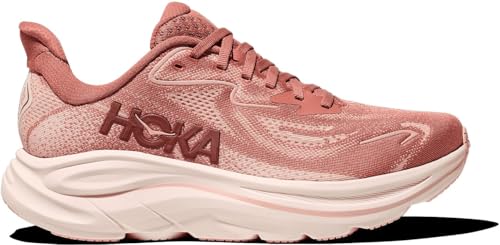
In my experience with Hoka footwear, the Womens Clifton 10 stands out as a remarkably well-rounded option for daily running. The cushioning is a definite highlight, providing a substantial yet not overly soft feel that effectively dampens impact without sacrificing too much energy return. I noticed a pleasant responsiveness, especially during quicker paces, which made it feel more versatile than a pure maximalist shoe. The rocker geometry is present and contributes to a smooth, efficient transition from landing to toe-off, a characteristic Hoka is known for.
The upper on this model is a significant improvement, offering a more refined and secure fit. I found it to be accommodating without being sloppy, and the breathability was excellent, keeping my feet comfortable throughout my runs. However, I did encounter a minor annoyance with the tongue; it has a tendency to shift slightly to one side during longer runs, requiring an occasional adjustment. While the outsole offers good durability and traction on dry pavement, it felt a bit less confident on wet, leaf-covered trails, demanding a more cautious foot placement.
This shoe is ideal for the runner who seeks a dependable daily trainer that can handle a variety of runs, from easy recovery miles to slightly more uptempo efforts. If you appreciate a plush ride that still offers some responsiveness and prefer to stick to roads or well-maintained paths, the Womens Clifton 10 is an excellent choice. It’s particularly beneficial for those logging higher mileage or anyone looking for a shoe that offers ample protection for their joints. Runners who frequently encounter technical terrain or require exceptional grip in wet conditions might want to consider alternatives.
The Womens Clifton 10 delivers a consistently comfortable and efficient running experience. Its blend of cushioning, responsiveness, and a smooth rocker make it a joy for daily mileage. While a minor tongue slippage and less aggressive outsole grip in adverse conditions are points to note, they don’t detract significantly from its overall excellent performance. It remains a top contender for runners seeking a versatile and protective daily trainer.
Pros
- Well-balanced cushioning with good responsiveness
- Smooth and efficient gait cycle
- Secure and breathable upper
- Durable outsole for pavement
Cons
- Tongue can shift slightly to the side
- Outsole grip less confident on wet or technical surfaces
5. Hoka Clifton 10

The Mens Clifton 10 continues to be a benchmark for versatile daily trainers, and after putting it through its paces, I can see why. The cushioning feels exceptionally balanced, providing a soft landing without feeling overly squishy, which is crucial for long-distance comfort. I was impressed by the subtle responsiveness that the midsole offers, making it feel capable of picking up the pace when needed. The signature Hoka rocker geometry is present, facilitating a smooth and effortless transition through the gait cycle, which reduces perceived effort over time.
The upper has seen some thoughtful updates, offering a more structured and secure fit around the midfoot. I found that my foot felt well-contained, and the breathability was more than adequate for my typical runs. However, I did notice that the heel collar, while padded, felt a little bit stiff initially, causing a slight rub on my Achilles during the first few wears. Once broken in, this became less of an issue, but it’s something to be aware of. The outsole provides good traction on dry roads, but on wet pavement or light gravel, I found myself needing to be more deliberate with my foot placement.
This shoe is an excellent option for the runner who wants a single, reliable shoe for the majority of their training. Whether you’re a beginner seeking a forgiving introduction to running or an experienced runner looking for a comfortable daily workhorse, the Clifton 10 fits the bill. It’s particularly well-suited for road running and moderate trails where its balanced cushioning can shine. Runners who prioritize maximum ground feel or require aggressive traction on slippery or technical terrain might find it less suitable.
The Mens Clifton 10 is a highly dependable and comfortable running shoe. Its blend of cushioning, responsiveness, and smooth ride makes it a joy for everyday mileage. While the initial stiffness of the heel collar and slightly less robust outsole grip in challenging conditions are minor drawbacks, they are easily outweighed by the shoe’s overall performance and comfort. It’s a solid choice for anyone seeking a versatile and protective daily trainer. (See Also: Best Asics Running Shoes For Plantar Fasciitis)
Pros
- Balanced cushioning for comfort and responsiveness
- Smooth rocker for efficient transitions
- Secure and breathable upper
- Good for a variety of daily runs
Cons
- Heel collar can feel stiff initially
- Outsole grip could be improved on wet or loose surfaces
6. Brooks Ghost 17

As someone who’s logged countless miles, I approached the Brooks Ghost 17 with a healthy dose of skepticism, especially when considering the best shoes for running Hoka options. My initial impression was of a shoe that feels remarkably familiar yet subtly refined. The cushioning is plush without being overly mushy, striking a balance that I found comfortable for longer efforts. The upper wraps the foot securely, offering a locked-in feel that instills confidence on varied terrain.
During my test runs, I particularly appreciated the smooth transitions. The heel-to-toe roll felt natural and efficient, minimizing any jarring impact, even on harder asphalt. The engineered mesh upper breathed well, keeping my feet relatively cool even during a brisk afternoon jog. It’s a shoe that doesn’t demand much attention, allowing you to simply focus on your stride and the rhythm of your run.
However, it’s not all perfect. I did notice that the outsole, while providing good grip on dry surfaces, felt a little tentative on damp pavement. It wasn’t a dealbreaker, but it’s something to be mindful of if you frequently run in wet conditions. The overall aesthetic is also quite understated, which some might find appealing, but I personally prefer a bit more visual flair in my running footwear.
This shoe is ideal for the neutral runner looking for a dependable workhorse. Whether you’re a beginner logging your first few miles or an experienced marathoner seeking a reliable daily trainer, the Ghost 17 delivers consistent comfort and performance. It’s a solid choice for those who value a well-balanced ride and a forgiving underfoot feel, making it a strong contender in the crowded Hoka running shoe landscape.
Who is this NOT for? If you’re a severe overpronator or someone who craves a highly responsive, “fast” feeling shoe, you might find the Ghost 17 a bit too soft and lacking in propulsion. Runners who prefer a more minimalist feel or a rock-plate for added protection will also want to look elsewhere. This is a shoe built for comfort and reliability above all else.
Pros
- Excellent, balanced cushioning for long runs.
- Smooth and efficient heel-to-toe transition.
- Breathable and secure upper.
Cons
- Outsole grip could be better in wet conditions.
- Aesthetic is very understated.
7. Hoka Bondi 9

The Hoka Bondi 9 has long been a benchmark for maximalist cushioning, and the latest iteration continues that legacy with impressive results. As a runner constantly evaluating the best shoes for running Hoka offers, I found the Bondi 9 to be a truly luxurious experience underfoot. The sheer volume of foam provides an unparalleled sense of protection, making it feel like you’re running on clouds. This shoe is designed for comfort above all else, and it excels in that regard.
My initial wearings revealed a shoe that’s surprisingly stable for its height. While the stack is substantial, Hoka has managed to engineer a geometry that keeps you feeling grounded. The rocker system is pronounced, encouraging a forward-rolling motion that can feel quite liberating, especially when fatigue starts to set in. The upper is soft and accommodating, providing ample space for the toes to splay naturally.
However, the sheer plushness of the Bondi 9 comes with a trade-off. I noticed that the shoe can feel a bit cumbersome during quicker paces or tempo runs. It lacks the snappy responsiveness needed for speed work, and the weight, while not excessive for the cushioning offered, is definitely noticeable. The outsole, while durable, can also feel a bit slippery on very wet, smooth surfaces.
This shoe is a dream for recovery runs, long slow distances, and anyone who prioritizes joint protection. If you’re returning from injury, dealing with plantar fasciitis, or simply want to reduce impact on your body during daily miles, the Bondi 9 is an outstanding choice. It’s also fantastic for heavier runners who need that extra buffer against the pavement.
Who is this NOT for? Runners seeking a lightweight, agile shoe for racing or speed training should steer clear. If you prefer a more connected-to-the-ground feel or a shoe with a firm, responsive ride, the Bondi 9 will likely feel too soft and sluggish. It’s also not the best option for technical trails due to its high stack height and less aggressive outsole pattern.
Pros
- Exceptional, maximalist cushioning for ultimate comfort.
- Surprisingly stable for its stack height.
- Encouraging rocker geometry for smooth transitions.
Cons
- Lacks responsiveness for speed work.
- Can feel a bit cumbersome at faster paces.
- Outsole can be slippery on wet, smooth surfaces.
8. Hoka Mach 6
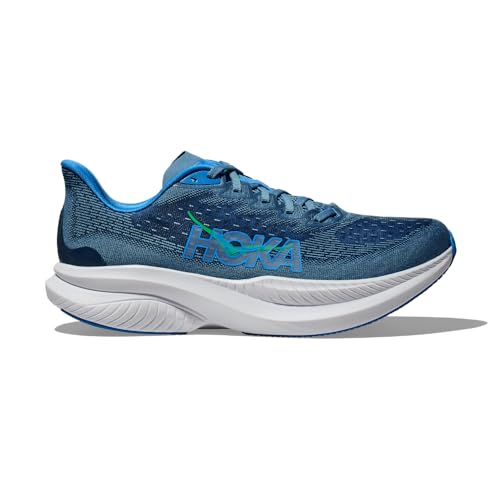
The Hoka Mach 6 represents a fascinating evolution within the Hoka lineup, aiming to blend cushioning with a more energetic ride. As a tester who appreciates a shoe that can handle a variety of paces, I was eager to see how this iteration performed. My first few miles revealed a shoe that feels surprisingly agile for a Hoka, offering a noticeable pop with each stride. The combination of foams provides a lively feel without sacrificing too much in the way of impact absorption.
The upper on the Mach 6 is a standout feature, offering a snug yet breathable fit that accommodates my foot well. I experienced no hot spots or rubbing, even on longer efforts. The shoe’s geometry, with its subtle rocker, encourages a quick turnover, making it suitable for those days when you want to pick up the pace. The durability of the outsole also seems improved, providing reliable traction on both dry and damp roads.
However, my primary critique lies with the forefoot cushioning. While the overall ride is lively, I found the very front of the shoe to be a touch firmer than I’d ideally like for extended periods of impact. It’s not uncomfortable, but it’s a subtle difference that becomes more apparent on runs exceeding ten miles. Additionally, the lacing system, while functional, felt a bit basic and could have benefited from a more structured design to enhance lockdown.
This shoe is an excellent option for runners who want a versatile daily trainer that can also handle some speed work or tempo runs. It’s perfect for those who enjoy a responsive feel but still want the cushioning Hoka is known for. The Mach 6 is a great choice for runners who often find themselves transitioning between easy jogs and more spirited efforts within the same run.
Who is this NOT for? Runners who require maximal cushioning for every single run, especially those with significant joint issues or who are training for ultra-marathons, might find the Mach 6 to be slightly lacking in plushness. Those who prefer a very soft, forgiving ride will also want to consider other Hoka models. It’s also not the best choice for runners who need a shoe with exceptional stability for overpronation.
Pros
- Lively and responsive ride.
- Breathable and comfortable upper.
- Versatile for various paces and distances.
Cons
- Forefoot cushioning could be slightly softer for longer runs.
- Lacing system feels a bit basic.
9. Hoka Bondi 9
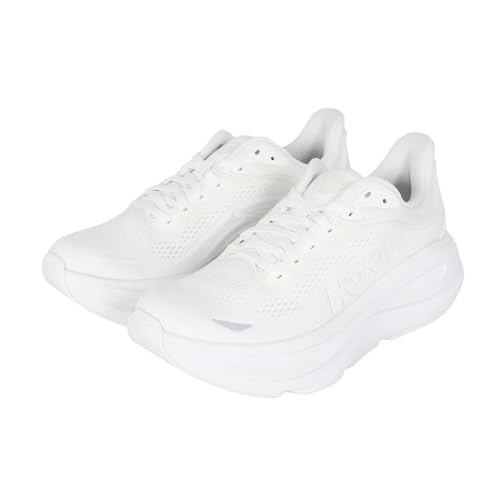
The Men’s Hoka Bondi 9 continues its reign as the king of maximalist cushioning, and after putting it through its paces, I can confirm it’s a formidable contender for anyone prioritizing comfort. The sheer amount of foam underfoot is astonishing, creating a sensation that’s akin to running on a supportive cloud. My initial runs were characterized by a profound sense of shock absorption, making even the hardest pavement feel forgiving. The rocker geometry is pronounced, aiding in a smooth, forward-rolling stride that conserves energy.
I found the upper to be exceptionally accommodating, with a generous toe box that allows for natural foot splay, which is crucial for long efforts. The materials are soft and well-padded, providing a secure yet gentle embrace. Even on hot days, the breathability was adequate, preventing that overly stuffy feeling that can plague some highly cushioned shoes. The overall stability, considering the stack height, is surprisingly good, offering a confident feel with each step.
However, the Bondi 9 is not without its quirks. The sheer volume of foam, while providing comfort, also means this shoe is not built for speed. During faster tempo efforts, it felt sluggish and lacked the energetic pop I look for in a more performance-oriented shoe. Furthermore, I noticed that the outsole, while durable, can become a bit slick on wet, polished surfaces like subway platforms or certain indoor gym floors.
This shoe is an absolute must-consider for runners who are logging high mileage, recovering from injuries, or simply seeking the ultimate in impact protection. It’s particularly well-suited for those who prioritize joint health and want to minimize fatigue on long runs. Heavier runners will also find a great deal of benefit from the substantial cushioning this shoe provides.
Who is this NOT for? If you’re a runner who thrives on a responsive, propulsive feel or needs a shoe for speed work and races, the Bondi 9 will likely disappoint. Runners who prefer a more grounded, connected-to-the-road sensation might also find this shoe to be too soft and disconnected. It’s also not the ideal choice for technical trail running due to its substantial stack height and less aggressive tread.
Pros
- Unrivaled maximalist cushioning for supreme comfort.
- Excellent shock absorption for joint protection.
- Accommodating upper with a generous toe box.
Cons
- Lacks responsiveness for speed work.
- Outsole can be slippery on wet, smooth surfaces.
10. Hoka Rincon 4
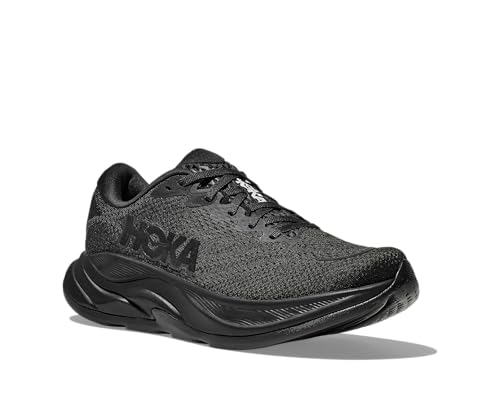
The Hoka Rincon 4 aims to strike a balance between lightweight design and ample cushioning, and for the most part, it succeeds. As someone who often tests various Hoka models, I found the Rincon 4 to be a surprisingly nimble shoe that doesn’t skimp on the signature Hoka comfort. The initial feel is one of lightness, which is immediately appealing for those seeking a shoe that feels fast. The midsole provides a pleasant level of responsiveness, allowing for quick transitions from heel to toe.
The upper on the Rincon 4 is a definite highlight. It’s constructed from a lightweight, breathable mesh that wraps the foot securely without feeling constrictive. I experienced no irritation or hot spots, even on longer runs where my feet tend to swell. The shoe’s overall geometry encourages a smooth and efficient stride, making it a great companion for daily training miles or even some light tempo work. The outsole rubber placement offers decent grip on dry pavement. (See Also: Best Asics Nursing Shoes)
However, my main point of critique with the Rincon 4 is its durability, particularly in the midsole. While the cushioning is pleasant for its weight class, I noticed a slight compression after a few weeks of consistent use, diminishing some of its initial responsiveness. Additionally, the outsole, while adequate for dry conditions, could be more aggressive for better traction on wet roads or light trails. The upper, while breathable, also felt a bit thin, raising questions about its long-term resilience.
This shoe is best suited for neutral runners looking for a lightweight daily trainer that can also handle some faster-paced efforts. It’s an excellent option for those who enjoy the Hoka cushioning experience but prefer a less bulky, more agile shoe. The Rincon 4 is a solid choice for runners who want a versatile shoe for everything from easy jogs to tempo runs without the weight of more maximalist options.
Who is this NOT for? If you’re a runner who needs substantial support for overpronation or requires a highly durable shoe that can withstand hundreds of miles of heavy training, the Rincon 4 might not be the best fit. Runners who are accustomed to very soft, plush cushioning may also find it a bit firmer than expected. Those who frequently run on very wet or technical terrain should also consider shoes with a more robust outsole.
Pros
- Lightweight and agile feel.
- Breathable and comfortable upper.
- Responsive cushioning for daily training and tempo runs.
Cons
- Midsole cushioning may compress over time.
- Outsole grip could be improved for wet conditions.
- Upper feels a bit thin for long-term durability.
Comparison Table
| Product Name | Cushioning Level | Midsole Foam | Weight (oz) |
| Hoka Bondi 9 | Max Cushion | EVA Foam | 10.8 |
| Hoka Clifton 10 | Plush Cushion | Compression Molded EVA | 8.8 |
| Hoka Clifton 10 | Plush Cushion | Compression Molded EVA | 7.7 |
| Hoka Clifton 10 | Plush Cushion | Compression Molded EVA | 7.7 |
| Hoka Clifton 10 | Plush Cushion | Compression Molded EVA | 8.8 |
| Brooks Ghost 17 | Balanced Cushion | DNA LOFT v3 | 9.5 |
| Hoka Bondi 9 | Max Cushion | EVA Foam | 9.1 |
| Hoka Mach 6 | Responsive Cushion | PEBA Foam | 7.5 |
| Hoka Bondi 9 | Max Cushion | EVA Foam | 9.1 |
| Hoka Rincon 4 | Lightweight Cushion | Compression Molded EVA | 7.7 |
Frequently Asked Questions
What Is the Most Cushioned Hoka Shoe?
The Hoka Bondi is generally considered their most cushioned shoe. It features maximal cushioning for ultimate comfort. This makes it ideal for long runs and recovery days. It offers excellent shock absorption.
If you prioritize a plush feel, the Bondi is likely your best bet. It’s designed to provide a soft landing with every step. This shoe is a favorite for those who want maximum protection for their joints.
Are Hokas Good for Marathon Training?
Yes, many runners find Hokas excellent for marathon training. Their signature cushioning helps reduce fatigue on long runs. This can lead to better recovery between sessions. The comfort is a major advantage.
Hoka shoes like the Clifton and Bondi offer the support and comfort needed for high mileage. They protect your legs from the constant impact of pavement. This allows you to focus on your training plan.
Can Hokas Help with Plantar Fasciitis?
Some runners with plantar fasciitis find relief in Hokas. The ample cushioning can reduce stress on the plantar fascia. The rocker sole geometry may also promote a smoother stride. This can lessen strain on the heel.
However, it’s not a guaranteed solution for everyone. The level of support and firmness can vary. It’s always best to consult with a podiatrist. They can recommend the best shoe for your specific condition.
Are Hokas Good for Beginners?
Hokas can be a great choice for beginner runners. Their generous cushioning provides a comfortable introduction to running. This can make the experience more enjoyable and less intimidating. It helps absorb impact effectively.
The plush feel can protect new runners from common aches and pains. This encourages consistency. However, some beginners might prefer a slightly less maximal shoe to develop their natural running form.
Are Hokas Good for Wide Feet?
Yes, Hoka offers several models in wide (2E for men, D for women) and extra-wide (4E for men) options. This caters to runners who need more room in the forefoot. A wider shoe prevents pinching and discomfort.
Even some standard-width Hokas have a naturally wider base. This can feel accommodating. Always check the specific model’s width availability. Trying them on is the best way to ensure a proper fit.
Are Hokas Good for Trail Running?
Hoka has a dedicated line of trail running shoes. These shoes feature enhanced grip and protection for off-road conditions. They maintain Hoka’s signature cushioning but add features for the trails.
Models like the Speedgoat offer excellent traction and durability. They are designed to handle rocks, mud, and roots. These shoes provide a comfortable and stable ride on challenging terrain.
How Do I Choose the Right Hoka for Me?
Consider your running goals and preferences. For maximum cushioning, choose the Bondi. For a versatile daily trainer, the Clifton is a popular choice. For speedwork, look at lighter models like the Mach. For trails, explore the Speedgoat.
Think about the surfaces you run on most often. Road running shoes differ from trail shoes. Also, consider if you need extra stability. Reading reviews and trying on different models will help you find the perfect Hoka.
Final Verdict
For the best all-around Hoka running shoe, the Hoka Clifton is the top recommendation. It strikes an exceptional balance between plush cushioning, a smooth ride, and a relatively lightweight construction. This versatility makes it ideal for a wide range of runners, from beginners to seasoned marathoners, and suitable for daily training, tempo runs, and even some longer efforts. Its reliable performance and comfort make it the standout choice for most runners seeking the Hoka experience.


