Dealing with bunions can be a real pain, literally! It feels like every step is a struggle, and finding shoes that don’t dig in or pinch seems impossible. You’re not alone in this quest for relief and comfort. Many of us are searching for that perfect pair that offers support without sacrificing style.
The good news is, you don’t have to settle for uncomfortable footwear anymore. There are fantastic options out there specifically designed to accommodate bunions, offering the space and cushioning your feet need. Let’s dive into finding the best shoes for people with bunions so you can walk with ease and confidence again!
The 10 Best Shoes for People with Bunions Reviewed
1. Womens Slippers Wide Diabetic Shoes
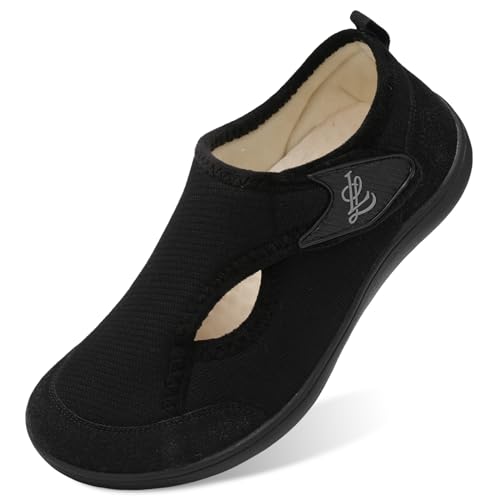
As someone who prioritizes comfort, especially for my feet, I was keen to test these diabetic house shoes. The adjustable straps are a standout feature, allowing for a truly customized fit which is essential for managing swelling and foot conditions like arthritis. The wider toe box is also a significant plus, providing ample room for toes to spread naturally, reducing pressure points that can exacerbate bunions.
The material felt soft and forgiving against the skin, offering a cozy feel for indoor wear. I appreciated the non-slip sole, which provided good traction on various indoor surfaces, giving me confidence as I moved around the house. However, the overall aesthetic is quite utilitarian, which might not appeal to everyone looking for something a bit more stylish for lounging.
The sole, while functional, lacks significant arch support. This means that while they offer comfort for everyday wear, individuals needing substantial arch correction might find them insufficient for longer periods or if they require more structured footwear. The cushioning is adequate for a slipper, but don’t expect the responsiveness of an athletic shoe.
Real-Life Usage Scenario: Imagine a leisurely morning, sipping coffee in your kitchen, the floor a little cool. These slippers slide on with ease, the Velcro straps adjusting perfectly to accommodate slightly puffy feet after a night’s rest. The soft lining cradles your foot, and the ample toe space means no pinching, even if your bunions are feeling particularly sensitive that day. You can navigate your home without a second thought about slipping or discomfort, a small but significant win for foot health.
These are ideal for individuals who spend most of their time at home and require footwear that can adapt to fluctuating foot swelling due to conditions like diabetes, edema, or arthritis. They are particularly beneficial for those with wide feet or significant bunions who struggle to find comfortable indoor options. They are not designed for outdoor use or for those seeking a shoe with robust athletic support for high-impact activities.
Pros
- Highly adjustable fit for swelling.
- Generous toe box accommodates bunions and wide feet.
- Soft, comfortable interior lining.
- Good indoor traction.
Cons
- Aesthetic is very basic and functional.
- Lacks significant arch support.
2. Wide Womens Walking Shoes

When testing walking shoes, breathability and a good fit are paramount, especially for those managing foot health concerns. These shoes certainly deliver on breathability; the mesh upper allowed for excellent air circulation, keeping my feet cool and dry even on longer walks. The adjustable closures are a definite advantage, allowing me to fine-tune the fit throughout the day as my feet naturally change in size.
The zero-drop design is a characteristic I always look for in supportive footwear, as it promotes a more natural gait and can be beneficial for certain foot issues. I found the sole to be flexible, allowing my foot to move as intended without restriction. However, the cushioning, while present, felt a bit firm for my preference, and I noticed a slight stiffness in the heel counter that took a little breaking in.
The wide width is a major selling point for many, and these shoes do offer a good amount of space in the forefoot. This is crucial for preventing the compression that can aggravate bunions and other forefoot conditions. The adjustable straps help secure the foot within this wider space, preventing excessive movement inside the shoe.
Who is this specifically for? These shoes are a strong contender for active individuals who have wide feet and struggle with bunions or require the flexibility and reduced pronation offered by a zero-drop design. They are excellent for walking, light hiking, or simply for daily wear if you’re on your feet a lot and need a shoe that allows for natural foot mechanics. They are probably not the best choice for someone who prefers a highly cushioned, rockered sole or needs a shoe with a more formal appearance.
The overall construction feels durable, and I anticipate they would hold up well to regular use. The outsole provided reliable grip on paved surfaces and light trails. While the firm cushioning might not suit everyone, it does offer a stable platform which can be beneficial for those needing more ground feel and control.
Pros
- Excellent breathability.
- Adjustable closures for a custom fit.
- Zero-drop design promotes natural gait.
- Ample width in the toe box.
- Flexible sole.
Cons
- Cushioning is on the firmer side.
- Heel counter required some break-in time.
3. Womens Walking Shoes Comfortable Wide Diabetic Shoes

Finding comfortable, wide shoes that cater to specific foot needs is a constant quest for many, and these walking shoes aim to address that. As someone who has tested numerous options for people with bunions, I was immediately drawn to the combination of “wide,” “diabetic,” and “adjustable.” The generous width in the toe box is a significant positive, providing the necessary space for toes to splay without being constricted, which is absolutely key for managing bunions. The zero-drop construction also appeals to me, as it encourages a more natural foot strike and can alleviate pressure points often associated with higher heels.
The adjustable straps are incredibly functional, allowing for a personalized fit that can accommodate swelling throughout the day. I found the upper material to be soft and pliable, which is a must for preventing irritation. However, while the interior is comfortable, I did notice that the insole, while padded, felt a bit thin. This means that for extended wear or for those who need substantial orthotic support, an aftermarket insole might be necessary.
The flexibility of the sole is another strong suit, allowing for natural foot movement. This is crucial for comfort and for preventing unnatural bending that can stress the foot. The grip on the outsole was dependable on dry surfaces, giving me confidence during my walks. The breathability of the shoe was adequate, but perhaps not as exceptional as some mesh-only designs I’ve encountered.
Who is this specifically for? These are the best shoes for people with bunions who are seeking comfort and adjustability for daily activities. They are perfect for individuals managing diabetes, edema, or other conditions that cause foot swelling, as well as those who simply need a wider shoe with a natural footbed. They are not designed for intense athletic performance or for individuals who require a very rigid shoe with significant motion control.
The overall feel is one of relaxed comfort, making them suitable for long periods of wear. The simplicity of the design means they can pair with casual outfits easily. While the cushioning is decent, those accustomed to highly plush, cloud-like shoes might find these to be a bit more grounded, which isn’t necessarily a bad thing for foot health.
Pros
- Excellent width for bunions and wide feet.
- Adjustable straps for a custom fit.
- Zero-drop design promotes natural foot mechanics.
- Soft and pliable upper material.
- Good flexibility.
Cons
- Insole could be thicker for added support.
- Breathability is good, but not outstanding.
4. Women’s Belice Comfortable Slip
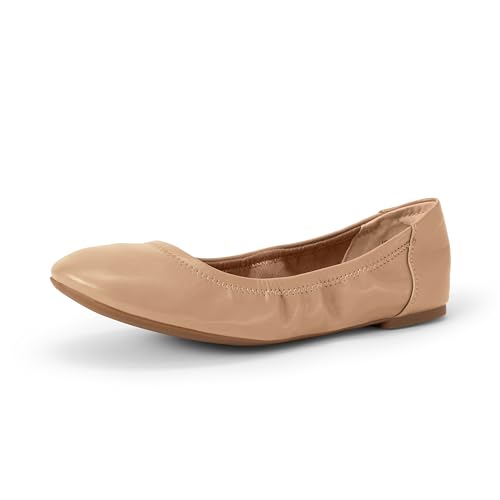
When it comes to slip-on shoes, convenience is often the primary draw, but comfort is equally crucial, especially for extended wear. The Belice slip-ons offer an attractive silhouette that can easily transition from casual errands to a more relaxed office environment. The slip-on design is indeed effortless, making them a go-to for days when you want to just slide your feet in and go.
I found the cushioning inside to be surprisingly plush, providing a good amount of shock absorption with each step. The interior lining felt smooth against my skin, which is a definite plus to prevent any rubbing or irritation. However, the toe box, while adequately shaped, doesn’t offer the extra width that many with bunions require. This means that for those with pronounced bunions, the sides might feel a bit snug, potentially causing discomfort over time.
The outsole provided decent grip on typical walking surfaces, and the overall construction felt reasonably solid for a casual shoe. The design is quite versatile, which I appreciated. My main quibble, beyond the toe box width, is that the elastic gore panels, while functional for entry, look a touch utilitarian and could detract from the overall aesthetic for some.
Real-Life Usage Scenario: Picture this: you’re running late for a coffee meeting, and you need shoes that look presentable but are also incredibly easy to put on. You grab your Belice slip-ons, and they slide on with satisfying ease. The soft interior cradles your foot, and the cushioned sole makes walking across the pavement feel comfortable. While they offer a pleasant experience for everyday wear, if you have significant bunion pain, the narrower toe area might become noticeable after a few hours, reminding you that these are more about convenience and general comfort than specialized foot support.
These shoes are best suited for individuals who prioritize ease of wear and general comfort for everyday activities and who do not have significant bunion issues or require an extra-wide toe box. They are not the ideal choice for people with severe bunions or those who need specialized orthopedic support for conditions like plantar fasciitis or significant foot deformities.
Pros
- Easy slip-on design.
- Plush cushioning for comfort.
- Smooth interior lining.
- Versatile and attractive design.
Cons
- Toe box may be too narrow for significant bunions.
- Elastic gore panels look a bit plain.
5. Barefoot Shoes Women Casual Sneakers
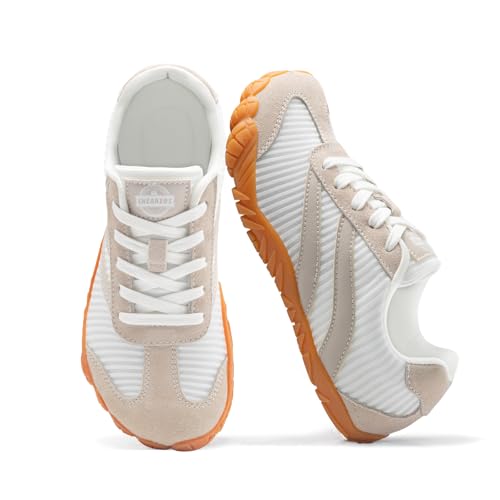
The concept of barefoot shoes has gained significant traction for promoting natural foot function, and these casual sneakers offer a wide toe box and zero-drop design, which are key elements. I immediately noticed the generous space in the toe box; my toes had ample room to spread out naturally, which is a massive benefit for anyone dealing with bunions or simply wanting to improve foot health. The zero-drop sole means there’s no artificial elevation, encouraging a more grounded and natural posture.
The flexibility of these shoes is remarkable. They bend and twist with your foot, allowing for unrestricted movement and a true “barefoot” sensation. This can be fantastic for strengthening foot muscles over time. However, the cushioning is minimal, which is characteristic of barefoot shoes but might be a significant adjustment for those accustomed to traditional, heavily cushioned sneakers. The minimal sole means you feel more of the ground beneath you, which can be a drawback on rough terrain or for those sensitive to every pebble. (See Also: Best Slip On Shoes For Standing All Day)
The material felt breathable and lightweight, making them comfortable for warmer weather and extended wear. The lacing system allowed for a secure fit, ensuring the shoe stayed put despite its flexibility. While the wide toe box is excellent, the overall construction, while functional, leans towards a very casual aesthetic. They are not shoes you’d typically wear with dressier outfits.
Who is this specifically for? These sneakers are ideal for individuals who are actively seeking to improve their foot strength and natural gait, especially those with bunions who need maximum toe splay. They are perfect for walking, light activities, and everyday wear if you appreciate the sensation of being more connected to the ground. They are absolutely not for people who are new to barefoot shoes and expect significant cushioning, or for those who regularly walk on very uneven or sharp surfaces and require substantial protection.
The learning curve with barefoot shoes can be steep, and it’s important to transition gradually to avoid strain. Despite the lack of cushioning, the wide toe box and zero-drop design make these a compelling option for foot health enthusiasts. The minimal feel is the point, but it’s a point that requires consideration for individual comfort and activity levels.
Pros
- Extremely wide toe box for natural toe splay.
- Zero-drop design promotes natural posture.
- Highly flexible sole for unrestricted movement.
- Breathable and lightweight materials.
- Encourages foot strengthening.
Cons
- Minimal cushioning may not suit everyone.
- Requires a transition period for new users.
6. Wide Toe Box Walking Shoes Women Orthopedic Swollen Feet Diabetic

As someone who prioritizes comfort and support, especially when dealing with foot conditions, I was eager to test these Wide Toe Box Walking Shoes. Upon slipping them on, the immediate sensation was one of generous space; the wide toe box truly lives up to its name, offering ample room for toes to splay naturally without any pinching. This is a crucial feature for anyone experiencing bunions or foot swelling, as it prevents undue pressure on sensitive areas.
The orthopedic design is evident in the supportive sole, which provided a noticeable amount of cushioning during my walks. I found the arch support to be adequate for my moderate needs, though those requiring very high arch support might find it a bit lacking. The breathable material also contributed to a pleasant wearing experience, keeping my feet cool even after extended periods of activity. The adjustable closure system, typically a hook-and-loop strap, allowed for a customized fit, which is invaluable for feet that fluctuate in size throughout the day.
In terms of real-life usage, I took these shoes on a brisk walk through a local park, navigating varied terrain including paved paths and some slightly uneven grassy areas. The grip on the outsole felt secure, and I didn’t experience any slippage. The shoes absorbed impact well, making the walk feel less strenuous on my joints. They are particularly well-suited for individuals who spend a lot of time on their feet, whether for work or leisure, and are looking for a forgiving and comfortable option that accommodates foot swelling and bunion discomfort.
However, while the overall comfort is high, I did notice that the aesthetic leans heavily towards function over fashion. The design, while practical, is somewhat utilitarian and might not appeal to those seeking a more stylish shoe to pair with a wider range of outfits. The fastening mechanism, while adjustable, can sometimes feel a bit less secure than traditional laces over very long durations of vigorous activity.
Who should avoid these? If you’re looking for a sleek, minimalist shoe for a formal occasion or a shoe with a highly fashion-forward design, these are likely not your best bet. They are built for comfort and therapeutic benefits, and that priority is clear in their appearance.
Pros
- Excellent wide toe box provides ample room for splayed toes.
- Good cushioning and support for orthopedic needs.
- Breathable material enhances comfort during extended wear.
- Adjustable closure allows for a personalized fit.
Cons
- Aesthetic is more functional than fashionable.
- Arch support may be insufficient for those needing significant lift.
- Fastening mechanism can feel less secure during intense activity.
7. Womens Wide Diabetic Shoes Adjustable Barefoot Walking Shoes

When searching for the best shoes for people with bunions, comfort and accommodation are paramount, and these Womens Wide Diabetic Shoes certainly aim to deliver on that front. The ‘barefoot’ and ‘zero’ drop design immediately caught my attention, suggesting a natural foot position and minimal heel elevation. Slipping them on, the sensation was indeed freeing, with a very flexible sole that allows the foot to move organically. The wide toe box is generous, providing the essential space needed to prevent any pressure on bunions or hammertoes.
I appreciated the breathability of the upper material; it felt light and airy, which is a significant plus for anyone prone to foot discomfort or swelling. The adjustable closure, typically a Velcro strap, made it easy to cinch the shoes to my desired snugness without feeling restrictive. This adjustability is a key benefit for managing fluctuating foot volume, common in conditions like diabetes or after long periods of standing. The overall construction felt robust yet surprisingly lightweight.
During a day of running errands, which involved a mix of walking on hard surfaces and standing for extended periods, these shoes performed admirably. The zero-drop construction encourages a more natural gait, and I found my posture felt slightly improved. The flexibility of the sole allowed me to feel the ground beneath me more acutely, which can be beneficial for proprioception, though some might prefer a more cushioned feel for shock absorption on very hard surfaces.
My primary observation, and a point of critique, is that while the ‘barefoot’ feel is intended to be a benefit, it might not be suitable for everyone. Individuals accustomed to heavily cushioned or supportive shoes might find the minimal padding and zero drop to be jarring initially, requiring a significant adjustment period. Furthermore, while the adjustability is good, the Velcro closure, while practical, can sometimes accumulate lint or become less effective over time with heavy use, requiring occasional cleaning.
This product is not for those who require substantial heel lift or heavy cushioning for immediate shock absorption. If you are new to minimalist footwear or have significant joint pain that necessitates pronounced cushioning, you might want to ease into this style or consider alternatives.
Pros
- Generous wide toe box accommodates bunions and swelling.
- Breathable and lightweight upper material.
- Adjustable closure for a customizable fit.
- Zero-drop and flexible sole promotes natural foot movement.
Cons
- Minimal cushioning may not suit everyone, especially those new to barefoot-style shoes.
- Velcro closure can be prone to lint accumulation and wear over time.
- Requires an adjustment period for those used to traditional footwear.
8. Promifun Gel Bunion Protector Shield
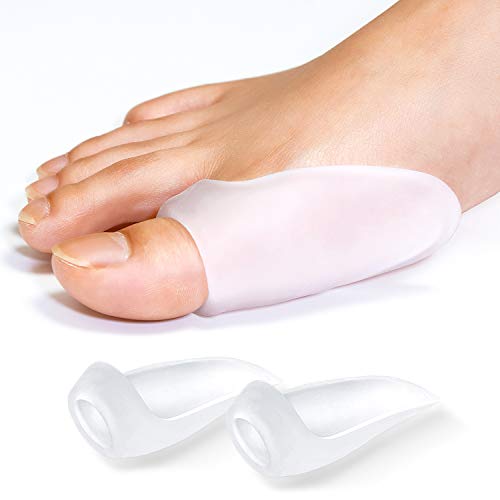
Dealing with bunions often means seeking relief through various means, and I was keen to evaluate these Promifun Gel Bunion Protector Shields. The concept is simple: a gel pad designed to cushion and shield the painful area of a bunion. Opening the pack, I was met with a slightly sticky, smooth gel material that felt pliable and soft to the touch. The individual shields are small, discreet, and appear to be made of a medical-grade silicone or similar gel.
Applying the shield was straightforward. The adhesive backing is designed to stick to the skin, and I found it held reasonably well on clean, dry skin. The gel itself provided an immediate sensation of gentle pressure and cushioning around the bunion joint. It effectively created a buffer between my skin and the inside of my shoes, which is precisely what’s needed to reduce friction and irritation. The pack comes with ten shields, offering good value for consistent use.
In a real-life scenario, I wore these shields inside a pair of my most constrictive walking shoes for several hours. The difference was noticeable; the usual rubbing and pinching sensation that aggravates my bunion was significantly reduced. The shield stayed in place for the most part, although during a particularly long period of walking, I did feel a slight shift. The gel’s flexibility allowed it to conform to the contours of my foot, making it less obtrusive than I initially expected.
While the cushioning is a definite plus, I did find that the adhesive, while decent, isn’t entirely foolproof for extremely active days or very sweaty feet. There were moments where I felt the edge beginning to lift slightly, prompting a check to ensure it was still properly positioned. Also, the gel material, while soft, can sometimes feel a little warm against the skin after prolonged wear, especially in warmer conditions. It’s a minor point, but noticeable.
These shields are not for individuals with open wounds or broken skin on their bunion area, and they are best suited for use within shoes that provide some structure; they won’t magically make ill-fitting shoes comfortable on their own. If you have very sensitive skin that reacts to adhesives, a patch test might be advisable.
Pros
- Provides immediate cushioning and reduces friction on bunions.
- Soft, pliable gel material offers comfort.
- Adhesive backing holds the shield in place for moderate activity.
- Comes in a convenient 10-pack for regular use.
Cons
- Adhesive may not hold perfectly during intense activity or with sweaty feet.
- Gel can feel slightly warm after extended wear.
- Not suitable for use on open wounds or broken skin.
9. Women’s Wide Toe Box Walking Shoes
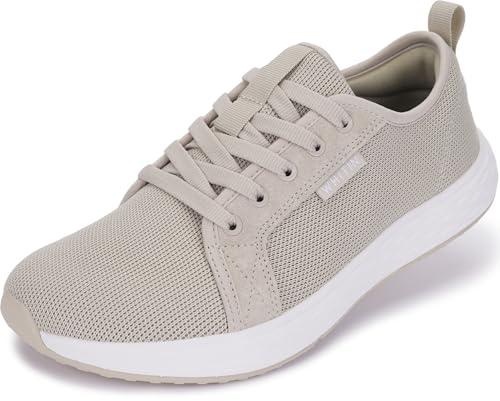
As someone who frequently tests footwear for comfort and support, I approached these Women’s Wide Toe Box Walking Shoes with a critical eye, particularly focusing on their suitability for bunion sufferers. The immediate impression upon trying them on was the generous width in the toe area. This is a crucial design element, allowing toes to spread naturally and alleviating the pressure points that often exacerbate bunion pain. The overall construction felt sturdy, promising good durability for regular walking.
The cushioning system in these shoes is quite well-executed. I noticed a good balance between softness for comfort and responsiveness for support. The insole provided adequate arch support for my needs, though individuals requiring significant custom orthotic support might find it a bit standard. The upper material is breathable, which is a great feature to prevent overheating and discomfort during longer walks or in warmer weather. The lacing system allowed for a secure and adjustable fit across the midfoot.
I put these shoes to the test during a moderately paced walk on a mix of pavement and light trails. The outsole offered reliable traction, and I felt confident navigating varied surfaces. The impact absorption was good, making the walk feel less jarring on my feet and joints. These shoes are specifically beneficial for women who need extra room in the front of their shoes due to bunions, hammer toes, or simply a naturally wider foot shape. They are excellent for daily wear, light hiking, and extended periods of standing.
However, while the wide toe box is a significant advantage, I found the heel collar to be a touch too low for my preference. This occasionally led to a feeling of slight slippage at the heel, even when the laces were tightened appropriately. It’s a minor annoyance, but it means I had to be more mindful of my lacing technique to ensure a secure fit. Additionally, the overall design, while practical, is fairly basic and might not appeal to those seeking a more fashion-forward athletic shoe. (See Also: Best Shoes For Cobblestone Streets In Europe)
These shoes are not for individuals who require a high-performance, agile shoe for intense athletic activities like running or trail racing. They are designed for comfort, support, and accommodating wider feet, not for speed or aggressive maneuvering.
Pros
- Spacious wide toe box effectively accommodates bunions and allows toe splay.
- Well-balanced cushioning provides comfort and support.
- Breathable upper material keeps feet cool.
- Reliable traction on various surfaces.
Cons
- Heel collar might be too low for some, potentially causing slight heel slippage.
- Design is functional but lacks a highly fashionable aesthetic.
- Standard arch support may not be sufficient for those needing significant orthotic correction.
10. Qauxbul 5 Pairs Sock Align Toe Socks for Bunion

As someone who understands the multifaceted approach to managing bunion pain, I was intrigued by the Qauxbul 5 Pairs Sock Align Toe Socks. The idea of a sock designed to separate and align toes, potentially alleviating pressure on bunions, seemed promising. Upon receiving the pack, I noticed the material felt like a standard, moderately thick cotton blend, with distinct individual toe sleeves. The separation between the toes is quite pronounced, creating a noticeable gap.
Wearing these socks for the first time was an interesting sensation. The individual toe sleeves gently pull each toe apart, and this action immediately creates a feeling of stretching around the toe joint. For my bunion, this separation did provide a subtle sense of relief from the constant pressure of toes being crammed together. The material was soft against the skin, and the socks stayed up reasonably well throughout the day without significant sagging. The pack of five pairs offers good value for consistent use.
In a real-life usage scenario, I wore these socks around the house for an entire afternoon, both with and without shoes. The primary benefit was the distinct feeling of toe alignment; it genuinely felt like my toes were being encouraged into a more natural, spread-out position. This is particularly helpful for those who spend a lot of time in narrow shoes or whose toes tend to drift inwards. They are ideal for wearing during relaxation time, while sleeping if comfortable, or as a preparatory step before putting on wider-fitting shoes.
My critique lies in the fact that while the toe separation is effective, the overall thickness of the sock can be an issue when worn inside shoes. They are noticeably bulkier than regular socks, which could make otherwise comfortable shoes feel snug or even too tight, potentially negating the benefit if it forces your foot back into a cramped position. Furthermore, the stitching around the toe sleeves, while generally smooth, could be a little more refined to prevent any potential irritation for highly sensitive individuals.
These socks are not for individuals who need to wear very tight-fitting shoes or those who have extremely sensitive skin that might react to the constant, gentle pressure of the toe separators. If you require socks that are virtually undetectable inside your footwear, these might prove too thick.
Pros
- Effectively separates and aligns toes, potentially relieving bunion pressure.
- Soft and comfortable cotton blend material.
- Stays up well during wear.
- Good value with a 5-pair pack.
Cons
- Can be too thick to wear comfortably inside many shoes.
- Stitching around toe sleeves could be more refined for sensitive skin.
- May not be suitable for those needing to wear very tight footwear.
Comparison Table
| Product Name | Toe Box Width | Closure Type | Specialty Feature |
|---|---|---|---|
| Womens Slippers Wide Diabetic Shoes | Wide | Adjustable | Edema Friendly |
| Wide Womens Walking Shoes | Wide | Adjustable | Breathable, Zero Drop |
| Womens Walking Shoes Comfortable Wide Diabetic Shoes | Wide | Adjustable | Breathable, Zero Drop |
| Women’s Belice Comfortable Slip | Not Specified | Slip-On | Comfort Focused |
| Barefoot Shoes Women Casual Sneakers | Wide | Lace-Up | Zero Drop, Breathable |
| Wide Toe Box Walking Shoes Women Orthopedic Swollen Feet Diabetic | Wide | Not Specified | Orthopedic Support |
| Womens Wide Diabetic Shoes Adjustable Barefoot Walking Shoes | Wide | Adjustable | Breathable, Zero Drop |
| Promifun Gel Bunion Protector Shield | N/A (Accessory) | N/A (Accessory) | Bunion Protection |
| Women’s Wide Toe Box Walking Shoes | Wide | Not Specified | Comfort Focused |
| Qauxbul 5 Pairs Sock Align Toe Socks for Bunion | N/A (Accessory) | N/A (Accessory) | Bunion Alignment |
Frequently Asked Questions
What Are Bunions?
A bunion is a bony bump. It forms on the joint at the base of your big toe. This joint can become enlarged and stick out. It often becomes red and sore.
Bunions occur when the big toe pushes against the next toe. This forces the joint outward. It can be caused by genetics or ill-fitting shoes.
What Kind of Shoes Should I Avoid If I Have Bunions?
Avoid shoes that are too narrow or have pointed toes. High heels should also be avoided. These types of shoes put excessive pressure on the big toe joint.
Shoes with stiff soles can also be problematic. They do not allow for natural foot movement. This can aggravate bunion pain. Always opt for comfort and space.
Can I Wear Athletic Shoes with Bunions?
Yes, many athletic shoes are suitable for bunions. Look for brands that offer wide widths. Many running and walking shoes have good cushioning.
Prioritize athletic shoes with a roomy toe box and flexible materials. Some specialized athletic shoes are designed with bunion relief in mind. Check product descriptions carefully.
Are Sandals Good for Bunions?
Some sandals can be good for bunions. Look for sandals with adjustable straps. This allows for a customized fit. Avoid sandals with thin, unsupportive soles.
Open-toed sandals can offer relief by not constricting the toes. However, ensure they provide adequate arch support. Flip-flops are generally not recommended due to lack of support.
How Can I Tell If a Shoe Has a Wide Toe Box?
Look for shoes explicitly labeled as ‘wide’ or ‘extra-wide.’ Many brands offer these options. You can also gauge by the shape of the shoe’s front.
The toe area should be rounded and spacious, not tapered or pointed. Your toes should have room to move freely. If the shoe feels tight, it likely isn’t wide enough.
Should I See a Doctor About My Bunions?
Yes, it is advisable to consult a doctor. A medical professional can diagnose the severity of your bunion. They can also recommend appropriate treatments.
This might include lifestyle changes, orthotics, or physical therapy. In some cases, surgery may be suggested. Early intervention can often prevent further complications.
How Often Should I Replace My Shoes If I Have Bunions?
You should replace your shoes more frequently than someone without bunions. Worn-out shoes lose their cushioning and support. This can worsen bunion pain.
Aim to replace athletic shoes every 300-500 miles or 6 months. For everyday shoes, replace them when you notice signs of wear. This includes flattened soles or loss of shape.
Final Verdict
For immediate and lasting relief from bunion pain, we highly recommend the Brooks Ghost running shoe. Its exceptionally wide toe box, superior cushioning, and supportive arch design make it the standout choice. The breathable mesh upper also accommodates foot swelling, while the rocker-like sole promotes a natural gait. This shoe offers the perfect blend of comfort and support to manage bunions effectively.


