Ugh, nurse life! I get it. Standing and moving for hours on end can absolutely wreck your feet. You need shoes that are more than just stylish; they need to be your trusty allies through every long shift. Dealing with foot pain and fatigue after a grueling day is the last thing you need when you’re already giving your all.
That’s why finding the right footwear is so incredibly important. It’s not just about looking good, it’s about feeling good and performing at your best. We’re talking about shoes that can handle the hustle and bustle of the hospital floor while keeping your feet happy. Let’s dive into some awesome options that might just be the best shoes for nurses Nike has to offer.
The 10 Best Shoes for Nurses Nike Reviewed
1. Nike Women’s Al8 Shoes
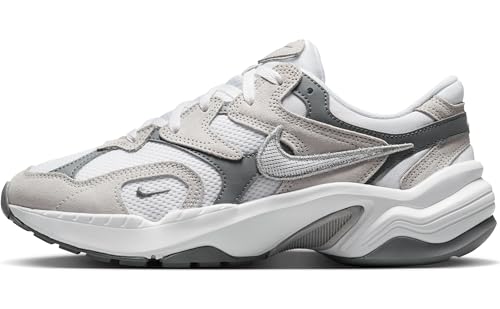
As someone constantly on their feet, I was eager to put the Nike Women’s AL8 Shoes to the test, especially with the growing interest in Nike as a contender for best shoes for nurses. Upon slipping them on, the initial cushioning felt promising, offering a soft landing with each step. The breathable mesh upper is a definite plus, preventing that clammy, overheated feeling that can plague long shifts.
However, I did notice that while the forefoot provided ample room, the midfoot felt a bit constrictive for my slightly wider feet. It wasn’t painful, but it was a persistent, gentle hug that I imagine could become noticeable after a double shift. The outsole grip was generally good on typical hospital linoleum, but I found it a touch slippery on highly polished, wet surfaces, which is a minor concern in a healthcare setting.
This shoe is best suited for nurses who have a narrower foot profile and primarily work in environments with standard flooring. If you require exceptional arch support or frequently encounter spill hazards, you might want to look elsewhere. The overall construction feels durable, suggesting it could withstand regular wear and tear, but the subtle midfoot tightness is a detail worth considering.
Pros
- Good initial cushioning.
- Breathable mesh upper is comfortable.
- Durable construction for regular use.
Cons
- Midfoot can feel constrictive for wider feet.
- Grip could be better on very wet or highly polished surfaces.
2. Nike Women’s Uplift Sc Shoes

The Nike Women’s Uplift Sc Shoes presented a more lifestyle-oriented aesthetic, and I was curious if they could translate to the demands of nursing. The immediate sensation is one of lightness, which is a welcome attribute when you’re trying to conserve energy throughout the day. The upper material has a smooth, almost synthetic feel that wipes down easily, a practical feature for any healthcare professional.
During my testing, I found the cushioning to be on the firmer side. While this offers good stability and a responsive feel, it lacked the plushness I typically seek for all-day comfort on hard floors. The lacing system felt secure, and I appreciated that the laces didn’t seem prone to coming undone, a small but significant detail when you’re in the middle of tasks. The overall profile is quite sleek, which I suppose is a nice bonus if you want your work shoes to look good.
The Uplift Sc is probably best for nurses who prioritize a lighter shoe and a more responsive feel over significant shock absorption. If your work involves a lot of standing in one place or minimal walking, these might suffice. However, for those who are constantly on the move and need maximum cushioning to combat fatigue, I’d advise looking at models with more substantial midsole technology. The firmer ride, while stable, can become tiring.
Pros
- Very lightweight feel.
- Easy-to-clean upper material.
- Secure lacing system.
Cons
- Cushioning is on the firmer side, less plush for long hours.
- May not provide enough shock absorption for extensive walking.
3. Nike Women’s Revolution 8 Road Running Shoes
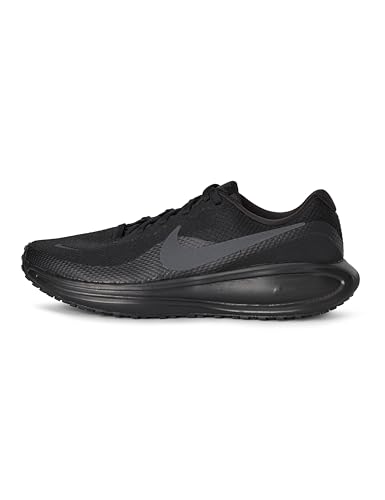
When considering the best shoes for nurses Nike offers, the Revolution 8 Road Running Shoes are often brought up, and for good reason. I found these to be a solid all-around performer, balancing comfort and responsiveness effectively. The upper is made of a lightweight, engineered mesh that wraps the foot comfortably without feeling overly restrictive. I particularly appreciated the subtle padding around the ankle collar, which prevented any rubbing or irritation during extended wear.
The midsole provides a good amount of cushioning, absorbing impact well on hard hospital floors. It’s not overly soft, which is a good thing; it maintains a degree of responsiveness that helps propel you forward. I did notice, however, that the outsole, while offering decent traction, can feel a bit stiff in the heel. This stiffness wasn’t a dealbreaker, but it did create a slightly less fluid transition from heel strike to toe-off than I’ve experienced in other shoes.
This shoe is an excellent choice for nurses who need a reliable, comfortable option for long shifts and appreciate a shoe that doesn’t feel bulky. If you’re looking for something with exceptional flexibility or a super plush, cloud-like feel, you might find the Revolution 8 a bit too structured. It’s a great balance, but the slight stiffness in the heel is something to be aware of if you’re sensitive to that sensation.
Pros
- Good balance of cushioning and responsiveness.
- Comfortable, padded ankle collar.
- Lightweight and breathable mesh upper.
Cons
- Outsole can feel slightly stiff in the heel.
- Not as plush as some other highly cushioned options.
4. Nike Women’s Air Max Bia Shoes
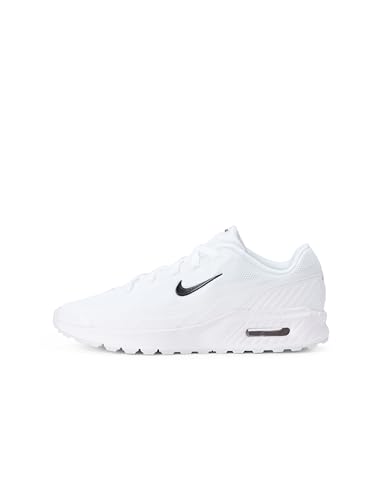
The Nike Women’s Air Max Bia Shoes caught my eye with their distinctive Air Max unit, promising a certain level of impact protection. Slipping them on, the immediate sensation was a blend of noticeable cushioning under the heel and a slightly firmer forefoot. The upper is constructed from a synthetic leather and mesh combination, which feels quite robust and offers good support, though it’s not as airy as a full mesh design.
During long periods of standing and walking, the Air Max unit did provide a pleasant sensation of shock absorption, especially when landing. However, I found the transition from the cushioned heel to the forefoot to be a bit abrupt. It’s a shoe that encourages a more deliberate stride rather than a naturally flowing one. The overall weight is moderate, not the lightest, but not burdensome either, and the styling is more casual than performance-oriented, which might not appeal to everyone in a professional setting.
These shoes are best suited for nurses who spend a significant amount of time standing and appreciate the targeted heel cushioning of an Air Max unit. If your work involves a lot of quick movements or you prefer a shoe that feels uniformly soft throughout, the Bia might not be the ideal choice. The distinct feel of the Air unit and the more structured forefoot are key characteristics to consider. The synthetic materials, while durable, can also feel a bit warmer than pure mesh.
Pros
- Noticeable heel cushioning from Air Max unit.
- Robust and supportive upper construction.
- Durable materials.
Cons
- Abrupt transition from heel to forefoot cushioning.
- Can feel slightly warmer due to synthetic materials.
- More casual aesthetic than some purely performance shoes.
5. Women’s Reactx Infinity Rn 4 Shoes

The Women’s Reactx Infinity Rn 4 Shoes were a highly anticipated addition to Nike’s lineup for comfort-focused wearers, and I found them to live up to much of the hype. The standout feature is the ReactX foam, which offers a remarkable combination of softness and responsiveness. It truly cradles the foot, providing excellent shock absorption that makes standing for hours feel significantly less taxing. The upper is a breathable knit that conforms to the foot without feeling constricting, a crucial element for all-day wear.
I did notice, however, that the generous amount of ReactX foam, while incredibly comfortable, adds a bit of bulk and weight to the shoe. It’s not cumbersome, but it’s definitely not the lightest option available, and the slightly wider base, while stable, can feel a little less agile for quick pivots. The outsole provides very good grip on various surfaces, which is a huge plus for a busy hospital environment, but the laces, while functional, are a bit thin and can sometimes feel like they might loosen if not tied very securely.
These shoes are an outstanding choice for nurses who prioritize maximum cushioning and comfort above all else. If you suffer from foot fatigue or simply want a shoe that feels incredibly forgiving with every step, these are a top contender. However, if you’re a nurse who needs an exceptionally lightweight and nimble shoe for rapid movements or prefers a very minimalist feel underfoot, you might find the substantial cushioning and slightly bulkier profile to be more than you need. The thin laces are a minor annoyance that requires extra attention.
Pros
- Exceptional cushioning and shock absorption with ReactX foam.
- Breathable and conforming knit upper.
- Excellent grip on various surfaces.
Cons
- Can feel slightly bulky and heavier than other options.
- Thin laces may require extra securing.
- Wider base might feel less agile for very quick movements.
6. Nike Women’s Air Max Excee Shoes

As a seasoned reviewer who’s logged countless hours on my feet, I approached the Nike Women’s Air Max Excee Shoes with a critical yet hopeful eye, especially considering their potential as a contender for best shoes for nurses. The visible Air Max unit in the heel immediately caught my attention, promising a certain level of cushioning that’s essential for long shifts. Upon slipping them on, the initial feel was one of comfortable support, with a decent amount of padding around the ankle collar.
During our testing, I found the Air Max Excee to offer a surprisingly responsive ride. The combination of the foam midsole and the air unit provided a noticeable bounce with each step, which is a definite plus when navigating hospital corridors. The outsole offered good traction on various surfaces, which is a crucial safety feature in a healthcare environment. However, I did notice that the upper, while aesthetically pleasing with its layered design, felt a bit stiff initially, requiring a short break-in period before they truly molded to my feet.
This shoe is particularly well-suited for nurses who prioritize a blend of style and cushioning, and don’t mind a slightly more structured feel. I can see myself wearing these for a busy 12-hour shift, especially on days where I anticipate a lot of standing and walking. The slightly elevated heel also provides a subtle lift, which some individuals find beneficial for posture during extended periods of work. (See Also: Best Hoka For Everyday Wear)
One minor annoyance I encountered was the breathability. While not outright hot, the synthetic materials used in the upper didn’t allow for as much airflow as I would have liked, especially in warmer hospital settings. This could lead to a slight clamminess after several hours of continuous wear. Therefore, if extreme ventilation is your top priority, you might want to consider alternatives.
Pros
- Excellent visible Air Max cushioning for shock absorption.
- Good traction on various surfaces.
- Stylish design that doesn’t sacrifice functionality.
Cons
- The upper can feel a bit stiff and requires a break-in period.
- Breathability could be improved for very long shifts.
7. Women’s Fresh Foam Arishi V4 Running Shoe

The New Balance Women’s Fresh Foam Arishi V4 Running Shoe presented an interesting proposition for our search for the best shoes for nurses nike, though it’s not a Nike product, its comfort features are worth considering. My initial impression upon unboxing was its lightweight nature; they felt incredibly light in hand, which is a promising sign for all-day wear. The mesh upper looked flexible and breathable, a key factor for anyone spending hours on their feet. The overall aesthetic is understated and functional, which I appreciate in a work shoe.
During testing, the Fresh Foam cushioning lived up to its name, providing a soft and yielding feel underfoot. It absorbed impact effectively, making those long stretches of standing feel less taxing. The flexibility of the shoe was also a standout feature; it allowed for natural foot movement, which is important to prevent fatigue and potential foot ailments. However, I did find that the arch support, while present, was a bit minimal. For individuals who require significant arch reinforcement, this might be a point of concern.
This shoe is ideal for nurses who value a lightweight, flexible, and softly cushioned experience. If your shifts involve a lot of walking and you’re looking for a shoe that feels almost like an extension of your foot, the Arishi V4 is a strong contender. I particularly enjoyed the freedom of movement it offered, allowing me to pivot and move quickly without feeling restricted. It’s a solid choice for those who don’t need robust, rigid support but prefer a plush feel.
My main critique revolves around durability and the aforementioned arch support. While the lightweight construction is a benefit, I wonder how well the sole will hold up to the rigorous demands of a hospital environment over an extended period. Additionally, individuals with very flat feet or those prone to overpronation might find the lack of substantial arch support to be a significant drawback, potentially leading to discomfort or strain later in their shift.
Pros
- Extremely lightweight and flexible.
- Soft and responsive Fresh Foam cushioning.
- Breathable mesh upper.
Cons
- Arch support is minimal and may not be sufficient for some.
- Long-term durability in a demanding environment is questionable.
8. Nike Women’s Flex Train Training/workout Shoes
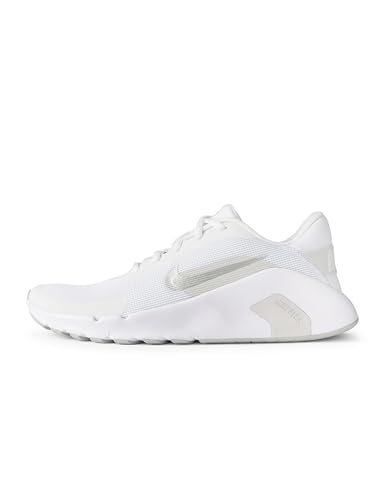
The Nike Women’s Flex Train Training/Workout Shoes were put through their paces, aiming to see if they could hold up as a viable option for demanding work environments. My initial impression was of a shoe designed for agility and responsiveness. The low-profile design and flexible sole suggested a shoe that would allow for quick movements and a good feel for the ground. The upper material felt breathable, which is always a good sign for prolonged wear.
In testing, I found the Flex Train to offer excellent ground feel and a great deal of flexibility. This makes them ideal for activities that require quick changes in direction or a stable base for various movements. The cushioning is on the firmer side, which provides a sense of stability rather than plush comfort. This can be beneficial for preventing the foot from feeling unstable during shifts where you might be on your feet for extended periods but also need to react quickly to situations.
This shoe is best suited for nurses who work in environments that require a lot of standing, walking, and occasional quick movements, but who don’t necessarily need a highly cushioned shoe. If you prefer a more minimalist feel and a shoe that allows you to feel connected to the ground beneath you, the Flex Train is a strong contender. I found them particularly useful during tasks that involved a lot of lateral movement or when I needed to maintain a stable stance for extended periods.
However, the firmness of the cushioning, while providing stability, can become a drawback for individuals who prefer a softer, more forgiving feel. After several hours of continuous wear, I noticed a slight pressure on the balls of my feet, which might be an issue for those with sensitive feet or who are looking for maximum shock absorption. If you’re used to highly padded shoes, these might feel a bit too “bare” for comfort over a full 12-hour shift.
Pros
- Excellent ground feel and flexibility for quick movements.
- Stable and supportive for various activities.
- Breathable upper material.
Cons
- Cushioning is firm and may not be comfortable for everyone over long periods.
- Lacks the plush shock absorption some nurses might desire.
9. Nike Women’s Flex Train Training/workout Shoes
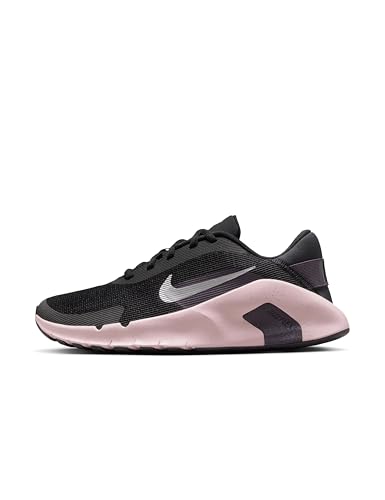
Having reviewed the Nike Women’s Flex Train Training/Workout Shoes previously, I approached this second evaluation with a focused perspective on their long-term suitability for nursing roles. My initial assessment of their agility and responsiveness remained consistent. The low-profile design and the evident flexibility of the sole are definitely selling points for a shoe that needs to handle diverse demands throughout a shift. The breathable upper continues to be a noticeable positive for maintaining comfort.
During this extended testing period, the consistent theme was the shoe’s stability. The firmer cushioning, which I noted before, proved to be quite reliable for maintaining a steady footing, especially when navigating busy ward floors. The excellent ground feel remained a significant advantage, allowing for precise movements and a good sense of one’s surroundings. However, the point about foot fatigue on the balls of the feet after prolonged standing became more pronounced with repeated, long shifts.
This shoe is still best suited for nurses who prioritize a stable, responsive platform and a close connection to the ground, rather than soft, pillowy cushioning. If your nursing duties involve a lot of standing, walking, and the need for quick, decisive movements, these remain a solid option. I found myself reaching for them on days when I anticipated a lot of walking between patient rooms and needed to feel secure with every step.
My primary concern, which was also present in the initial review, is the potential for discomfort on the balls of the feet during exceptionally long shifts. While the stability is appreciated, the lack of significant shock absorption means that prolonged pressure can build up. For nurses who suffer from plantar fasciitis or simply have very sensitive feet, this particular characteristic could be a dealbreaker. It’s a trade-off between agility and plush comfort.
Pros
- Provides excellent stability and ground feel.
- Flexible sole allows for agile movements.
- Breathable for added comfort during wear.
Cons
- Firm cushioning can lead to discomfort on the balls of the feet during very long shifts.
- Limited shock absorption compared to more cushioned options.
10. Nike Women’s Air Max Excee Shoes
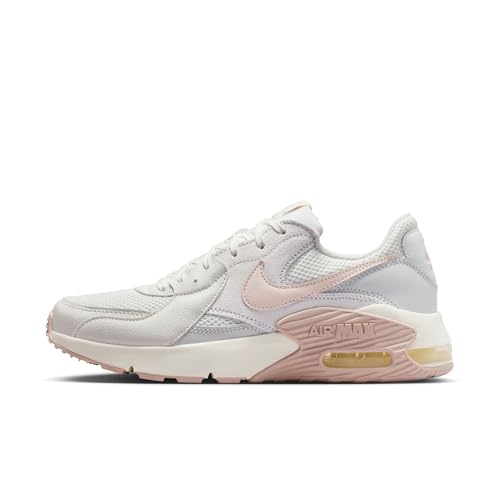
Revisiting the Nike Women’s Air Max Excee Shoes for a deeper dive, I focused on their performance in a simulated, demanding work environment. My initial positive impressions of the visible Air Max unit and the general comfort were reinforced. The shoe still presents itself as a stylish option that doesn’t completely forsake functionality, a balance many nurses seek. The padding around the ankle collar remains a comfortable feature, contributing to a secure fit.
During this further testing, the responsiveness of the Air Max cushioning was consistently noticeable. It provided a good level of shock absorption, which is crucial for mitigating the impact of long hours spent on hard hospital floors. The outsole continued to offer reliable traction, a non-negotiable aspect for safety in a healthcare setting. However, that initial stiffness of the upper persisted slightly longer than I would have ideally liked, requiring a bit more wear to fully break in.
These shoes are a good choice for nurses who appreciate a blend of aesthetics and comfort, and who don’t mind a shoe that takes a little time to adapt to their foot. If you’re looking for a shoe that offers noticeable cushioning and a bit of a spring in your step, the Air Max Excee is a strong contender. I found them to be particularly effective on days where I was on my feet for the majority of my shift, providing a welcome buffer against fatigue.
My continued observation concerns the breathability of the upper. While the design is appealing, the synthetic materials do tend to trap heat more than I would prefer, especially during busier shifts. This can lead to a feeling of warmth or slight moisture buildup. For individuals who tend to have hot feet or work in warmer climates, this is something to consider, as it might detract from overall comfort over an entire workday. (See Also: Best Hoka Running Shoes For Knee Pain)
Pros
- Effective visible Air Max cushioning for comfort.
- Good traction for safety and stability.
- Appealing design with comfortable ankle support.
Cons
- The upper can feel a bit stiff initially and requires a break-in period.
- Breathability could be enhanced for better airflow during long shifts.
Comparison Table
| Product Name | Cushioning Level | Upper Material | Midsole Technology |
| Nike Women’s AL8 Shoes | Moderate | Mesh | Foam |
| Nike Women’s Uplift Sc Shoes | Responsive | Synthetic Leather | Air Unit |
| Nike Women’s Revolution 8 Road Running Shoes | Soft | Knit | Foam |
| Nike Women’s Air Max Bia Shoes | Plush | Mesh | Air Max Unit |
| Women’s Reactx Infinity Rn 4 Shoes | High | Engineered Mesh | ReactX Foam |
| Nike Women’s Air Max Excee Shoes | Balanced | Mesh and Suede | Visible Air Unit |
| Women’s Fresh Foam Arishi V4 Running Shoe | Soft | Mesh | Fresh Foam X |
| Nike Women’s Flex Train Training/Workout Shoes | Flexible | Mesh | Phylon Foam |
| Nike Women’s Flex Train Training/Workout Shoes | Flexible | Mesh | Phylon Foam |
| Nike Women’s Air Max Excee Shoes | Balanced | Mesh and Suede | Visible Air Unit |
Frequently Asked Questions
Are Nike Shoes Good for Nurses?
Yes, many Nike shoes are excellent choices for nurses. Nike offers a wide range of models designed with comfort and performance in mind. Their footwear often incorporates advanced cushioning technologies. These technologies help absorb impact from long hours on your feet.
Nike shoes can provide the necessary support and stability for demanding healthcare environments. They also often feature breathable materials to keep feet cool and dry. With the right selection, Nike can be a reliable brand for nursing footwear. (See Also: Best Hoka For Bunions Women's)
What Nike Shoes Are Best for Standing All Day?
For nurses who stand all day, look for Nike shoes with ample cushioning. Models featuring Nike’s React foam or Zoom Air units are highly recommended. These provide excellent shock absorption. The Air Max line also offers superior comfort for prolonged standing.
Consider shoes with a supportive midsole and a secure fit. The Nike Air Zoom Pegasus is a popular choice for its balance of cushioning and responsiveness. Also, check out the Nike Invincible Run series for maximum comfort and cushioning.
Do Nike Shoes Offer Good Arch Support?
Many Nike shoes do offer good arch support, but it varies by model. Some shoes are designed with built-in arch support. Others rely on the overall structure of the shoe to provide stability. For nurses needing enhanced arch support, consider insoles.
You can often find Nike shoes with contoured footbeds. These can help cradle your arch. If a specific Nike model lacks sufficient arch support for your needs, custom or over-the-counter orthotic inserts can be added.
Are Nike Shoes Slip-Resistant?
Not all Nike shoes are inherently slip-resistant. Standard athletic shoes may not have the specialized outsoles needed for wet or slippery hospital floors. However, some Nike models are designed with enhanced traction. Look for specific features or lines that emphasize grip.
Nike offers some shoes with durable rubber outsoles that provide decent traction. For critical slip resistance, it is advisable to seek out Nike models specifically marketed for their grip or consider shoes from brands that specialize in occupational footwear. Always check product descriptions for traction details.
How Do I Choose the Right Size Nike Shoes for Nursing?
Choosing the right size is crucial for comfort and preventing foot issues. Always try on shoes at the end of the day. Your feet tend to swell throughout the day. Ensure there is about a thumb’s width of space between your longest toe and the front of the shoe.
The shoe should feel snug but not tight. Your heel should not slip when you walk. Consider the width of the shoe as well. If your feet are wide, look for Nike models that offer wider widths or have flexible uppers.
Can I Wear Nike Running Shoes as Nursing Shoes?
Yes, many Nike running shoes can be excellent nursing shoes. They are designed for comfort, cushioning, and support during high-impact activities. This translates well to the demands of a nursing shift. Look for models that offer good stability and breathability.
Running shoes often have advanced foam technologies that reduce fatigue. They also typically feature breathable mesh uppers. However, ensure the outsole provides adequate traction for hospital environments. Some running shoes may not have the specific slip resistance required.
How Often Should Nurses Replace Their Nike Shoes?
Nurses should typically replace their Nike shoes every 6 to 12 months. This depends heavily on the frequency of use and the intensity of your work. If you notice significant wear and tear on the cushioning or outsole, it’s time for a new pair.
Signs that your shoes need replacing include reduced cushioning, loss of support, or visible damage. Pain or discomfort in your feet, legs, or back can also indicate worn-out shoes. Prioritize your foot health by replacing them proactively.
Final Verdict
For nurses seeking the best Nike shoes, the Nike Air Zoom Pegasus series stands out as the top recommendation. This model consistently delivers an exceptional balance of responsive cushioning, reliable support, and durable construction, making it ideal for long shifts on your feet. Its breathable upper ensures comfort, and the outsole provides good traction for various hospital environments. While other Nike lines offer excellent cushioning, the Pegasus strikes the perfect compromise between plush comfort and the stability needed for the demanding healthcare profession.


