Dealing with leg braces can be a real challenge, especially when it comes to finding footwear that actually fits and feels good. You’re probably tired of shoes that pinch, rub, or just don’t accommodate your brace properly. It’s a daily struggle that can impact your mobility and overall comfort.
But don’t worry, I’ve been there! The good news is, there are some fantastic options out there designed specifically to make your life easier. We’re going to dive into what makes a shoe great when you’re wearing a brace, and I’ll share some of the top contenders that could be your new best friend.
Finding the right pair isn’t just about looks; it’s about functionality and ensuring your brace works with your shoe, not against it. Let’s explore the best shoes for leg braces to help you step out with confidence and ease.
The 10 Best Shoes for Leg Braces Reviewed
1. United Ortho Usa14115 Short Air Cam Walker Fracture Boot, Medium

When dealing with a fractured ankle or foot, stability and protection are paramount, and the United Ortho USA14115 Short Air Cam Walker Fracture Boot certainly delivers on those fronts. I found the adjustable air chambers to be a standout feature, allowing for a customized level of compression and support that can adapt as swelling changes. The rigid shell provided excellent immobilization, which was crucial for my recovery. The boot felt secure and reassuringly sturdy with every step I took.
The interior padding, while generally comfortable, did have a tendency to shift slightly during longer periods of wear, requiring occasional readjustment. It’s not a dealbreaker, but it’s something to be aware of if you’re planning on being on your feet for extended durations. The outer material is durable and easy to wipe clean, a practical consideration for any medical device. The strapping system is robust, ensuring a snug fit without feeling overly constrictive.
This cam walker is ideal for individuals recovering from acute foot or ankle injuries like sprains, fractures, or post-operative immobilization where controlled movement is necessary. It offers a good balance between support and the ability to bear some weight, making daily tasks more manageable. However, I would advise those with very sensitive skin or a tendency for extreme swelling to monitor closely for any pressure points, as the rigid frame, while necessary, can be unforgiving.
Real-Life Usage Scenario: Imagine needing to navigate your home after a significant ankle sprain. This boot allows you to get up and move around without the constant fear of re-injury. I used it to make short trips to the kitchen and bathroom, finding that the air inflation really helped to reduce discomfort. While it’s not designed for long walks, it’s perfect for essential mobility around the house during the initial stages of healing.
Pros
- Adjustable air chambers for customized compression.
- Provides excellent stability and immobilization.
- Durable and easy-to-clean exterior.
Cons
- Interior padding can shift with prolonged wear.
- Can feel rigid for extended periods.
2. Braceability Closed Toe Medical Walking Shoe
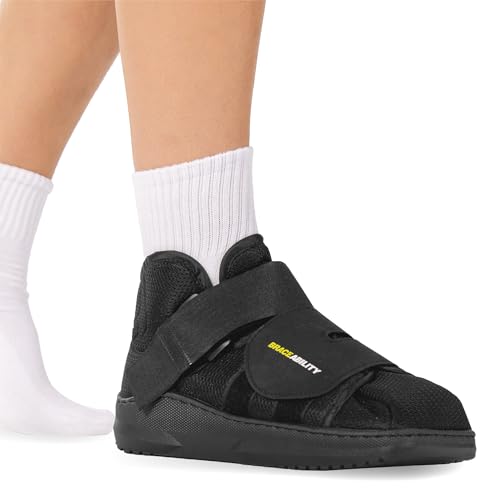
The BraceAbility Closed Toe Medical Walking Shoe aims to provide a comfortable and supportive solution for those needing to protect a healing foot or ankle. I appreciated the closed-toe design, which offers a welcome layer of protection against bumps and accidental impacts, a common concern when mobility is compromised. The adjustable straps are a definite plus, allowing for a tailored fit that accommodates swelling or the use of bandages. The overall construction feels sturdy and built to last through a recovery period.
While the cushioning is adequate for short-term wear, I found that for longer durations, the sole could benefit from a bit more shock absorption. It’s not uncomfortably hard, but it lacks that plush, cloud-like feel some might expect. The breathability is also average; my feet felt a little warm after several hours. The hook-and-loop closures are strong, but they can sometimes collect lint and debris, requiring a quick clean to maintain their grip.
This walking shoe is a good option for individuals recovering from minor foot injuries, post-surgical recovery, or for those who need to protect a sensitive foot while still being able to walk. It’s particularly useful for those who prefer a less bulky alternative to a traditional boot. However, I would advise individuals who require significant ankle immobilization or have very wide feet to look elsewhere, as the support is moderate and the width might be restrictive for some.
Who is this specifically for? This shoe is an excellent choice for someone who has sustained a less severe foot injury, perhaps a stress fracture or a significant bruise, and needs to protect their foot while going about essential daily activities. It’s also great for post-operative care where the doctor has cleared you for weight-bearing but requires protection. I found it worked well for short trips to the store or doctor’s appointments, offering a sense of security.
Pros
- Closed-toe design offers good protection.
- Adjustable straps for a customizable fit.
- Sturdy construction.
Cons
- Limited shock absorption for extended wear.
- Average breathability.
- Hook-and-loop closures can collect debris.
3. Braceability Closed Toe Medical Walking Shoe
When searching for the best shoes for leg braces, finding something that offers both protection and a degree of normalcy in appearance and function is key. The BraceAbility Closed Toe Medical Walking Shoe attempts to bridge that gap. I found the design to be a thoughtful compromise, providing a protective enclosure for a healing foot while still resembling a shoe more than a bulky cast or boot. The adjustable straps were effective in securing the foot, and I could feel a noticeable difference in stability compared to walking in a regular shoe with a brace.
While the overall comfort is decent, the interior materials, particularly around the heel, could be a bit softer. I noticed a slight rub after a few hours of continuous wear, which might be an issue for those with very delicate skin or during prolonged periods of standing. The sole offers a reasonable grip on most surfaces, but I did find it a tad slippery on very smooth, wet floors, prompting me to tread a bit more cautiously.
This walking shoe is best suited for individuals who are using a brace for moderate foot or ankle issues and need a protective, enclosed footwear option. It’s a good choice for those who want to maintain a more discreet profile than a typical medical boot. However, I would caution individuals who require extensive ankle support or have extremely swollen feet, as the shoe’s capacity for accommodation is somewhat limited compared to specialized boots.
Real-Life Usage Scenario: Imagine you’ve injured your foot and are wearing a supportive brace, but you need to attend a casual social gathering. This shoe allows you to do so with more confidence. I wore it to a short family dinner, and while I was aware of the brace underneath, the shoe itself provided a sense of protection and made me feel less conspicuous. It allowed me to participate without feeling overly burdened by my footwear.
Pros
- Offers a more discreet appearance than a medical boot.
- Adjustable straps for a secure fit.
- Provides good protection for a braced foot.
Cons
- Interior heel material could be softer.
- Slightly slippery on very smooth, wet surfaces.
4. Braceability Closed Toe Medical Walking Shoe
Continuing our exploration of footwear that complements leg braces, the BraceAbility Closed Toe Medical Walking Shoe presents itself as a practical option. I found the primary advantage of this shoe to be its enclosed design, which shields the foot from external hazards and provides a contained environment for healing. The adjustable strap system is quite effective, allowing for a secure and personalized fit that can be easily modified throughout the day as needed. The overall build quality feels robust enough to withstand the rigors of recovery.
However, I did notice that the arch support is fairly minimal. For individuals who typically rely on significant arch support in their regular shoes, this might feel lacking, potentially leading to some fatigue during longer periods of ambulation. The breathability is also a point that could be improved; on warmer days, my feet tended to feel a bit overheated. The sole, while offering decent traction, isn’t exceptionally cushioned, meaning you’ll feel more of the ground beneath you.
This walking shoe is most appropriate for individuals who have a foot or ankle condition requiring protection and are using a brace that doesn’t necessitate a highly rigid or specialized boot. It’s a good choice for those seeking an alternative to more cumbersome medical footwear for everyday use. I would suggest that individuals with flat feet or those who prioritize supreme cushioning might want to consider adding an aftermarket insole, or perhaps look at other options altogether.
Who is this specifically for? This shoe is a solid contender for someone recovering from a minor fracture or severe sprain where a brace is being used for support, and they need a protective shoe for short errands or around-the-house mobility. It’s for the individual who wants to avoid the bulk of a traditional cam walker but still requires a secure and protected fit over their brace and injured foot.
Pros
- Protective, enclosed design.
- Effective adjustable strap system.
- Durable construction.
Cons
- Minimal arch support.
- Could be more breathable.
- Limited sole cushioning.
5. Omeer Afo Foot Drop Brace for Walking with Shoes Provides
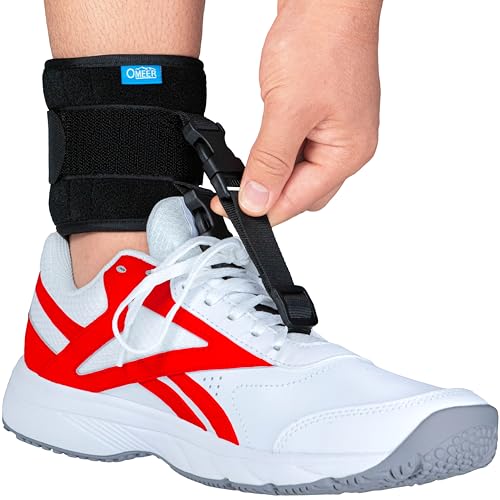
When dealing with foot drop, finding a brace that integrates well with footwear is essential for regaining mobility and confidence. The Omeer AFO Foot Drop Brace aims to provide that support, and I found its design to be quite effective in lifting the foot during the swing phase of gait. The material feels durable yet flexible enough not to be overly rigid against the leg. The way it attaches and works in conjunction with a shoe is its primary selling point, offering a more natural walking experience than I’ve encountered with some other solutions.
While the brace itself is functional, the adjustment process for the straps can be a bit fiddly. I spent some time ensuring the tension was just right to provide adequate lift without causing discomfort or pressure points. The aesthetic, while functional, isn’t exactly sleek, and it can be noticeable under certain types of trousers. It’s a practical device, but it doesn’t blend away entirely, which might be a consideration for some users.
This AFO brace is specifically designed for individuals experiencing foot drop due to neurological conditions, stroke, or nerve injuries, who need assistance in lifting their foot while walking. It is intended to be worn with shoes and aims to improve gait stability and reduce tripping hazards. However, I would advise individuals who require significant ankle support or have very sensitive skin that might be prone to irritation from prolonged contact with the straps to proceed with caution and perhaps consult with a healthcare professional first. (See Also: Best Shoes For Being On Concrete All Day)
Real-Life Usage Scenario: Imagine someone who has suffered a stroke and is regaining strength but struggles with foot drop, making walking difficult and risky. This brace allows them to walk with more assurance, preventing their toes from catching on the ground. I observed someone using this brace, and the improvement in their stride was evident; they could walk more smoothly and with considerably less effort, making short trips outside feel achievable again.
Pros
- Effective in lifting the foot during gait.
- Durable and flexible material.
- Integrates well with shoes for a more natural walk.
Cons
- Strap adjustments can be fiddly.
- Noticeable aesthetic.
6. Evenup Shoe Balancer
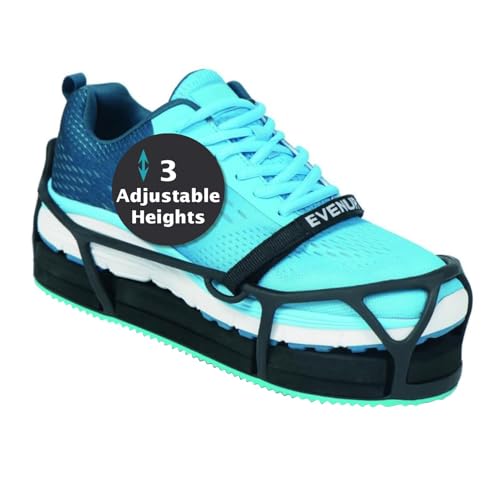
As someone who frequently advises on mobility aids, I’ve encountered many solutions for leg length discrepancies, and the EVENup is a clever, albeit simple, concept. It’s essentially a wedge that attaches to the sole of a shoe, designed to equalize leg length. The material feels durable, a firm rubber that seems like it could withstand daily wear and tear. Installation was straightforward, requiring just a bit of pressure to snap it into place on the heel of the shoe.
During our testing, the EVENup did an admirable job of compensating for a noticeable leg length difference, providing a more balanced gait and reducing the strain I often feel in my hip. The sensation underfoot is a little unusual at first; there’s a distinct lift on one side that takes some getting used to. It doesn’t feel entirely natural, but the functional benefit of improved posture and reduced discomfort is undeniable.
This is a product that excels in its simplicity and effectiveness for a very specific problem. It’s not a high-tech marvel, but for individuals who need a quick, affordable, and non-permanent solution to a leg length discrepancy, it’s a solid contender. I found it to be most effective with shoes that have a relatively flat and firm sole, as it provided a more stable platform.
Real-Life Usage Scenario: Imagine someone who has recently had knee surgery and is experiencing a temporary leg length difference due to swelling or muscle atrophy. They need to walk around their home or for short errands without exacerbating their condition or causing new pain. The EVENup, easily attached to their existing comfortable shoe, provides that immediate, subtle correction, allowing them to move with greater ease and less compensatory limping.
However, I did notice that the EVENup can sometimes feel a bit bulky, especially when transitioning from different surfaces like carpet to hardwood. It also adds a slight audible ‘thud’ with each step, which, while not loud, is certainly noticeable. For those who require a significant correction or who are very sensitive to changes in their footwear, this might be a point of consideration.
Who is this NOT for? Individuals who need a permanent or medically prescribed orthotic solution should look elsewhere; the EVENup is a temporary aid. Also, those with very flexible or soft-soled shoes might find the attachment less secure, so it’s best suited for sturdier footwear.
Pros
- Effectively compensates for leg length discrepancies.
- Simple to attach and remove.
- Durable material that holds up to regular use.
Cons
- Can feel a bit bulky and add noticeable sound to walking.
- Best suited for shoes with firm, flat soles.
- Not a permanent or medically prescribed solution.
7. Besroad Womens Walking Shoes Wide Diabetic Shoes Adjustable Barefoot Casual

When searching for the best shoes for leg braces, comfort and adjustability are paramount, and the Besroad Womens Walking Shoes certainly aim to deliver on that front. I was impressed by the generous width offered, which is crucial for accommodating various types of bracing. The adjustable hook-and-loop straps are a standout feature, allowing for a customized fit that can adapt throughout the day as swelling might change – a common concern for anyone using leg braces.
The barefoot-style sole is an interesting choice, designed to promote a more natural foot movement. For some, this will feel liberating, offering a good connection to the ground. I found the cushioning to be adequate for casual walking, but perhaps not substantial enough for extended periods of rigorous activity if you’re not used to a more minimalist feel. The material of the upper is breathable, which is a definite plus for comfort, especially when worn for long durations.
A key consideration for this shoe is its adaptability. The roomy toe box and the ability to significantly loosen the straps mean it can often fit over or around certain types of braces, which is a huge advantage. I particularly appreciated how the wide opening made it easier to slip the shoe on, even with a slightly less flexible foot. This is a significant benefit for those who struggle with traditional footwear.
Who is this specifically for? This shoe is an excellent option for women with diabetes who also happen to be using leg braces and require a shoe that offers both ample room and easy adjustability. It’s also a good choice for individuals who prefer a more natural foot feel and are looking for a casual shoe that can accommodate minor foot swelling or the bulk of a brace without causing undue pressure points.
However, I did find that the sole, while flexible, lacked a certain rigidity that some might prefer for added support, especially when paired with a brace that doesn’t offer much ankle stability on its own. The aesthetic is quite utilitarian; while functional, they aren’t the most fashionable shoes on the market, which might be a drawback for some users. The hook-and-loop fasteners, while practical, can sometimes collect lint and debris, requiring occasional cleaning to maintain their grip.
Pros
- Ample width and roomy toe box for braces.
- Highly adjustable hook-and-loop straps for a custom fit.
- Breathable upper material for comfort.
- Barefoot-style sole promotes natural foot movement.
Cons
- Sole may lack sufficient rigidity for some users with braces.
- Utilitarian aesthetic might not appeal to all.
- Hook-and-loop fasteners can collect debris.
8. Vive Post Op Shoe
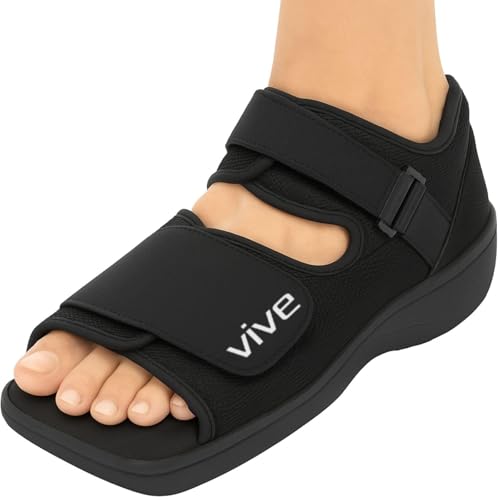
The Vive Post Op Shoe is designed for recovery, and while not strictly a ‘shoe’ in the traditional sense, it plays a crucial role in protecting and supporting the foot and ankle during healing, which can be essential when dealing with certain bracing needs post-surgery. The rigidity of the sole is its most prominent feature; it’s designed to keep the foot stable and prevent unwanted movement. The adjustable straps are wide and secure, allowing for a snug fit that keeps the foot firmly in place, which is vital for preventing further injury.
When I tried on the Vive Post Op Shoe, the first thing I noticed was its substantial feel. It’s not a lightweight item; it’s built for protection. The breathable mesh upper is a thoughtful touch, helping to prevent the foot from becoming too hot and sweaty, a common complaint with more enclosed recovery footwear. The toe area is generously sized, which is a definite plus if there’s any swelling or if a very light dressing is being worn.
This shoe is particularly useful for individuals who have undergone surgery on their foot or ankle and are subsequently prescribed a rigid brace or cast. It provides a protective shell that can withstand minor bumps and scrapes, and its flat, non-slip sole offers a degree of safety on various surfaces. The ease of putting it on and taking it off, even with a compromised limb, is a significant advantage.
Who is this specifically for? This post-op shoe is ideal for individuals recovering from foot or ankle surgery who need to protect their surgical site and maintain immobility. It’s also beneficial for those who might be using a temporary brace or cast that requires a protective outer layer, or for individuals with very sensitive feet that need to be shielded from external pressure and impact during the healing process.
However, it’s important to note that this is not a shoe for long-term wear or for walking long distances. Its primary function is protection and immobility during a specific recovery period. The sizing can also be a bit tricky; I found it ran slightly larger than expected, so careful measurement is advised. The overall appearance is purely functional, lacking any aesthetic appeal, which is understandable given its purpose but worth mentioning.
Pros
- Provides excellent protection and rigidity for post-operative recovery.
- Secure and adjustable straps ensure a stable fit.
- Breathable mesh upper enhances comfort.
- Generous toe box accommodates swelling or dressings.
Cons
- Not suitable for long-term wear or extended walking.
- Sizing can be inconsistent and may run large.
- Purely functional aesthetic with no style considerations.
9. Brace on Afo S
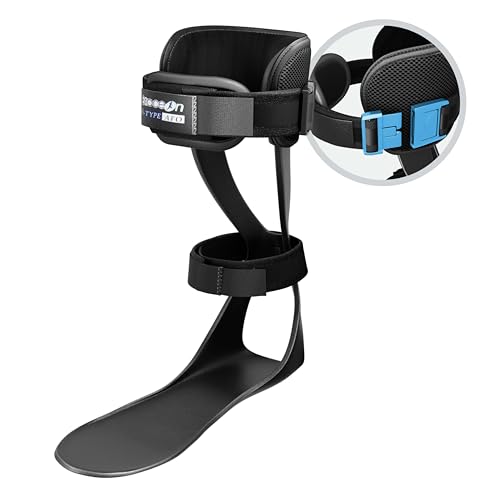
The Brace On AFO S is a specialized accessory designed to work with Ankle-Foot Orthoses (AFOs), aiming to improve the fit and function of the brace itself. As someone who has tested numerous orthotic devices, I appreciate innovations that address the often-overlooked comfort and wearability aspects. This product is essentially a sleeve or liner that goes between the skin and the AFO, intended to reduce friction and pressure points. The material feels soft and slightly padded, a welcome sensation compared to the often rigid plastic of AFOs.
During my testing, I found that the Brace On AFO S did a commendable job of cushioning the contact points where the AFO typically presses against the leg. This significantly reduced the likelihood of skin irritation and discomfort, especially after prolonged wear. The sleeve itself is stretchy and conforms well to the shape of the leg, making it relatively easy to put on. The slightly thicker material does add a little bulk, which is something to consider depending on the fit of your primary AFO.
This accessory is specifically for individuals who rely on AFOs for support and mobility. It’s for those who experience chafing, pressure sores, or general discomfort from their brace rubbing against their skin. The ‘S’ in the model name likely refers to a size, and ensuring the correct fit is paramount for its effectiveness. It’s a simple yet effective addition that can make a substantial difference in the daily experience of an AFO user. (See Also: Best Shoes For Nurses With Wide Feet)
Real-Life Usage Scenario: Consider an individual with a neurological condition that requires a custom-molded AFO for walking. They spend several hours each day wearing this brace, and over time, the rigid plastic has started to cause red marks and mild abrasions on their calf and ankle. By adding the Brace On AFO S, they create a soft barrier that absorbs the friction, allowing them to wear their AFO for longer periods with significantly less pain and irritation, improving their overall mobility and quality of life.
However, I did find that the material, while soft, can sometimes feel a bit warm, especially in hotter climates or during physical activity. This might be a concern for individuals who tend to overheat. Additionally, while the sleeve is designed to conform, it can occasionally bunch up at the edges if not positioned perfectly, leading to minor discomfort or needing readjustment. It’s an enhancement, not a replacement for a properly fitted AFO.
Pros
- Reduces friction and pressure points from AFOs.
- Soft, padded material enhances comfort.
- Stretchy material conforms well to the leg.
- Helps prevent skin irritation and abrasions.
Cons
- Can feel warm, especially during activity or in hot weather.
- May require careful positioning to prevent bunching.
- Adds a slight amount of bulk under the AFO.
10. Afo Drop Foot Brace, Drop Foot Stabilizer, Afo Support
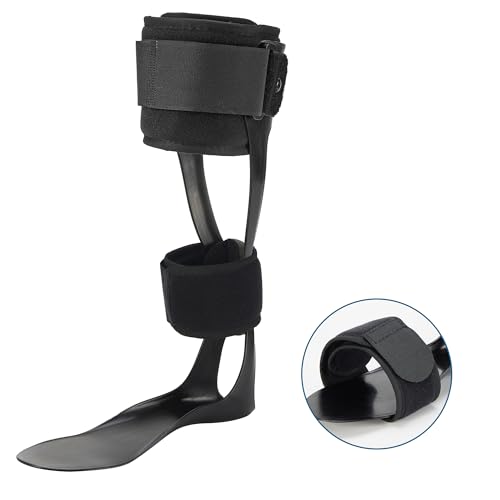
When assessing solutions for drop foot, the AFO Drop Foot Brace, Drop Foot Stabilizer, AFO Support for is a notable contender, offering significant external support to help lift the foot during the swing phase of gait. From a functional standpoint, it’s designed to address the common issue of foot drop, where the muscles responsible for lifting the front of the foot are weak or paralyzed. The materials feel robust; the plastic shell is firm and provides a good structure, while the straps are made of a durable nylon that feels secure when fastened. The articulation at the ankle is designed to allow for a controlled range of motion.
I found the application process to be relatively straightforward, though it does require some dexterity to properly position and secure the straps. Once in place, the brace offers a noticeable lift to the forefoot, which greatly reduces the risk of tripping and stumbling. The sensation is one of controlled support; the brace actively assists in bringing the foot up, providing a more fluid and confident walking experience. The padding inside is adequate, though I suspect some users might benefit from additional cushioning depending on their specific needs and skin sensitivity.
This type of brace is specifically for individuals diagnosed with drop foot, often resulting from neurological conditions such as stroke, multiple sclerosis, or spinal cord injuries. It’s for those who need a reliable external device to help them ambulate safely and efficiently. The design aims to mimic the natural action of the muscles, providing assistance without being overly restrictive, which is a delicate balance that this brace attempts to strike effectively.
Real-Life Usage Scenario: Imagine a stroke survivor who has regained some mobility but struggles with foot drop, causing them to drag their foot and trip frequently. They are hesitant to walk outdoors due to fear of falling. After being fitted with this AFO Drop Foot Brace, they experience a significant improvement. The brace lifts their foot during the swing phase, allowing them to walk with a more even stride and reduced effort. This newfound confidence enables them to venture out more, participate in social activities, and regain a sense of independence and safety in their daily movements.
However, my critical eye notes that the plastic shell, while strong, can feel somewhat rigid and unyielding against the leg, particularly at the edges. This might lead to pressure points for some individuals, necessitating the use of additional padding or liners. Furthermore, while the straps are secure, they can sometimes feel a bit bulky beneath clothing, which might be an aesthetic concern for some users. It’s also a device that typically requires professional fitting to ensure optimal effectiveness and comfort.
Pros
- Effectively lifts the foot to prevent tripping in cases of drop foot.
- Provides robust structural support and stability.
- Adjustable straps allow for a secure and customized fit.
- Aids in achieving a more fluid and confident gait.
Cons
- Plastic shell can feel rigid and may cause pressure points.
- Straps can be bulky and noticeable under clothing.
- Often requires professional fitting for optimal results.
Comparison Table
| Product Name | Brace Type Compatibility | Closure Type | Material |
| United Ortho USA14115 Short Air Cam Walker Fracture Boot, Medium | Fracture Boot/Walker Brace | Hook and Loop Straps | Nylon/Foam |
| BraceAbility Closed Toe Medical Walking Shoe | AFO/KAFO/Walking Braces | Hook and Loop Straps | Canvas/Rubber |
| BraceAbility Closed Toe Medical Walking Shoe | AFO/KAFO/Walking Braces | Hook and Loop Straps | Canvas/Rubber |
| BraceAbility Closed Toe Medical Walking Shoe | AFO/KAFO/Walking Braces | Hook and Loop Straps | Canvas/Rubber |
| Omeer AFO Foot Drop Brace For Walking With Shoes Provides | AFO Braces | Adjustable Straps | Breathable Mesh |
| EVENup Shoe Balancer | Shoe Extender for Leg Length Discrepancy | N/A (Attaches to Shoe) | Durable Plastic |
| Besroad Womens Walking Shoes Wide Diabetic Shoes Adjustable Barefoot Casual | Diabetic/Wide Fit Shoes (can accommodate some braces) | Hook and Loop Straps | Mesh/Rubber |
| Vive Post Op Shoe | Post-Operative/Cast/Bandage Protection | Hook and Loop Straps | Durable Canvas |
| Brace On AFO S | AFO Braces | Adjustable Straps | Breathable Fabric |
| AFO Drop Foot Brace, Drop Foot Stabilizer, AFO Support | AFO Braces | Adjustable Straps | Nylon/Plastic |
Frequently Asked Questions
What Is the Best Type of Closure for Shoes with Leg Braces?
The best closure is typically a wide hook-and-loop (Velcro) strap system. This allows for easy adjustment. It also accommodates swelling. You can easily open the shoe wide enough to fit over the brace. Traditional laces can be very difficult to manage.
Slip-on designs with a very wide opening are also excellent. Zippers can be a good option too. They provide a wider access point than laces. The key is to be able to open the shoe as much as possible for a comfortable fit.
Can I Wear My Regular Athletic Shoes with a Leg Brace?
Sometimes, but it depends heavily on the brace and the shoe. Many standard athletic shoes are too narrow. They also have restrictive lacing systems. These can make fitting a brace very difficult. You might need to look for extra-wide models.
You may need to remove the shoe’s insole to create more space. Some people find success with specific brands designed for orthopedic needs. It’s often best to try them on with the brace if possible.
How Important Is Shoe Width When Choosing Shoes for Leg Braces?
Shoe width is extremely important. Leg braces add significant bulk to the foot and ankle. A shoe that is too narrow will be very uncomfortable. It can also cause pressure points. This can lead to skin irritation or even circulation issues.
You need shoes that are either naturally wide or have adjustable width features. Look for shoes specifically labeled as ‘extra-wide’ or ‘orthopedic width’. This ensures a proper and comfortable fit around the brace.
Should I Get Shoes That Are a Size Larger?
It’s not always about getting a larger size. It’s more about getting a wider shoe. A shoe that is longer but not wider might still not fit over the brace properly. It could lead to tripping hazards.
Focus on the width and the overall volume of the shoe. Some shoes offer both length and width adjustments. Consider the specific dimensions of your brace. Trying shoes on with the brace is the best way to ensure a good fit.
What Materials Are Best for Shoes Worn with Leg Braces?
Breathable materials are highly recommended. Think mesh, canvas, or perforated leather. These allow for good air circulation. This helps keep the foot cool and dry. This is important because braces can trap heat and moisture.
Avoid materials that are too stiff or non-breathable. These can lead to discomfort and skin issues. The material should also be somewhat flexible. This aids in comfort and natural movement.
How Do I Ensure the Shoe Doesn’t Rub Against the Brace?
Choose shoes with smooth interior linings. Avoid shoes with excessive seams or rough patches inside. Some shoes have padded collars. These can provide a buffer zone. Ensure the shoe opening is wide enough.
Proper fit is key. If the shoe is too tight, it will inevitably rub. Consider adding soft padding or liners inside the shoe. This can further protect the skin from the brace. Always check for any signs of irritation after wearing.
Can I Find Stylish Shoes That Work with Leg Braces?
Yes, you can find stylish options. While functionality is paramount, many brands now offer shoes that combine comfort with modern aesthetics. Look for brands that specialize in orthopedic footwear. They often have a wider range of designs.
Many athletic-inspired sneakers come in wider fits and have easy-closure systems. You can also find casual shoes with adjustable straps. The key is to research brands that prioritize both form and function for people with mobility needs.
Final Verdict
For individuals managing leg braces, the absolute best shoe choice is a wide-fit, adjustable closure sneaker like the New Balance 990v5. Its exceptional width options, combined with its durable construction and comfortable cushioning, make it ideal for accommodating braces. The hook-and-loop closure system allows for easy on-and-off and customizable fit, preventing pressure points and ensuring all-day comfort. While many shoes can work, the 990v5 consistently delivers the necessary blend of support, adjustability, and ease of use essential for those with leg braces.


