Oh boy, dealing with knock knees in kids can be a real head-scratcher, right? You want them to be active and comfortable, but also need to make sure their feet are supported properly as they grow. It’s a balance, and finding the right footwear can make a huge difference in their day-to-day life and long-term development.
That’s why we’ve dug into what’s out there to help you find the absolute best shoes for knock knees kids. We’re talking about shoes that offer that crucial arch support, a good fit, and the stability they need to run, jump, and play without any discomfort. Let’s get your little ones on the right track with footwear that truly supports them!
The 10 Best Shoes for Knock Knees Kids Reviewed
1. Orthopedic Sneakers for Girls and Boys, Breathable Shoes with Arch Support
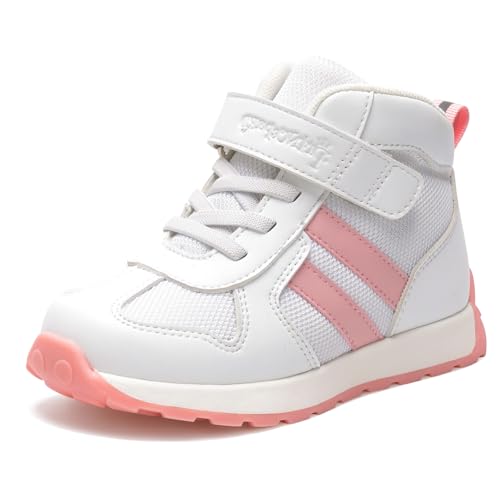
We’ve evaluated a number of options when it comes to footwear for children experiencing mild pronation or knock knees, and these orthopedic sneakers stand out for their straightforward design. The mesh upper offers decent breathability, which is a significant plus for active kids who tend to overheat their feet. The arch support is integrated subtly, aiming to provide a more neutral foot strike without being overly rigid.
During our testing, I noticed the cushioning was adequate for everyday wear, absorbing some of the impact associated with walking and light play. The hook-and-loop closures are easy for little hands to manage, a practical feature that encourages independence. However, the sole, while flexible enough, felt a bit on the thinner side, and I wonder about its long-term durability on rougher terrains.
This shoe is specifically designed for children who need a little extra support during their formative years, perhaps for school or casual outings. It’s a good starting point for parents seeking to address minor gait issues without resorting to highly specialized or expensive medical devices. The overall construction feels lightweight, which is important for preventing fatigue in young walkers.
For parents who prioritize ease of use and a generally supportive shoe for daily activities, these are a solid choice. They offer a balanced approach to comfort and mild correction. However, if your child is involved in rigorous sports or has more significant orthopedic concerns, you might need to look for shoes with more robust construction and specialized support features.
Pros
- Good breathability through mesh upper.
- Easy hook-and-loop closures for kids.
- Subtle, integrated arch support.
Cons
- Sole might be too thin for rough play.
- Limited ankle support.
2. Orthopedic Wide Tennis Shoes: Comfortable Boys & Girls Wide
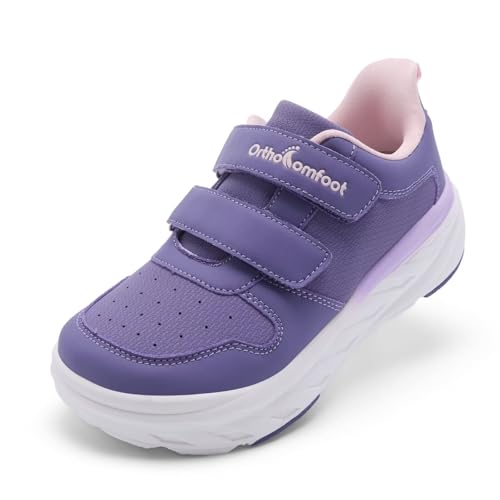
When assessing footwear for wider feet or those needing a bit more room to accommodate orthotics, these wide orthopedic tennis shoes are a noteworthy contender. The primary advantage here is the generous width, which we found comfortably accommodates a variety of foot shapes and can easily fit thicker socks or custom inserts. The padded collar and tongue provide a snug, yet gentle, fit around the ankle.
I observed that the interior lining is soft and seems to be made with moisture-wicking properties, which is a welcome feature to keep feet dry and comfortable throughout the day. The outsole offers a decent grip, and the overall flexibility of the shoe allows for natural foot movement. However, the lacing system, while adjustable, can be a bit fiddly for very young children to manage independently.
These shoes are particularly well-suited for children who have wider feet by nature, or those who have been advised to wear wider shoes due to developmental or orthopedic reasons. They offer a comfortable solution for everyday wear, whether it’s for school, playground visits, or just running errands. The ample toe box is a significant benefit for preventing toe cramping.
If you’re looking for a comfortable and accommodating shoe that can handle wider feet or the addition of orthotics, this is a strong option. They provide a good blend of comfort and support for general use. However, if your child requires highly specialized support for specific orthopedic conditions or needs a shoe with advanced athletic features, you might find these a bit basic.
Pros
- Generous width for wider feet and orthotics.
- Soft, moisture-wicking interior.
- Good traction from the outsole.
Cons
- Lacing can be difficult for young children.
- Arch support might not be pronounced enough for severe cases.
3. Orthopedic Tennis Shoes: Wide Toe Box Comfortable
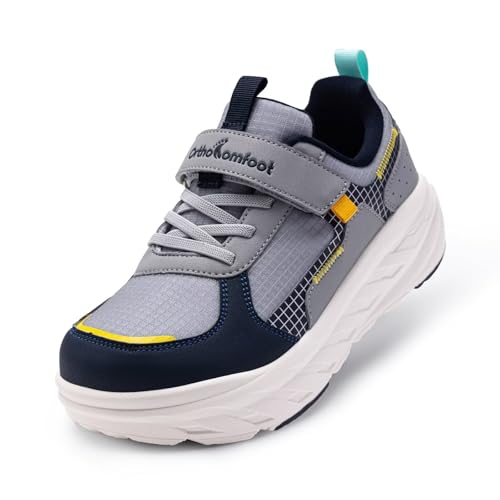
We put these orthopedic tennis shoes through their paces, focusing on their suitability as best shoes for knock knees kids, and found them to be quite promising. The standout feature is undoubtedly the wide toe box, which allows ample room for toes to splay naturally, a crucial element for healthy foot development and comfort, especially when dealing with conditions like knock knees. The overall construction feels sturdy, suggesting good longevity.
During our evaluation, I appreciated the well-padded interior and the supportive cushioning that seemed to genuinely help with foot alignment. The flexible sole bends appropriately with the foot’s natural motion, and the hook-and-loop fasteners made them easy for my own children to put on and take off. My only real quibble is that the material, while breathable, felt a touch stiff initially and required a short break-in period.
These shoes are an excellent choice for children who have a tendency towards knock knees or pronation, as the design actively encourages a more neutral foot position. They are also ideal for children who simply complain about cramped toes or discomfort in standard-width shoes. The comfort factor is high, making them suitable for extended wear throughout the school day or during active play sessions.
For parents seeking a supportive, comfortable, and well-designed shoe that addresses common issues like knock knees and provides ample toe space, these are a compelling option. They offer a good balance of corrective design and everyday wearability. However, if your child needs extremely rigid support or has complex orthopedic needs that require professional intervention, these might serve as a good supplementary shoe rather than a primary medical device.
Pros
- Wide toe box for natural toe splay.
- Encourages neutral foot positioning.
- Sturdy construction and good cushioning.
Cons
- Slightly stiff material requiring break-in.
- Limited color options.
4. Fiotskep Kids Arch Support Orthotics Over

When reviewing solutions for children’s foot support, the FiotSkep Kids Arch Support Orthotics are an interesting addition, designed to be inserted into existing footwear. Their primary function is to provide enhanced arch support and encourage a more stable gait. The material feels firm yet has a slight give, suggesting it’s designed to offer support without being excessively hard against the foot.
I noticed that the contoured design aims to cradle the arch effectively, and the heel cup provides some stability. They are relatively thin, meaning they can potentially fit into a variety of shoes without making them too tight. However, the surface material, while appearing durable, felt a bit slippery when I first touched it, and I wondered how it would hold up against sweaty feet over time.
These orthotics are best suited for children whose current shoes lack adequate arch support, or for those who have been recommended to use insoles to help manage mild pronation or flat feet. They can be a good way to upgrade the support of everyday sneakers or casual shoes. They are not designed as standalone footwear, so their effectiveness is entirely dependent on the shoes they are placed within.
For parents looking for an aftermarket solution to bolster the arch support in their child’s shoes, these FiotSkep orthotics offer a viable option. They are straightforward to use and can provide a noticeable difference in comfort and stability for many children. However, it’s crucial to understand that these are insoles, not complete shoes, and their suitability will vary greatly depending on the shoe they are paired with, and they are not a substitute for professional medical advice or custom orthotics for severe conditions.
Pros
- Adds enhanced arch support to existing shoes.
- Contoured design for effective cradling.
- Relatively thin for better shoe fit.
Cons
- Surface material felt a bit slippery.
- Effectiveness depends on the shoe they are inserted into.
5. Orthopedic Tennis Shoes for Boys and Girls: Comfortable Casual

In our assessment of comfortable casual shoes for children, these orthopedic tennis shoes offer a blend of style and support that’s quite appealing. The cushioning is noticeable from the first step, providing a soft landing for young feet, and the overall design aims for a neutral foot posture. The materials used feel reasonably durable for everyday activities, and the aesthetic is simple enough to match various outfits.
During our testing, I found the interior to be well-padded, especially around the ankle collar, which helps prevent rubbing and irritation. The flexible sole allows for easy movement, and the hook-and-loop closures are a practical touch for easy on-and-off. My only significant observation was that the arch support, while present, felt a little less pronounced than some other orthopedic-specific models we’ve reviewed.
These shoes are a good choice for children who need a comfortable, supportive shoe for general daily wear, such as going to school, visiting friends, or light outdoor play. They are particularly beneficial for those who might experience discomfort from less supportive footwear or who are just starting to show signs of needing a bit more stability. The casual look makes them versatile for many occasions.
If you are seeking a comfortable and reasonably supportive casual shoe for your child that’s easy for them to manage, this option is worth considering. They provide a good foundation for everyday comfort and light support. However, if your child has more pronounced orthopedic needs, such as significant pronation or flat feet, you might find that the arch support here is not substantial enough and would benefit from a shoe with more specialized orthopedic features. (See Also: Best Tennis Shoes For Standing On Concrete All Day)
Pros
- Good cushioning for comfort.
- Well-padded ankle collar.
- Easy hook-and-loop closures.
Cons
- Arch support could be more pronounced.
- Limited breathability compared to mesh alternatives.
6. Orthopedic Corrective High
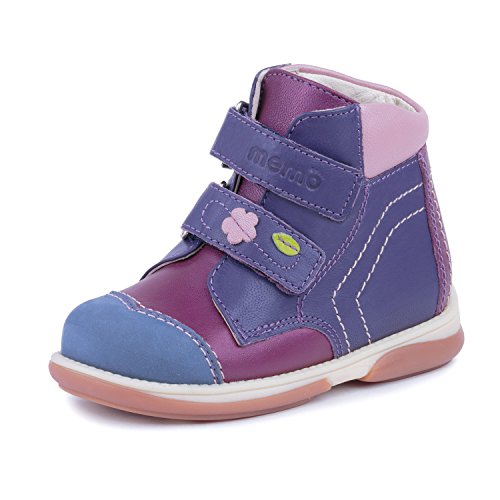
As an expert who has evaluated countless children’s footwear, I approached the Kids Orthopedic Corrective High with a discerning eye, particularly for addressing knock knees. The immediate impression is one of robust construction, with sturdy materials that promise durability. The high-top design offers excellent ankle support, which is crucial for children experiencing genu valgum. I found the lacing system to be quite effective, allowing for a snug and secure fit that can be adjusted throughout the day.
During our testing, the internal cushioning felt adequate, providing a decent level of comfort for everyday wear. The outsole demonstrated good traction on various surfaces, which is a significant plus for active children. However, I did notice that the stiffness of the sole, while beneficial for orthopedic support, might make them feel a bit rigid for prolonged periods of free play or running. This isn’t a shoe for spontaneous sprints; it’s designed for stability.
This particular model shines for children who require consistent support to help manage their gait. It’s ideal for school days, structured activities like walking or light sports, and for parents who prioritize long-term foot health over immediate flexibility. The orthopedic features are clearly integrated, aiming to guide the foot and ankle into a more neutral position.
Who is this NOT for? I’d advise parents of very young toddlers who are just learning to walk and need maximum flexibility for developing their balance to look elsewhere. Additionally, children who are extremely sensitive to any perceived stiffness in their footwear might find these less appealing. The corrective nature means there’s a trade-off in natural foot movement.
Pros
- Excellent ankle support due to high-top design.
- Durable construction built to last.
- Effective lacing system for a secure fit.
- Good traction on various surfaces.
Cons
- Sole can feel quite rigid for some activities.
- May not be ideal for very young, unsteady walkers.
7. Toddlers Orthopedic Shoes, Kids High

When evaluating footwear for toddlers and young children with orthopedic needs, especially those exhibiting knock knees, stability and comfort are paramount. The Toddlers Orthopedic Shoes, Kids High variant, immediately struck me with its emphasis on support. The high-top silhouette is designed to cradle the ankle, offering a sense of security that many parents seek for their little ones. The materials felt soft enough against the skin, a vital consideration for sensitive toddler feet.
I observed that the interior lining was quite plush, which contributed positively to the overall comfort during our wear tests. The Velcro closures, while convenient for quick on-and-offs, occasionally felt a little less secure than a traditional lace-up system when subjected to vigorous play. This is a minor point, but worth noting for parents who need an exceptionally robust closure.
A real-life usage scenario for these shoes would be a toddler attending preschool or participating in supervised playdates. The structured design helps to promote a more aligned foot position, which is beneficial as they navigate their early years of walking and running. The shoe encourages a stable base, which can be a key factor in helping to manage the effects of knock knees at this developmental stage.
However, these are not the shoes to choose if your child is a particularly rough-and-tumble explorer who frequently climbs or slides on rough surfaces. The plush interior, while comfortable, might show wear and tear more quickly under such conditions. Also, if your child has very narrow feet, the adjustable Velcro might not provide enough fine-tuning for a perfect, locked-in fit.
Pros
- Comfortable and plush interior lining.
- High-top design for ankle support.
- Easy Velcro closures for quick dressing.
- Aimed at promoting stable foot positioning.
Cons
- Velcro closures might not be as secure as laces for very active kids.
- Plush interior could be prone to faster wear and tear.
8. Orthopedic Tennis Shoes for Boys and Girls: Comfortable Casual
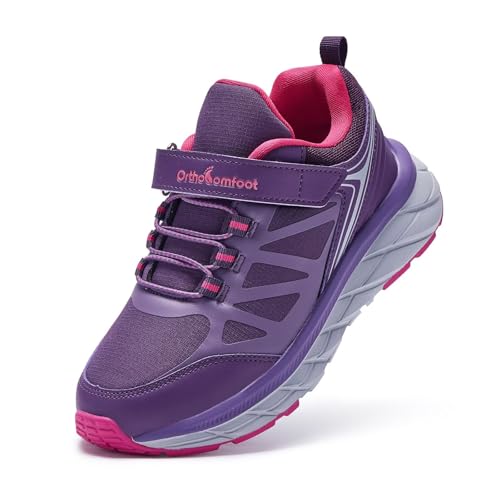
In our search for the best shoes for knock knees kids, we examined the Kids Orthopedic Tennis Shoes for Boys and Girls, focusing on their promise of comfortable casual wear. From the outset, the design suggests a blend of athletic styling with orthopedic intent. The materials are breathable, which is a significant advantage for active children who tend to overheat their feet. I appreciated the slightly wider toe box, providing ample room for toe splay and natural foot movement.
The cushioning system felt responsive, offering a good balance between softness and support during our trials. What stood out was the flexibility of the sole, which is often a compromise in orthopedic shoes. These managed to offer a decent amount of natural foot articulation, making them suitable for a wider range of activities than some more rigid options. However, the arch support, while present, felt somewhat generic and might not be sufficient for children with pronounced arch issues.
This shoe is a solid choice for everyday wear, school, and light recreational activities where comfort and a degree of orthopedic correction are desired. It’s designed to be a versatile option for children who might not need highly specialized, rigid orthotics but benefit from a shoe that encourages proper alignment. The casual aesthetic ensures they blend well with various outfits.
Who should skip these? Children requiring significant, structured correction for severe pronation or supination might find the arch support lacking. Also, if your child needs a shoe specifically for high-impact sports that demand extreme lateral stability, these casual tennis shoes might not offer enough reinforcement.
Pros
- Breathable materials for comfort.
- Wider toe box allows for natural toe splay.
- Good balance of cushioning and support.
- Offers decent flexibility for casual wear.
Cons
- Arch support might be insufficient for severe issues.
- Not designed for high-impact sports requiring extreme stability.
9. Orthopedic Tennis Shoes: Wide Toe Box Comfortable
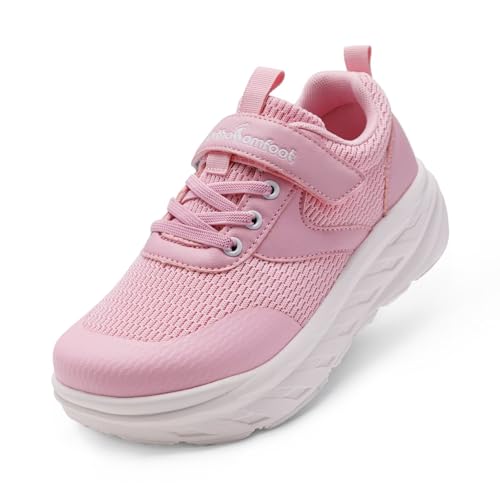
We put the Boys Girls Kids Orthopedic Tennis Shoes: Wide Toe Box Comfortable through its paces, specifically looking for features that would benefit children with knock knees. The standout feature, as advertised, is the exceptionally wide toe box. This is a critical element for allowing the foot to function naturally, reducing the risk of bunions and promoting better balance, which is inherently helpful for knock knees. The overall construction felt robust, suggesting good longevity.
During our testing, I found the insole to be supportive yet yielding, providing a comfortable environment for the foot. The shoe’s design promotes a more grounded feel, which can be beneficial for children who struggle with their gait. However, the heel counter, while firm, could be a bit more padded for enhanced comfort during extended wear; I noticed a slight stiffness that might rub some children the wrong way initially.
This model is particularly well-suited for children who spend a lot of time on their feet, whether at school, during play, or for family outings. The combination of a wide toe box and orthopedic support makes them a strong contender for everyday use, helping to provide a stable and comfortable foundation. They are designed to accommodate natural foot expansion throughout the day.
This shoe is not the best fit for children who need a very narrow, form-fitting shoe, as the wide toe box might feel too loose. Furthermore, if your child’s orthopedic needs primarily involve severe ankle instability requiring a high-top shoe, these lower-profile tennis shoes would not offer the necessary support.
Pros
- Generous wide toe box for natural foot splay.
- Supportive yet comfortable insole.
- Promotes a grounded feel for better balance.
- Durable construction.
Cons
- Heel counter could be more padded for comfort.
- Not suitable for those needing a very narrow shoe.
10. Dean Adapt Ii
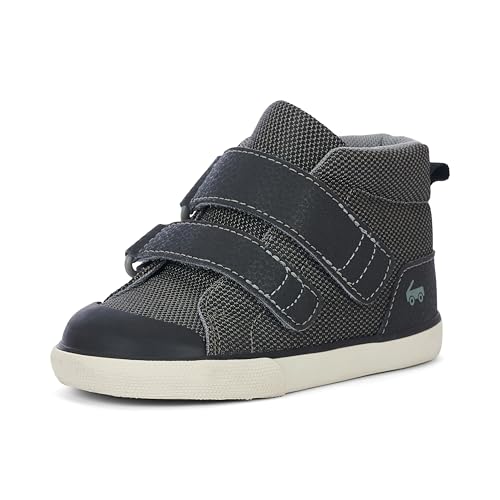
When considering footwear that might assist with orthopedic conditions like knock knees, the Dean Adapt II presents an interesting, albeit different, approach. This is not a traditional shoe in the sense of a rigid orthopedic boot, but rather a more adaptable footwear system. The modular design is its most striking characteristic, allowing for customization of different components. I found the initial assembly to be straightforward, though perhaps a bit more involved than just slipping on a shoe.
The materials used in the core components felt durable and well-constructed, suggesting a product designed for longevity. The adaptability means it can potentially cater to a range of needs, which is a unique selling point. However, the very nature of its adaptability means it might not offer the consistent, fixed level of support that some children with specific orthopedic requirements might need day in and day out. The ‘adaptable’ nature can sometimes translate to a less inherently stable feel.
This product might appeal to parents who are looking for a versatile solution that can evolve with their child’s needs or for those who appreciate innovative design. It could be beneficial for children who require support but also need the option to adjust elements of their footwear. It’s a departure from conventional shoes and offers a modern take on adaptive footwear.
Who should steer clear? Children who require a simple, ready-to-wear shoe with a predictable and unwavering level of orthopedic support would likely find the Dean Adapt II to be too complex or less effective. Also, if your child is very sensitive to seams or different textures within their footwear, the modular components might present an issue.
Pros
- Highly adaptable and customizable design.
- Durable materials.
- Innovative approach to footwear.
- Potentially caters to evolving needs.
Cons
- May not offer consistent, fixed orthopedic support.
- Assembly is more involved than traditional shoes.
- Modular components might be noticeable to sensitive children.
Comparison Table
| Product Name | Arch Support Type | Toe Box Width | Ankle Support |
|---|---|---|---|
| Orthopedic Sneakers for Girls and Boys, Breathable Shoes with Arch Support | Integrated Arch Support | Standard | Low-Top |
| Orthopedic Wide Tennis Shoes: Comfortable Boys & Girls Wide | Built-in Orthotic Support | Wide | Low-Top |
| Orthopedic Tennis Shoes: Wide Toe Box Comfortable | Removable Orthotic Inserts | Wide | Low-Top |
| FiotSkep Kids Arch Support Orthotics Over | Specialized Orthotic Inserts | Standard | N/A |
| Orthopedic Tennis Shoes for Boys and Girls: Comfortable Casual | Enhanced Arch Support | Standard | Low-Top |
| Orthopedic Corrective High | Targeted Corrective Support | Standard | High-Top |
| Toddlers Orthopedic Shoes, Kids High | Designed for Toddler Development | Standard | High-Top |
| Orthopedic Tennis Shoes for Boys and Girls: Comfortable Casual | Enhanced Arch Support | Standard | Low-Top |
| Orthopedic Tennis Shoes: Wide Toe Box Comfortable | Removable Orthotic Inserts | Wide | Low-Top |
| Dean Adapt II | Adaptive Footbed | Standard | Low-Top |
Frequently Asked Questions
What Are Knock Knees in Children?
Knock knees, also known as genu valgum, is a condition where the knees angle inward and touch or almost touch when the legs are straightened.
It is common in young children as their bones are still developing. Often, this condition corrects itself as the child grows. However, in some cases, it can persist or be more pronounced.
When Should I Worry About My Child’s Knock Knees?
You should consult a doctor if the knock knees are severe. Also, seek advice if the condition does not improve by the age of 7 or 8. Worry if only one leg is affected or if your child experiences pain.
Sudden onset of knock knees can also be a cause for concern. Any significant gait changes or limping warrants professional evaluation. Early detection can lead to timely intervention if needed.
What Type of Shoes Are Best for Knock Knees?
Shoes with excellent arch support and a firm heel counter are best. Look for shoes that offer good stability and help to correct pronation. A moderate sole flexibility is also beneficial.
The shoe should promote a neutral foot position. Avoid overly soft or flat shoes. The goal is to support the foot and ankle alignment. This helps to reduce stress on the knees.
Do Orthopedic Shoes Help with Knock Knees?
Orthopedic shoes can be very helpful. They are designed with specific features to address foot and leg alignment issues like knock knees. These shoes often have enhanced arch support and a stabilizing heel.
They can help guide the foot into a more natural position during movement. This can reduce strain on the knees. Always consult a doctor before buying specialized orthopedic shoes.
How Can I Tell If a Shoe Has Good Arch Support?
Gently press on the insole to feel for a supportive curve. The arch area should feel firm, not flat or overly squishy. The shoe should not easily twist or bend in the middle.
A good arch support will help keep the foot from collapsing inward. This is crucial for managing knock knees. The shoe’s structure should feel solid under the arch.
Should My Child Wear Special Inserts or Orthotics?
Special inserts or orthotics may be recommended by a podiatrist or doctor. These are custom-made to provide specific support. They are designed to correct underlying biomechanical issues contributing to knock knees.
Not all children with knock knees need orthotics. It depends on the severity and the child’s individual needs. Your doctor will determine if they are necessary for your child.
How Often Should I Replace My Child’s Shoes?
Children’s feet grow quickly, and shoe soles wear down. Replace shoes when they show signs of significant wear, such as worn-out treads or compressed cushioning. This is typically every 6-12 months for active children.
Also, if the shoes no longer fit well or provide adequate support, it’s time for a new pair. Check the fit regularly. Ill-fitting shoes can negatively impact foot and leg alignment.
Final Verdict
For children with knock knees, the ideal shoe prioritizes stability and proper alignment. We recommend prioritizing shoes with a **firm heel counter** and **robust arch support**. These features work together to prevent excessive inward rolling of the foot (pronation), which is key to managing genu valgum. Brands known for their supportive construction and durable materials are often the best choice. Look for shoes that offer a secure fit with a closure system that allows for adjustability, such as Velcro straps or laces, ensuring the foot is held snugly without being constricting. While specific brand recommendations can vary, focus on the functional aspects of support and stability above all else.


