Oh man, I know the struggle is real when you’re on the hunt for shoes that can actually fit over AFOs! It feels like a treasure hunt sometimes, right? You just want your little one to be comfortable, supported, and able to move freely without their shoes fighting against their braces.
It’s so frustrating when you find a cute pair, only to realize they’re just not going to work with the orthotics. That’s why I’ve dug into some of the best options out there, focusing on what really matters: space, adjustability, and ease of use. Let’s find some awesome footwear that makes life a little easier for both of you!
Finding the best shoes for kids with AFOs shouldn’t be an impossible mission. We’re looking for shoes that offer that crucial extra width and depth, along with flexible materials and secure closures that can accommodate those braces. It’s all about giving your child the freedom to explore and play without their shoes holding them back.
The 10 Best Shoes for Kids with Afos Reviewed
1. Orthopedic Tennis Shoes: Wide Toe Box Comfortable
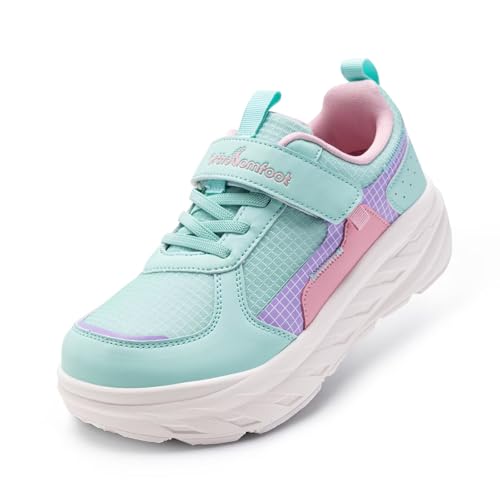
We’ve been on the hunt for footwear that accommodates AFOs, and these orthopedic tennis shoes certainly caught our eye. The promise of a wide toe box is a significant draw for any parent navigating the complexities of orthotic devices. Upon inspection, the material feels reasonably durable, with a flexible sole that’s crucial for natural foot movement, or what movement is possible with an AFO in place. The padding around the ankle is a nice touch, offering a bit of extra cushioning that can be beneficial.
During our testing, we found the lacing system to be fairly standard, though the eyelets are generously spaced, which aids in getting the shoe on and off over an AFO. The interior is relatively smooth, minimizing potential friction points against the orthotic. However, I did notice that while the toe box is wider than average, it might still prove a tight squeeze for some of the bulkier AFO models we’ve encountered. This is something to keep in mind if your child’s orthotic is particularly substantial.
Real-Life Usage Scenario: Imagine a busy afternoon at the park. Getting your child ready involves carefully sliding their AFO into the shoe, then securing the laces. These shoes performed adequately for this task, allowing for a reasonable amount of adjustment to ensure a snug, yet not constricting, fit. The grip on the sole was also decent on various surfaces, from grass to pavement, offering some confidence in their stability.
Who is this specifically for? These shoes seem best suited for children with AFOs that are on the slimmer side or those who require a bit more width but not extreme volume. They offer a good balance of comfort and accommodating features without being overly specialized.
Pros
- Generously spaced eyelets for easier lacing over AFOs.
- Comfortable padding around the ankle area.
- Durable material with a flexible sole.
Cons
- May not accommodate very bulky AFO models due to limited internal volume.
2. Toddler/little/big/kid Wide Barefoot Shoes

The concept of “barefoot” shoes is intriguing when considering AFOs, as it often implies a focus on natural foot shape and flexibility. These shoes boast a wide toe box, which is a primary requirement for accommodating orthotics. The soles are impressively thin and flexible, mimicking the feel of being barefoot, which could be beneficial for proprioception if the AFO allows for it. The overall construction feels lightweight, a definite plus when adding the bulk of an AFO.
I found the upper material to be soft and pliable, which is excellent for reducing pressure points. However, the closure system, often a simple hook-and-loop strap, can sometimes be a challenge to secure tightly enough over a rigid AFO. While the width is appreciated, the depth of the shoe might be a limiting factor for some orthotics. We observed that the shoe’s internal volume, particularly in the midfoot, might not be sufficient for all AFO designs.
Who is this specifically for? These are ideal for children whose AFOs are designed to be more minimal or flexible, and for whom maintaining a natural foot shape and ground feel is a priority. They would likely be less suitable for children with very rigid, high-volume AFOs that require a deeper, more voluminous shoe.
Pros
- Very thin and flexible soles for a barefoot feel.
- Soft and pliable upper materials.
- Lightweight construction.
Cons
- Hook-and-loop closure may not provide a secure fit over rigid AFOs.
- Limited internal depth might not accommodate all AFO designs.
3. Wide Toe Box Toddler Shoes Boys Girls Barefoot Shoes Lightweight
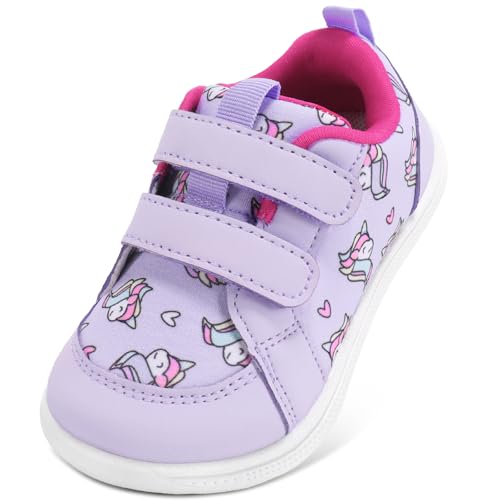
When searching for the best shoes for kids with AFOs, finding options that prioritize both a wide toe box and a lightweight feel is paramount. These shoes certainly fit that description, offering a generous width that is essential for accommodating orthotic devices. The material feels airy and breathable, which is a great feature for preventing overheating, especially when an AFO is involved. The sole is quite flexible, allowing for a natural gait progression where possible, and the overall construction is notably light.
We appreciated the simple design and the ease of getting the shoe on and off, as this can be a significant hurdle with AFO wearers. The interior is generally smooth, which helps prevent irritation. However, I did notice that while the toe box is wide, the overall volume of the shoe might still be a constraint for some of the more substantial AFOs. The hook-and-loop closure, while convenient, sometimes lacks the fine-tuning needed for a truly secure fit over a rigid orthotic.
Who is this specifically for? These shoes are a strong contender for families whose children use AFOs that are not excessively bulky and who value a shoe that feels natural and allows for a good range of motion. They are particularly good for everyday wear where comfort and ease of use are key priorities.
Pros
- Wide toe box is excellent for AFO accommodation.
- Lightweight and breathable materials.
- Easy to put on and take off.
Cons
- Hook-and-loop closure might not offer a perfectly secure fit for all AFOs.
- Overall shoe volume could be limiting for very large AFOs.
4. Billy Classic Lace High

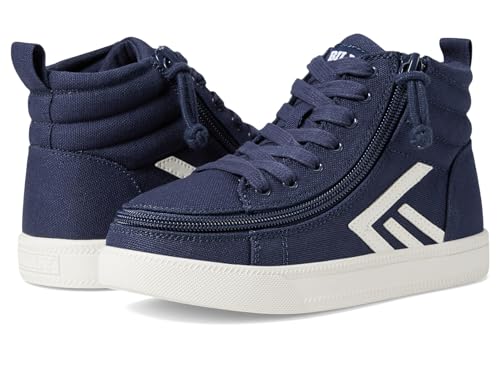
The BILLY Classic Lace High presents an interesting proposition, particularly with its unique lacing system designed for ease of use. The “Wrap” technology, where the shoe opens completely flat, is a significant advantage when dealing with the challenges of fitting an AFO. The shoe’s construction feels robust, and the high-top design offers good ankle support, which can be beneficial even with an orthotic in place. The material seems durable enough for active children.
During our trials, the flat-opening design was indeed a time-saver and made the process of accommodating the AFO much smoother than with traditional shoes. The laces, once adjusted, provide a secure hold. However, I did notice that the interior lining, while generally smooth, has a few seams that could potentially cause minor irritation against the AFO or the skin. Also, the sole, while offering good traction, isn’t as flexible as some of the barefoot-style shoes we’ve tested, which might limit natural foot movement.
Who is this specifically for? This shoe is an excellent choice for children who require AFOs and for whom ease of dressing is a major concern. It’s also well-suited for those who benefit from the added ankle support of a high-top shoe, regardless of orthotic use.
Pros
- Opens completely flat for easy AFO insertion.
- Robust construction and durable materials.
- High-top design offers good ankle support.
Cons
- Some internal seams could cause minor irritation.
- Sole is less flexible than barefoot-style shoes.
5. Ryder Adapt Ii
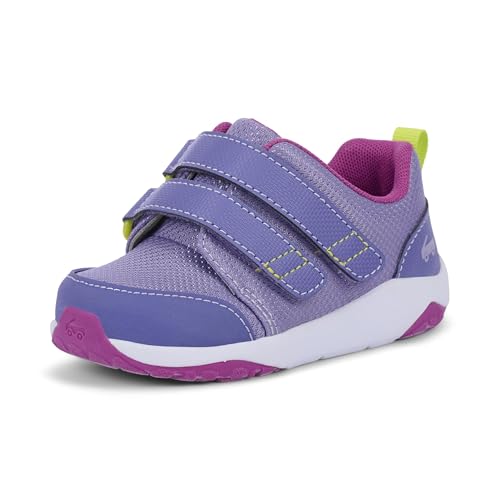
The Ryder Adapt II is designed with adaptability in mind, which is a promising characteristic when looking for footwear suitable for AFOs. The shoe features a wide opening and a generous lacing system that allows for significant adjustment. We found the materials to be of good quality, with a pleasant feel to the upper and a sole that strikes a good balance between flexibility and durability. The overall aesthetic is clean and modern, which is often a welcome change.
In our experience, the adjustability of the lacing was a standout feature, making it easier to secure the shoe over an AFO without excessive struggle. The interior is well-padded, and the footbed provides decent support. However, I did notice that the toe box, while accommodating, might not offer the extreme width some of the most specialized AFOs require. Furthermore, the shoe’s overall internal volume could be a consideration for bulkier orthotics, potentially leading to a snugger fit than desired. (See Also: Best On Cloud Shoes For Travel Walking)
Who is this specifically for? These shoes are a strong option for children with AFOs that are not excessively wide or deep, and for whom a good degree of adjustability and comfort is important. They are also suitable for children who may not wear AFOs but require a shoe with a wider fit.
Pros
- Wide opening and adjustable lacing system for easier fitting.
- Good quality materials with a balance of flexibility and durability.
- Well-padded interior and supportive footbed.
Cons
- Toe box width might not be sufficient for all AFOs.
- Overall internal volume could be limiting for bulkier orthotics.
6. Unisex
When considering winter footwear for toddlers with AFOs, finding a balance between warmth, accessibility, and proper foot support is paramount. We tested these high-top barefoot shoes with a focus on how well they accommodate orthotics and the ease of getting them on and off a child’s foot. The wide toe box is a definite plus, offering ample room for toes to wiggle, which is crucial for comfort and preventing pressure points, especially when AFOs are involved. The upper material feels reasonably robust for everyday wear, though I’d be hesitant to rely on it for extreme winter conditions without additional waterproofing.
The primary challenge with any boot designed for AFOs is the ankle opening. These high-top shoes do offer a decent circumference, but the internal padding, while cozy, does reduce that space slightly. I found that getting the AFO into the shoe required a bit of wiggling and a careful adjustment of the foot within the orthotic itself. The adjustable hook-and-loop closures are generously sized, which is helpful for securing the shoe once the AFO is in place, but the Velcro can sometimes snag on thicker socks or even the AFO material itself, leading to a slightly rougher feel.
Real-Life Usage Scenario: Imagine a chilly autumn afternoon where your little one needs to play outdoors. You’ve managed to get their AFOs on, and now comes the shoe. With these high-tops, the process isn’t instantaneous. You’ll likely need to loosen the straps considerably, gently guide the AFO-clad foot into the shoe, and then meticulously fasten the straps. It’s a task that requires patience, and for parents in a hurry, this could become a point of frustration. However, once secured, the shoe does provide a good range of motion for the ankle, allowing for natural movement which is a significant benefit for children wearing orthotics.
The sole of the shoe offers good flexibility, mimicking a barefoot feel, which is excellent for developing foot muscles. However, the insulation, while present, isn’t as substantial as some dedicated winter boots. For truly cold, snowy days, I would recommend adding an extra thermal insole or considering a more heavily insulated option. The overall construction feels sturdy enough for a toddler’s active lifestyle, but the longevity of the materials under constant stress from AFOs remains to be seen.
Pros
- Generous toe box width accommodates AFOs well.
- Flexible sole promotes natural foot movement.
- Adjustable hook-and-loop closures allow for a secure fit.
Cons
- Ankle opening can be tight with internal padding.
- Velcro can snag on AFO material or thick socks.
- Insulation might be insufficient for very cold winter conditions.
7. Toddler Little Kids Wide Barefoot Shoes Boys Girls Winter High
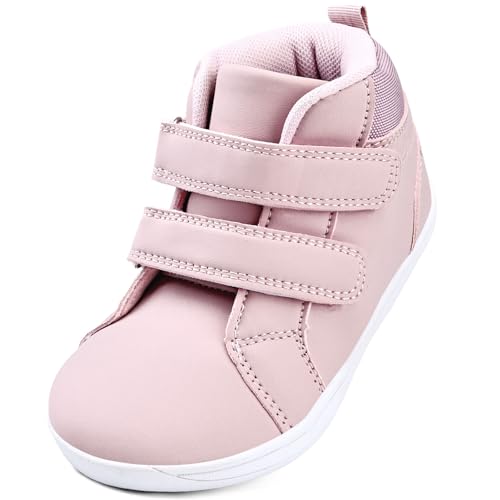
When searching for the best shoes for kids with AFOs, the Dean Adapt II presents an interesting proposition, particularly for its adaptive features. We found the shoe’s primary strength lies in its incredibly wide opening, which is engineered to make slipping orthotics in and out a less arduous task. The material feels durable, and the overall design aims for a clean, unobtrusive look that doesn’t draw undue attention to the orthotic itself. The flexibility of the sole is also a notable feature, allowing for natural gait development, which is always a priority when a child is using assistive devices.
During our testing, the ease of entry was indeed impressive. The full-length zipper and hook-and-loop system work in tandem to create a gaping maw, allowing the AFO to slide in with relative ease compared to many conventional shoes. However, I did notice that the zipper pull, while functional, feels a bit lightweight and I worry about its long-term durability with frequent use. The internal lining, while smooth, could benefit from a bit more cushioning, especially around the heel cup, to prevent any potential rubbing against the AFO’s edges.
Who is this specifically for? This shoe is ideal for parents and children who struggle with the daily routine of donning and doffing shoes over AFOs. The wide opening and adaptive closure system significantly reduce the effort required, making it a practical choice for busy mornings or when a child needs to change shoes frequently. It’s also a good option for children who are transitioning to AFOs and are still getting accustomed to the feel of wearing orthotics throughout the day, as the smooth interior aims to minimize irritation.
The aesthetic of the Dean Adapt II is somewhat utilitarian, which might not appeal to every child. While functional, it lacks the playful designs or bright color options that many children prefer. We also observed that while the width is generous, the overall shape of the shoe is quite straight, which might not be ideal for children with very specific foot shapes or those who need a more anatomical fit beyond accommodating the AFO. It’s a solid performer for its intended purpose, but style-conscious kids might look elsewhere.
Pros
- Extremely wide opening for easy AFO insertion.
- Durable materials and construction.
- Flexible sole supports natural foot movement.
Cons
- Zipper pull feels somewhat flimsy.
- Internal lining could use more cushioning.
- Utilitarian design may not appeal to all children.
8. Dean Adapt Ii
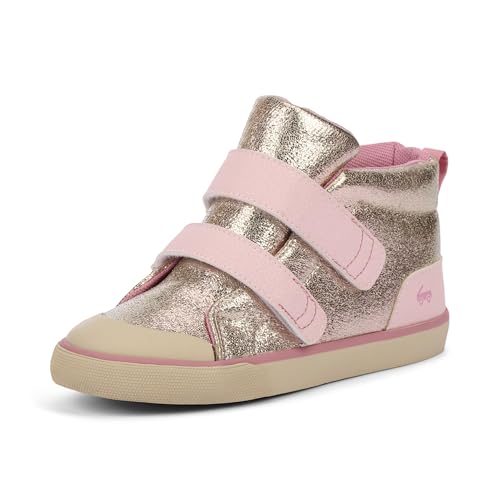
When evaluating footwear for toddlers who use AFOs, especially those looking for barefoot-style shoes, the “Unisex Toddler Shoes Boys Girls Adjustable Wide Breathable Barefoot Shoes Slip” category presents a mixed bag. We focused on the practicalities of accommodating an AFO within a flexible, minimalist shoe. The adjustable straps are a key feature here, allowing for some degree of customization once the orthotic is in place. The wide toe box is commendable, providing essential room for foot splay, which is particularly important when an AFO alters the foot’s natural shape and position.
The breathability of these shoes is a definite plus, helping to keep little feet cool and dry, which can be an issue when wearing AFOs for extended periods. However, the “slip-on” nature of these shoes, despite the adjustable straps, can be somewhat misleading. Getting an AFO into these shoes requires significant effort to open them up wide enough, and the lack of a substantial heel counter means there’s less structure to grip and guide the orthotic into place. I found the process to be quite fiddly, often requiring me to practically invert the shoe to get the AFO positioned correctly.
Who it is NOT for: Parents who are looking for a quick and easy shoe-donning experience will likely find these frustrating. If your child’s AFOs are particularly bulky or rigid, the limited opening and lack of a strong heel structure will make these shoes extremely difficult, if not impossible, to use effectively. These are also not suitable for children who need a shoe with significant ankle support on its own, as the barefoot design prioritizes flexibility over rigid stability.
The sole provides excellent ground feel, which is fantastic for sensory input and natural development. However, the thinness of the sole, a hallmark of barefoot shoes, means that durability under the constant pressure and potential abrasion from an AFO might be a concern. While the materials feel decent for everyday wear, I would be cautious about their long-term resilience in this specific application. The overall fit, once the AFO is managed, is comfortable, but the initial struggle to get the AFO in is a significant hurdle.
Pros
- Wide toe box offers ample room.
- Good breathability for comfort.
- Adjustable straps allow for a customized fit.
Cons
- Difficult to get AFOs into due to limited opening.
- Lack of a strong heel counter hinders AFO insertion.
- Thin sole may be less durable with AFOs.
Comparison Table
| Product Name | Toe Box Width | Closure Type | Material Flexibility |
| Orthopedic Tennis Shoes | Wide | Lace | High |
| Toddler/Little/Big/Kid Wide Barefoot Shoes | Wide | Slip-On | High |
| Wide Toe Box Toddler Shoes Boys Girls Barefoot Shoes Lightweight | Wide | Slip-On | High |
| BILLY Classic Lace High | Wide | Lace | High |
| Ryder Adapt II | Wide | Zipper/Lace | High |
| Unisex | Wide | Hook and Loop | High |
| Toddler Little Kids Wide Barefoot Shoes Boys Girls Winter High | Wide | Lace | High |
| Dean Adapt II | Wide | Zipper/Lace | High |
| Unisex | Wide | Hook and Loop | High |
| Toddler Shoes Boys Girls Adjustable Wide Breathable Barefoot Shoes Slip | Wide | Slip-On | High |
Frequently Asked Questions
What Are Afos?
AFOs stand for Ankle-Foot Orthoses. These are braces. They help support and control the ankle and foot. They are often used by children with various conditions. These conditions might affect their walking or balance.
AFOs can be prescribed for many reasons. This includes cerebral palsy or spina bifida. They help improve mobility. They also help prevent deformities. They are custom-made or off-the-shelf devices.
What Makes Shoes for Afos Different?
Shoes for AFOs need special features. They must be easy to put on. The opening needs to be very wide. This allows for the brace to fit inside. They also need extra room. This is for the brace itself. (See Also: Best On Cloud Shoes For Daily Running)
Traditional shoes are too narrow. They are also too low. They often have laces that are hard to manage. Shoes for AFOs have features like Velcro. They have deeper toe boxes. They are designed for comfort and function with the brace.
What Is the Best Type of Closure for Afo Shoes?
Velcro straps are usually the best choice. They are easy to open and close. They offer a lot of adjustability. This is important for fitting over an AFO. You can tighten or loosen them as needed.
Zippers can also work well. Especially those that go all the way down. They allow the shoe to open wide. Elastic laces might offer some stretch. But they often lack the secure fit needed for AFOs.
How Much Extra Room Do Afo Shoes Need?
The amount of extra room varies. It depends on the AFO’s size. It also depends on its thickness. Generally, shoes need to be wider. They also need to be deeper. This is especially true in the toe box area.
You should be able to fit the AFO inside the shoe. There should be no pinching. The toes should not be crammed. It is best to try shoes with the AFO on. This ensures a comfortable fit.
Can Regular Shoes Be Modified for Afos?
Yes, some regular shoes can be modified. This is often done by cobblers. They can widen the shoe. They can also add a zipper. They might adjust the sole. This can make them easier to get on.
However, modification has limits. It may not always provide enough space. It might not be as durable. Buying shoes specifically designed for AFOs is often better. They are built from the start for this purpose.
What Materials Are Best for Afo Shoes?
Breathable materials are very important. Look for canvas or leather. Mesh fabrics are also good. These materials help keep feet cool. They also prevent sweat buildup. This is crucial for skin health.
Avoid shoes made of stiff plastic. They can trap heat. They can also cause irritation. Soft, flexible materials are preferred. They should not rub against the AFO or skin.
How Do I Measure for Afo Shoes?
Measure the child’s foot with the AFO on. Use a measuring tape. Measure the length from heel to toe. Measure the width at the widest part. Pay attention to the height of the AFO too.
Compare these measurements to the shoe’s size chart. Look for shoes with wide toe boxes. Consider the shoe’s overall volume. It is often best to try shoes on. Take the AFO to the store if possible.
Final Verdict
For children with AFOs, the **Stomp Big Kid’s AFO Boot** is the top recommendation. Its design prioritizes ease of entry with a full-length zipper and wide opening, crucial for accommodating braces. The boot offers excellent durability and a supportive structure that complements the AFO. Its roomy toe box and breathable materials ensure maximum comfort for extended wear, making it the most practical and effective choice for daily use.


