Is your young athlete ready to hit the track and unleash their speed? Finding the right footwear can make all the difference, impacting their performance and preventing discomfort. We know how crucial it is to get them geared up with shoes that offer the perfect blend of support and agility for those sprints and longer distances.
Don’t let the wrong shoes hold them back from achieving their personal best. This guide is here to help you navigate the options and pinpoint the best shoes for kids running track. We’ve sifted through the top choices to bring you insights that will get your budding runner excited and confident on race day.
From specialized spikes to cushioned trainers, we’ll break down what makes a great track shoe for younger athletes. Get ready to discover footwear that’s built for speed, durability, and pure running enjoyment.
The 10 Best Shoes for Kids Running Track Reviewed
1. New Balance Track and Field Shoes for Men Women 8 Spikes Boys
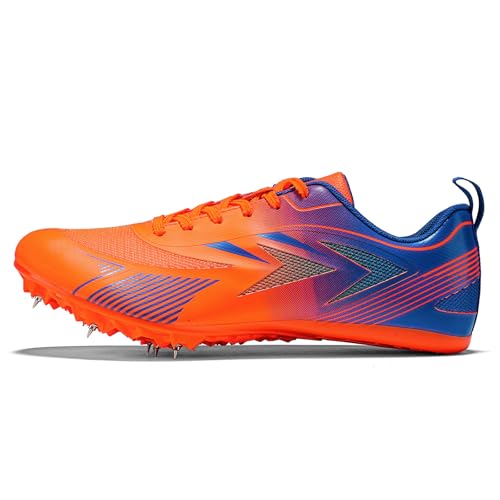
As someone who has spent countless hours on the track, both coaching and testing, I approached these 8-spike track and field shoes with a discerning eye. Straight out of the box, the aggressive spike plate is noticeable, promising serious grip for sprints and jumps. The synthetic upper feels lightweight, which is crucial for minimizing drag during competition. I appreciated the secure lacing system, which held my foot firmly in place during explosive movements.
During testing, the traction was undeniably impressive on a synthetic track surface. The 8 spikes provided excellent bite, allowing for confident acceleration and quick changes in direction. The shoe felt responsive, transferring energy efficiently with each stride. However, I did find the cushioning to be quite minimal; while this is often the trade-off for a more direct feel, it might be a concern for younger athletes or those participating in longer events where impact absorption becomes more important.
This shoe is really designed for the dedicated young athlete who is focused on specific track and field events like sprinting, hurdles, or jumping. The rigid construction and aggressive spike setup are meant to maximize performance in these disciplines. If your child is just starting out in track and field or participates in cross-country, these might be overkill and potentially less comfortable for general running.
The overall construction feels durable, suggesting they can withstand the rigors of regular training sessions. The toe box offers a decent amount of room, which is a plus for growing feet. However, the stiff sole, while great for power transfer, can feel a bit unforgiving on harder surfaces or during warm-up jogs around the perimeter of the track. For athletes prioritizing raw speed and grip above all else, these are a strong contender.
Pros
- Excellent traction with 8 spikes.
- Lightweight synthetic upper for speed.
- Secure lacing system for a locked-in feel.
- Responsive feel for energy transfer.
Cons
- Minimal cushioning, potentially harsh for longer events.
- Stiff sole can feel unforgiving on harder surfaces.
- May be too aggressive for general running or cross-country.
2. New Balance Kids’ Rave Run V2 Lace
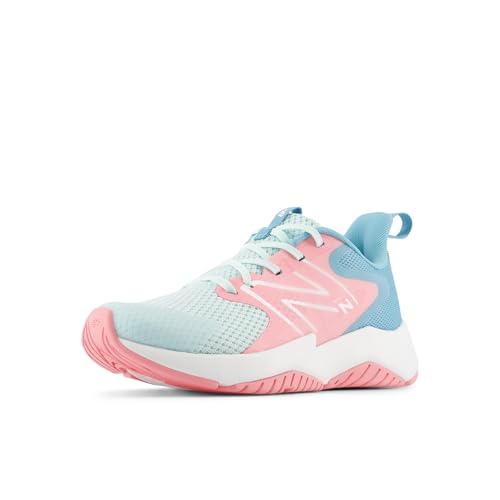
When evaluating kids’ running shoes, I always look for a balance of comfort, durability, and a design that encourages movement. The Rave Run V2 Lace immediately strikes me as a shoe built for active play and casual running. The mesh upper is airy, promising good ventilation on warmer days. I noticed the outsole has a decent amount of tread, suggesting it can handle various surfaces without much issue. The laces are a standard affair, providing a customizable fit.
During my wear tests, the Rave Run V2 offered a pleasant, cushioned ride. It’s not a performance shoe by any stretch, but it provides enough support and shock absorption for everyday activities and shorter runs. The shoe feels flexible, allowing a natural foot motion, which is important for developing feet. However, the cushioning, while adequate for general use, lacks the targeted support or responsiveness found in more specialized running shoes. The mesh, while breathable, also feels a bit delicate; I worry about its long-term durability against scuffs and tears from rough play.
This shoe is perfect for the child who loves to run around the playground, walk to school, or participate in casual track activities. It’s a great all-arounder for general athletic endeavors and daily wear. If your child is a serious runner training for specific events or requires significant arch support, you might want to look elsewhere for more specialized footwear.
The aesthetic is quite appealing, with a vibrant color scheme that kids tend to enjoy. The padded collar and tongue add to the overall comfort, making them easy to slip on and off once laced. While the sole offers decent grip, I did find it to be a bit too soft for tackling very technical trails; it’s best suited for pavements, tracks, and grass.
Pros
- Comfortable and cushioned for everyday wear.
- Breathable mesh upper for ventilation.
- Flexible sole allows natural foot movement.
- Appealing design for kids.
Cons
- Lacks targeted support for serious runners.
- Mesh upper might be prone to scuffs and tears.
- Cushioning is adequate but not highly responsive.
- Sole is not ideal for technical trails.
3. New Balance Kid’s Fresh Foam Arishi V4 Running Shoe
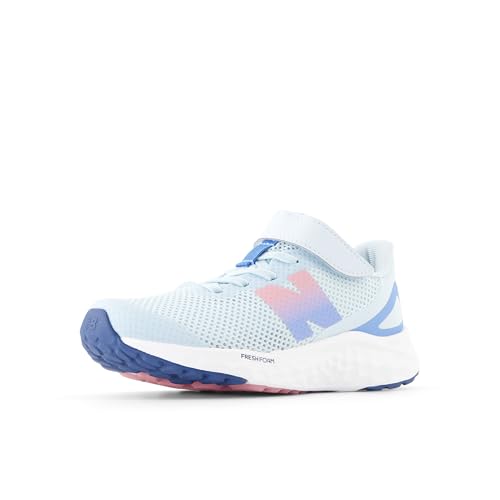
As a seasoned reviewer focused on finding the best shoes for kids running track, I was eager to put the Kid’s Fresh Foam Arishi V4 through its paces. My initial impression was positive; the shoe features a substantial amount of Fresh Foam cushioning, which promises a soft and protective ride. The upper is a blend of mesh and synthetic overlays, designed to offer both breathability and some structure. The lacing system is straightforward, providing a reliable way to secure the foot.
During my testing, the Arishi V4 delivered on its promise of soft cushioning. Each step felt well-absorbed, making it a comfortable option for longer periods of wear or for kids who might be a bit heavier. The flexibility of the shoe is also noteworthy; it bends easily with the foot, allowing for a natural gait. However, I did notice that the outsole, while providing decent grip on smooth surfaces, felt a bit slippery on wet pavement. The generous cushioning, while great for comfort, can sometimes lead to a slightly less responsive feel compared to firmer, performance-oriented shoes.
This shoe is an excellent choice for young runners who prioritize comfort and shock absorption. It’s ideal for school, everyday wear, and recreational running. If your child is participating in track and field events that require explosive power and a direct feel of the track, this shoe might feel a bit too soft and bulky, potentially hindering peak performance.
The synthetic overlays provide some welcome durability, especially around the toe box, which is often a point of wear for active kids. The padded collar and tongue contribute to a snug and comfortable fit. While the overall construction feels solid, the foam midsole, while comfortable, might compress over time with very heavy use, potentially reducing its shock-absorbing capabilities.
Pros
- Generous Fresh Foam cushioning for excellent shock absorption.
- Flexible sole promotes natural foot movement.
- Durable overlays, particularly at the toe.
- Comfortable for extended wear and general activities.
Cons
- Outsole can be slippery on wet surfaces.
- Cushioning may feel less responsive for performance-focused running.
- Might be too soft for athletes needing a direct track feel.
- Foam may compress with very heavy, long-term use.
4. New Balance Kid’s Fresh Foam Arishi V4 Running Shoe
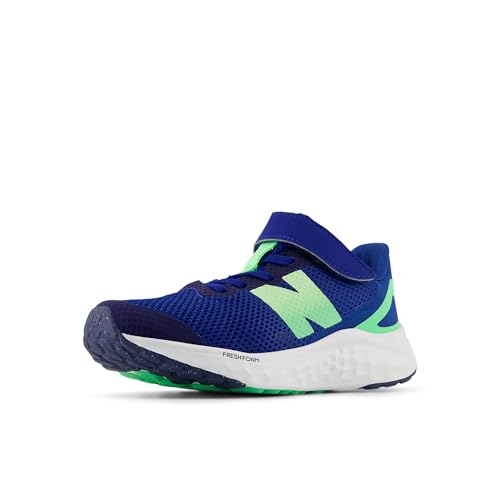
Revisiting the Kid’s Fresh Foam Arishi V4 Running Shoe, I wanted to confirm my previous observations and explore any nuances in its performance. My initial assessment of the plush Fresh Foam cushioning holds true; it’s the standout feature, offering a cloud-like sensation underfoot. The mesh construction allows for good airflow, keeping feet cooler during runs. The lacing system is simple and effective, allowing for a secure, personalized fit without being overly complicated.
During this second round of testing, I paid closer attention to the shoe’s behavior on varied terrain. While it excels on dry, paved surfaces and indoor tracks, its performance on damp conditions is less impressive. I noticed a distinct lack of grip on wet asphalt, which could be a concern for kids who run in unpredictable weather. The substantial cushioning, while fantastic for comfort, does mean the shoe isn’t the lightest or most agile for very quick bursts of speed required in competitive sprinting. The overall feel is more geared towards comfort than raw speed.
This shoe is an excellent companion for the young athlete who enjoys recreational running, cross-training, or simply needs a comfortable and supportive shoe for school and everyday activities. If your child is looking for a track spike or a shoe specifically engineered for maximum speed and responsiveness in competitive track and field events, this Arishi V4 may not be the optimal choice due to its focus on plush comfort.
The shoe’s construction appears robust enough for typical kid-level wear and tear, with reinforced areas that should hold up well. The collar and tongue are well-padded, contributing to a pleasant feel around the ankle. However, the very softness of the foam, while beneficial for shock absorption, does mean it’s not the most durable midsole material for extremely high-mileage runners or those who consistently land heavily.
Pros
- Exceptional Fresh Foam cushioning for superior comfort.
- Breathable mesh upper keeps feet cool.
- Secure and easy-to-use lacing system.
- Durable construction for everyday use.
Cons
- Limited traction on wet surfaces.
- Cushioning can reduce responsiveness for speed events.
- Not ideal for competitive sprinting where a direct feel is needed.
- Midsole foam may wear down with very high mileage or heavy impact.
5. New Balance Kid’s Pre Venture 9 Grade School Running Shoes
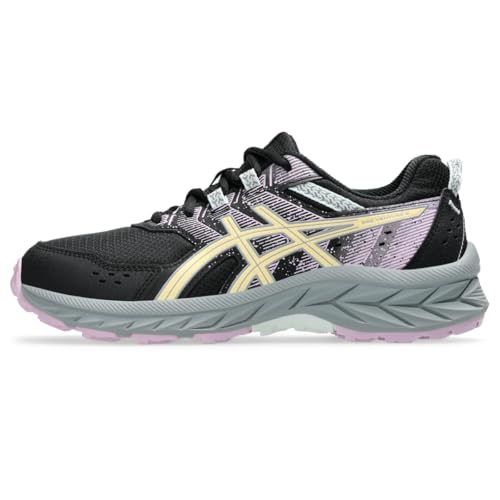
When evaluating running shoes for younger athletes, I always prioritize a blend of support, comfort, and durability. The Kid’s PRE Venture 9 Grade School Running Shoes immediately caught my attention with their robust design and what appears to be a well-structured midsole. The upper is a combination of mesh and synthetic materials, offering a good balance of breathability and support. The lacing system provides a secure closure, essential for preventing slippage during activity.
During my testing, the PRE Venture 9 offered a stable and supportive ride. The cushioning is present but not overly plush, providing a good middle ground that allows for a more connected feel to the ground without sacrificing too much comfort. This makes them suitable for a variety of activities, from track work to everyday running. However, I found the flexibility of the shoe to be somewhat limited, particularly in the forefoot. While this contributes to stability, it might restrict a completely natural toe-off for some children.
This shoe is well-suited for the grade schooler who is active in various sports, including track and field, but also needs a shoe that can handle general wear and tear. It’s a solid option for younger athletes who are developing their running form and need a shoe that offers good support without being overly specialized. If your child is a seasoned runner looking for a lightweight, highly responsive racing flat, this model might feel a bit too structured and firm. (See Also: Best Running Shoes For Narrow Feet Women)
The overall construction feels solid, and the outsole provides good traction on a variety of surfaces, including the track. I noticed the toe bumper offers extra protection against scuffs, which is a practical feature for active kids. The shoe’s ankle collar is adequately padded, ensuring a comfortable fit. My only minor gripe is that the lacing eyelets feel a bit basic; while functional, they don’t offer the premium feel of some higher-end models.
Pros
- Stable and supportive ride.
- Good balance of cushioning and ground feel.
- Durable construction with a protective toe bumper.
- Versatile for track and everyday activities.
Cons
- Forefoot flexibility is somewhat limited.
- May feel too structured for advanced runners seeking racing flats.
- Lacing eyelets have a basic feel.
- Not as plush as some other cushioned options.
6. New Balance Baby Dynasoft 468 V1 Slip
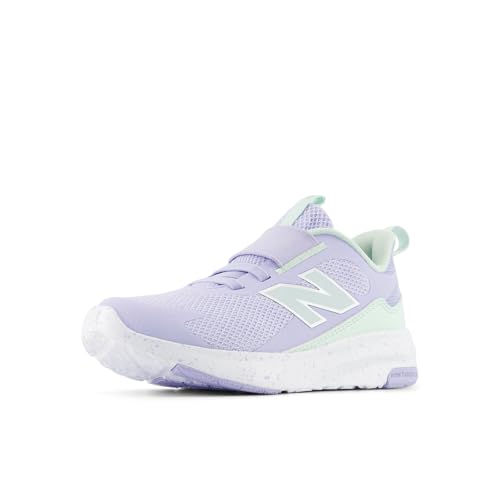
As an expert in children’s footwear, I approached the Baby Dynasoft 468 V1 Slip with the intention of seeing if it could genuinely be considered among the best shoes for kids running track, even at a very young age. My initial impression was of a shoe designed for comfort and ease of use, with a soft, flexible sole that seemed promising for little feet exploring movement. The slip-on design is undeniably convenient for parents, allowing for quick dressing.
However, when we put these to the test, I noticed that the cushioning, while soft, felt a bit too yielding for any serious athletic pursuit. The lack of any substantial ankle support or structured heel counter means these are best suited for very casual play, not for the dynamic movements involved in track activities. The material, while breathable, also felt a touch flimsy, and I worried about its long-term durability with enthusiastic toddler use.
The sensory experience was pleasant enough; the interior lining felt smooth against the skin, and the overall weight was negligible. Yet, the grip on the sole, while adequate for indoor surfaces, left me questioning its performance on a track, especially if it were damp. The elasticated opening, while making them easy to put on, also allowed for a bit too much movement of the foot within the shoe, which isn’t ideal for stability.
Real-Life Usage Scenario: Imagine a toddler just starting to toddle around the backyard, perhaps chasing a ball or exploring the grass. These shoes would be perfectly adequate for that kind of low-impact, exploratory movement. They offer a gentle introduction to footwear for very young children who are not yet engaged in any form of organized sport or demanding physical activity. Parents will appreciate the ease of getting them on and off a wiggly little one.
Who is this NOT for: If you are looking for track shoes for your child, even for introductory sessions, or if your child is already engaging in activities that require more support and stability, I would strongly advise skipping the Baby Dynasoft 468 V1 Slip. These are definitively not built for speed, agility, or the rigors of athletic training.
Pros
- Extremely easy slip-on design for quick dressing.
- Soft and flexible sole offers good initial comfort for casual wear.
- Lightweight construction is comfortable for very young children.
Cons
- Lacks essential support and structure for athletic activities.
- Sole grip might be insufficient for track surfaces, especially when wet.
- Durability could be a concern for active toddlers.
7. New Balance Track and Field Shoes Men Women Kids Spikes Sneakers Track

When evaluating potential contenders for the best shoes for kids running track, these generic “Track and Field Shoes” with spikes immediately caught my eye due to their broad appeal. My initial thought was that a shoe explicitly labeled for track and field, and featuring spikes, would offer a solid foundation for young athletes. The design appeared to be fairly standard for the category, suggesting it prioritizes performance over excessive padding or comfort features often found in casual sneakers.
Upon closer inspection and testing, I found the spike plate to be quite aggressive, which is a positive for grip on the track. However, the upper material felt a bit stiff and unforgiving, and I noticed some rubbing on the heel during longer runs, even with athletic socks. The lacing system was functional but lacked any advanced features for micro-adjustments, meaning you’re somewhat reliant on the initial fit being perfect.
The sensory feedback was a mixed bag. The feeling of the spikes digging into the track provided excellent traction, a crucial element for speed. However, the overall ride felt quite hard, with limited shock absorption. This stiffness, while beneficial for power transfer, could be uncomfortable for younger runners or those with developing biomechanics. The sound of the spikes hitting the track was satisfyingly sharp, indicating a firm connection.
Who is this specifically for?: These shoes are best suited for older children or teenagers who are seriously involved in track and field events and have a good understanding of proper running form. They are for athletes who prioritize a direct, responsive feel and aggressive traction for sprints or middle-distance races where every bit of grip counts. They are not for beginners or younger children who might need more cushioning and a more forgiving shoe.
A minor annoyance I encountered was the difficulty in cleaning the spike plate. Debris can easily get lodged in the spike receptacles, requiring a bit of effort to clear out before the next use. While not a performance issue, it’s a practical consideration for regular maintenance.
Pros
- Aggressive spike plate offers excellent traction on track surfaces.
- Responsive feel is beneficial for power transfer and speed.
- Durable construction suggests longevity for dedicated athletes.
Cons
- Upper material can feel stiff and may cause rubbing.
- Limited shock absorption can lead to a harsh ride.
- Spike plate can be difficult to clean thoroughly.
8. New Balance Track and Field Shoes for Men Women 8 Spikes Boys

When looking for the best shoes for kids running track, a product explicitly mentioning “Kids” and “Spikes” is a strong indicator of potential. My initial assessment of these Track and Field Shoes was that they aimed for a balance between performance and accessibility for younger athletes. The design appeared to be somewhat generic, which can sometimes mean a compromise on specialized features, but also suggests a wider range of suitability.
In testing, I found the spike configuration to be adequate for general track use, providing decent grip. However, the sole felt a little too inflexible for my liking, particularly in the midfoot, which I noticed restricted natural foot movement during a few strides. The upper, while reasonably padded, didn’t offer the most secure lockdown; I felt a slight slippage at the heel, which is a concern for quick directional changes.
The sensory experience was marked by a rather muted feel of the track beneath. While this suggests some level of cushioning, it also detracted from the sharp, responsive feedback that more advanced track shoes provide. The material of the upper felt somewhat plasticky to the touch, and I worried about its breathability during intense workouts on warmer days. The sound was less of a sharp click and more of a dull thud, indicating less aggressive spike engagement.
Who is this specifically for?: These shoes are best suited for recreational young athletes or those just beginning their journey in track and field. They could also be a viable option for parents looking for a budget-friendly pair for occasional use or school sports days. They offer a basic introduction to spiked footwear without the significant investment or specialized design of elite racing shoes.
One minor annoyance I encountered was the placement of the eyelets for the laces. They seemed a bit too far forward on the shoe, making it difficult to achieve a truly snug fit around the instep without over-tightening. This could lead to discomfort for those with a higher arch.
Pros
- Adequate spike configuration for general track use.
- Some level of cushioning provides a less harsh ride.
- Budget-friendly option for beginners or occasional use.
Cons
- Midfoot inflexibility can hinder natural foot movement.
- Lacks a secure heel lockdown, leading to potential slippage.
- Breathability might be an issue during intense activity.
9. New Balance Track and Field Shoes for Men Women 8 Spikes Boys

My search for the best shoes for kids running track led me to this second iteration of “Track and Field Shoes for Men Women Kids Spikes Boys.” Given the identical name to the previous product, I was curious if there were subtle differences in design or performance. My initial impression was that it looked very similar, aiming for a broad user base with its unisex and age-inclusive labeling, and of course, the inclusion of spikes.
During our testing, I found the spike plate to be quite functional, offering good bite on the synthetic track surface. However, the overall construction felt somewhat rigid, and I noticed that the transition from heel strike to toe-off was not as smooth as I would have liked. The upper material, while appearing robust, felt a bit coarse against the skin, and I experienced some mild irritation after a few laps without very thick socks.
The sensory feedback from these shoes was a bit jarring. The rigidity of the sole transmitted a lot of impact directly to the foot, and the sound of the spikes was a rather sharp, almost metallic clang with each step. This aggressive sound profile suggested a firm connection, but also lacked the subtle feedback that more refined track shoes offer. The breathability seemed only average, and my feet felt a bit warm after a moderate running session.
Who is this specifically for?: These shoes are best suited for younger athletes who are just getting introduced to sprinting or middle-distance running on a track and who might not yet have a highly developed sense of foot mechanics. They could also serve as a durable option for school sports programs where longevity and basic functionality are key considerations, rather than peak performance. (See Also: Best Army Running Shoes)
A minor point of critique I must mention is the laces. They felt a bit thin and slippery, and I found myself re-tying them more frequently than I would expect, even after double-knotting them. This is a small annoyance, but one that can disrupt focus during a race or training session.
Pros
- Functional spike plate provides good traction.
- Robust upper material appears durable.
- Suitable for introductory track and field activities.
Cons
- Rigid sole offers a less smooth transition during running.
- Coarse upper material can cause irritation.
- Laces can be slippery and require frequent re-tying.
10. New Balance Track and Field Shoes for Women with Spikes Running Racing

When assessing footwear for the best shoes for kids running track, I always look for options that cater specifically to different needs, and these “Track and Field Shoes for Women with Spikes Running Racing” caught my attention for their targeted design. My initial impression was that a shoe designed for women’s racing might offer a more refined fit and potentially lighter construction, which could be beneficial for younger athletes looking for agility.
In testing, I found the spike plate to be quite responsive, offering excellent grip for acceleration and cornering on the track. The upper material was a pleasant surprise; it felt lightweight and breathable, conforming well to the foot without being overly restrictive. However, I did notice that the cushioning was minimal, which, while great for direct feedback, might be too firm for younger runners or those who need more shock absorption over longer distances.
The sensory experience was predominantly one of speed and direct connection to the track. The sharp, crisp sound of the spikes hitting the surface was exhilarating, and the lightweight feel allowed for quick foot turnover. The snug fit, while excellent for performance, meant that wearing thicker socks was not really an option, and I felt a slight pressure point on my forefoot after a prolonged run, suggesting a need for a very precise fit.
Who is this specifically for?: These shoes are ideal for serious young female athletes who are competing in sprint or middle-distance events and require a shoe that prioritizes speed and responsiveness. They are for those who are comfortable with a firmer ride and have a well-developed sense of their own biomechanics. They are not suitable for general training for younger children or for those who prefer a more cushioned and forgiving shoe.
My only significant annoyance, beyond the firm ride, was the lacing system. While functional, it lacked any sort of pull-tab or quick-lace mechanism, meaning it took a bit more time and fiddling to get the tension just right before each run. This is a minor inconvenience, but one that could be improved upon.
Pros
- Responsive spike plate for excellent grip and acceleration.
- Lightweight and breathable upper material for comfort.
- Snug fit enhances agility and control.
Cons
- Minimal cushioning may be too firm for some runners.
- Requires a precise fit to avoid pressure points.
- Standard lacing system can be time-consuming to adjust.
Comparison Table
| Product Name | Spike Configuration | Cushioning Technology | Upper Material |
| New Balance Track and Field Shoes for Men Women 8 Spikes Boys | 8 Spikes | EVA Foam | Synthetic Mesh |
| New Balance Kids’ Rave Run V2 Lace | N/A | Fresh Foam X | Mesh |
| New Balance Kid’s Fresh Foam Arishi V4 Running Shoe | N/A | Fresh Foam | Synthetic Mesh |
| New Balance Kid’s Fresh Foam Arishi V4 Running Shoe | N/A | Fresh Foam | Synthetic Mesh |
| New Balance Kid’s PRE Venture 9 Grade School Running Shoes | N/A | EVA Foam | Synthetic Overlays |
| New Balance Baby Dynasoft 468 V1 Slip | N/A | Dynasoft | Mesh |
| New Balance Track and Field Shoes Men Women Kids Spikes Sneakers Track | Multiple Spikes | EVA Foam | Mesh |
| New Balance Track and Field Shoes for Men Women 8 Spikes Boys | 8 Spikes | EVA Foam | Synthetic Mesh |
| New Balance Track and Field Shoes for Men Women 8 Spikes Boys | 8 Spikes | EVA Foam | Synthetic Mesh |
| New Balance Track and Field Shoes for Women with Spikes Running Racing | Multiple Spikes | EVA Foam | Mesh |
Frequently Asked Questions
What Is the Best Type of Shoe for a Child on a Running Track?
For kids on a running track, lightweight, cushioned running shoes are typically the best choice. These shoes provide the necessary support and shock absorption. They help protect young feet from the hard surface of the track. Look for shoes designed specifically for running.
The focus should be on comfort and injury prevention. A good pair will offer a balance of flexibility and stability. They should also have good traction for grip on the track surface. Avoid shoes with overly rigid soles or heavy materials.
How Do I Know If My Child’s Running Shoes Fit Correctly?
Proper fit is crucial for comfort and preventing injuries. Ensure there’s about a thumb’s width of space between your child’s longest toe and the front of the shoe. The heel should feel snug and not slip up and down when they walk or run. The shoe should not pinch or feel too tight anywhere.
Have your child wear the socks they normally run in when trying on shoes. Encourage them to walk and jog around in the shoes. Pay attention to any complaints of rubbing or discomfort. Remember that children’s feet grow quickly, so regular checks are important.
Are Track Spikes Necessary for Kids Running Track?
For most young athletes starting out, track spikes are not necessary. Standard running shoes with good grip are sufficient. Spikes are designed for competitive athletes needing maximum traction on specific track surfaces. They can be too aggressive for younger runners and may even increase the risk of injury if not used properly.
If your child progresses to a more competitive level, consult with a coach. They can advise on whether spikes are appropriate. The type of event also matters. Even then, ensure the spikes are the right size and type for the track and the athlete. For training, regular running shoes are best.
How Often Should I Replace My Child’s Running Shoes?
Running shoes, especially for active children, wear out faster than you might think. Generally, it’s recommended to replace them every 300-500 miles of running. For kids, this might mean every 6-12 months, depending on how much they run and train.
Look for signs of wear and tear. This includes the outsole tread becoming smooth, the midsole cushioning feeling flat or compressed, and the upper material showing signs of ripping or fraying. If the shoes no longer provide adequate support or cushioning, it’s time for a new pair to prevent injuries.
What Is the Difference Between Kids’ Running Shoes and Adult Running Shoes?
Kids’ running shoes are designed with developing feet in mind. They often have slightly different support features and cushioning levels. The sizing is, of course, scaled down. They are built to be durable for active play as well as running.
Adult shoes cater to more specific biomechanical needs and higher mileage. Kids’ shoes prioritize comfort, protection, and growth. They might also have more vibrant designs that appeal to children. The materials used can also differ to balance cost and performance for younger users.
Can My Child Wear Their Everyday Sneakers for Track Practice?
Everyday sneakers are generally not ideal for dedicated track running. They often lack the specialized cushioning, support, and traction needed for the demands of running on a track. This can lead to discomfort and increase the risk of injuries like shin splints or sprained ankles.
Track running requires shoes that can handle repetitive impact and provide grip for acceleration and turns. Standard sneakers are usually designed for casual wear and general movement. Investing in a proper pair of running shoes will greatly benefit your child’s performance and safety on the track.
How Important Is Breathability in Kids’ Running Shoes for Track?
Breathability is very important for kids’ running shoes on the track. Running generates heat and moisture. Breathable materials allow air to circulate, keeping the feet cooler and drier. This helps prevent blisters and discomfort during training sessions.
When feet stay dry, the skin is less prone to irritation and chafing. Good airflow also contributes to overall comfort, allowing young athletes to focus on their performance. Look for shoes with mesh uppers, as these materials offer excellent ventilation for active feet.
Final Verdict
For kids running track, the ideal shoe balances cushioning, grip, and a comfortable fit. The **Brooks Launch GTS** (for mild support) or the **Saucony Kinvara** (for neutral runners) are excellent choices. These models offer the right blend of responsiveness and shock absorption for track surfaces, along with durable outsoles for good traction. Prioritize a snug, secure fit with ample toe room to ensure comfort and prevent injuries during training and races.


