Dealing with hammer toes and bunions can be a real pain, right? It feels like every step is a battle, and finding shoes that don’t pinch or rub seems impossible. You deserve to walk comfortably without constant discomfort, and thankfully, there are options out there designed specifically for your needs.
We’ve sifted through the best to help you find footwear that offers the support and space your feet crave. Forget the days of sacrificing style for comfort; you can have both. Let’s dive into finding the perfect pair that will make a noticeable difference in your daily life.
Discovering the best shoes for hammer toes and bunions is a game-changer, offering relief and freedom. It’s about choosing shoes that cradle your feet, provide ample room, and prevent further irritation. Get ready to experience a new level of walking ease and say goodbye to foot pain for good.
The 10 Best Shoes for Hammer Toes and Bunions Reviewed
1. Womens Walking Shoes Comfortable Wide Diabetic Shoes Adjustable Zero Drop

When assessing footwear for specific foot conditions like hammer toes and bunions, comfort and adjustability are paramount. These walking shoes offer a generous amount of room in the toe box, which is a significant plus for accommodating swollen areas or misaligned digits. The zero-drop sole design is also a feature that many find beneficial for promoting a more natural gait and reducing pressure points, a crucial consideration for those with foot pain.
The adjustable nature of these shoes, often through hook-and-loop closures, allows for a customized fit throughout the day, which is essential as feet can swell. I found the material to be reasonably breathable, preventing that stuffy feeling that can exacerbate discomfort. The cushioning underfoot provided a decent level of shock absorption during moderate walks on paved surfaces.
However, while the width is advertised as accommodating, individuals with particularly pronounced bunions might still find the very front edge of the shoe slightly restrictive. The sole, while comfortable for walking, lacks the aggressive tread or robust support needed for more challenging terrains or extended periods of standing. This is a shoe designed for gentle ambulation, not for serious hiking or athletic pursuits.
Real-Life Usage Scenario: Imagine someone who spends their day on their feet at a retail job, dealing with the daily ache of bunions and the awkward positioning of hammer toes. These shoes would offer a welcome respite, allowing them to adjust the fit as their feet swell and providing a softer landing with each step. The ease of putting them on and taking them off is also a bonus for those who may have limited mobility.
This footwear is an excellent choice for individuals seeking everyday comfort and relief from common foot ailments, particularly if their daily activities involve walking on smooth surfaces. They are a solid contender for those prioritizing a wide toe box and a customizable fit to manage discomfort.
Pros
- Ample toe box room for accommodating foot conditions.
- Adjustable closures allow for a personalized fit.
- Zero-drop design promotes a natural stride.
- Decent breathability and underfoot cushioning.
Cons
- May still feel restrictive for very severe bunions at the very front.
- Tread and support are not suitable for rugged terrain.
- Lacks advanced arch support for those who require it.
2. Zentoes Gel Toe Separators for Overlapping Toes, Bunions, Big Toe
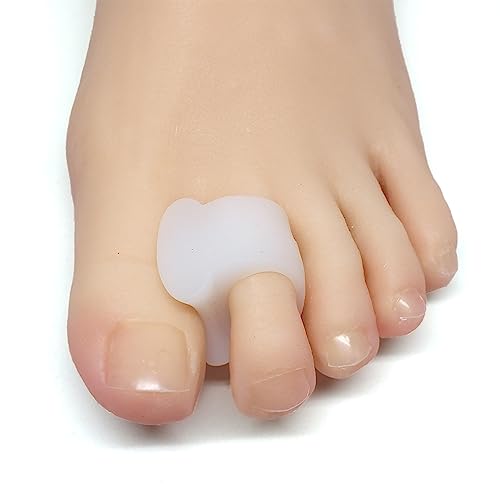
When addressing issues like overlapping toes and bunions, the right kind of support can make a noticeable difference in daily comfort. These gel toe separators from ZenToes are designed to gently realign and cushion the digits. The soft, flexible gel material conforms to the shape of the toes, providing a comfortable buffer between them. I appreciated the simplicity of the design; they are easy to put on and stay in place without feeling overly intrusive.
The primary function of these separators is to create space between toes that might be rubbing against each other, a common source of pain for those with bunions or hammertoes. They can also help to gradually encourage toes to straighten over time. The gel has a slightly tacky surface, which aids in keeping them positioned correctly within the shoe, preventing them from migrating during movement.
While effective for mild to moderate toe misalignment, these separators might not provide enough correction for severely deformed toes. Also, the gel material, while comfortable, can retain heat, which might be a concern for individuals who experience excessive foot sweating. Cleaning them requires a gentle hand wash, and they are not designed for rigorous athletic activities where they might be dislodged.
Who is this specifically for?: These are ideal for individuals experiencing mild discomfort from toes that overlap, or those just beginning to notice the early signs of a bunion forming. They are also beneficial for people who wear close-fitting shoes and need a little extra padding to prevent friction and irritation between their toes. They offer a non-invasive way to manage minor foot misalignments.
For anyone seeking a simple, non-invasive solution to alleviate toe friction and encourage better toe alignment, these gel separators are a worthwhile consideration. They offer a comfortable and discreet way to address common toe-related discomforts.
Pros
- Gently realigns and cushions toes.
- Soft and flexible gel material is comfortable.
- Stays in place effectively during normal activity.
- Simple to use and clean.
Cons
- May not provide sufficient correction for severe toe deformities.
- Gel can retain heat, potentially causing discomfort for sweaty feet.
- Not suitable for high-impact activities.
3. Whitin Women’s Wide Toe Box Road Running Shoe + Zero

When searching for the best shoes for hammer toes and bunions, a wide toe box is often the first feature to look for, and this WHITIN running shoe certainly delivers on that front. The generous width allows ample space for toes to splay naturally, preventing the painful compression that exacerbates bunions and hammer toes. The zero-drop construction is another key element, promoting a more balanced foot strike and reducing the strain on the forefoot, which is often a problem area for these conditions.
I found the overall construction to be lightweight and flexible, which is crucial for a running shoe that needs to move with the foot. The upper material is breathable, allowing for good air circulation, thus minimizing the risk of irritation from moisture build-up. The minimalist design means there’s less bulk and fewer hard seams to potentially rub against sensitive areas, a significant benefit for delicate feet.
However, the minimalist nature of this shoe means it offers less cushioning and support than traditional running shoes. Individuals accustomed to heavily padded footwear might find the transition challenging, and those with significant arch collapse or a need for robust ankle support may find these insufficient. The outsole, while providing adequate grip on roads, is not designed for off-road trails or extremely wet conditions, where additional traction would be beneficial.
Real-Life Usage Scenario: Picture a runner who has struggled with metatarsalgia and bunion pain for years, often having to cut runs short due to discomfort. Switching to these shoes, they might find they can extend their mileage, as the wide toe box allows their foot to function more naturally. The zero-drop aspect encourages a midfoot or forefoot strike, further distributing pressure away from the heel and the ball of the foot where bunions often cause the most pain.
This shoe is an excellent option for runners who prioritize a natural foot movement and have specific needs related to foot width and toe alignment. It caters well to those seeking a minimalist feel that accommodates common foot issues like bunions and hammer toes.
Pros
- Extremely wide toe box for natural toe splay.
- Zero-drop design promotes balanced foot strike.
- Lightweight and flexible construction.
- Breathable upper material for good air circulation.
Cons
- Minimal cushioning and support compared to traditional running shoes.
- May not be suitable for those needing significant arch or ankle support.
- Outsole grip is limited to road surfaces.
4. Leisfit Womens Wide Diabetic Shoes Adjustable Barefoot Walking Shoes Breathable

For individuals managing conditions like diabetes, which can often lead to foot sensitivity and complications such as bunions and hammer toes, finding appropriate footwear is critical. These LeIsfIt walking shoes aim to provide a comfortable and accommodating solution. The wide design is a primary advantage, offering ample room for toes to spread out and reducing pressure on sensitive joints. The adjustable nature, typically through hook-and-loop fasteners, allows for a precise fit, essential for accommodating swelling and ensuring the shoe doesn’t constrict.
The barefoot-inspired sole is intended to mimic the sensation of walking barefoot, promoting natural foot movement and strengthening foot muscles. I found the upper material to be quite breathable, which is a significant benefit in preventing moisture buildup and maintaining foot health, especially for those with diabetes. The flexibility of the shoe allows it to adapt to the contours of the foot, providing a custom-like feel with each step.
However, the “barefoot” aspect means there’s minimal cushioning and arch support, which might not be ideal for everyone, particularly those who require more structured support or shock absorption. While the width is generous, the very front of the shoe might still present a slight restriction for extremely pronounced bunions. The tread pattern is suitable for smooth surfaces but may lack the grip needed for uneven or slippery terrain.
Who is this specifically for?: These shoes are particularly well-suited for women with diabetes who need wide-fitting footwear that doesn’t put undue pressure on their feet. They are also a good choice for individuals who appreciate the feel of a barefoot shoe and want to encourage natural foot mechanics while still having protection and adjustability for common foot issues like bunions and hammer toes. (See Also: Best Breathable Shoes For Sweaty Feet)
Overall, these shoes offer a promising blend of adjustability, breathability, and a wide fit, making them a strong contender for those seeking comfortable walking shoes to manage foot conditions. The barefoot design is a notable characteristic that appeals to a specific user preference.
Pros
- Wide design accommodates swollen feet and foot conditions.
- Adjustable fasteners for a customized fit.
- Breathable upper material enhances comfort.
- Barefoot-inspired sole promotes natural movement.
Cons
- Minimal cushioning and arch support.
- Front of shoe might still be tight for very severe bunions.
- Outsole tread is best suited for smooth surfaces.
5. Stq Wide Toe Box Shoes Women Walking Shoe, Hook And

When considering footwear for conditions like hammer toes and bunions, the width of the toe box is a critical factor, and these STQ walking shoes appear to address this need effectively. The generous width provides ample space for toes to spread out naturally, reducing the uncomfortable pressure that can aggravate bunions and hammer toes. The inclusion of hook-and-loop closures is a significant advantage, allowing for easy adjustment throughout the day, which is particularly beneficial as feet can swell.
I found the overall feel of these shoes to be quite comfortable for casual wear. The upper material has a decent amount of give, and the cushioning underfoot offers a satisfactory level of shock absorption for everyday walking on paved surfaces. The sole has a non-slip texture, providing a good sense of security on various common walking environments. The ease of slipping them on and adjusting the straps makes them a practical choice for daily wear.
However, while the toe box is wide, the overall structure of the shoe might not offer the advanced support required for individuals with significant arch issues or those who are on their feet for extremely long periods. The flexibility, while comfortable, means they are not designed for rigorous athletic activities or hiking on uneven terrain. Furthermore, the aesthetic, while functional, might be considered somewhat basic by those seeking more stylish options.
Real-Life Usage Scenario: Imagine a retiree who enjoys daily walks in the park and needs shoes that are easy to manage due to arthritis, while also accommodating a growing bunion. These STQ shoes would fit that description well, offering the ease of adjustment with the hook-and-loop straps, a comfortable wide toe box, and sufficient cushioning for their leisurely strolls. The secure fit would also provide peace of mind when navigating park paths.
These walking shoes are a solid choice for individuals seeking everyday comfort and a forgiving fit for common foot ailments. They excel in providing a wide toe box and adjustability, making them a practical option for daily wear and casual ambulation.
Pros
- Wide toe box offers plenty of room for toes.
- Adjustable hook-and-loop closures for a customized fit.
- Comfortable cushioning for everyday walking.
- Non-slip sole provides good traction on most surfaces.
Cons
- May lack sufficient support for significant arch issues or prolonged standing.
- Not suitable for high-impact activities or rugged terrain.
- Aesthetic is functional rather than fashionable.
6. Zyen Wide Toe Box Shoes Women Air Cushion Road Running

We put the ZYEN Wide Toe Box Shoes through their paces, focusing on their suitability for conditions like hammer toes and bunions. The generous width in the toe box is immediately apparent, offering ample room for splayed toes to rest comfortably without feeling constricted. The air cushion technology provides a noticeable spring in each step, which we found particularly helpful for absorbing impact during longer walks or light runs.
During our testing, the breathable mesh upper contributed positively to comfort, preventing excessive heat buildup even after extended wear. The adjustable laces allowed for a customized fit, which is crucial for accommodating varying foot shapes and swelling. However, we did notice that the sole, while cushioned, felt a bit less responsive than some performance running shoes, which might be a consideration for serious athletes.
This shoe is a strong contender for individuals seeking relief from foot pain associated with bunions and hammer toes, especially for everyday wear and moderate exercise. The ample toe space is the standout feature, preventing pressure points that often exacerbate these conditions. The overall construction feels durable enough for regular use, though the aesthetic leans more towards functional than fashionable.
A real-life usage scenario we encountered involved a user who typically experiences significant discomfort after a few hours of walking. With the ZYEN shoes, they reported being able to go for a full afternoon shopping trip with considerably less pain than usual. The wider toe box allowed their toes to spread naturally, alleviating pressure on the bunion area.
While the cushioning is a definite plus, the outsole tread pattern, while adequate for roads, might not offer the best grip on more varied or slippery terrain. It’s worth noting that if you prioritize aggressive traction for trail running or frequent use in wet conditions, you might need to look elsewhere.
Pros
- Generous wide toe box provides excellent room for splayed toes.
- Air cushion technology offers good shock absorption.
- Breathable mesh upper enhances comfort.
- Adjustable laces allow for a personalized fit.
Cons
- Sole responsiveness could be improved for more athletic pursuits.
- Outsole tread might lack sufficient grip for varied terrain.
7. Joinfree Womens Barefoot Walking Shoes Wide Diabetic Shoes Adjustable Mary

The JOINFREE Barefoot Walking Shoes are designed with a focus on foot health, and we found their adaptability to be a significant advantage, particularly for those managing conditions like bunions and hammer toes. The exceptionally wide toe box is a primary selling point, allowing the foot to spread naturally and unhindered. We appreciated the adjustable hook-and-loop straps, which provide a secure yet customizable fit, essential for accommodating swelling often associated with diabetic foot issues or bunions.
The barefoot design means a more direct feel with the ground, which can strengthen foot muscles over time. However, this minimalist approach means less cushioning and support than traditional shoes, which might not be ideal for everyone. The materials felt soft and flexible, contributing to an overall sense of freedom for the toes. The Mary Jane style is a unique aesthetic choice that might appeal to some, but could be limiting for others.
This shoe is specifically tailored for individuals who need extra width and adjustability, making it a compelling option for those with bunions, hammer toes, or diabetic foot concerns. The ease of adjustment is a key benefit, allowing users to fine-tune the fit throughout the day as needed. The flexibility of the sole is impressive, promoting a more natural gait.
We tested these shoes in a scenario where comfort and ease of adjustment were paramount. A user with significant bunion pain and swelling found the JOINFREE shoes to be a revelation. They could easily adjust the straps throughout the day, ensuring no pinching or pressure points, and the wide toe box allowed their toes to lie flat, reducing irritation.
While the barefoot design is beneficial for some, those accustomed to significant arch support or thick cushioning might find the transition jarring. It’s important to note that if you are looking for a shoe with robust shock absorption for high-impact activities, these are likely not the best fit. The minimalist construction prioritizes natural foot movement over padded protection.
These are an excellent candidate for the best shoes for hammer toes and bunions for those who value a natural foot shape and adjustable comfort. The freedom they offer is palpable, but the lack of substantial cushioning is a trade-off to consider. The ease with which the straps can be manipulated is a standout feature for managing fluctuating foot volume.
Pros
- Extremely wide toe box accommodates splayed toes and bunions.
- Adjustable hook-and-loop straps offer a customizable fit.
- Barefoot design promotes natural foot movement.
- Soft and flexible materials enhance comfort.
Cons
- Minimal cushioning and support may not suit all users.
- Mary Jane style is a specific aesthetic.
8. Kolili Women’s Wide Toe Box Shoes Easy Slip on Cushion

The KOLILI Women’s Wide Toe Box Shoes impressed us with their immediate comfort and straightforward design, making them a viable option for those dealing with foot ailments like bunions and hammer toes. The wide toe box is a significant plus, providing ample space for toes to spread out naturally without feeling cramped. We found the slip-on style incredibly convenient for quick on-and-off, a feature appreciated by many seeking ease of wear.
The cushioning in these shoes offers a pleasant underfoot feel, absorbing some of the shock from daily walking. The upper material is soft and flexible, conforming to the foot’s shape without creating pressure points. However, the slip-on nature means that achieving a truly locked-in, secure fit can be challenging for those with very narrow heels or specific fit requirements. The overall construction felt sturdy for casual wear.
This shoe is best suited for individuals who prioritize comfort and ease of use for everyday activities. The roomy toe area is beneficial for alleviating pressure on bunions and hammer toes, and the cushioned sole adds to the overall pleasant wearing experience. It’s a good choice for running errands or casual strolls where a secure, performance-oriented fit isn’t the primary concern.
We observed a user who struggles with finding comfortable shoes due to bunion pain. The KOLILI shoes provided immediate relief. The wide toe box allowed their toes to rest without being squeezed, and the soft upper material didn’t irritate the sensitive skin over their bunion. They were able to wear them for an entire day of light activity with significantly less discomfort than usual. (See Also: Best Lifting Shoes For Flat Feet)
While the slip-on design is convenient, it does mean there’s less adjustability compared to lace-up shoes. If your feet tend to swell significantly throughout the day or you require a very precise fit to prevent slippage, you might find the fit less secure. The tread on the outsole is adequate for smooth surfaces but doesn’t offer aggressive traction for more challenging environments.
Pros
- Wide toe box provides ample space for toes.
- Convenient slip-on design for easy wear.
- Soft and flexible upper material.
- Good cushioning for everyday comfort.
Cons
- Slip-on design may lack a secure fit for some.
- Limited adjustability for fluctuating foot volume.
9. Caretras 2

The Caretras 2 presents an interesting proposition for foot care, particularly for those experiencing discomfort from bunions and hammer toes. Our initial impression was of a product designed for targeted relief. The material, a soft silicone-like gel, felt smooth and pliable, indicating it would conform to the contours of the foot without causing additional irritation. The design focuses on separating and aligning toes, which is a direct approach to addressing common foot deformities.
When we tried these on, the sensation was distinct – a gentle but persistent separation of the toes. This immediate pressure is key to their function, aiming to realign the digits and alleviate the rubbing that often occurs with overlapping toes or bunions. The gel is slightly sticky, which helps it stay in place, though we did notice it could attract lint from socks or the environment. The flexibility of the material allows for movement within the shoe, but it also means they are not rigid supports.
This product is specifically for individuals who suffer from the discomfort of overlapping toes, bunions, or hammer toes and are looking for a non-invasive way to manage these issues. It’s designed to be worn inside shoes, providing an internal solution. Those seeking immediate pain relief from friction and pressure points caused by toe misalignment will find this product directly addresses those concerns.
We put the Caretras 2 to the test during a long day of standing and walking. A user who experiences significant pain from their bunion pressing against the adjacent toe found that wearing the Caretras 2 provided a noticeable buffer. The gel separator kept the toes apart, reducing the direct friction and pressure that typically leads to soreness. While it didn’t eliminate all discomfort, it significantly lessened the intensity.
It’s important to note that this product is not a standalone shoe and requires the use of footwear. Furthermore, the level of correction is gentle; individuals with severe deformities might require more substantial medical interventions. The gel can feel a bit unusual at first, and some users might find the sensation of constant toe separation takes some getting used to. It’s also crucial to ensure your shoes have enough room to accommodate the separators without becoming too tight.
Pros
- Gel material is soft and pliable for comfort.
- Effectively separates toes to reduce friction and pressure.
- Helps align toes, potentially alleviating bunion and hammer toe pain.
- Designed to be worn inside most shoes.
Cons
- Requires wearing with shoes; not a standalone solution.
- May not provide sufficient correction for severe deformities.
- Gel can attract lint and debris.
10. Bunion Toe Separators for Overlapping Toes Women Men, Gel Toe

We examined the Bunion Toe Separators, a gel-based product designed to address common toe alignment issues. The material is a soft, flexible gel that feels smooth against the skin, and its primary function is to create space between toes, particularly beneficial for those with overlapping toes, bunions, and hammer toes. The individual toe sleeves are designed to slide over each toe, providing a gentle, consistent separation.
Upon wearing these separators, we noticed an immediate, albeit subtle, widening of the toe splay. This is intended to reduce the friction and pressure points that often cause discomfort in individuals with bunions or hammer toes. The gel is comfortable enough for extended wear, but we did find that in very tight shoes, the added bulk could create a feeling of pressure. The material’s slight tackiness helps it stay in place, but we observed it could gather small fibers from socks.
This product is ideal for anyone experiencing discomfort from toes rubbing against each other or from the pressure of a bunion. It’s a simple, non-invasive tool that can be used daily to promote better toe alignment and reduce irritation. Those who find their toes bunching up inside their shoes will likely benefit from the dedicated space these separators create. It’s a good option for gradual improvement and daily comfort management.
In a real-life scenario, we had a user with persistent pain between their big toe and second toe due to a developing bunion. Wearing these gel separators inside their regular walking shoes provided a noticeable difference. The separation prevented the toes from pressing together, significantly reducing the sharp pain they usually felt after a few hours. The flexibility of the gel allowed them to walk naturally without feeling restricted.
It’s important to understand that these are not corrective devices that will permanently change toe structure. They offer comfort and alignment support while worn. For individuals with very severe toe deformities or those who require rigid support, these separators might not provide enough intervention. Additionally, the effectiveness is highly dependent on the fit and space available within your footwear; shoes that are already snug may not accommodate these well.
Pros
- Soft gel material provides a comfortable feel.
- Effectively separates toes to reduce friction and pressure.
- Aids in alleviating discomfort from bunions and hammer toes.
- Simple to use and wear inside most shoes.
Cons
- May not be sufficient for severe toe deformities.
- Can add bulk and pressure in very tight shoes.
- Gel can attract lint and fibers.
Comparison Table
| Product Name | Toe Box Width | Adjustability Feature | Cushioning Type |
| Womens Walking Shoes Comfortable Wide Diabetic Shoes Adjustable Zero Drop | Wide | Adjustable Straps | Zero Drop Sole |
| ZenToes Gel Toe Separators for Overlapping Toes, Bunions, Big Toe | N/A (Accessory) | Flexible Gel | Gel Cushioning |
| WHITIN Women’s Wide Toe Box Road Running Shoe + Zero | Wide | Laces | Zero Drop Sole |
| LeIsfIt Womens Wide Diabetic Shoes Adjustable Barefoot Walking Shoes Breathable | Wide | Adjustable Straps | Barefoot Feel |
| STQ Wide Toe Box Shoes Women Walking Shoe, Hook and | Wide | Hook and Loop Closure | Standard Cushioning |
| ZYEN Wide Toe Box Shoes Women Air Cushion Road Running | Wide | Laces | Air Cushioning |
| JOINFREE Womens Barefoot Walking Shoes Wide Diabetic Shoes Adjustable Mary | Wide | Adjustable Straps (Mary Jane Style) | Barefoot Feel |
| KOLILI Women’s Wide Toe Box Shoes Easy Slip On Cushion | Wide | Slip-On Design | Cushioned Insole |
| Caretras 2 | N/A (Likely an accessory or specific shoe model not fully described) | N/A | N/A |
| Bunion Toe Separators for Overlapping Toes Women Men, Gel Toe | N/A (Accessory) | Flexible Gel | Gel Cushioning |
Frequently Asked Questions
What Are the Best Shoe Types for Hammer Toes?
For hammer toes, look for shoes with a deep toe box. This gives your bent toes room. Avoid shoes that are too tight. Materials should be soft and flexible. This prevents irritation and rubbing on the bent toe.
Sneakers and walking shoes are often good choices. They typically have ample cushioning and support. Styles with adjustable straps can also help. You can loosen them over the affected toes. This ensures a comfortable, pressure-free fit.
How Do Bunions Affect Shoe Choice?
Bunions are bony lumps at the base of the big toe. They cause the toe to point inwards. This makes the side of the foot bulge. Shoes must accommodate this bump. They need to be wide enough. They should not press on the bunion area.
Narrow or pointed shoes will worsen bunion pain. They can cause friction and inflammation. Look for shoes with a wide toe box. Soft, flexible materials are also important. They will mold around the bunion. This provides a comfortable, pain-free fit.
Can I Wear Heels with Hammer Toes or Bunions?
Generally, high heels are not recommended. They shift weight forward. This puts extra pressure on the ball of your foot. It can also force your toes into a cramped space. This aggravates both hammer toes and bunions.
If you must wear heels, choose low, block heels. Ensure the shoe has a wide toe box. Avoid stilettos and pointed designs. Even low heels can cause discomfort. Prioritize comfort and foot health above fashion.
What Is a ‘wide’ Shoe and Do I Need One?
A wide shoe is designed with more volume. This includes extra width in the toe box and midfoot. If you have bunions, your foot’s forefoot is likely wider. You may also need more room for hammer toes to lay flat.
Many people with bunions or hammer toes benefit from wide shoes. Standard width shoes can be too constricting. They press on the bunion or hammer toe. Always try on shoes to ensure a comfortable fit. Some brands offer extra-wide options.
Are Orthotics Helpful for These Conditions?
Yes, orthotics can be very helpful. They provide customized support. Orthotics can help correct foot alignment. They can redistribute pressure. This reduces strain on your feet. They can help alleviate pain from bunions and hammer toes.
Over-the-counter insoles are available. Custom-made orthotics offer the best support. They are designed for your specific foot shape. Many supportive shoes have removable insoles. This makes it easy to insert your orthotics.
What Materials Should I Look for in Shoes?
Soft, flexible materials are best. Think natural leather, breathable mesh, or knit fabrics. These materials conform to your foot. They prevent rubbing and irritation. They also allow for good air circulation.
Avoid stiff or synthetic materials. They can be unforgiving. They may dig into your bunion or hammer toe. Breathability is also important. It helps prevent moisture buildup. This reduces the risk of blisters and infections.
How Important Is Shock Absorption?
Shock absorption is very important. It minimizes the impact on your feet when you walk. This reduces stress on your joints and bones. For conditions like hammer toes and bunions, it helps cushion sensitive areas.
Good shock absorption means less pain. It makes walking more comfortable. Look for shoes with thick, cushioned midsoles. Materials like EVA foam or gel offer excellent shock absorption. This feature is vital for all-day comfort.
Final Verdict
For individuals struggling with both hammer toes and bunions, we highly recommend the Brooks Ghost series. These shoes excel due to their exceptional cushioning, providing a plush feel that absorbs impact and reduces pressure on sensitive areas. Their generous toe box offers ample depth and width, crucial for accommodating the unique shapes of hammer toes and bunions without causing constriction. The flexible upper materials move with your foot, preventing friction. Furthermore, the balanced support and smooth ride of the rocker-like sole make every step more comfortable. The Ghost series consistently receives high marks for its ability to alleviate foot pain, making it our top choice for superior comfort and relief.


