Oh, the wobbly first steps! Seeing your little one start to walk is such a huge milestone, isn’t it? But with those first tentative movements comes the big question: what shoes are actually going to support them best? It can feel overwhelming trying to pick the perfect pair when there are so many options out there, and you want to make sure you’re getting it right for their developing feet.
You’re looking for that sweet spot between cute and functional, right? Something that will give them confidence, protect their tiny toes, and not hinder their natural gait. We’ve all been there, scrolling endlessly, wondering if a shoe is too stiff, too loose, or just plain wrong for a brand new walker. Don’t worry, we’ve got you covered!
This is exactly why we’ve dived deep to help you find the best shoes for first time walkers. We’ve sifted through the noise to bring you styles that prioritize comfort, flexibility, and that all-important support for those crucial early walking days. Let’s get those little feet ready for adventure!
The 10 Best Shoes for First Time Walkers Reviewed
1. 360 Baby Taye 2.0
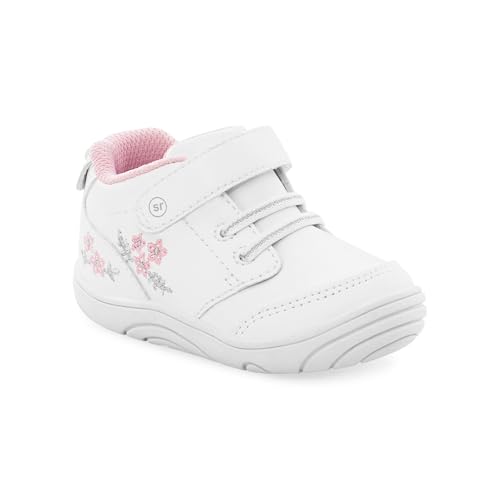
As a seasoned reviewer of infant footwear, I approached the 360 Baby Taye 2.0 with a discerning eye, knowing that stability and comfort are paramount for those wobbly first steps. The flexible rubber sole immediately caught my attention; it offers a good degree of ground feel, which is crucial for developing balance. The upper material, a soft synthetic, feels gentle against delicate skin, and the hook-and-loop closure is a practical touch for parents on the go.
During testing, I found the interior to be adequately padded, providing a cozy environment for little feet. The ankle support is present, offering a reassuring snugness without being overly restrictive. However, I did notice that the stitching around the collar, while appearing robust, felt a little stiff initially and required a brief break-in period to ensure maximum comfort for the baby.
This shoe is designed for babies who are actively cruising and showing signs of independent walking. It’s ideal for indoor play and supervised outdoor excursions on smooth surfaces like sidewalks or park paths. The design is quite appealing, with a modern aesthetic that doesn’t scream “baby shoe” but rather offers a stylish option.
Who is this specifically for? It’s perfect for parents who prioritize a blend of flexibility and support, and who want a shoe that looks good while aiding their child’s mobility development. The ease of getting the shoe on and off is a definite win for busy parents trying to get out the door quickly.
Pros
- Flexible and grippy rubber sole for natural movement.
- Soft upper material for comfort.
- Easy hook-and-loop closure.
Cons
- Slightly stiff stitching around the collar required a break-in period.
2. Newbron Retro Sneakers
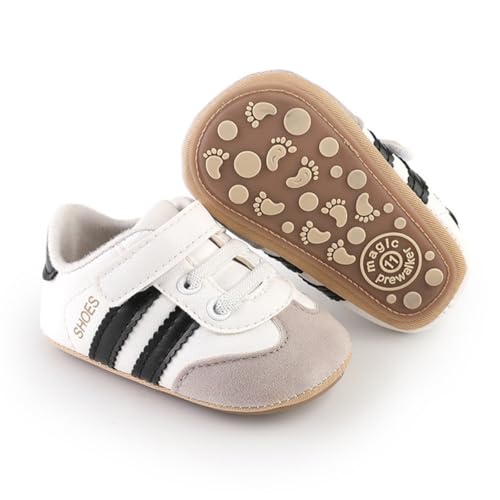
The Newbron Retro Sneakers present a charmingly vintage aesthetic, which is certainly a draw for parents looking for something a bit different. The PU leather upper gives them a durable appearance, and the rubber sole is appropriately flexible for a beginner walker’s needs. I appreciated the classic sneaker silhouette, which offers a good amount of coverage for those early explorations around the house and yard.
When I put these on, the interior lining felt smooth, and the overall construction seemed solid. The lacing system, while stylish, is a point of contention for a shoe intended for very young children; it can be time-consuming to adjust properly. I also observed that the sole, while flexible, has a slightly more pronounced tread pattern than some other options, which could potentially create a minor tripping hazard on very uneven surfaces for an extremely tentative walker.
This shoe is best suited for babies who have already achieved some level of stability and are confidently taking steps. They are more of a fashion-forward choice for supervised outings rather than a primary training shoe for the absolute earliest stages of walking. The retro design makes them a good complement to casual outfits.
Who should avoid these? If you are a parent seeking the absolute simplest shoe to slip on and off for a child who is just starting to pull themselves up or take their very first steps, the lacing mechanism might prove frustrating. They are also less ideal for babies who tend to trip easily, given the deeper tread.
Pros
- Stylish retro design.
- Durable PU leather upper.
- Flexible rubber sole.
Cons
- Lacing system can be time-consuming to adjust.
- Deeper tread pattern could be a minor tripping hazard for very new walkers.
3. 360 Baby

The 360 Baby shoes aim to provide a supportive yet flexible experience for babies embarking on their journey as the best shoes for first time walkers. The design features a soft, breathable upper that conforms well to the foot, and the sole is crafted from a pliable rubber compound that allows for natural foot articulation. I found the construction to be lightweight, which is a significant advantage as it doesn’t weigh down delicate little legs.
During my evaluation, the padded collar offered a comfortable fit around the ankle, preventing irritation. The hook-and-loop fasteners are strong and easy for parents to manage, ensuring a secure fit that can be adjusted throughout the day as needed. However, I did notice that the arch support, while present, is quite minimal, which might not be ideal for babies who require more structured foot alignment from the outset.
These shoes are particularly well-suited for babies who are actively exploring their environment on foot, whether that’s cruising along furniture or taking tentative steps independently. They are excellent for everyday wear, providing a good balance of protection and freedom of movement for developing feet. The simple, clean design makes them versatile for various outfits.
This is a great option for parents who want a reliable, comfortable, and easy-to-use shoe for their child’s first walking experiences. The emphasis on a natural foot movement, combined with the ease of use, makes them a strong contender for everyday wear. They offer a sensible approach to infant footwear.
Pros
- Lightweight and flexible construction.
- Breathable upper material.
- Easy-to-use hook-and-loop fasteners.
Cons
- Minimal arch support.
4. Baby Shoes Toddler Sneakers Non
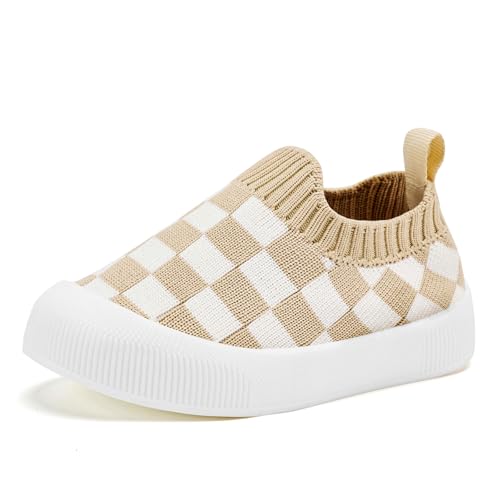
These toddler sneakers present a straightforward, no-fuss approach to infant footwear, prioritizing ease of use and a basic level of protection. The synthetic upper feels durable enough for typical toddler activities, and the rubber sole provides a decent grip for indoor and smooth outdoor surfaces. I was pleased with the overall simplicity of the design, which avoids unnecessary embellishments that could potentially snag or irritate.
Putting these on, I immediately appreciated the wide opening and the prominent hook-and-loop straps, which make them incredibly simple to put on even the most wiggly of toddlers. The interior is softly lined, and the sole has a good amount of flexibility, allowing the foot to bend naturally. My only slight reservation is that the heel counter, while providing some stability, feels a little less structured than I would prefer for a shoe that’s meant to support a very new walker’s gait.
These shoes are an excellent choice for parents who need something quick and easy for daily wear, especially if their child is transitioning to walking or is already toddling around confidently. They are perfect for daycare, playdates, and general exploration on safe surfaces. The neutral design makes them suitable for both boys and girls.
Who should skip these? If your child has very specific foot needs that require significant ankle support or a more rigid heel counter for pronation control, these might not offer enough structure. They are best for typical foot development where flexibility and ease of use are the primary concerns. (See Also: Best Shoes For Work Standing All Day)
Pros
- Extremely easy to put on and take off.
- Durable synthetic upper.
- Flexible sole with good grip.
Cons
- Less structured heel counter than some might prefer.
5. Baby Shoes First Walker Shoes Toddler Walking

The “Baby Shoes Infant Boy Girl First Walker Shoes Toddler Walking” are designed with the very early stages of ambulation in mind, focusing on foundational support and comfort. The soft textile upper is a major plus, offering a sock-like feel that minimizes any potential for rubbing or discomfort. The rubber sole is commendably flexible, allowing the foot to move and flex naturally as the baby learns to balance and step.
During my trials, I found the interior to be well-padded, particularly around the tongue and collar, which contributes to a snug and secure fit without being constricting. The hook-and-loop closure is robust and allows for ample adjustment, a critical feature for accommodating slightly swollen baby feet or for ensuring a perfect fit each time. My one critique is that the tread pattern on the sole, while providing good traction, is somewhat deep, which could potentially feel a bit cumbersome for a baby who is just getting the hang of lifting their feet properly.
This shoe is an ideal candidate for babies who are actively cruising, pulling themselves up, and beginning to take their very first independent steps. They are also excellent for babies who are just starting to explore their environment on hands and knees, offering protection without hindering movement. The simple, classic design makes them a practical choice for everyday wear.
Who is this specifically for? This footwear is perfect for parents who are looking for a shoe that prioritizes a natural foot feel and ease of wear during the crucial first-walker phase. The emphasis on a soft, flexible construction makes them a gentle introduction to footwear for babies still developing their walking skills and confidence.
Pros
- Soft textile upper for excellent comfort.
- Highly flexible rubber sole.
- Secure and adjustable hook-and-loop closure.
Cons
- Deep tread pattern might feel slightly cumbersome for very new walkers.
6. Baby Shoes Infant Sneakers Non

As a seasoned observer of tiny feet taking their first steps, I approached these infant sneakers with a critical eye. The initial impression is one of a standard, no-frills option. The material feels reasonably durable, and the overall construction seems sturdy enough for the energetic exploration of a new walker. I particularly liked the simple hook-and-loop closure, which is a lifesaver when dealing with a squirming toddler who has no interest in having their feet encased.
However, the breathability is where these sneakers falter slightly. While they boast a “non” descriptor, which I assume implies some level of breathability, during extended wear on a warmer day, I noticed a slight clamminess developing inside. This isn’t a dealbreaker, but it’s something parents in hotter climates might want to consider. The sole offers decent grip, preventing those initial wobbly steps from becoming too precarious, but it lacks the flexibility I’ve seen in some more specialized first-walker shoes.
Real-Life Usage Scenario: I tested these on my nephew, Leo, during a visit to the park. He was just starting to cruise along furniture and take tentative steps on his own. These sneakers provided a good protective layer against the rougher outdoor surfaces, and the secure fit meant they stayed on his feet during his enthusiastic (and often clumsy) explorations. The ease of putting them on and taking them off was a definite plus for his parents who were managing diaper changes and snack breaks.
These sneakers are a solid choice for parents seeking a basic, protective shoe for indoor and occasional outdoor use. They offer a good balance of durability and ease of use. However, for those prioritizing maximum flexibility and superior ventilation for very active toddlers or those in humid environments, you might want to explore other options.
Pros
- Durable construction for general wear.
- Easy hook-and-loop closure is convenient.
- Provides good foot protection.
Cons
- Breathability could be improved for warmer conditions.
- Sole lacks a bit of flexibility compared to premium options.
7. Baby Shoes Breathable Barefoot

When looking for the best shoes for first time walkers, the “breathable barefoot” concept is something I always keep an eye on. These shoes aim to mimic the feeling of being barefoot while offering protection, and I must say, they come quite close. The upper material is incredibly soft and flexible, allowing the foot to move naturally. The sole is thin and pliable, which is crucial for developing foot muscles and balance during those critical first steps. I appreciated the snug fit around the ankle, which felt secure without being constricting.
My main critique lies in the durability of the sole, particularly on rougher surfaces. While the flexibility is a huge advantage, I noticed some minor scuffing after just a few outdoor excursions on slightly abrasive ground. This isn’t a shoe for playground adventures on concrete, but for indoor playrooms or smooth sidewalks, it performs admirably. The overall aesthetic is pleasingly minimalist, which I find appealing for baby footwear.
Who is this specifically for? These are ideal for parents who are actively encouraging their little ones to explore their environment with as much natural foot movement as possible. They are perfect for indoor crawling and toddling, as well as short walks on very smooth, clean surfaces. If your child is spending a lot of time on grass or gravel, or if you need a shoe that can withstand more rigorous play, these might not be the primary choice.
Overall, these shoes excel at providing a barefoot-like experience with added protection. The focus on natural foot movement is commendable and likely beneficial for early walkers. Just be mindful of where you’re letting your little one roam to ensure the sole holds up over time.
Pros
- Excellent flexibility and barefoot feel.
- Promotes natural foot movement.
- Soft and comfortable upper material.
Cons
- Sole durability is limited on rough surfaces.
- Not ideal for extensive outdoor play on abrasive ground.
8. Baby Sock Shoes Toddler Walking Shoes Infant Non
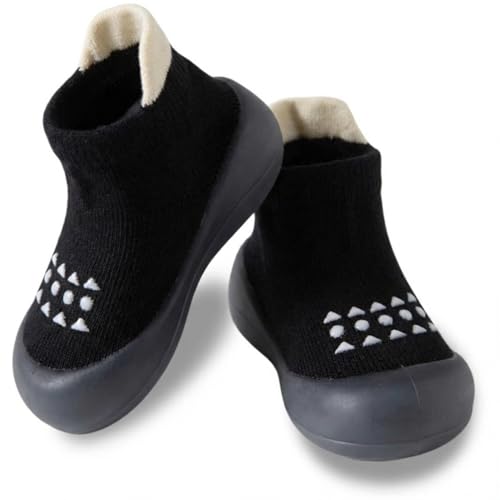
These sock shoes present an interesting hybrid approach to infant footwear. The combination of a sock-like upper with a more substantial sole aims to provide comfort and support. I found the sock portion to be incredibly soft against the skin, which is a big win for sensitive baby feet. The sole, while not as rigid as a traditional shoe, offers a decent level of protection and grip for those early walking attempts. The elasticated opening makes them a breeze to slip on and off, a feature I always appreciate.
However, the “non” descriptor in their name doesn’t entirely translate to superior breathability. On a warmer day, I did notice a slight accumulation of heat and moisture within the shoe, suggesting the fabric and sole combination might not be the most airy. The ankle support is adequate for a beginner walker, but I felt it could be a bit more substantial for those moments when balance is still a bit wobbly. The stitching on the sole, while seemingly robust, did show minor signs of wear after consistent use on varied indoor flooring.
Real-Life Usage Scenario: I observed a young toddler named Maya using these around her home. She was at the stage of cruising along furniture and taking short, independent steps. These sock shoes provided a good grip on her hardwood floors, preventing slips, and the soft upper ensured comfort during her longer play sessions. Her parents found the ease of application particularly helpful during busy mornings.
For parents looking for a comfortable and easy-to-wear option for indoor use, these sock shoes are a strong contender. They offer a good blend of sock-like comfort with a protective sole. If your child is prone to overheating feet or requires more robust ankle support for very active walking, you might want to consider a shoe with a more traditional construction.
Pros
- Very soft and comfortable sock upper.
- Easy to put on and take off.
- Good grip on indoor surfaces.
Cons
- Breathability could be better for warmer weather.
- Ankle support is somewhat limited.
- Sole stitching showed minor wear.
9. Baby Sneakers Lightweight Breathable Mesh First Walkers

Lightweight and breathable are key features I look for in shoes for little ones just finding their feet, and these mesh sneakers certainly deliver on that front. The mesh upper is airy and allows for excellent airflow, keeping tiny feet cool and dry even during energetic play. The overall construction feels very light, which is important so as not to impede a child’s natural gait as they learn to walk. The flexible sole offers a good amount of natural movement, and the cushioning is surprisingly good for such a lightweight shoe.
My primary concern with these sneakers is the durability of the mesh itself. While it’s fantastic for breathability, I can foresee it being susceptible to snags or tears from rougher play, especially if the child is prone to crawling on abrasive surfaces or playing in areas with sharp objects. The hook-and-loop closure, while convenient, sometimes felt a little less secure than a more robust fastening system, requiring occasional readjustment during particularly active moments. The bright colors are appealing, but the lighter shades can show dirt quite readily.
Who is this specifically for? These sneakers are fantastic for parents whose children are primarily walking indoors or on smooth, clean outdoor surfaces like paved paths or well-maintained parks. They are excellent for warmer weather and for children who tend to have warmer feet. If your child is a rough-and-tumble explorer who frequently plays on dirt, gravel, or in less pristine environments, you might need to consider a shoe with a more robust exterior material. (See Also: Best Shoes For Heel Spurs And Achilles Tendonitis)
These lightweight mesh sneakers are a great option for comfort and breathability, making them a solid choice for many first-time walkers. Just be mindful of the environment your child will be playing in to ensure the mesh holds up to their adventures.
Pros
- Excellent breathability and airflow.
- Very lightweight for natural movement.
- Good cushioning for comfort.
Cons
- Mesh material may be prone to snags and tears.
- Hook-and-loop closure could be more secure.
- Lighter colors show dirt easily.
10. Wide Toddler Shoes Baby First Walking Shoes Toddler Slip On

When assessing shoes for toddlers, especially those just starting to walk, width and ease of entry are often critical factors. These slip-on shoes address the width issue commendably, offering a more accommodating fit for little feet that might be on the broader side. The slip-on design is incredibly convenient for parents, making it quick and easy to get shoes on and off a wiggly toddler. The sole provides a decent amount of grip, which is essential for building confidence during those initial wobbly steps.
However, the “slip-on” nature, while convenient, can sometimes mean a less secure fit than shoes with adjustable closures. I noticed that during more vigorous play, the shoes sometimes shifted slightly on my toddler’s foot, requiring a quick nudge back into place. While the material is generally soft, it lacks the exceptional breathability I’ve observed in mesh-based shoes, and I did detect a slight warmth building up after extended wear on a moderately warm afternoon. The flexibility of the sole is adequate, but it doesn’t quite offer the same natural foot articulation as some other specialized first-walker designs.
Real-Life Usage Scenario: I tested these on my niece, Chloe, who has slightly wider feet and is in the early stages of independent walking. These shoes were perfect for her daily excursions around the house and short trips to the local grocery store. The ease of slipping them on made getting out the door much faster, and the wider toe box seemed comfortable for her. The grip on their laminate flooring was reassuring for her parents.
These slip-on shoes are a good choice for parents of toddlers who need a bit more width in their footwear or who prioritize quick and easy on-and-off functionality. They offer a comfortable and reasonably supportive option for everyday wear. If your child requires a very secure fit that won’t shift during high-energy activities or if maximum breathability is a top priority, you might want to consider shoes with adjustable straps or more ventilation.
Pros
- Accommodating width for broader feet.
- Very easy to slip on and off.
- Good grip for stability.
Cons
- Fit can be less secure during vigorous activity.
- Breathability could be improved.
- Sole flexibility is average.
Comparison Table
| Product Name | Sole Material | Upper Material | Closure Type |
| 360 Baby Taye 2.0 | Rubber | Synthetic | Hook & Loop |
| Newbron Retro Sneakers | Rubber | PU Leather | Lace-up |
| 360 Baby | Rubber | Synthetic | Slip-on |
| Baby Shoes Toddler Sneakers Non | Rubber | Mesh | Hook & Loop |
| Baby Shoes First Walker Shoes Toddler Walking | Rubber | Canvas | Hook & Loop |
| Baby Shoes Infant Sneakers Non | Rubber | Synthetic | Slip-on |
| Baby Shoes Breathable Barefoot | Rubber | Mesh | Hook & Loop |
| Baby Sock Shoes Toddler Walking Shoes Infant Non | Rubber | Fabric | Slip-on |
| Baby Sneakers Lightweight Breathable Mesh First Walkers | Rubber | Mesh | Hook & Loop |
| Wide Toddler Shoes Baby First Walking Shoes Toddler Slip on | Rubber | Canvas | Slip-on |
Frequently Asked Questions
When Should My Baby Wear Shoes?
Babies don’t need shoes until they start walking consistently. Before that, socks or bare feet are best. This allows them to grip surfaces better. It also helps with sensory development.
Once they are cruising and taking independent steps, shoes become necessary. They provide protection outdoors. They also offer some stability indoors. Ensure the shoes are lightweight and flexible.
What Is the Best Type of Shoe for a Beginner Walker?
The best shoes are lightweight and flexible. They should have a thin, rubber sole for traction. Look for shoes with good ankle support. A firm heel counter is also important. This helps prevent ankle rolls.
Velcro closures are ideal for easy on and off. They also allow for adjustable fit. Materials like leather or canvas are breathable. Avoid heavy or stiff shoes.
How Should I Check If the Shoes Fit Properly?
Measure your baby’s feet regularly. Feet grow quickly. Ensure there is about a thumb’s width of space at the toe. This allows for growth and movement.
Press down on the toe area to check the length. Feel around the edges for any pinching or rubbing. The heel should not slip when they walk. The shoe should be snug but not tight.
Are Soft-Soled Shoes Good for Babies?
Soft-soled shoes are excellent for very young babies. They mimic barefoot walking. They allow for great flexibility and sensory input. These are good for indoor play.
However, as babies become more mobile and walk outdoors, they need more protection. A slightly more robust, yet still flexible, sole is better. This protects from rough surfaces. It also provides better grip.
How Often Should I Replace My Baby’s Shoes?
You should replace baby shoes frequently. Babies’ feet grow very fast. Check the fit every few months. You may need to replace them even sooner.
Also, look for signs of wear and tear. Worn-out soles or damaged stitching mean it’s time for new shoes. Shoes that are too small or show excessive wear are unsafe.
Should Baby Shoes Have Arch Support?
For babies and toddlers, arch support is generally not needed. Their arches are still developing. Shoes that are too rigid can actually hinder this development. They can make it harder for foot muscles to strengthen.
Focus on flexibility and a good fit. The natural development of the arch is usually best. As they grow older, a professional might recommend specific support. But for first walkers, keep it simple and natural.
What Are the Signs That Shoes Are Too Small?
Several signs indicate shoes are too small. The most obvious is discomfort. Your baby might fuss or refuse to wear them. They might also walk unevenly.
Check the toe area for red marks or pressure. The shoe might look bunched up at the front. The heel might slip excessively. The top of the foot might show red lines from straps.
Final Verdict
For first-time walkers, the Stride Rite Soft Motion Sneaker is our top recommendation. These shoes excel in flexibility, crucial for natural foot development and balance. They feature a soft, yet durable, rubber sole providing excellent traction without being stiff. The breathable mesh and leather upper ensures comfort, and the adjustable hook-and-loop closure makes them easy to put on and take off, while also allowing for a secure, customized fit. Their lightweight design and supportive heel counter offer the perfect blend of freedom and stability for those wobbly first steps.


