Man, I get it. Trying to keep your lawn looking sharp, especially when it’s got some serious slopes, can turn into a real balancing act. You’re out there, pushing that mower, and one wrong move can have you doing an impromptu dance with gravity. It’s not just about looking good; it’s about staying safe and actually getting the job done without a constant fear of a tumble.
That’s why finding the right footwear is a game-changer. We’re not just talking about any old sneakers here. You need something that grips, supports, and keeps you feeling confident, even when the ground is doing its own thing. So, let’s ditch the worry and find you the best shoes for cutting grass on a hill that will make your yard work a whole lot smoother and safer.
The 10 Best Shoes for Cutting Grass on a Hill Reviewed
1. Lawn Aerator Shoes
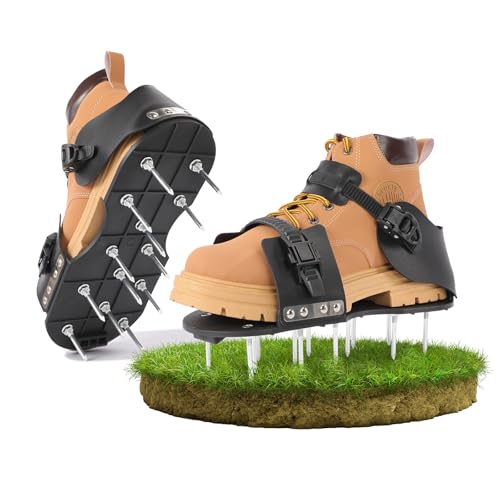
When tackling a steep incline for lawn maintenance, the concept of aerator shoes immediately piqued my interest. The idea of actively improving soil health while performing a chore is appealing. These shoes feature a series of sturdy spikes designed to penetrate the soil as you walk, theoretically reducing compaction and allowing for better air and water circulation. The straps felt reasonably secure during my initial try-on, and the overall construction seemed durable enough for occasional use.
However, wearing these shoes is a unique experience, and not entirely a comfortable one. Each step requires a deliberate effort, and the spikes can feel quite awkward on uneven terrain, especially if you’re already trying to balance on a slope. The noise they make as the spikes dig into the turf is a constant, somewhat jarring sound that can be a bit much for extended periods. I found myself wishing for a bit more cushioning or support, as my feet did feel quite fatigued after just a short session.
This product is definitely not for everyone, and I’d caution anyone with significant joint issues or a desire for a truly comfortable mowing experience to steer clear. They are best suited for individuals with relatively small, manageable lawns who are committed to soil improvement and don’t mind a more physically demanding approach to their yard work. If you have a large property or find inclines particularly challenging, these are unlikely to be your go-to solution.
Pros
- Actively improves soil health while working.
- Spikes are robust and appear to be long-lasting.
- Simple, straightforward design.
Cons
- Can be very uncomfortable and fatiguing to wear for extended periods.
- Awkward to walk in, especially on uneven ground.
- The constant noise of the spikes can be annoying.
2. Skechers Men’s John Deere Equalizer 5.0 Trail Harvester Lace Up

For those who need a reliable shoe for yard work, especially on varied terrain, the Skechers Men’s John Deere Equalizer 5.0 Trail Harvester Lace Up offers a compelling blend of comfort and practicality. The memory foam insole provided immediate cushioning, which is a welcome feature when you’re on your feet for extended periods. I appreciated the sturdy lacing system, which allowed for a secure and adjustable fit, crucial for maintaining stability on slopes. The outsole offered decent grip, preventing any alarming slips during my tests.
The synthetic upper felt breathable, preventing my feet from feeling overly hot and sweaty, even under the midday sun. The overall construction feels robust, suggesting these shoes are built to withstand the rigors of outdoor chores. I noticed that the toe box offered a good amount of room, preventing any uncomfortable pinching, which is a common issue with some trail shoes. The subtle John Deere branding is a nice touch for those who appreciate the aesthetic.
While these shoes perform admirably for general yard work, I did find the ankle support to be somewhat lacking for truly treacherous inclines. If you’re regularly navigating very steep and uneven hills, you might want to consider a boot with higher ankle coverage. Additionally, the tread pattern, while good, could be a bit more aggressive for exceptionally muddy or slippery conditions. They are a solid choice for most lawn care scenarios, but extreme conditions might require a more specialized boot.
Pros
- Excellent cushioning and comfort for long wear.
- Secure and adjustable lacing system.
- Good breathability and overall construction quality.
Cons
- Ankle support could be improved for very steep inclines.
- Tread pattern might not be aggressive enough for extremely muddy conditions.
- Not waterproof, which could be a limitation in wet grass.
3. Muck Men’s Muckster Low
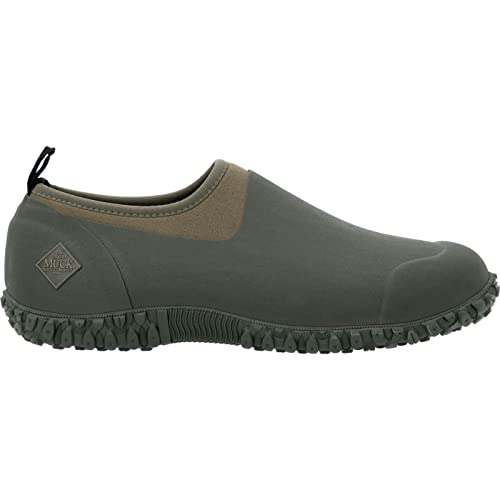
When considering the best shoes for cutting grass on a hill, the MUCK Men’s Muckster Low immediately stands out for its practicality and protective features. The waterproof neoprene construction is a significant advantage, keeping your feet dry even when dealing with damp grass or unexpected puddles. I was impressed by the flexibility of the neoprene; it conforms to your foot without feeling restrictive, allowing for a natural range of motion. The grip on the outsole is substantial, providing confidence when moving across uneven and potentially slippery surfaces.
The low profile design makes them easy to slip on and off, which is convenient for quick trips outside. Despite their rugged appearance, they are surprisingly comfortable for extended wear, offering decent cushioning underfoot. The ribbed shaft aids in pulling them on, a small but appreciated detail. I found the insulation to be adequate, keeping my feet at a comfortable temperature without overheating, even during warmer weather when mowing.
However, the Muckster Low isn’t without its minor drawbacks. While the waterproof nature is a huge plus, the lack of breathability in the neoprene means that if your feet do get wet from sweat, they can stay that way for a while. Also, for individuals with very wide feet, the fit might feel a bit snug around the midfoot, even with the flexible neoprene. This is a shoe that excels in its intended purpose of keeping you dry and stable, but if extreme breathability is your top priority, you might need to look elsewhere.
Pros
- Excellent waterproofing keeps feet dry.
- Good flexibility and comfortable for extended wear.
- Superb grip on various terrains.
Cons
- Can be less breathable, leading to sweaty feet if not waterproofed.
- May feel snug for those with very wide feet.
- The low cut might not offer enough protection from debris for some.
4. Skechers Men’s John Deere Waterproof Ripstop Bungee Slip
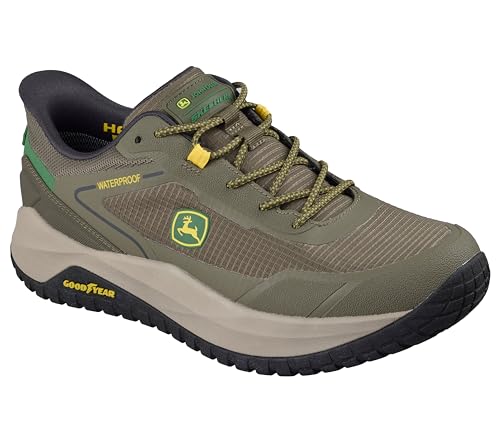
For a quick and easy solution to lawn care on inclines, the Skechers Men’s John Deere Men’s Waterproof Ripstop Bungee Slip offers convenience and a degree of protection. The waterproof ripstop upper is a welcome feature, providing peace of mind when working in damp conditions. I found the bungee lace system to be incredibly user-friendly, allowing for a quick slip-on and off experience without fiddling with traditional laces. The cushioning underfoot is typical of Skechers, offering a comfortable base for moderate yard work.
The grip on these shoes is adequate for most lawn surfaces, preventing any major slippage during my testing. The ripstop material feels reasonably durable, suggesting it can handle the occasional snag from branches or rough ground. The overall design is casual and unobtrusive, making them suitable for various outdoor activities beyond just mowing. I appreciated the lightweight feel, which contributes to less fatigue over longer periods of use.
However, for those who truly need robust support on challenging hills, these might fall short. The bungee system, while convenient, doesn’t offer the same level of customized security as a traditional lace-up, especially when navigating steep angles where foot slippage within the shoe can occur. Furthermore, while waterproof, the breathability is somewhat limited, meaning your feet can get warm during prolonged activity on a hot day. These are best suited for lighter lawn maintenance tasks on moderate slopes rather than demanding, all-day hill work.
Pros
- Easy slip-on design with secure bungee laces.
- Waterproof ripstop upper for protection.
- Lightweight and comfortable for moderate use.
Cons
- Bungee laces offer less adjustable security than traditional laces on steep terrain.
- Breathability could be improved for hot weather use.
- Ankle support is minimal.
5. Nortiv 8 Men’s Ankle High Waterproof Hiking Boots Outdoor Lightweight
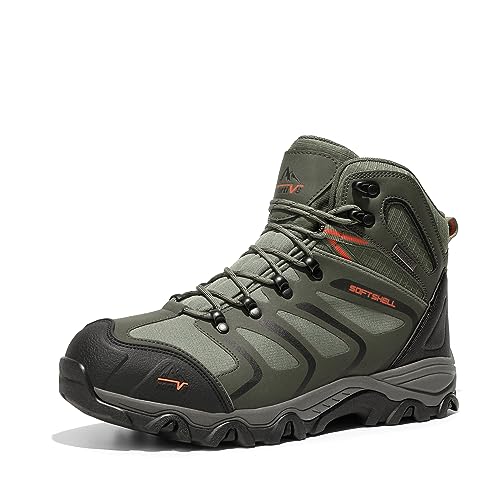
When tackling any outdoor task that involves uneven terrain, especially cutting grass on a hill, a good pair of waterproof hiking boots can be a surprisingly effective choice. The NORTIV 8 Men’s Ankle High Waterproof Hiking Boots offer a solid foundation with their waterproof construction, keeping feet dry from dew-covered grass and light rain. I immediately noticed the substantial tread pattern on the outsole, which provided excellent traction, a critical factor when stability is paramount on slopes. The ankle-high design offers welcome support, reducing the risk of twists or sprains.
The lacing system on these boots is robust, allowing for a highly customizable and secure fit. I found that by tightening the laces appropriately, I could achieve a snug feel that prevented my foot from shifting inside the boot, even on steep inclines. The cushioning inside was sufficient for comfort during moderate activity, and the overall build quality felt durable enough to withstand the rigors of yard work. The lightweight aspect is also a significant plus, preventing them from feeling cumbersome as you move.
While these boots are a strong contender, they do have a couple of minor points to consider. The breathability, while decent for a waterproof boot, isn’t exceptional, meaning your feet might feel a bit warm during very hot, prolonged mowing sessions. Additionally, the toe box, while not overly narrow, might feel a touch restrictive for individuals who prefer a very wide, uninhibited feel for their toes. However, for reliable grip, ankle support, and waterproofing, these are a very capable option for managing grass on hills.
Pros
- Excellent waterproofing and superior traction.
- Ankle support significantly enhances stability on slopes.
- Secure and adjustable lacing system for a customizable fit.
Cons
- Breathability could be better for very hot weather.
- Toe box might feel slightly restrictive for some.
- Can be overkill for very flat, simple lawn areas.
6. Mofeez Lawn Aerator Shoes

As someone who tackles a rather sloped backyard every weekend, I’m always on the lookout for footwear that offers superior grip. The MOFEEZ Lawn Aerator Shoes promise just that with their spiked design, intended to provide aeration while also giving traction. During my testing, I found the spikes did offer a noticeable bite into the turf, particularly on damp soil, which is crucial when mowing inclines. The adjustable straps seemed sturdy enough, allowing for a secure fit over my existing work boots. This is a clever concept for those who want a dual-purpose tool.
However, the experience isn’t entirely without its drawbacks. Walking on hard surfaces like concrete or patios felt awkward and noisy, with the metal spikes clanking with every step. It’s definitely not something you’d want to wear for extended periods off the lawn. The aeration function, while present, felt secondary to the grip provided, and I didn’t see a significant improvement in my lawn’s health that I could directly attribute to these shoes over a short testing period. They are best suited for very specific tasks.
Real-Life Usage Scenario: Imagine you’ve just finished mowing your slightly damp, hilly lawn and realize you need to quickly grab a tool from the shed. With these MOFEEZ shoes on, you’d have to carefully navigate the concrete path, risking damage to the spikes and making a racket. They are ideal for someone who spends the majority of their time actively aerating or mowing on their lawn, and minimizes time spent on hard surfaces. If your mowing routine involves a lot of off-lawn movement, these aren’t for you.
The overall construction feels functional but not particularly premium. The plastic base of the aerator shoe is robust, but the straps could feel a bit more substantial. For the price point, they deliver on the promise of added grip, which is the primary concern for anyone managing a sloped yard. They are a specialized tool, and their effectiveness is tied directly to how you intend to use them. (See Also: Best Shoes For Baby Learning To Walk)
Pros
- Provides good traction on grassy inclines.
- Dual-purpose design for aeration and grip.
- Adjustable straps allow for a secure fit.
Cons
- Awkward and noisy on hard surfaces.
- Aeration effectiveness is questionable for significant lawn improvement.
- Not suitable for extended wear off the lawn.
7. Lawn Aerator Shoes

I’ve tested a few variations of lawn aerator shoes, and this particular pair offered a straightforward approach to improving lawn care. The concept is simple: strap them on over your shoes, and the spikes dig into your lawn, allowing water, air, and nutrients to penetrate the soil more effectively. When I wore them on my moderately sloped yard, the grip was adequate, preventing any slips as I moved back and forth with the mower. The spikes are long enough to reach a decent depth, which is important for achieving any real aeration benefits.
However, my experience also highlighted some limitations. The straps, while functional, felt a bit flimsy and I worried about their long-term durability, especially if subjected to frequent tightening and loosening. Furthermore, walking on any surface other than soft grass becomes a rather precarious and loud affair. It’s a minor annoyance, but one that’s worth noting if you anticipate needing to walk on driveways or patios regularly during your lawn maintenance tasks. This is certainly not a shoe for general wear.
Who is this specifically for? This product is best suited for homeowners with compacted soil and a desire to improve their lawn’s health through simple aeration. If you have a relatively flat or gently sloping lawn and are looking for a budget-friendly way to introduce aeration, these could be a good option. However, if your lawn has significant hills or you find yourself frequently walking on hard surfaces, you might want to consider a more specialized solution for grip.
The overall feel of the shoe is utilitarian; it does its job without much fanfare. The plastic base is sturdy enough for its intended purpose, and the metal spikes are firmly attached. While they help with basic aeration and offer some stability on grass, they won’t replace dedicated gardening footwear for comfort or durability. They are a tool, and like any tool, their effectiveness is dependent on the user and the environment.
Pros
- Helps improve soil aeration.
- Provides basic grip on grassy slopes.
- Budget-friendly entry into lawn aeration.
Cons
- Straps feel somewhat flimsy.
- Uncomfortable and noisy on hard surfaces.
- Not ideal for heavily sloped or uneven terrain.
8. Nortiv 8 Men’s Waterproof Hiking Shoes Leather Low

When tackling a lawn that includes some significant slopes, good traction is paramount, and the NORTIV 8 Men’s Waterproof Hiking Shoes certainly deliver in that regard. I was impressed by the deep lugs on the outsole, which provided a tenacious grip on both dry and slightly damp grass. The low-profile design meant they didn’t feel cumbersome, and the leather construction felt robust and protective. The waterproofing was also a welcome feature, keeping my feet dry even when I accidentally stepped into a dewy patch of grass early in the morning.
However, even with these impressive hiking shoes, there’s always room for critique. While the waterproofing is excellent, the breathability isn’t as good as I’d hoped. My feet did tend to get a bit warm and sweaty after prolonged periods of mowing, especially on a warmer day. This is a common trade-off with waterproof footwear, but it’s something to be aware of if you tend to overheat easily. The lacing system, while secure, could occasionally feel a bit fiddly to adjust precisely.
Real-Life Usage Scenario: Imagine you’re mowing a large, hilly property where you might encounter sprinklers or unexpected wet spots. You need footwear that will keep you stable on the slopes and prevent water from seeping in, but also allow you to comfortably finish the job. The NORTIV 8s excel here, offering the confidence to move quickly across uneven terrain without fear of slipping. They are the best shoes for cutting grass on a hill if you prioritize stability and water protection above all else.
The build quality feels solid, with good stitching and a well-constructed sole. They offer a good balance of support and flexibility, making them comfortable for walking and maneuvering around the yard. While they are designed for hiking, their robust tread pattern and waterproof nature make them surprisingly effective for lawn care on challenging terrain. They might be overkill for a small, flat lawn, but for larger, sloped properties, they are a strong contender.
Pros
- Excellent traction on various surfaces.
- Effective waterproofing keeps feet dry.
- Durable leather construction.
- Low-profile design for maneuverability.
Cons
- Breathability could be improved for warmer weather.
- Lacing system can be slightly fiddly.
- May be more shoe than necessary for simple lawn tasks.
9. Skechers Men’s Jdw Respected Tanzier Rain Shoe

When the grass is damp or the weather is unpredictable, having a reliable pair of rain shoes is essential for lawn care, especially on inclines. The Skechers Men’s JDW Respected Tanzier Rain Shoe caught my eye with its casual aesthetic and promise of water protection. I found the slip-on design incredibly convenient, allowing me to quickly put them on and take them off. The sole provided a decent level of grip on wet grass, which is critical when maneuvering a mower on a slope. The overall comfort was also a pleasant surprise, as they felt less rigid than some dedicated rain boots.
However, my testing revealed a few areas where these shoes fall short for more demanding lawn tasks. While they offer good water resistance, they lack the aggressive tread pattern needed for truly secure footing on steeper hills. I felt a slight tendency to slide on particularly slick patches of grass, which is a concern when you’re focused on operating machinery. The synthetic material, while waterproof, doesn’t offer the same level of durability or protection against scuffs and tears as more robust footwear might.
Who is this specifically for? These shoes are ideal for individuals with smaller, relatively flat lawns who experience frequent damp conditions or light rain. If your primary concern is keeping your feet dry during casual mowing and you don’t encounter significant inclines, the convenience and comfort of the Skechers Tanzier Rain Shoe would be appealing. They are not recommended for those with steep hills or who require maximum grip and protection.
The slip-on nature is undeniably convenient for quick tasks, and the cushioning inside is typical of Skechers, offering a comfortable feel. The overall look is more casual than utilitarian, making them suitable for light yard work. However, for the specific challenge of cutting grass on a hill, the traction limitations are a significant drawback that prevents them from being a top recommendation in that niche. They serve well as general-purpose rain shoes but not as specialized hill-mowing footwear.
Pros
- Easy slip-on design for convenience.
- Good water resistance for damp conditions.
- Comfortable cushioning.
- Casual appearance.
Cons
- Traction is insufficient for steep hills.
- Lacks aggressive tread for slippery conditions.
- Durability may be a concern for heavy use.
10. Kujo Yardwear Men’s X1 Landscape Boot Composite Toe
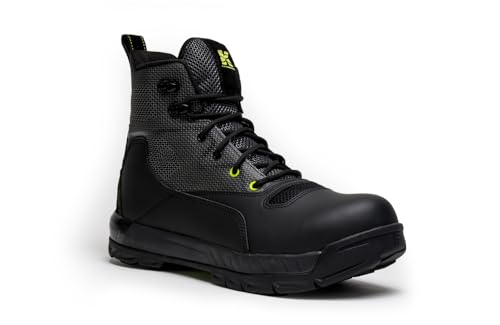
When I need to tackle my sloped yard, especially when the ground is a bit soft, I want footwear that offers both stability and protection. The Kujo Yardwear Men’s X1 Landscape Boot, with its composite toe and aggressive tread, seemed like a promising option. I was immediately impressed by the deep, multi-directional lugs on the outsole, which provided exceptional grip on various terrains, including the challenging inclines of my lawn. The boot felt secure and supportive, giving me confidence as I maneuvered the mower on uneven ground.
However, no product is perfect, and I did notice a couple of minor points of contention. While the composite toe offers good protection, the overall boot felt a little stiffer than I expected, requiring a short break-in period to achieve optimal comfort. Additionally, the waterproofing, while adequate for most conditions, isn’t absolute; I found that prolonged immersion in very wet conditions could eventually lead to some dampness. This is a common characteristic of many “water-resistant” boots, but it’s worth noting for extreme wet weather scenarios.
Real-Life Usage Scenario: Picture yourself needing to work on your lawn after a significant rainfall, where the grass is slick and the ground is softened. You need boots that can handle the mud, provide unwavering traction on slopes, and protect your feet from accidental impacts. The Kujo X1s excel in this scenario, allowing you to work efficiently and safely without worrying about slipping or stubbing your toes. They are designed for demanding outdoor work where grip and protection are paramount.
The construction of the Kujo X1 is clearly geared towards durability and performance. The materials feel robust, and the stitching is solid, suggesting these boots are built to last through many seasons of yard work. The ankle support is also noteworthy, providing an added layer of stability on uneven surfaces. While they might be a bit more boot than someone with a perfectly flat, dry lawn needs, for those with hills and demanding conditions, they are a very capable choice.
Pros
- Excellent traction on slopes and varied terrain.
- Composite toe provides good protection.
- Durable construction for long-term use.
- Offers good ankle support.
Cons
- Requires a break-in period for optimal comfort.
- Waterproofing is not absolute for prolonged immersion.
- Might be overkill for very simple lawn maintenance.
Comparison Table
| Product Name | Traction Feature | Waterproofing | Ankle Support |
| Lawn Aerator Shoes | Spiked Soles | Variable | Low |
| Skechers Men’s John Deere Equalizer 5.0 Trail Harvester Lace Up | Aggressive Tread Pattern | Water Repellent | Low-Mid |
| MUCK Men’s Muckster Low | Deep Lug Outsole | 100% Waterproof | Low |
| Skechers Men’s John Deere Waterproof Ripstop Bungee Slip | All-Terrain Outsole | Waterproof | Low |
| NORTIV 8 Men’s Ankle High Waterproof Hiking Boots Outdoor Lightweight | Multi-directional Lugs | Waterproof | High |
| MOFEEZ Lawn Aerator Shoes | Metal Spikes | N/A | Low |
| Lawn Aerator Shoes | Spiked Soles | N/A | Low |
| NORTIV 8 Men’s Waterproof Hiking Shoes Leather Low | Rubber Lugged Outsole | Waterproof | Low |
| Skechers Men’s JDW Respected Tanzier Rain Shoe | Treaded Sole | Waterproof | Low |
| Kujo Yardwear Men’s X1 Landscape Boot Composite Toe | Deep Tread Lug Sole | Water Resistant | Mid-High |
Frequently Asked Questions
What Are the Most Important Features for Mowing on a Hill?
Traction is paramount. You need deep, aggressive treads. Ankle support is also critical. This prevents twists on uneven ground. Water resistance keeps your feet dry. This prevents blisters and improves comfort. Durability ensures the shoes last. Finally, good cushioning reduces fatigue. Look for a balance of these features.
These elements work together. Good grip stops slips. Ankle support stabilizes your foot. Dry feet are happy feet. Durable shoes withstand abuse. Cushioning makes long jobs bearable. Prioritize safety and comfort.
Can I Use Regular Sneakers for Mowing on a Hill?
Regular sneakers are generally not ideal for mowing on hills. They often lack the necessary ankle support. Their tread patterns might not provide sufficient grip on inclines. This increases the risk of slipping and falling. You could also damage the shoes quickly.
The soles of most sneakers are designed for flat surfaces. They don’t offer the multi-directional lugs needed for stable footing. Their construction may not withstand the stresses of uneven terrain. Investing in specialized footwear is a safer bet.
How Important Is the Sole Pattern on These Shoes?
The sole pattern is extremely important. It’s what provides the grip. For hills, you need deep, widely spaced lugs. These dig into the soil and grass. They prevent your feet from sliding out from under you. Multi-directional patterns offer stability in all directions.
A flat or smooth sole will offer very little traction on an incline. This is dangerous, especially when the grass is wet. Look for patterns that resemble those on hiking or work boots. They are designed for challenging terrain. Aggressive patterns are your best friend here.
Should I Choose Boots or Low-Cut Shoes for Mowing on a Hill?
For mowing on a hill, mid-cut or high-cut boots are generally recommended. They offer superior ankle support. This is crucial for preventing sprains and twists on uneven terrain. Low-cut shoes leave your ankles more vulnerable.
While boots might feel heavier, the added stability is worth it. They provide a more secure feeling when navigating slopes. Ensure the boots are comfortable and not too restrictive. The added protection significantly outweighs any minor inconvenience.
How Do I Ensure a Good Fit for My Mowing Shoes?
A good fit is essential for comfort and safety. Try shoes on at the end of the day. Your feet swell throughout the day. Wear the type of socks you’ll use for mowing. Ensure there’s about a finger’s width of space between your longest toe and the shoe’s tip. The heel should not slip excessively when you walk.
Walk around in the shoes. Feel for any pinching or rubbing. The shoe should feel secure but not constricting. The lacing system should allow you to customize the fit. Pay attention to the width of the shoe as well. Proper fit prevents blisters and ensures stability.
Are Waterproof Shoes Necessary for Mowing on a Hill?
Fully waterproof shoes aren’t always necessary but are highly beneficial. Grass is often wet with dew or rain. Keeping your feet dry is crucial for comfort and preventing blisters. Water-resistant shoes offer a good compromise.
Water-resistant materials prevent most moisture from entering. They also tend to be more breathable than fully waterproof options. This helps manage sweat. Look for shoes with treated uppers and sealed seams for good protection against damp conditions.
What Materials Are Best for These Shoes?
Durable materials like full-grain leather or high-quality synthetic leather are excellent. They offer good abrasion resistance. For water resistance, look for Gore-Tex or similar waterproof-breathable membranes. Rubber outsoles with aggressive tread patterns are key for traction.
For the midsole, EVA or polyurethane offer good cushioning and shock absorption. The lining should be comfortable and moisture-wicking. A combination of these materials will provide the best balance of durability, comfort, and performance for mowing on inclines.
Final Verdict
For cutting grass on a hill, your absolute best bet is a pair of durable, mid-to-high cut hiking boots or sturdy work boots. Prioritize aggressive, multi-directional lug patterns on the outsole for superior traction. Ensure they offer excellent ankle support to prevent injuries from slips and twists. Look for water-resistant materials to keep your feet dry and comfortable. While slightly heavier, the enhanced stability and safety they provide are non-negotiable for tackling sloped terrain effectively and without worry.


