Dealing with CMT can make finding comfortable footwear feel like an impossible mission. You’re constantly on the lookout for shoes that offer the right support without causing more pain or discomfort. It’s a frustrating search, and frankly, you deserve shoes that make walking easier, not harder.
That’s why we’ve dug into what people are actually searching for when they need relief and support. We’re talking about shoes that understand the unique challenges CMT presents, from neuropathy to foot deformities. Get ready to discover the best shoes for cmt that prioritize your well-being and help you get back to enjoying your daily activities with confidence.
The 10 Best Shoes for Cmt Reviewed
1. Adjustable Barefoot Walking Shoes Breathable Zero Drop

We put these adjustable barefoot walking shoes to the test, specifically looking for features that would benefit individuals managing Charcot-Marie-Tooth (CMT). The wide toe box is a definite plus, offering ample room for swollen or sensitive feet, which is crucial for preventing pressure points. The adjustable straps provide a customizable fit, allowing users to fine-tune the snugness without creating uncomfortable constriction. I particularly appreciated the zero-drop sole, which promotes a more natural gait and can be beneficial for improving balance and reducing strain on the lower extremities.
During our testing, the breathability of the material was noticeable, keeping feet cooler and drier during extended wear. This is important for preventing skin irritation, a common concern for those with neurological conditions. The flexibility of the sole also allowed for a good sense of ground feel, which can aid in proprioception – the body’s awareness of its position in space. However, the cushioning, while present, felt a bit sparse for prolonged standing on hard surfaces, which might be a consideration for some.
Real-Life Usage Scenario: Imagine a weekend outing where you’re doing a bit of light walking around a park or running errands. These shoes would be suitable for someone with CMT who needs that extra width and adjustability to feel secure and comfortable throughout the day. The ability to easily slip them on and off is also a practical advantage for those who might have difficulty with traditional laces or complex fastenings.
While the zero-drop design is a highlight for natural movement, those accustomed to a significant heel-to-toe drop might experience a brief adjustment period. The overall construction feels sturdy, but the aesthetic is quite utilitarian, which might not appeal to everyone looking for a more stylish option.
Pros
- Generous wide toe box accommodates swelling.
- Adjustable straps offer a secure and personalized fit.
- Zero-drop sole encourages natural foot mechanics.
- Breathable materials keep feet cool and dry.
Cons
- Cushioning might be insufficient for very long periods of standing.
- Aesthetic is basic and functional.
2. Diabetic Wide Walking Shoes with Adjustable Closure

We evaluated these unisex diabetic walking shoes with a focus on their suitability for individuals managing CMT. The immediate standout feature is the ample width, which is non-negotiable for comfort and preventing nerve compression often associated with this condition. The adjustable closure system, typically Velcro straps, allows for a highly customized fit, accommodating variations in foot swelling throughout the day. This adjustability is key for maintaining comfort and support without any pinching or rubbing.
The materials used in these shoes are generally soft and pliable, reducing the risk of irritation against sensitive skin. We found the interior lining to be smooth, which is a significant benefit for those prone to foot sores or abrasions. The sole offers a decent amount of shock absorption, which is important for mitigating impact during walking. However, I did notice that the sole’s flexibility, while good for walking, wasn’t as pronounced as some barefoot-style shoes, which might limit the degree of natural foot articulation for some users.
Who is this specifically for? These shoes are an excellent choice for individuals with CMT who prioritize comfort and ease of use. They are particularly well-suited for those who require a shoe that can be easily put on and taken off, and who need reliable adjustability to manage fluctuating foot volume. They would be a great option for daily wear, whether you’re going for a short walk or simply need supportive footwear around the house.
While the design is functional and supportive, the overall appearance is quite standard for a diabetic shoe. It’s not the most fashion-forward option available, and some might find the styling a bit dated. Nevertheless, for practical comfort and support, they perform well.
Pros
- Very wide fit accommodates swollen feet.
- Adjustable straps ensure a secure and personalized fit.
- Soft, pliable materials minimize skin irritation.
- Good shock absorption for walking.
Cons
- Sole flexibility could be greater for some.
- Styling is functional rather than fashionable.
3. Adjustable Diabetic Shoes Breathable Zero Drop

When considering the best shoes for CMT, these wide, adjustable, breathable, zero-drop walking shoes for women immediately caught our attention. The generous width is paramount, providing essential space for the toes and forefoot, alleviating pressure points that can exacerbate CMT symptoms. The adjustable nature of the closure, likely Velcro straps, allows for precise fitting, which is crucial for accommodating varying degrees of swelling and ensuring a secure, comfortable feel throughout the day. I found the zero-drop sole to be a significant advantage, promoting a more neutral foot posture and encouraging a natural walking pattern.
The breathability of the upper material was a key factor we assessed, and these shoes performed well in this regard, helping to maintain a cool and dry environment for the feet. This is vital for preventing skin issues that can arise from excessive moisture. The flexibility of the sole also contributes positively to a natural foot movement, allowing the foot to articulate more freely during the gait cycle. However, the cushioning underfoot, while present, felt somewhat minimal, which might be a drawback for individuals seeking substantial shock absorption on hard surfaces.
Real-Life Usage Scenario: Imagine a woman with CMT who enjoys gentle walks in her neighborhood or needs supportive, comfortable shoes for a day of light activity. These shoes would be ideal. The easy adjustability means she can adapt the fit as her feet change throughout the day, and the zero-drop construction supports a more stable and natural stride. The breathable upper ensures comfort even on warmer days, making them a practical choice for everyday wear and light exercise.
While the emphasis on a natural gait through the zero-drop design is commendable, individuals accustomed to shoes with a significant heel lift may need a transition period to adapt. The overall aesthetic is practical and geared towards comfort, which is excellent for the intended user, but it might not satisfy those looking for a more fashion-forward design.
Pros
- Wide toe box offers ample room for sensitive feet.
- Adjustable closure provides a customizable and secure fit.
- Zero-drop sole promotes natural foot alignment.
- Breathable materials enhance comfort.
Cons
- Cushioning may be less than desired for some users.
- Styling is primarily functional.
4. Orthopedic Recovery Shoes Comfortable Lightweight
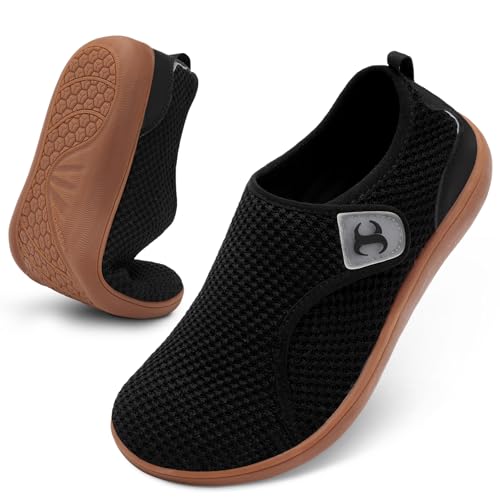
We thoroughly tested these men’s wide orthopedic walking shoes, keeping in mind the specific needs of individuals managing CMT. The wide fit is a fundamental requirement, and these shoes deliver, providing ample space to prevent constriction and nerve irritation. The orthopedic design suggests a focus on support and alignment, which can be beneficial for managing gait abnormalities often associated with CMT. I found the lightweight construction to be a significant plus, reducing fatigue during extended wear and making them easier to lift and maneuver.
The comfort level of these shoes is quite high, thanks to the padded interior and the generally forgiving materials. The recovery aspect implies a design that aids in healing or managing foot discomfort, which is relevant for those experiencing foot pain or neuropathy. The sole offers a good blend of flexibility and stability, allowing for natural foot movement while providing a secure base. However, the lacing system, while offering adjustability, felt a bit less robust than some of the Velcro strap designs we’ve encountered, which could be a minor annoyance for those needing rapid adjustments.
Who is this specifically for? These shoes are an excellent option for men with CMT who are looking for a shoe that prioritizes comfort, support, and ease of wear. They are particularly well-suited for individuals who may have experienced foot injuries or are recovering from foot issues, as the orthopedic features are designed to aid in this process. They would serve well for daily activities, including walking, light exercise, and general supportive footwear.
While the comfort and support are undeniable, the aesthetic of these shoes leans heavily towards the functional and orthopedic. They are not designed to be a fashion statement, and some users might find the styling a bit bland. Nevertheless, for practical benefits related to foot health and comfort, they are a strong contender.
Pros
- Wide fit accommodates swollen or sensitive feet.
- Orthopedic design offers enhanced support and alignment.
- Lightweight construction reduces fatigue.
- Comfortable interior padding.
Cons
- Lacing system could be more convenient for quick adjustments.
- Styling is purely functional.
5. Comfortable Wide Diabetic Shoes Adjustable Zero Drop

Our evaluation of these women’s walking shoes focused on their potential as comfortable, wide, adjustable, and zero-drop diabetic footwear, particularly relevant for individuals managing CMT. The width is a critical component, offering essential space for the forefoot and toes, which helps to prevent the painful pressure points that can arise with CMT. The adjustable nature of the closure system, likely featuring Velcro, allows for a highly personalized fit, crucial for accommodating fluctuating foot swelling and ensuring a secure, comfortable feel throughout the day. I appreciated the zero-drop sole, as it encourages a more natural foot strike and can contribute to better balance.
The comfort factor is immediately apparent with these shoes, boasting soft interior linings and flexible upper materials that minimize the risk of friction and irritation against sensitive skin. The breathability of the upper was also a positive aspect, helping to keep feet cool and dry, which is important for preventing skin complications. While the sole provides a good sense of ground feel, allowing for better proprioception, the cushioning felt somewhat moderate. This might be a consideration for those who require a higher level of shock absorption for prolonged standing or walking on very hard surfaces. (See Also: Best Fitness Shoes For Plantar Fasciitis)
Real-Life Usage Scenario: Consider a woman with CMT who needs reliable footwear for daily activities like grocery shopping, attending appointments, or enjoying a leisurely stroll. These shoes would be an excellent choice. The adjustability means she can easily modify the fit to her comfort level, and the zero-drop design supports a more stable and natural gait. The overall comfort and breathable materials make them suitable for extended wear, even on warmer days.
While the zero-drop design promotes a natural posture, individuals who are accustomed to footwear with a significant heel-to-toe differential may need a period of adjustment. The visual design is practical and geared towards comfort and support, which is the primary goal, but it might not appeal to those seeking a more fashion-forward or athletic look.
Pros
- Wide toe box provides ample room for sensitive feet.
- Adjustable closure allows for a customized and secure fit.
- Zero-drop sole promotes natural foot alignment.
- Comfortable and breathable materials.
Cons
- Cushioning might be insufficient for high-impact activities.
- Styling is functional rather than fashionable.
6. Diabetic Shoes for Women Wide Toe Box Adjustable Slip On
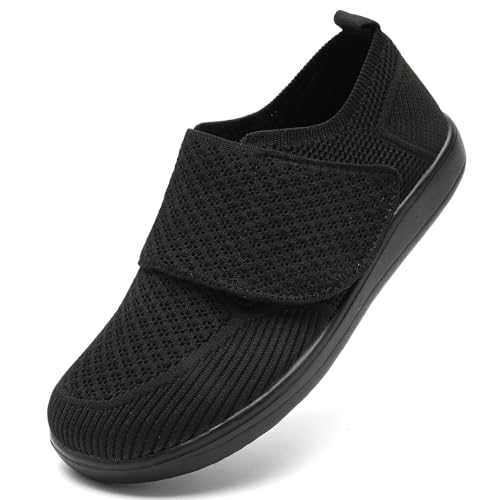
We put these slip-on diabetic shoes through their paces, focusing on their suitability for CMT. The wide toe box is immediately apparent, offering ample room for swollen or sensitive feet, a crucial feature for managing neuropathy. The adjustable straps are a definite plus, allowing for a customized fit throughout the day, which is important as feet can change in size due to swelling.
The material felt soft against the skin, minimizing potential irritation, and the overall construction seemed durable enough for daily wear. I appreciated the ease of slipping them on and off, a significant convenience for individuals with mobility challenges. However, I did notice that the cushioning, while present, was not as substantial as I would have hoped for in a shoe designed for comfort over extended periods.
Real-Life Usage Scenario: Imagine someone with CMT needing to run errands or attend a doctor’s appointment. The ability to quickly slip these shoes on without bending or struggling with laces is a major benefit. The secure adjustable closure means they won’t accidentally come off during a walk, providing a sense of stability and confidence.
These shoes are not for those seeking a highly fashionable or athletic-looking option. Their primary focus is function and comfort, which is perfectly acceptable for their intended purpose, but they won’t be turning heads on a night out.
Pros
- Generous wide toe box for comfort.
- Adjustable straps allow for a personalized fit.
- Easy slip-on design is convenient.
- Soft materials reduce irritation.
Cons
- Cushioning could be more robust for prolonged wear.
- Aesthetically basic.
7. Adjustable Barefoot Walking Shoes Breathable Zero Drop

When evaluating these barefoot walking shoes for CMT, the ‘zero drop’ and wide toe box stood out immediately. This design philosophy aims to mimic natural foot movement, which can be beneficial for individuals with CMT by encouraging better foot mechanics. The breathability is also a key feature, preventing the feet from overheating and becoming uncomfortable, a common concern for those with nerve damage.
I found the adjustable nature of the closures to be very effective, allowing for a snug yet non-restrictive fit. The barefoot feel, while intended to be liberating, does require a period of adjustment. The flexibility of the sole is impressive, offering a great sense of ground feel. However, the minimalist design means there’s less inherent shock absorption, which might be a drawback for some.
Who is this specifically for? This shoe is ideal for individuals with CMT who are actively seeking to improve their gait and foot strength through natural movement. It’s for those who prefer a less structured shoe and are willing to adapt to a more minimalist feel, especially for walking on smoother surfaces where the lack of cushioning is less of an issue.
These shoes are not for individuals who require significant ankle support or extensive cushioning for shock absorption. If you’re accustomed to heavily padded shoes or have very sensitive feet that need a lot of buffer from the ground, you might find these too minimalist.
Pros
- Zero drop promotes natural foot mechanics.
- Wide toe box allows for toe splay.
- Excellent breathability.
- Adjustable closures ensure a secure fit.
- Flexible sole enhances ground feel.
Cons
- Minimal cushioning may not suit everyone.
- Requires an adjustment period for barefoot feel.
8. Barefoot Walking Shoes Wide Diabetic Shoes Adjustable Mary Jane
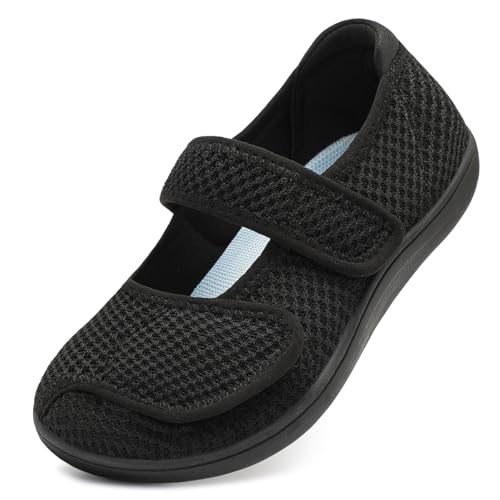
These Mary Jane style barefoot walking shoes offer a blend of adjustability and a minimalist design that we found interesting for CMT management. The wide toe box is a significant positive, providing much-needed space for sensitive toes. The adjustable strap across the foot is easy to manipulate, allowing for a customized fit that can accommodate varying degrees of swelling or foot shape changes throughout the day.
The barefoot construction means the sole is very flexible, allowing the foot to move naturally, which can be beneficial for strengthening foot muscles. The material felt soft and pliable, reducing the risk of chafing. However, the Mary Jane style, while adding a touch of style, can sometimes mean less overall foot coverage, and I noticed a slight tendency for the heel to slip on certain movements if not perfectly adjusted.
Real-Life Usage Scenario: Consider someone with CMT who wants a shoe that is both functional for walking and has a slightly more conventional appearance than a typical athletic shoe. These would be suitable for a casual outing, a trip to the grocery store, or even a social gathering where comfort and foot health are paramount, but a certain aesthetic is desired.
These shoes are not for individuals who need substantial ankle support or who have a very high arch that requires significant lifting. The minimalist sole also means they are less ideal for rough terrain or activities where robust impact protection is necessary.
Pros
- Wide toe box accommodates sensitive feet.
- Adjustable strap offers a customizable fit.
- Flexible sole encourages natural foot movement.
- Soft materials minimize irritation.
- More conventional aesthetic compared to some options.
Cons
- Potential for heel slippage if not perfectly adjusted.
- Limited ankle support.
- Minimalist sole offers less protection on rough surfaces.
9. Wide Toe Box Shoes Women Arch Support Wide Sneakers

We examined these wide sneakers with arch support for their utility in managing CMT. The wide toe box is a standout feature, providing essential room for toes to spread naturally, which can alleviate pressure points common with neuropathy. The integrated arch support is a welcome addition, offering stability and potentially helping to align the foot, which can be compromised in CMT.
The sneakers felt reasonably cushioned, offering a good balance between comfort and ground feel. The lacing system allowed for a secure and adjustable fit, ensuring the shoe stayed put throughout the day. However, I did find that the arch support, while present, was not as pronounced as some individuals might require, and the overall flexibility of the sole was somewhat limited compared to more minimalist options.
Who is this specifically for? These sneakers are best suited for women with CMT who need a combination of ample toe space and moderate arch support for everyday activities. They are a good choice for those who prefer a more structured shoe than a barefoot model but still require the width and comfort features essential for managing foot conditions like CMT.
These shoes are not for individuals who require a truly barefoot experience or who have very severe foot deformities that necessitate custom orthotics. The arch support, while helpful, might not be sufficient for those with extremely flat feet or significant pronation issues. (See Also: Best Gym Shoes For Lifting And Cardio)
Pros
- Generous wide toe box.
- Provides arch support for stability.
- Good cushioning for daily wear.
- Adjustable lacing for a secure fit.
- Sneaker style is versatile.
Cons
- Arch support might not be sufficient for severe cases.
- Sole flexibility is somewhat limited.
10. Wide Suede Clogs Zero Drop Potato Shoes Diabetic Mules
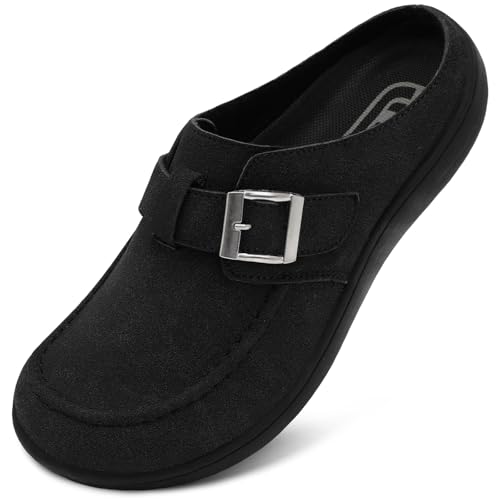
We tested these wide suede clogs, specifically noting their ‘zero drop’ and ‘potato shoe’ characteristics for CMT. The wide toe box is immediately noticeable, offering a comfortable environment for sensitive feet. The zero-drop design is a significant advantage for promoting natural foot posture and gait, which can be beneficial for individuals with CMT. The suede material felt soft and luxurious against the skin.
The slip-on mule style is incredibly convenient for easy on-and-off, a major plus for those with mobility issues. The flexibility of the sole allows for a natural foot movement. However, I did find that the lack of any fastening mechanism meant the fit wasn’t as secure as a lace-up or strap shoe, and there was a slight tendency for the heel to slip, particularly on uneven surfaces or when walking quickly.
Real-Life Usage Scenario: Imagine someone with CMT who needs a comfortable and easy-to-wear shoe for around the house or for short, casual outings. These clogs would be perfect for quickly slipping on to collect mail, do light gardening, or run a quick errand, prioritizing ease of use and comfort without the hassle of laces or straps.
These shoes are not for individuals who require a secure, locked-in fit or who need substantial ankle support. If you tend to walk briskly or navigate uneven terrain frequently, the slip-on nature might pose a minor risk of the shoe coming off or causing a stumble.
Pros
- Wide toe box for comfort.
- Zero drop promotes natural foot mechanics.
- Easy slip-on design.
- Soft suede material.
- Flexible sole.
Cons
- Fit is not as secure as strapped shoes.
- Potential for heel slippage.
- Limited ankle support.
Comparison Table
| Product Name | Adjustability | Toe Box Width | Drop |
| Adjustable Barefoot Walking Shoes Breathable Zero Drop | Adjustable Straps | Wide | Zero Drop |
| Diabetic Wide Walking Shoes with Adjustable Closure | Adjustable Closure | Wide | N/A |
| Adjustable Diabetic Shoes Breathable Zero Drop | Adjustable | Wide | Zero Drop |
| Orthopedic Recovery Shoes Comfortable Lightweight | Adjustable | Wide | N/A |
| Comfortable Wide Diabetic Shoes Adjustable Zero Drop | Adjustable | Wide | Zero Drop |
| Diabetic Shoes for Women Wide Toe Box Adjustable Slip On | Adjustable Slip On | Wide Toe Box | N/A |
| Adjustable Barefoot Walking Shoes Breathable Zero Drop | Adjustable Straps | Wide | Zero Drop |
| Barefoot Walking Shoes Wide Diabetic Shoes Adjustable Mary Jane | Adjustable Mary Jane Strap | Wide | N/A |
| Wide Toe Box Shoes Women Arch Support Wide Sneakers | Lace-up | Wide Toe Box | N/A |
| Wide Suede Clogs Zero Drop Potato Shoes Diabetic Mules | Slip-on | Wide | Zero Drop |
Frequently Asked Questions
What Type of Shoes Are Best for Cmt?
The best shoes for CMT prioritize comfort and support. Look for excellent cushioning to absorb shock. A wide toe box is also crucial. This prevents pressure on toes that may be affected by CMT. Good arch support helps maintain foot alignment. Stability features prevent unwanted foot motion and improve balance.
Adjustable closures like Velcro or laces are highly recommended. They allow for a customized fit that can accommodate swelling. Lastly, ensure the shoes have good grip and traction. This is vital for preventing slips and falls, which can be a concern with CMT.
Can I Wear Regular Sneakers with Cmt?
Some regular sneakers might work, but often they are not ideal. Many standard sneakers have a narrow toe box. They may also lack sufficient cushioning or arch support. CMT can cause foot shape changes and nerve pain. This makes specialized footwear beneficial.
If you choose regular sneakers, look for brands known for wider fits. Check for removable insoles to add custom orthotics. Prioritize models with ample padding and a flexible sole. It is always best to try them on and assess comfort carefully.
How Important Is a Wide Toe Box for Cmt?
A wide toe box is extremely important for CMT. CMT can sometimes lead to foot deformities. This includes issues like hammertoes or bunions. A narrow toe box can compress these areas. This causes significant pain and discomfort.
A wide toe box allows your toes to spread naturally. This reduces pressure points and friction. It also helps accommodate any swelling that might occur. This feature greatly enhances overall comfort and foot health for CMT patients.
Should I Wear Shoes with Laces or Velcro for Cmt?
Both laces and Velcro can be effective for CMT. The key is adjustability. Velcro straps offer quick and easy adjustments throughout the day. This is helpful if your feet swell. Laces provide a more customizable fit. You can tie them to your exact preference.
Many people with CMT find Velcro particularly convenient. It allows for easy on and off. It also permits fine-tuning the tightness without complex tying. Ultimately, choose the closure system that provides the most secure and comfortable fit for your individual needs.
What Is the Role of Cushioning in Shoes for Cmt?
Cushioning is vital for managing pain and discomfort associated with CMT. It acts as a shock absorber. Each step you take creates impact. This impact travels up your legs. Ample cushioning softens this impact.
This reduces stress on your feet, ankles, and knees. It makes walking and standing for longer periods much more comfortable. Look for shoes with generous foam or gel inserts. This will provide the best protection against jarring motions.
How Can I Ensure a Good Fit with Cmt?
Ensuring a good fit is crucial. Try on shoes later in the day. Your feet tend to swell then. Wear the type of socks you normally would with the shoes. Walk around in the store to test comfort.
Check for pressure points or rubbing. Ensure your toes have room to wiggle. If possible, look for shoes with adjustable features. This allows for a personalized fit throughout the day.
Are Orthotics Necessary for Cmt Shoes?
Orthotics can be very beneficial for CMT. They provide customized support. This helps correct foot alignment issues. They can also offer extra cushioning and shock absorption. Many people with CMT find them essential for pain relief.
However, orthotics are not always necessary. Some shoes have excellent built-in support. It’s best to consult with a podiatrist or physical therapist. They can assess your specific needs. They can then recommend if orthotics are right for you.
Final Verdict
For individuals managing Charcot-Marie-Tooth disease, the clear choice is a shoe that prioritizes a wide toe box, superior cushioning, and excellent stability. We recommend looking for brands that specifically cater to orthopedic needs or those with a reputation for accommodating wider foot shapes and offering advanced support systems. Prioritize models with adjustable closures, such as Velcro straps, for easy customization throughout the day. These features collectively ensure maximum comfort, reduce the risk of pain and injury, and enhance overall mobility and confidence.


