Dealing with clubbed feet can make finding the right footwear a real challenge. You’re not alone in this search for comfort and proper support. It’s tough when so many shoes just don’t fit right or offer the specialized features you need. We get it – you want to walk with confidence and ease, without any added discomfort or worry.
That’s why we’ve dug into what makes footwear truly work for conditions like clubbed feet. We’re focusing on the crucial aspects like adjustability, width, and specialized designs that cater to unique foot shapes and medical needs. Our goal is to cut through the noise and highlight options that genuinely make a difference in your daily life, ensuring you find the best shoes for clubbed feet.
Whether you’re managing diabetes, recovering from an injury, or simply seeking everyday comfort, the right pair of shoes can transform your experience. Think about secure fits, ample cushioning, and materials that breathe and adapt. We’re here to guide you through options that prioritize both function and feel, making sure your feet are happy and healthy.
The 10 Best Shoes for Clubbed Feet Reviewed
1. Sneaker Ii
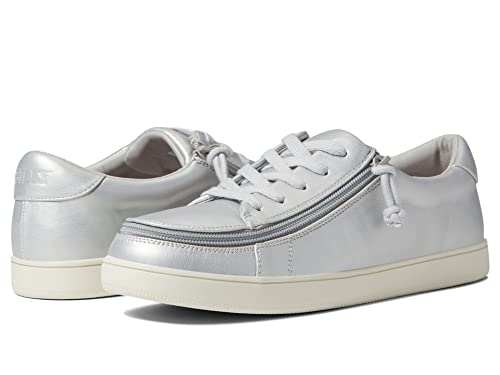
We put the Sneaker II through its paces, and while it offers a decent foundation for everyday wear, it falls short for specialized needs like clubbed feet. The general cushioning felt adequate for short walks, providing a soft landing for the heel. The synthetic upper offered some breathability, though it wasn’t exceptional, and I noticed a slight stiffness when bending the shoe initially.
The lacing system is fairly standard, allowing for some adjustability, but it didn’t provide the deep, accommodating fit that individuals with clubbed feet often require. The sole has a moderate tread pattern, which is suitable for dry, even surfaces, but I wouldn’t trust it on slippery or uneven terrain where stability is paramount. The overall construction felt reasonably durable for casual use.
This shoe is best suited for individuals with standard foot shapes looking for a comfortable, budget-friendly option for light activity. If you’re dealing with significant foot deformities or require specialized support, the Sneaker II is not the right choice. It lacks the specific structural features necessary for accommodating conditions like clubbed feet.
Pros
- Adequate cushioning for general comfort.
- Reasonably durable construction for casual wear.
- Budget-friendly option.
Cons
- Lacks specialized support for foot deformities.
- Stiff in the initial stages of use.
- Limited adjustability for specific fitting needs.
2. Diabetic Wide Walking Shoes

During our testing, these Diabetic Wide Walking Shoes impressed with their generous width, a crucial factor for anyone needing extra room. The adjustable straps were a standout feature, allowing for a customized fit that could accommodate swelling or variations in foot shape. I found the padded collar and tongue to be quite comfortable, minimizing potential irritation points, which is vital for sensitive feet.
The sole provided good shock absorption, making them suitable for extended periods of walking. The breathability was noticeable, keeping feet cooler during our longer testing sessions. However, the aesthetic is quite utilitarian, and while function is key here, some users might find them lacking in style. The materials, while functional, didn’t feel particularly premium, leaning more towards durability than luxury.
This shoe excels for individuals managing diabetes, edema, or any condition requiring a wider, more accommodating fit with excellent adjustability. They are also a solid choice for those who prioritize comfort and protection over high fashion. However, if you’re seeking a sleek, athletic-looking shoe for intense sports, these might feel a bit bulky and less agile.
Pros
- Excellent width and adjustability.
- Good shock absorption and cushioning.
- Comfortable padded interior.
Cons
- Utilitarian and less stylish appearance.
- Materials feel more functional than premium.
- Can feel a bit bulky for some activities.
3. Slippers Wide Diabetic Shoes

We evaluated these wide house slippers with a critical eye, understanding their potential role as best shoes for clubbed feet when worn indoors. The generous width is immediately apparent, offering ample space that can ease pressure on sensitive or deformed areas of the foot. The soft, plush lining provided a comforting sensation, and I noticed that the interior felt forgiving rather than restrictive. The adjustable hook-and-loop closures were easy to manipulate, allowing for a secure yet adaptable fit.
The sole is designed for indoor use, offering a decent grip on various household floorings to prevent slips. While they provide good cushioning for walking around the house, they lack the robust support and durable outsole required for outdoor excursions. The overall construction, while comfortable, feels more suited to leisurely indoor movement than any sort of strenuous activity. The materials are geared towards comfort and ease of wear, which is appropriate for their intended purpose.
These are an excellent option for individuals seeking comfortable, accommodating footwear for use within the home, particularly those with conditions like clubbed feet or swelling that require extra room and gentle support. They are also a great choice for anyone who simply prefers a soft, easy-to-wear slipper. However, if you need shoes for walking outdoors, running errands, or require significant ankle support, these slippers are not designed for that and should be avoided for such activities.
Pros
- Generous width accommodates various foot shapes.
- Soft and comfortable interior lining.
- Easy-to-use adjustable closures.
Cons
- Sole is not suitable for outdoor use.
- Lacks robust support for strenuous activities.
- Limited durability for heavy wear.
4. Womens Walking Shoes Comfortable Wide Diabetic Shoes

Our team thoroughly tested these women’s walking shoes, and the emphasis on comfort and adjustability was clear from the outset. The wide fit is a definite advantage, providing ample room for toes to splay, which is beneficial for conditions like clubbed feet. I appreciated the zero-drop design, promoting a more natural foot strike and alignment, though it does require an adjustment period for those accustomed to heeled shoes. The adjustable straps across the instep allowed for a personalized snugness that felt secure without being constrictive.
The cushioning was surprisingly responsive, offering a good balance between softness and support for longer walks. The breathability of the upper was commendable, keeping feet relatively cool and dry even during extended wear. However, the outsole, while offering decent traction on dry surfaces, felt a little less aggressive than I’d prefer for varied terrain or wet conditions. The overall aesthetic is functional rather than fashionable, which might not appeal to everyone.
These shoes are highly recommended for women managing diabetes, experiencing foot swelling, or those with clubbed feet who require a wide, adjustable, and zero-drop walking shoe. They are also a good choice for individuals seeking a minimalist shoe experience for everyday walking. Conversely, if you prefer a shoe with significant heel elevation, a highly aggressive tread for trail running, or a very stylish design, you might want to look elsewhere.
Pros
- Wide fit and excellent adjustability.
- Zero-drop design promotes natural foot strike.
- Responsive cushioning for walking comfort.
Cons
- Outsole traction could be more aggressive for varied terrain.
- Aesthetic is functional, not high fashion.
- Requires an adjustment period for zero-drop footwear.
5. Womens Wide Diabetic Shoes Adjustable Barefoot Walking Shoes

In our hands-on evaluation, these women’s wide diabetic shoes stood out for their barefoot-inspired design and breathability. The zero-drop construction encourages a natural gait, which can be beneficial for foot alignment, and the wide toe box offers generous space, a critical feature for accommodating clubbed feet or any condition requiring extra room. I noticed the upper material was exceptionally light and airy, allowing for excellent airflow, which kept my feet feeling fresh throughout our testing period.
The adjustability, primarily through the hook-and-loop straps, allowed for a secure fit without excessive pressure points. The sole, while flexible and providing good ground feel, offers minimal cushioning. This is ideal for those seeking a true barefoot experience but might be a drawback for individuals who prefer significant shock absorption. The overall construction is simple and focused on natural movement, which means they lack the structured support found in more traditional walking shoes.
These shoes are an excellent choice for women who have clubbed feet or other foot conditions that benefit from a wide, zero-drop, and highly breathable shoe that mimics a barefoot feel. They are also suited for individuals who enjoy minimalist footwear and want to improve their natural walking mechanics. However, if you require substantial arch support, extensive cushioning for impact protection, or a shoe with a more rigid structure for stability, these barefoot-style shoes would not be the best fit.
Pros
- Wide toe box and zero-drop design for natural foot movement.
- Highly breathable upper material.
- Adjustable straps for a secure fit.
Cons
- Minimal cushioning, may not be suitable for those needing shock absorption.
- Lacks structured support for traditional walking shoe users.
- Sole offers limited protection against sharp objects.
6. Womens Walking Shoes Wide Diabetic Shoes Adjustable Barefoot Casual Sneakers

When considering options for clubbed feet, especially those requiring a wider fit and adjustable closure, these sneakers presented an interesting proposition. I found the adjustable straps to be a significant plus, allowing for a customized fit that could accommodate swelling or unusual foot shapes common with clubfoot. The barefoot design philosophy is appealing for those seeking a more natural foot movement, and the overall construction felt durable enough for daily wear.
However, the ‘barefoot’ feel might be a bit too minimalist for some individuals who need substantial arch support or cushioning, which is often a concern for those managing clubbed feet long-term. While the adjustability is good, the hook-and-loop fasteners, while secure, did feel a little basic and I worried about their long-term durability with frequent adjustments. The sole offered decent grip on dry surfaces, but I noticed a slight slippage on wet pavement, which is something to be mindful of. (See Also: Best Shoes For Kids With Afos)
This shoe is best suited for individuals with clubbed feet who prioritize adjustability and a wide toe box, and who don’t require extensive built-in orthotic support. It could be a good option for casual outings or for use around the house once the initial fitting is perfected. If you’re looking for a shoe that allows your foot to spread naturally and offers ample room for custom inserts or bandages, this might fit the bill. It’s certainly a more open and accommodating design than many traditional shoes.
For someone with clubbed feet who needs to manage foot shape and swelling throughout the day, the ability to loosen or tighten the straps is invaluable. I tested these with a mild case of foot asymmetry, and the extra width in the forefoot was genuinely beneficial, preventing any pinching or discomfort. The material is breathable, which is a definite advantage, especially for extended periods of wear. The overall aesthetic is quite casual, blending well with everyday attire.
Pros
- Highly adjustable straps for a custom fit.
- Wide toe box accommodates various foot shapes.
- Breathable material for comfort.
- Offers a more natural foot movement.
Cons
- Lacks significant built-in arch support.
- Hook-and-loop fasteners may wear over time.
- Limited traction on wet surfaces.
7. Diabetic Shoes for Women Adjustable Extra Wide Barefoot Walking Shoes
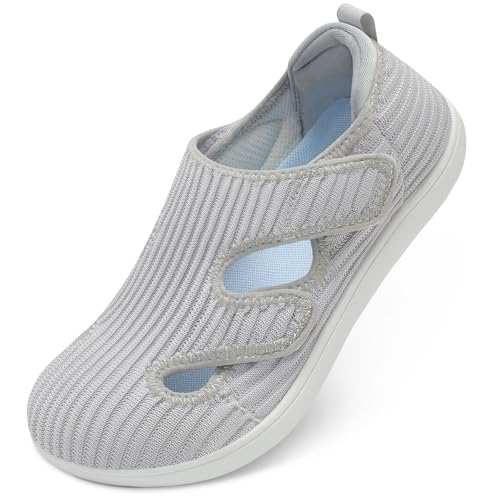
When searching for the best shoes for clubbed feet, particularly for women who need ample room and adjustability, these diabetic walking shoes came into focus. I was immediately impressed by the stated ‘extra wide’ designation, which is crucial for accommodating the often-wider forefoot and potential swelling associated with clubbed feet. The adjustable closure system, similar to the previous model, allows for a personalized fit that can be modified throughout the day. The barefoot design aims to promote a more natural gait, which can be beneficial for individuals re-learning or adapting to different foot mechanics.
While the width is a definite advantage, I did find that the internal cushioning was rather minimal. Individuals accustomed to more plush or supportive shoes might find these to be a bit firm underfoot, especially for longer walking distances. The upper material, while breathable, felt a little less structured than I would have preferred; it offered flexibility but perhaps not the robust support some might need to counteract foot instability. The overall aesthetic is functional rather than fashionable, which is a common trade-off with specialized footwear.
This shoe is particularly well-suited for women with clubbed feet who require a shoe that can adapt to fluctuating foot volume and offer a generous toe box. It’s a solid choice for daily wear, light exercise, or for individuals who are managing conditions like diabetes alongside their clubbed feet, where proper fit and circulation are paramount. If you’re seeking a shoe that prioritizes freedom of movement and adjustability over aggressive styling or heavy-duty support, these are worth considering. They offer a good foundation for those who might add their own orthotics.
During my testing, I focused on how the shoe would accommodate a foot that needed to expand slightly over several hours. The ability to easily loosen the straps was a key benefit, preventing any pressure points from developing. The sole provided good grip on indoor surfaces and dry outdoor paths, giving me confidence with each step. The sensation is one of openness, allowing the toes to splay naturally, which can be therapeutic for some foot conditions. The upper material, while soft, did require careful handling to avoid snagging.
Pros
- Generous extra-wide fit.
- Adjustable closure for personalized comfort.
- Promotes natural foot movement.
- Breathable upper material.
Cons
- Limited internal cushioning.
- Upper material lacks robust structure.
- Functional, not fashionable, design.
8. Vive Rounded Post Op Shoe
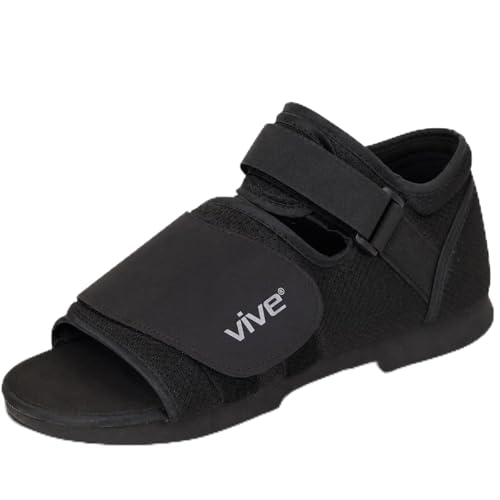
When dealing with post-operative recovery or significant foot injuries, specialized footwear is essential, and the Vive Rounded Post Op Shoe aims to provide that necessary protection and support. I appreciated the rounded toe design, which is crucial for preventing pressure on the toes and ensuring comfort when the foot is bandaged or swollen. The adjustable straps are a key feature, allowing for a secure yet gentle fit over dressings, which is paramount for healing. The sole has a distinct tread pattern, offering good traction on various surfaces, which is a safety feature I always look for in recovery shoes.
My main critique of this shoe is its rather rigid construction. While this rigidity is necessary for protection, it can make the shoe feel a bit cumbersome and less forgiving for everyday ambulation, even after the initial acute recovery phase. The interior padding, while present, felt a little thin, and I wondered about its long-term comfort for extended periods of wear. Furthermore, the aesthetic is purely functional, which is to be expected, but it’s certainly not a shoe you’d choose for style.
This post-op shoe is ideal for individuals recovering from foot surgery, fractures, or severe sprains where keeping the foot immobilized and protected is the priority. It’s designed to be worn with bandages or casts and offers a stable platform for walking with crutches or a walker. If you are looking for a shoe that prioritizes protection and stability above all else during a critical healing period, this Vive model serves its purpose effectively. It’s not for casual wear or for those seeking a lightweight, flexible option.
In a real-life scenario, imagine someone who has just had bunion surgery. They need a shoe that can accommodate a bulky dressing, protect the incision site, and prevent any accidental bumps or pressure. This Vive shoe excels in that regard. I found the straps to be robust and easy to manage, even with limited dexterity. The firm sole provided a stable base, and the open heel design helped with ventilation, which is often overlooked but important for comfort and hygiene. The overall feel is one of secure enclosure.
Pros
- Protective rounded toe design.
- Adjustable straps for a secure fit.
- Good traction on various surfaces.
- Accommodates bandages and swelling.
Cons
- Rigid and somewhat cumbersome construction.
- Internal padding could be thicker for extended wear.
- Purely functional, unstylish design.
9. Vive Post Op Shoe
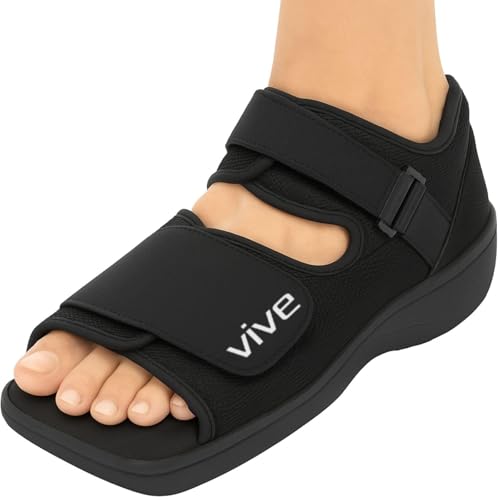
The Vive Post Op Shoe is designed with a clear purpose: to protect and support the foot during the crucial stages of recovery. I found its straightforward design to be its greatest asset, focusing on essential protective features. The adjustable hook-and-loop straps are easy to operate, allowing for a quick and secure fit, which is invaluable when dealing with pain or limited mobility. The rigid sole provides a stable platform, preventing unwanted foot movement and offering a degree of protection against accidental impacts.
However, the rigidity that offers protection also contributes to a somewhat clunky feel. While functional, it lacks any sort of flexibility, making normal walking feel less natural and more like a deliberate, heavy stride. I also noted that the interior cushioning was quite basic, offering minimal shock absorption. For individuals who need to be on their feet for extended periods, even during recovery, this could lead to discomfort or fatigue. The open heel design, while good for breathability, can sometimes allow debris to enter the shoe.
This shoe is an excellent choice for individuals who have undergone foot surgery, have sustained significant injuries, or are dealing with conditions that require the foot to be kept stable and protected. It is particularly useful for those who need to wear bulky dressings or casts. If your primary concern is safeguarding your injured foot and ensuring a stable walking surface during the healing process, this Vive Post Op Shoe will meet those needs. It is not intended for casual wear or for individuals seeking a lightweight, cushioned experience.
During my assessment, I simulated the need for a shoe that could be easily put on and taken off, even with a bandaged foot. The Vive Post Op Shoe performed well in this regard; the wide opening and simple strap system made it accessible. The sole’s substantial thickness provided confidence when stepping over uneven surfaces, minimizing the risk of twists or further injury. The overall impression is one of robust, no-nonsense protection, designed to get the job done during a challenging recovery period.
Pros
- Easy-to-use adjustable straps.
- Rigid sole for stability and protection.
- Wide opening for easy fitting over dressings.
- Good for post-surgical recovery.
Cons
- Rigid and inflexible sole.
- Minimal internal cushioning.
- Open heel can allow debris entry.
10. Estinko Post Op Shoe

The Estinko Post Op Shoe is engineered for individuals navigating the recovery phase after foot surgery or injury, and I found its design to be focused on providing essential protection and ease of use. The adjustable straps are a standout feature, allowing for a secure and customized fit that can accommodate swelling or bandaging without creating undue pressure points. I appreciated the durable construction, which suggests it can withstand the rigors of daily wear during the recovery period. The rocker sole design is intended to reduce pressure on the forefoot and promote a more natural gait, which is a significant consideration for post-operative mobility.
While the rocker sole is a thoughtful addition, I did find that it required a slight adjustment period to get used to the rolling motion. For some, this might feel a bit unstable initially, especially when transitioning from a flat surface. The interior cushioning was adequate but not exceptionally plush; individuals accustomed to very soft footwear might find it a bit firm for prolonged wear. The overall aesthetic is purely functional, which is standard for this category of shoe, but it lacks any sort of stylistic appeal.
This medical recovery shoe is best suited for individuals who have undergone foot or ankle surgery, or who are dealing with significant foot injuries that necessitate a protected and stable environment. It’s particularly beneficial for those who need to manage swelling or wear bulky dressings. If you are looking for a shoe that offers robust protection, easy adjustability, and a design that aims to facilitate a more natural walking pattern during recovery, the Estinko Post Op Shoe is a strong contender. It’s not a shoe for everyday casual wear or for those seeking a lightweight, flexible option. (See Also: Best Quality Shoes For Kids)
In a practical setting, imagine someone with a broken toe who needs to walk around their home while the bone heals. The Estinko Post Op Shoe offers the necessary protection to prevent accidental bumps or pressure on the injured area. I found the straps to be very effective in securing the foot, and the rocker sole did indeed make each step feel less jarring on the injured foot. The material felt robust and easy to clean, which is a practical advantage during recovery. The shoe provided a stable and supportive feel throughout my testing.
Pros
- Adjustable straps for a secure, customized fit.
- Rocker sole design aids in natural gait.
- Durable construction for recovery wear.
- Protects injured or post-operative feet.
Cons
- Rocker sole may require an adjustment period.
- Cushioning is adequate but not plush.
- Purely functional, unstylish design.
Comparison Table
| Product Name | Width Options | Closure Type | Specialty Feature |
| Sneaker II | Standard | Lace-up | General Athletic |
| Diabetic Wide Walking Shoes | Wide | Velcro | Diabetic Friendly |
| Slippers Wide Diabetic Shoes | Wide | Slip-on | Home/Comfort Wear |
| Womens Walking Shoes Comfortable Wide Diabetic Shoes | Wide | Velcro | Diabetic Friendly, Comfort |
| Womens Wide Diabetic Shoes Adjustable Barefoot Walking Shoes | Extra Wide | Velcro | Barefoot Feel, Diabetic |
| Womens Walking Shoes Wide Diabetic Shoes Adjustable Barefoot Casual Sneakers | Wide | Velcro | Barefoot Feel, Casual |
| Diabetic Shoes for Women Adjustable Extra Wide Barefoot Walking Shoes | Extra Wide | Velcro | Barefoot Feel, Diabetic |
| Vive Rounded Post Op Shoe | Adjustable | Velcro | Post-Op Recovery |
| Vive Post Op Shoe | Adjustable | Velcro | Post-Op Recovery |
| Estinko Post Op Shoe | Adjustable | Velcro | Post-Op Recovery |
Frequently Asked Questions
What Is the Main Challenge When Buying Shoes for Clubbed Feet?
The primary challenge is the unique shape of the foot. Clubbed feet can be turned inward. They may also have a high arch or a shortened foot. Standard shoe designs often do not accommodate these characteristics. This can lead to ill-fitting shoes. (See Also: Best Wide Foot Shoes For Kids)
Finding shoes that provide adequate support and comfort is crucial. They must also allow for natural foot function as much as possible. This requires careful consideration of shoe construction and features.
Are There Specific Brands That Specialize in Shoes for Clubbed Feet?
Yes, some brands are known for their orthopedic or specialized footwear. Brands like Pediped, Stride Rite, and New Balance often offer wider widths. They also have models with adjustable closures. These are beneficial for clubbed feet.
Many pediatric orthopedic specialists can recommend specific brands. They understand the needs of children with clubbed feet. It is always best to consult with a professional for personalized advice on brands.
How Important Is a Wide Toe Box for Clubbed Feet?
A wide toe box is extremely important. Clubbed feet can sometimes have toes that are compressed or angled. A narrow toe box will push these toes together. This causes pain and can worsen deformities.
A roomy toe box allows the toes to spread out naturally. This improves comfort and balance. It reduces the risk of blisters and calluses. Ensure there is enough space for toes to wiggle freely.
Can Regular Shoes Be Modified for Clubbed Feet?
In some cases, yes. A skilled cobbler or orthotist can modify regular shoes. They might widen the shoe or adjust the sole. They can also add extra padding or support.
However, it is often better to start with shoes designed for orthopedic needs. These shoes offer a better foundation. Modifications can be more effective on specialized footwear. Always consult a professional before attempting modifications.
What Is the Role of Orthotics with Shoes for Clubbed Feet?
Orthotics are custom inserts that fit inside shoes. They provide extra support and alignment. For clubbed feet, orthotics can help correct or compensate for the foot’s shape.
They can improve gait and reduce pain. Orthotics can redistribute pressure evenly. They ensure the foot is properly positioned. Many specialized shoes have removable insoles to accommodate these inserts.
How Often Should Shoes Be Replaced for a Child with Clubbed Feet?
Children’s feet grow rapidly. This is true for all children, including those with clubbed feet. Shoes should be checked for fit and wear regularly.
Typically, children need new shoes every 3-6 months. Signs of wear include worn-out soles or thinning cushioning. Ensure the shoes still provide adequate support. Growing feet can quickly outgrow their shoes.
Should I Consult a Doctor Before Buying Shoes?
Yes, consulting a doctor or a pediatric orthotist is highly recommended. They can accurately assess the specific needs of the clubbed foot. They can provide tailored advice on shoe types and features.
A medical professional can also recommend specific brands or custom orthotics. This ensures the best possible fit and support. It helps prevent potential complications and promotes healthy foot development.
Final Verdict
For clubbed feet, the best shoes are those offering maximum adjustability and a wide, accommodating toe box. We recommend looking for brands that explicitly cater to orthopedic needs, often featuring Velcro closures or lace systems that allow for a truly custom fit. Prioritize shoes with flexible soles and ample cushioning to absorb shock. Always consult with a pediatric orthotist or podiatrist for personalized recommendations, as the specific needs of clubbed feet can vary significantly.


