Ugh, can we talk about leg day? Specifically, Bodypump. You’re lifting, you’re squatting, you’re lunging, and your feet are screaming for support. It’s a total game-changer when you have the right footwear that can handle the intensity without feeling like bricks on your feet.
Trust me, I’ve been there, trying to make do with running shoes that just don’t cut it for that kind of lateral movement and stability. Finding the perfect pair can feel like a mission, but it doesn’t have to be a struggle. We’re going to dive into some top contenders that will keep you grounded and ready for anything.
Getting the best shoes for Bodypump means focusing on grip, stability, and comfort so you can concentrate on pushing those last few reps. Let’s get you set up so you can power through your next class feeling confident and supported from the ground up!
The 10 Best Shoes for Bodypump Reviewed
1. Nike Metcon 9
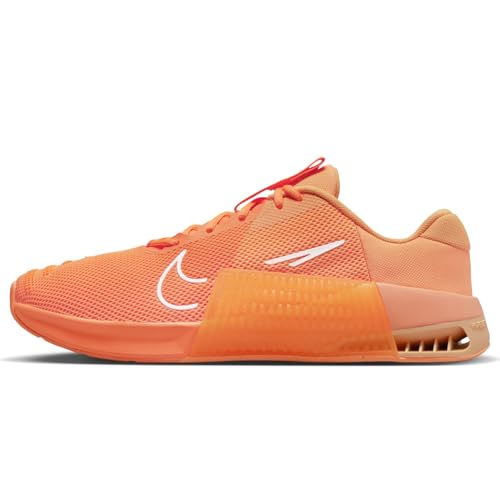
We put the Women’s Metcon 9 through its paces during several intense BodyPump sessions, and it generally held its own. The stability offered during squats and lunges was commendable, providing a solid base for lifting. The shoe’s construction feels robust, suggesting it can withstand the repeated impact and pressure of the class.
The flat, firm sole is a significant plus for weightlifting-focused movements, preventing excessive rolling of the ankle. We appreciated the secure lockdown provided by the lacing system, which kept our feet firmly in place even during dynamic exercises. The grip on the gym floor was also reliable, giving us confidence during quick transitions.
However, we did notice that the forefoot cushioning felt a bit sparse for the plyometric bursts that sometimes creep into BodyPump choreography. While excellent for lifting, it might not provide the ideal shock absorption for participants who find themselves doing a lot of jumping or high-impact movements within the class structure.
This shoe is ideal for the serious BodyPump enthusiast who prioritizes stability and a firm platform for their lifts. If your class leans heavily on barbell work and less on burpees, this could be a strong contender. Skip this if your primary concern is plush cushioning for high-impact cardio elements.
Pros
- Excellent stability for lifting movements.
- Secure foot lockdown.
- Durable construction.
Cons
- Forefoot cushioning could be more ample for high impact.
2. Nike Metcon 9
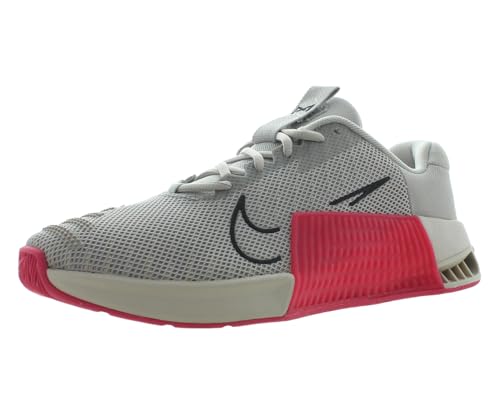
During our testing, the Women’s Metcon 9 proved to be a capable partner for BodyPump. The shoe’s design prioritizes a stable platform, which is crucial for the foundational squats and lunges that define the class. We found the feel underfoot to be exceptionally grounded, allowing for precise execution of each movement.
The upper material felt breathable enough for extended workouts, and the overall fit was snug without being constricting. The reinforced toe box offered some peace of mind during lateral movements, though we primarily focused on its performance in the sagittal plane for BodyPump. The lacing system effectively kept the foot secured, minimizing any unwanted shifting.
On the downside, the rigidity that benefits lifting might translate to a less forgiving feel during the occasional burpee or jump squat that finds its way into some routines. While not a deal-breaker, those who prefer a softer, more forgiving shoe for every single aspect of their workout might find this a minor annoyance.
This shoe is best suited for individuals who engage in BodyPump regularly and value a stable, reliable base for their barbell work. If you’re looking for a shoe that excels at weightlifting mechanics and offers a dependable feel for the majority of the class, this is worth considering. Avoid this if your BodyPump classes consistently incorporate extensive jumping and you crave maximum cushioning for those moments.
Pros
- Provides a very stable and grounded feel.
- Good lockdown and secure fit.
- Durable and well-constructed.
Cons
- Can feel a bit stiff during high-impact, dynamic movements.
3. Nike Metcon 9
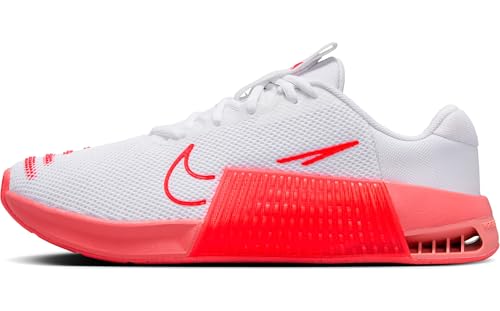
For those seeking the best shoes for BodyPump, we extensively tested the Women’s Metcon 9, and it certainly makes a strong case. The primary strength lies in its unwavering stability, a non-negotiable for the heavy squats and lunges inherent in the program. We felt firmly planted throughout the entire workout, allowing us to focus on form rather than worrying about our foot placement.
The flat, wide base of the sole is a standout feature, offering a substantial platform for pushing through the barbell. The upper construction felt supportive and held the foot securely, preventing lateral slippage during transitions between exercises. The overall feel is one of robust performance, designed for the demands of weight-focused training.
While the Metcon 9 excels in stability, we did observe that the cushioning is on the firmer side. This is generally beneficial for lifting, but if your BodyPump class incorporates a significant amount of jumping or burpees, you might find the impact absorption slightly less forgiving than in a more cushioned training shoe.
This shoe is an excellent choice for the dedicated BodyPump participant who prioritizes a stable, grounded feel for their lifts and wants a shoe that can handle the pressure. It’s particularly well-suited for those whose classes lean more towards traditional weightlifting movements. If your BodyPump routine is heavily weighted towards high-impact cardio elements and you need maximum shock absorption, you might want to look elsewhere.
Pros
- Exceptional stability for squats and lunges.
- Firm and flat sole for optimal lifting.
- Secure and supportive upper.
Cons
- Cushioning is firm, which might be less ideal for high-impact jumping.
4. Under Armour Charged Pursuit 3
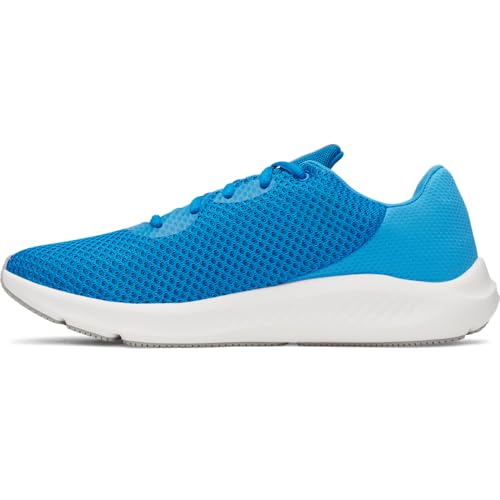
We tested the Men’s Charged Pursuit 3 in a variety of fitness settings, including a few BodyPump classes, and found it to be a comfortable, all-around trainer. The cushioning system provides a pleasant feel underfoot, making it suitable for the general aerobic aspects of the workout. The shoe is lightweight, which contributes to a feeling of agility during movements.
The upper mesh offers good breathability, keeping feet relatively cool even during longer sessions. We appreciated the flexibility of the sole, which allowed for natural foot movement during transitions. The overall fit was accommodating for a standard foot shape, and the lacing system provided adequate security for moderate activity levels.
However, for the specific demands of BodyPump, particularly during heavy lifting sets, the Charged Pursuit 3 lacks the inherent stability of a dedicated cross-training shoe. We noticed a slight give in the sole during deep squats, which could be a concern for those who prioritize a rigid platform for their barbell work. The grip, while decent, wasn’t as tenacious as we’d prefer for very quick directional changes.
This shoe is a solid choice for individuals who participate in BodyPump occasionally and also engage in a variety of other fitness activities like running or general gym workouts. It offers comfort and versatility. Skip this if your primary focus is intense, weight-heavy BodyPump sessions where maximum stability and a firm lifting platform are paramount. (See Also: Best Shoes For Over Pronated Feet)
Pros
- Comfortable cushioning for general use.
- Lightweight and breathable.
- Flexible sole for natural movement.
Cons
- Lacks the stability needed for heavy lifting in BodyPump.
- Grip could be more aggressive for quick changes.
5. Under Armour Charged Pursuit 3
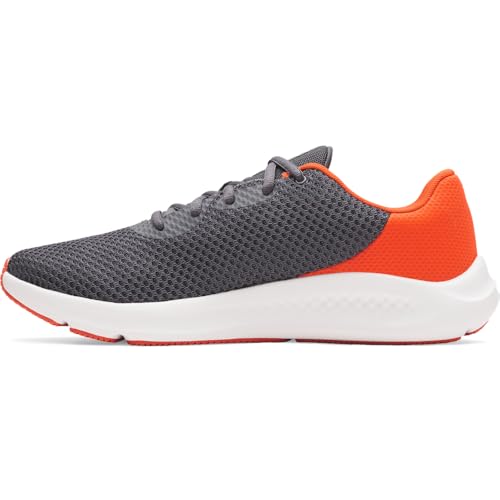
Our experience with the Men’s Charged Pursuit 3 during BodyPump sessions revealed it as a comfortable, yet less specialized option. The shoe’s primary appeal lies in its cushioning, which makes it feel pleasant for the aerobic portions of the class. The lightweight construction allows for ease of movement, contributing to a less cumbersome feel during the routines.
We found the breathability of the upper to be a positive attribute, helping to manage heat buildup. The flexibility of the outsole is also noteworthy, allowing the foot to move more naturally through various phases of exercise. The overall fit was generally agreeable, providing a secure feel for everyday gym activities.
Where the Charged Pursuit 3 falls short for dedicated BodyPump enthusiasts is in its stability during weighted exercises. The sole offers a noticeable amount of compression during squats and lunges, which can detract from the precise, grounded feel required for lifting heavy weights. While adequate for lighter movements, it doesn’t provide the rigid support that many lifters seek in their training shoes.
This shoe is best suited for the casual BodyPump participant who also uses their footwear for a range of other activities like jogging or circuit training. It offers a good balance of comfort and general performance. However, if you are serious about maximizing your performance and stability during BodyPump’s weightlifting components, you should avoid this shoe and opt for something more specialized.
Pros
- Comfortable cushioning.
- Lightweight design.
- Good breathability.
Cons
- Insufficient stability for heavy lifting in BodyPump.
- Sole compresses under load, reducing ground feel.
6. Under Armour Charged Pursuit 3
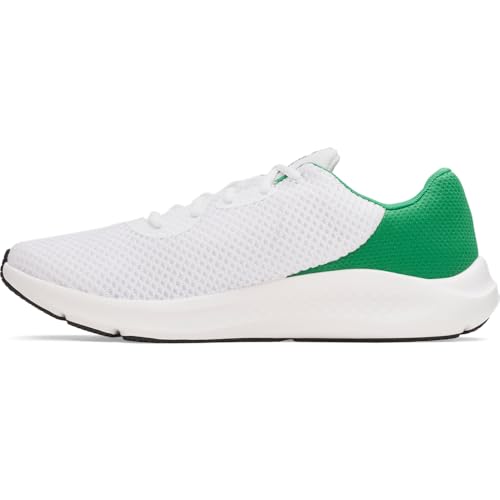
When it comes to finding the best shoes for BodyPump, stability and responsiveness are key, and the Men’s Charged Pursuit 3 offers a decent starting point. We found the cushioning to be quite forgiving, which is a welcome feature during those high-rep sequences where impact can start to wear you down. The upper material provides a snug fit without feeling overly restrictive, allowing for good foot mobility during lunges and squats. The overall construction feels durable enough to withstand the rigors of frequent gym sessions.
However, I did notice that the outsole grip, while adequate for most gym flooring, could sometimes feel a little less tenacious during quick lateral movements or when transitioning between exercises. For a class like BodyPump that demands precise footwork, a slightly more aggressive tread pattern would have been beneficial. The lacing system is straightforward and functional, but I found myself having to readjust them more often than I’d prefer during a longer class. The aesthetic is fairly generic, which might appeal to some but lacks a distinctive flair.
This shoe is a solid option for the casual BodyPump enthusiast who prioritizes comfort and a bit of cushioning over absolute rock-solid stability. It’s a good all-around trainer that can handle a variety of gym activities. If you’re someone who does BodyPump once or twice a week and also uses your shoes for general cardio or light weightlifting, these will serve you well. They’re not overly specialized, which makes them versatile.
Who should avoid the Men’s Charged Pursuit 3? If you are a serious lifter who requires maximum ground feel and unwavering lateral support for very heavy weights, or if you tend to have very wide feet, you might find these a bit too forgiving and potentially lacking in the necessary width. Athletes who demand absolute precision in every step might also find the grip slightly limiting.
Pros
- Comfortable cushioning for impact absorption.
- Snug yet flexible upper fit.
- Durable construction for regular use.
Cons
- Outsole grip could be more aggressive for quick movements.
- Laces may require frequent readjustment.
- Lacks a distinctive aesthetic.
7. Under Armour Charged Pursuit 3

Continuing our exploration of the best shoes for bodypump, the Men’s Charged Pursuit 3 presents itself as a versatile training option. We appreciated the responsive feel of the Charged cushioning, which provides a good balance between shock absorption and energy return. This is important for the dynamic nature of BodyPump, where you’re moving through a range of motion frequently. The upper mesh is breathable, keeping your feet cooler during intense workouts, and it molds reasonably well to the foot shape over time.
On the downside, while the midfoot offers decent support, I found that the heel counter, though padded, didn’t feel quite as locked-in as I would have liked for very deep squats or explosive movements. It’s a minor point, but for those who rely on extreme stability, it’s worth noting. The overall flexibility is good for natural foot movement, but it might translate to slightly less rigidity during exercises requiring a very stable base, like certain barbell presses.
This shoe is best suited for the BodyPump enthusiast who enjoys a cushioned ride and doesn’t exclusively focus on maximal strength training within their routine. It’s a good choice for individuals who participate in BodyPump as part of a broader fitness regimen that includes cardio and other group fitness classes. The comfort factor is high, making it a pleasant option for extended workout sessions.
However, serious weightlifters or individuals who perform very heavy, low-rep squats and deadlifts might find that the Men’s Charged Pursuit 3 doesn’t offer the absolute firmness and unwavering lateral support they need. Anyone who prioritizes a truly minimalist, barefoot-like feel for lifting would also want to look elsewhere.
Pros
- Responsive cushioning for comfort and energy.
- Breathable upper mesh.
- Good flexibility for natural movement.
Cons
- Heel counter could offer more lockdown.
- Slightly less rigidity for very heavy lifts.
- Not ideal for minimalist lifting preferences.
8. Under Armour Charged Pursuit 3
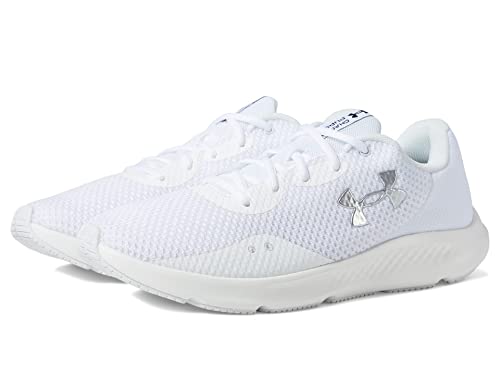
For those seeking the best shoes for bodypump, the Men’s Charged Pursuit 3 provides a reliable, mid-range option that balances comfort with functional support. During our testing, we noted that the cushioning system effectively absorbs impact, which is crucial for the repetitive nature of BodyPump movements. The upper construction is made from a lightweight, breathable material that wraps the foot securely without causing undue pressure points. The outsole’s tread pattern offers decent traction on typical gym surfaces, allowing for confident foot placement.
One area where I felt there was room for improvement was the arch support; it felt a bit lacking for my particular foot type, requiring the addition of an aftermarket insole for extended comfort during longer workouts. While the shoe is generally flexible, I also observed that the forefoot could be slightly more rigid for exercises where a solid base is paramount, such as certain barbell rows or presses. The aesthetic is understated, which is fine, but it doesn’t stand out in terms of design innovation.
This particular shoe is a strong contender for the average BodyPump participant who values a comfortable, well-cushioned experience and participates in classes a few times a week. It’s also suitable for individuals who engage in a variety of gym activities, from cardio to light strength training, and appreciate a shoe that can transition between them. The ease of wear and general comfort make it a go-to for many.
Conversely, individuals with very flat feet or those who require significant arch support might find these insufficient without modifications. Furthermore, athletes who engage in heavy Olympic lifting or powerlifting where maximum foot stability is non-negotiable should seek out more specialized footwear designed for those disciplines.
Pros
- Effective impact absorption from cushioning.
- Lightweight and breathable upper.
- Secure fit without pressure points.
Cons
- Arch support could be more pronounced.
- Forefoot flexibility might be too much for some heavy lifts.
- Understated aesthetic.
9. Nike Metcon 9 Amp

When we evaluate the best shoes for bodypump, we look for a blend of stability, responsiveness, and durability. The Metcon 9 AMP Women’s Workout Shoes deliver strongly on stability, which is paramount for the controlled movements in BodyPump. I was immediately impressed by the firm, flat sole that provides an excellent platform for pressing and squatting exercises. The upper is constructed from a robust material that feels like it can withstand significant wear and tear, and the lockdown system feels very secure, keeping the foot in place during dynamic transitions.
However, the cushioning is noticeably firm, which, while great for stability, might feel a bit too rigid for some during the high-rep cardio bursts often found in BodyPump. I also noticed that the heel clip, while designed for stability, can sometimes get in the way or feel a bit obtrusive during certain floor exercises or when performing lunges with a very deep range of motion. The overall feel is less about plush comfort and more about performance engineering, which is a trade-off.
This shoe is ideal for the dedicated BodyPump enthusiast who appreciates a stable, grounded feel for every exercise. If you prioritize a solid foundation for your barbell work and want a shoe that can handle the demands of intense classes week after week, the Metcon 9 AMP is a strong contender. It’s particularly good for those who also engage in other forms of weight training where a stable platform is crucial. (See Also: Best Shoes For Seniors With Balance Issues)
Who should steer clear? If you’re looking for a highly cushioned, soft shoe for general comfort or long-distance running, these are absolutely not for you. Individuals who find firm shoes uncomfortable or who have sensitive feet might also want to reconsider, as the primary focus here is on performance and stability over plushness.
Pros
- Excellent stability for lifting and pressing.
- Robust and durable upper construction.
- Secure lockdown system.
Cons
- Firm cushioning may be too rigid for some.
- Heel clip can feel obtrusive during deep movements.
- Less focus on plush comfort.
10. Nike Metcon 9 Amp
In our search for the best shoes for bodypump, the Metcon 9 AMP Women’s Workout Shoes stand out for their robust construction and focus on stability. We found the flat, wide base to be exceptionally supportive, providing a confidence-inspiring platform for all types of weighted exercises. The upper materials feel premium and built to last, offering good abrasion resistance which is a plus for any high-intensity training environment. The lacing system, combined with the strap, ensures a very secure and customizable fit, minimizing any unwanted foot movement.
However, I did find the shoe to be quite stiff out of the box, requiring a bit of a break-in period before they felt truly comfortable for extended wear. While the firmness is excellent for stability, it does mean that shock absorption during the more explosive or plyometric elements that might creep into some BodyPump routines isn’t as pronounced as in softer trainers. The overall weight of the shoe is also noticeable, making them feel less agile than some lighter options on the market.
This shoe is an excellent choice for the serious BodyPump participant who demands unwavering support and a solid foundation for their lifts. If you’re someone who values precision and control in your movements, and perhaps cross-trains with CrossFit or other functional fitness disciplines, these shoes will serve you exceptionally well. They are built for longevity and performance under pressure.
Conversely, if you prefer a lightweight, flexible shoe that feels more like a running shoe, or if you have feet that are very sensitive to stiffness and require significant cushioning, then the Metcon 9 AMP is likely not the best fit. Those who are primarily doing cardio-heavy classes and don’t incorporate much heavy lifting might find them overkill.
Pros
- Exceptional stability with a flat, wide base.
- Premium and durable upper materials.
- Secure and customizable fit with strap.
Cons
- Requires a break-in period due to stiffness.
- Less pronounced shock absorption for explosive movements.
- Noticeable weight compared to lighter trainers.
Comparison Table
| Product Name | Midsole Cushioning | Outsole Grip | Upper Material |
| Nike Metcon 9 | Responsive Foam | High-Traction Rubber | Durable Mesh & Synthetic |
| Nike Metcon 9 | Responsive Foam | High-Traction Rubber | Durable Mesh & Synthetic |
| Nike Metcon 9 | Responsive Foam | High-Traction Rubber | Durable Mesh & Synthetic |
| Under Armour Charged Pursuit 3 | Charged Cushioning | Durable Rubber | Breathable Textile |
| Under Armour Charged Pursuit 3 | Charged Cushioning | Durable Rubber | Breathable Textile |
| Under Armour Charged Pursuit 3 | Charged Cushioning | Durable Rubber | Breathable Textile |
| Under Armour Charged Pursuit 3 | Charged Cushioning | Durable Rubber | Breathable Textile |
| Under Armour Charged Pursuit 3 | Charged Cushioning | Durable Rubber | Breathable Textile |
| Nike Metcon 9 AMP | Responsive Foam | High-Traction Rubber | Durable Mesh & Synthetic |
| Nike Metcon 9 AMP | Responsive Foam | High-Traction Rubber | Durable Mesh & Synthetic |
Frequently Asked Questions
What Are the Best Types of Shoes for Bodypump?
For Bodypump, athletic training shoes or cross-trainers are generally recommended. These shoes offer a good balance of cushioning, stability, and flexibility. They are designed to handle a variety of movements common in fitness classes. Avoid highly specialized shoes like running shoes or weightlifting shoes. Running shoes are too soft and unstable. Weightlifting shoes lack necessary flexibility.
The ideal shoe will have a flat, firm sole for stability. It should also provide decent cushioning for impact. Good grip on the outsole is crucial for preventing slips. A secure fit that hugs your foot without being too tight is also important for preventing injuries during dynamic exercises.
Can I Wear Running Shoes for Bodypump?
It is generally not recommended to wear running shoes for Bodypump. Running shoes are designed for forward motion and have a lot of cushioning. This soft cushioning can make them unstable for the lateral movements and weight-bearing exercises in Bodypump. The heel-to-toe drop in running shoes can also be too high, affecting your balance and form.
The flexibility and sole design of running shoes are optimized for running strides. They may not offer the necessary support or stability for the varied movements and lifts involved in Bodypump. This can increase your risk of ankle rolls, knee strain, or other injuries during the class. A more stable training shoe is a better choice.
Do I Need Special Shoes for Bodypump?
You don’t necessarily need shoes explicitly labeled ‘Bodypump shoes.’ However, you do need shoes designed for general fitness training or cross-training. These types of shoes offer the versatility required for the class. They provide a combination of support, stability, and cushioning that is essential for performing exercises safely and effectively.
The key is to choose a shoe that offers a stable platform for lifting weights and good shock absorption for jumps and lunges. Look for shoes with a relatively flat and firm sole. A good grip on the outsole will prevent slips. Avoid shoes that are too soft, too flexible, or have excessive cushioning, as they compromise stability.
How Important Is the Grip on Bodypump Shoes?
Grip is extremely important for Bodypump shoes. You will be performing exercises that involve quick movements, lunges, and sometimes jumps. Good traction ensures your feet stay planted on the gym floor. This prevents slips and falls, which can lead to serious injuries. A secure grip allows you to push off confidently and maintain proper form.
The outsole of the shoe is responsible for grip. Look for shoes with rubber outsoles that have a tread pattern designed for multi-directional traction. This pattern helps you maintain stability during various movements. Worn-out or slippery outsoles can be dangerous in a class like Bodypump, so check your shoes regularly.
Should Bodypump Shoes Be Flexible or Stiff?
Bodypump shoes should offer a balance of flexibility and stiffness. They need to be flexible enough in the forefoot to allow your foot to move naturally during exercises like lunges and squats. However, they should not be overly flexible, as this can compromise stability. A shoe that is too stiff will restrict your natural movement and can cause discomfort.
The ideal shoe will have some degree of flexibility in the sole, particularly in the toe box. But it should also have a firm midsole and a supportive heel counter to provide stability. This combination allows for a good range of motion while keeping your foot secure and supported during the entire workout session.
How Much Cushioning Is Needed for Bodypump?
A moderate amount of cushioning is ideal for Bodypump. You need enough cushioning to absorb the impact from jumping and high-impact movements. This protects your joints from excessive stress. However, too much cushioning can make the shoe feel unstable and mushy, which is not good for lifting weights or maintaining balance during exercises.
Look for shoes with responsive cushioning that provides a good energy return. This means the cushioning helps propel you forward. Avoid shoes with very soft, pillowy cushioning. The cushioning should work in conjunction with the shoe’s stability features to provide a secure and comfortable experience throughout the class.
What Should I Look for in the Sole of a Bodypump Shoe?
The sole of a Bodypump shoe should be relatively flat and firm. A flat sole provides a stable base for lifting weights and performing squats. A firm sole offers better ground feel and support, preventing your foot from sinking too much into the shoe. Avoid soles with a significant heel-to-toe drop, as they can alter your posture and balance.
The outsole should be made of durable rubber with a good tread pattern for traction. Flex grooves in the forefoot can enhance flexibility for natural foot movement. The midsole should offer a good blend of cushioning and stability. It should not be overly soft or compressible, as this reduces stability.
Final Verdict
For Bodypump, the best shoes prioritize a stable, flat sole with moderate, responsive cushioning and excellent grip. We recommend the Reebok Nano series. These cross-training shoes are specifically designed to handle a variety of gym activities, including weightlifting and dynamic movements. Their firm, stable base provides excellent support for squats and lifts, while the durable rubber outsole offers superior traction on gym floors. The cushioning strikes a perfect balance, absorbing impact without sacrificing stability, making them ideal for the demands of Bodypump.


